The Story
Plant Bio
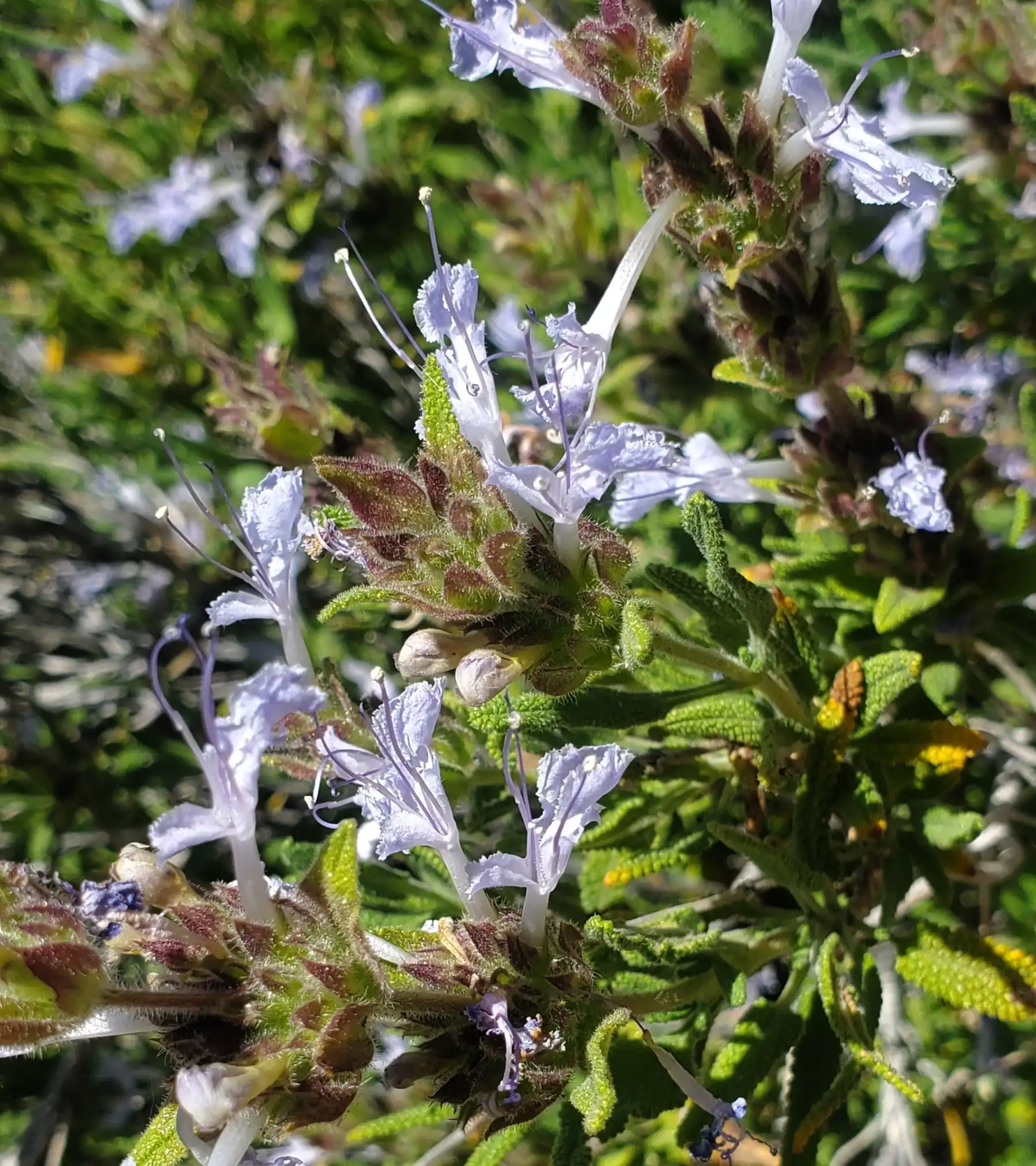
Salvia eremostachya, the desert sage, is an evergreen perennial shrub reaching two to three feet in cultivation, with narrow lime-green leaves that curl upward and smell fragrant when crushed. The flowers have the two-lipped sage structure, borne in whorled clusters of blue to rose to nearly white three-quarter inch blooms above purplish-green bracts.
Unlike garden sages, this is a true desert-scrub plant from rocky hillsides and sandy washes above Palm Springs and Borrego Springs, built for full sun, heat, and dry air. It flowers from spring to fall and feeds hummingbirds, butterflies, and native bees, but fails quickly where summer water or humidity keeps the crown wet.
Uses & Benefits:
Essentials
At a Glance
Plant Type
Shrub
Height
30"
Width
30"
Light
Full Sun
Zones
7, 8, 9
Water
Low
Humidity
Low - needs dry air
Lifespan
Perennial evergreen shrub
Native To
S. California and NW Baja California
Toxicity
Unknown
Bloom period
Spring – Fall
In flower about 9 months of the year
Planting
How to Grow
- Plant in full sun in sandy or rocky, fast-draining soil with the crown slightly high.
- Water deeply at planting, then taper to occasional deep soaks the first summer.
- Withhold routine summer water once established and keep organic mulch away from stems.
- Leave spent flower stems for seed and bees, then lightly tip back in winter.
Pro Tip
Give it full sun, lean sandy drainage, and dry air; cut summer water once established, as wet soil kills it faster than drought.
Keep It Thriving
Care Guide
Do
- Do plant on a slope or mound where water drains away from the crown.
- Do give full sun and open air circulation.
- Do water new plants sparingly until roots anchor.
Don't
- Do not overwater in summer or plant in clay that stays wet.
- Do not shear into old bare wood or fertilize heavily.
- Do not crowd with thirsty plants that need summer irrigation.
Seasonal Care Calendar
| Task | Jan | Feb | Mar | Apr | May | Jun | Jul | Aug | Sep | Oct | Nov | Dec |
|---|---|---|---|---|---|---|---|---|---|---|---|---|
| Mulch | ||||||||||||
| Pest Check | ||||||||||||
| Plant | ||||||||||||
| Prune |
Watch Out For
Pests & Diseases
Common Pests
Common Diseases
In the Garden
Landscape Uses & Companions
Landscape Uses
Multiply
Propagation Methods
Good to Know
Common Questions
Desert Sage questions
What zones can Desert Sage grow in?
Desert Sage is hardy in USDA Zones 7–9: in that range it survives winter in the ground. Colder than Zone 7, grow it in a container you can move to shelter for the winter. Warmer than Zone 9, winter isn't the problem: it prefers colder winters, and summer heat can shorten its life.
When does Desert Sage bloom?
Desert Sage typically blooms from spring to fall. Exact timing shifts a week or two with your zone — Sow's bloom calendar maps it to your garden.
Does Desert Sage need full sun?
Desert Sage does best in full sun (6+ hours).
Is Desert Sage drought tolerant?
Yes — once established (usually after the first full season), Desert Sage handles dry spells with minimal watering. Water deeply its first year to build the root system that makes that possible.
More Salvia to compare
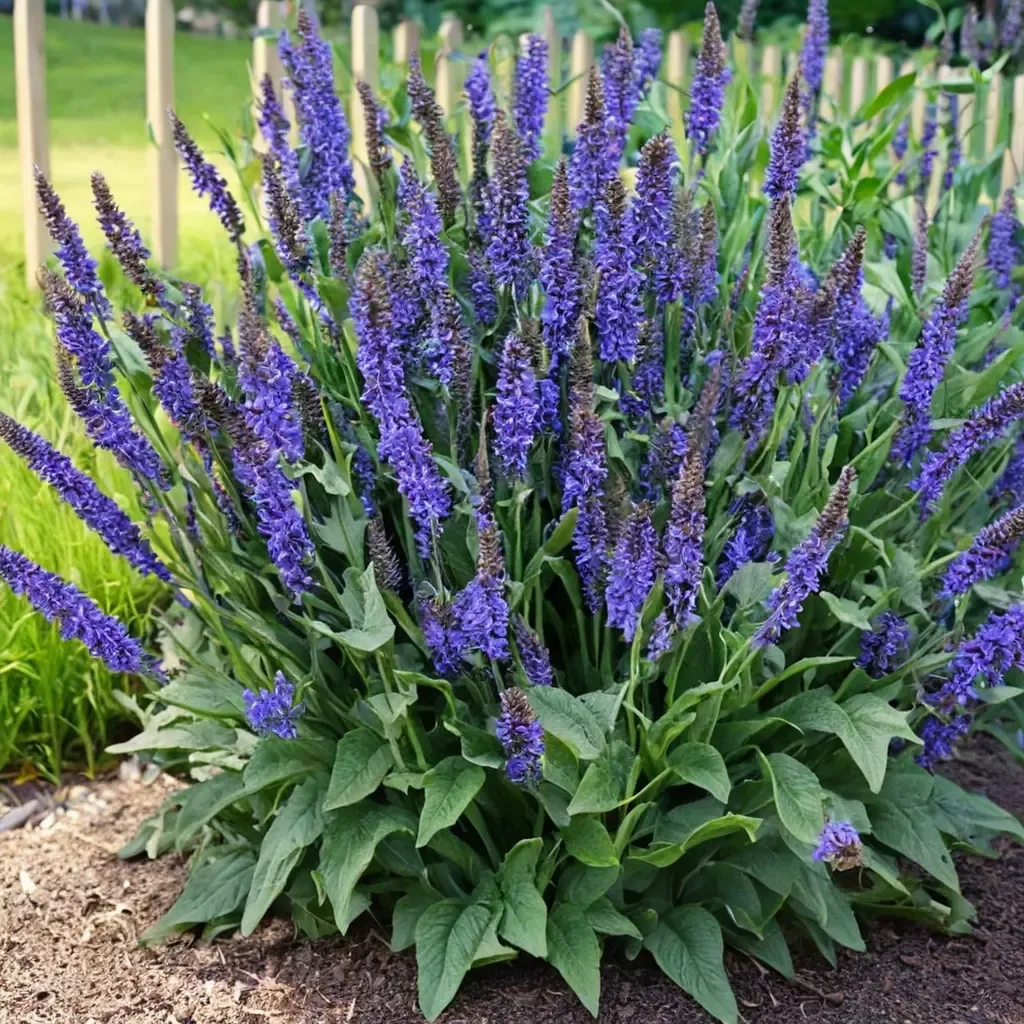
May Night Sage
Salvia nemorosa 'May Night'
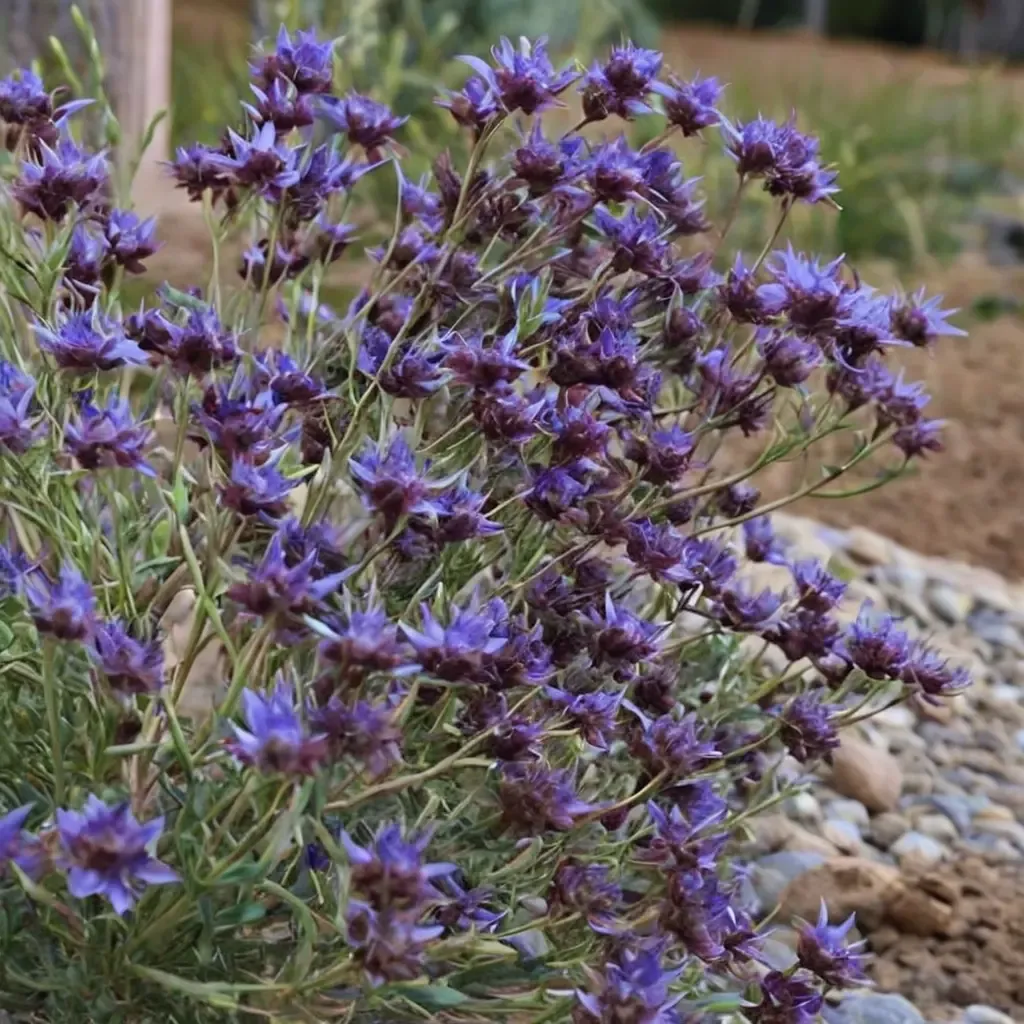
Celestial Blue Sage Wood Sage
Salvia nemorosa 'Celestial Blue'
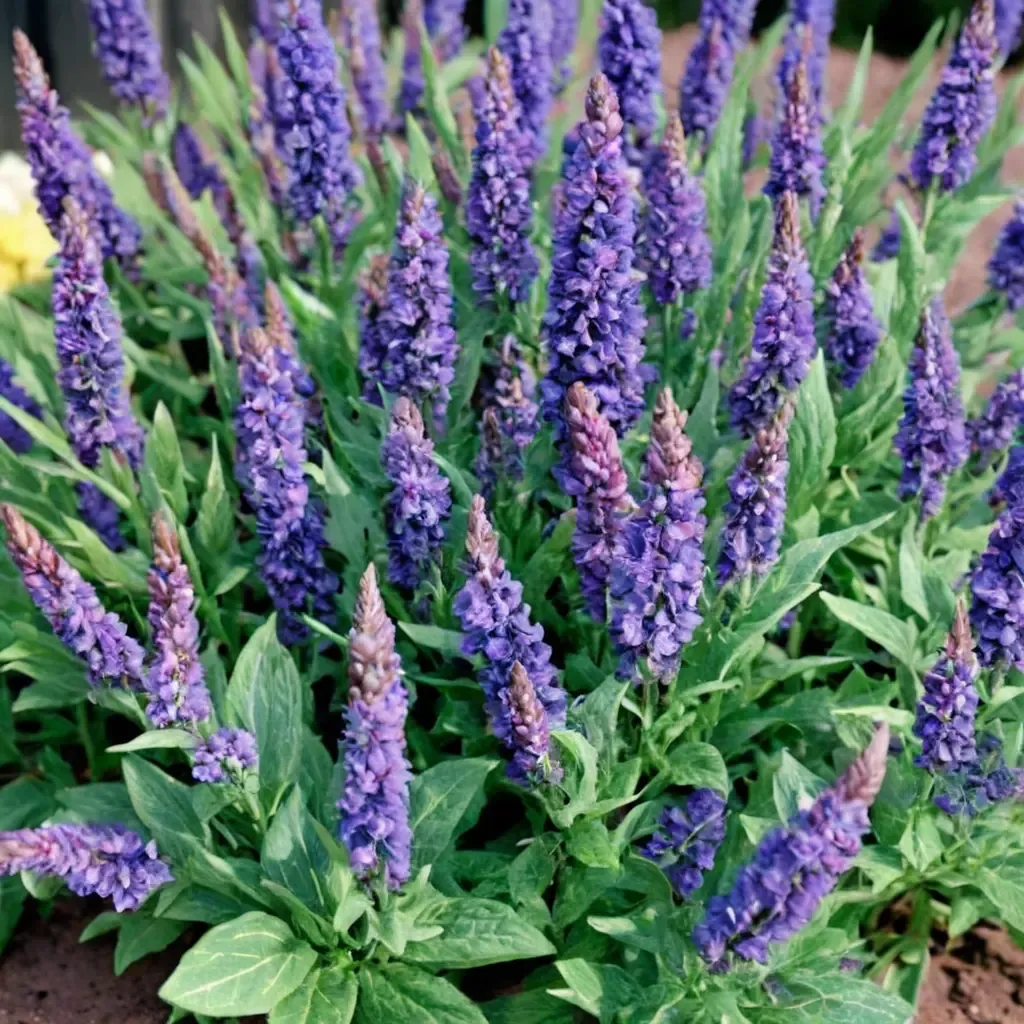
Marcus Woodland Sage
Salvia nemorosa 'Marcus'
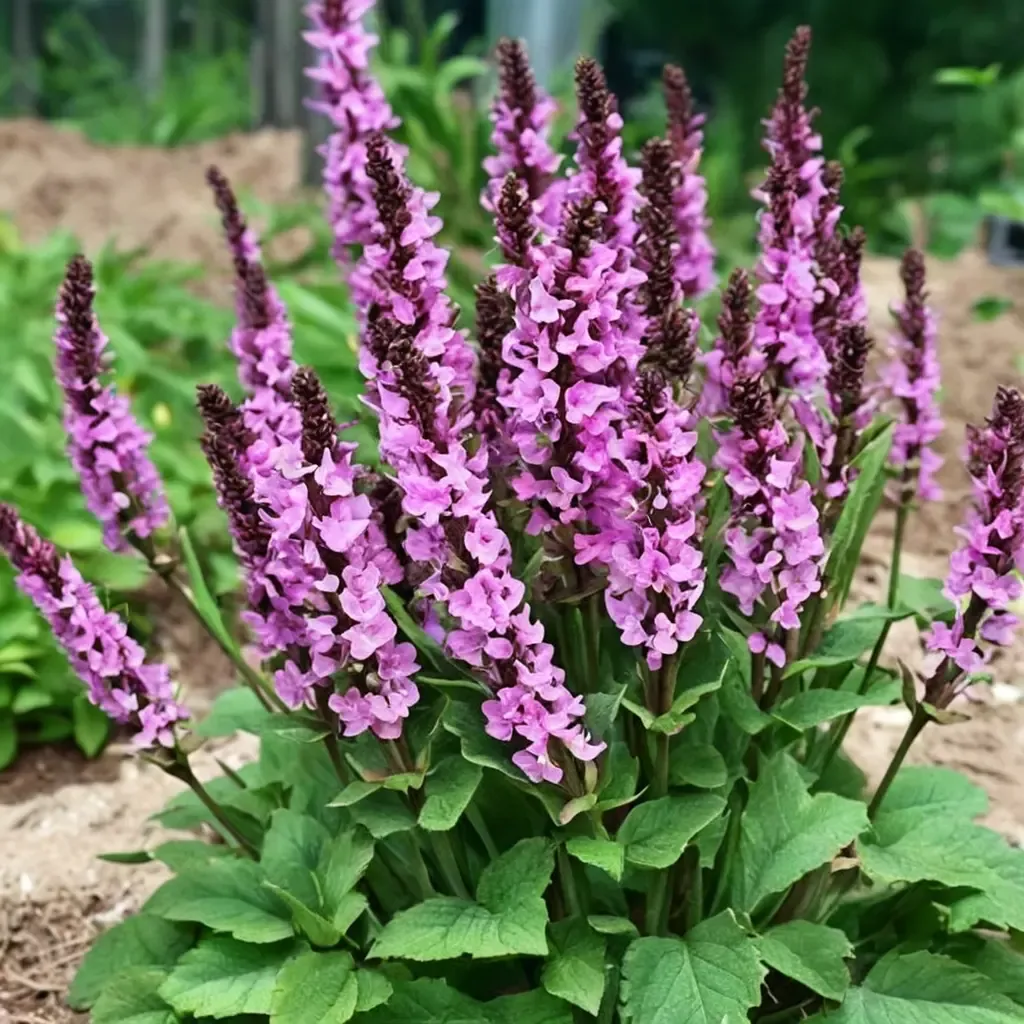
Rose Marvel Sage
Salvia nemorosa 'Rose Marvel'
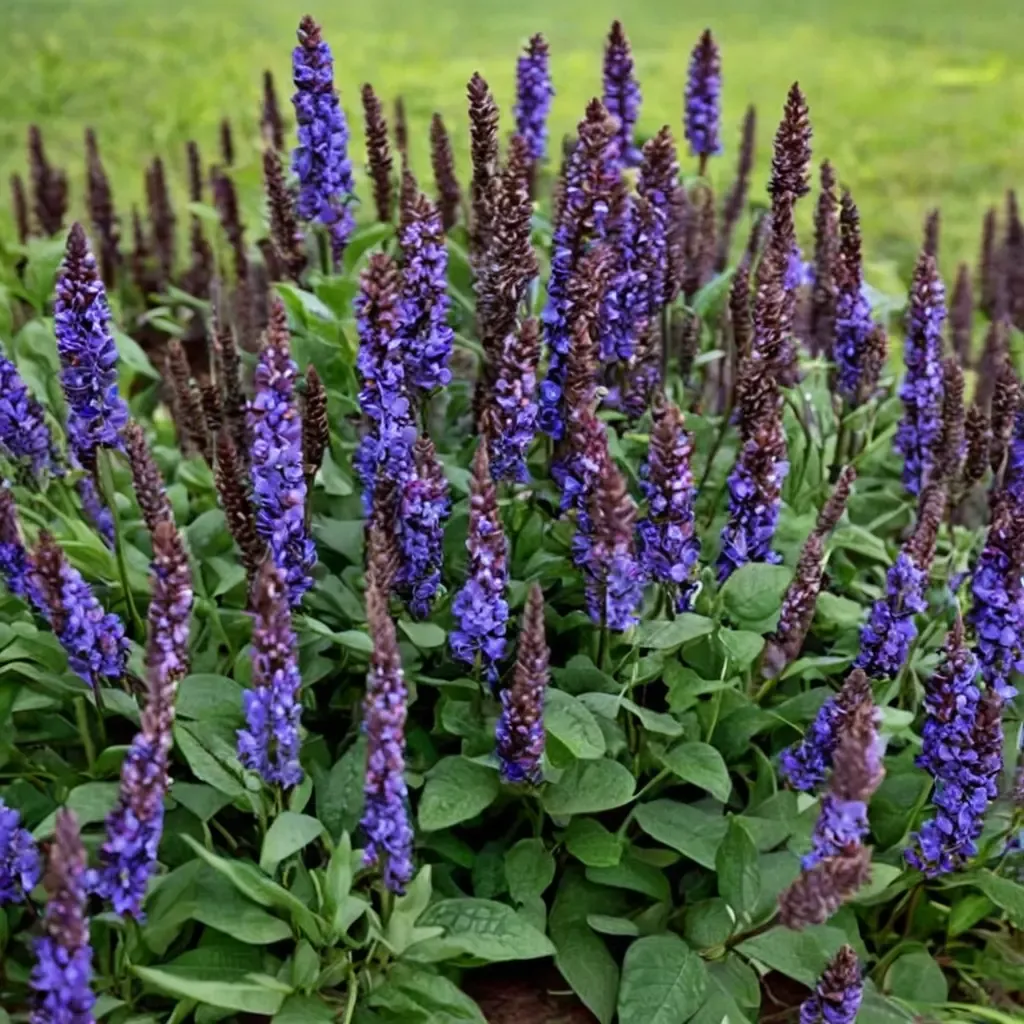
Bumbleblue Sage
Salvia nemorosa 'Bumbleblue'
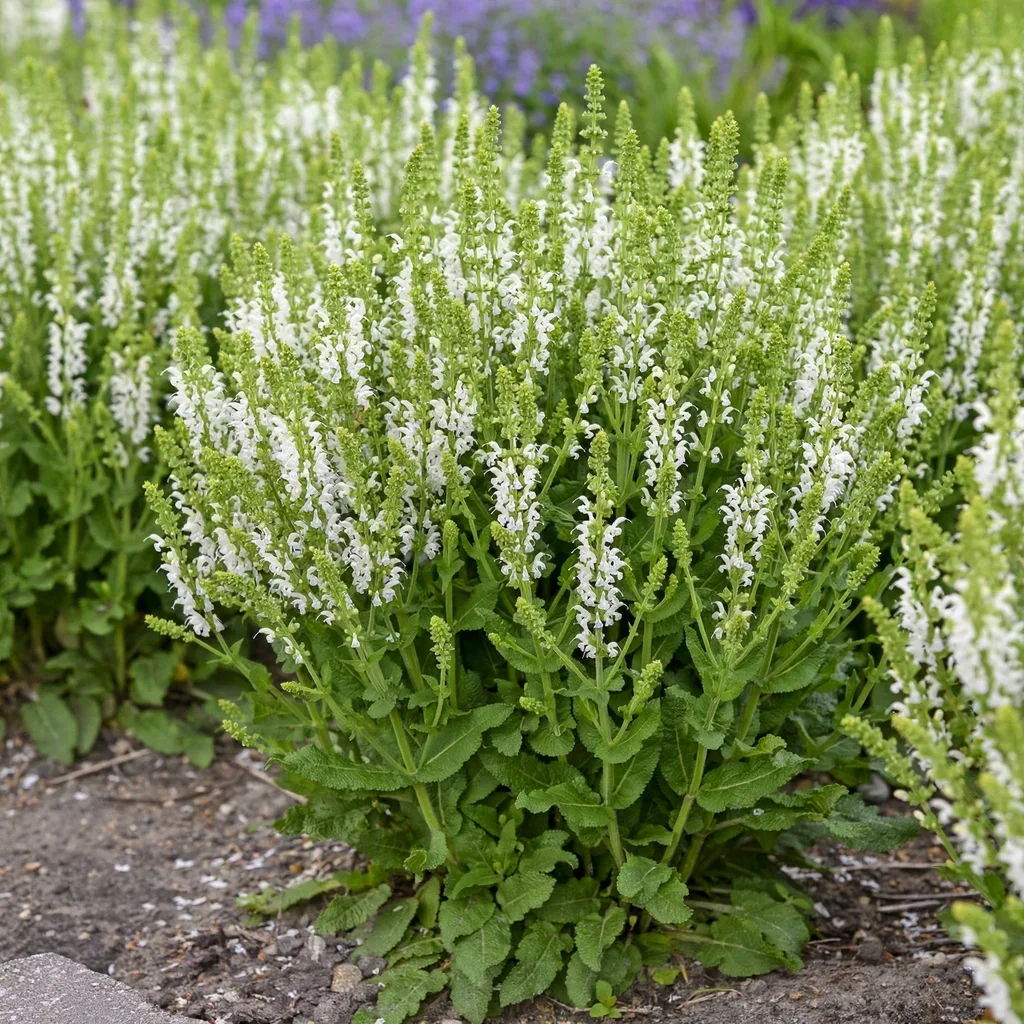
White Profusion Salvia
Salvia x hybrida 'White Profusion'
Keep exploring
Explore the genus
Hardy in your zone?
Grow Desert Sage with confidence
See it in a design of your actual yard, get zone-matched care reminders, and track it season by season in your garden journal.