
The Story
Plant Bio
Calamagrostis nutkaensis is a large cespitose perennial bunchgrass from the Pacific coast, reaching three to five feet tall and two to three feet wide with upright green blades in a dense clump. Flowers are borne in a branched panicle on tall stalks above the foliage and mature into persistent seed heads through summer.
Unlike dryland bunchgrasses it requires consistently moist rich soil and tolerates coastal exposure on beaches, dunes and cliffs, as well as part shade at woodland edges. The selection 'The King' is distinguished by unusually broad evergreen blades to three feet, with flower stalks to five feet, for use as a meadow or woodland accent.
Uses & Benefits:
Essentials
At a Glance
Plant Type
Grass
Height
59"
Width
35"
Light
Full Sun, Partial Sun
Zones
7, 8, 9, 10
Water
High
Humidity
Tolerant of coastal exposure
Lifespan
Perennial
Native To
Pacific Coast, Alaska to California and British Columbia
Toxicity
Unknown - no toxicity record
Bloom period
Spring – Summer
In flower about 6 months of the year
Planting
How to Grow
- Plant in full sun to part shade in moist rich soil that does not dry out
- Space clumps 2 to 3 feet apart to allow for mature width
- Water deeply to establish and keep soil consistently moist
- Mulch to hold moisture and keep mulch back from the crown
Pro Tip
Give it soil that stays moist year-round and do not cut it hard each year like a dry bunchgrass; remove only spent stalks and let the clump build.
Keep It Thriving
Care Guide
Do
- Keep soil consistently moist
- Mulch to conserve moisture
- Site for coastal exposure and part-shade tolerance
Don't
- Do not let soil dry out
- Do not cut the clump hard each year like a dryland grass
- Do not plant in dry unirrigated soil
Seasonal Care Calendar
| Task | Jan | Feb | Mar | Apr | May | Jun | Jul | Aug | Sep | Oct | Nov | Dec |
|---|---|---|---|---|---|---|---|---|---|---|---|---|
| Divide | ||||||||||||
| Mulch | ||||||||||||
| Plant | ||||||||||||
| Spring Cleanup |
Watch Out For
Pests & Diseases
Common Pests
In the Garden
Landscape Uses & Companions
Landscape Uses
Multiply
Propagation Methods
Good to Know
Common Questions
Pacific Reed Grass questions
What zones can Pacific Reed Grass grow in?
Pacific Reed Grass is hardy in USDA Zones 7–10: in that range it survives winter in the ground. Colder than Zone 7, grow it in a container you can move to shelter for the winter, or as an annual.
Is Pacific Reed Grass deer resistant?
Yes — Pacific Reed Grass is rated deer-resistant. Deer typically pass it over, though extreme hunger can override any plant's defenses.
When does Pacific Reed Grass bloom?
Pacific Reed Grass typically blooms from spring to summer. Exact timing shifts a week or two with your zone — Sow's bloom calendar maps it to your garden.
Does Pacific Reed Grass need full sun?
Pacific Reed Grass does best in full sun to part shade. In hot climates, afternoon shade keeps blooms fresher longer.
More Calamagrostis to compare
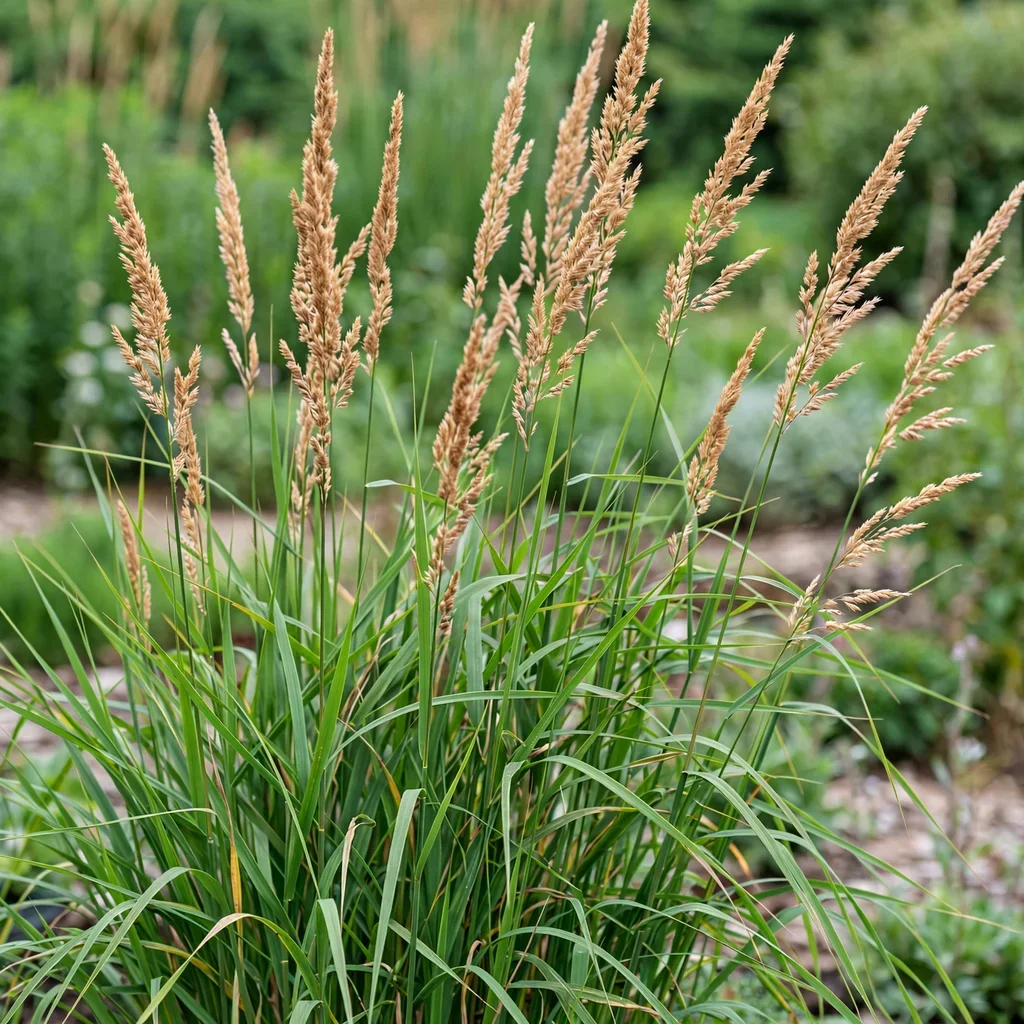
Karl Foerster Feather Reed Grass
Calamagrostis x hybrida 'Karl Foerster'
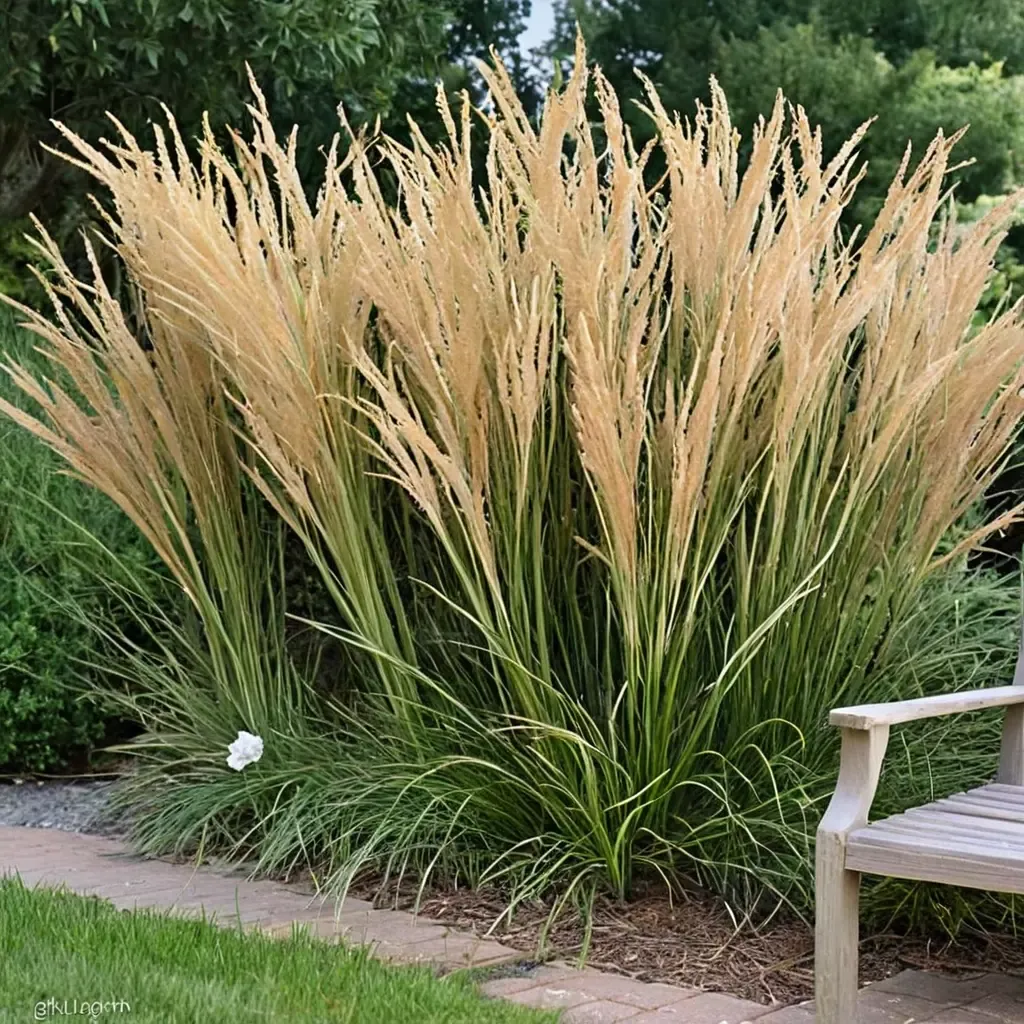
Feather reed grass
Calamagrostis x acutiflora
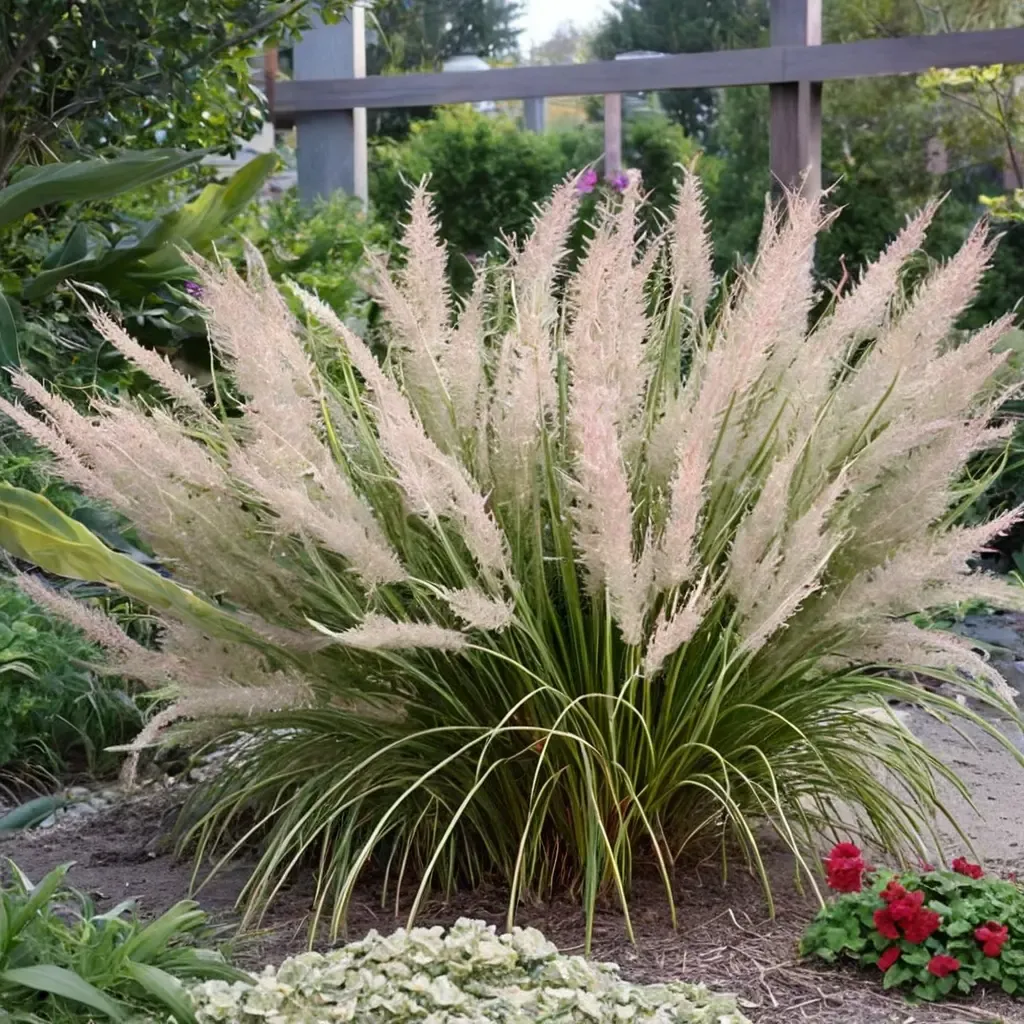
Korean feather reed grass
Calamagrostis brachytricha
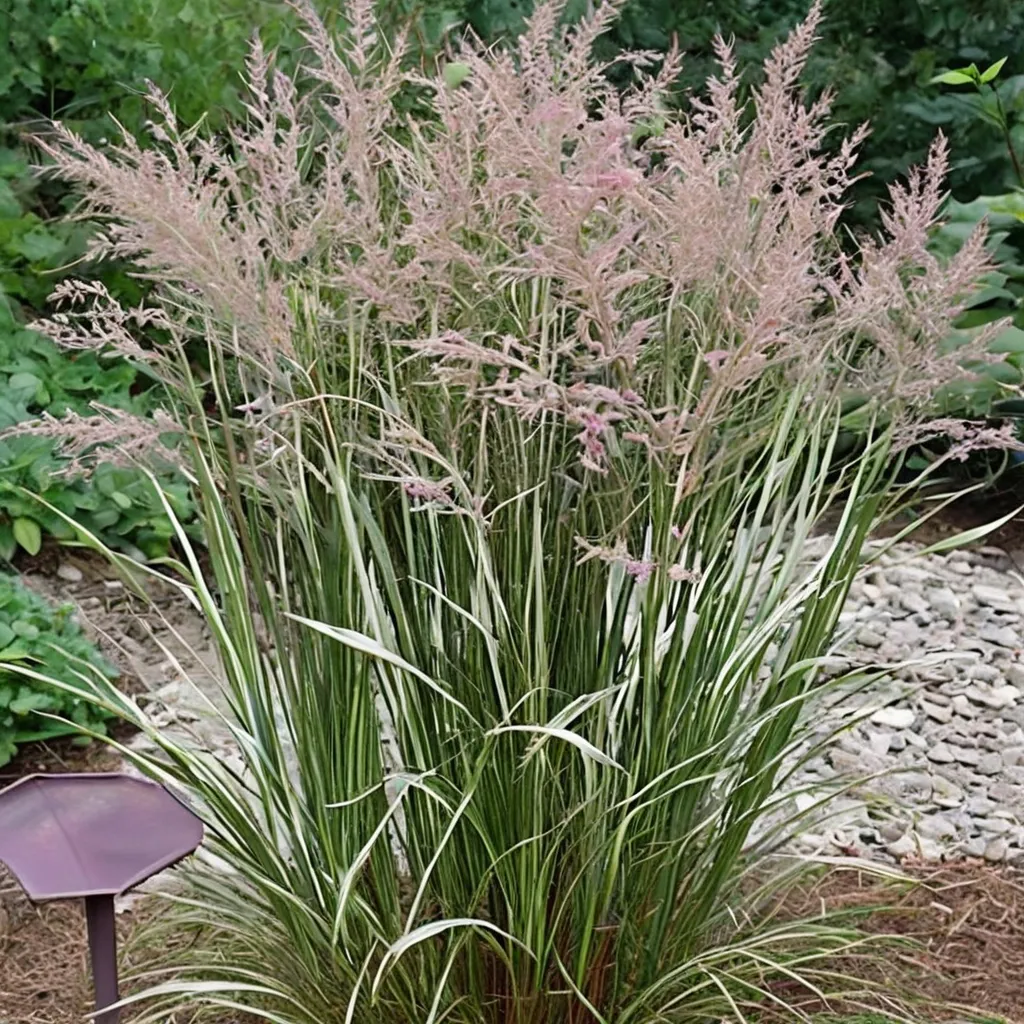
Variegated Feather Reed Grass
Calamagrostis arundinacea 'Overdam'
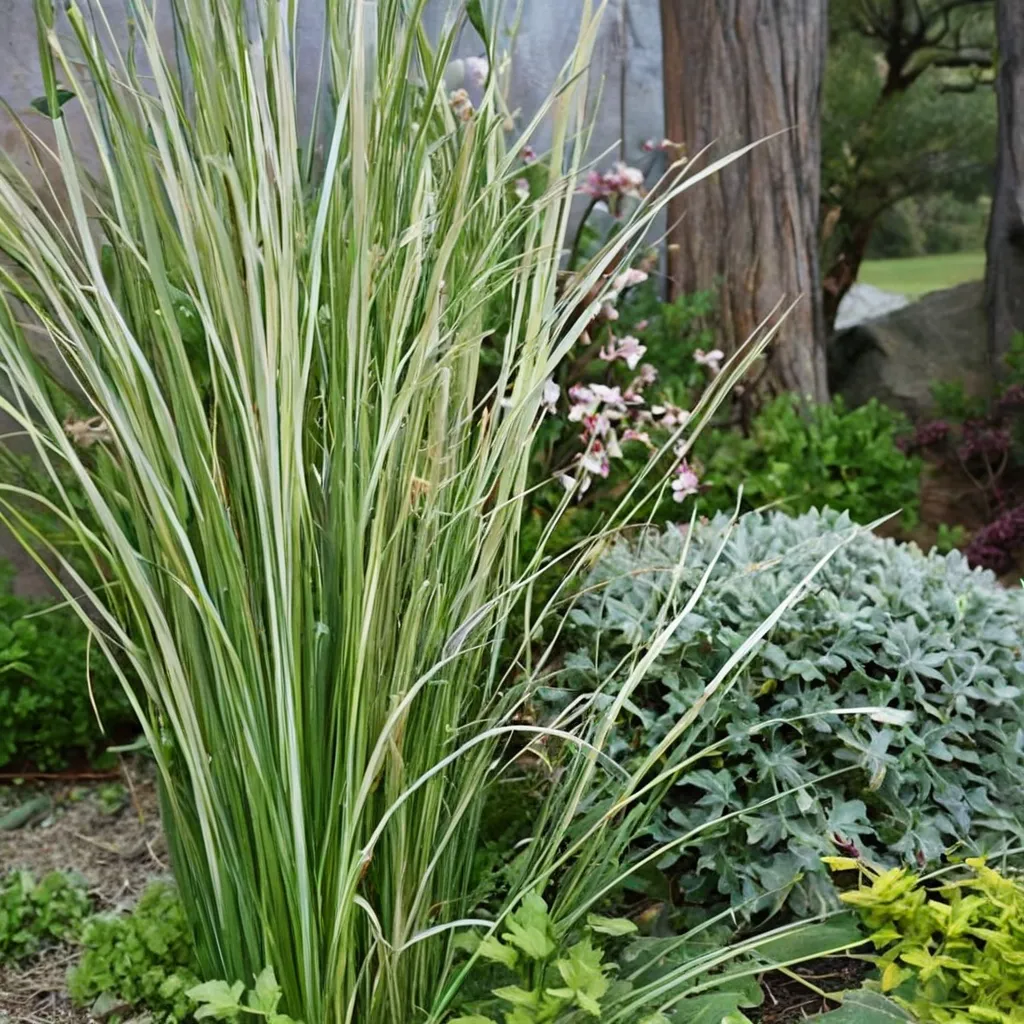
Calamagrostis Avalanche
Calamagrostis x acutiflora 'Avalanche'
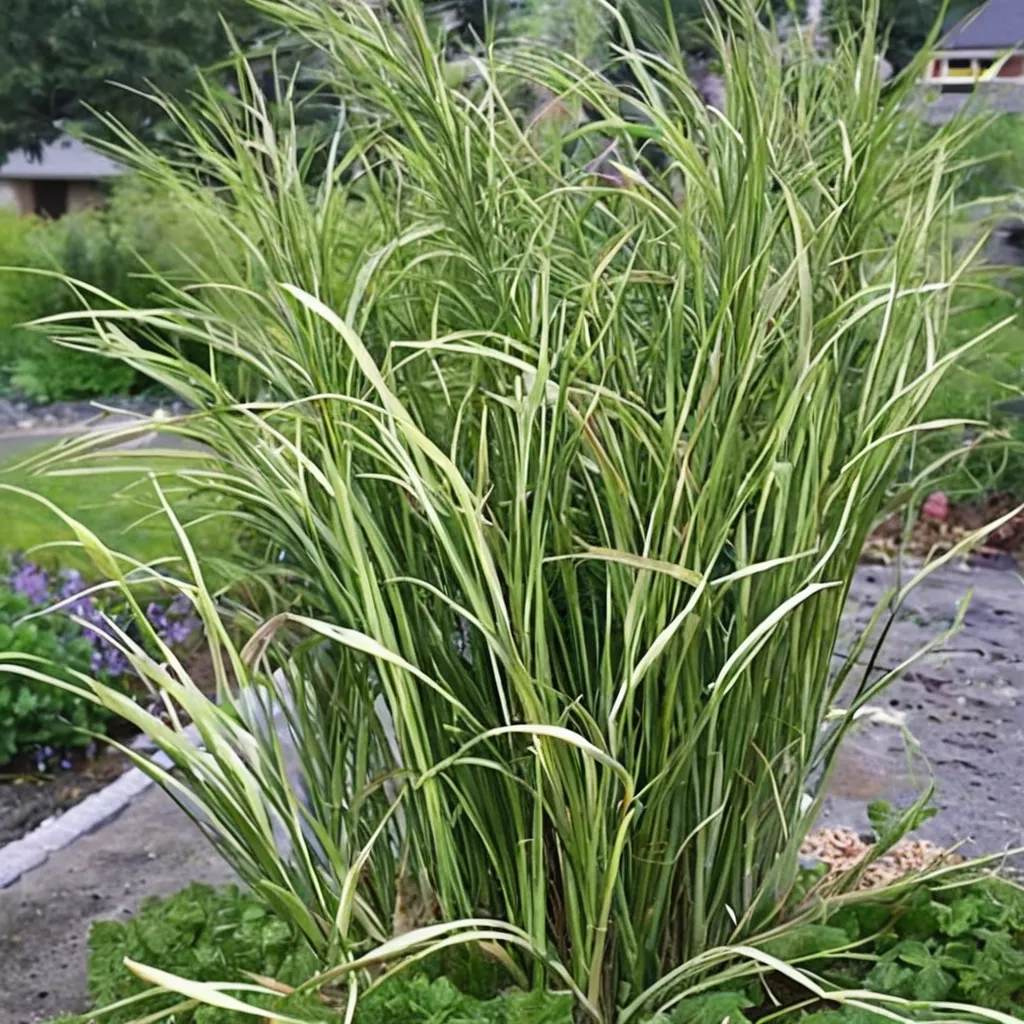
Eldorado Feather Reed Grass
Calamagrostis x acutiflora 'Eldorado'
Keep exploring
Explore the genus
Hardy in your zone?
Grow Pacific Reed Grass with confidence
See it in a design of your actual yard, get zone-matched care reminders, and track it season by season in your garden journal.