
Species
 Gardenia jasminoidesCommon Gardenia
17 other cultivars
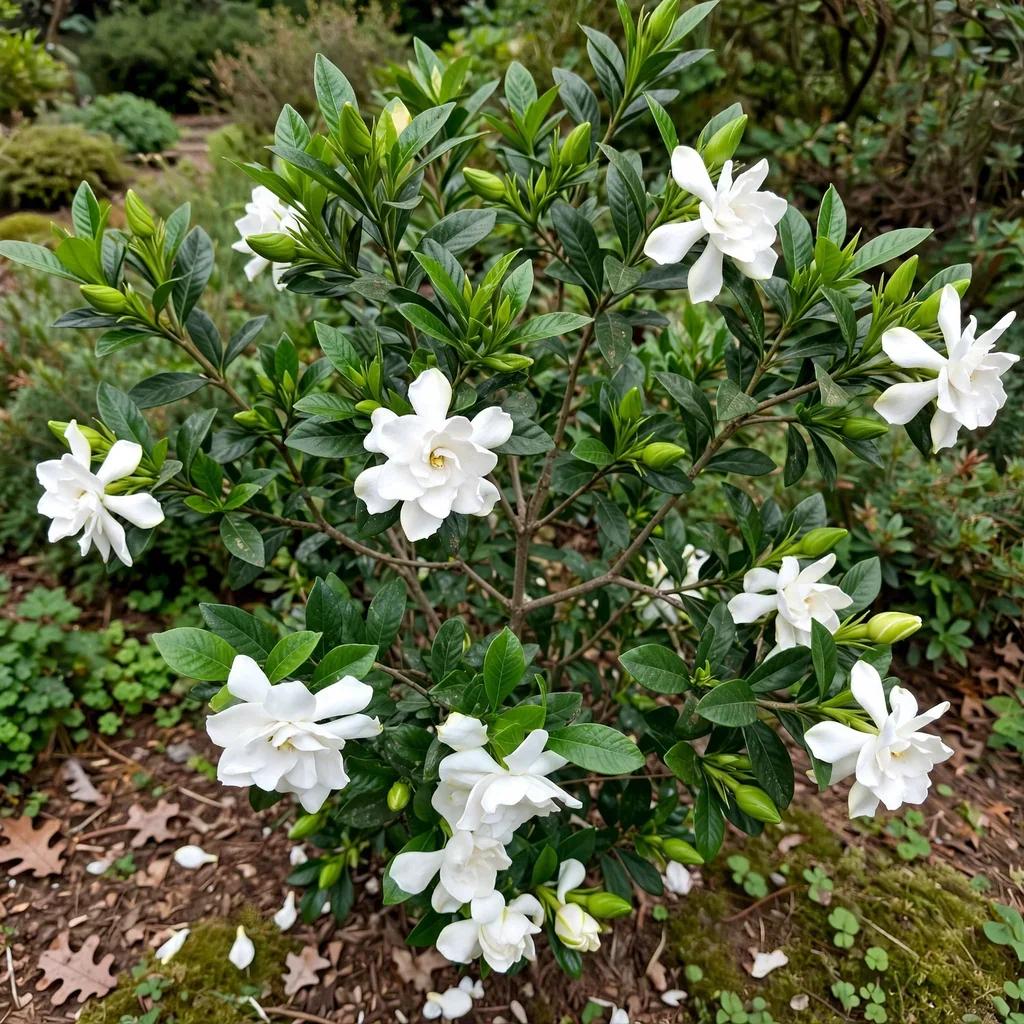 ‘Jubilation’Gardenia Jubilation
 ‘Steady As She Goes’Steady As She Goes Gardenia
 ‘Diamond Spire’Gardenia jasminoides Diamond Spire
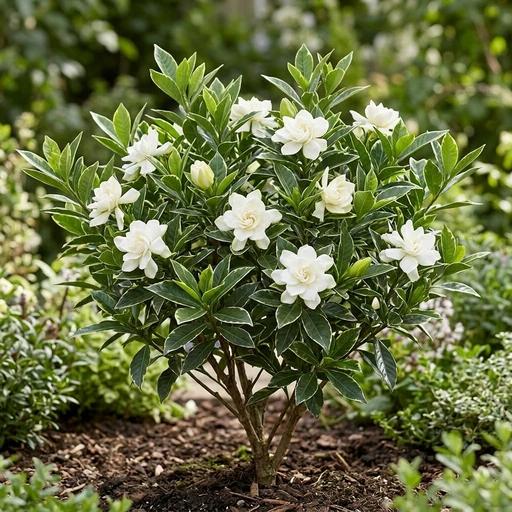 ‘Scent Amazing’ScentAmazing Gardenia
 ‘Radicans’Dwarf Gardenia
 ‘Double Mint’Double Mint Gardenia
 ‘Leefive’Leefive Double Mint Gardenia
 ‘Kleim’Kleim's Hardy Gardenia
 ‘Leeone’Jubilation Gardenia
 ‘Prince Charles’Prince Charles Gardenia
 ‘Buttons’Buttons Gardenia
 ‘WAH-LM’Snow Girl Gardenia
 ‘Kimura’Gardenia
 ‘Golden Pathway’Golden Pathway Gardenia
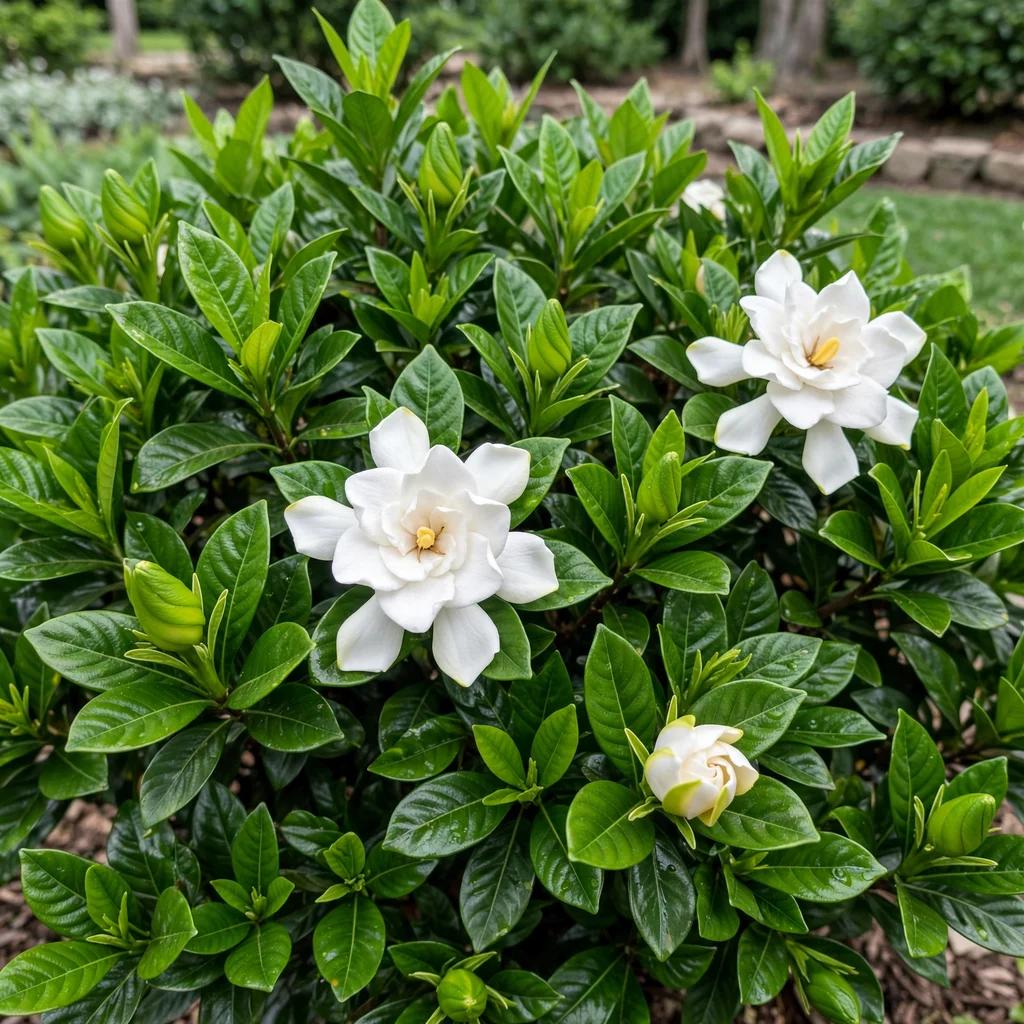 ‘Frostproof’Gardenia
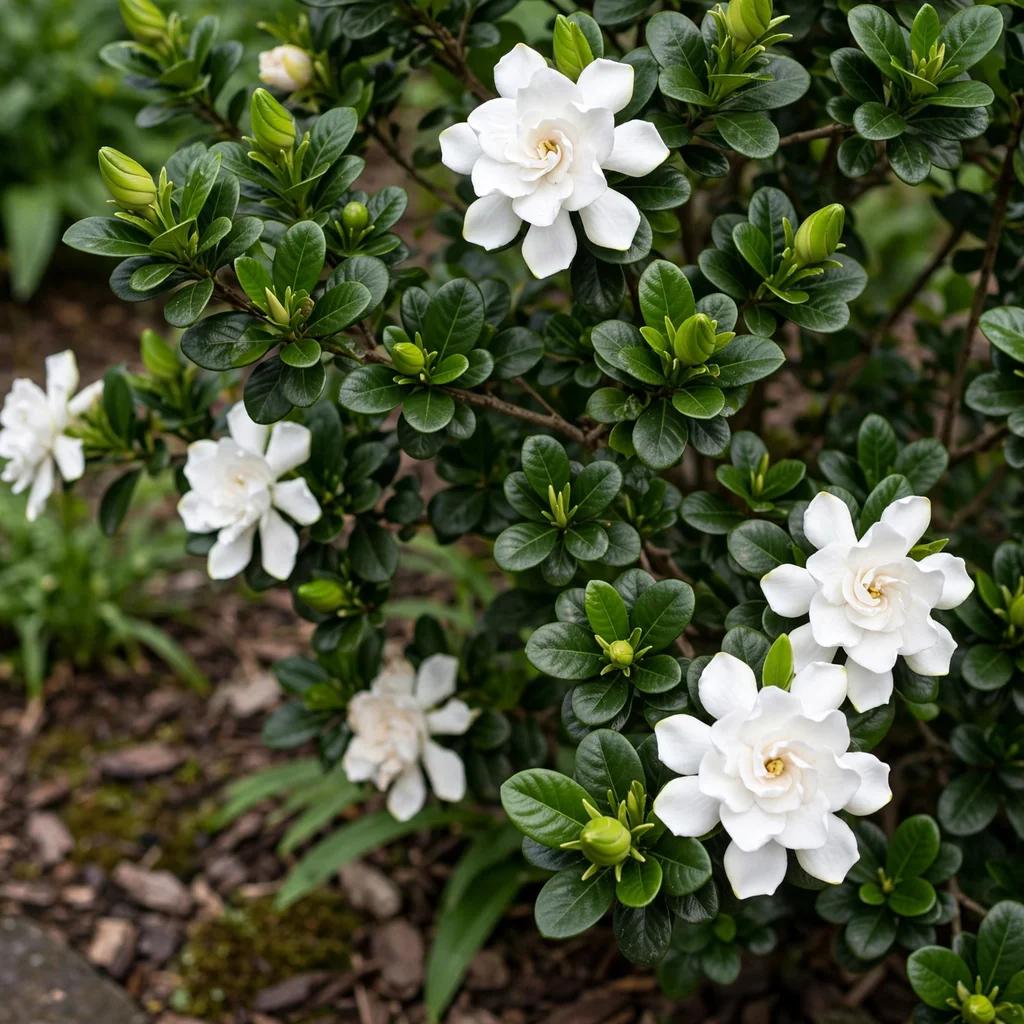 ‘Crown Jewel’Crown Jewel Gardenia
 ‘Fortuniana’Cape Jasmine
The Story
Plant Bio
Gardenia jasminoides is an evergreen shrub native to stream banks and moist woods across tropical and subtropical Asia. The species produces glossy dark green foliage and intensely fragrant white flowers that bloom in warm weather.
'Fragrant Pathways' is a prostrate cultivar that grows 12 to 24 inches tall and spreads up to 48 inches wide as a dense groundcover. It features narrow, fine-textured leaves with impressed veins and creamy white double blossoms that fade to soft yellow in late spring and early summer.
Uses & Benefits:
Essentials
At a Glance
Plant Type
Shrub
Height
24"
Width
48"
Light
Partial Sun
Zones
7, 8, 9, 10
Water
Moderate
Humidity
High
Lifespan
Perennial
Native To
Asia
Toxicity
Low
Bloom period
Late spring – Early summer
In flower about 2 months of the year
Planting
How to Grow
- Select a planting site in partial shade with protection from intense afternoon sun.
- Amend the soil with organic compost to create a rich, acidic, well-draining environment with a pH between 5.0 and 6.0.
- Set the plant into the ground so the top of the root ball sits slightly elevated to avoid planting too deeply.
- Water thoroughly after planting and apply a layer of organic mulch around the root zone, keeping mulch clear of the main stem.
- Maintain consistent soil moisture without overwatering, allowing the upper soil layer to dry slightly between waterings.
Pro Tip
Interveinal yellowing on leaves indicates high soil pH locking out iron rather than a nitrogen deficiency; correct this by amending soil with elemental sulfur or chelated iron, and avoid disturbing the shallow root system during installation.
Keep It Thriving
Care Guide
Do
- Plant in rich, acidic soil with excellent drainage.
- Provide protection from harsh afternoon sunlight in hot climates.
- Prune lightly immediately after flowering finishes in early summer.
Don't
- Never shear into old leafless wood, as stems will fail to sprout back.
- Do not fertilize in late summer or fall, which forces tender growth vulnerable to frost.
- Avoid planting in heavy, waterlogged soils or disturbing shallow root mats.
Seasonal Care Calendar
| Task | Jan | Feb | Mar | Apr | May | Jun | Jul | Aug | Sep | Oct | Nov | Dec |
|---|---|---|---|---|---|---|---|---|---|---|---|---|
| Fertilize | ||||||||||||
| Mulch | ||||||||||||
| Pest Check | ||||||||||||
| Prune |
Watch Out For
Pests & Diseases
Common Pests
Common Diseases
In the Garden
Landscape Uses & Companions
Landscape Uses
Companion Plants
Multiply
Propagation Methods
Good to Know
Common Questions
Dwarf Gardenia questions
What zones can Dwarf Gardenia grow in?
Dwarf Gardenia is hardy in USDA Zones 7–10. Inside that range it survives winter in the ground; outside it, grow it as an annual or a container plant you protect.
Is Dwarf Gardenia deer resistant?
Not reliably. Deer may browse Dwarf Gardenia, especially tender spring growth — plan on repellents or fencing where pressure is high.
When does Dwarf Gardenia bloom?
Dwarf Gardenia typically blooms in late spring through early summer. Exact timing shifts a week or two with your zone — Sow's bloom calendar maps it to your garden.
Does Dwarf Gardenia need full sun?
Dwarf Gardenia does best in part shade.
Is Dwarf Gardenia drought tolerant?
Yes — once established (usually after the first full season), Dwarf Gardenia handles dry spells with minimal watering. Water deeply its first year to build the root system that makes that possible.
More Gardenia to compare
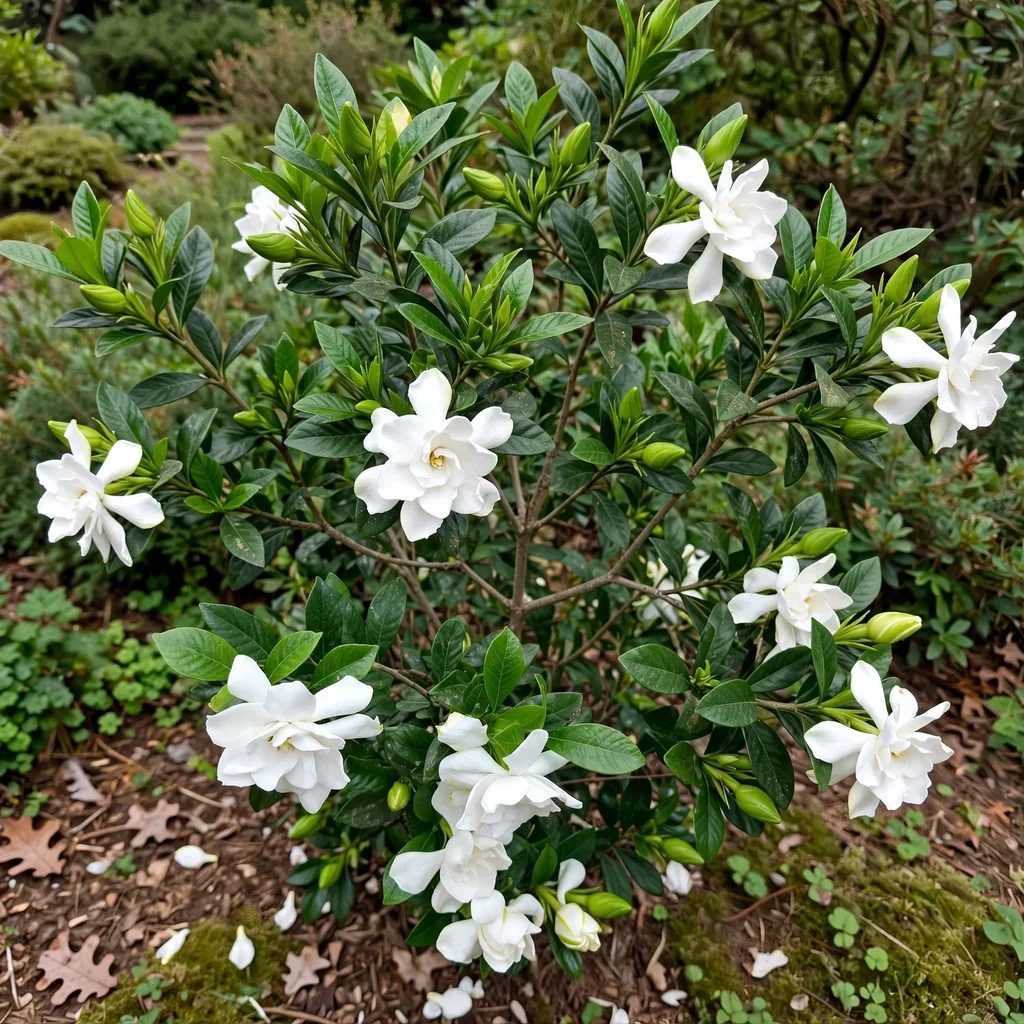
Gardenia Jubilation
Gardenia jasminoides 'Jubilation'
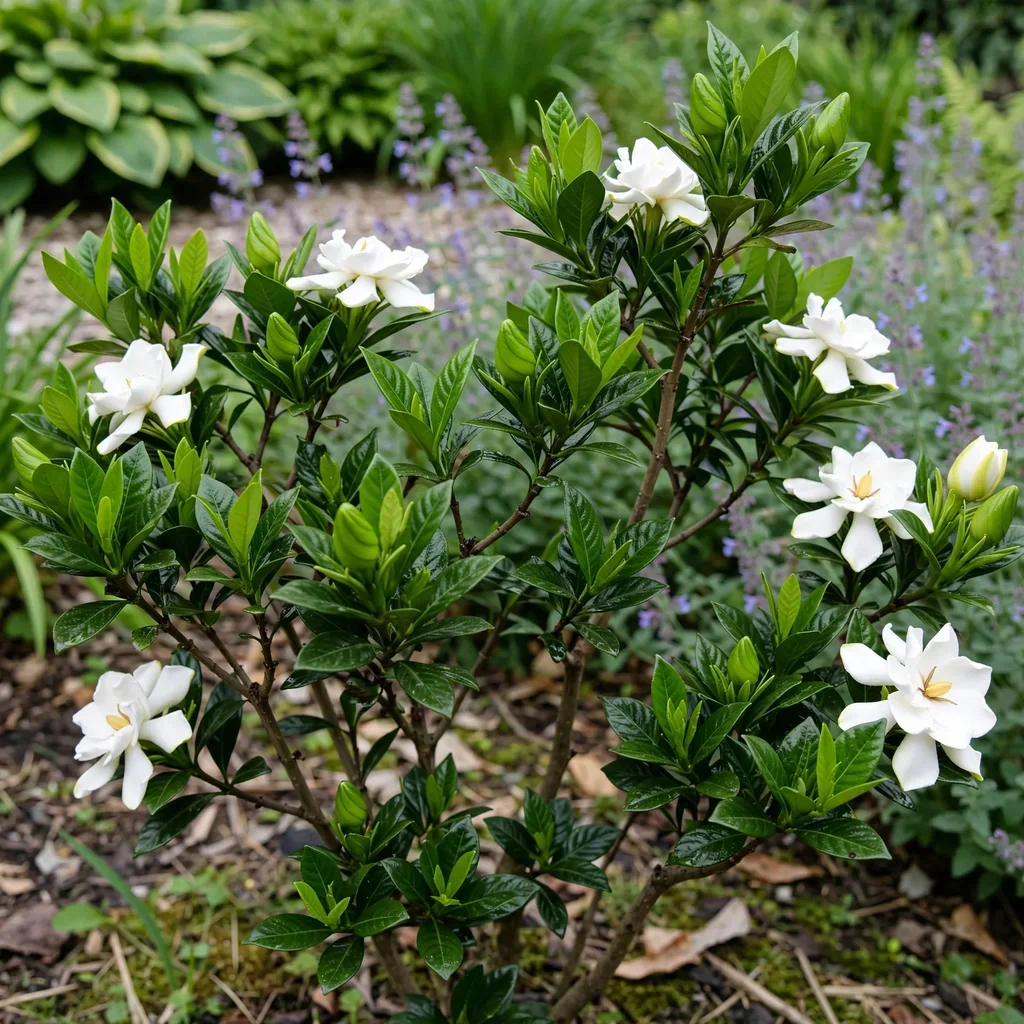
Steady As She Goes Gardenia
Gardenia jasminoides 'Steady As She Goes'
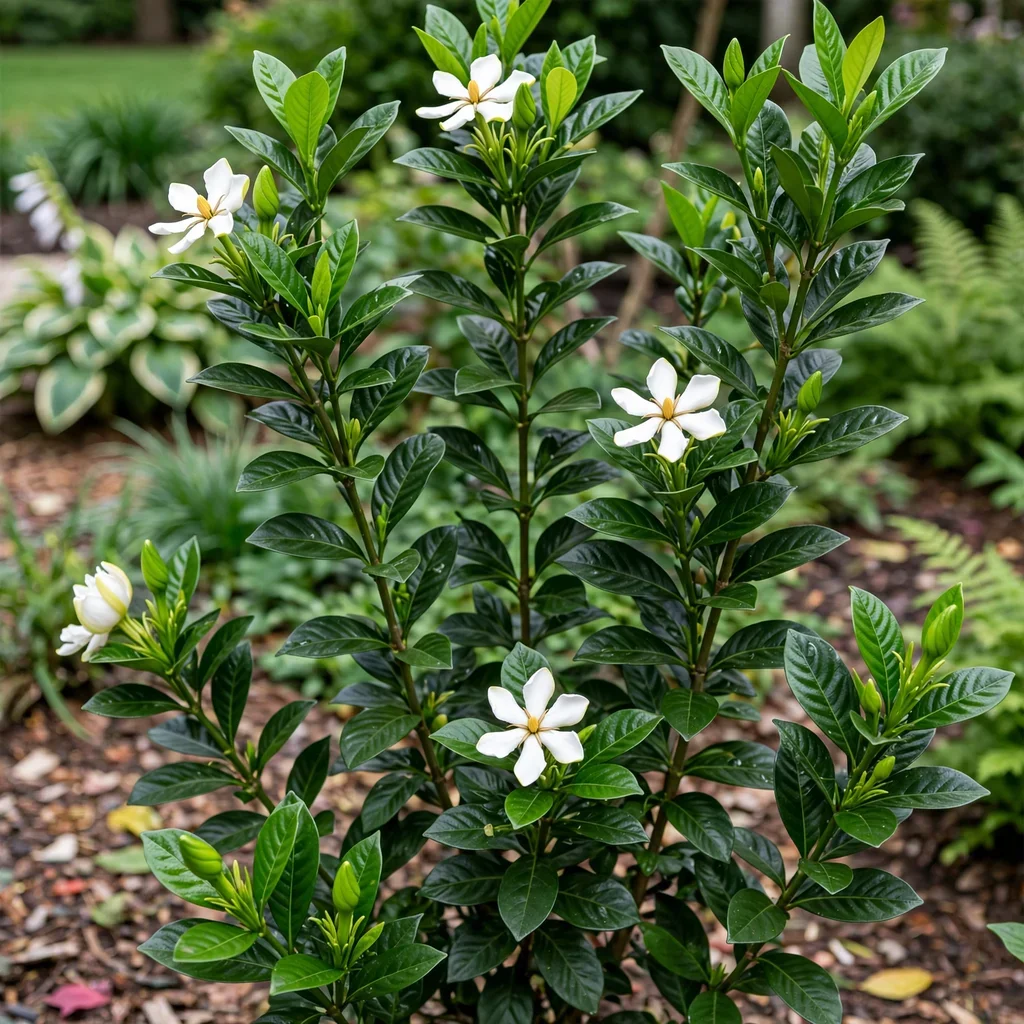
Gardenia jasminoides Diamond Spire
Gardenia jasminoides 'Diamond Spire'
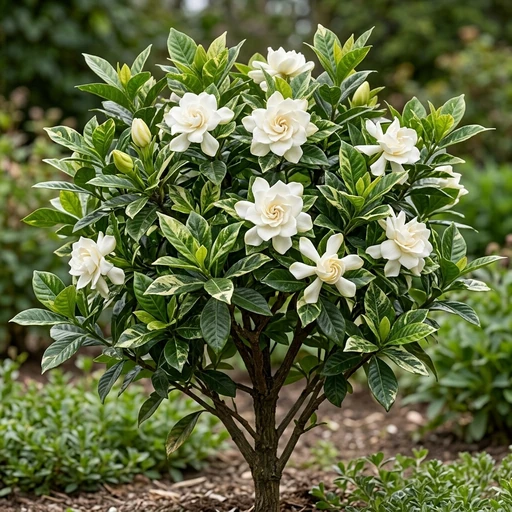
August Beauty Gardenia
Gardenia augusta 'August Beauty'
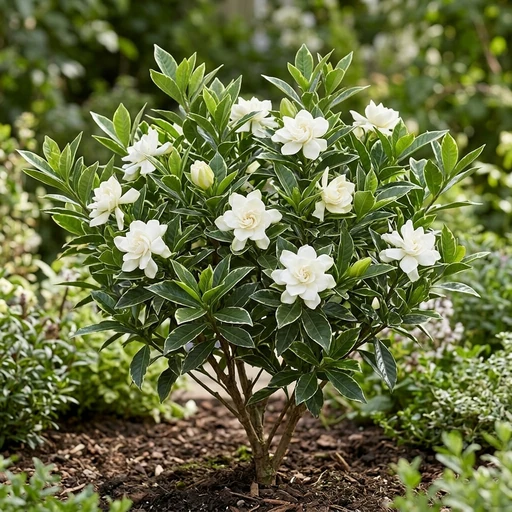
ScentAmazing Gardenia
Gardenia jasminoides 'Scent Amazing'
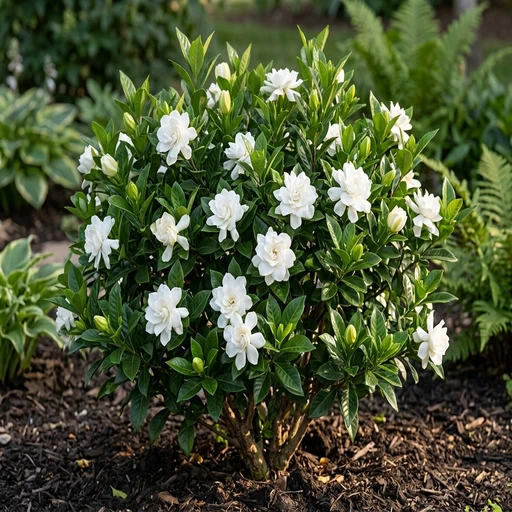
Double Mint Gardenia
Gardenia jasminoides 'Double Mint'
Keep exploring
Explore the genus
Hardy in your zone?
Grow Dwarf Gardenia with confidence
See it in a design of your actual yard, get zone-matched care reminders, and track it season by season in your garden journal.