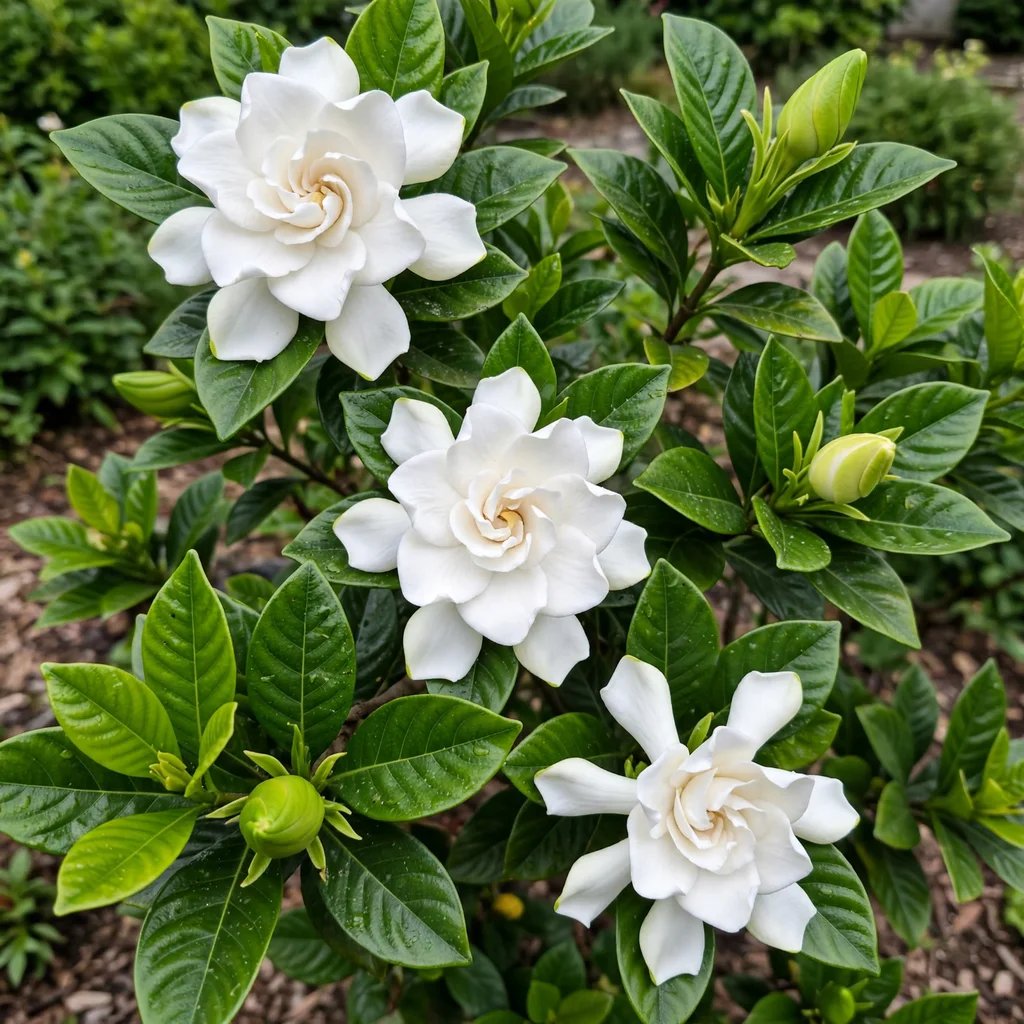
Species
 Gardenia jasminoidesCommon Gardenia
17 other cultivars
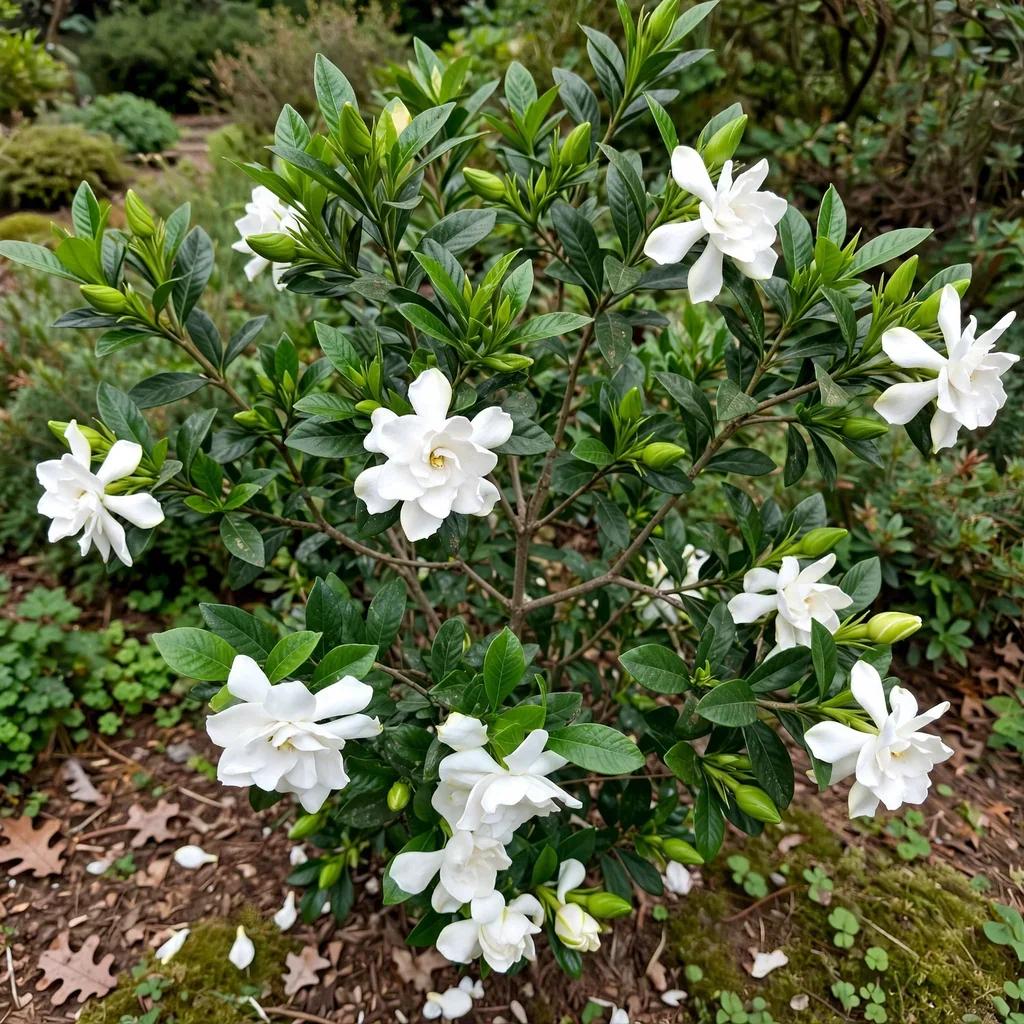 ‘Jubilation’Gardenia Jubilation
 ‘Steady As She Goes’Steady As She Goes Gardenia
 ‘Diamond Spire’Gardenia jasminoides Diamond Spire
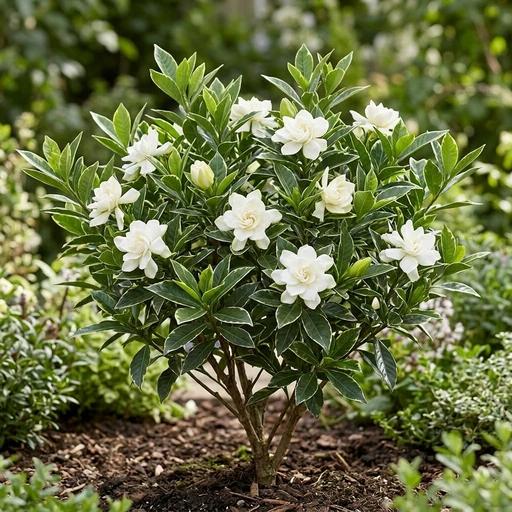 ‘Scent Amazing’ScentAmazing Gardenia
 ‘Radicans’Dwarf Gardenia
 ‘Double Mint’Double Mint Gardenia
 ‘Leefive’Leefive Double Mint Gardenia
 ‘Kleim’Kleim's Hardy Gardenia
 ‘Leeone’Jubilation Gardenia
 ‘Prince Charles’Prince Charles Gardenia
 ‘Buttons’Buttons Gardenia
 ‘WAH-LM’Snow Girl Gardenia
 ‘Golden Pathway’Golden Pathway Gardenia
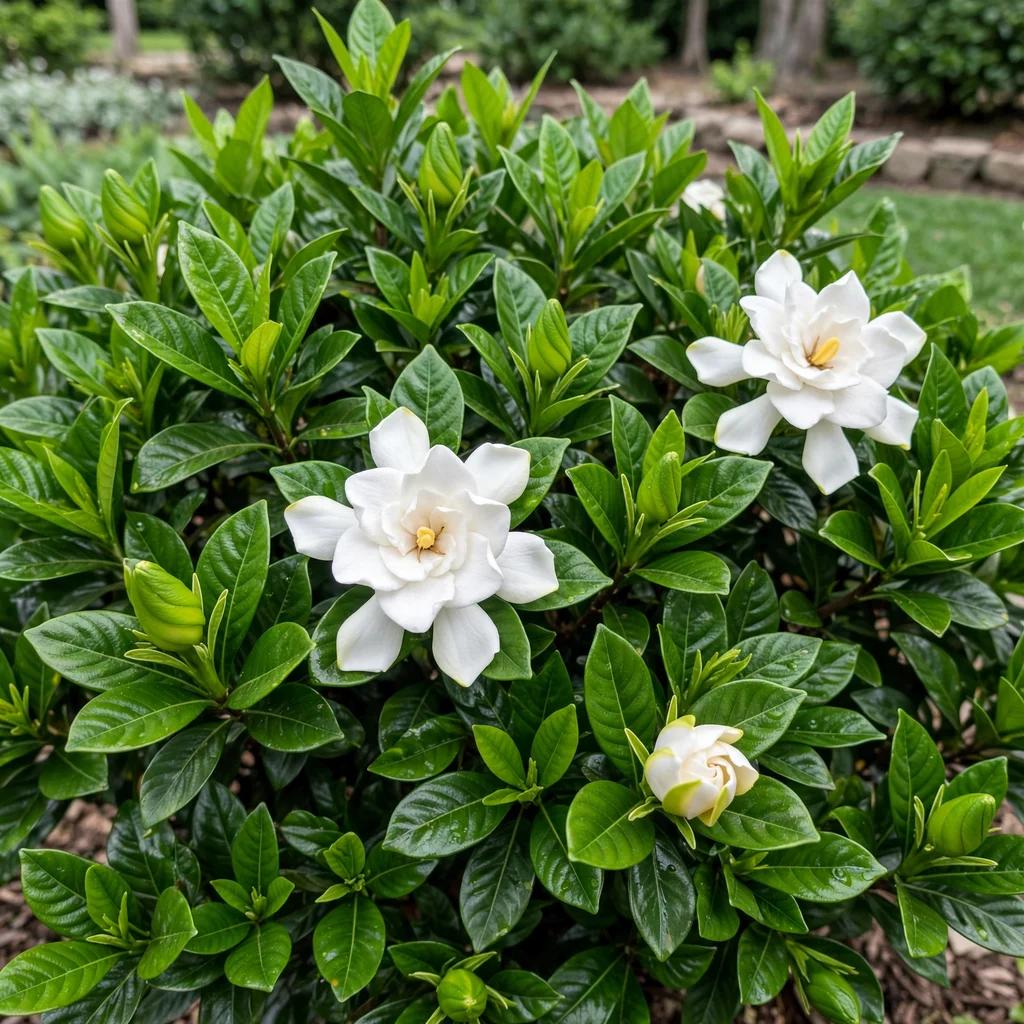 ‘Frostproof’Gardenia
 ‘Fragrant Pathways’Dwarf Gardenia
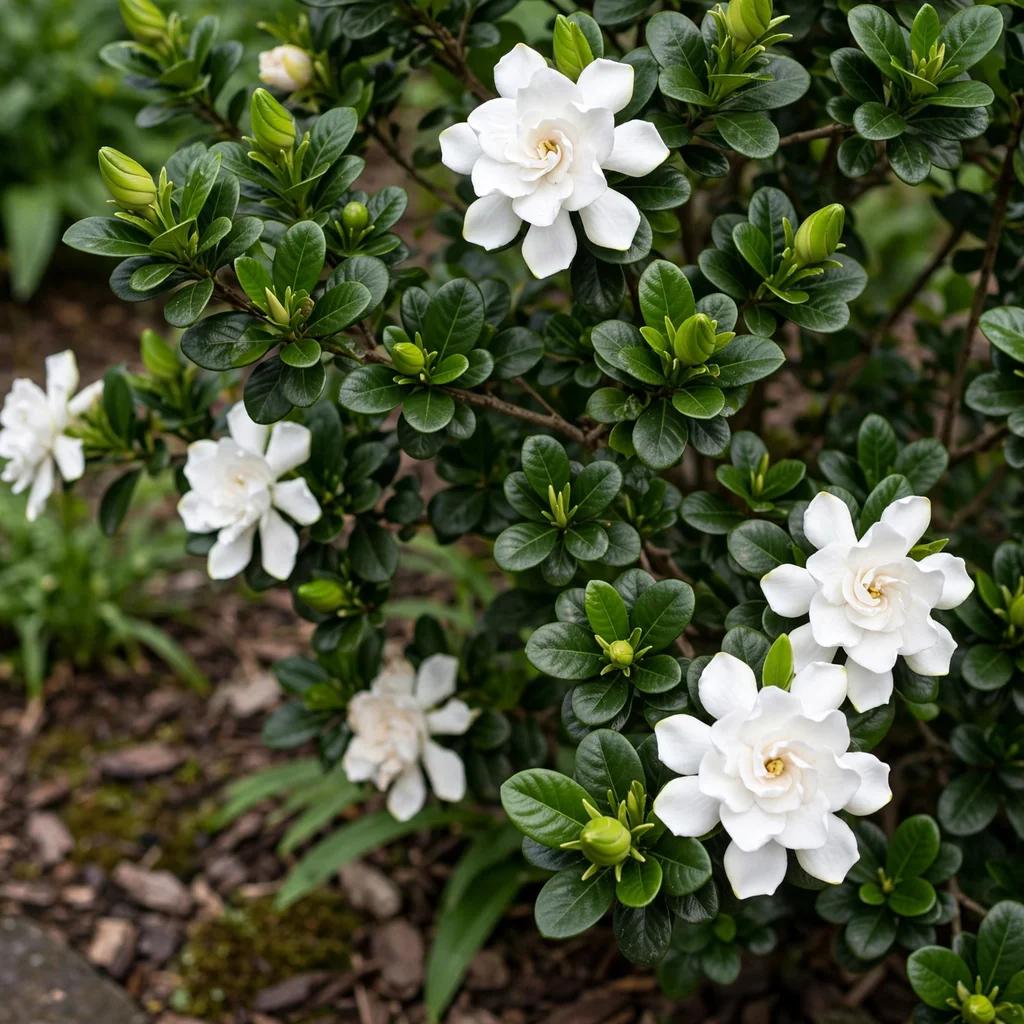 ‘Crown Jewel’Crown Jewel Gardenia
 ‘Fortuniana’Cape Jasmine
The Story
Plant Bio
Gardenia jasminoides is an evergreen shrub native to subtropical regions of Asia, valued for its highly fragrant flowers and lustrous foliage. The species requires acidic, organically rich, and consistently moist but exceptionally well-drained soils to prevent root rot and nutrient deficiencies.
'Kimura' is a compact, low-growing cultivar that forms a dense, rounded shrub reaching two to three feet in height and width. It is distinguished by its extended, repeat-blooming habit, producing double white flowers from spring through fall.
Uses & Benefits:
Essentials
At a Glance
Plant Type
Shrub
Height
36"
Width
36"
Light
Full Sun, Partial Sun
Zones
7, 8, 9, 10
Water
Medium
Humidity
High
Lifespan
15-20 years
Native To
Asia
Toxicity
Toxic to dogs, cats, and horses
Bloom period
Spring – Fall
In flower about 9 months of the year
Planting
How to Grow
- Select a planting site with acidic soil (pH 5.0 to 6.0) that receives full sun to partial shade, preferably with afternoon shade in hot climates.
- Amend the planting area deeply with organic matter to ensure a rich, humus-heavy, and exceptionally well-drained root zone.
- Dig a hole twice as wide as the root ball but no deeper, setting the plant slightly above the surrounding soil grade to prevent waterlogging.
- Apply a thick layer of organic mulch around the base to conserve moisture and regulate soil temperature, keeping it clear of the main stem.
Pro Tip
Plant away from concrete foundations where lime leaching raises soil pH, and avoid cultivating the soil around the base to protect the highly sensitive, shallow root system.
Keep It Thriving
Care Guide
Do
- Maintain consistent, even soil moisture without allowing the roots to sit in standing water.
- Apply an acid-forming organic fertilizer in early spring and early summer.
- Provide high humidity or shelter from dry, sweeping winds to prevent bud drop.
Don't
- Do not cultivate or dig around the root zone, as the shallow roots are easily damaged.
- Do not fertilize in late summer or fall, which stimulates tender growth vulnerable to frost.
- Do not prune hard into old, leafless wood, as it fails to regenerate reliably.
Seasonal Care Calendar
| Task | Jan | Feb | Mar | Apr | May | Jun | Jul | Aug | Sep | Oct | Nov | Dec |
|---|---|---|---|---|---|---|---|---|---|---|---|---|
| Fertilize | ||||||||||||
| Pest Check | ||||||||||||
| Prune | ||||||||||||
| Winter Prep |
Watch Out For
Pests & Diseases
Common Pests
Common Diseases
In the Garden
Landscape Uses & Companions
Landscape Uses
Companion Plants
Multiply
Propagation Methods
Good to Know
Common Questions
Gardenia questions
What zones can Gardenia grow in?
Gardenia is hardy in USDA Zones 7–10. Inside that range it survives winter in the ground; outside it, grow it as an annual or a container plant you protect.
Is Gardenia deer resistant?
Not reliably. Deer may browse Gardenia, especially tender spring growth — plan on repellents or fencing where pressure is high.
When does Gardenia bloom?
Gardenia typically blooms in spring through fall. Exact timing shifts a week or two with your zone — Sow's bloom calendar maps it to your garden.
Does Gardenia need full sun?
Gardenia does best in full sun to part shade. In hot climates, afternoon shade keeps blooms fresher longer.
More Gardenia to compare
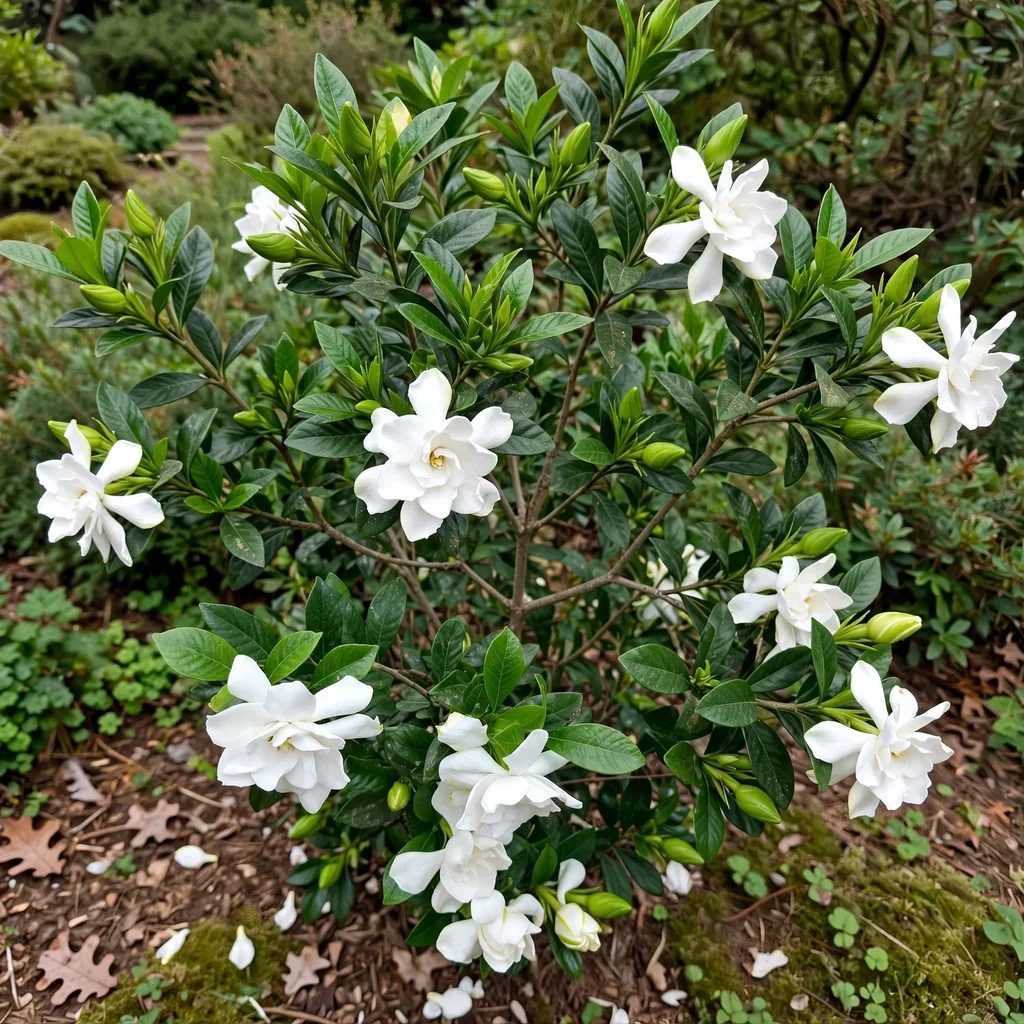
Gardenia Jubilation
Gardenia jasminoides 'Jubilation'
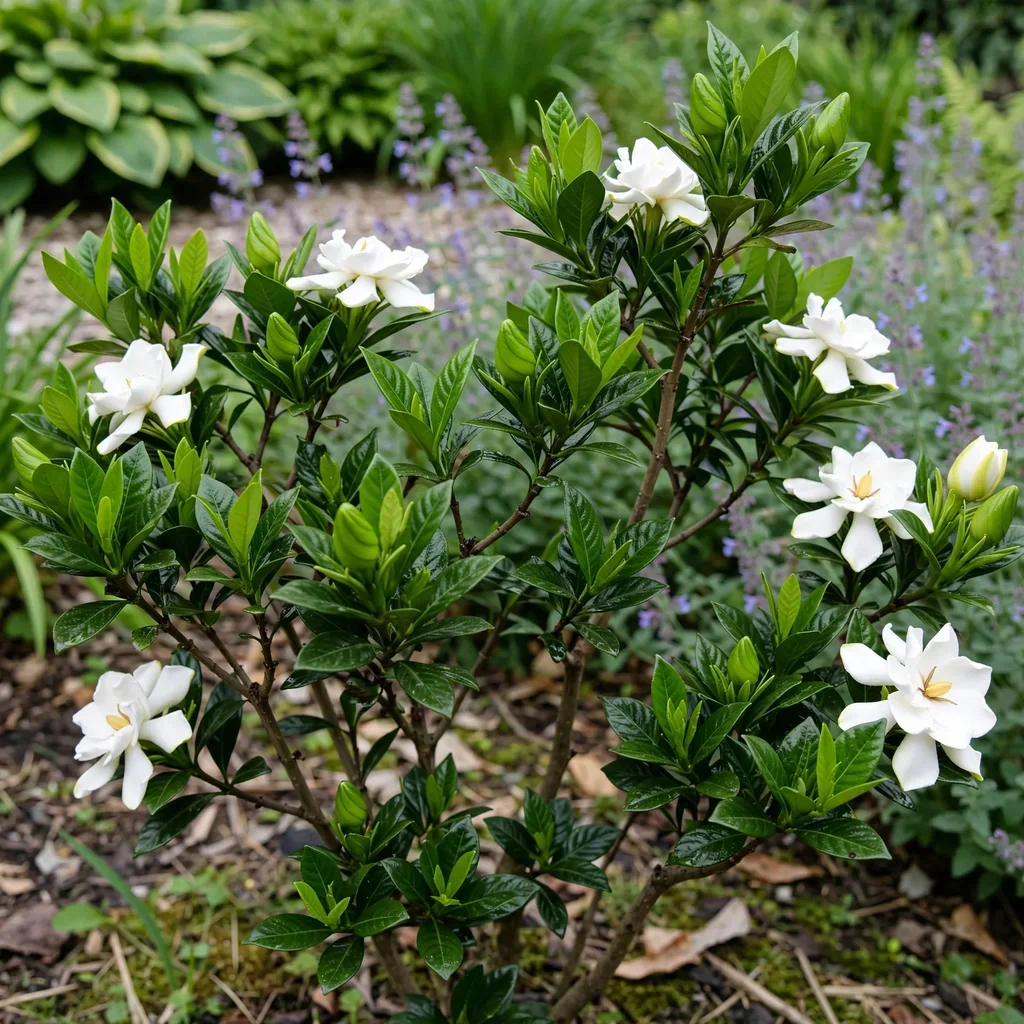
Steady As She Goes Gardenia
Gardenia jasminoides 'Steady As She Goes'
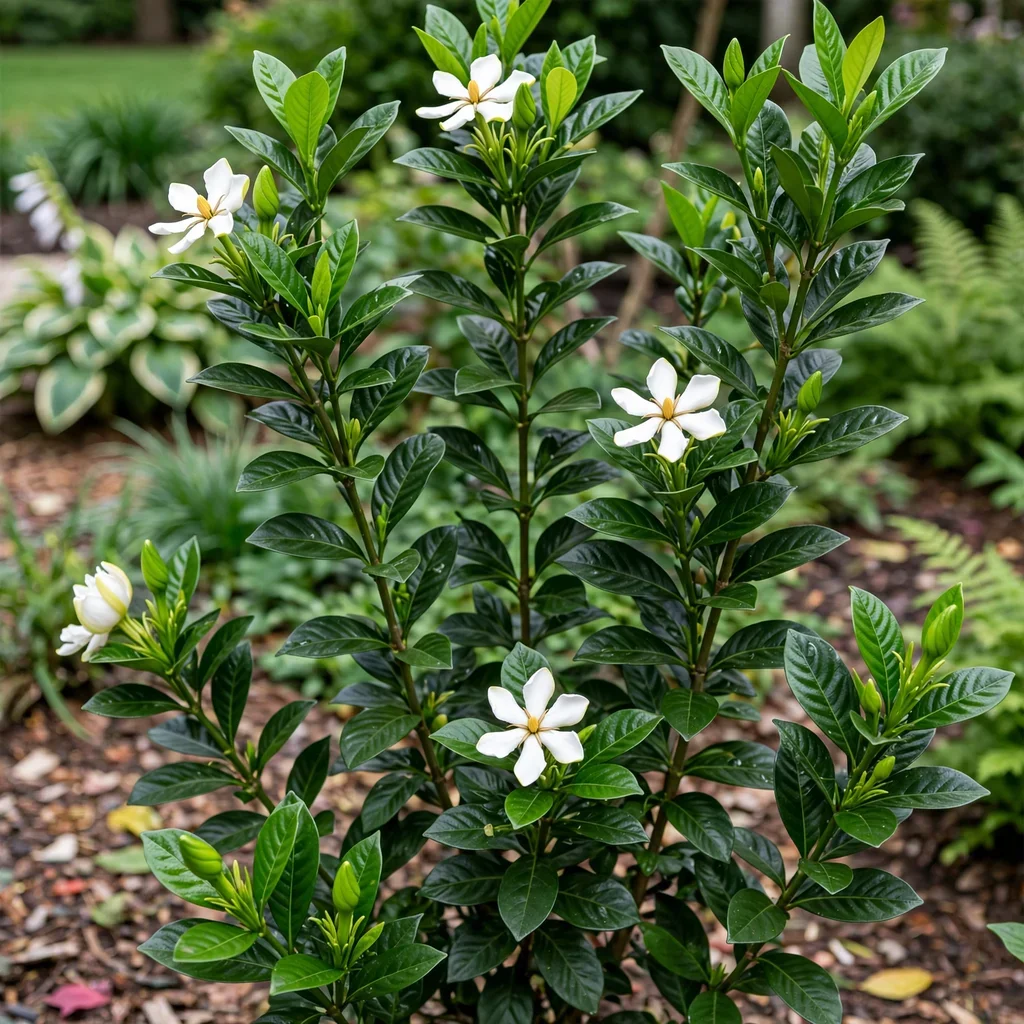
Gardenia jasminoides Diamond Spire
Gardenia jasminoides 'Diamond Spire'
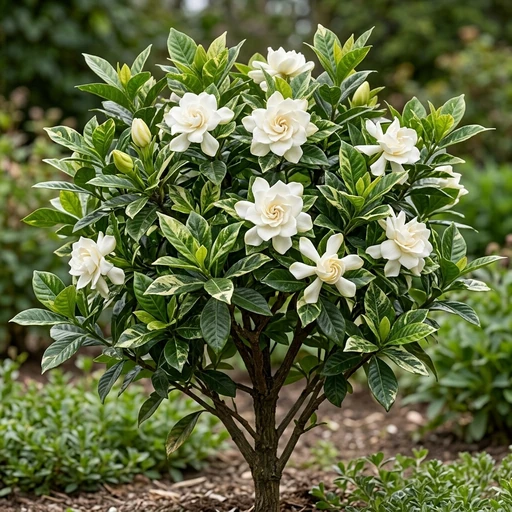
August Beauty Gardenia
Gardenia augusta 'August Beauty'
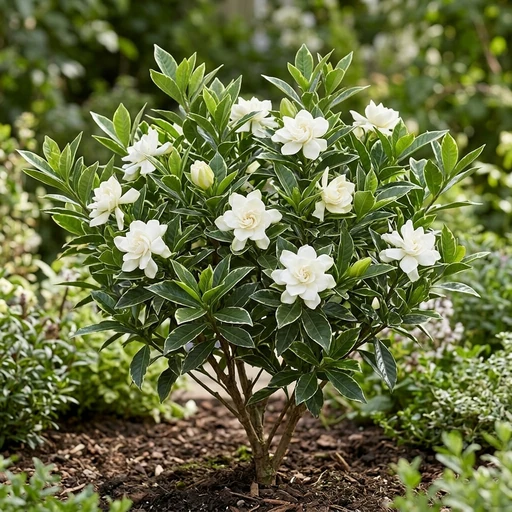
ScentAmazing Gardenia
Gardenia jasminoides 'Scent Amazing'
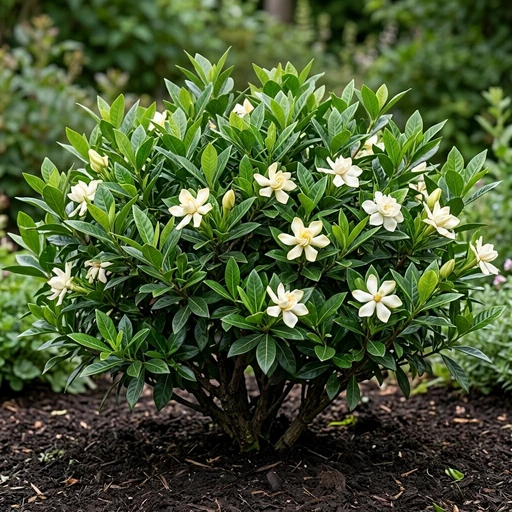
Dwarf Gardenia
Gardenia jasminoides 'Radicans'
Keep exploring
Explore the genus
Hardy in your zone?
Grow Gardenia with confidence
See it in a design of your actual yard, get zone-matched care reminders, and track it season by season in your garden journal.