
Species
 Gardenia jasminoidesCommon Gardenia
17 other cultivars
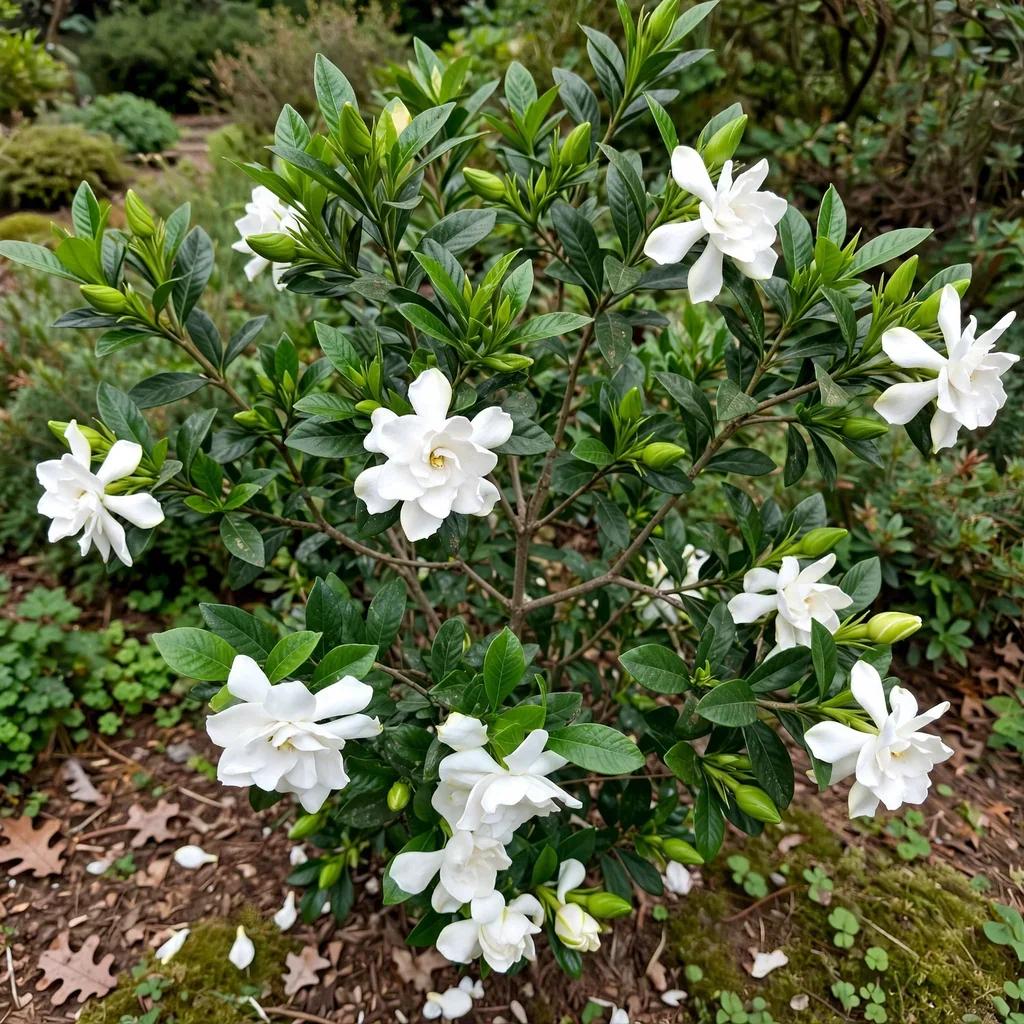 ‘Jubilation’Gardenia Jubilation
 ‘Steady As She Goes’Steady As She Goes Gardenia
 ‘Diamond Spire’Gardenia jasminoides Diamond Spire
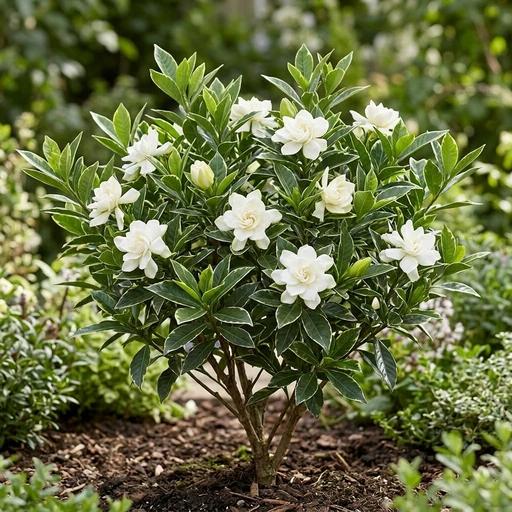 ‘Scent Amazing’ScentAmazing Gardenia
 ‘Radicans’Dwarf Gardenia
 ‘Double Mint’Double Mint Gardenia
 ‘Leefive’Leefive Double Mint Gardenia
 ‘Kleim’Kleim's Hardy Gardenia
 ‘Leeone’Jubilation Gardenia
 ‘Prince Charles’Prince Charles Gardenia
 ‘Buttons’Buttons Gardenia
 ‘WAH-LM’Snow Girl Gardenia
 ‘Kimura’Gardenia
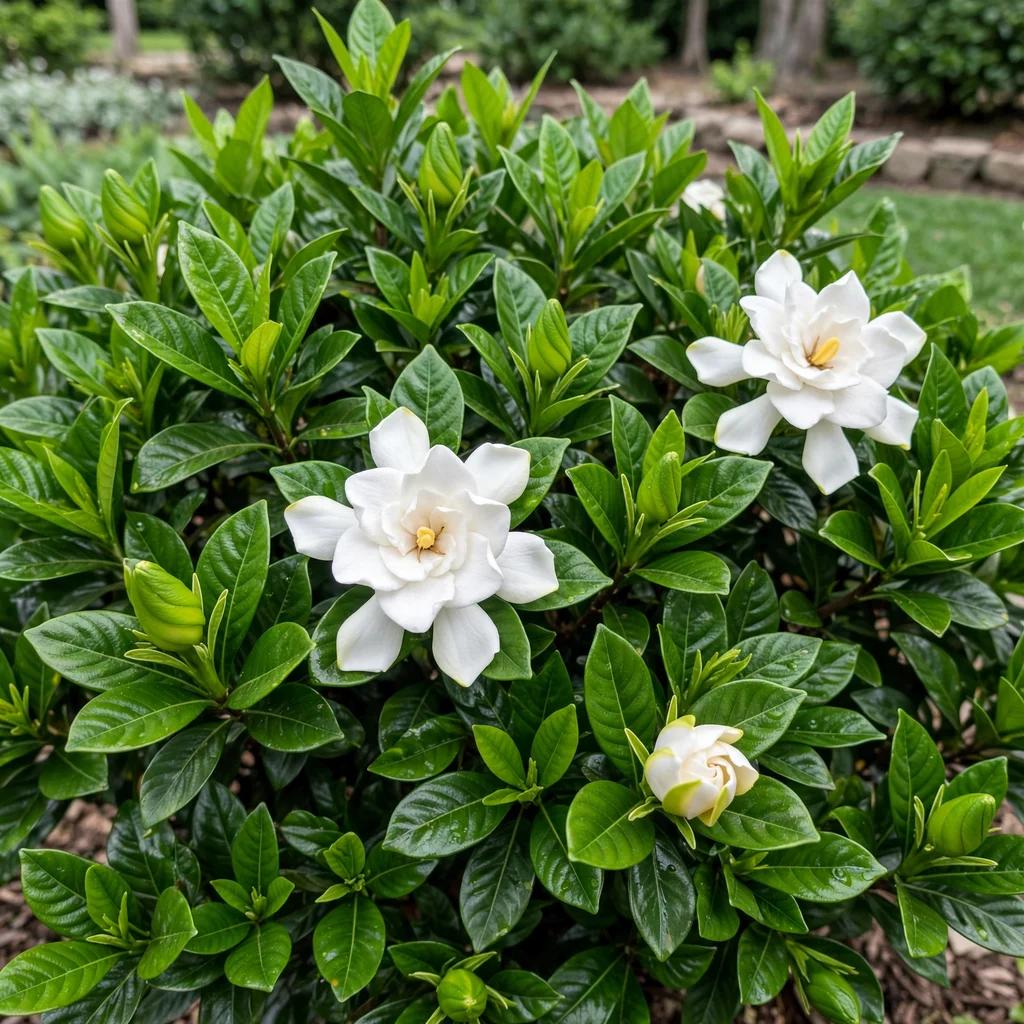 ‘Frostproof’Gardenia
 ‘Fragrant Pathways’Dwarf Gardenia
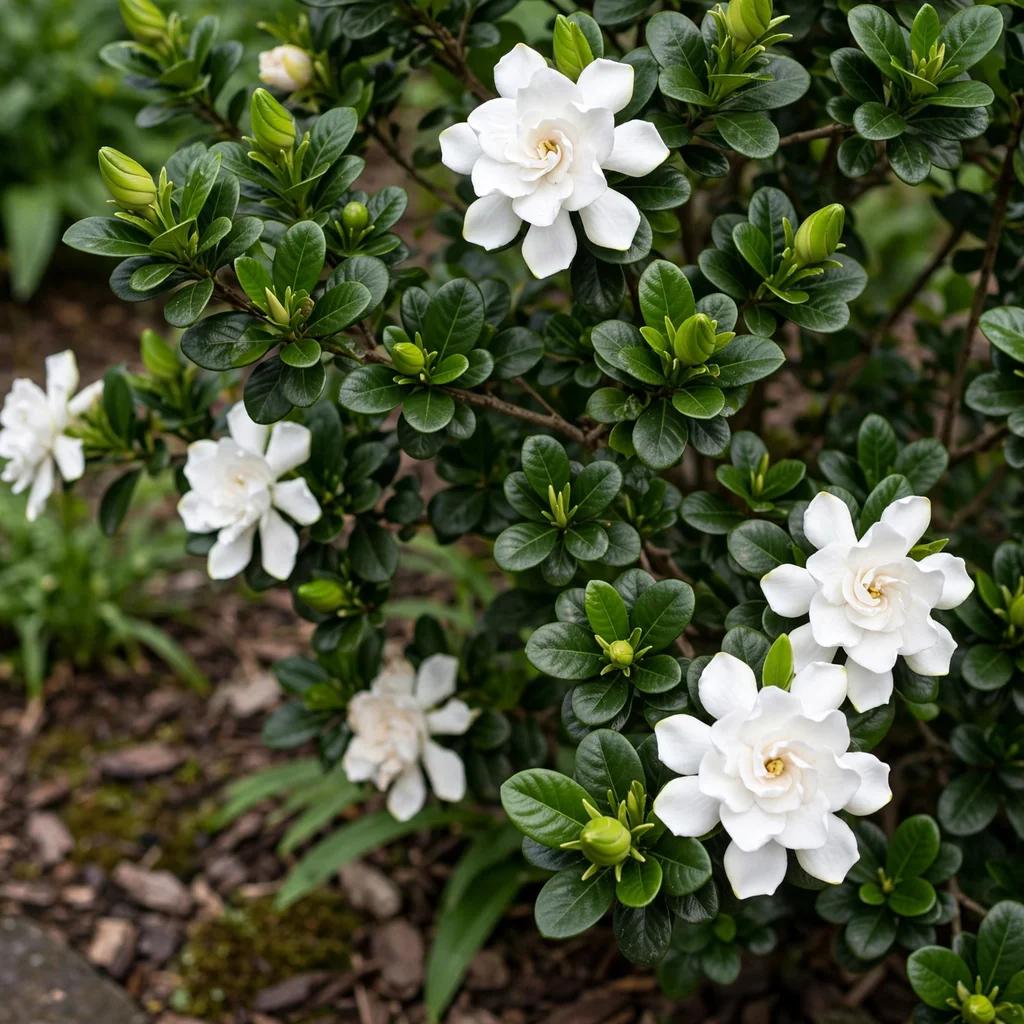 ‘Crown Jewel’Crown Jewel Gardenia
 ‘Fortuniana’Cape Jasmine
The Story
Plant Bio
Gardenia jasminoides is an evergreen shrub native to eastern Asia, valued for its glossy foliage and intensely fragrant double white blooms. The species requires acidic, organic-rich soil with high moisture retention and protection from harsh afternoon sun.
'Golden Pathway' is a low-growing, spreading cultivar featuring thick leaves variegated with deep green centers and creamy golden borders. Double white flowers emerge from late spring through early autumn, blooming directly above the mounding, multi-colored foliage.
Uses & Benefits:
Essentials
At a Glance
Plant Type
Shrub
Height
30"
Width
42"
Light
Partial Sun
Zones
7, 8, 9, 10
Water
Moderate
Humidity
Medium to High
Lifespan
Perennial
Native To
Asia
Toxicity
Mildly toxic to pets
Bloom period
Late spring – Early autumn
In flower about 5 months of the year
Planting
How to Grow
- Select a planting site receiving morning sun and afternoon shade, sheltered from drying winds.
- Amend the planting area with leaf mold or composted pine bark to create acidic, humus-rich soil (pH 5.0 to 6.5).
- Dig a hole twice as wide as the root ball and sit the plant slightly higher than the surrounding soil line to preserve root airflow.
- Backfill around the root ball with amended soil, water deeply, and apply a 2- to 3-inch mulch layer keeping clear of the main stem.
Pro Tip
Avoid planting too deep or disturbing the shallow root system, which causes rapid decline. Treat leaf yellowing with chelated iron rather than general nitrogen, as chlorosis in gardenias is almost always triggered by high soil pH locking out iron.
Keep It Thriving
Care Guide
Do
- Maintain consistent soil moisture without allowing roots to sit in stagnant water.
- Apply acid-formulating fertilizer in mid-spring and early summer.
- Provide morning light and afternoon shade to protect foliage from sunscald.
Don't
- Do not prune hard into old bare wood, as older stems fail to regenerate.
- Do not fertilize in fall, which encourages soft tender growth vulnerable to winter frost.
- Do not allow soil to dry out completely during bud formation, which causes bud drop.
Seasonal Care Calendar
| Task | Jan | Feb | Mar | Apr | May | Jun | Jul | Aug | Sep | Oct | Nov | Dec |
|---|---|---|---|---|---|---|---|---|---|---|---|---|
| Fertilize | ||||||||||||
| Mulch | ||||||||||||
| Pest Check | ||||||||||||
| Prune |
Watch Out For
Pests & Diseases
Common Pests
Common Diseases
In the Garden
Landscape Uses & Companions
Landscape Uses
Companion Plants
Multiply
Propagation Methods
Good to Know
Common Questions
Golden Pathway Gardenia questions
What zones can Golden Pathway Gardenia grow in?
Golden Pathway Gardenia is hardy in USDA Zones 7–10. Inside that range it survives winter in the ground; outside it, grow it as an annual or a container plant you protect.
Is Golden Pathway Gardenia deer resistant?
Not reliably. Deer may browse Golden Pathway Gardenia, especially tender spring growth — plan on repellents or fencing where pressure is high.
When does Golden Pathway Gardenia bloom?
Golden Pathway Gardenia typically blooms in late spring through early autumn. Exact timing shifts a week or two with your zone — Sow's bloom calendar maps it to your garden.
Does Golden Pathway Gardenia need full sun?
Golden Pathway Gardenia does best in part shade.
More Gardenia to compare
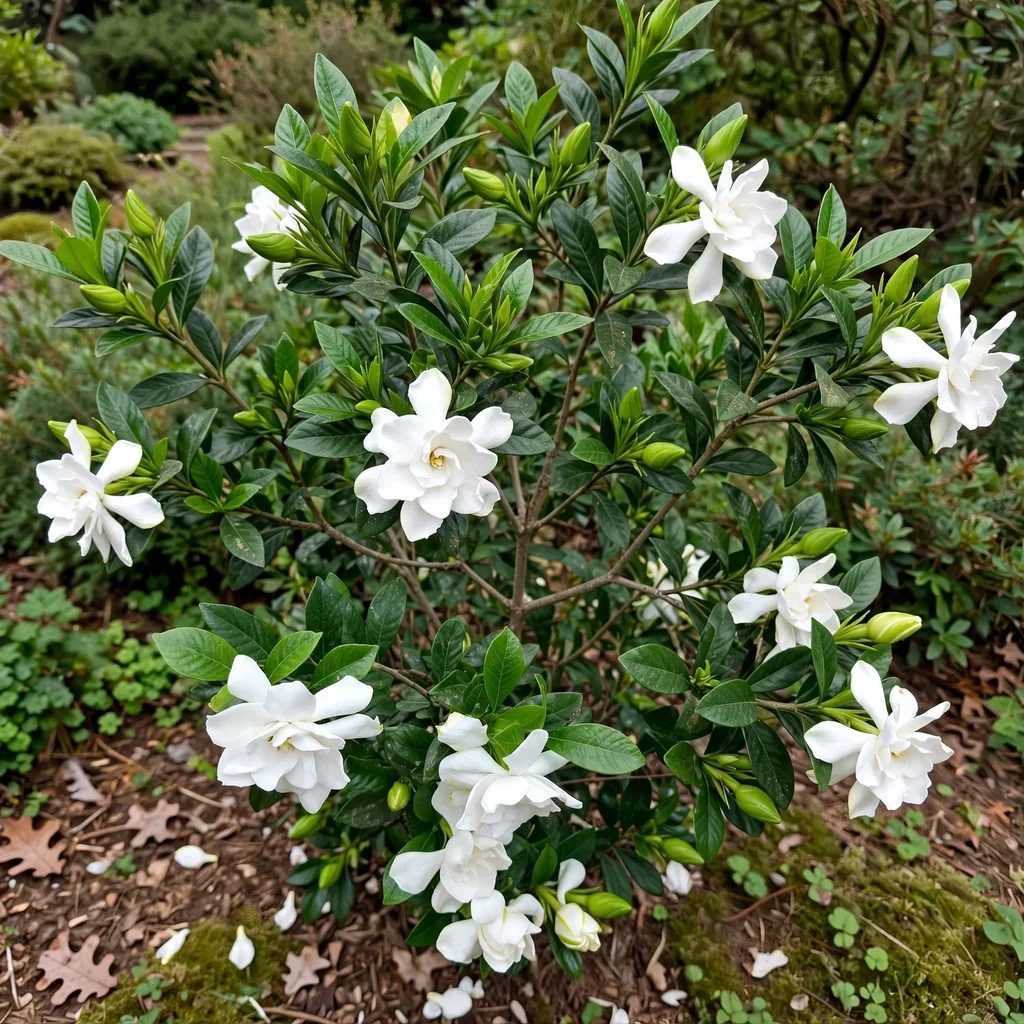
Gardenia Jubilation
Gardenia jasminoides 'Jubilation'
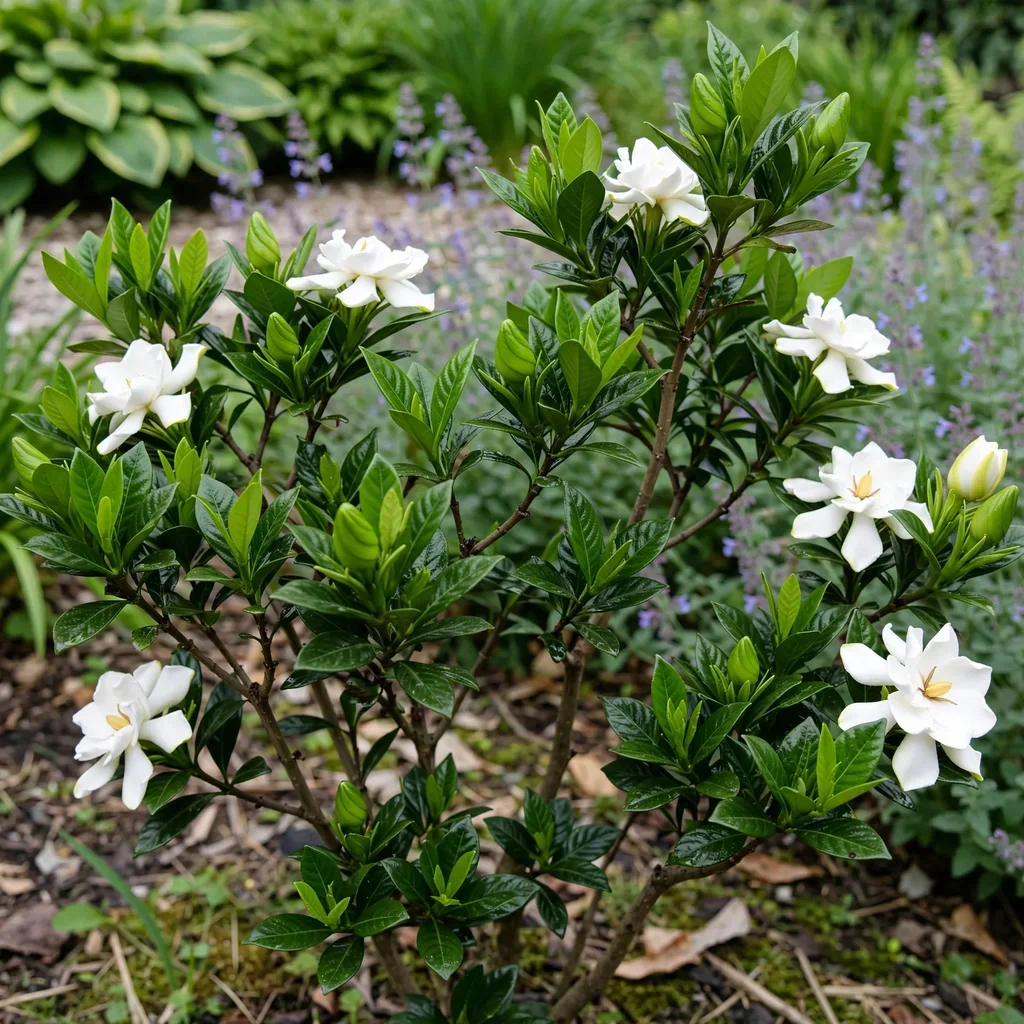
Steady As She Goes Gardenia
Gardenia jasminoides 'Steady As She Goes'
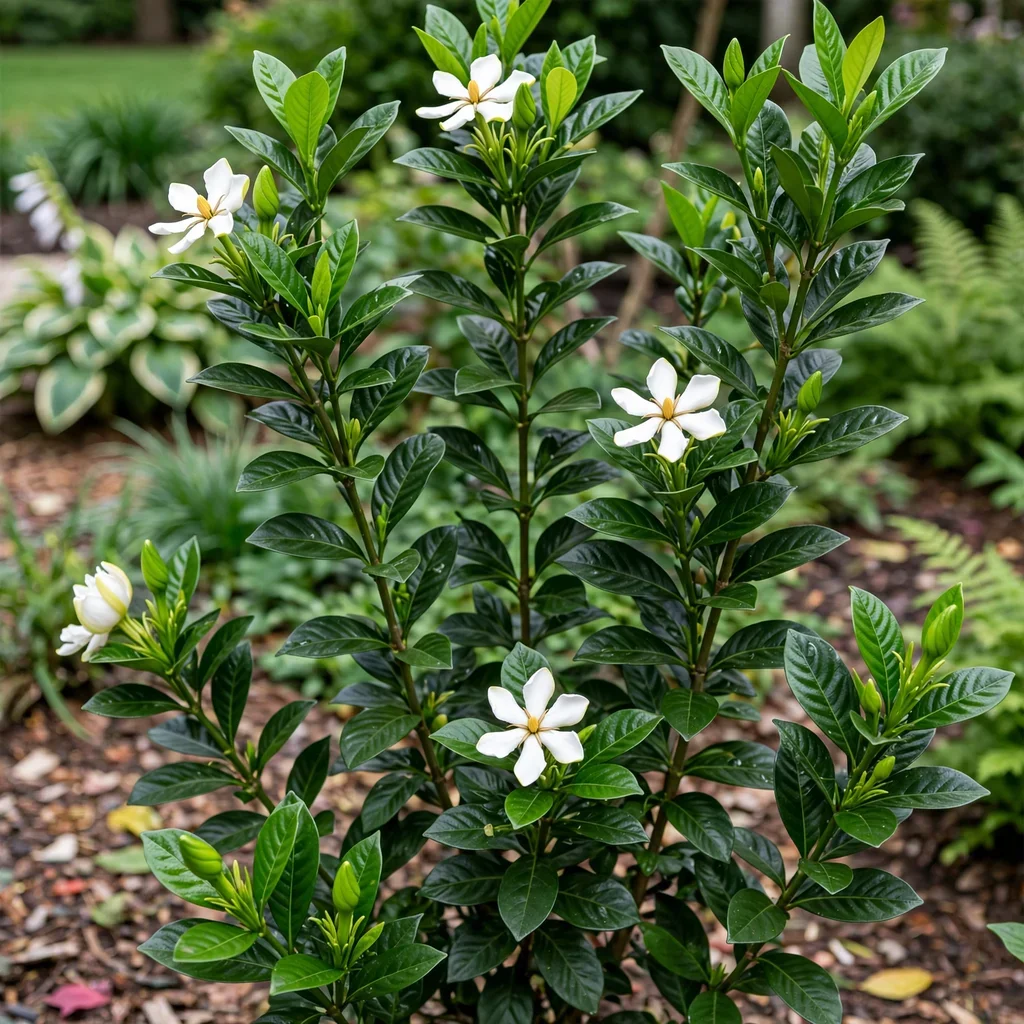
Gardenia jasminoides Diamond Spire
Gardenia jasminoides 'Diamond Spire'
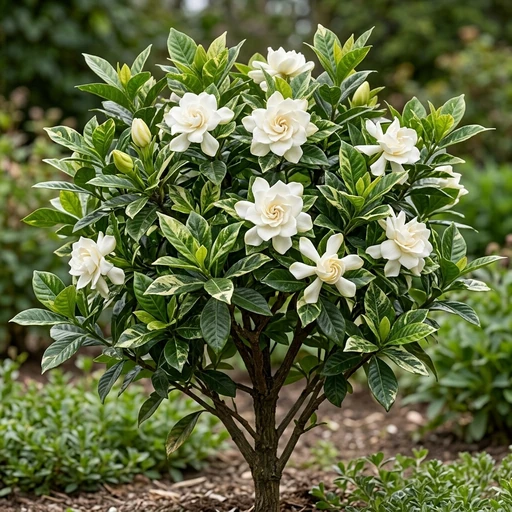
August Beauty Gardenia
Gardenia augusta 'August Beauty'
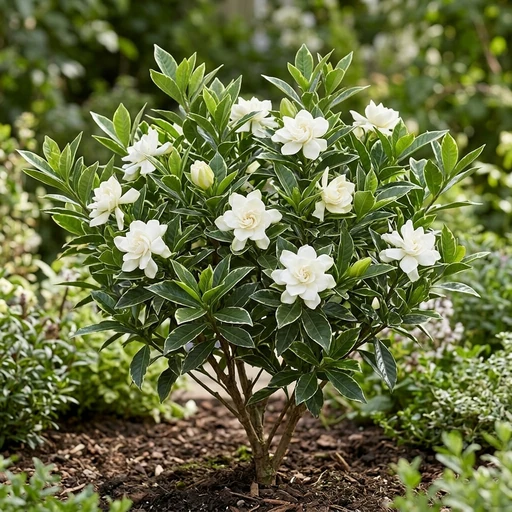
ScentAmazing Gardenia
Gardenia jasminoides 'Scent Amazing'
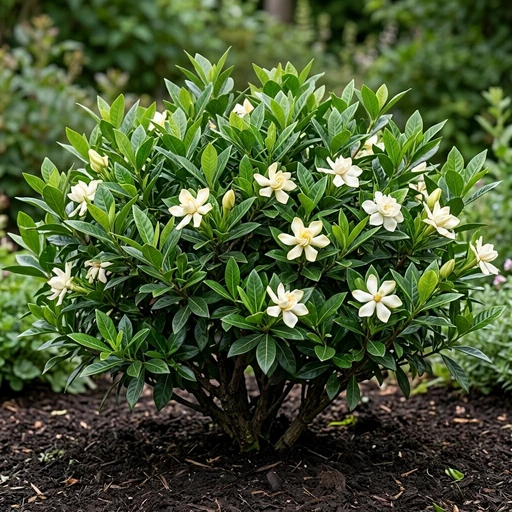
Dwarf Gardenia
Gardenia jasminoides 'Radicans'
Keep exploring
Explore the genus
Hardy in your zone?
Grow Golden Pathway Gardenia with confidence
See it in a design of your actual yard, get zone-matched care reminders, and track it season by season in your garden journal.