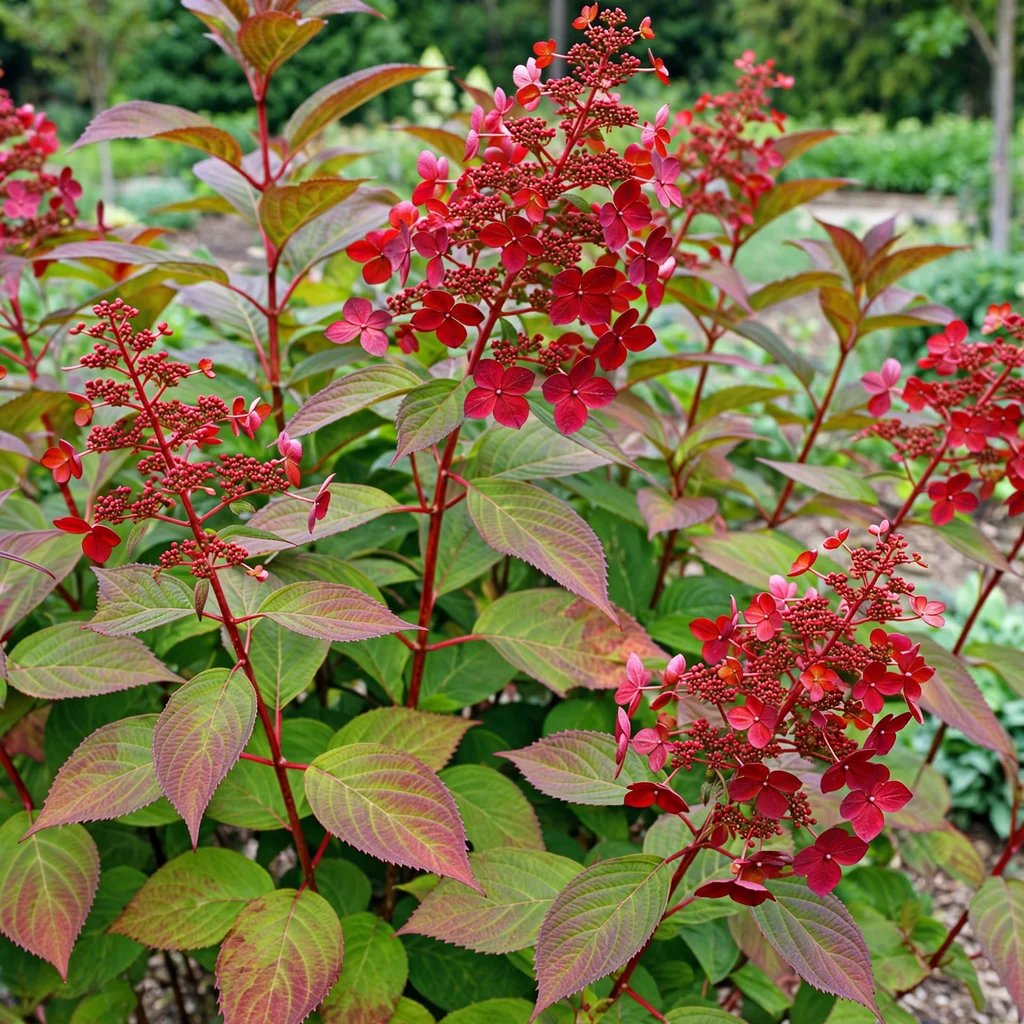
Species
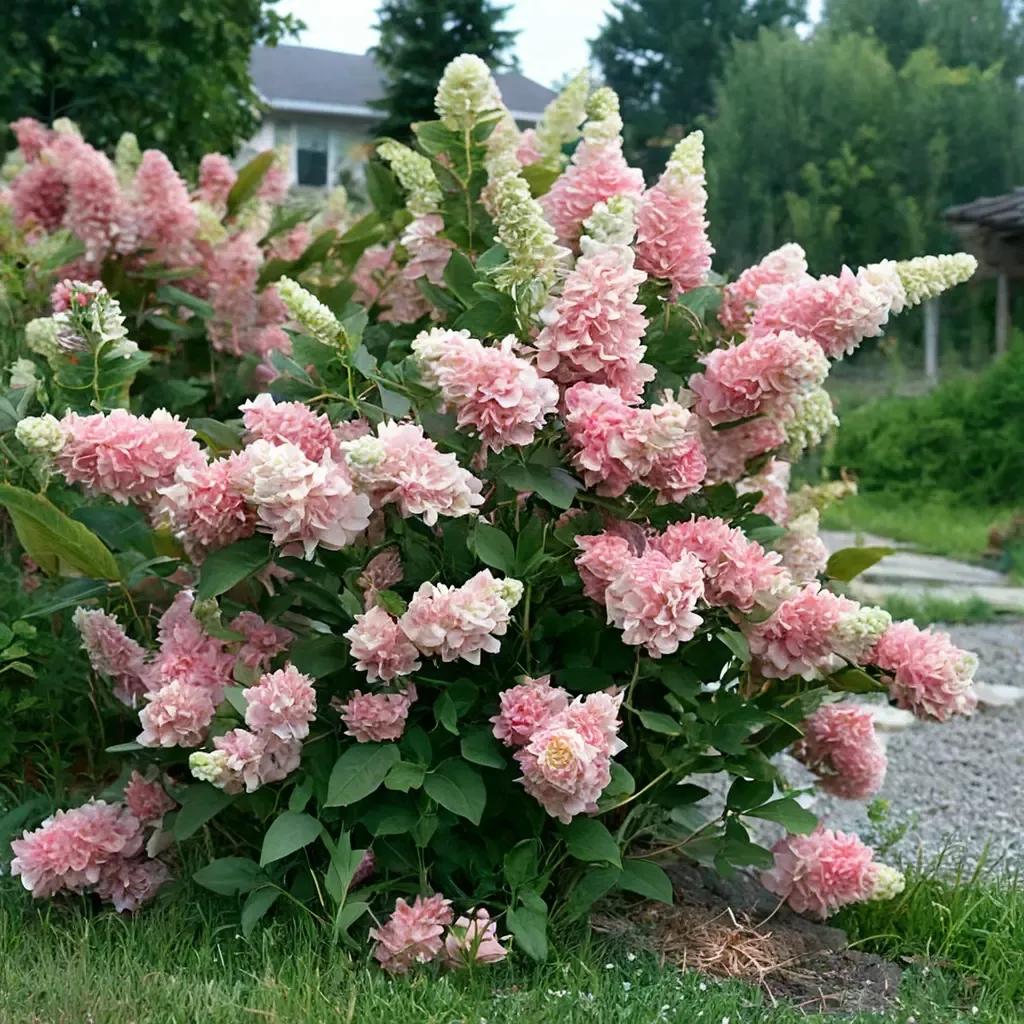 Hydrangea paniculataPanicle Hydrangea
12 other cultivars
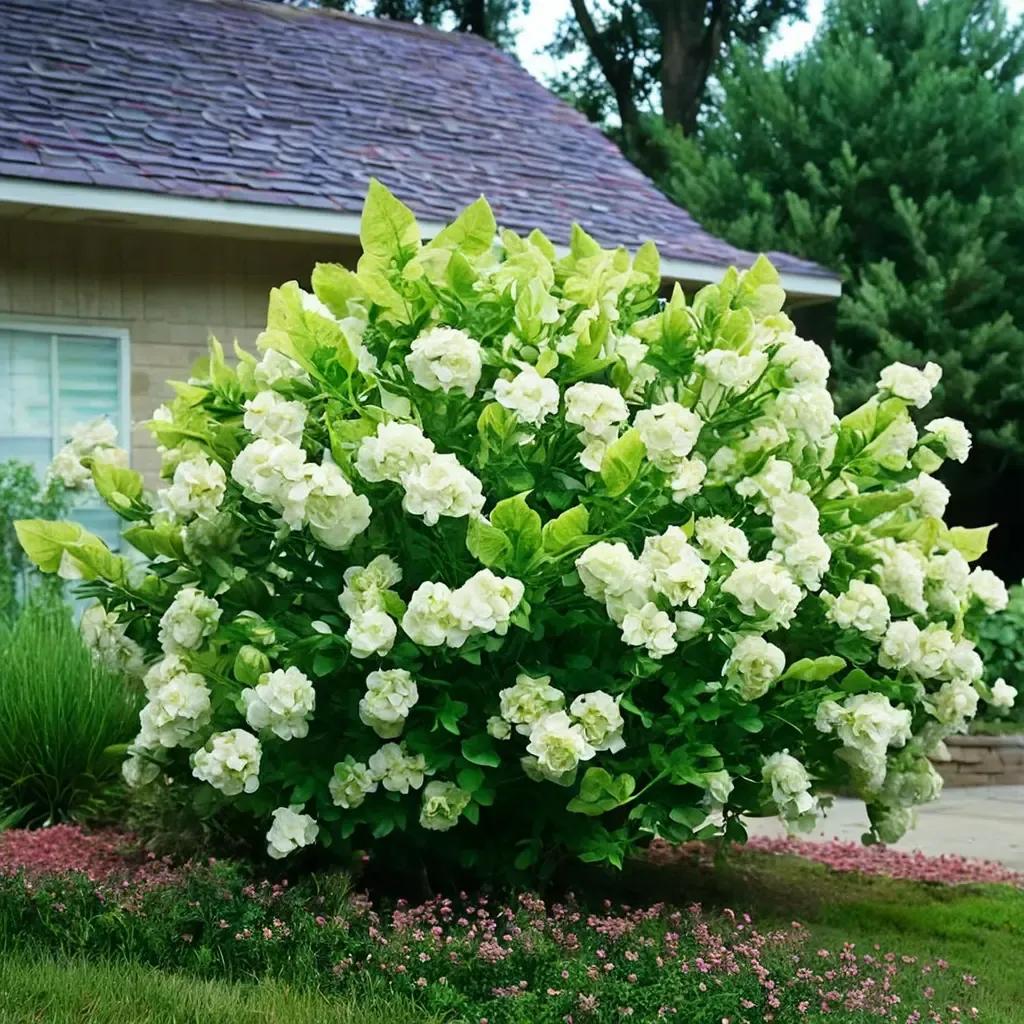 ‘Limelight’Limelight Hydrangea
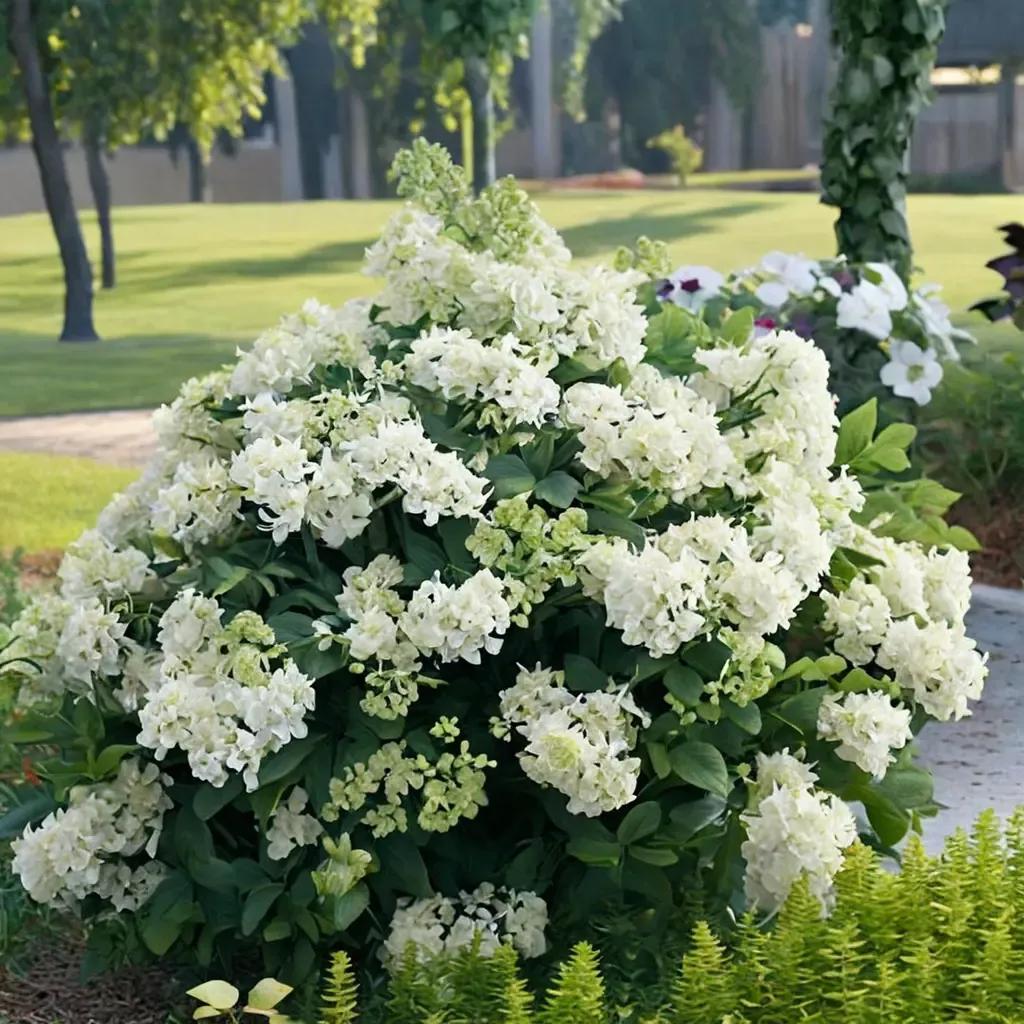 ‘ILVOBO’Bobo Hydrangea
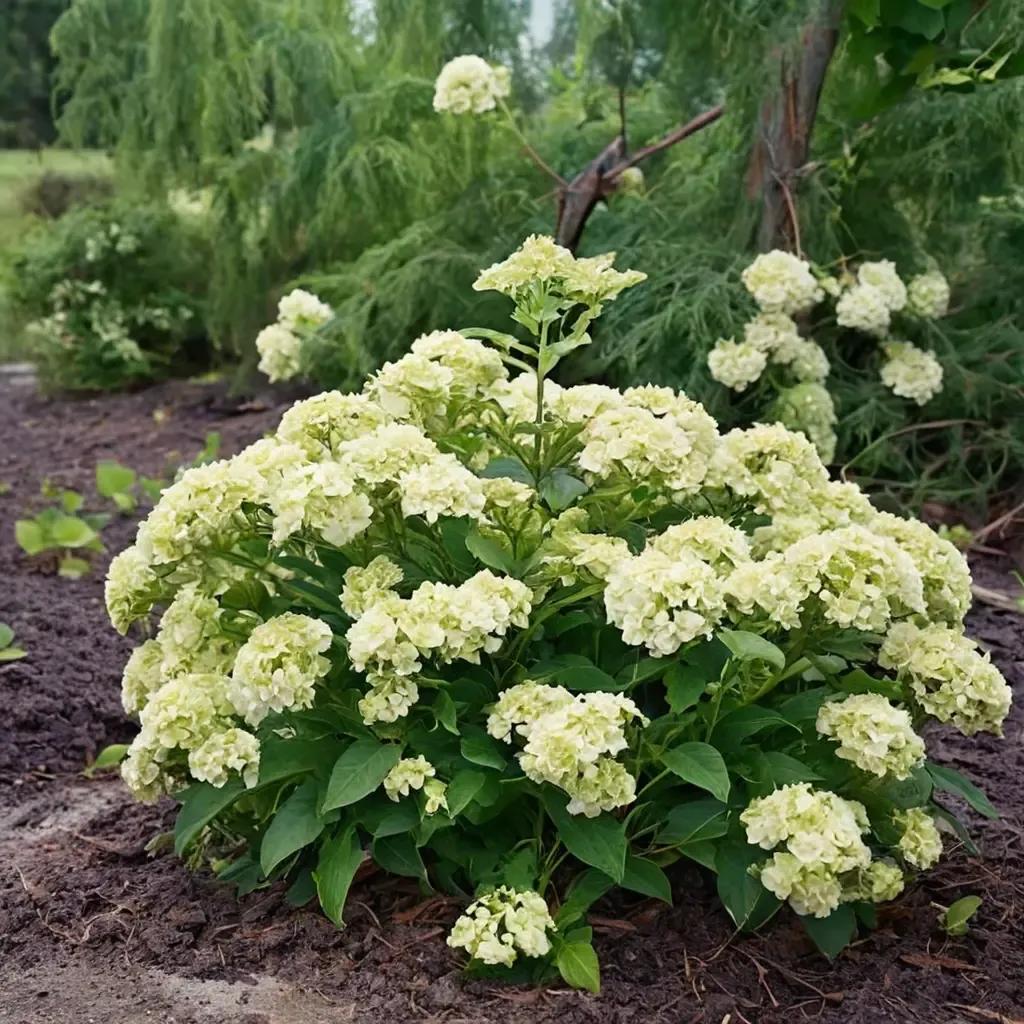 ‘Jane’Little Lime Hydrangea
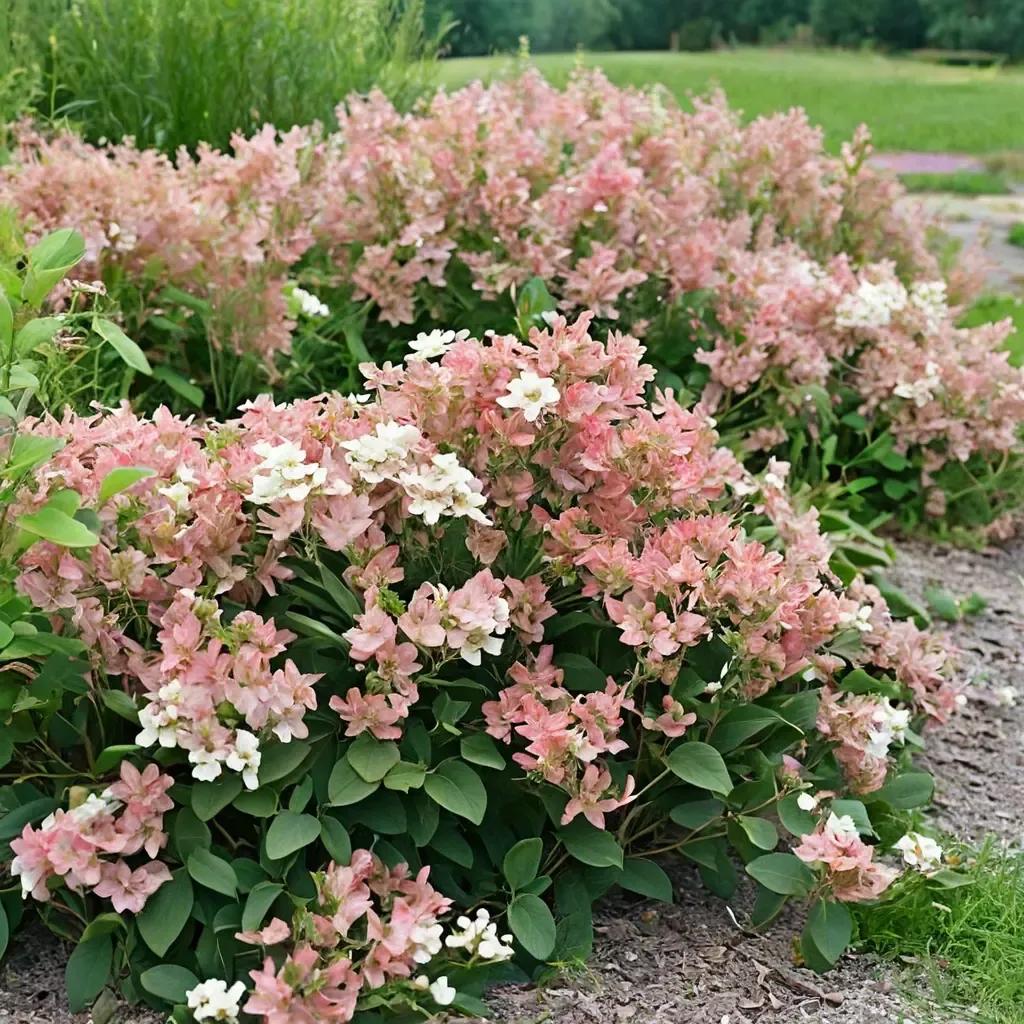 ‘Little Quick Fire’Little Quick Fire Hydrangea
 ‘Moonrock’Moonrock Panicle Hydrangea
 ‘Skyfall’Skyfall Hydrangea
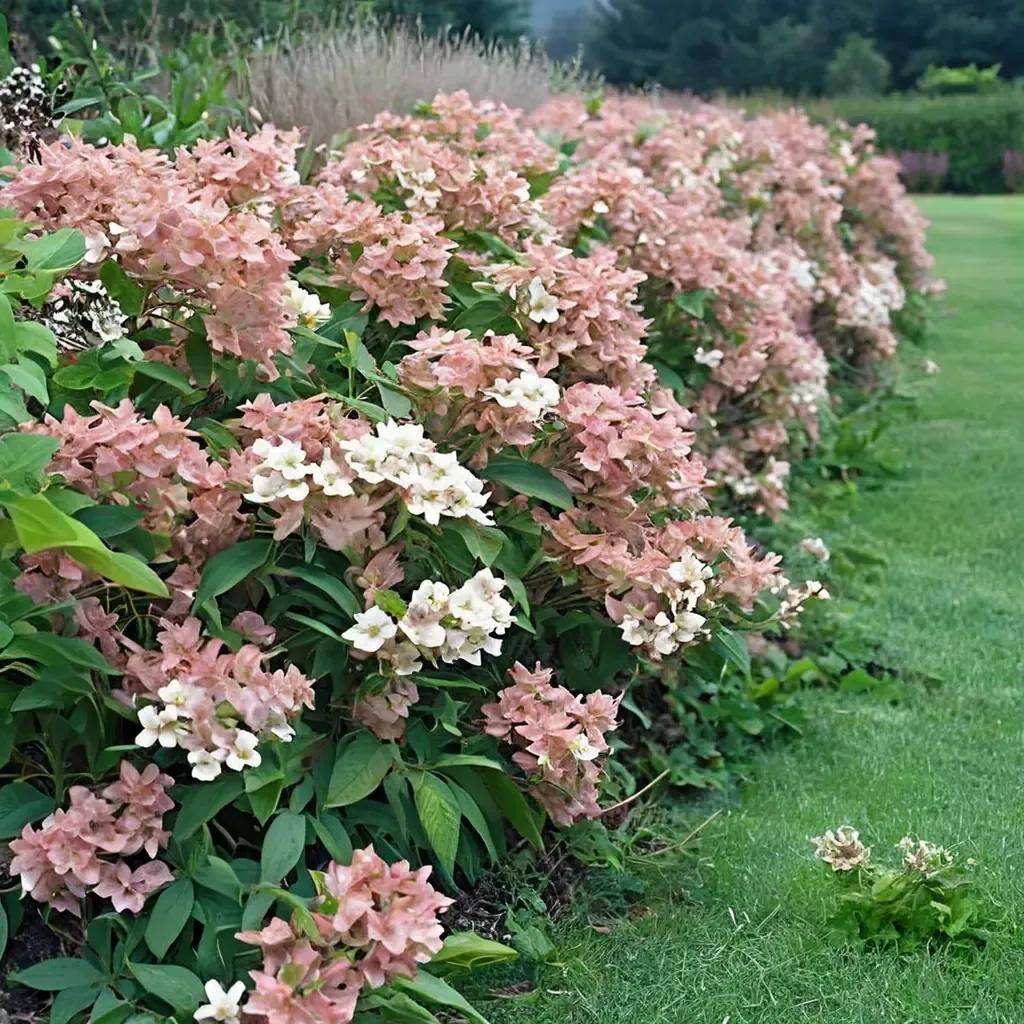 ‘Quick Fire’Quick Fire Hydrangea
 ‘Bombshell’Panicle Hydrangea
 ‘Rensun’Strawberry Sundae Panicle Hydrangea
 ‘Sweet Starlight’Panicle Hydrangea
 ‘White Wedding’White Wedding Panicle Hydrangea
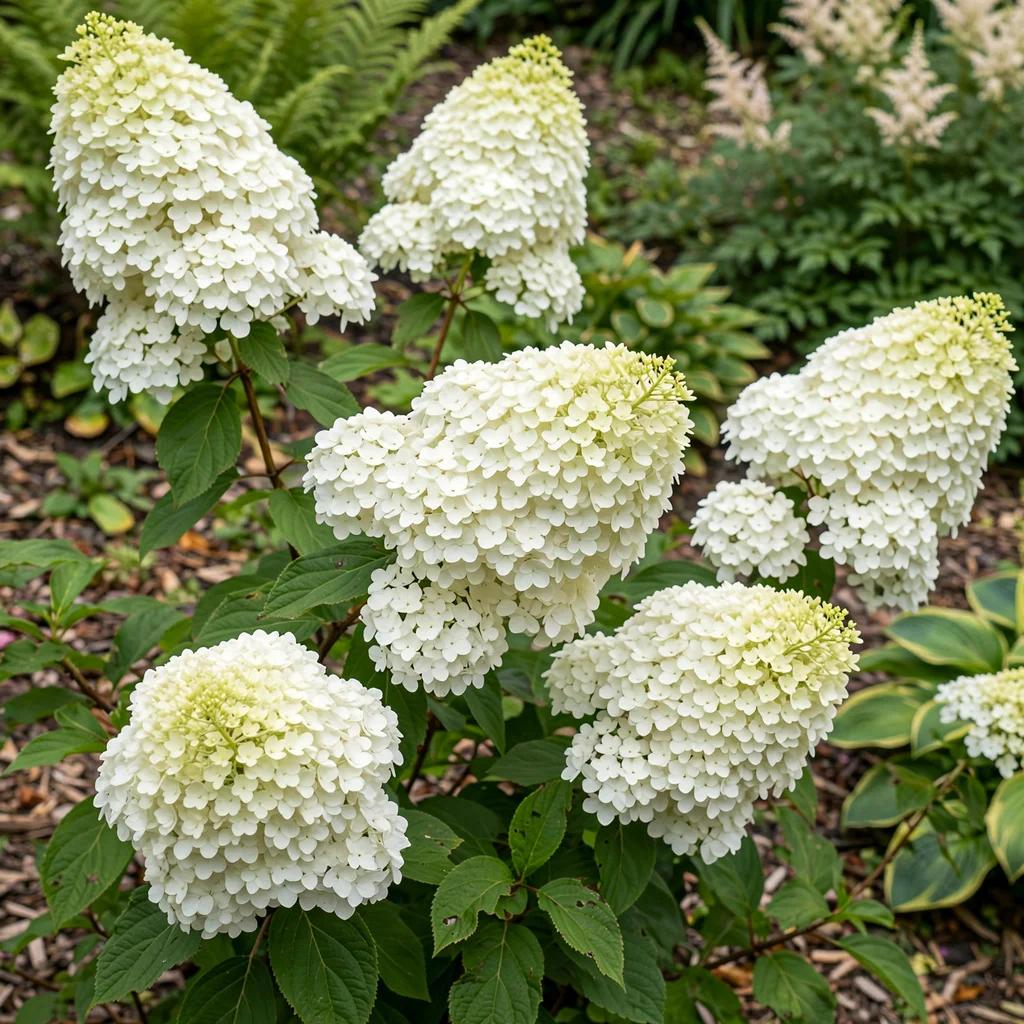 ‘Moon Dance’Moon Dance Panicle Hydrangea
The Story
Plant Bio
Hydrangea paniculata is a cold-hardy Asian deciduous shrub featuring an upright, multi-stemmed habit and large conical flower heads. Unlike broadleaf hydrangeas, panicle hydrangeas flower on current season wood and tolerate full sun exposure across cool to temperate regions.
'Fire and Ice' opens with creamy white flower panicles in early summer that transition to pink before deepening to rich burgundy-red by fall. Reddish tints on the stems and foliage complement the color-changing flower heads on sturdy stems that hold blooms upright.
Uses & Benefits:
Essentials
At a Glance
Plant Type
Shrub
Height
60"
Width
48"
Light
Full Sun, Partial Sun
Zones
4, 5, 6, 7, 8
Water
Moderate
Humidity
Good
Lifespan
Perennial
Native To
Mainland Asia, Japan, Korea, Sakhalin
Toxicity
Mildly toxic if ingested; foliage may cause skin irritation
Bloom period
Summer – Fall
In flower about 6 months of the year
Planting
How to Grow
- Choose a site in full sun or partial shade with organically rich, well-draining soil.
- Dig a hole twice as wide as the root ball and plant level with the surrounding soil.
- Water deeply at the base after planting to settle soil around the roots.
- Apply a 2-inch layer of organic mulch around the root zone, keeping it clear of the main stems.
Pro Tip
Prune stems back by one-third to one-half in late winter; because blooms form on new growth, hard spring pruning stimulates robust branching and larger flower heads.
Keep It Thriving
Care Guide
Do
- Prune annually in late winter or early spring before new growth emerges.
- Keep soil moist during hot summer periods, particularly during the first established season.
- Plant in light, well-drained soil to prevent root issues.
Don't
- Do not allow soil to become waterlogged or suffer standing water.
- Do not over-apply high-nitrogen fertilizer, which weakens stem strength and causes floppy blooms.
- Do not prune in mid-summer while flower buds are actively developing.
Seasonal Care Calendar
| Task | Jan | Feb | Mar | Apr | May | Jun | Jul | Aug | Sep | Oct | Nov | Dec |
|---|---|---|---|---|---|---|---|---|---|---|---|---|
| Fertilize | ||||||||||||
| Mulch | ||||||||||||
| Pest Check | ||||||||||||
| Prune | ||||||||||||
| Winter Prep |
Watch Out For
Pests & Diseases
Common Pests
Common Diseases
In the Garden
Landscape Uses & Companions
Landscape Uses
Companion Plants
Multiply
Propagation Methods
Good to Know
Common Questions
Panicle Hydrangea questions
What zones can Panicle Hydrangea grow in?
Panicle Hydrangea is hardy in USDA Zones 4–8. Inside that range it survives winter in the ground; outside it, grow it as an annual or a container plant you protect.
Is Panicle Hydrangea deer resistant?
Not reliably. Deer may browse Panicle Hydrangea, especially tender spring growth — plan on repellents or fencing where pressure is high.
When does Panicle Hydrangea bloom?
Panicle Hydrangea typically blooms in summer through fall. Exact timing shifts a week or two with your zone — Sow's bloom calendar maps it to your garden.
Does Panicle Hydrangea need full sun?
Panicle Hydrangea does best in full sun to part shade. In hot climates, afternoon shade keeps blooms fresher longer.
Is Panicle Hydrangea drought tolerant?
Yes — once established (usually after the first full season), Panicle Hydrangea handles dry spells with minimal watering. Water deeply its first year to build the root system that makes that possible.
More Hydrangea to compare
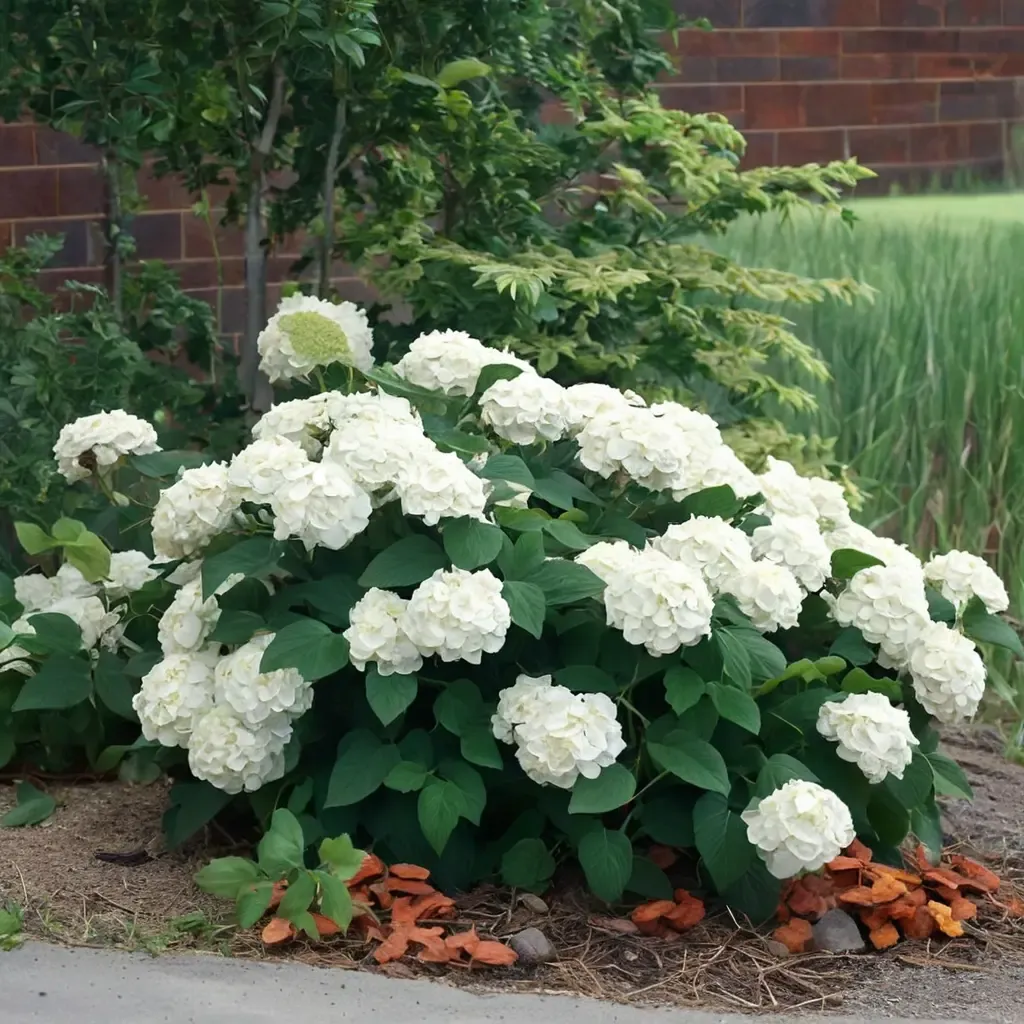
Incrediball Hydrangea
Hydrangea arborescens 'Incrediball'
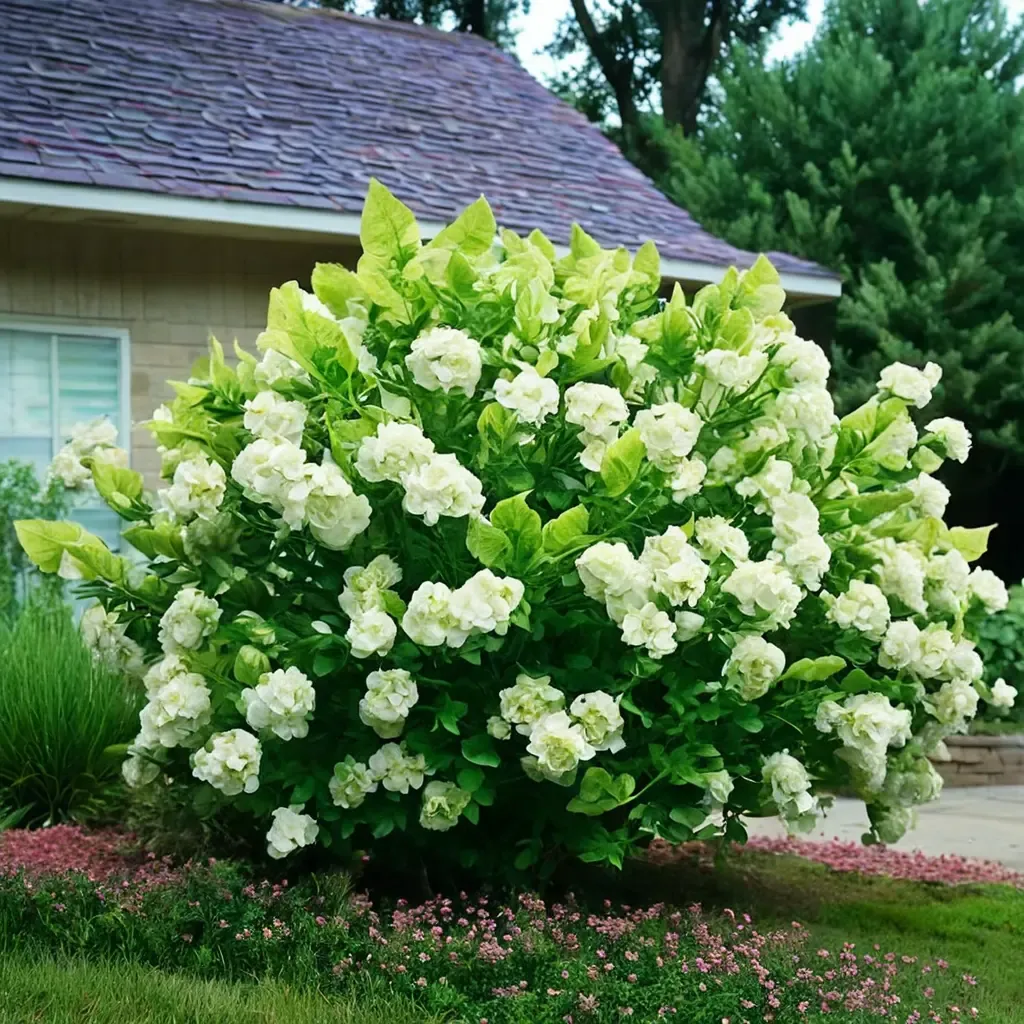
Limelight Hydrangea
Hydrangea paniculata 'Limelight'
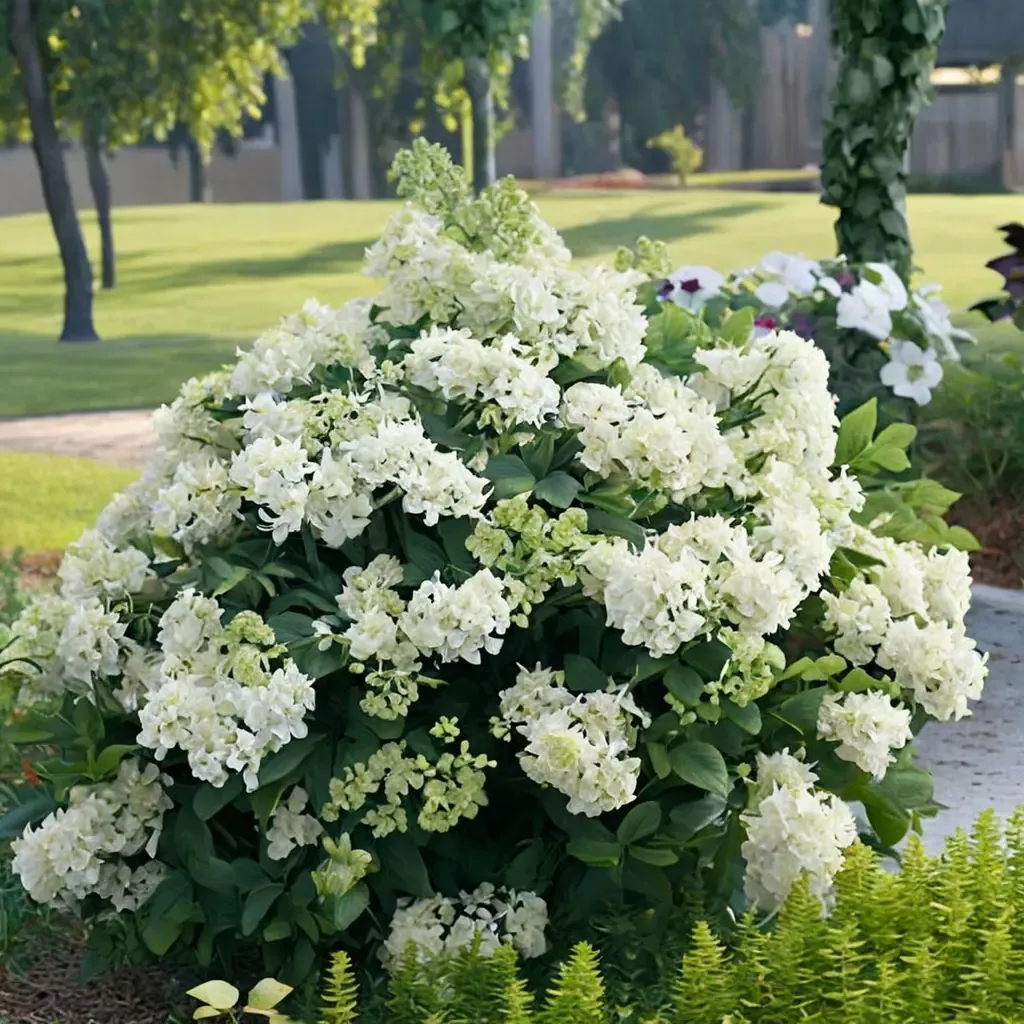
Bobo Hydrangea
Hydrangea paniculata 'ILVOBO'
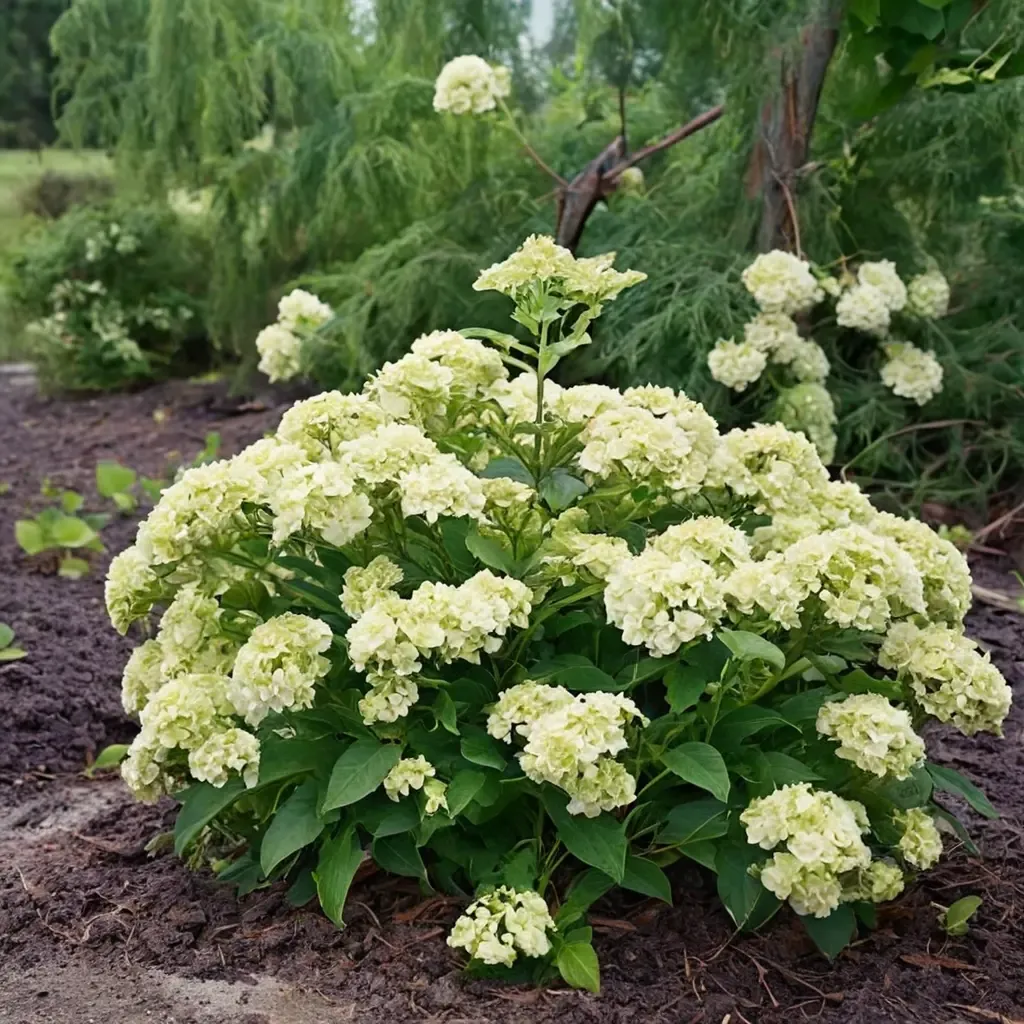
Little Lime Hydrangea
Hydrangea paniculata 'Jane'
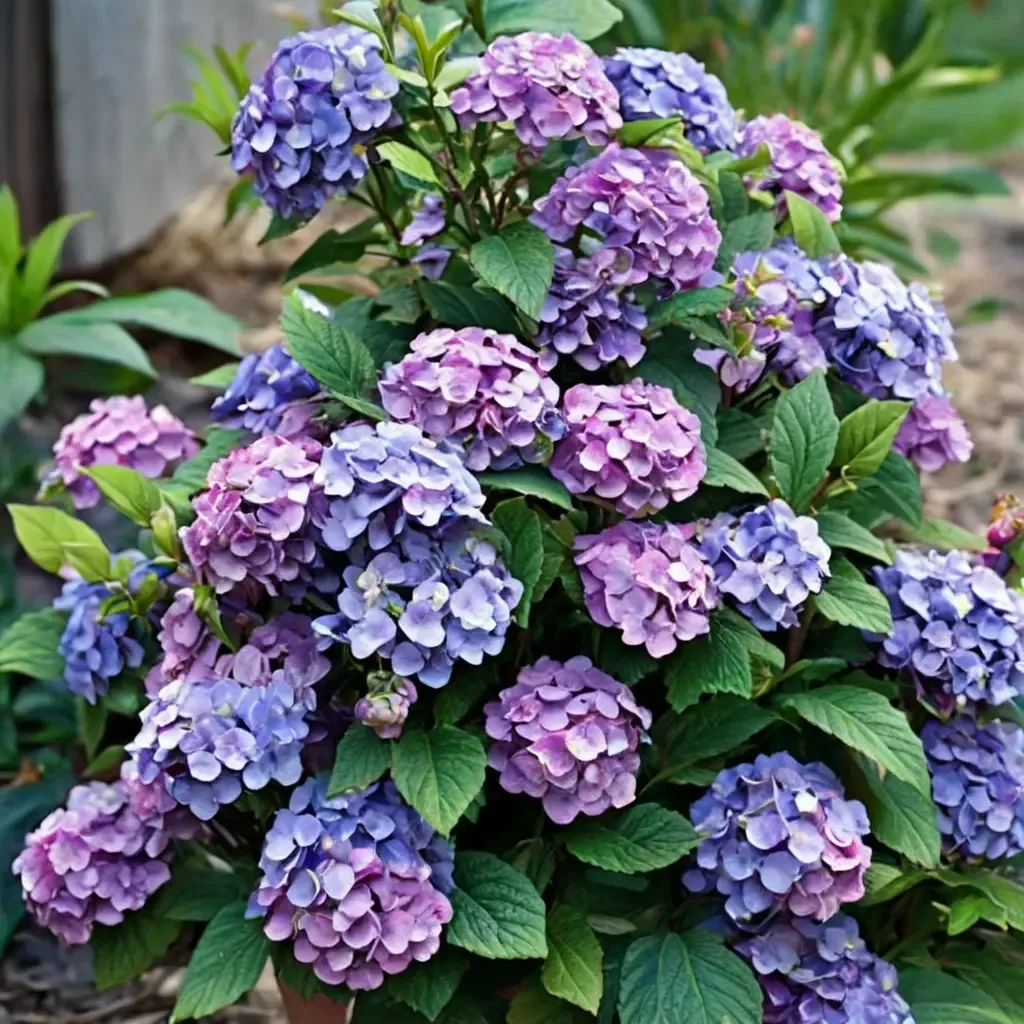
Bloomstruck Hydrangea
Hydrangea macrophylla 'Bloomstruck'
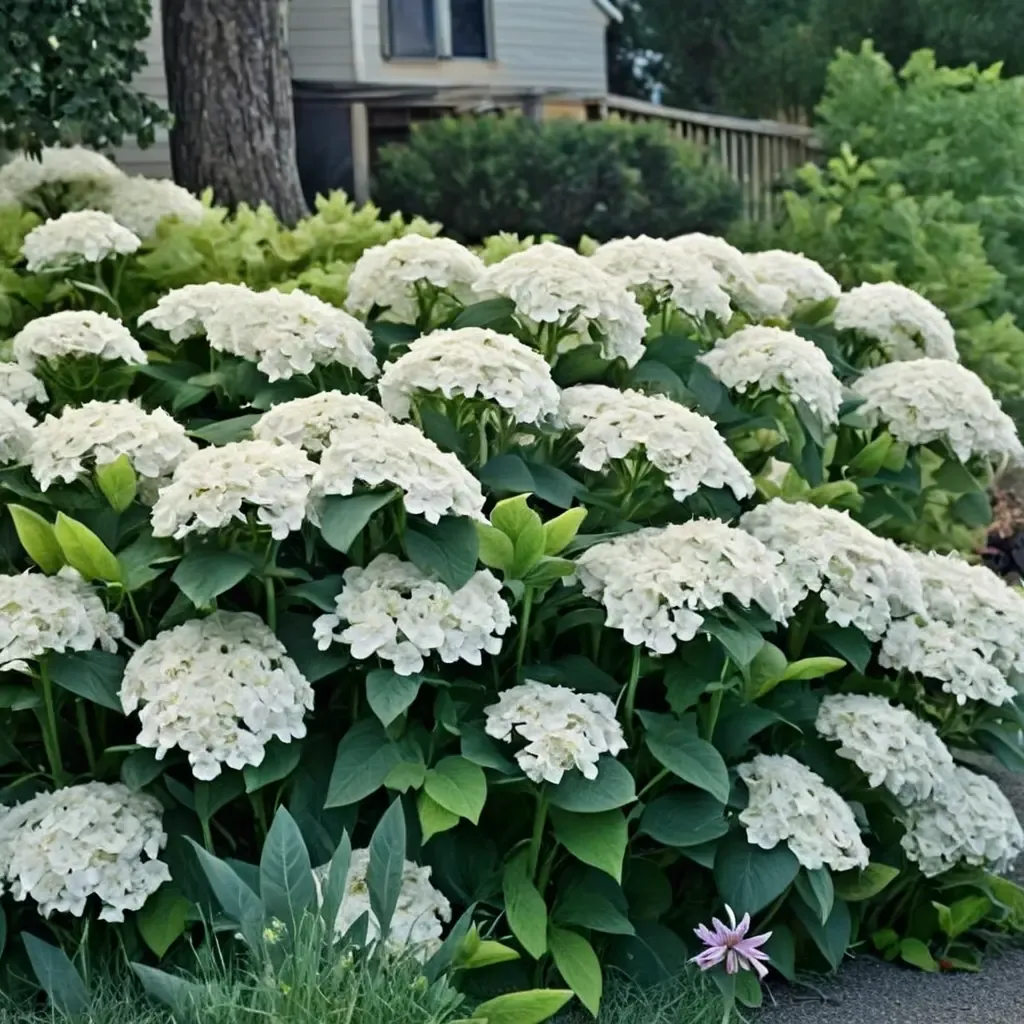
Annabelle Hydrangea Smooth Hydrangea
Hydrangea arborescens 'Annabelle'
Keep exploring
Explore the genus
Hardy in your zone?
Grow Panicle Hydrangea with confidence
See it in a design of your actual yard, get zone-matched care reminders, and track it season by season in your garden journal.