
Species
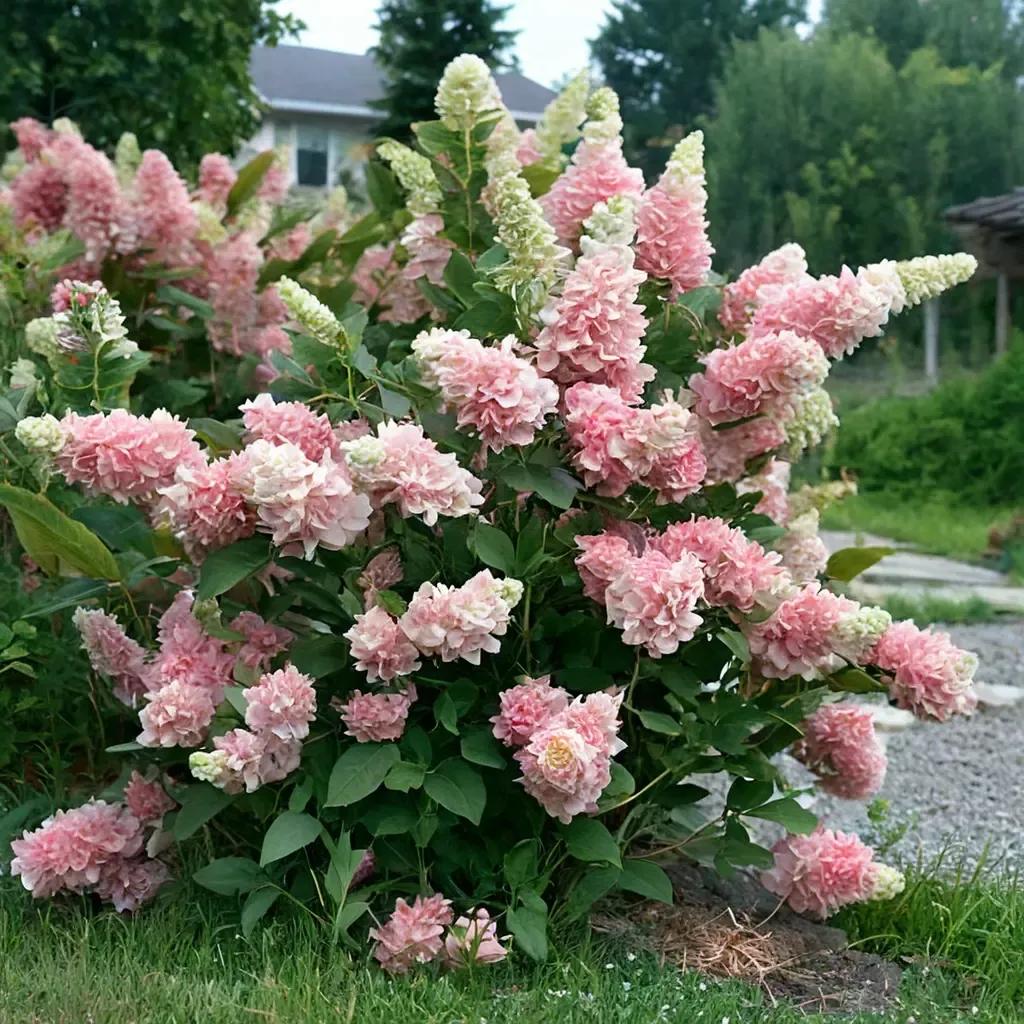
25 other cultivars
- ‘Limelight’Limelight Hydrangea
- ‘ILVOBO’Bobo Hydrangea
- ‘Jane’Little Lime Hydrangea
- ‘Little Lime Punch’Little Lime Punch Hydrangea
- ‘Little Quick Fire’Little Quick Fire Hydrangea
- ‘Quick Fire Fab’Hydrangea Quick Fire Fab
- ‘Fire Light Tidbit’Hydrangea Fire Light Tidbit
- ‘First Editions Vanilla Strawberry’Vanilla Strawberry Hydrangea
- ‘Phantom’Phantom Hydrangea
- ‘Berry White’Berry White Hydrangea
- ‘Fire Light’Fire Light Hydrangea
- ‘Magical Candle’Magical Candle Hydrangea
- ‘Moonrock’Moonrock Panicle Hydrangea
- ‘Ruby’Hydrangea Ruby
- ‘Skyfall’Skyfall Hydrangea
- ‘Candelabra’Candelabra Hydrangea
- ‘Quick Fire’Quick Fire Hydrangea
- ‘Little Spooky’Little Spooky Hydrangea
- ‘Tardiva’Tardiva Hydrangea
- ‘Bombshell’Bombshell Panicle Hydrangea
- ‘Rensun’Strawberry Sundae Panicle Hydrangea
- ‘Sweet Starlight’Sweet Starlight Panicle Hydrangea
- ‘White Wedding’White Wedding Panicle Hydrangea
- ‘Limelight Prime’Limelight Prime Hydrangea
- ‘Fire and Ice’Fire and Ice Panicle Hydrangea





The Story
Plant Bio
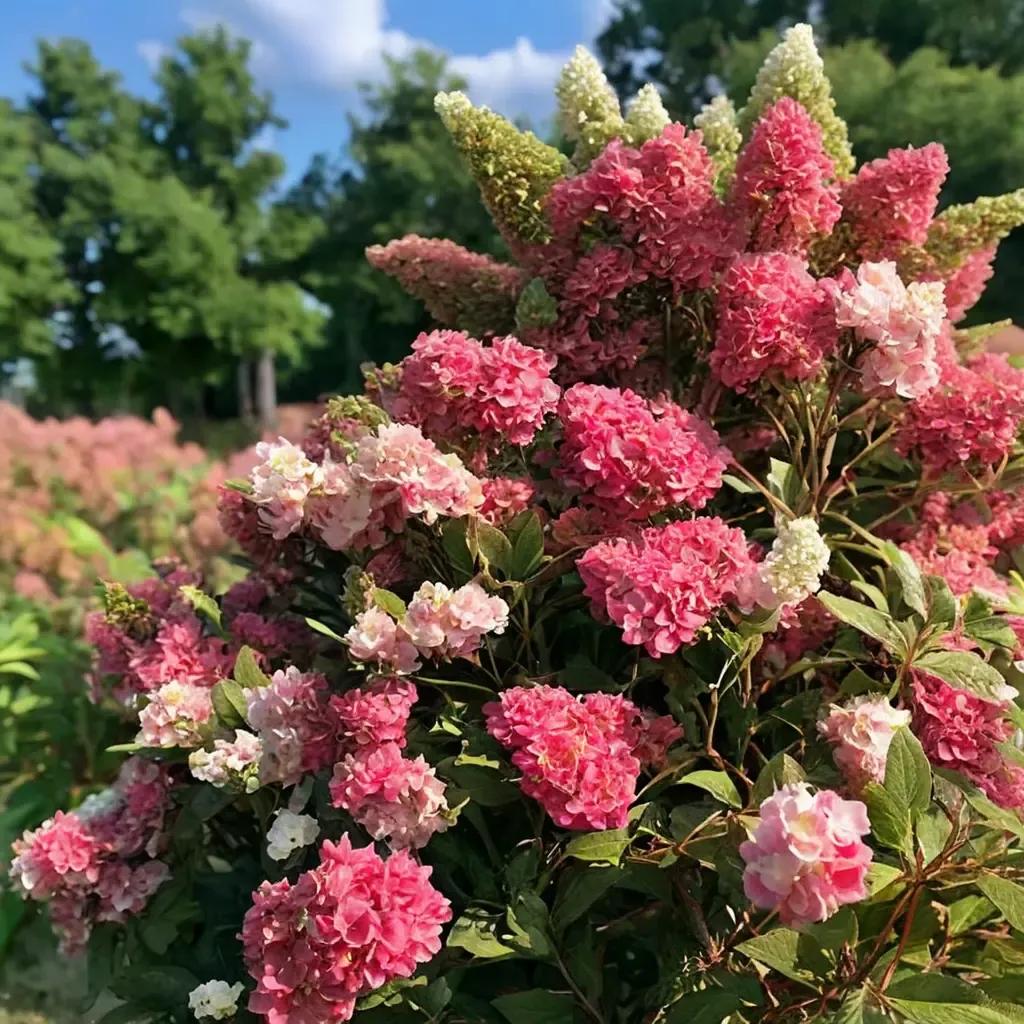
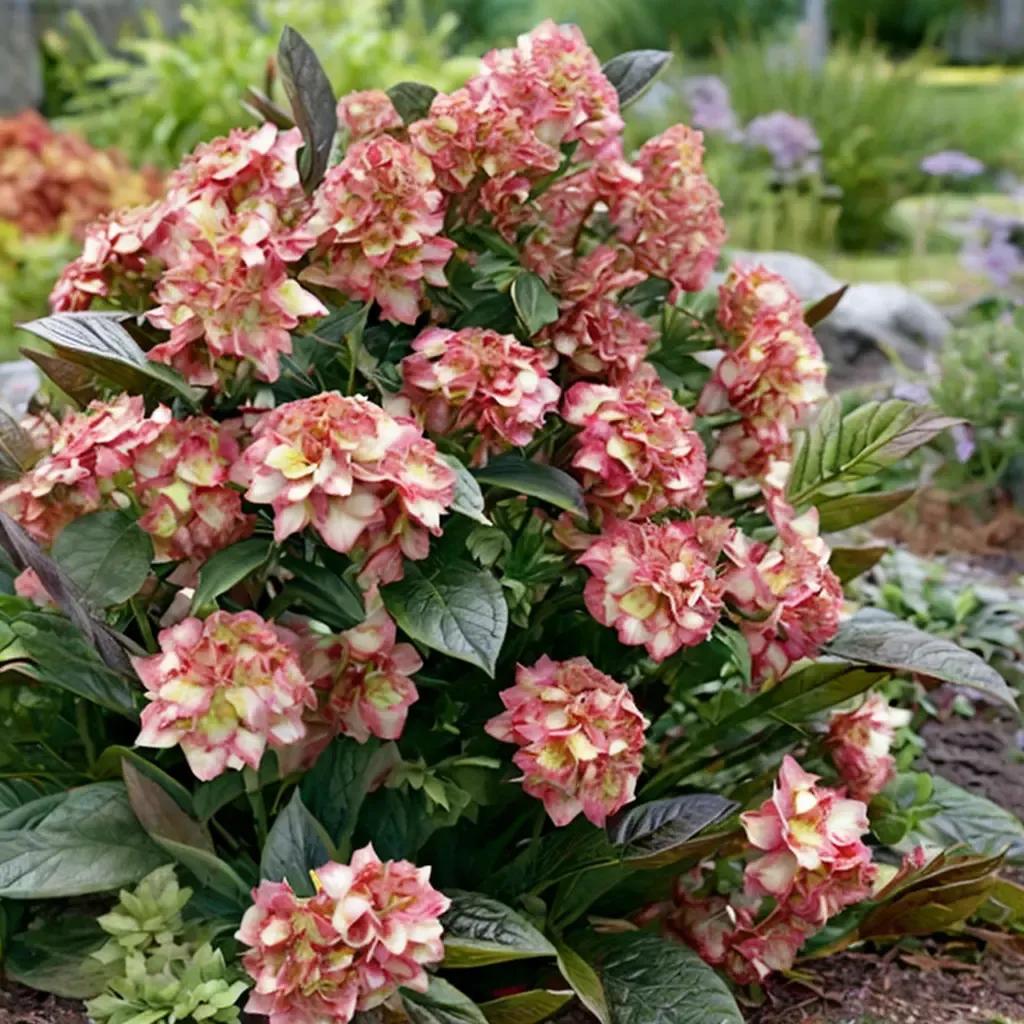
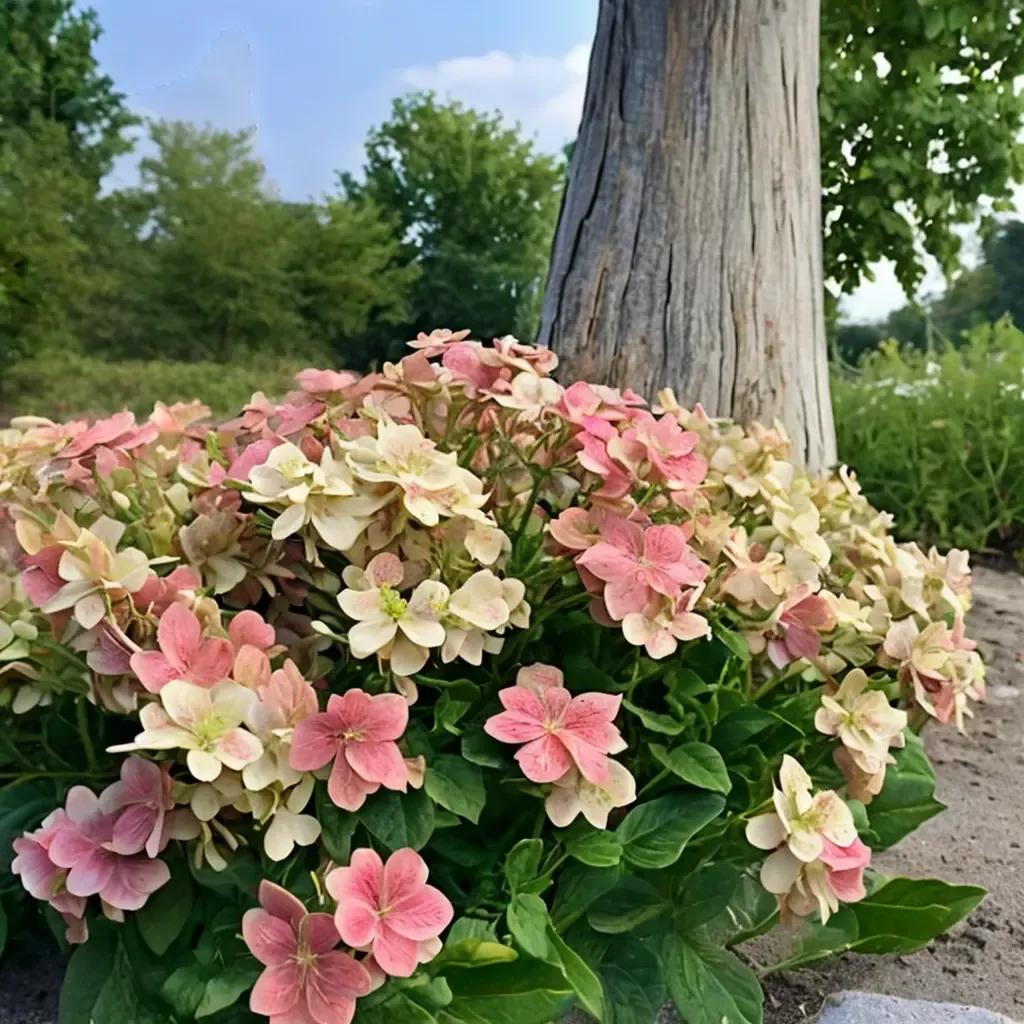
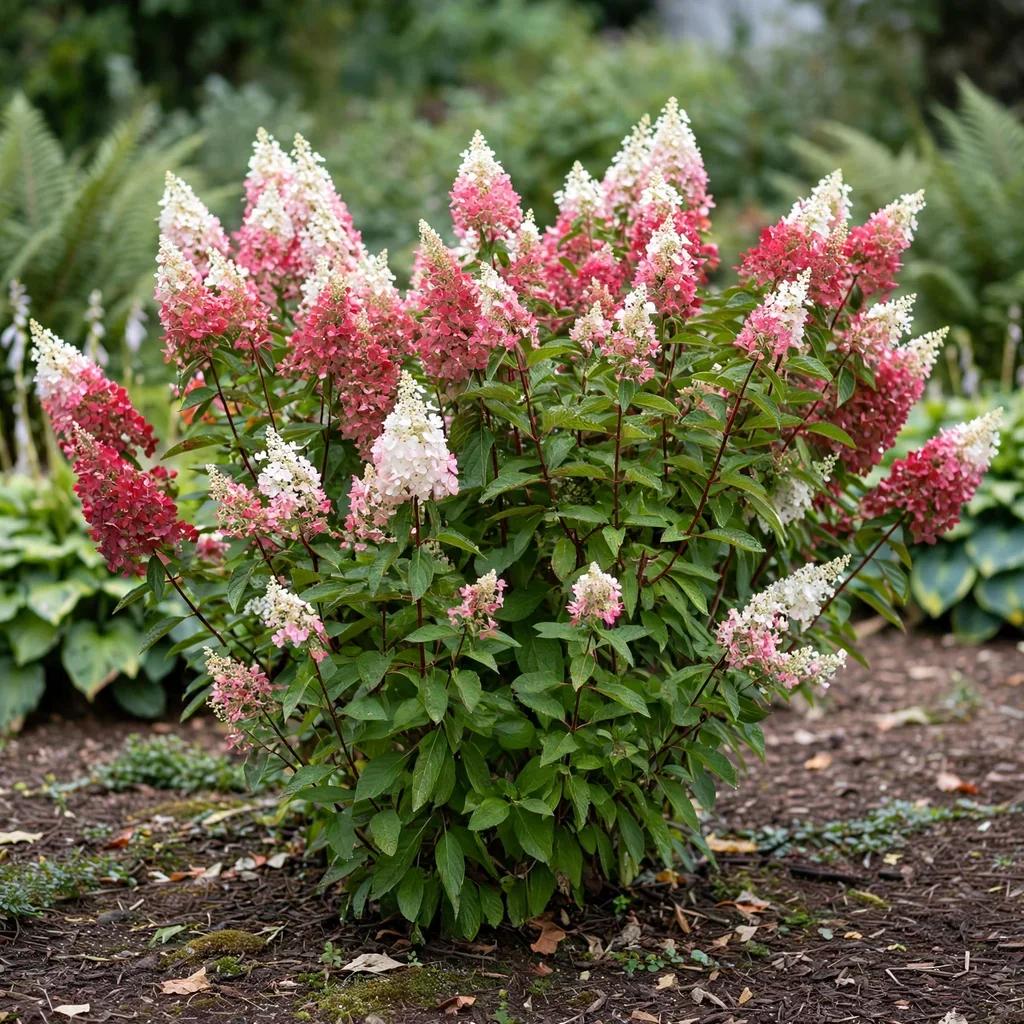
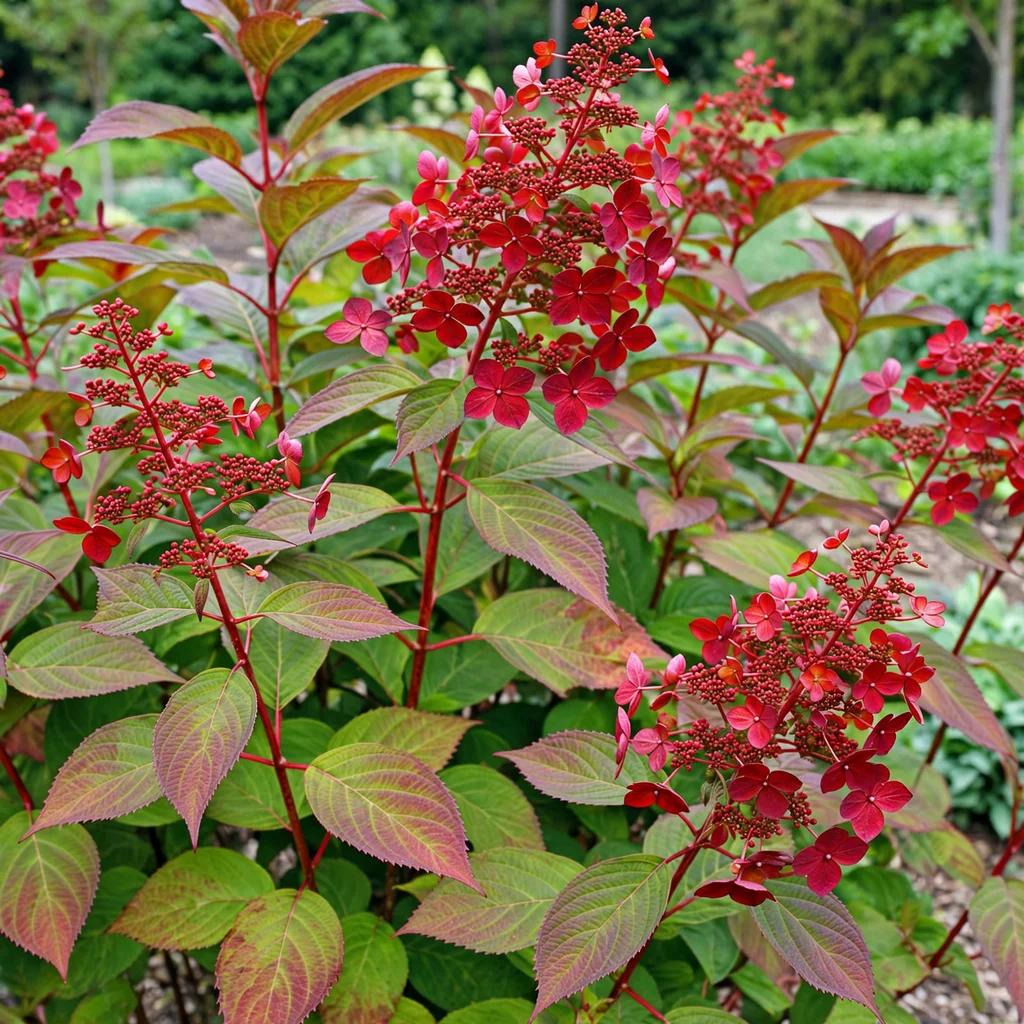
Hydrangea paniculata is a cold-hardy deciduous shrub native to eastern Asia, known for its upright growth habit and dense conical flower panicles. Unlike bigleaf hydrangeas, panicle hydrangeas flower reliably on current season's wood in mid-summer through autumn regardless of winter temperatures.
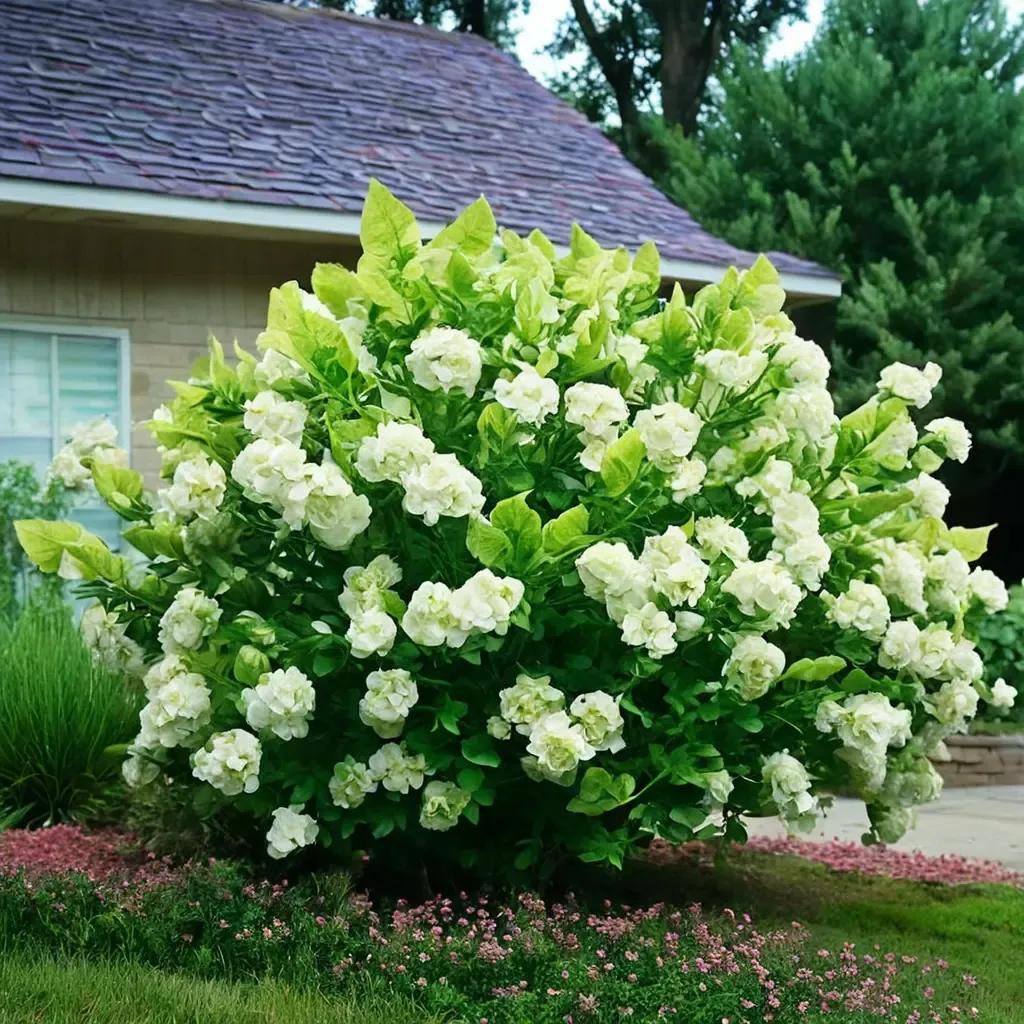
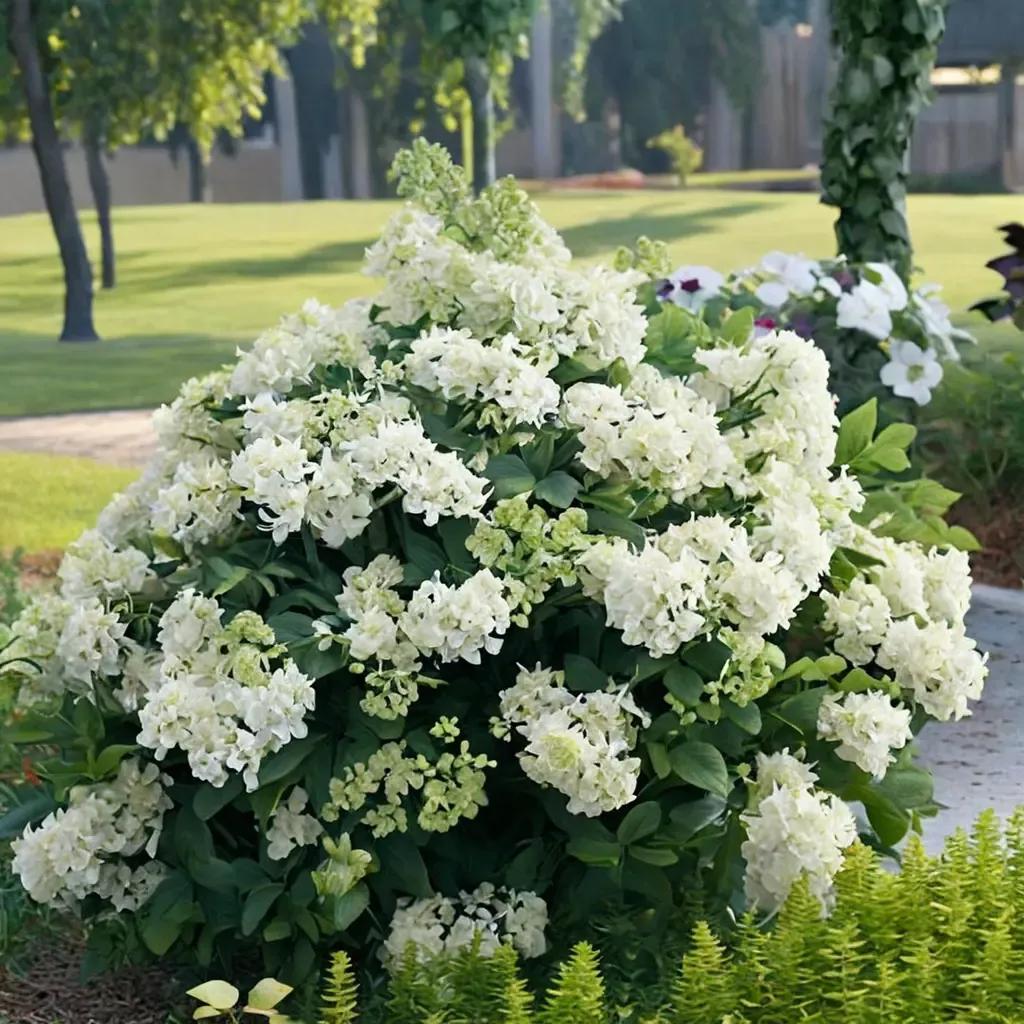
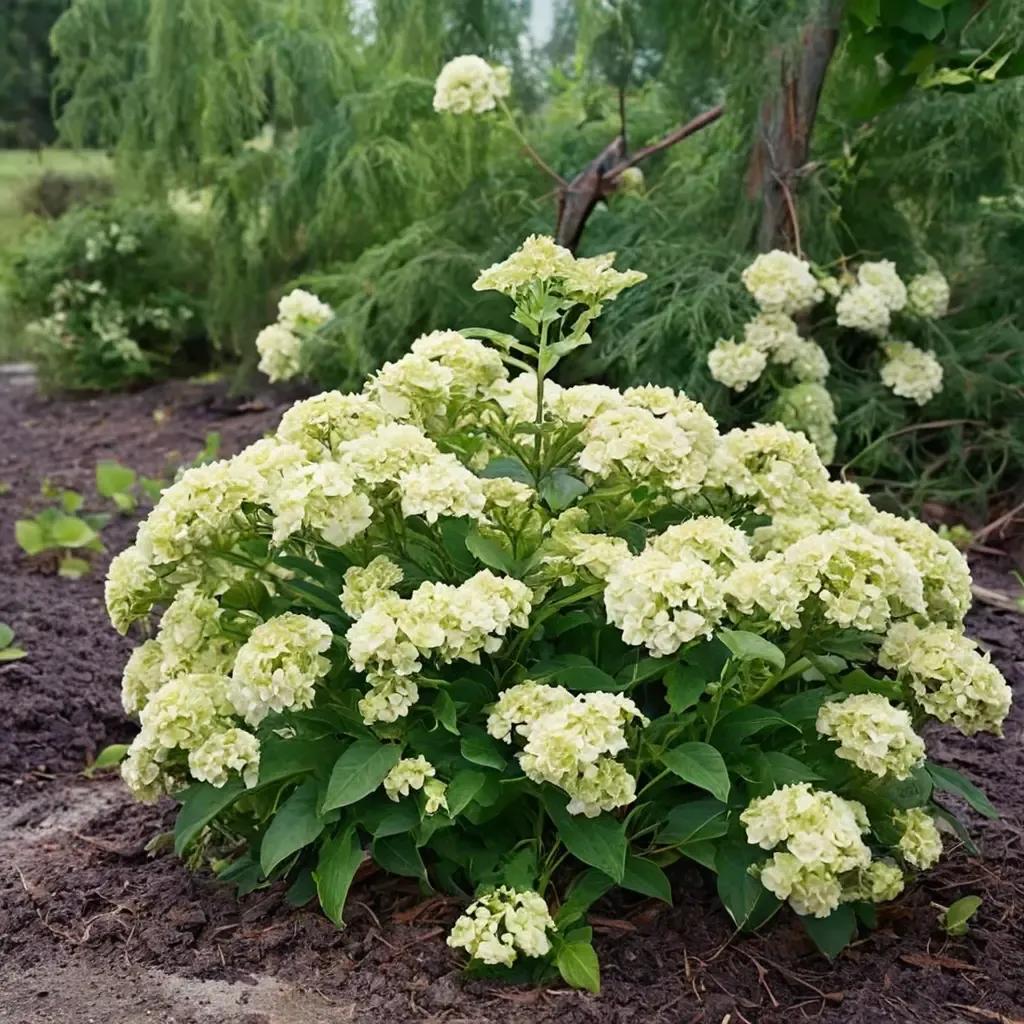
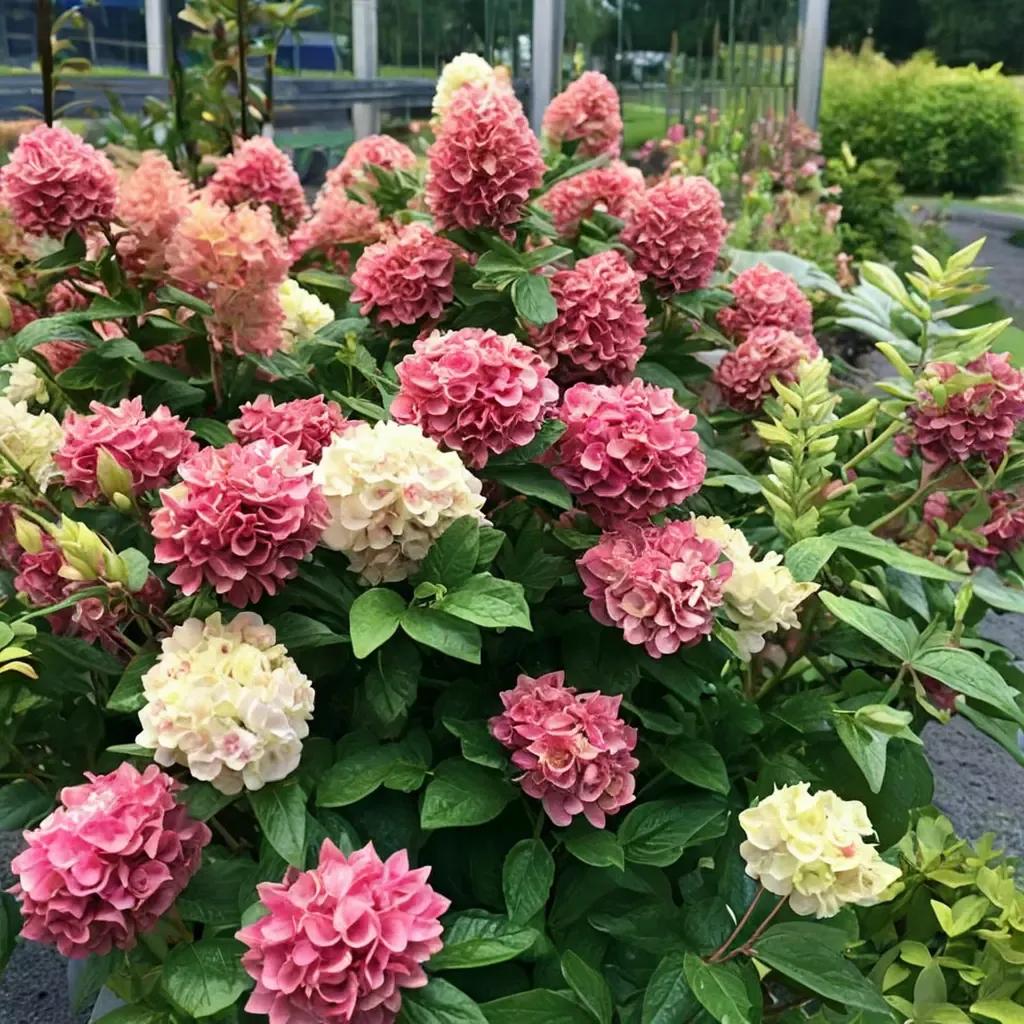
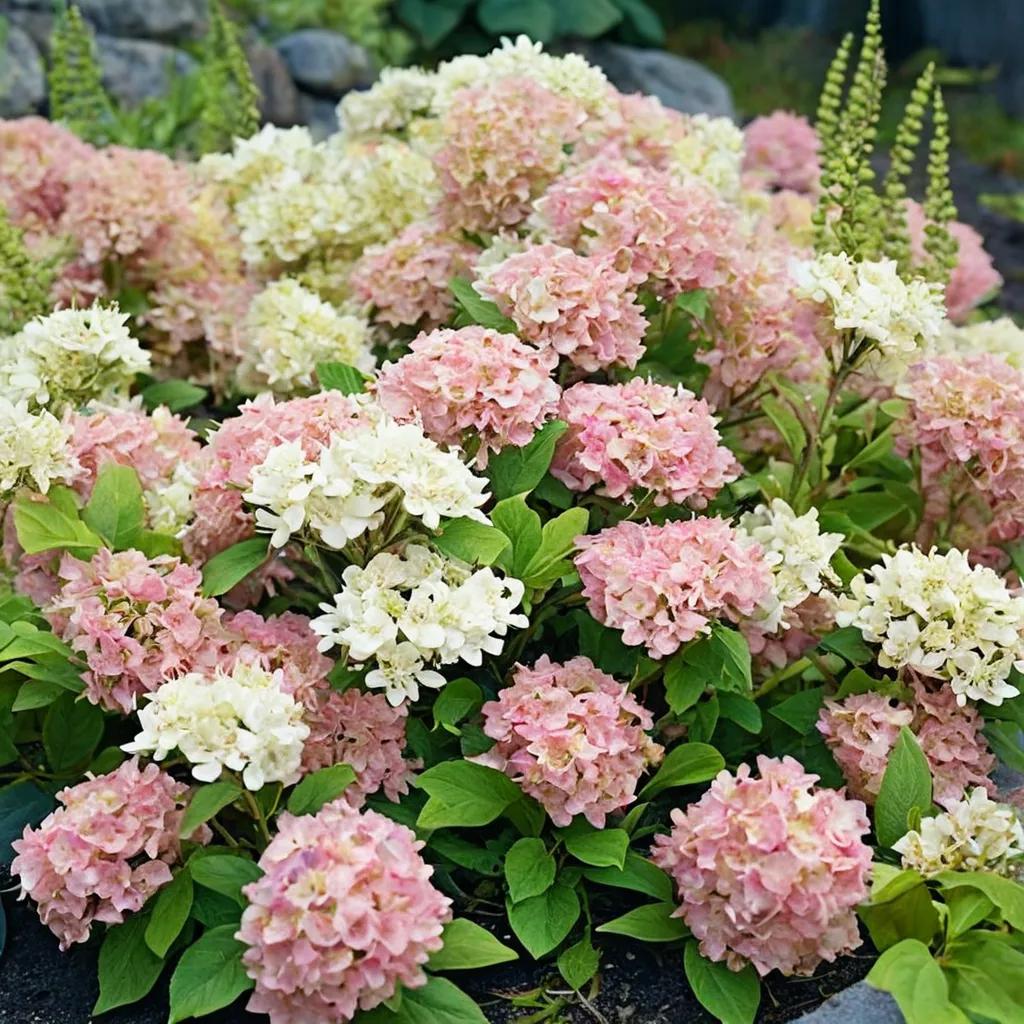
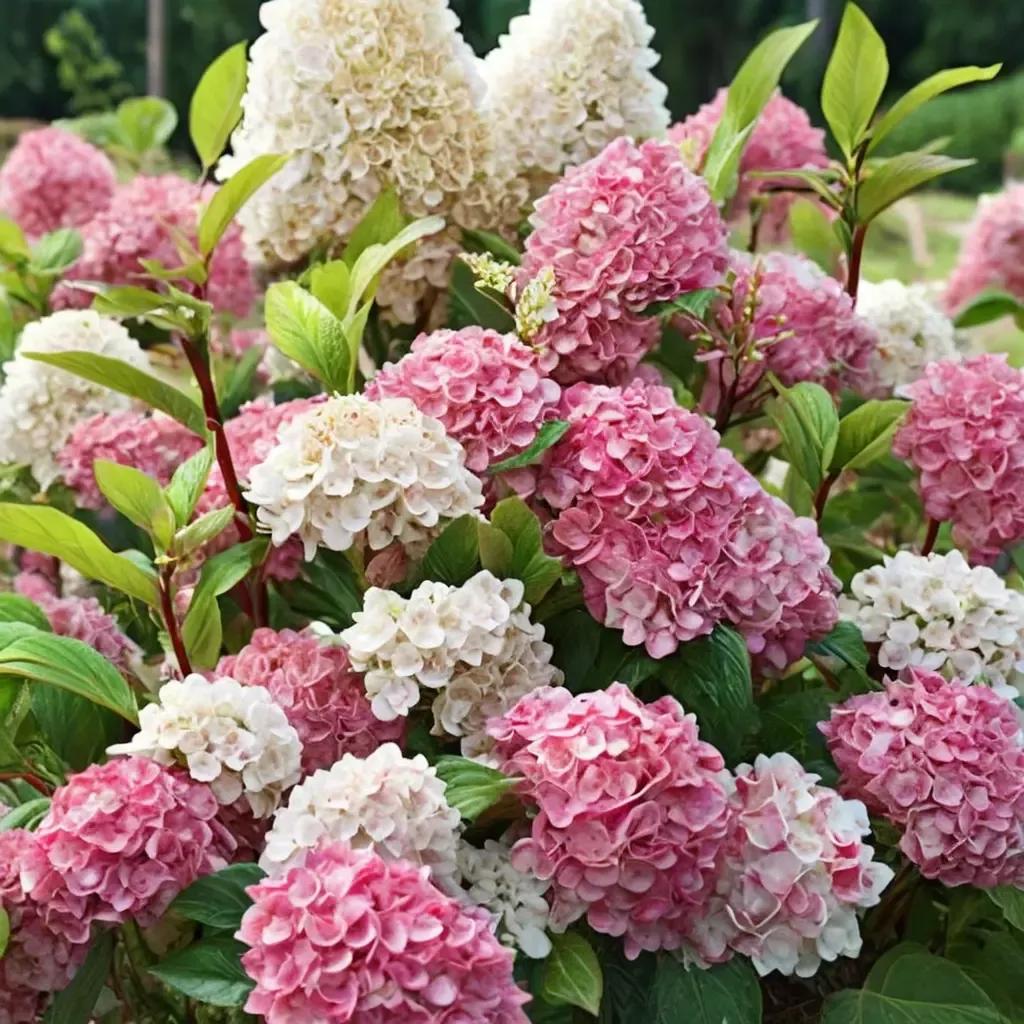
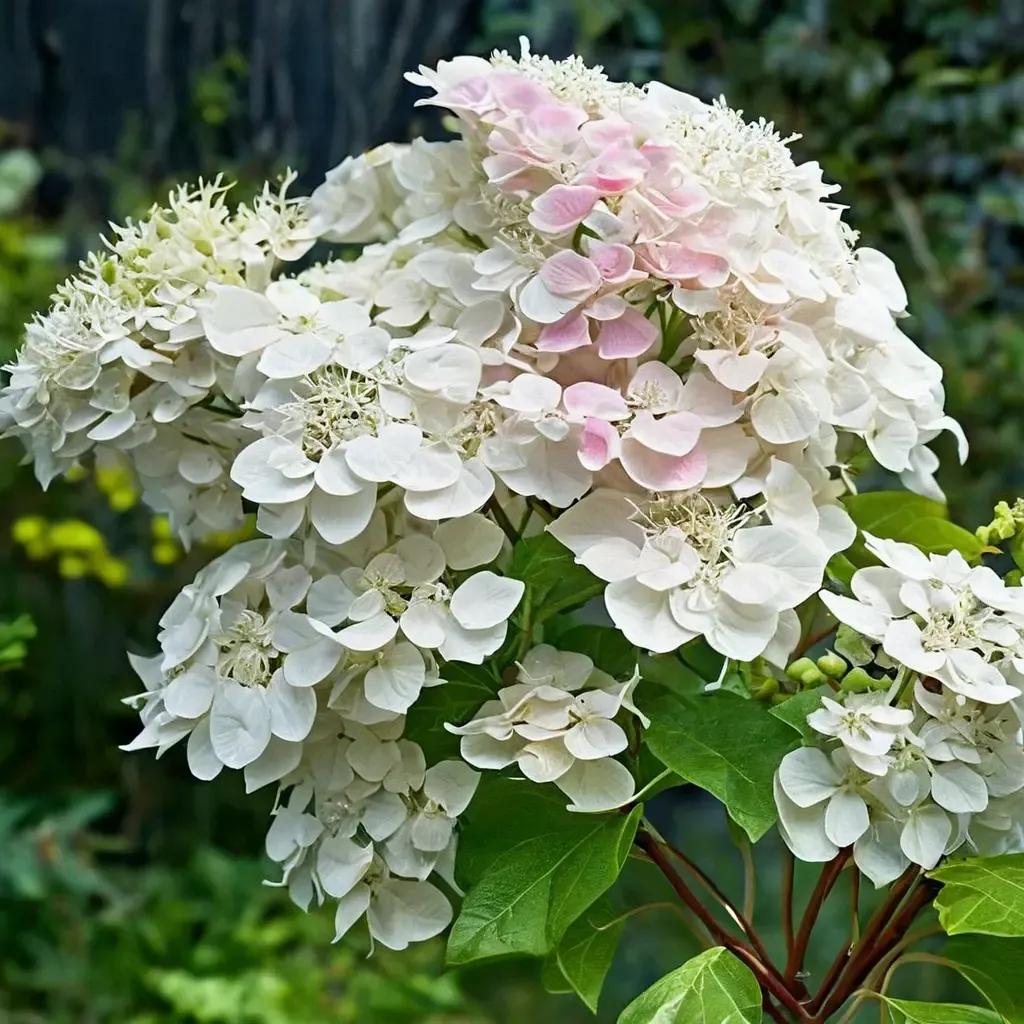
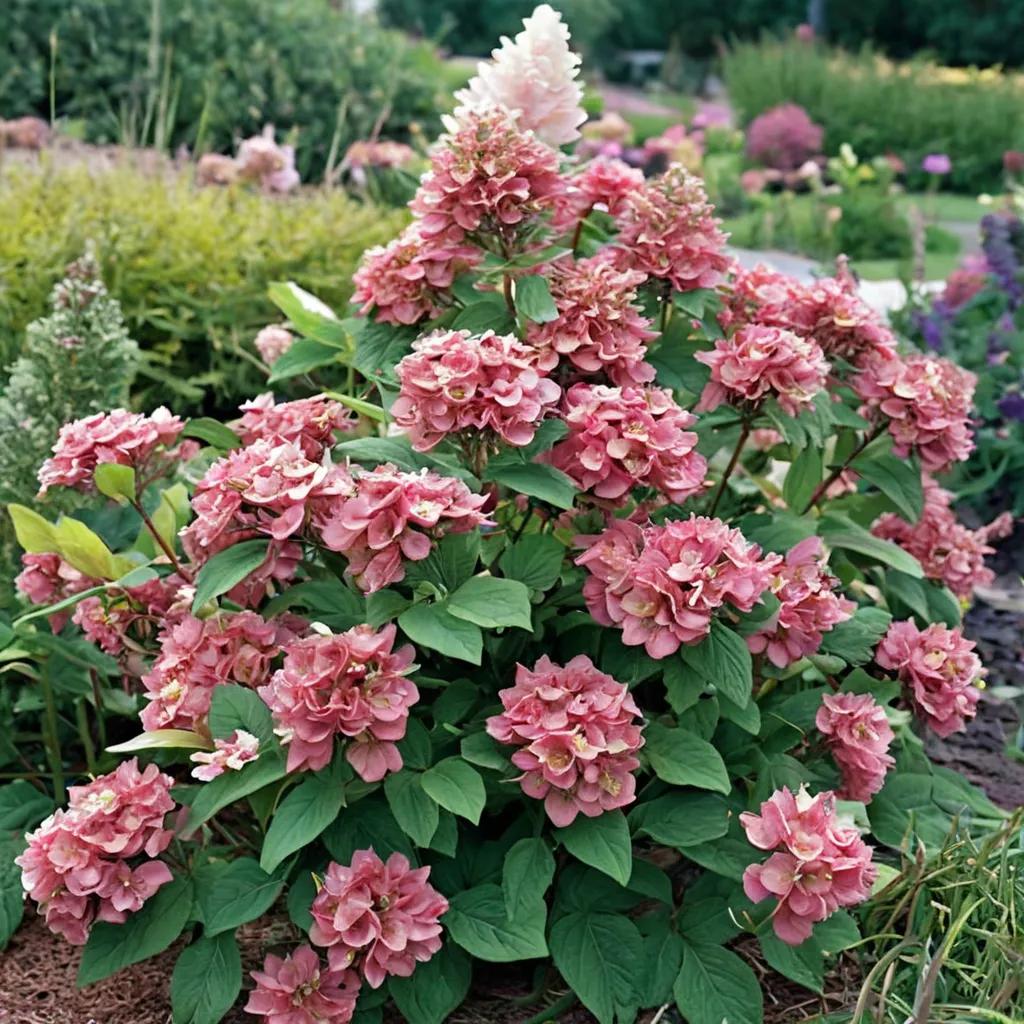
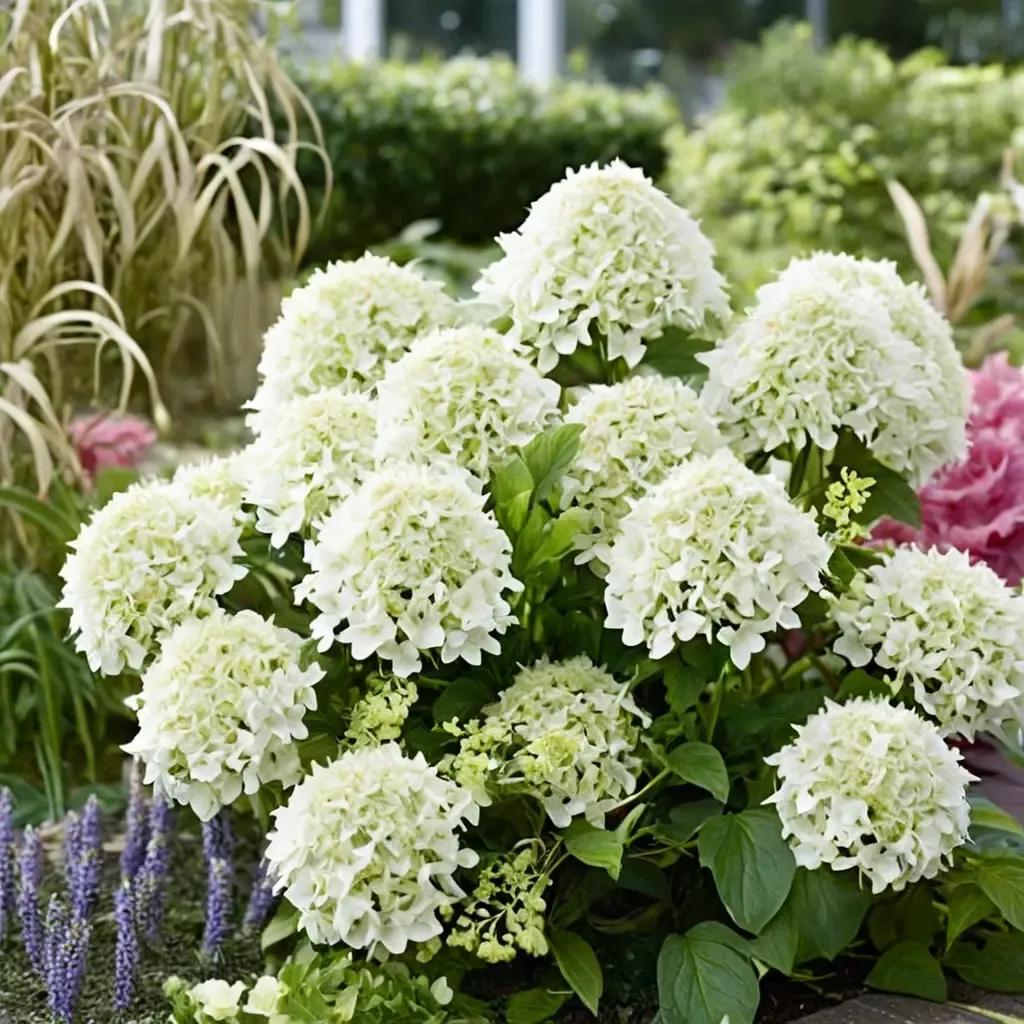
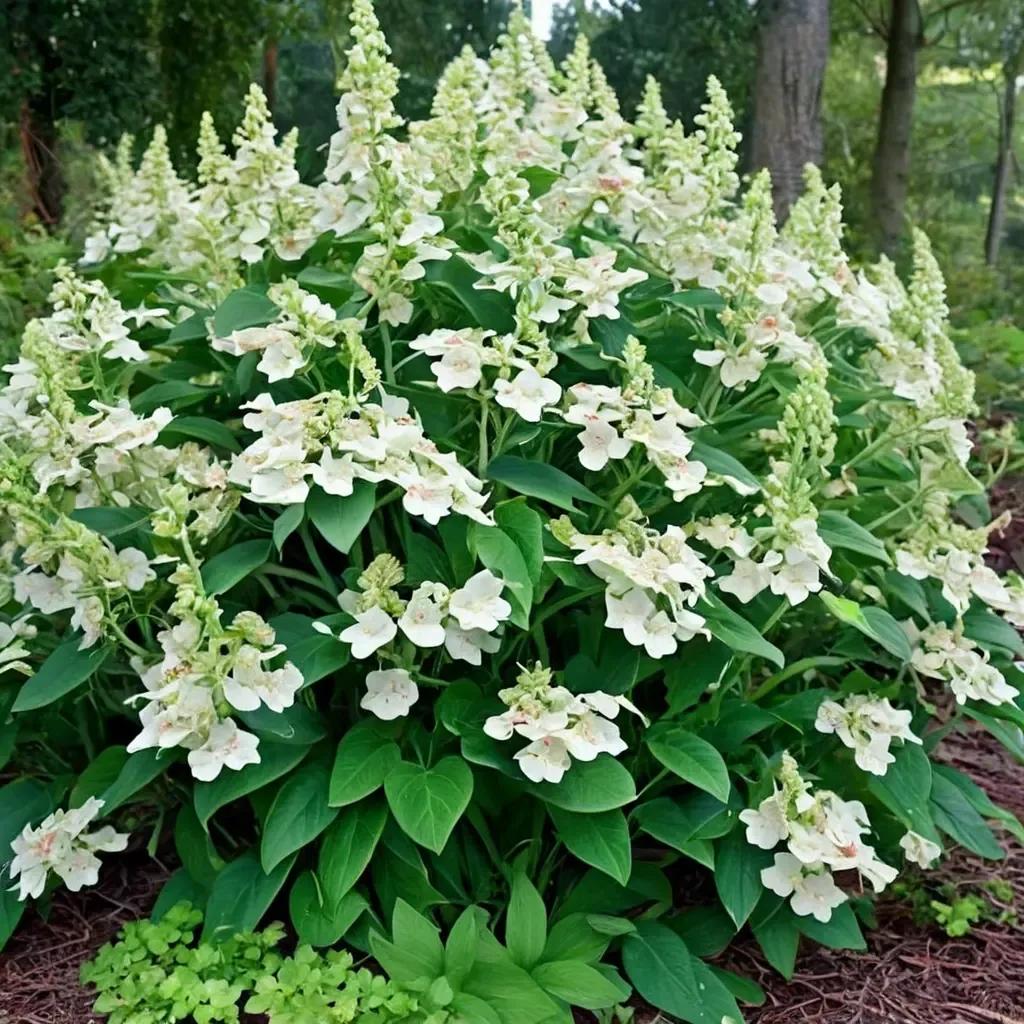
'Moon Dance' is a compact cultivar featuring thick, rigid stems that keep its large white flower panicles held strictly upright without floppy stems or heavy drooping. Its brilliant white blooms retain their clean color late into the season and resist early pink or brown discoloration in hot climates.
Uses & Benefits:
Essentials
At a Glance
Plant Type
Shrub
Height
96"
Width
60"
Light
Full Sun, Partial Sun
Zones
4, 5, 6, 7, 8, 9
Water
Moderate
Humidity
Tolerates high summer humidity
Lifespan
Perennial
Native To
Asia
Toxicity
Toxic if ingested
Bloom period
Summer – Fall
In flower about 6 months of the year
Planting
How to Grow
- Choose a site receiving morning sun and afternoon shade in warmer zones, or full sun in northern zones.
- Dig a planting hole twice as wide as the root container and set the crown level with the surrounding soil.
- Backfill with native soil mixed with organic compost, press firm, and water thoroughly to settle roots.
- Spread a two-inch layer of bark mulch over the root zone, keeping it clear of the main trunk stems.
Pro Tip
Prune stems back by one-third in late winter or early spring to encourage thick new flowering shoots and clear out fine interior growth.
Keep It Thriving
Care Guide
Do
- Maintain consistent soil moisture during the first two growing seasons.
- Prune in late winter before new vegetative buds open.
- Provide afternoon shade in hot southern growing zones.
Don't
- Do not allow soil to sit saturated or submerged in standing water.
- Do not prune late in spring after new flowering growth has emerged.
- Avoid planting against hot, unshaded masonry walls without adequate moisture.
Seasonal Care Calendar
| Task | Jan | Feb | Mar | Apr | May | Jun | Jul | Aug | Sep | Oct | Nov | Dec |
|---|---|---|---|---|---|---|---|---|---|---|---|---|
| Fertilize | ||||||||||||
| Mulch | ||||||||||||
| Pest Check | ||||||||||||
| Prune |
Watch Out For
Pests & Diseases
Common Pests
Common Diseases
In the Garden
Landscape Uses & Companions
Landscape Uses
Companion Plants
Multiply
Propagation Methods
Good to Know
Common Questions
Moon Dance Panicle Hydrangea questions
What zones can Moon Dance Panicle Hydrangea grow in?
Moon Dance Panicle Hydrangea is hardy in USDA Zones 4–9: in that range it survives winter in the ground. Warmer than Zone 9, winter isn't the problem: it prefers colder winters, and summer heat can shorten its life.
Is Moon Dance Panicle Hydrangea deer resistant?
Not reliably. Deer may browse Moon Dance Panicle Hydrangea, especially tender spring growth — plan on repellents or fencing where pressure is high.
When does Moon Dance Panicle Hydrangea bloom?
Moon Dance Panicle Hydrangea typically blooms from summer to fall. Exact timing shifts a week or two with your zone — Sow's bloom calendar maps it to your garden.
Does Moon Dance Panicle Hydrangea need full sun?
Moon Dance Panicle Hydrangea does best in full sun to part shade. In hot climates, afternoon shade keeps blooms fresher longer.
More Hydrangea to compare
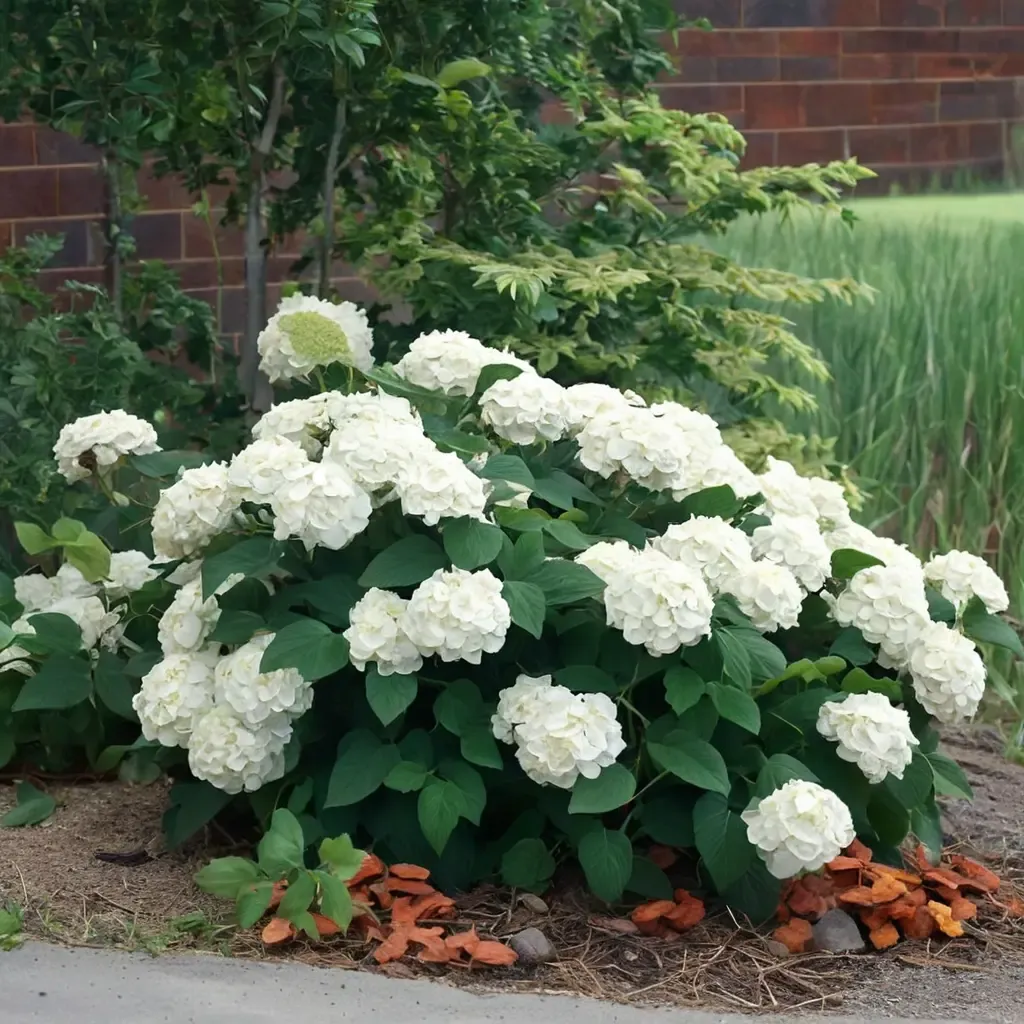
Incrediball Hydrangea
Hydrangea arborescens 'Incrediball'
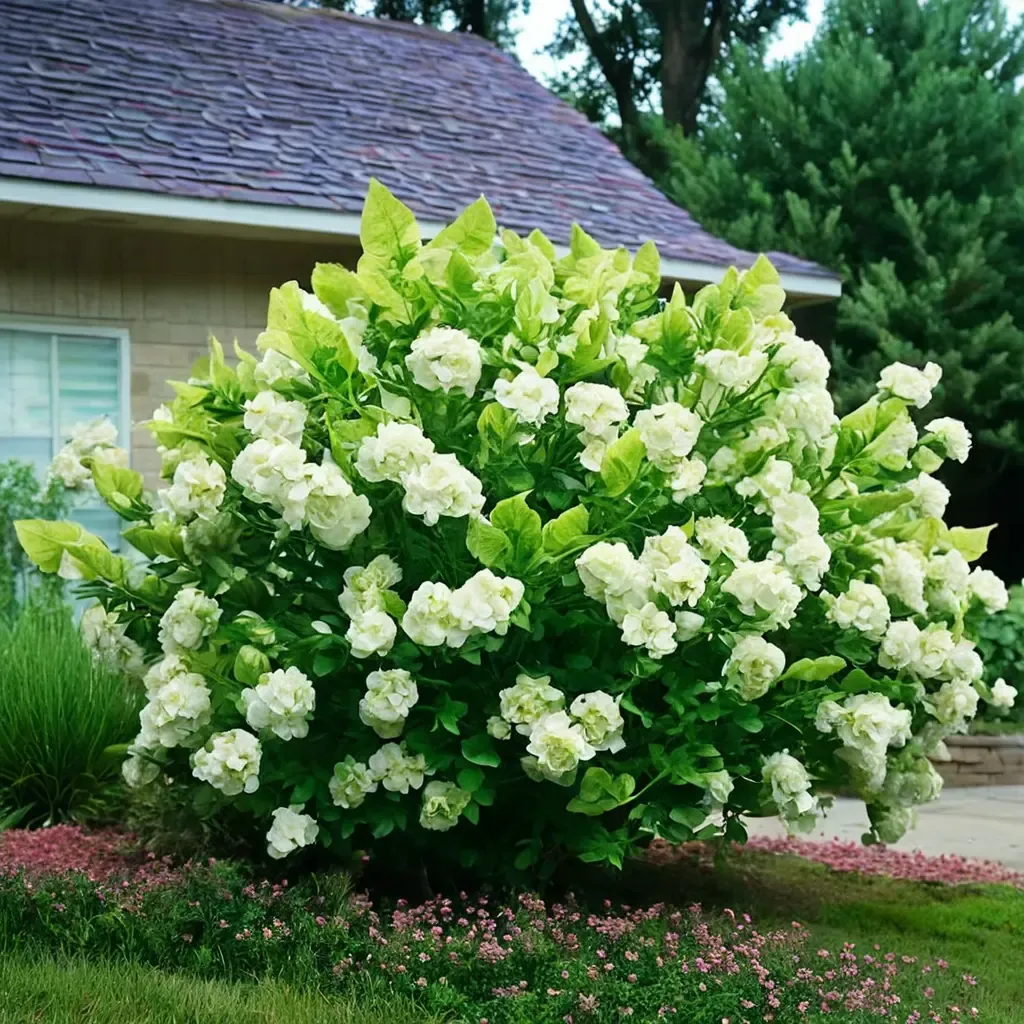
Limelight Hydrangea
Hydrangea paniculata 'Limelight'
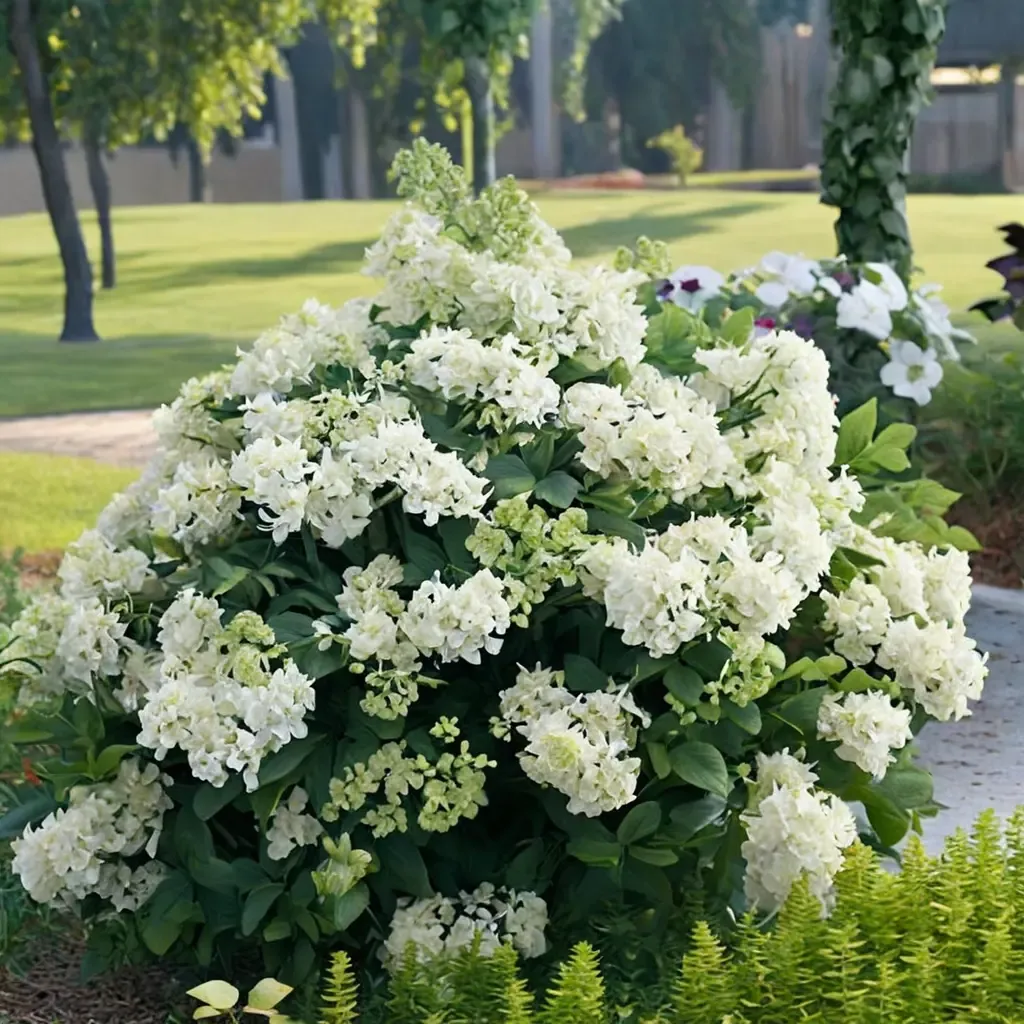
Bobo Hydrangea
Hydrangea paniculata 'ILVOBO'
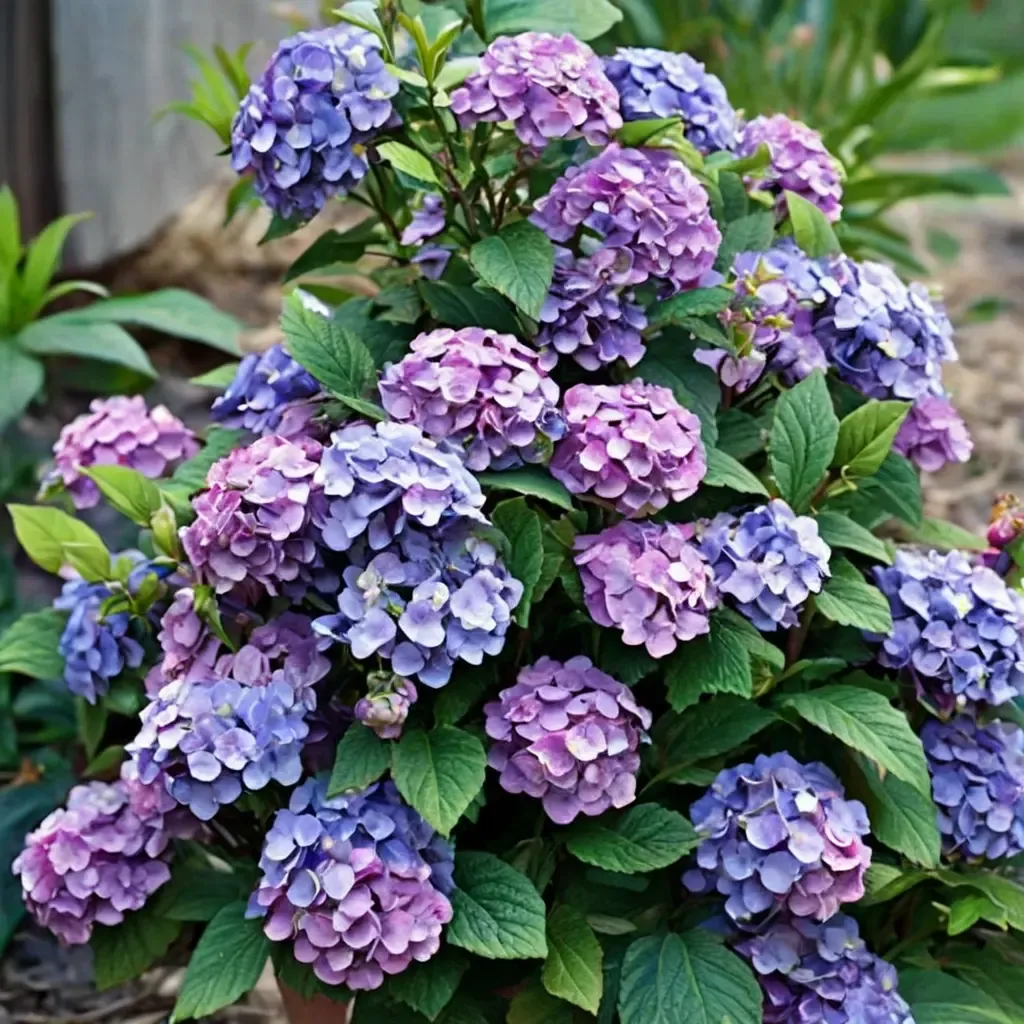
Bloomstruck Hydrangea
Hydrangea macrophylla 'Bloomstruck'
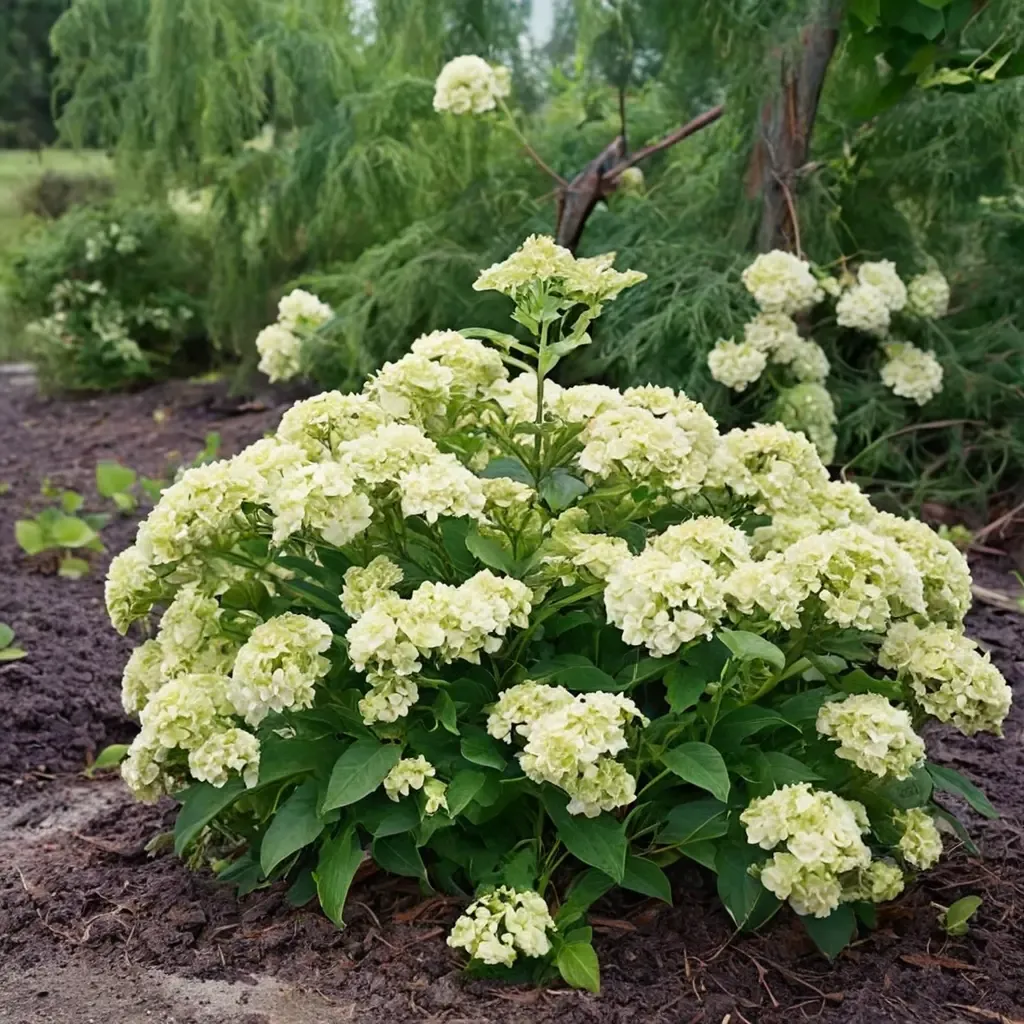
Little Lime Hydrangea
Hydrangea paniculata 'Jane'
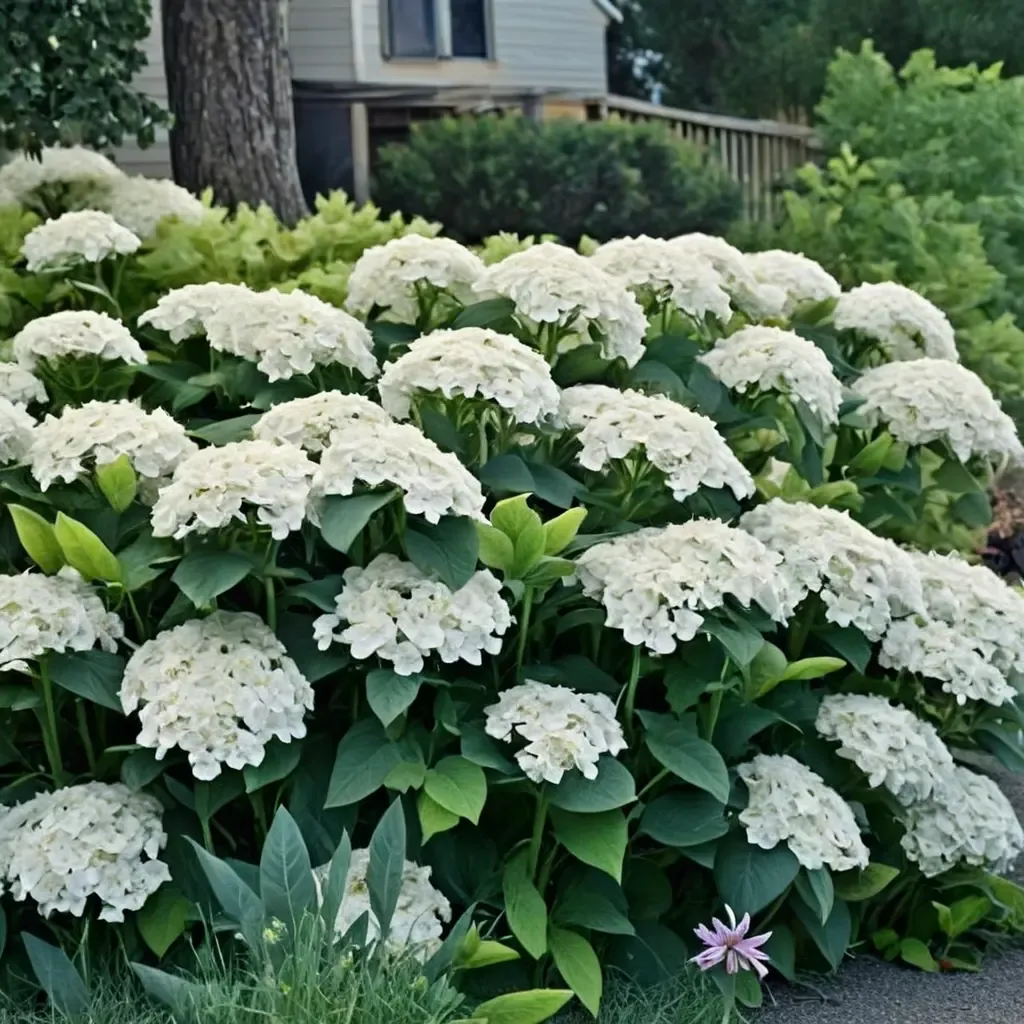
Annabelle Hydrangea Smooth Hydrangea
Hydrangea arborescens 'Annabelle'
Keep exploring
Guides
Grow Moon Dance Panicle Hydrangea with confidence
See it in a design of your actual yard, get zone-matched care reminders, and track it season by season in your garden journal.