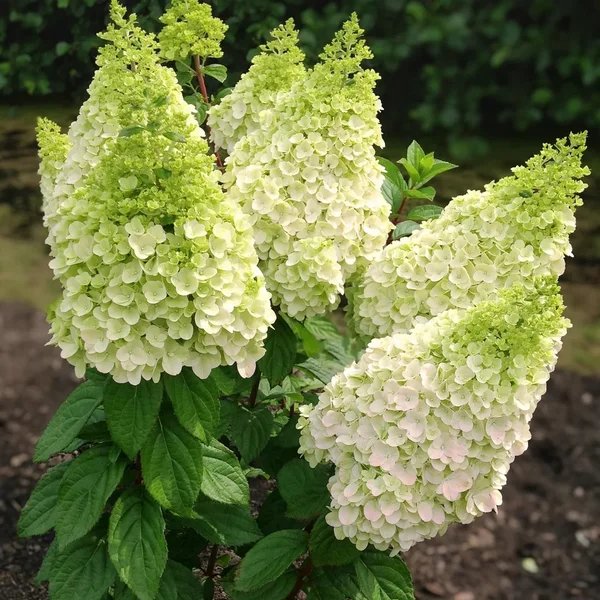
Species
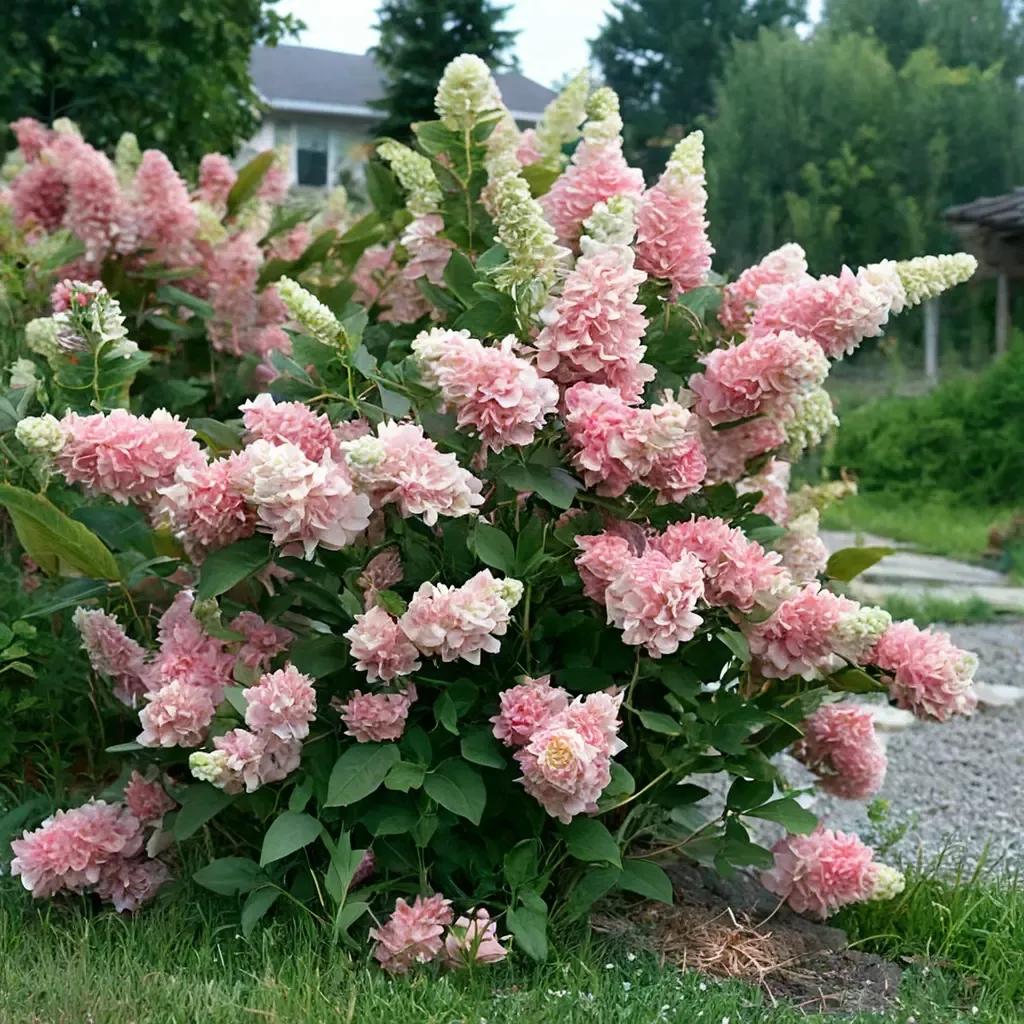 Hydrangea paniculataPanicle Hydrangea
12 other cultivars
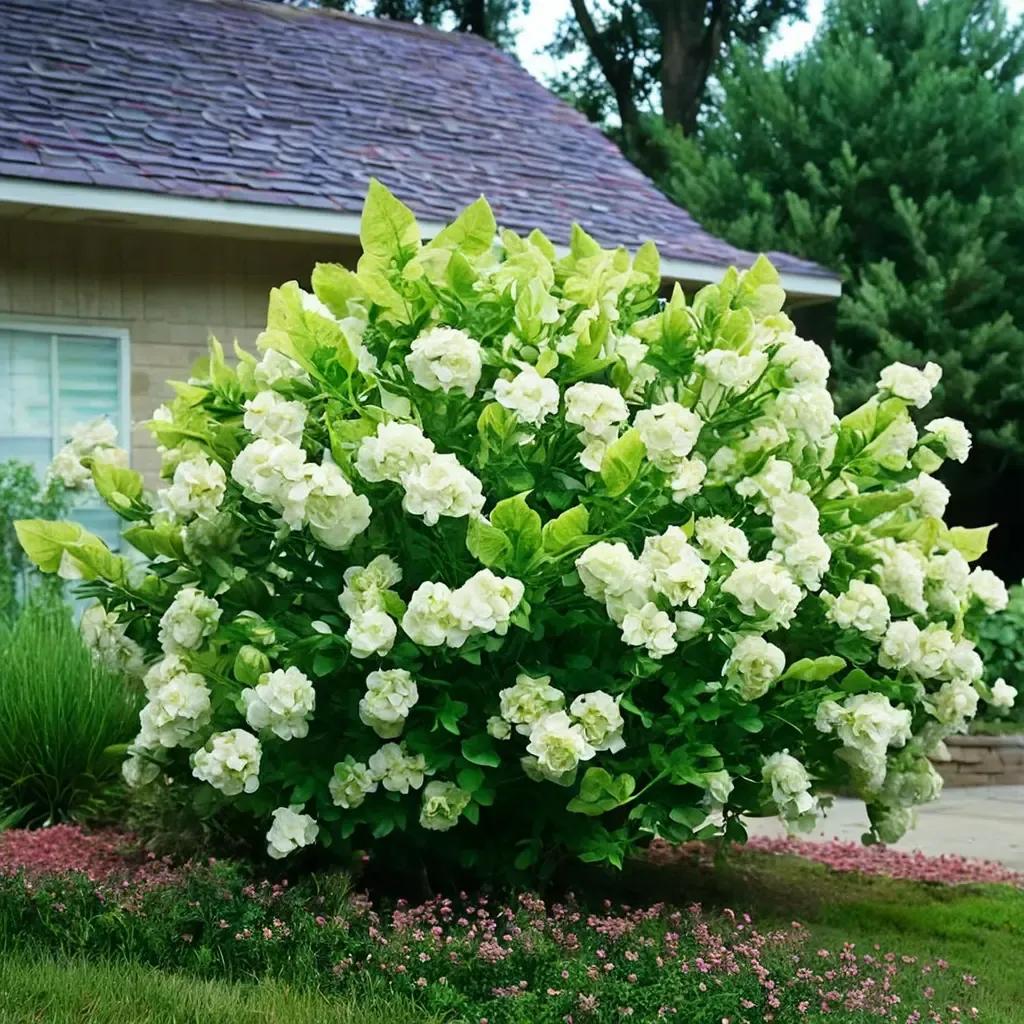 ‘Limelight’Limelight Hydrangea
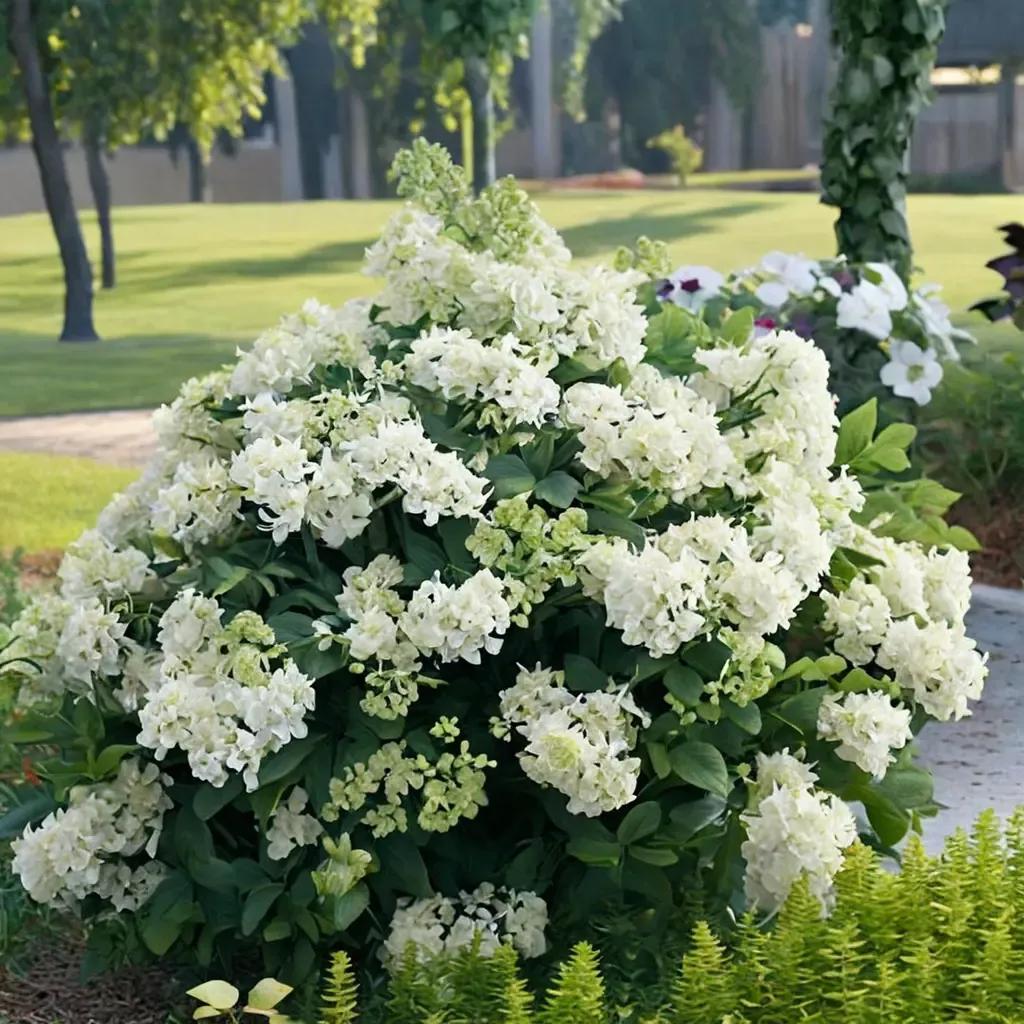 ‘ILVOBO’Bobo Hydrangea
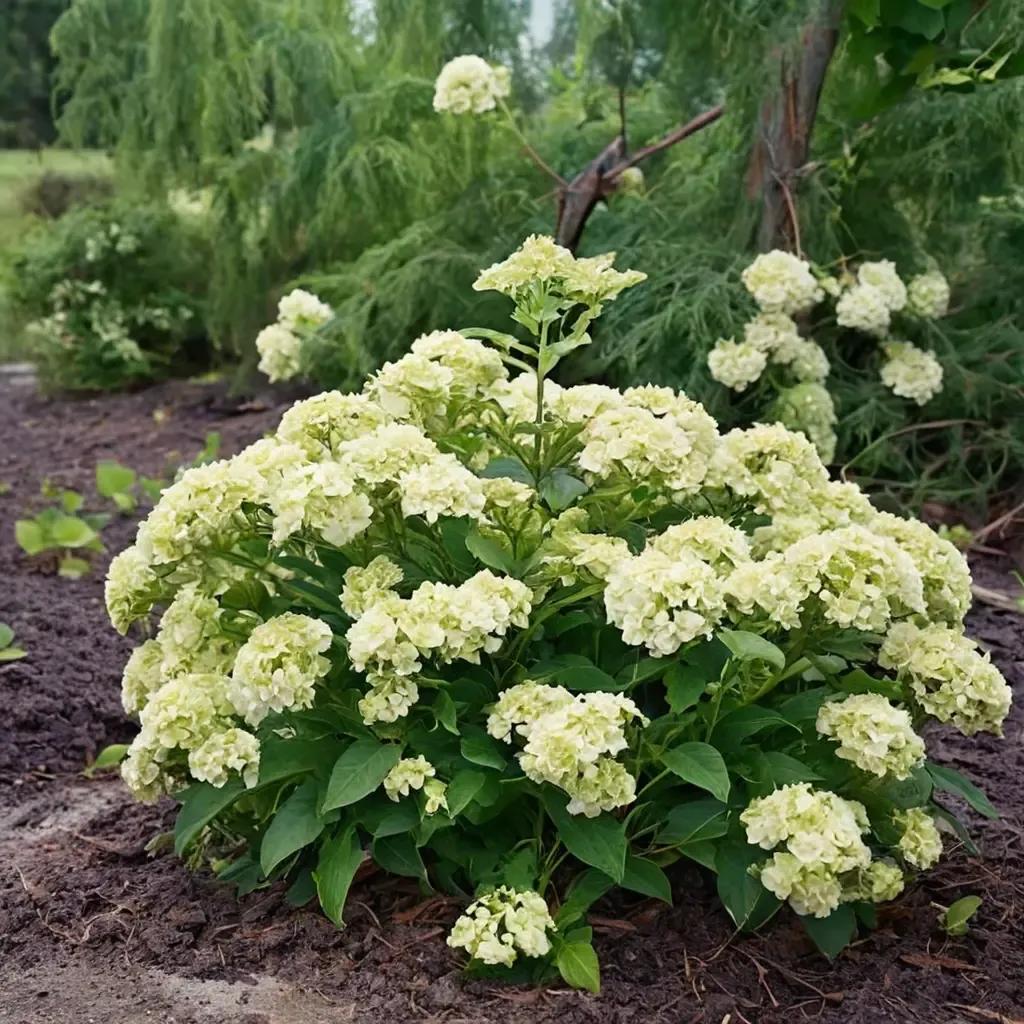 ‘Jane’Little Lime Hydrangea
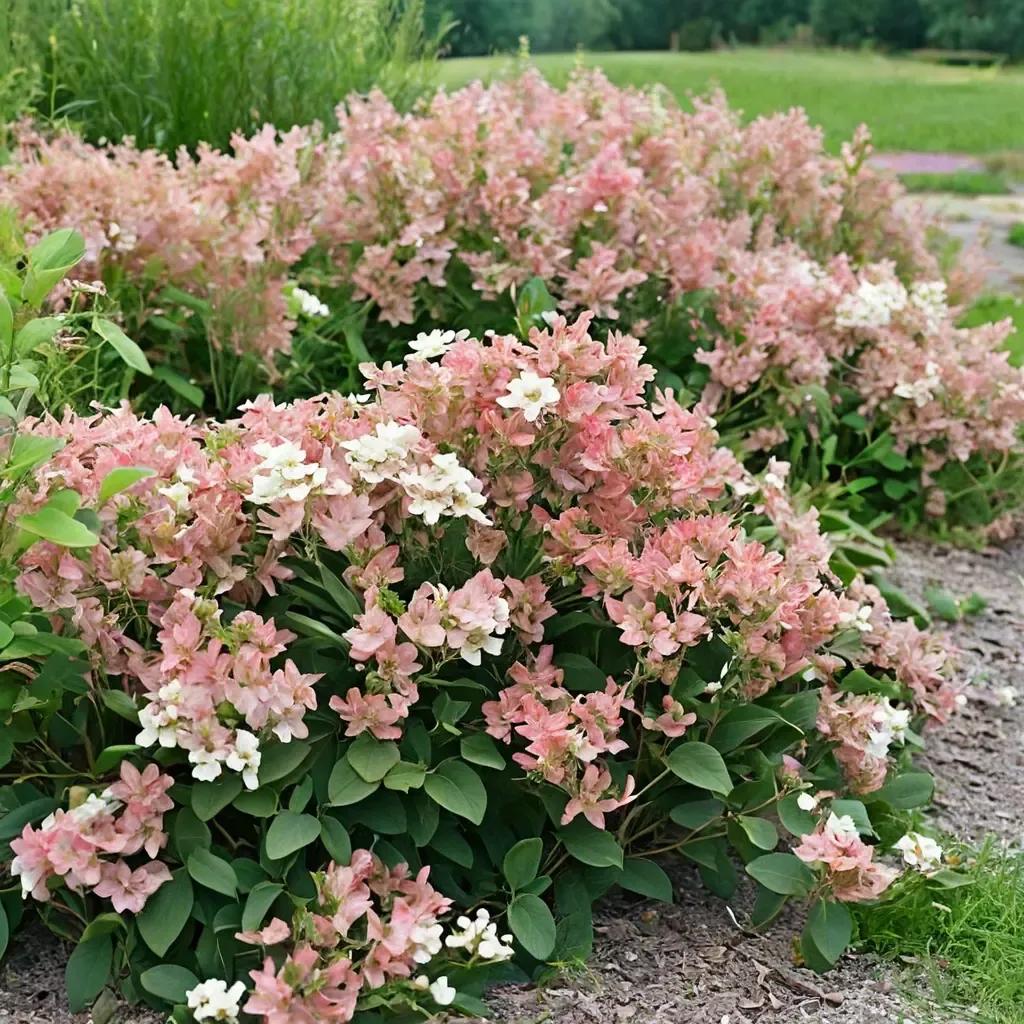 ‘Little Quick Fire’Little Quick Fire Hydrangea
 ‘Skyfall’Skyfall Hydrangea
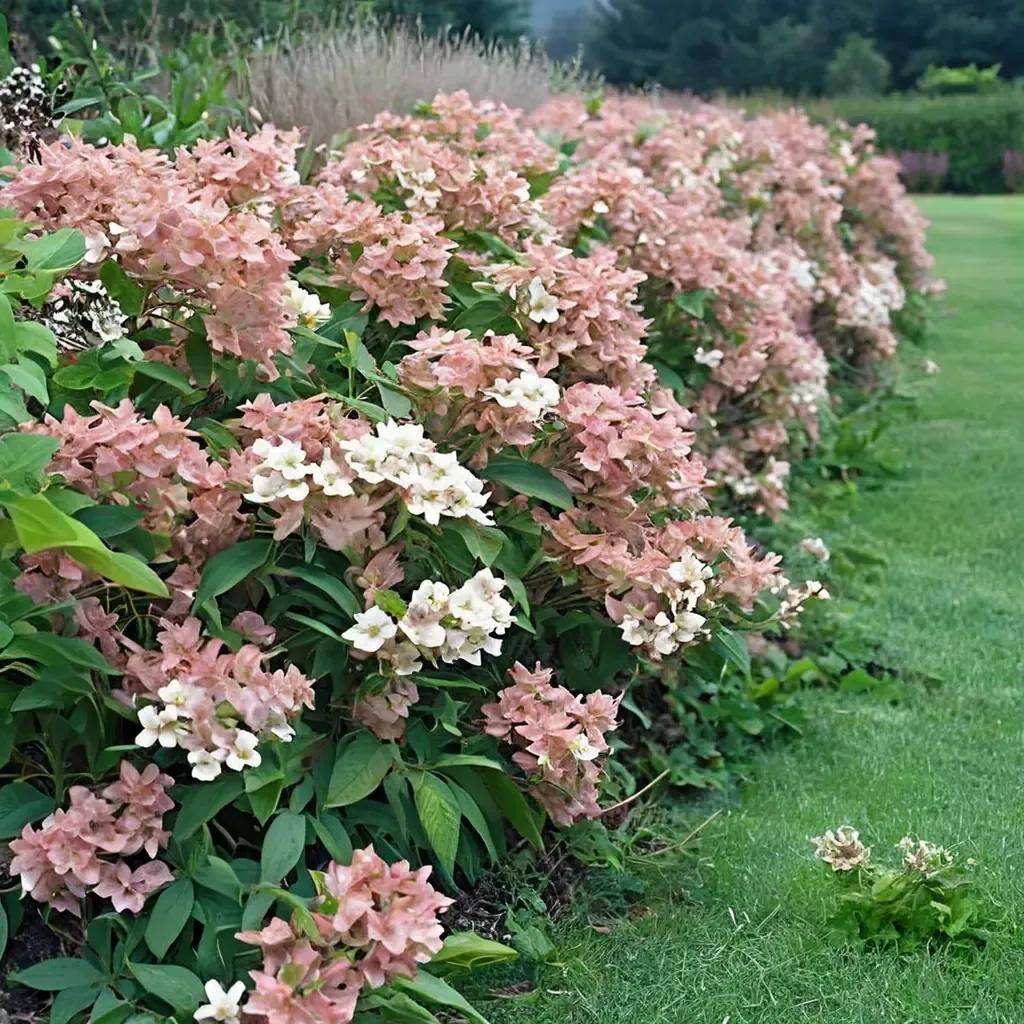 ‘Quick Fire’Quick Fire Hydrangea
 ‘Bombshell’Panicle Hydrangea
 ‘Rensun’Strawberry Sundae Panicle Hydrangea
 ‘White Wedding’White Wedding Panicle Hydrangea
 ‘Sweet Starlight’Panicle Hydrangea
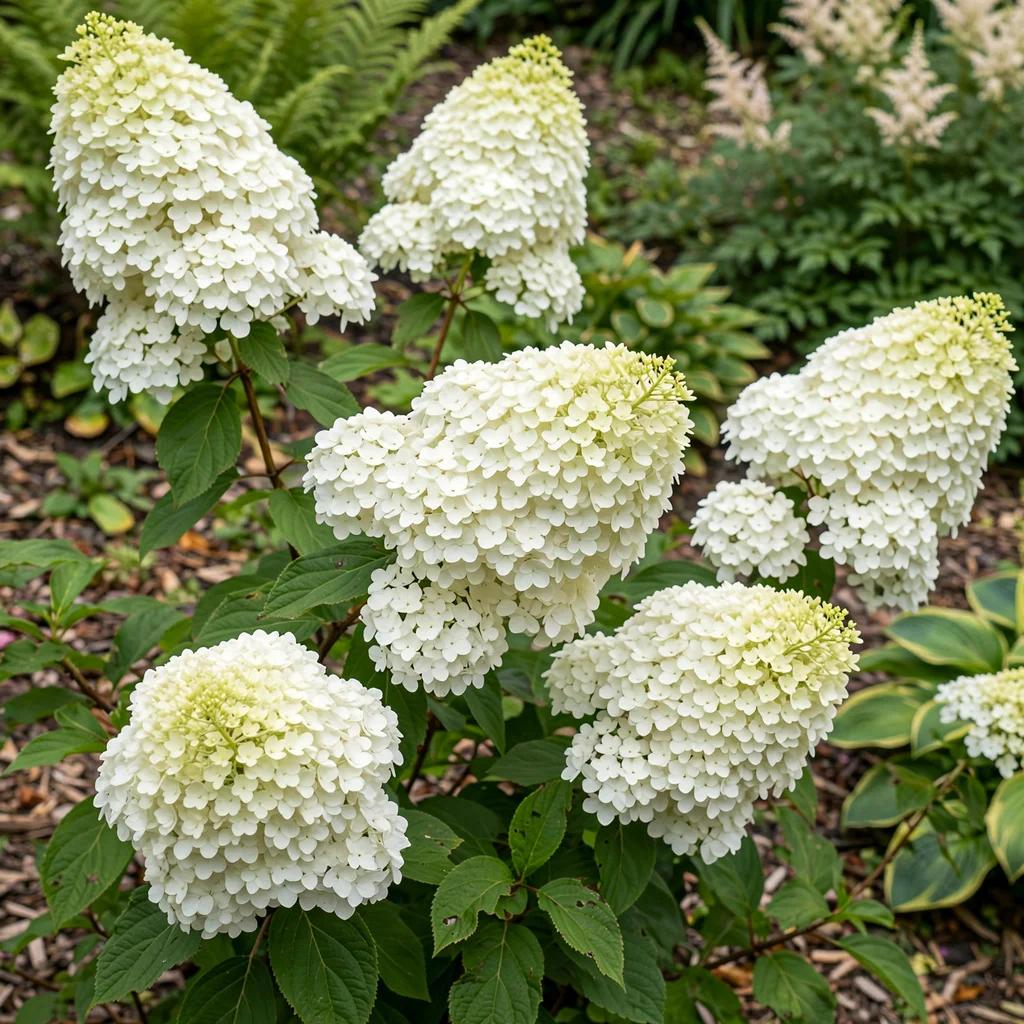 ‘Moon Dance’Moon Dance Panicle Hydrangea
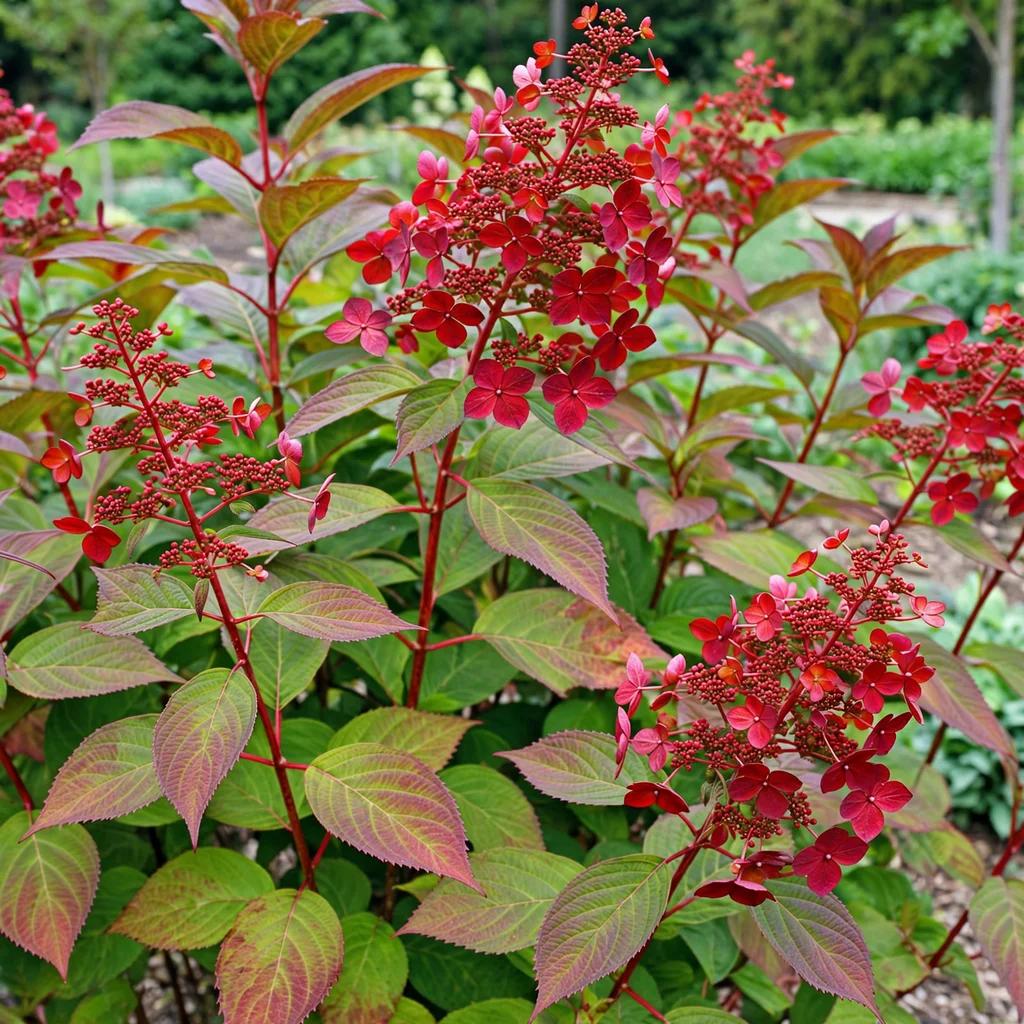 ‘Fire and Ice’Panicle Hydrangea
The Story
Plant Bio
Moonrock is a panicle hydrangea (Hydrangea paniculata 'Kolmakilima') whose lime-green buds open into large white cone-shaped flower heads that fade to soft pink as they age.
Grows 4 to 6 feet tall and wide on sturdy stems, and flowers best with at least 6 hours of full sun. It blooms on new wood, so it can be pruned in late winter without losing that year's flowers.
Uses & Benefits:
Essentials
At a Glance
Plant Type
Shrub
Height
60"
Width
60"
Light
Full Sun, Partial Sun
Zones
4, 5, 6, 7, 8, 9
Water
Moderate
Humidity
Prefers moderate humidity
Lifespan
10+ years
Native To
China and Japan
Toxicity
Toxic
Bloom period
Mid-summer – Early fall
In flower about 3 months of the year
Marketplace
Where to Buy
Shipping costs Year-round shipping Free shipping
Planting
How to Grow
- Select a location with full sun to partial shade for optimal blooms.
- Tuck young plants into well-draining, moist soil in early spring.
- Mist cuttings regularly to maintain humidity during propagation.
- Fertilize in early spring with a balanced, slow-release fertilizer.
- Prune in late winter or early spring to shape and remove dead wood.
- Mulch around the base to retain moisture and suppress weeds.
Pro Tip
Plant Limelight hydrangeas in morning sun with afternoon shade for best color and longevity.
Keep It Thriving
Care Guide
Do
- Water deeply once a week during dry spells 🌱
- Prune after flowering to maintain shape
- Apply mulch annually to conserve moisture
- Fertilize in early spring for strong blooms
Don't
- Avoid overwatering to prevent root rot ❌
- Do not prune in late summer or fall
- Avoid planting in poorly drained soil
- Do not expose to harsh winter winds
Seasonal Care Calendar
| Task | Jan | Feb | Mar | Apr | May | Jun | Jul | Aug | Sep | Oct | Nov | Dec |
|---|---|---|---|---|---|---|---|---|---|---|---|---|
| Fertilize | ||||||||||||
| Mulch | ||||||||||||
| Prune | ||||||||||||
| Spring Cleanup |
Watch Out For
Pests & Diseases
Common Pests
Common Diseases
In the Garden
Landscape Uses & Companions
Landscape Uses
Companion Plants
Multiply
Propagation Methods
Good to Know
Common Questions
Moonrock Panicle Hydrangea questions
What zones can Moonrock Panicle Hydrangea grow in?
Moonrock Panicle Hydrangea is hardy in USDA Zones 4–9. Inside that range it survives winter in the ground; outside it, grow it as an annual or a container plant you protect.
Is Moonrock Panicle Hydrangea deer resistant?
Not reliably. Deer may browse Moonrock Panicle Hydrangea, especially tender spring growth — plan on repellents or fencing where pressure is high.
When does Moonrock Panicle Hydrangea bloom?
Moonrock Panicle Hydrangea typically blooms in mid-summer through early fall. Exact timing shifts a week or two with your zone — Sow's bloom calendar maps it to your garden.
Does Moonrock Panicle Hydrangea need full sun?
Moonrock Panicle Hydrangea does best in full sun to part shade. In hot climates, afternoon shade keeps blooms fresher longer.
More Hydrangea to compare
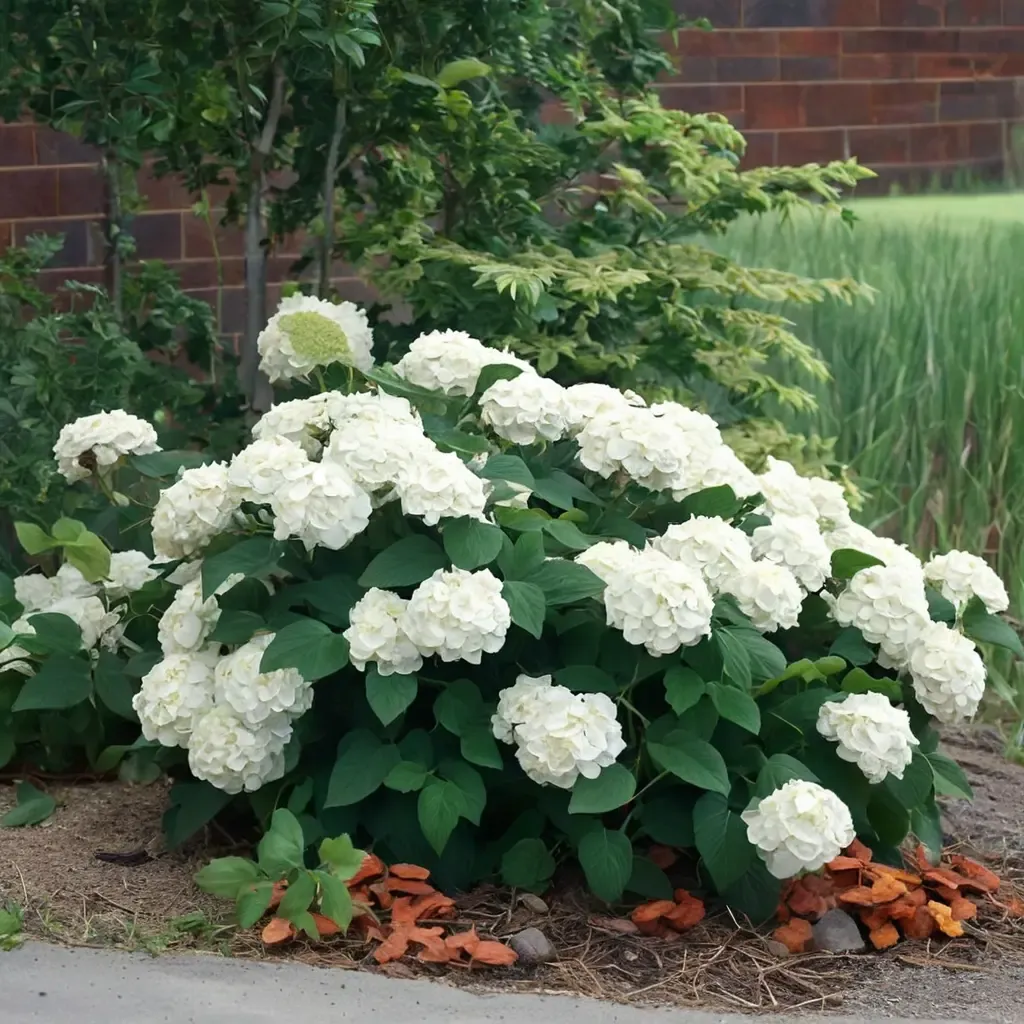
Incrediball Hydrangea
Hydrangea arborescens 'Incrediball'
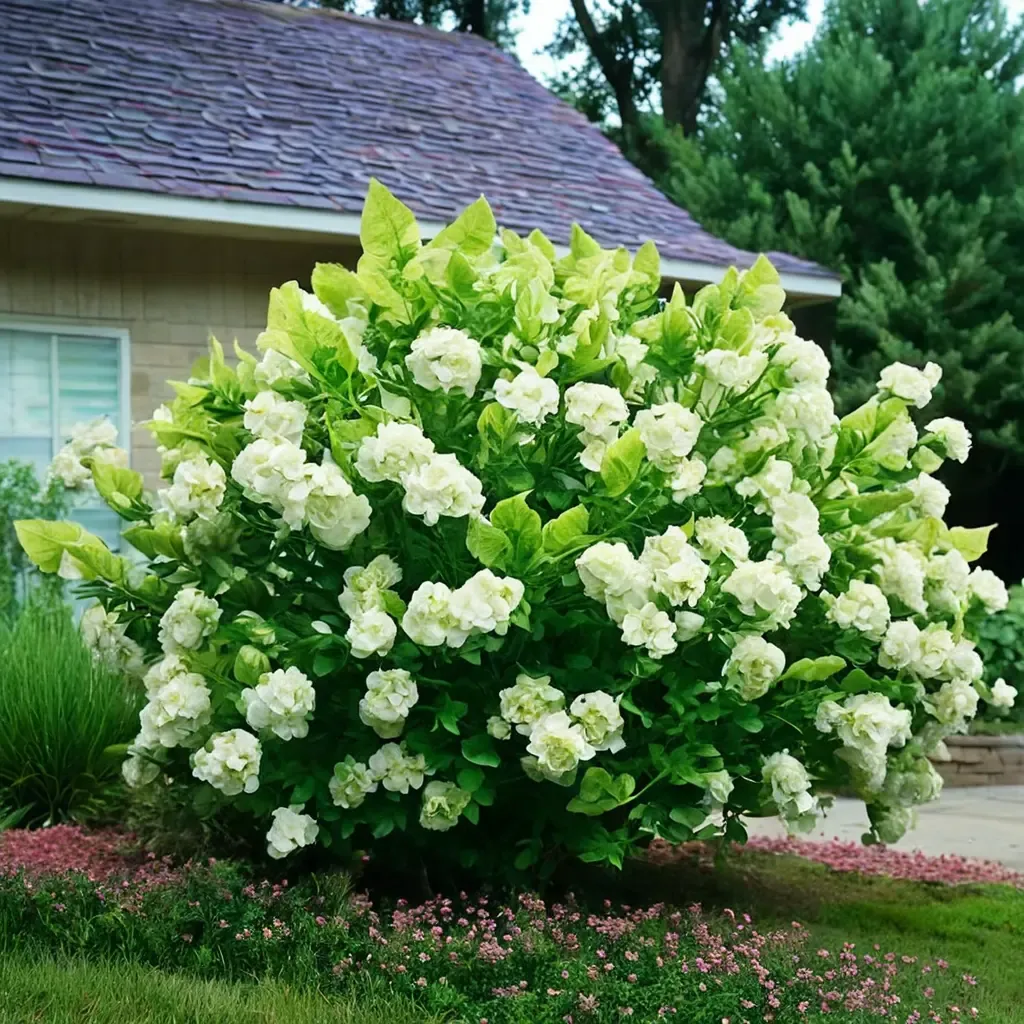
Limelight Hydrangea
Hydrangea paniculata 'Limelight'
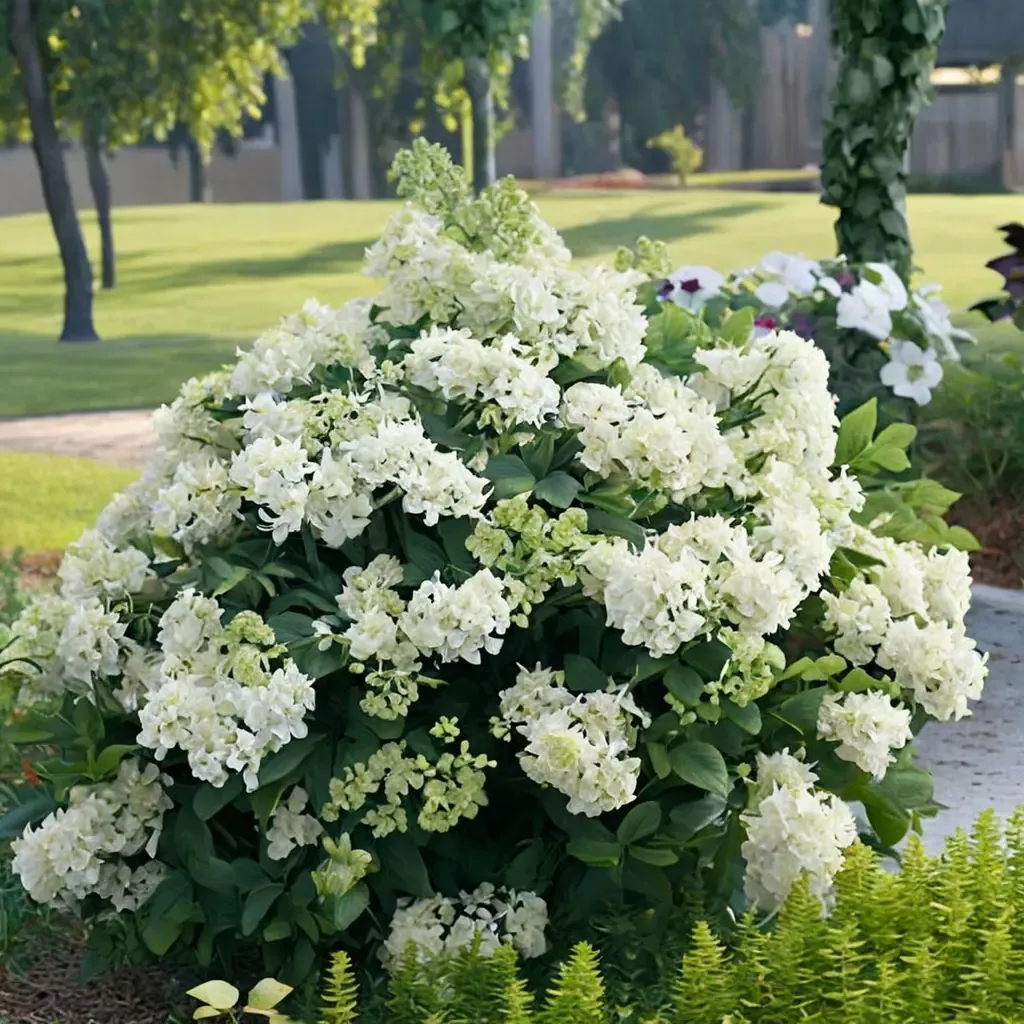
Bobo Hydrangea
Hydrangea paniculata 'ILVOBO'
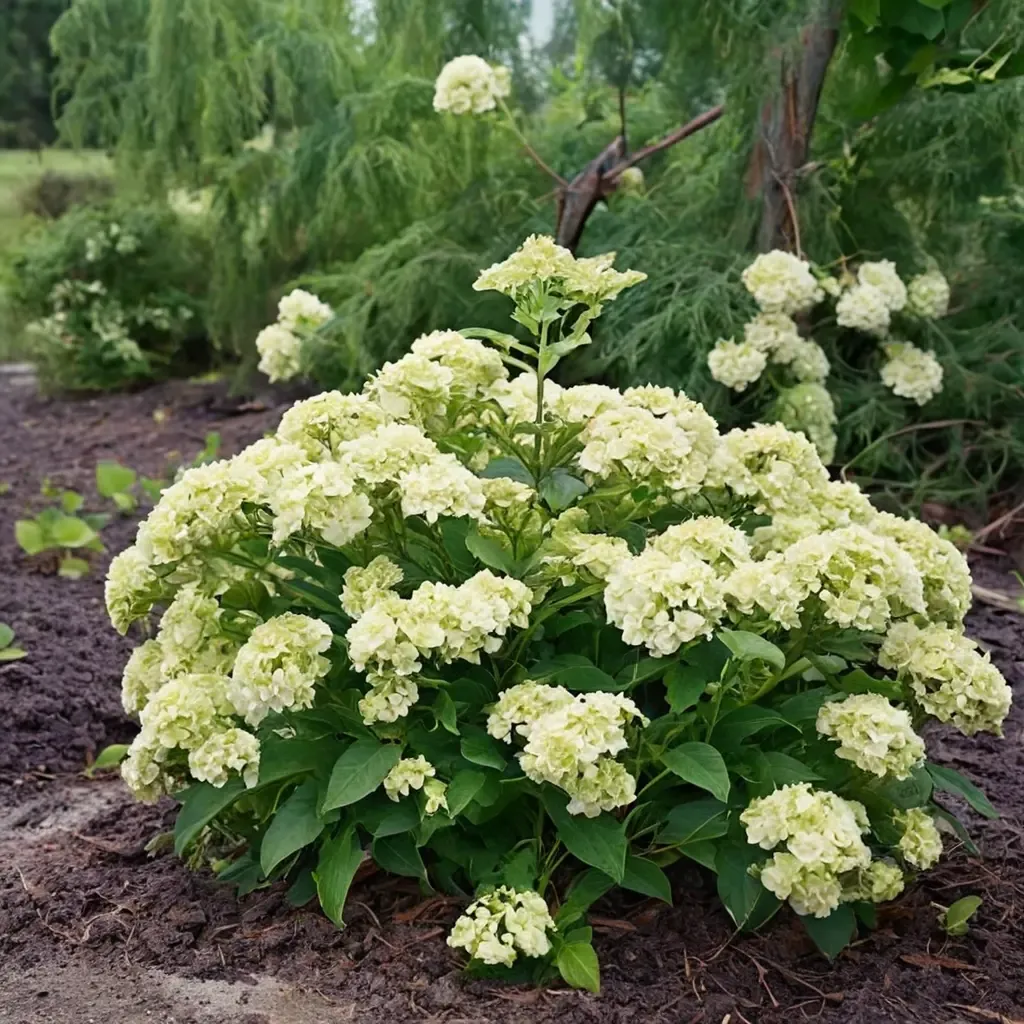
Little Lime Hydrangea
Hydrangea paniculata 'Jane'
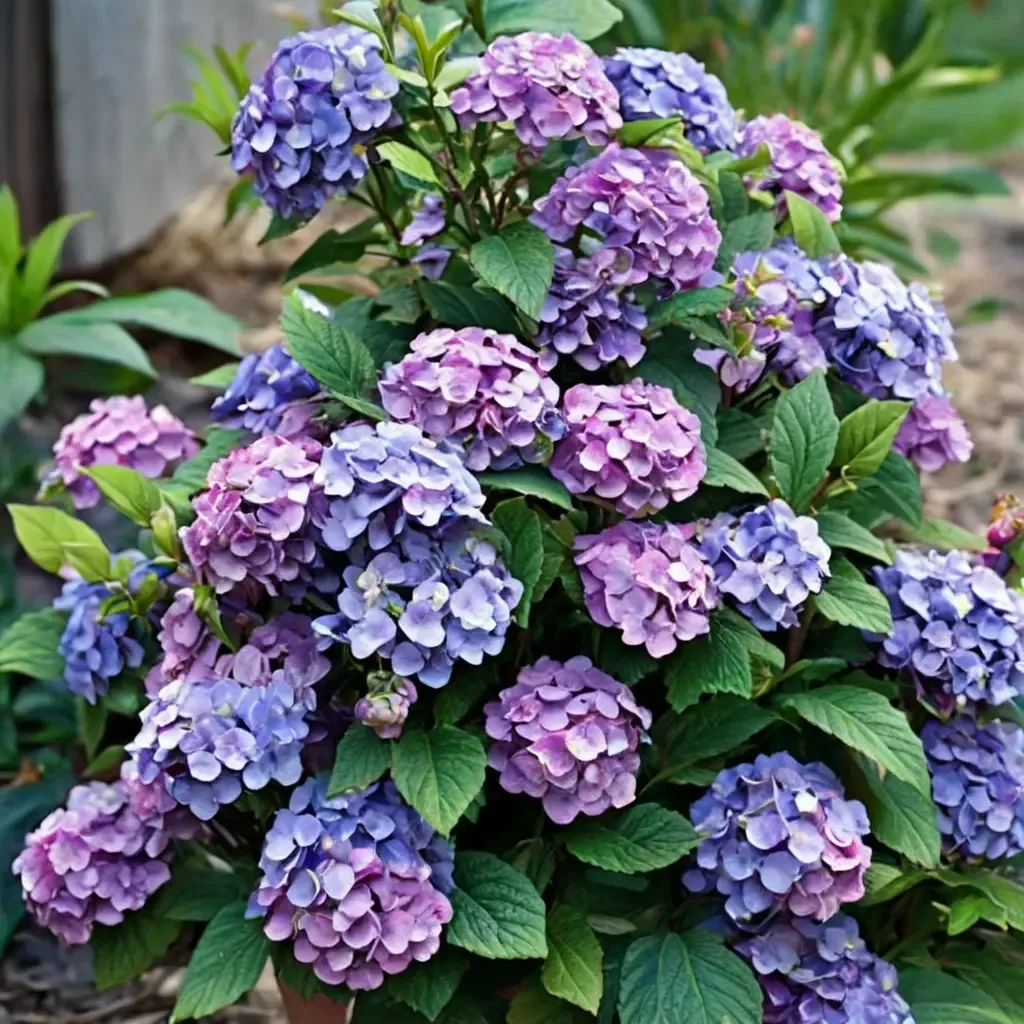
Bloomstruck Hydrangea
Hydrangea macrophylla 'Bloomstruck'
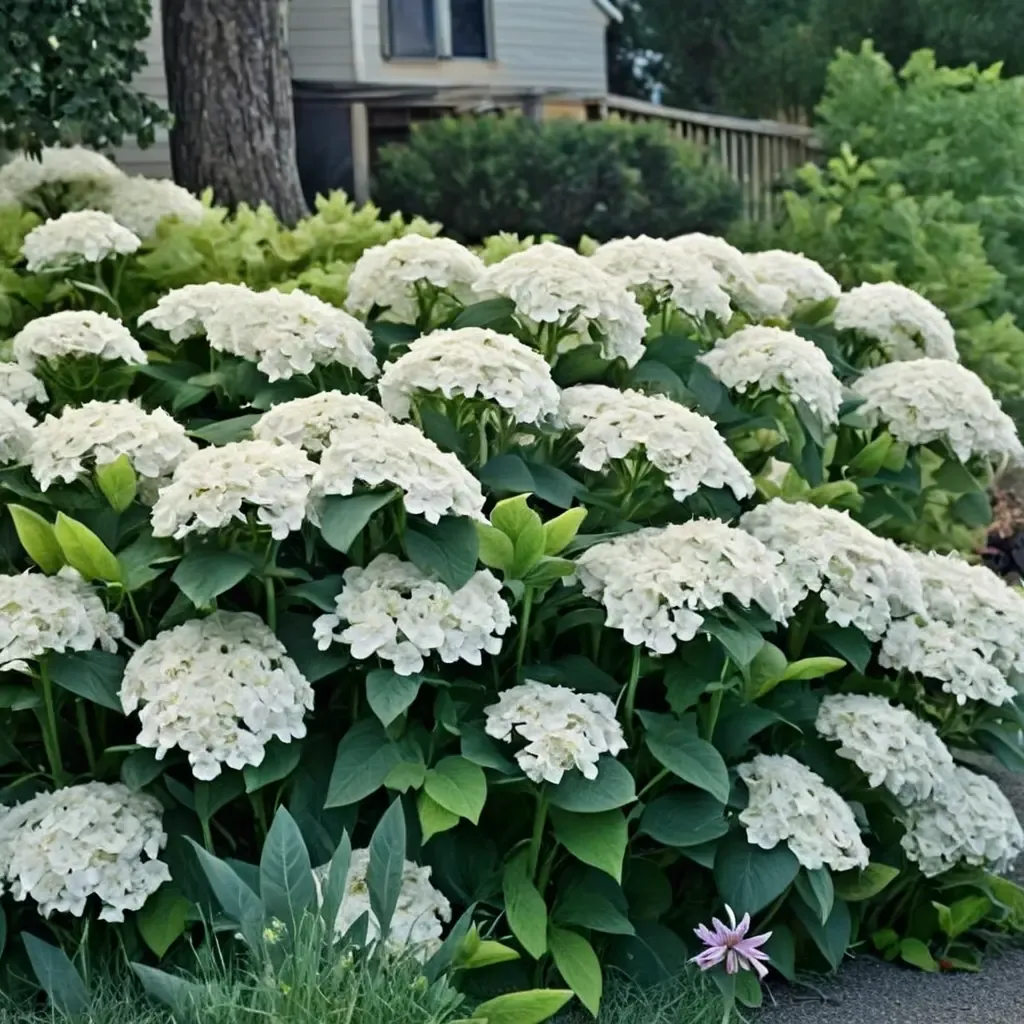
Annabelle Hydrangea Smooth Hydrangea
Hydrangea arborescens 'Annabelle'
Keep exploring
Explore the genus
Grow Moonrock Panicle Hydrangea with confidence
See it in a design of your actual yard, get zone-matched care reminders, and track it season by season in your garden journal.