The Story
Plant Bio
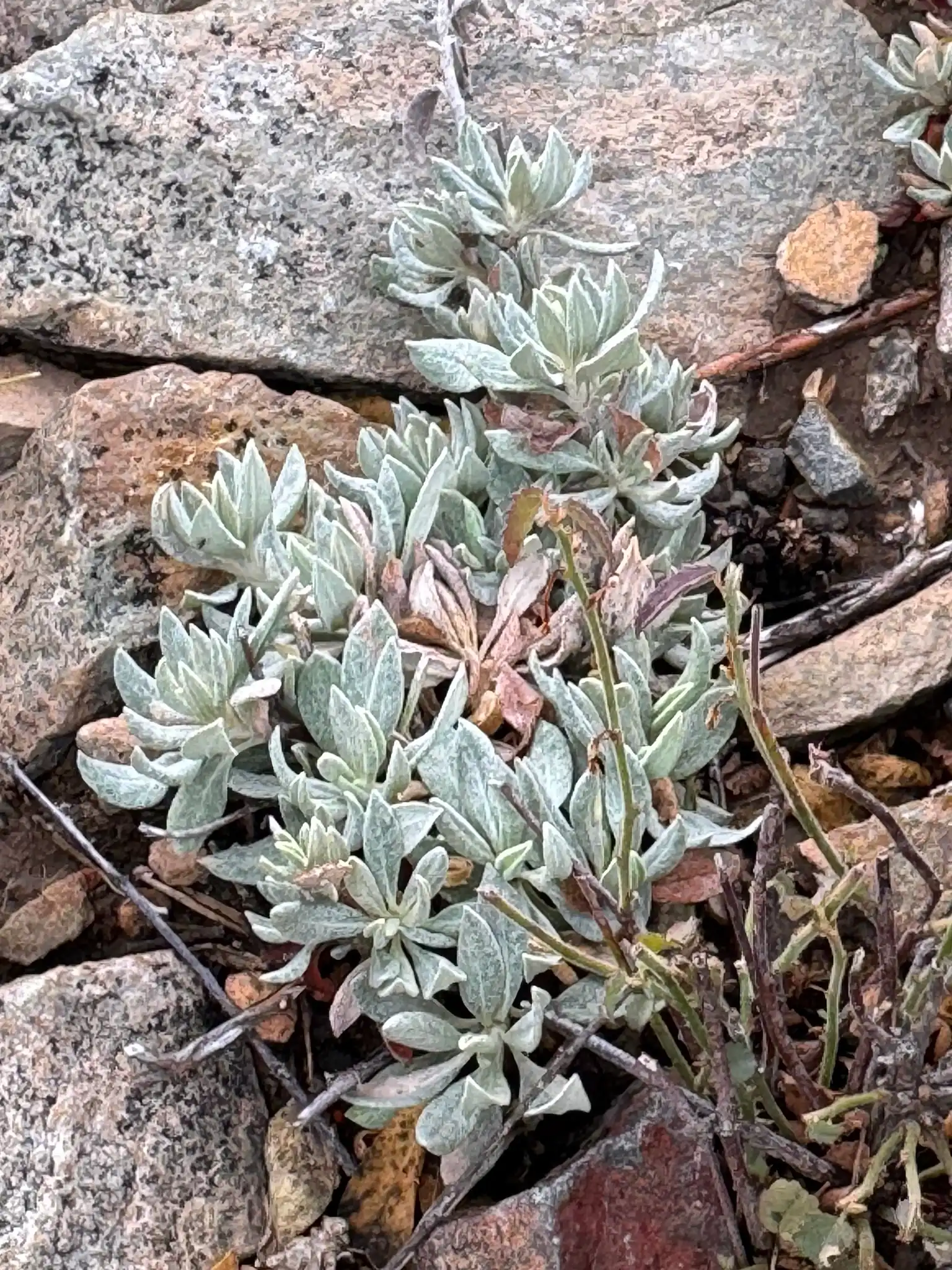
Eriogonum wrightii, Wright's buckwheat, is a slow-growing perennial subshrub from the Southwest that forms low billowy domes of small green leaves on white-woolly stems. The tiny white to pale pink flowers have no showy petals; the display comes from dense clusters of 3 to 6 mm blooms held in cup-like involucres atop bare white stalks, aging to ruddy fawn.
Unlike spring-blooming buckwheats, it flowers from late summer into fall when little else offers nectar, then holds dry seed heads through autumn. It endures heat, drought and cold to 0F, but collapses in wet winter soil or clay where the crown rots.
Uses & Benefits:
Essentials
At a Glance
Plant Type
Perennial
Height
18"
Width
24"
Light
Full Sun, Partial Sun
Zones
4, 5, 6, 7, 8, 9
Water
Low
Humidity
Low
Lifespan
Perennial
Native To
Southwestern USA, California, NW Mexico
Toxicity
Unknown
Bloom period
Late summer – Fall
In flower about 4 months of the year
Planting
How to Grow
- Choose an open site in full sun with sandy or loamy soil that drains in minutes.
- Dig a shallow hole the depth of the rootball and set the crown slightly high.
- Backfill with native soil only, firm gently, and top with gravel to keep the crown dry.
- Water once to settle, then water sparingly through the first summer and keep winter soil dry.
Pro Tip
Plant high in fast-draining sandy soil in full sun and withhold summer water once established; overwatering rots the crown faster than drought ever will.
Keep It Thriving
Care Guide
Do
- Give full sun and sharp drainage with air around the crown.
- Leave late blooms for bees and butterflies through fall.
- Cut back spent flower stalks in early spring to renew the dome.
Don't
- Do not plant in clay or low ground that holds winter water.
- Do not overwater or fertilize to push growth.
- Do not cut hard into old leafless wood.
Seasonal Care Calendar
| Task | Jan | Feb | Mar | Apr | May | Jun | Jul | Aug | Sep | Oct | Nov | Dec |
|---|---|---|---|---|---|---|---|---|---|---|---|---|
| Deadhead | ||||||||||||
| Mulch | ||||||||||||
| Pest Check | ||||||||||||
| Plant | ||||||||||||
| Spring Cleanup |
Watch Out For
Pests & Diseases
Common Pests
Common Diseases
In the Garden
Landscape Uses & Companions
Landscape Uses
Companion Plants
Multiply
Propagation Methods
Good to Know
Common Questions
Wright's Buckwheat questions
What zones can Wright's Buckwheat grow in?
Wright's Buckwheat is hardy in USDA Zones 4–9: in that range it survives winter in the ground. Warmer than Zone 9, winter isn't the problem: it prefers colder winters, and summer heat can shorten its life.
Is Wright's Buckwheat deer resistant?
Yes — Wright's Buckwheat is rated deer-resistant. Deer typically pass it over, though extreme hunger can override any plant's defenses.
When does Wright's Buckwheat bloom?
Wright's Buckwheat typically blooms from late summer to late fall. Exact timing shifts a week or two with your zone — Sow's bloom calendar maps it to your garden.
Does Wright's Buckwheat need full sun?
Wright's Buckwheat does best in full sun to part shade. In hot climates, afternoon shade keeps blooms fresher longer.
Is Wright's Buckwheat drought tolerant?
Yes — once established (usually after the first full season), Wright's Buckwheat handles dry spells with minimal watering. Water deeply its first year to build the root system that makes that possible.
More Eriogonum to compare
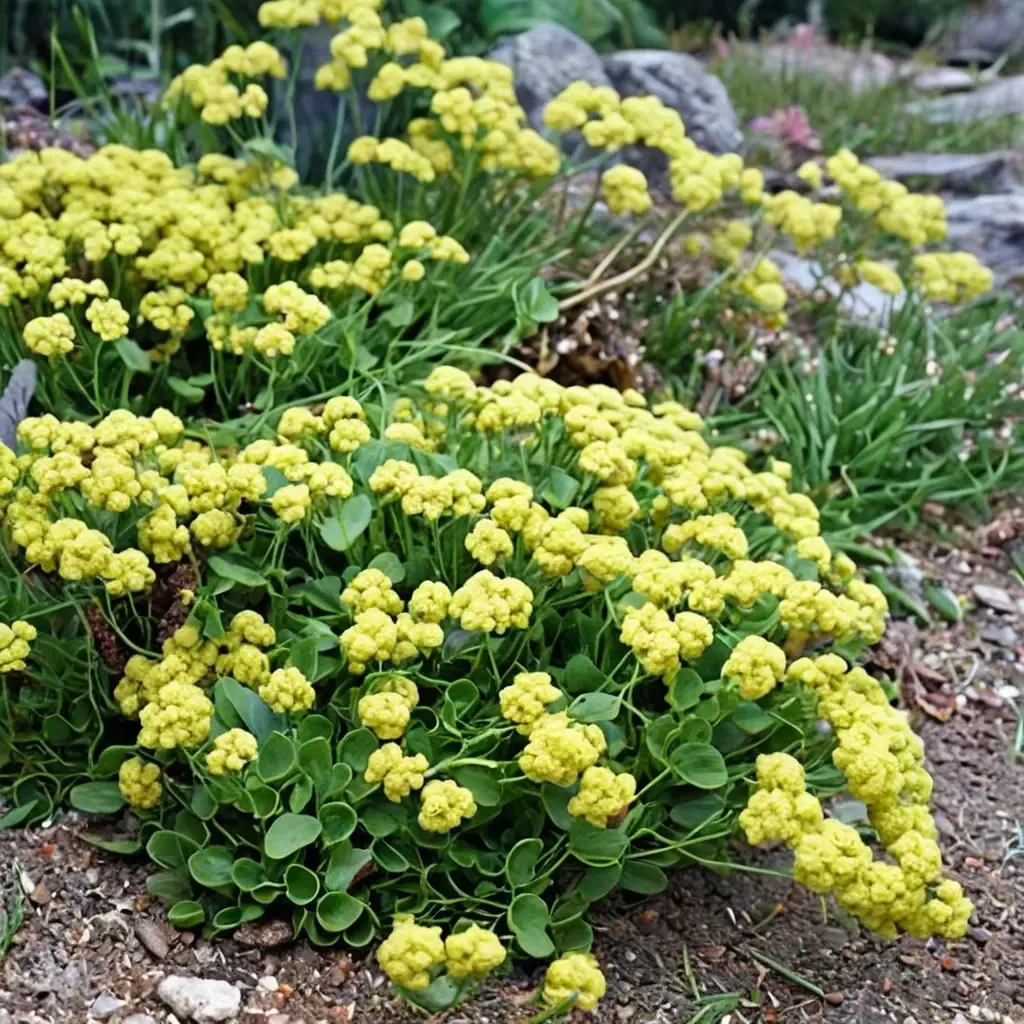
Golden Buckwheat
Eriogonum umbellatum 'aureum'
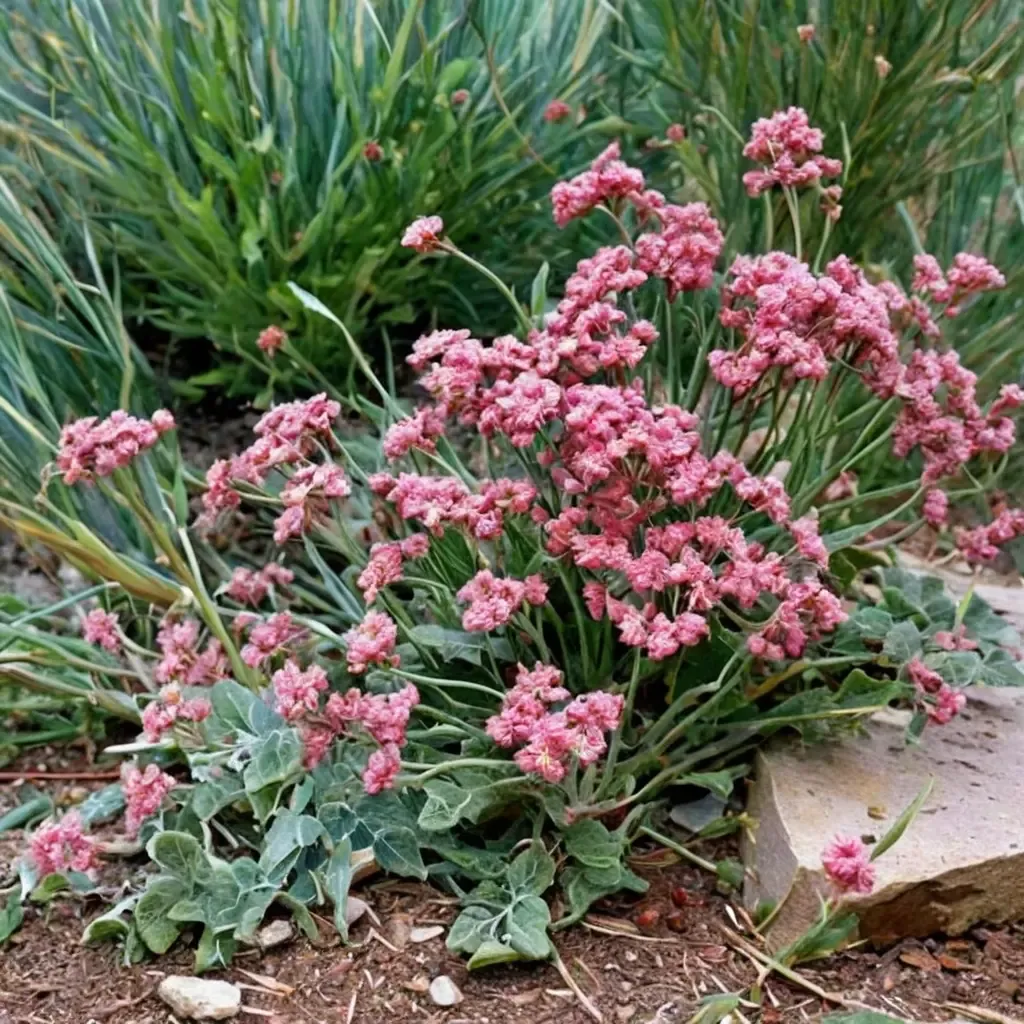
Red Buckwheat
Eriogonum grande 'rubescens'
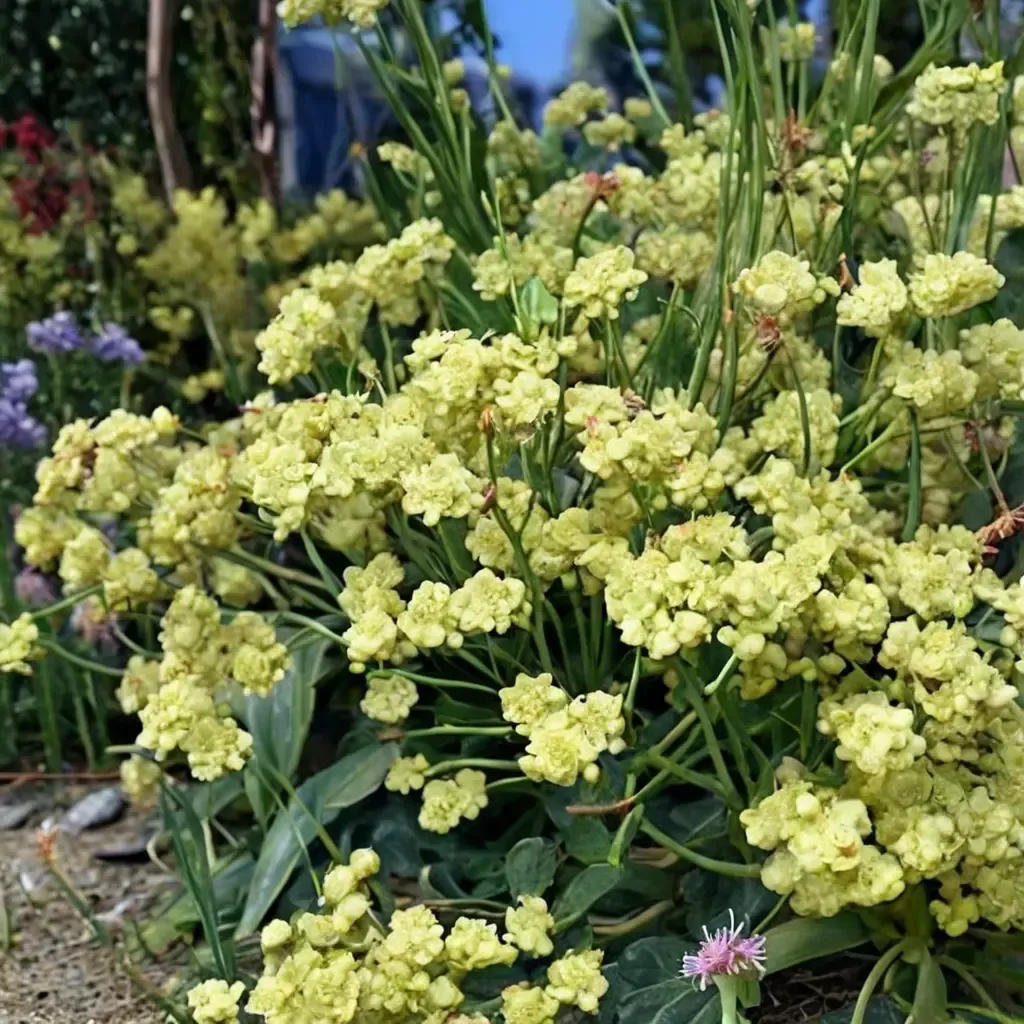
Ella Nelson's Yellow Buckwheat
Eriogonum nudum 'Ella Nelson's Yellow'
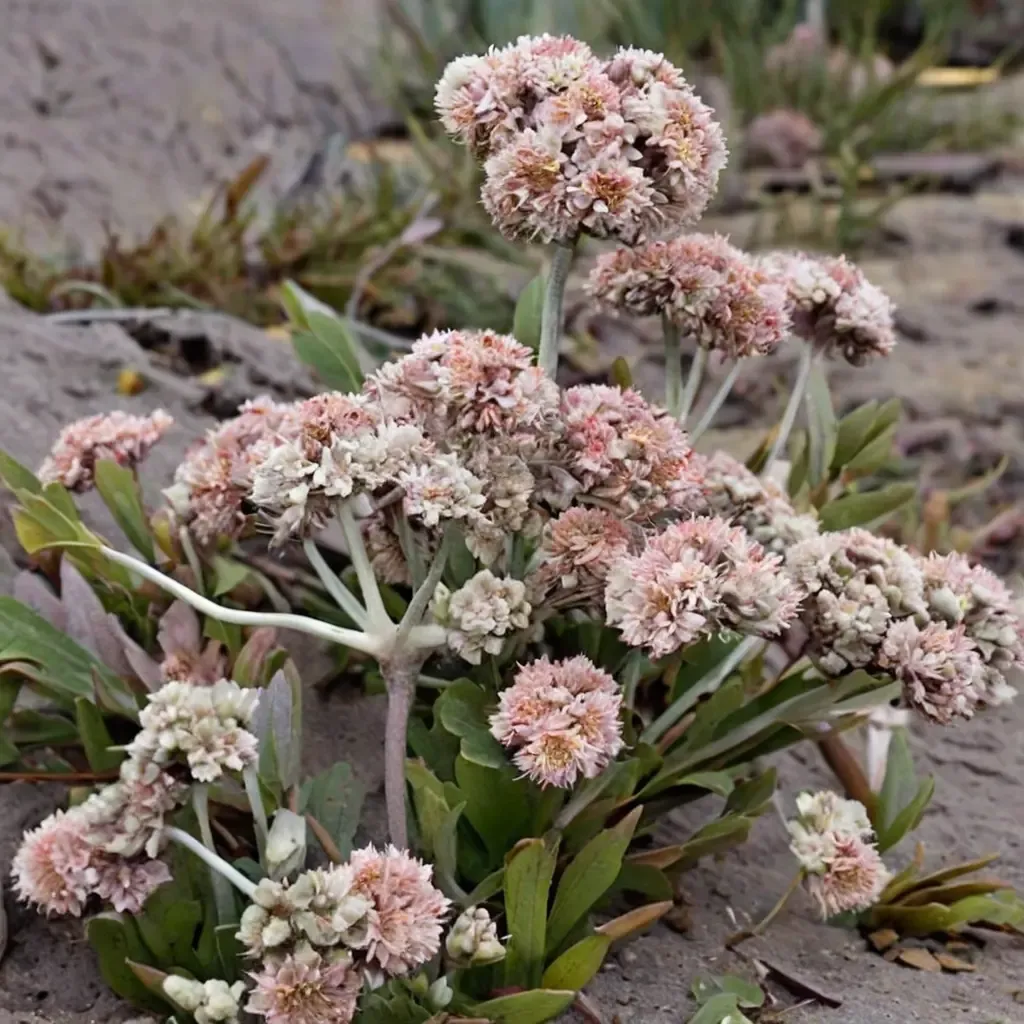
Broadleaf Buckwheat
Eriogonum latifolium
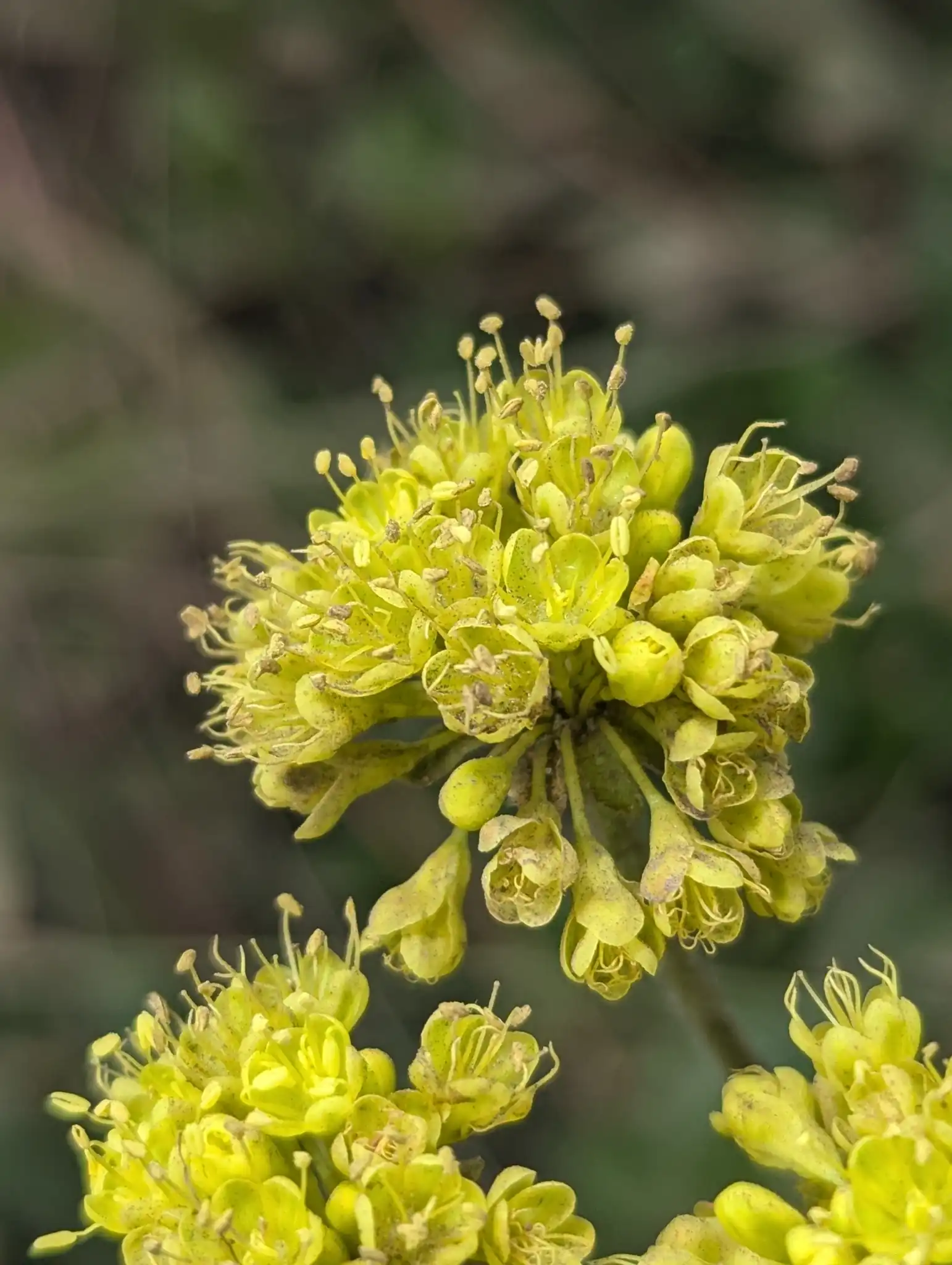
Sulphur Buckwheat
Eriogonum umbellatum
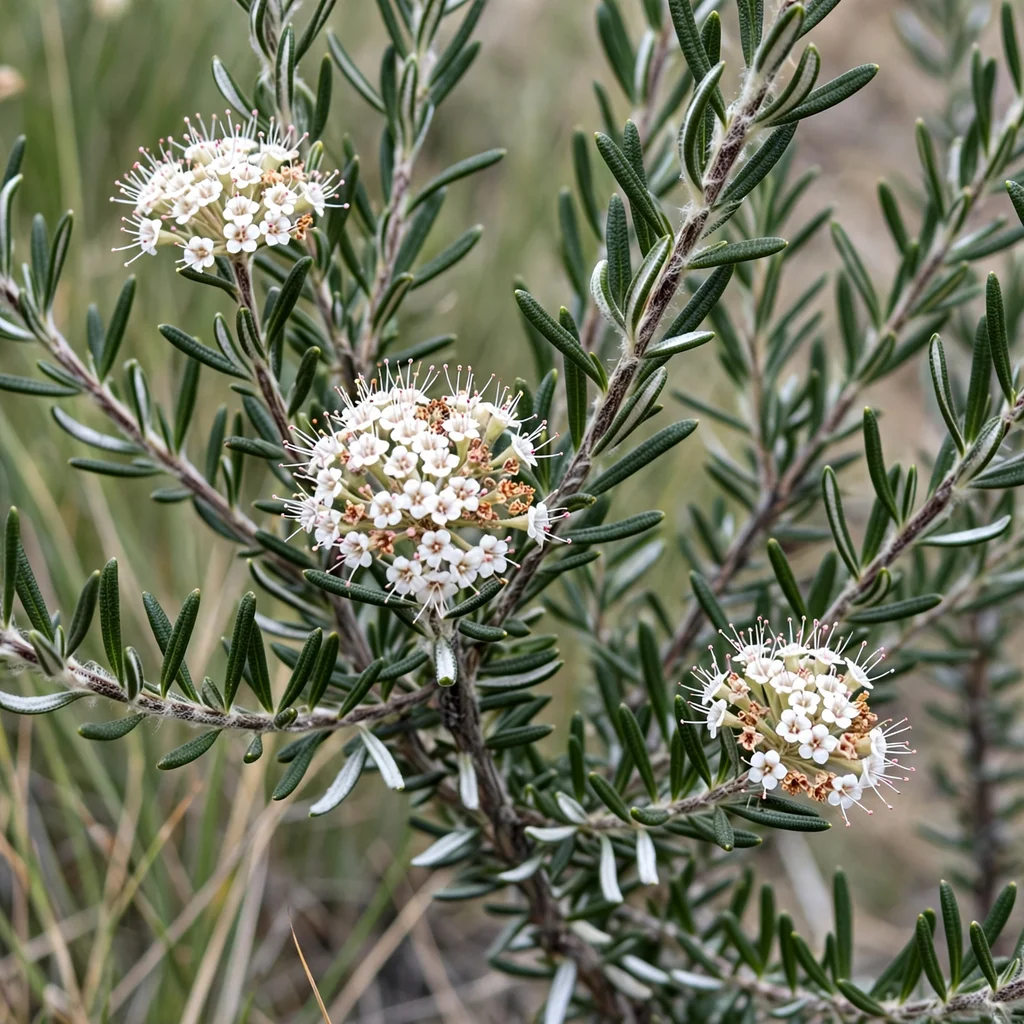
California Buckwheat
Eriogonum fasciculatum
Keep exploring
Explore the genus
Grow Wright's Buckwheat with confidence
See it in a design of your actual yard, get zone-matched care reminders, and track it season by season in your garden journal.