The Story
Plant Bio
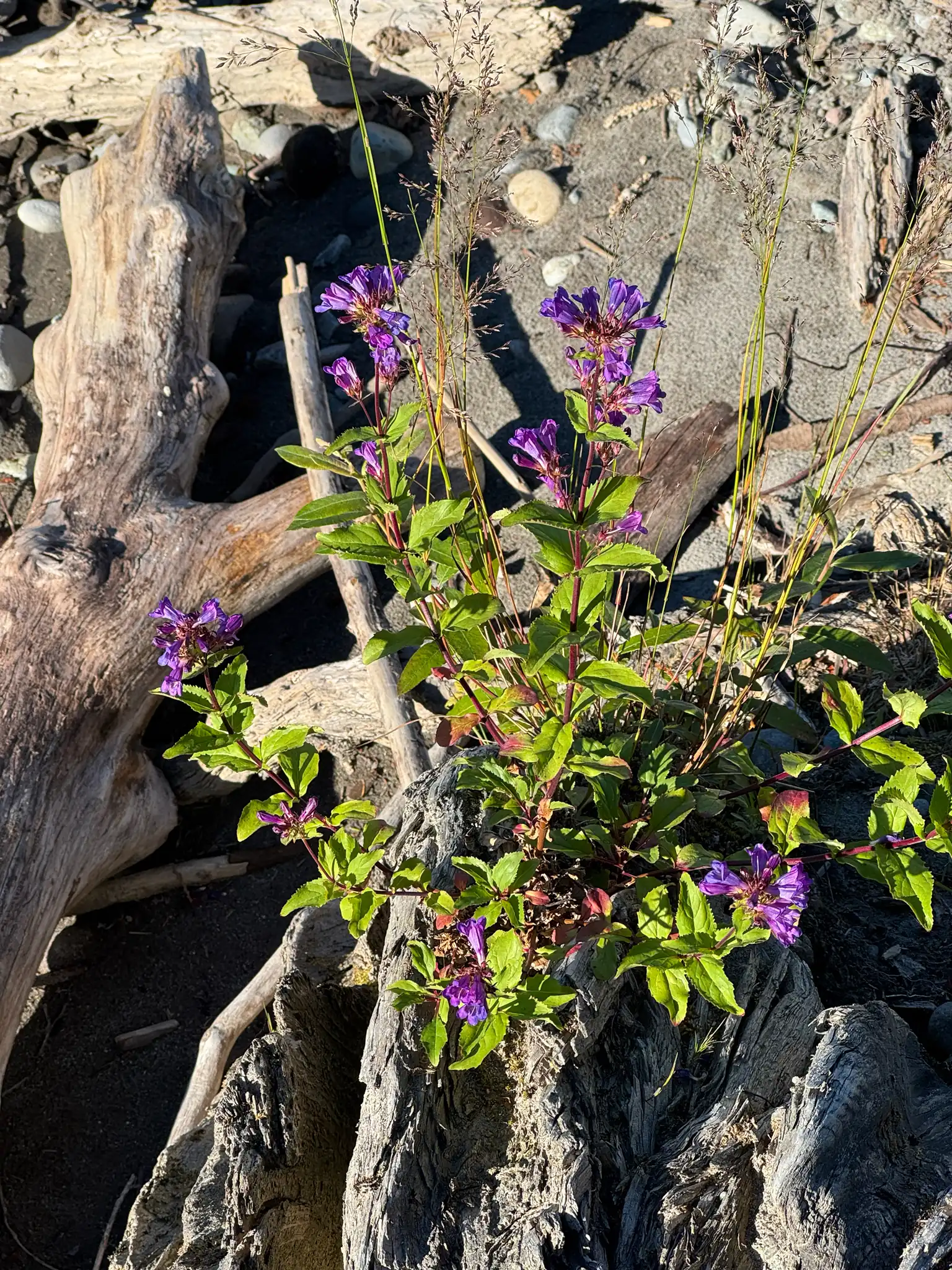
Penstemon serrulatus is an upright, clump-forming subshrub native to the Pacific Northwest from Alaska to Oregon. It produces multiple leafy stems clad in hairless leaves with distinct serrated edges, topped by whorled clusters of tubular purple-blue flowers.
Unlike arid-land beardtongues, this species naturally inhabits moist woodland margins and tolerates heavier clay soil better than most of its genus. Its blossom structure features a bearded sterile staminode that attracts specialized native pollinators.
Uses & Benefits:
Essentials
At a Glance
Plant Type
Perennial
Height
30"
Width
36"
Light
Full Sun, Partial Sun
Zones
6, 7, 8, 9
Water
Moderate
Humidity
Moderate
Lifespan
Perennial
Native To
North America
Toxicity
Non-toxic
Bloom period
Late spring – Mid summer
In flower about 3 months of the year
Marketplace
Where to Buy
Shipping costs Year-round shipping Free shipping
Planting
How to Grow
- Select a planting site in full sun or partial shade with moist, rich, loamy or clay-loam soil.
- Space plants 12 to 24 inches apart to ensure good air circulation around the crowns.
- Water regularly during the first growing season until the root system is established.
- Apply organic mulch around the base in spring, keeping it clear of the central stems.
Pro Tip
Cut spent flower stems back to deadhead after the primary bloom, but never prune hard into old, leafless basal wood.
Keep It Thriving
Care Guide
Do
- Deadhead spent flower spikes in mid-summer to prolong blooming.
- Ensure soil maintains reasonable drainage during heavy winter freezes.
- Trim back old herbaceous stems near the persistent woody base in late winter.
Don't
- Do not allow the soil to dry out completely during active spring growth.
- Do not prune heavily into bare, woody old growth devoid of active buds.
- Do not apply heavy high-nitrogen chemical fertilizers.
Seasonal Care Calendar
| Task | Jan | Feb | Mar | Apr | May | Jun | Jul | Aug | Sep | Oct | Nov | Dec |
|---|---|---|---|---|---|---|---|---|---|---|---|---|
| Deadhead | ||||||||||||
| Mulch | ||||||||||||
| Pest Check | ||||||||||||
| Spring Cleanup |
Watch Out For
Pests & Diseases
Common Pests
Common Diseases
In the Garden
Landscape Uses & Companions
Landscape Uses
Companion Plants
Multiply
Propagation Methods
Good to Know
Common Questions
Cascade Penstemon questions
What zones can Cascade Penstemon grow in?
Cascade Penstemon is hardy in USDA Zones 6–9: in that range it survives winter in the ground. Colder than Zone 6, grow it in a container you can move to shelter for the winter, or as an annual. Warmer than Zone 9, winter isn't the problem: it prefers colder winters, and summer heat can shorten its life.
Is Cascade Penstemon deer resistant?
Not reliably. Deer may browse Cascade Penstemon, especially tender spring growth — plan on repellents or fencing where pressure is high.
When does Cascade Penstemon bloom?
Cascade Penstemon typically blooms from late spring to mid-summer. Exact timing shifts a week or two with your zone — Sow's bloom calendar maps it to your garden.
Does Cascade Penstemon need full sun?
Cascade Penstemon does best in full sun to part shade. In hot climates, afternoon shade keeps blooms fresher longer.
Is Cascade Penstemon drought tolerant?
Yes — once established (usually after the first full season), Cascade Penstemon handles dry spells with minimal watering. Water deeply its first year to build the root system that makes that possible.
More Penstemon to compare
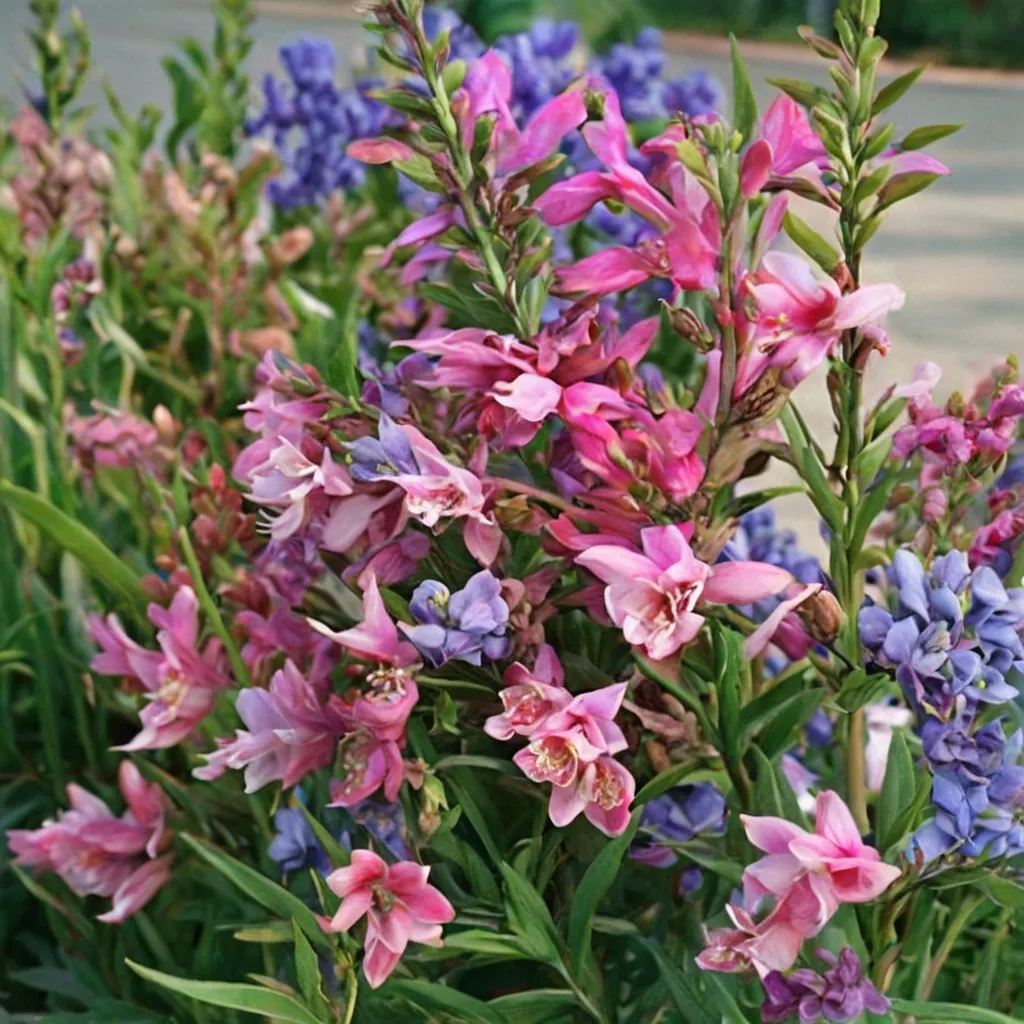
Beardtongue Rondo
Penstemon barbatus 'Rondo'
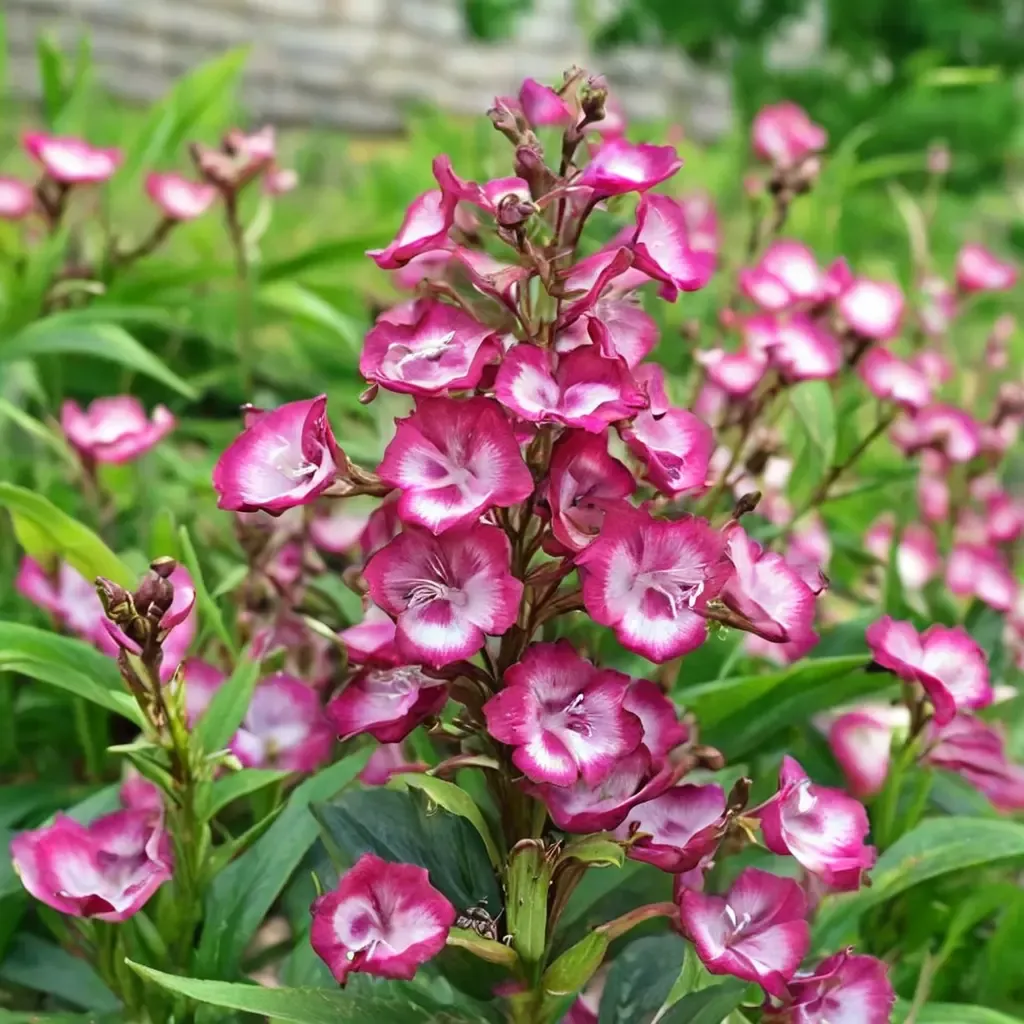
George Home Penstemon
Penstemon digitalis 'George Home'
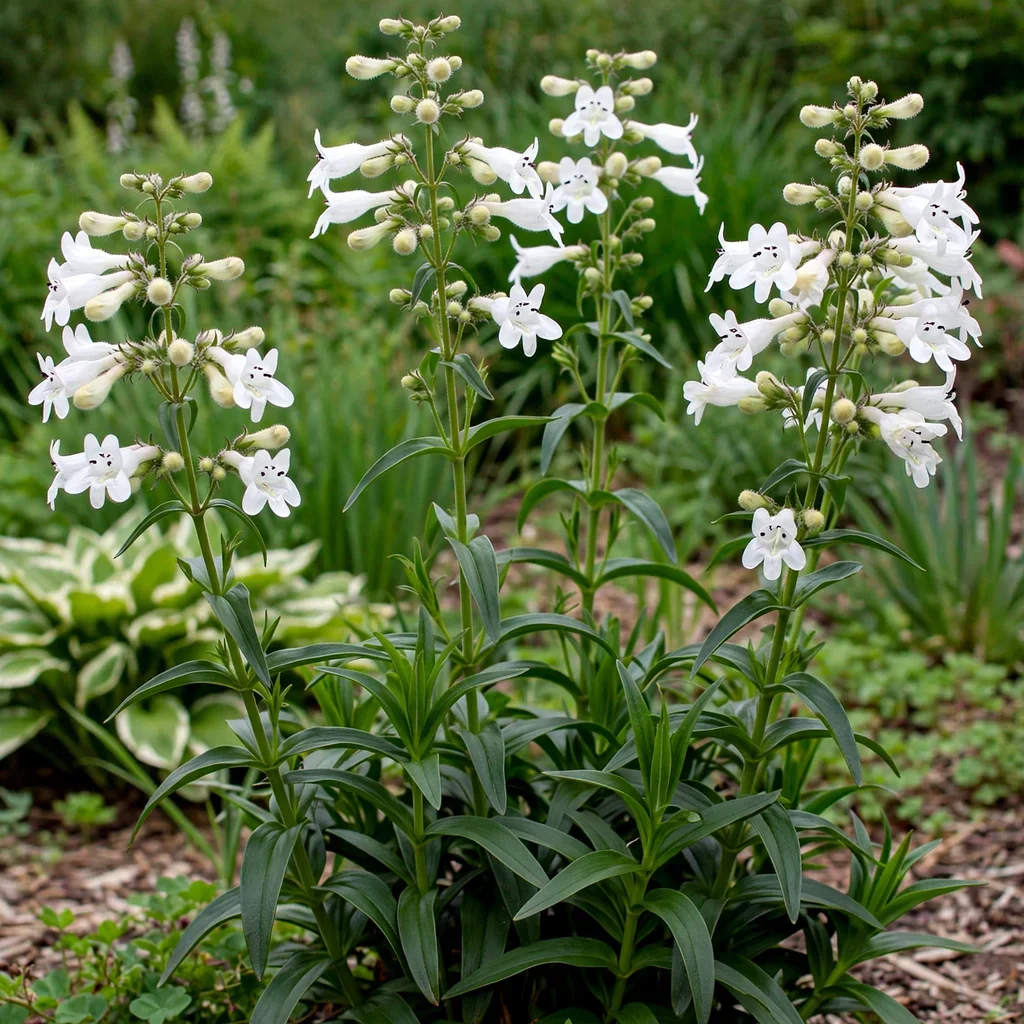
Foxglove Beardtongue
Penstemon digitalis
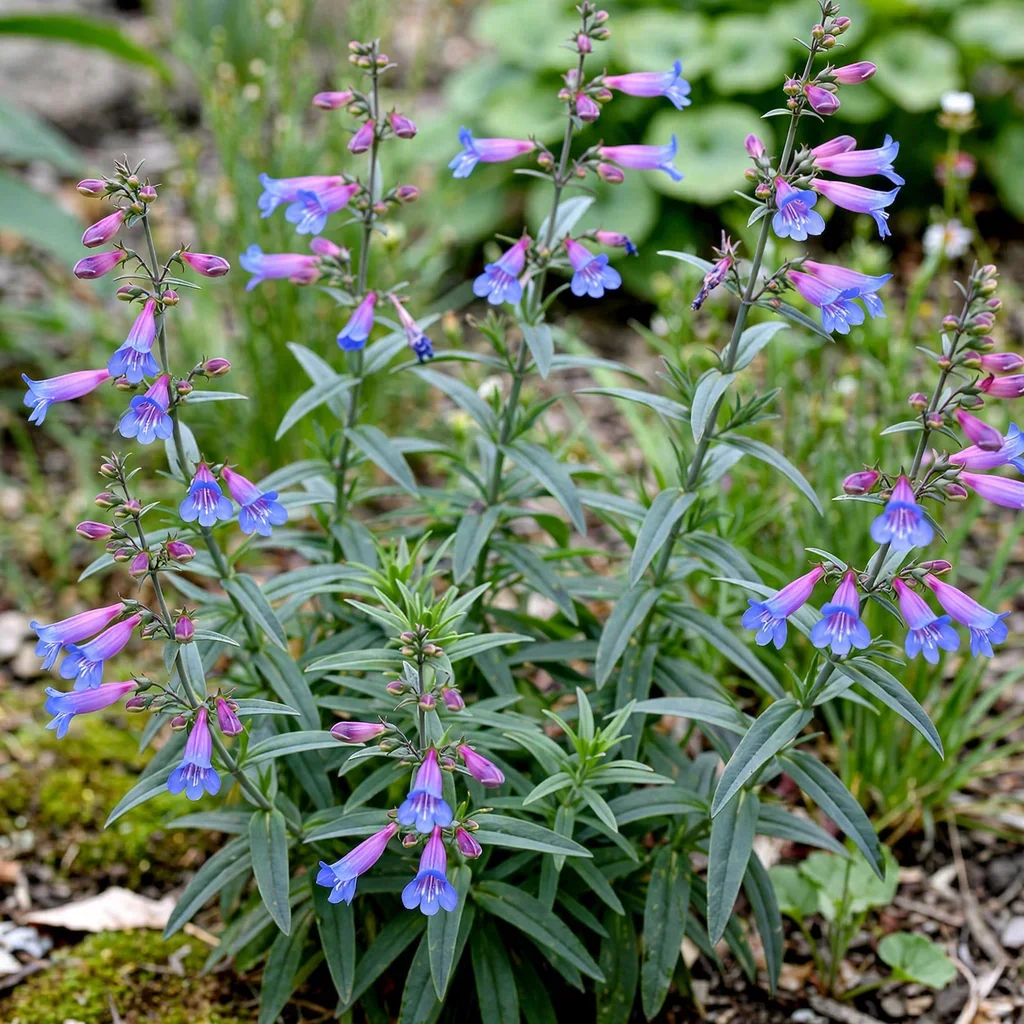
Blue Springs Penstemon
Penstemon heterophyllus 'Blue Springs'
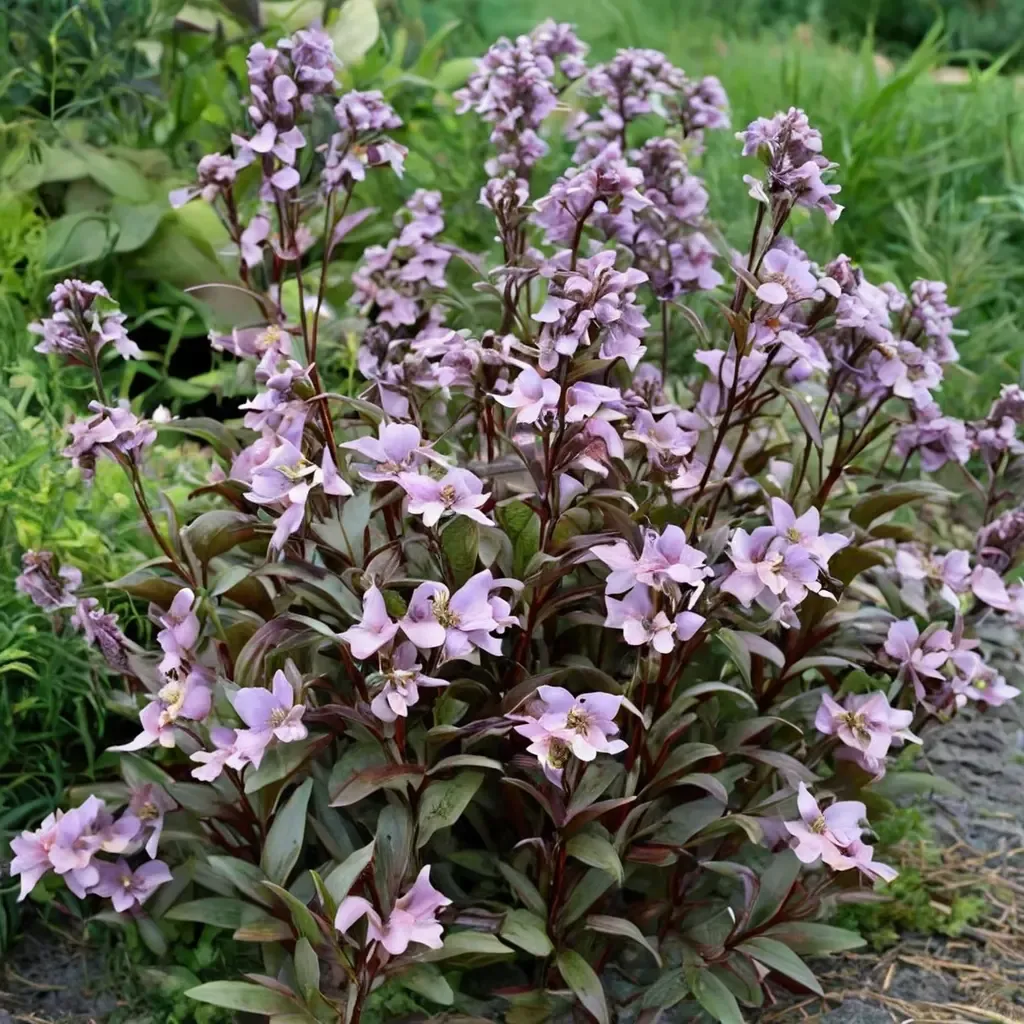
Blackbeard Beardtongue
Penstemon digitalis 'Blackbeard'
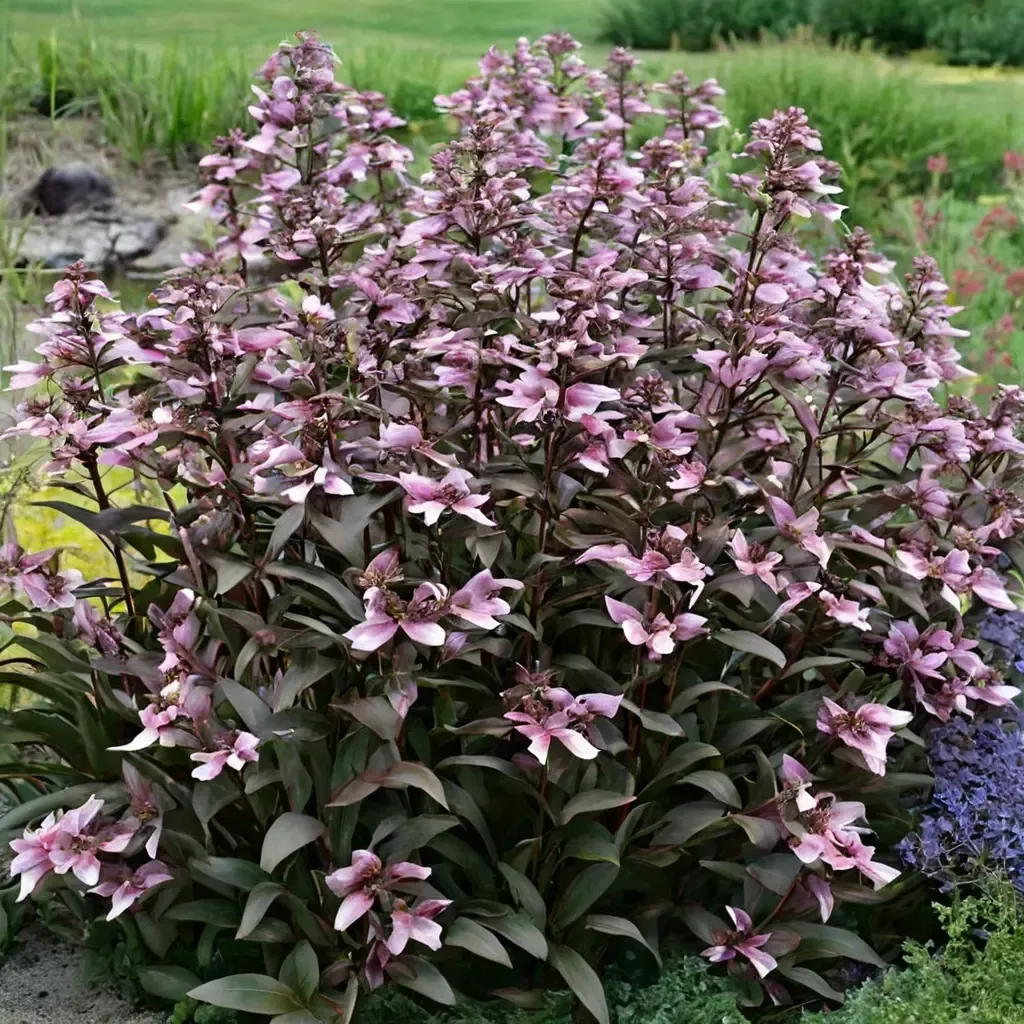
Dark Towers Penstemon
Penstemon digitalis 'Dark Towers'
Keep exploring
Explore the genus
Hardy in your zone?
Grow Cascade Penstemon with confidence
See it in a design of your actual yard, get zone-matched care reminders, and track it season by season in your garden journal.