The Story
Plant Bio
Lagerstroemia indica, the common crape myrtle, is a deciduous multi-stemmed shrub to small tree from the Himalayas through southern China, Korea and Japan, now naturalized from Virginia to Arkansas south to Texas and Florida. It blooms on new wood, carrying frilly crinkled flowers in panicles over an extended summer display, and holds best where full sun and moving air keep foliage dry.
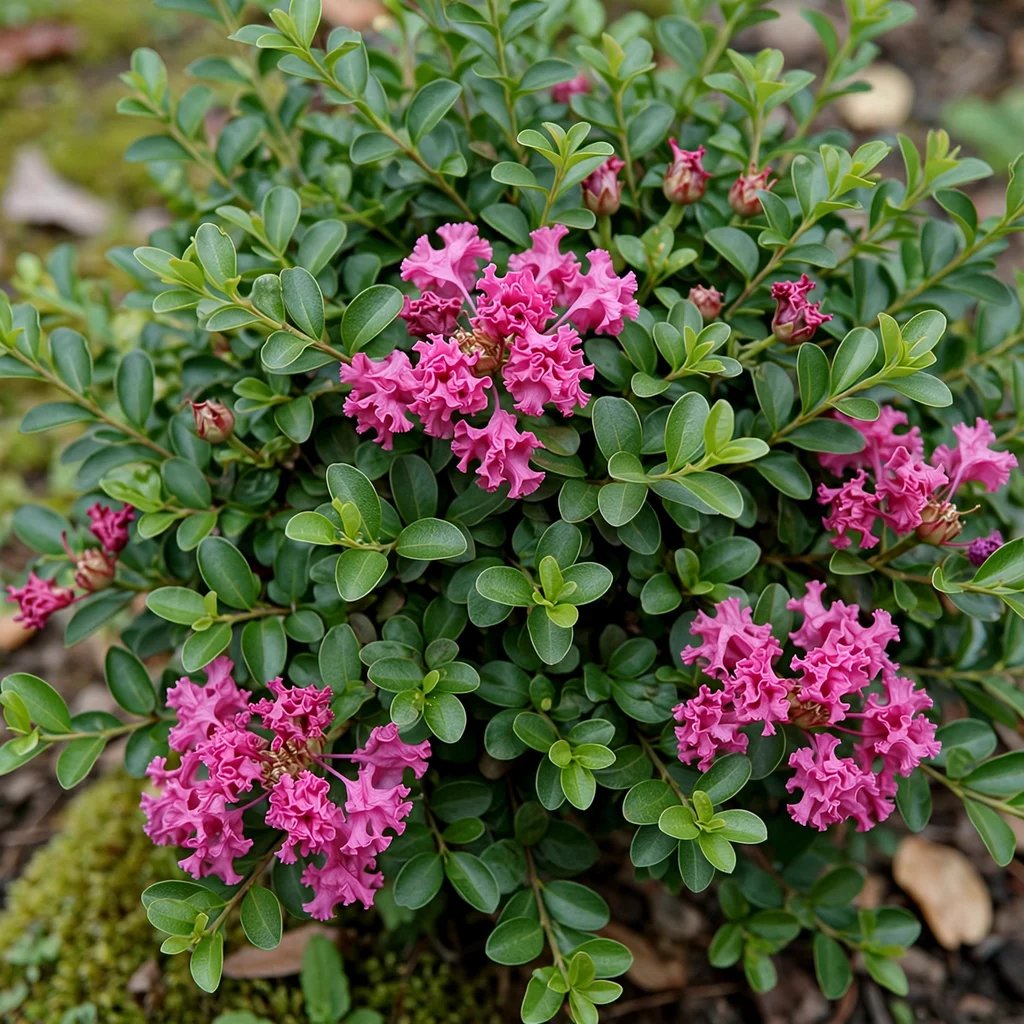
'Rosey Carpet' is a ground-hugging selection that stays 4 to 14 inches tall while spreading 35 to 48 inches wide, forming a dense horizontal mat that cascades over walls. It bears rose-pink crinkled flowers in panicles from summer into fall on new wood, with excellent cold hardiness and heat and drought tolerance once established.
Uses & Benefits:
Essentials
At a Glance
Plant Type
Groundcover
Height
14"
Width
48"
Light
Full Sun
Zones
5, 6, 7, 8, 9, 10
Water
Low
Humidity
Tolerant
Lifespan
Woody perennial
Native To
Himalayas to southern China, SE Asia, Korea, Japan
Toxicity
Unknown
Bloom period
Summer – Fall
In flower about 6 months of the year
Planting
How to Grow
- Plant in full sun in well-drained sandy or loam soil that is slightly acidic to slightly alkaline.
- Space to allow 3 to 4 feet of spread and keep air moving around foliage to reduce mildew.
- Water to establish, then cut back as heat and drought tolerance builds once roots are set.
- Prune in late winter to early spring before growth starts, since flowers form on new wood.
- Check leaf undersides through summer for aphids and beetles and wash off honeydew before sooty mold builds.
Pro Tip
Plant in full sun with open air circulation and keep overhead shade off it; powdery mildew distorts buds and foliage fastest in shade and humidity.
Keep It Thriving
Care Guide
Do
- Plant in full sun with good air circulation.
- Prune in late winter to early spring to shape new-wood bloom.
- Inspect new stock for bark scale and accept only clean plants.
Don't
- Do not plant in shade or under overhead cover where mildew builds.
- Do not over-prune the low mat; it needs its horizontal stems to bloom.
- Do not keep soil soggy; provide sharp drainage.
Seasonal Care Calendar
| Task | Jan | Feb | Mar | Apr | May | Jun | Jul | Aug | Sep | Oct | Nov | Dec |
|---|---|---|---|---|---|---|---|---|---|---|---|---|
| Mulch | ||||||||||||
| Pest Check | ||||||||||||
| Plant | ||||||||||||
| Propagate | ||||||||||||
| Prune |
Watch Out For
Pests & Diseases
Common Pests
Common Diseases
In the Garden
Landscape Uses & Companions
Landscape Uses
Companion Plants
Multiply
Propagation Methods
Good to Know
Common Questions
Rosey Carpet Crape Myrtle questions
What zones can Rosey Carpet Crape Myrtle grow in?
Rosey Carpet Crape Myrtle is hardy in USDA Zones 5–10: in that range it survives winter in the ground. Colder than Zone 5, grow it in a container you can move to shelter for the winter, or as an annual.
Is Rosey Carpet Crape Myrtle deer resistant?
Yes — Rosey Carpet Crape Myrtle is rated deer-resistant. Deer typically pass it over, though extreme hunger can override any plant's defenses.
When does Rosey Carpet Crape Myrtle bloom?
Rosey Carpet Crape Myrtle typically blooms from summer to fall. Exact timing shifts a week or two with your zone — Sow's bloom calendar maps it to your garden.
Does Rosey Carpet Crape Myrtle need full sun?
Rosey Carpet Crape Myrtle does best in full sun (6+ hours).
Is Rosey Carpet Crape Myrtle drought tolerant?
Yes — once established (usually after the first full season), Rosey Carpet Crape Myrtle handles dry spells with minimal watering. Water deeply its first year to build the root system that makes that possible.
More Lagerstroemia to compare
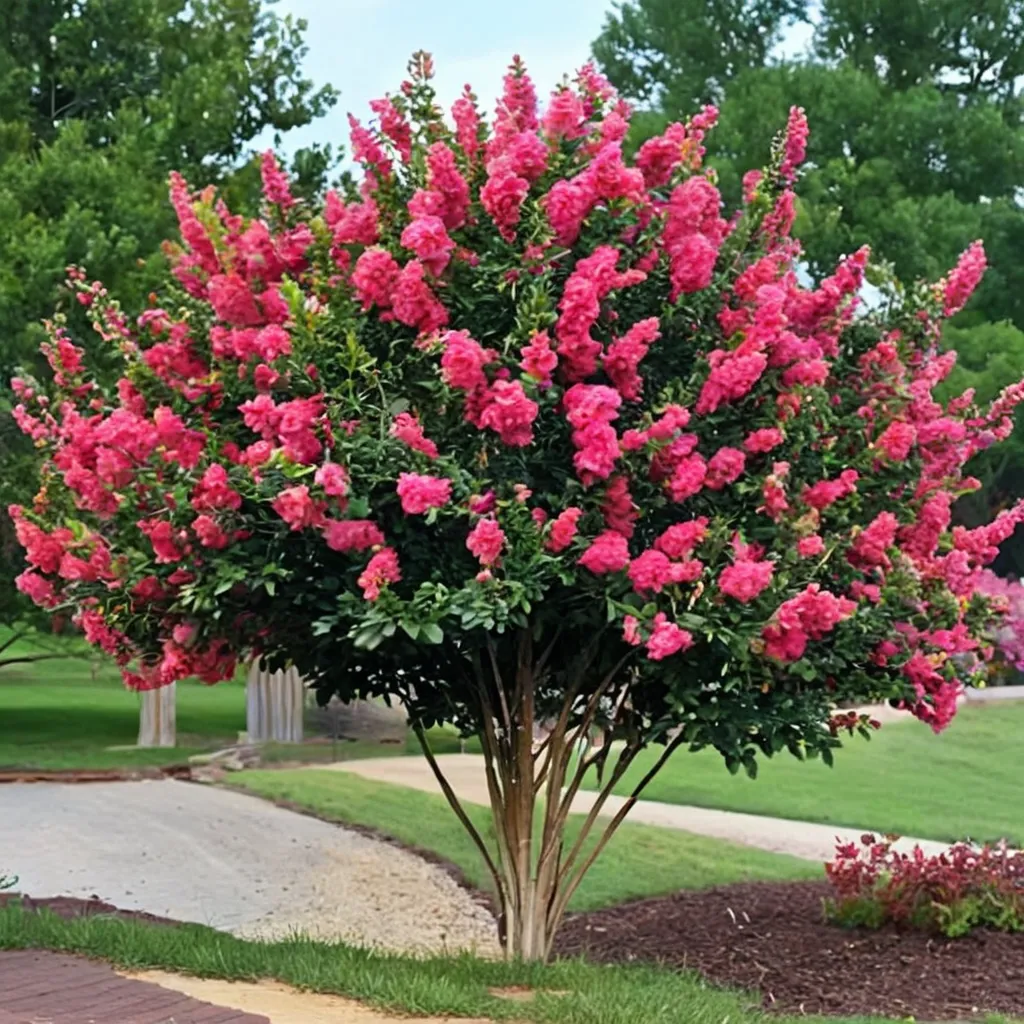
Tonto Indian Crapemyrtle
Lagerstroemia indica 'Tonto'
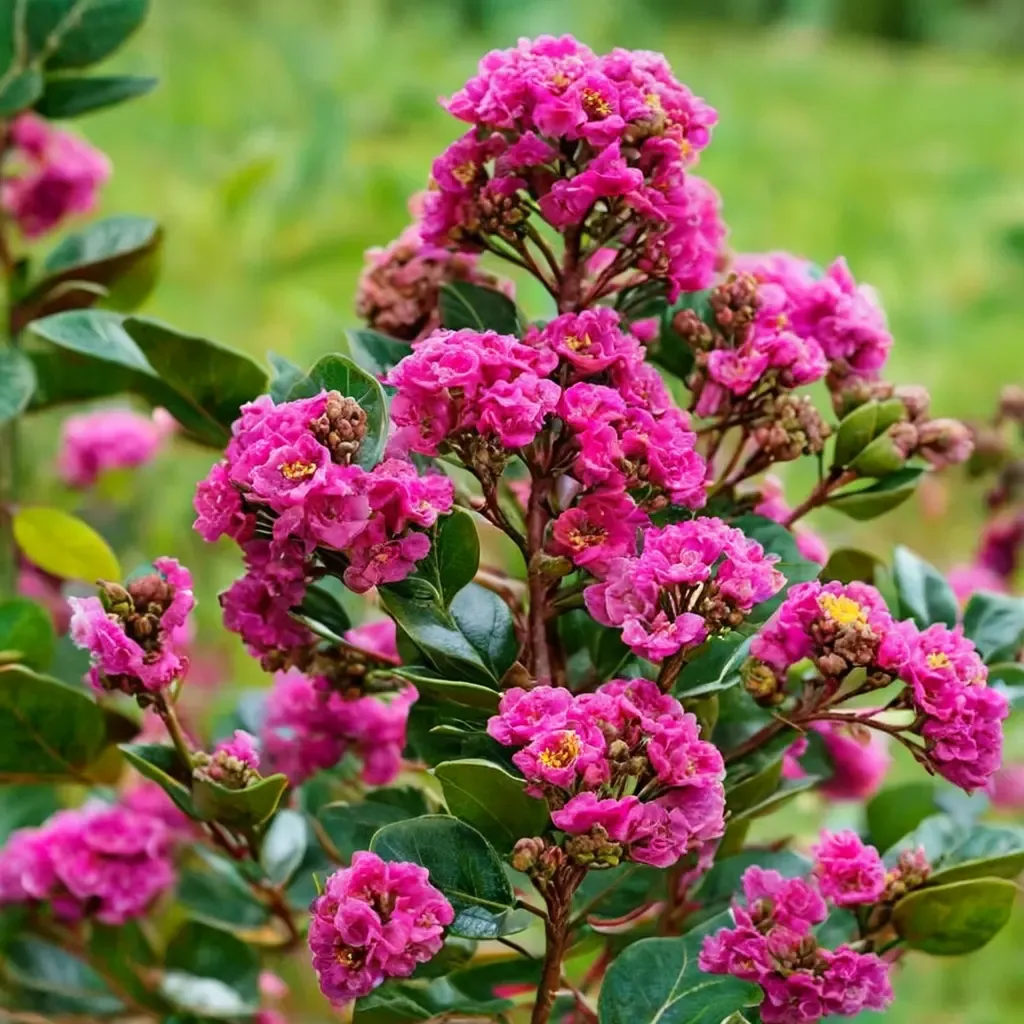
Northern Belle Crape Myrtle
Lagerstroemia indica 'Northern Belle'
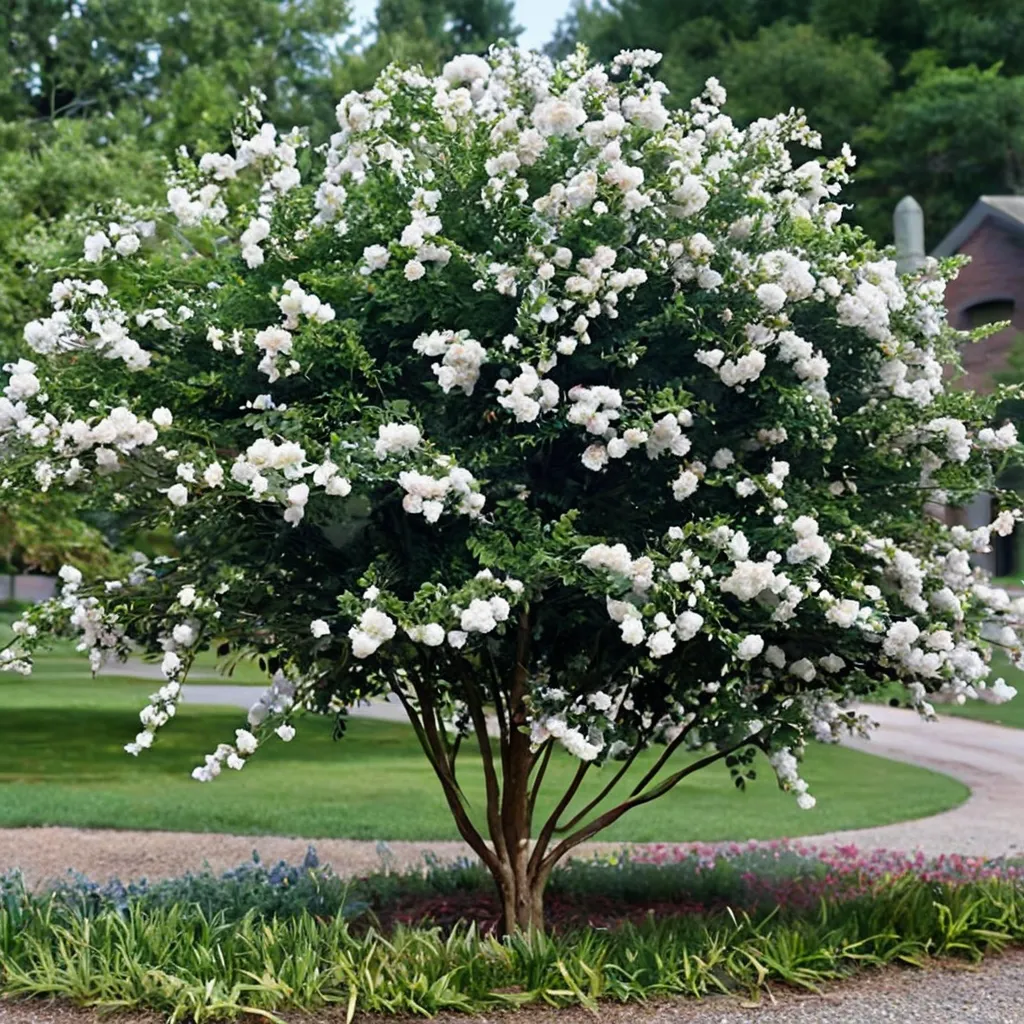
Acoma Crepe Myrtle
Lagerstroemia indica 'Acoma'
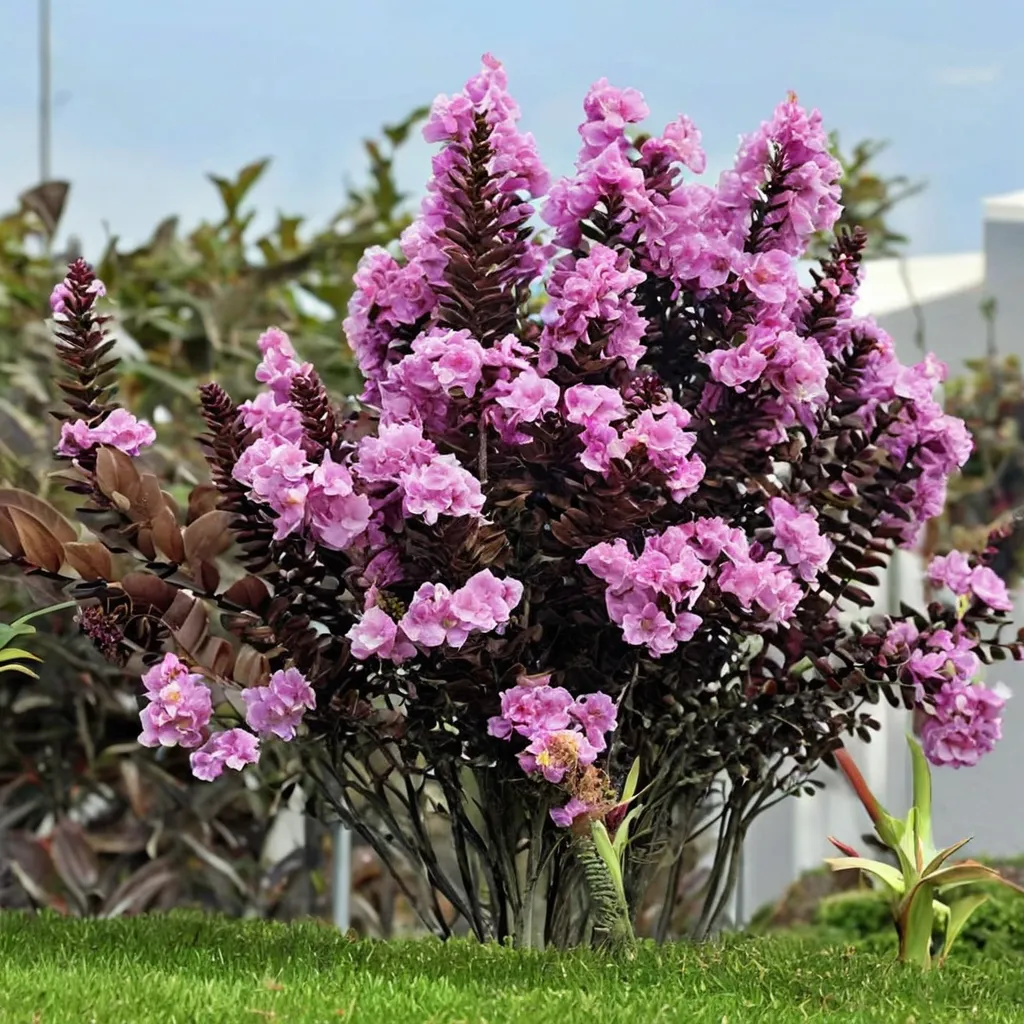
Crape Myrtle Delta Eclipse
Lagerstroemia indica 'Delta Eclipse'
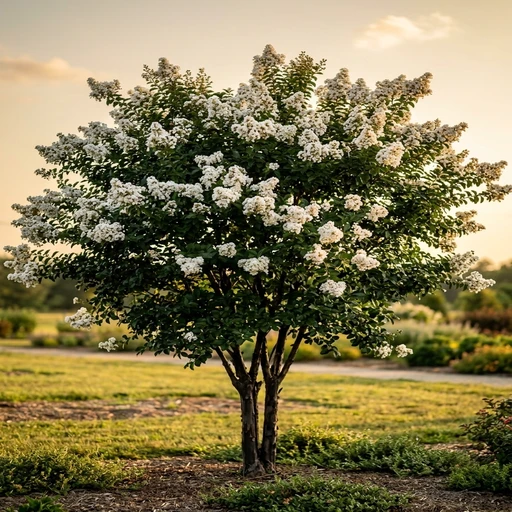
Natchez Crape Myrtle
Lagerstroemia x hybrida 'Natchez'
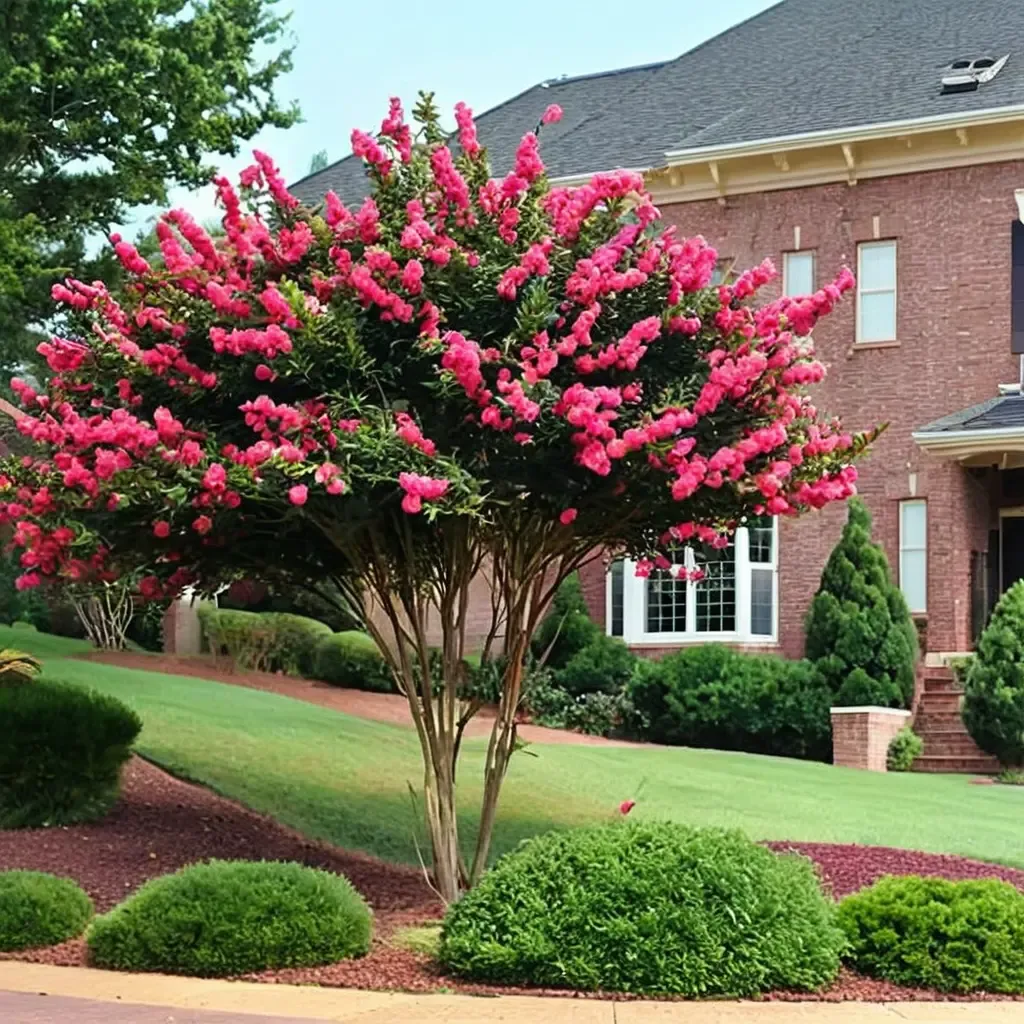
Tonto Crape Myrtle
Lagerstroemia indica 'Tonto Hardy'
Keep exploring
Explore the genus
Grow Rosey Carpet Crape Myrtle with confidence
See it in a design of your actual yard, get zone-matched care reminders, and track it season by season in your garden journal.