
The Story
Plant Bio
Agave titanota is a slow-growing monocarpic succulent that forms a solitary open rosette 1 to 3 feet tall and wide. The thick rigid leaves store water through long dry seasons, and the rosette dies after sending up a single tall flowering stalk after 10 to 30 years.
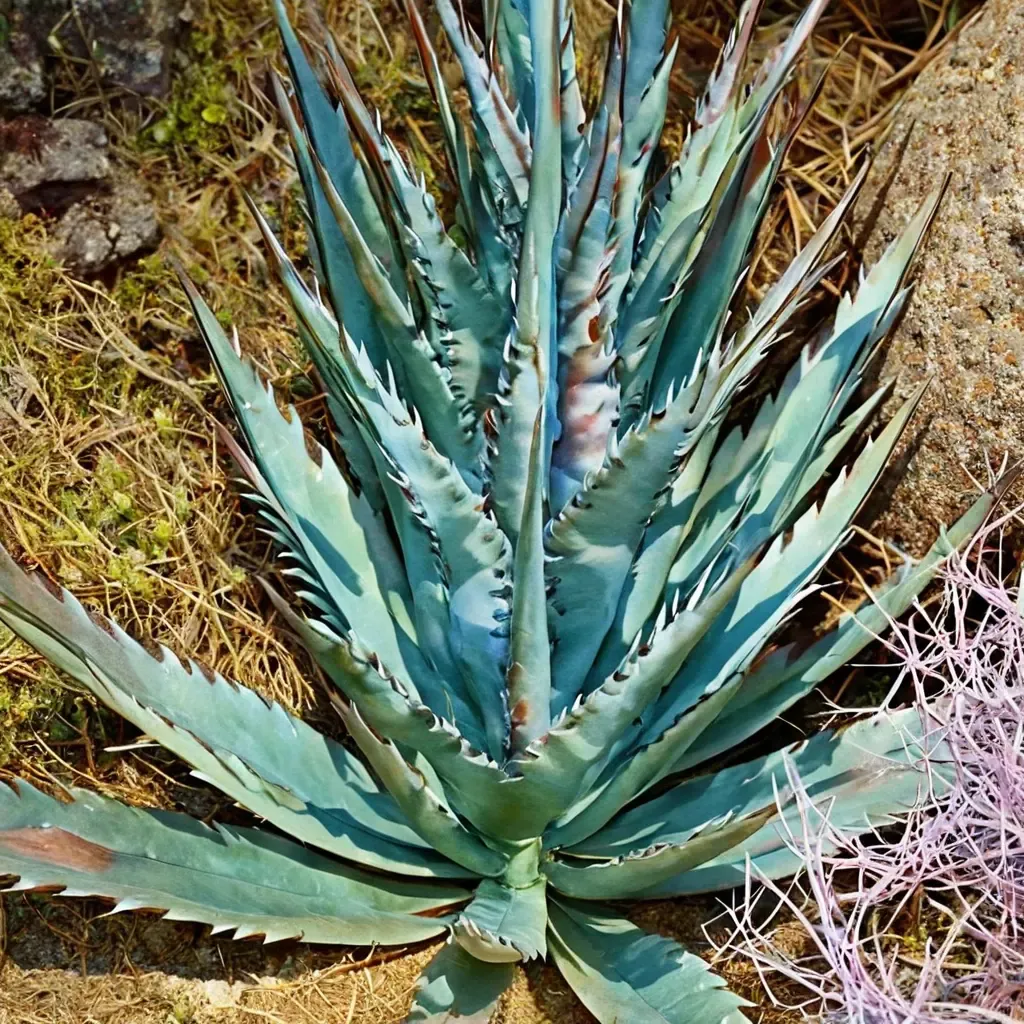
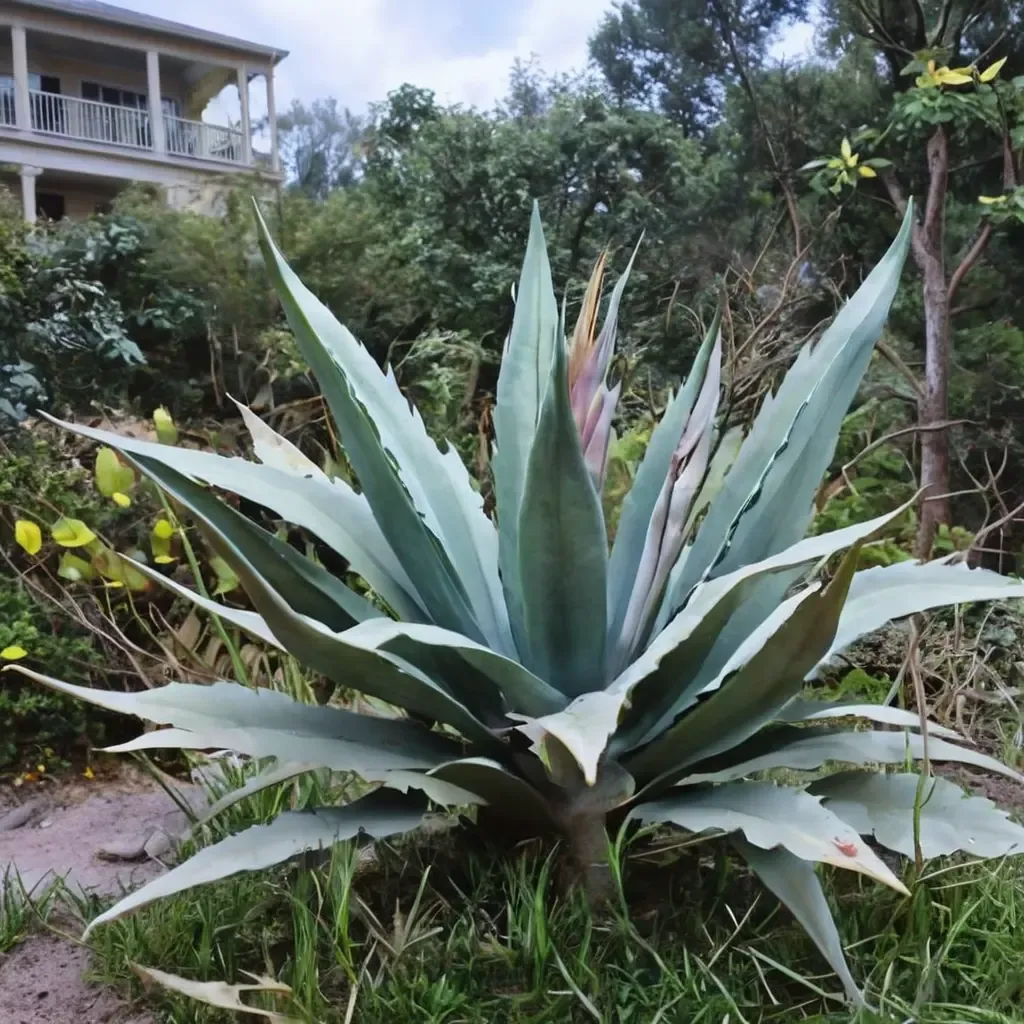
The leaves are broad and pale chalky white-green to blue-gray, widest toward the tip and edged with large pale teeth ending in a dark terminal spine. The powdery surface and compact symmetrical form separate true Rancho Tambor plants from the darker green Agave oteroi and FO-076 forms widely sold under this name.
Uses & Benefits:
Essentials
At a Glance
Plant Type
Cactus Succulent
Height
30"
Width
30"
Light
Full Sun, Partial Sun
Zones
9, 10
Water
Low
Humidity
Low
Lifespan
Monocarpic, 10-30 years
Native To
Mexico - Oaxaca, Puebla
Toxicity
Toxic to cats and dogs; skin irritant
Bloom period
Summer
In flower about 3 months of the year
Planting
How to Grow
- Plant in spring after last frost in a raised mound or slope of lean rocky soil that drains instantly.
- Set the crown slightly above soil level with full sun in cool areas and light afternoon shade in low-desert heat.
- Water deeply then let soil dry completely; keep winter water minimal.
- Feed sparingly once in spring with diluted succulent fertilizer or skip feeding to hold a compact form.
- Wear heavy gloves to remove dead lower leaves only; leave offsets to cluster or divide them in spring.
Pro Tip
Plant high on sharp limestone rubble and withhold water until the soil is fully dry; water sitting in the crown softens tissue and starts rot.
Keep It Thriving
Care Guide
Do
- Provide excellent drainage in limestone or gritty rocky soil kept on the dry side.
- Give full sun in cool climates and light afternoon shade in desert heat.
- Check the base and leaf axils in summer for weevil damage, scale, and mealybug.
Don't
- Do not overwater or let water sit in the crown; wet soil causes root and base rot.
- Do not cut into the crown or prune live leaves for shape.
- Do not overfeed; rich feeding loosens the rosette and weakens the form.
Seasonal Care Calendar
| Task | Jan | Feb | Mar | Apr | May | Jun | Jul | Aug | Sep | Oct | Nov | Dec |
|---|---|---|---|---|---|---|---|---|---|---|---|---|
| Fertilize | ||||||||||||
| Pest Check | ||||||||||||
| Plant | ||||||||||||
| Propagate | ||||||||||||
| Prune |
Watch Out For
Pests & Diseases
Common Pests
Common Diseases
In the Garden
Landscape Uses & Companions
Landscape Uses
Multiply
Propagation Methods
Good to Know
Common Questions
Rancho Tambor Agave questions
What zones can Rancho Tambor Agave grow in?
Rancho Tambor Agave is hardy in USDA Zones 9–10: in that range it survives winter in the ground. Colder than Zone 9, grow it in a container you can move to shelter for the winter, or as an annual.
When does Rancho Tambor Agave bloom?
Rancho Tambor Agave typically blooms in summer. Exact timing shifts a week or two with your zone — Sow's bloom calendar maps it to your garden.
Does Rancho Tambor Agave need full sun?
Rancho Tambor Agave does best in full sun to part shade. In hot climates, afternoon shade keeps blooms fresher longer.
Is Rancho Tambor Agave drought tolerant?
Yes — once established (usually after the first full season), Rancho Tambor Agave handles dry spells with minimal watering. Water deeply its first year to build the root system that makes that possible.
More Agave to compare
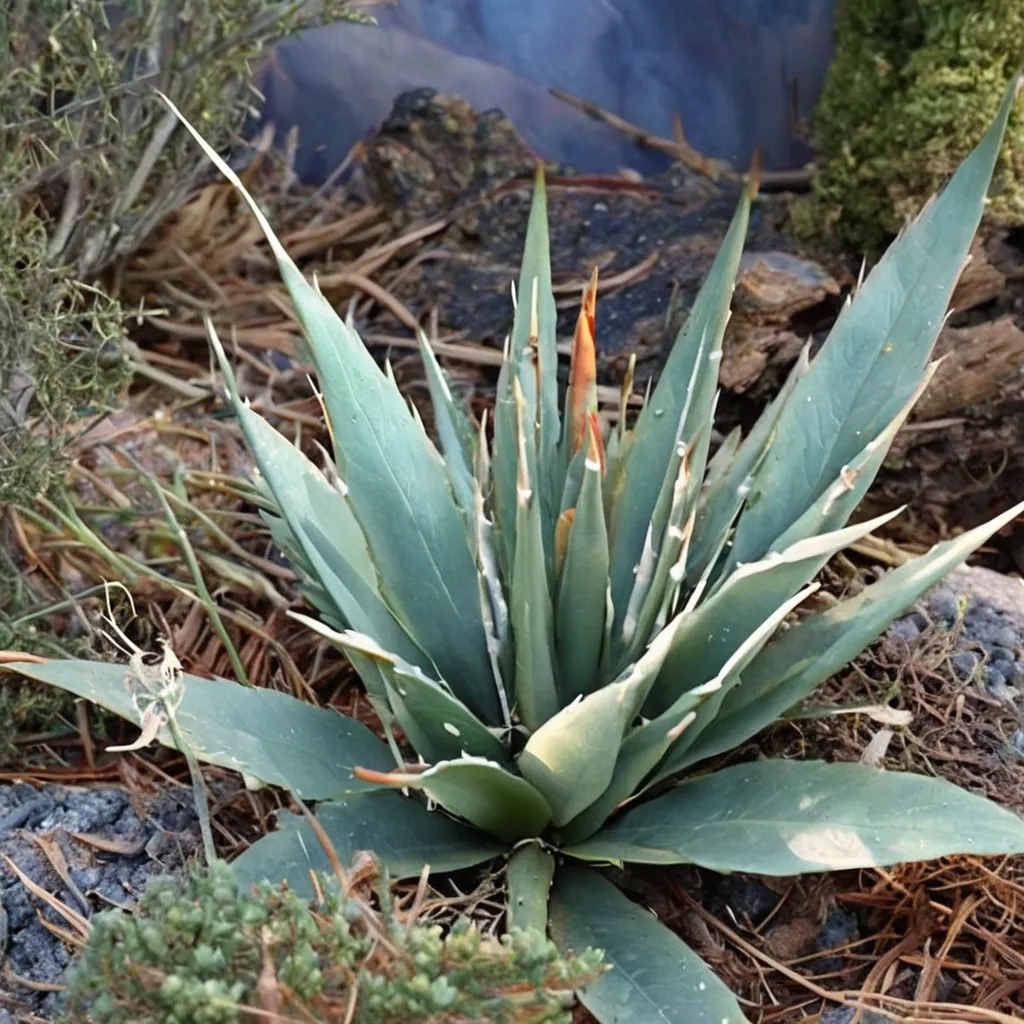
Utah Agave Kaibabensis
Agave utahensis 'kaibabensis'
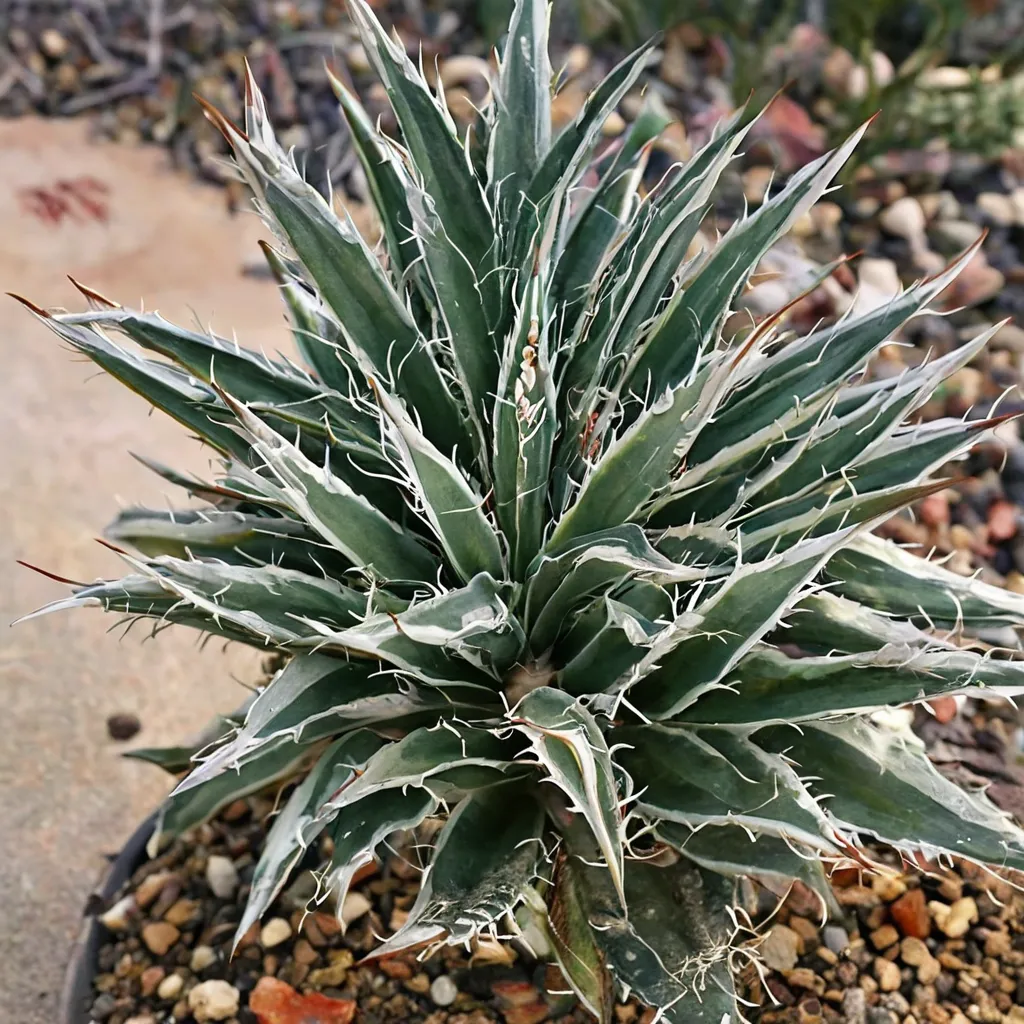
Toumey's Agave
Agave toumeyana
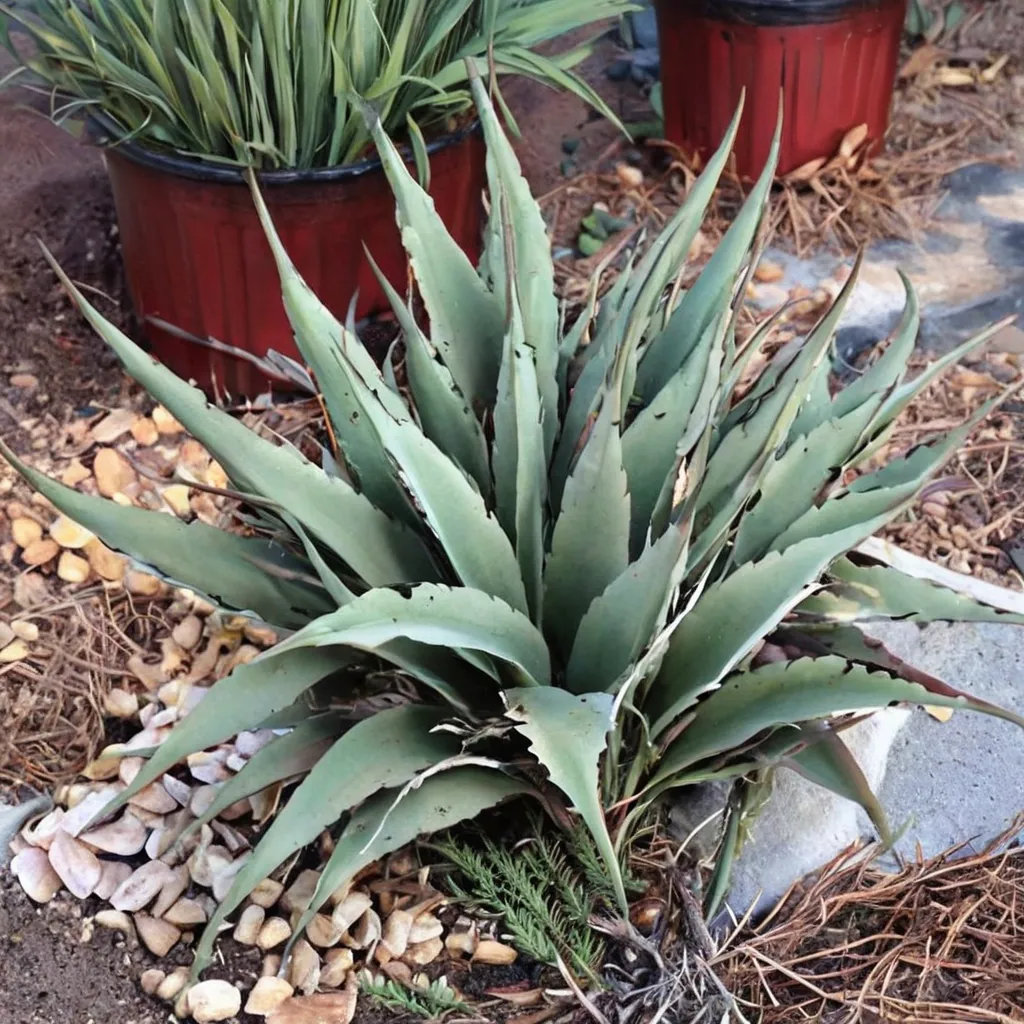
Slimfoot Century Plant
Agave gracilipes
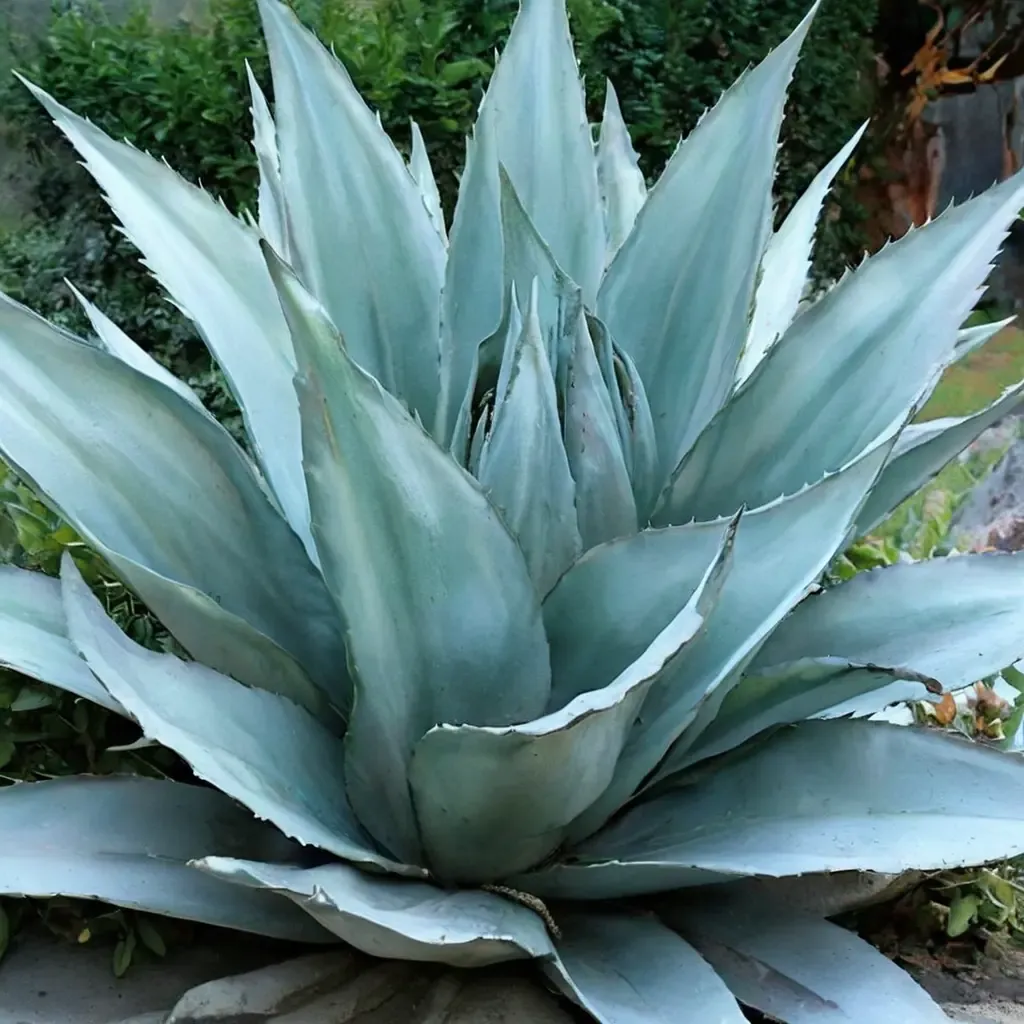
Vanzie Whale's Tongue Agave
Agave ovatifolia 'Vanzie'
McKelvey's Agave
Agave mckelveyana
Grey Gator Agave
Agave x hybrida 'Grey Gator'
Keep exploring
Explore the genus
Hardy in your zone?
Grow Rancho Tambor Agave with confidence
See it in a design of your actual yard, get zone-matched care reminders, and track it season by season in your garden journal.