
The Story
Plant Bio
Carex squarrosa is a clump-forming perennial grass-like plant native to wet meadows, floodplains, and bottomland forests of central and eastern North America. It forms dense tussocks of narrow, medium green foliage topped by sharp, triangular stems.
This species is distinguished by its thimble-shaped, bristly seedheads with strongly recurved perigynia that create a star-like appearance. The decorative fruiting spikes persist into summer while supplying valuable seeds and cover for wetland birds.
Uses & Benefits:
Essentials
At a Glance
Plant Type
Grass
Height
24"
Width
18"
Light
Full Sun, Partial Sun
Zones
4, 5, 6, 7, 8
Water
High
Humidity
High
Lifespan
Perennial
Native To
North America
Toxicity
Non-toxic
Bloom period
Late spring – Summer
In flower about 4 months of the year
Planting
How to Grow
- Select a planting site in full sun or partial shade that stays reliably wet or saturated.
- Work organic matter into lighter soils to enhance moisture retention before planting.
- Set plugs or container crowns level with the existing soil surface and press firm.
- Keep soil continuously moist or wet, supplying water during extended summer dry periods.
Pro Tip
Amateurs often treat sedges like drought-tolerant ornamentals, but Carex squarrosa demands consistently wet or moist soil and will scorch or die back if subjected to dry spells.
Keep It Thriving
Care Guide
Do
- Maintain high soil moisture levels year-round.
- Plant along rain gardens, stream banks, or bog margins.
- Trim old dead foliage back in late winter before spring growth begins.
Don't
- Do not allow the soil to dry out around the root zone.
- Do not cut heavily into live evergreen crown tissue in summer.
- Do not over-fertilize, which causes weak and floppy leaves.
Seasonal Care Calendar
| Task | Jan | Feb | Mar | Apr | May | Jun | Jul | Aug | Sep | Oct | Nov | Dec |
|---|---|---|---|---|---|---|---|---|---|---|---|---|
| Divide | ||||||||||||
| Pest Check | ||||||||||||
| Plant | ||||||||||||
| Spring Cleanup |
Watch Out For
Pests & Diseases
Common Pests
Common Diseases
In the Garden
Landscape Uses & Companions
Landscape Uses
Companion Plants
Multiply
Propagation Methods
Good to Know
Common Questions
Squarrose Sedge questions
What zones can Squarrose Sedge grow in?
Squarrose Sedge is hardy in USDA Zones 4–8. Inside that range it survives winter in the ground; outside it, grow it as an annual or a container plant you protect.
Is Squarrose Sedge deer resistant?
Yes — Squarrose Sedge is rated deer-resistant. Deer typically pass it over, though extreme hunger can override any plant's defenses.
When does Squarrose Sedge bloom?
Squarrose Sedge typically blooms in late spring through summer. Exact timing shifts a week or two with your zone — Sow's bloom calendar maps it to your garden.
Does Squarrose Sedge need full sun?
Squarrose Sedge does best in full sun to part shade. In hot climates, afternoon shade keeps blooms fresher longer.
More Carex to compare
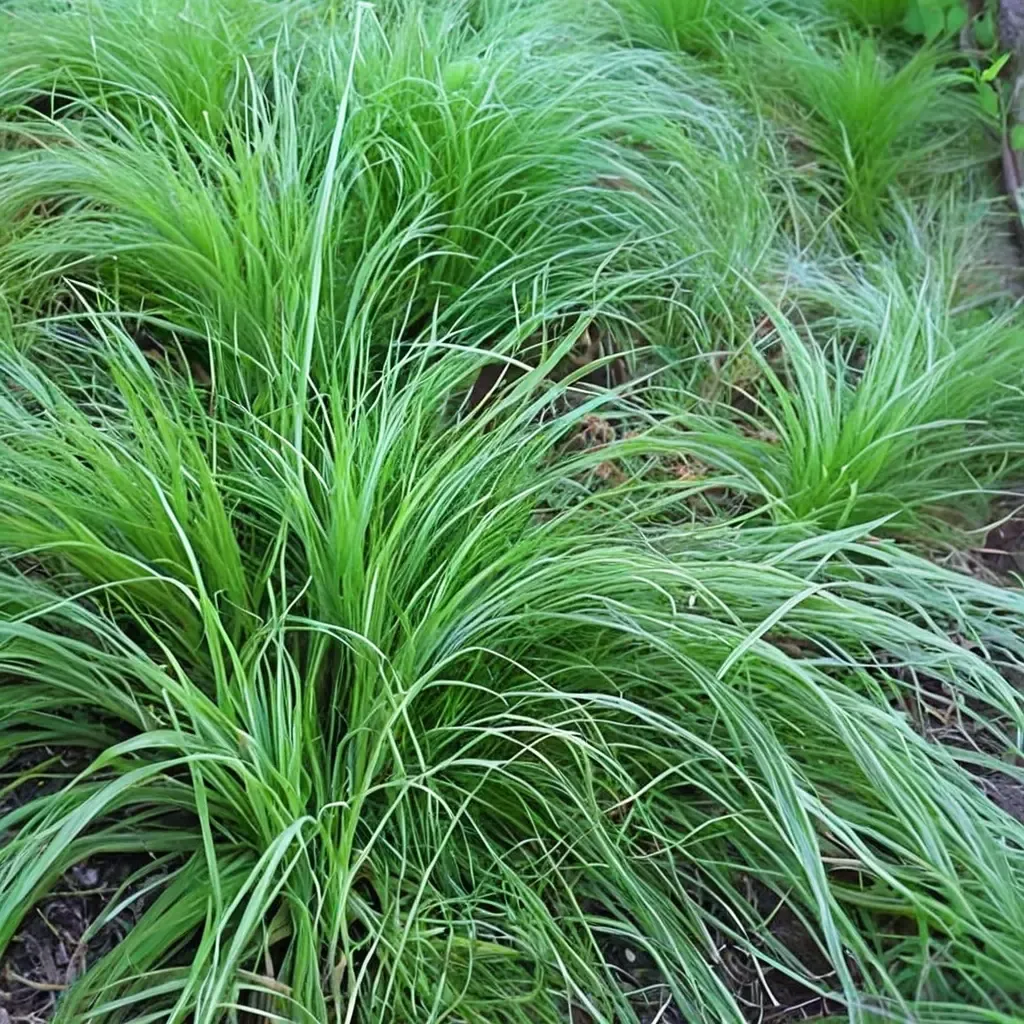
Pennsylvania Sedge
Carex pensylvanica
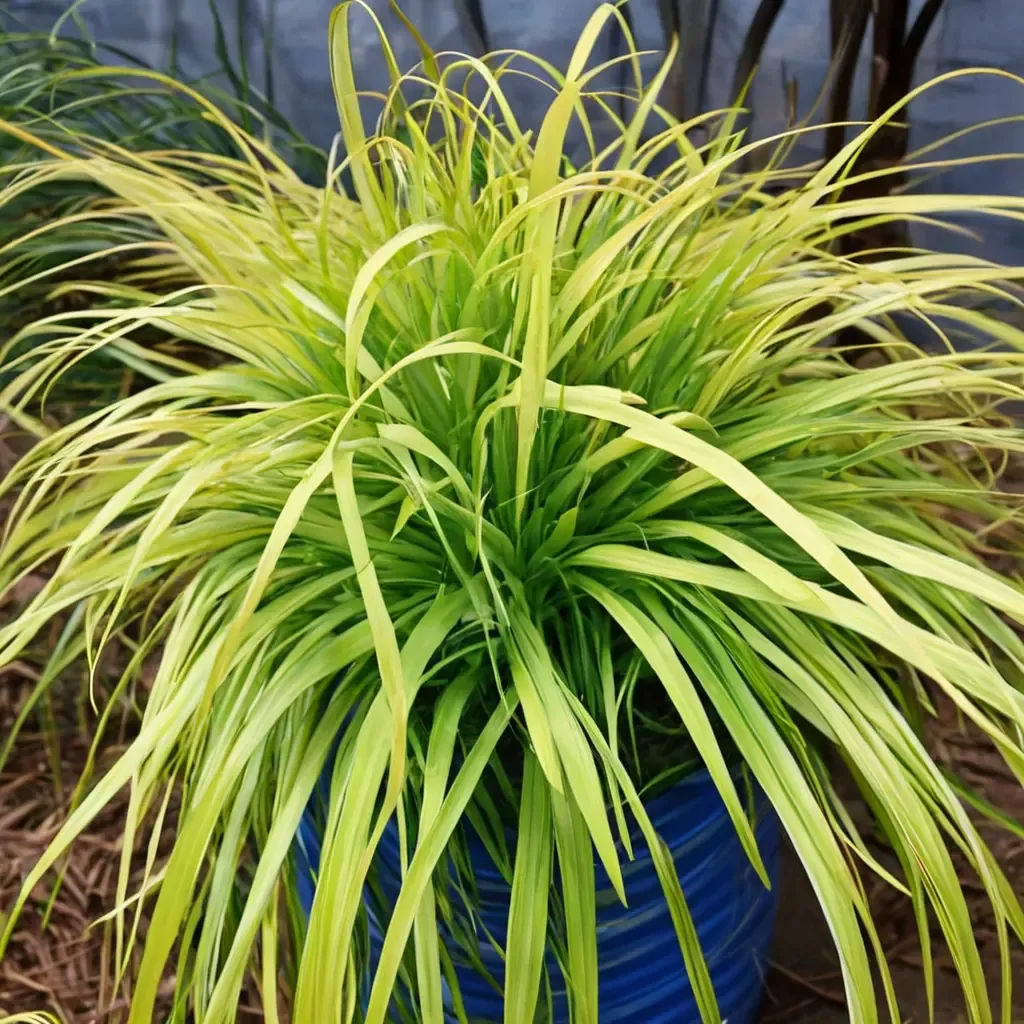
Everillo Sedge
Carex oshimensis 'Everillo'
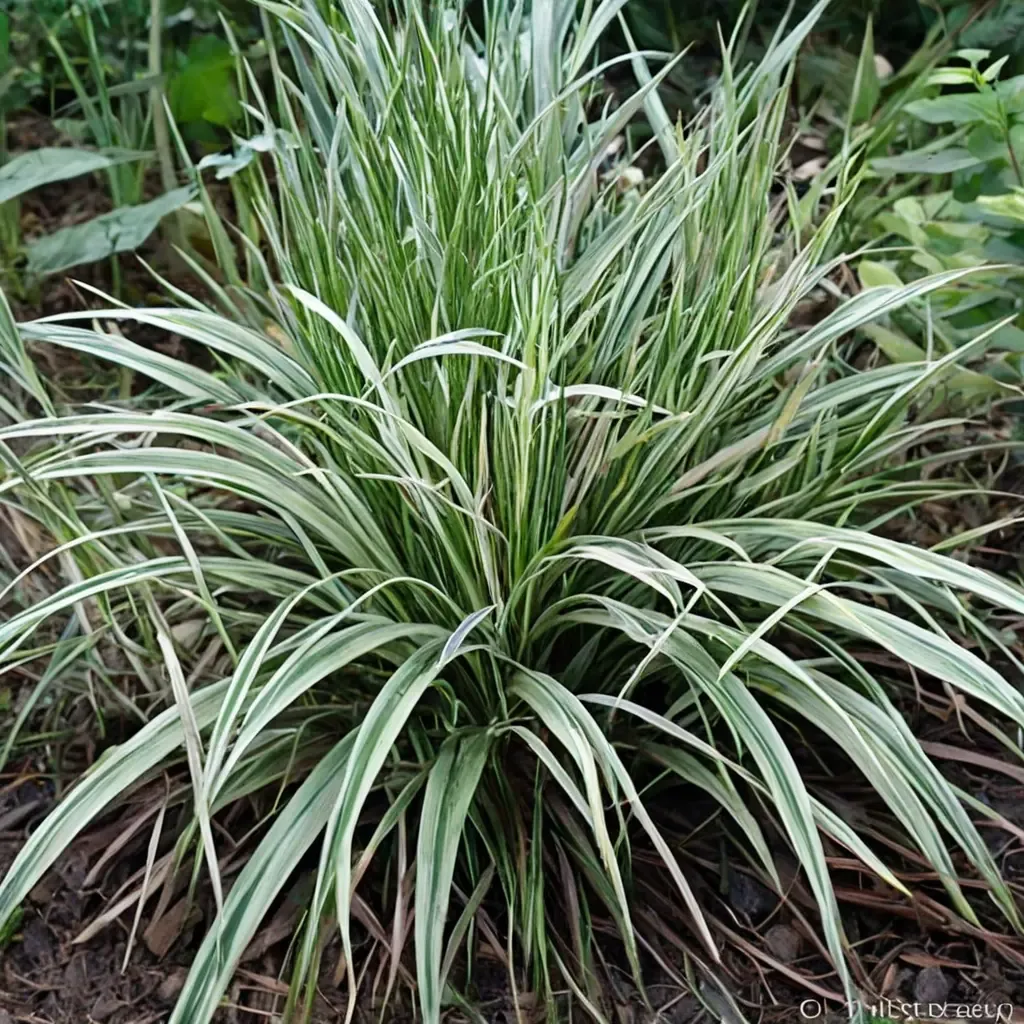
Japanese Sedge
Carex morrowii
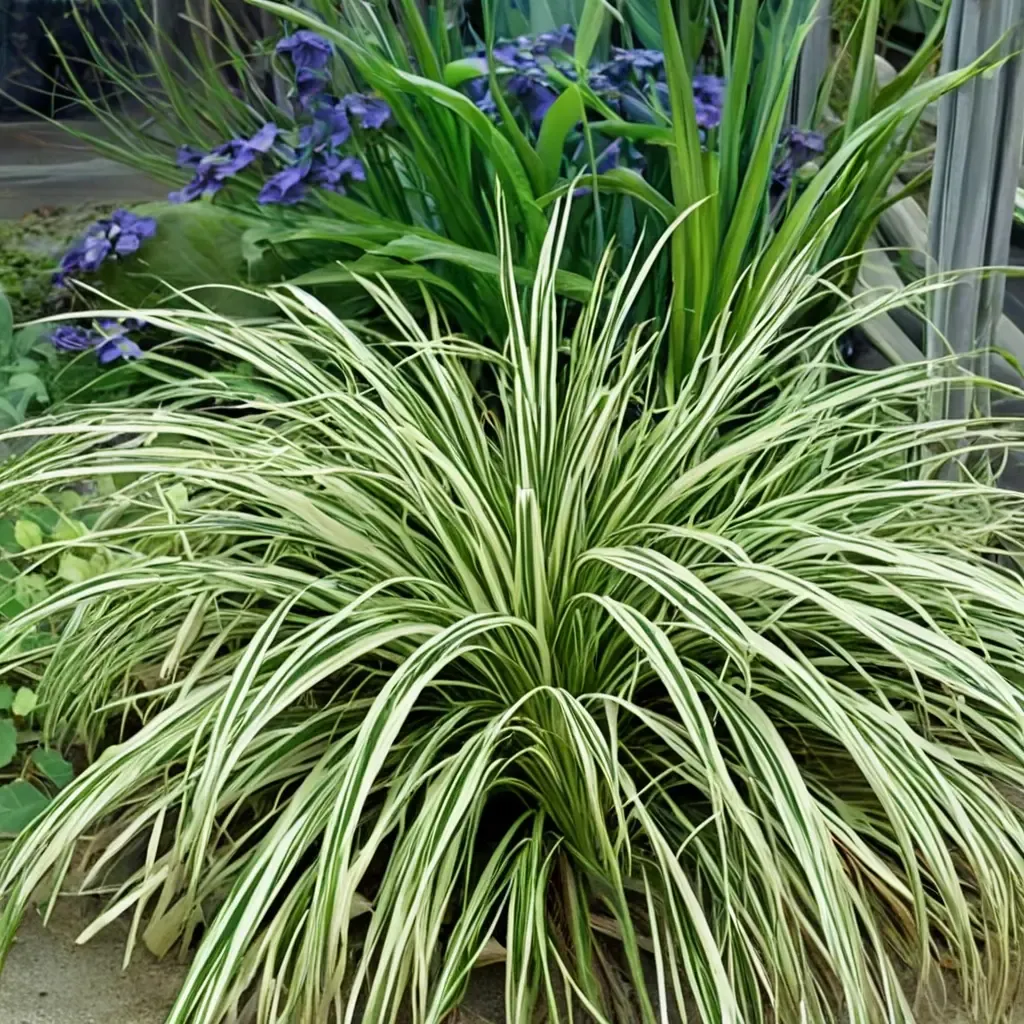
Evergold Japanese Sedge
Carex oshimensis 'Evergold'
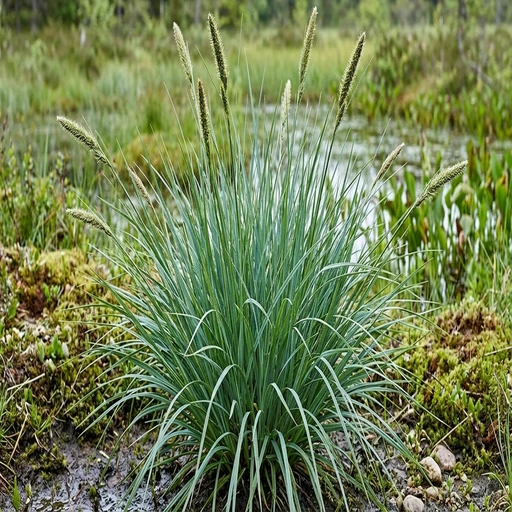
Comosa Sedge
Carex comosa
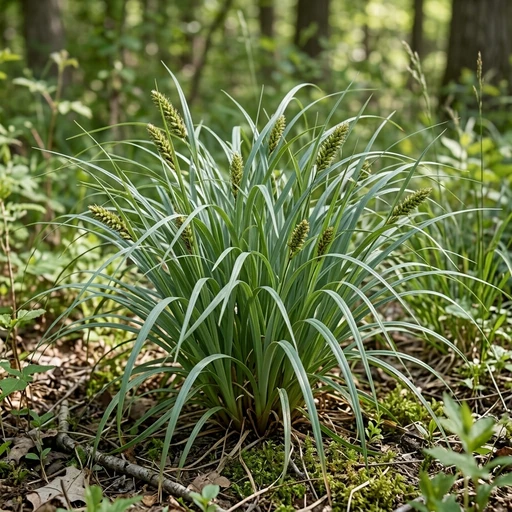
Shortbeak Sedge
Carex brevior
Keep exploring
Explore the genus
Hardy in your zone?
Grow Squarrose Sedge with confidence
See it in a design of your actual yard, get zone-matched care reminders, and track it season by season in your garden journal.