The Story
Plant Bio
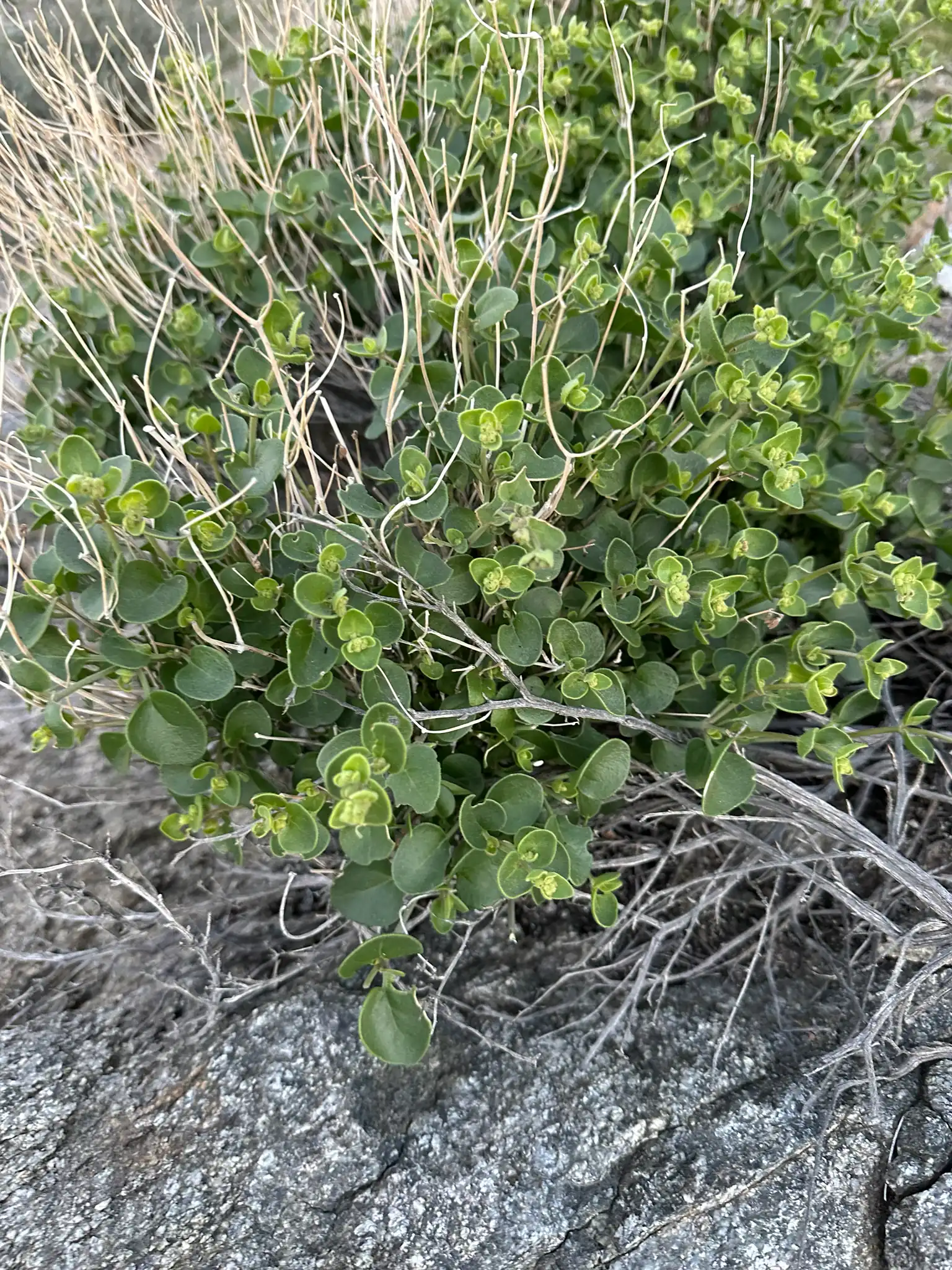
Mirabilis laevis is a low, spreading perennial subshrub native to dry slopes and washes across the southwestern United States and northwestern Mexico. Its brittle stems fork symmetrically at each node, bearing fleshy rounded leaves and clusters of small, funnel-shaped pink to white flowers from winter into spring.
This species survives extreme dry heat by entering summer dormancy, shedding its leaves during the dry months and resuming growth with winter rains. The delicate blooms open in late afternoon and early morning, providing nectar for hummingbirds and native bees.
Uses & Benefits:
Essentials
At a Glance
Plant Type
Perennial
Height
36"
Width
84"
Light
Full Sun, Partial Sun
Zones
8, 9, 10
Water
Low
Humidity
Low
Lifespan
Perennial
Native To
Southwestern United States and Northwestern Mexico
Toxicity
Toxic if ingested
Bloom period
Winter – Spring
In flower about 6 months of the year
Planting
How to Grow
- Select a full sun or lightly shaded site with fast-draining, gravelly or sandy soil.
- Plant in late fall or early winter to sync root establishment with seasonal rain.
- Water lightly at planting to settle the soil, keeping the root crown elevated above standing water.
- Allow the plant to go summer-deciduous without supplemental irrigation during hot months.
- Cut back dead woody stems lightly in late winter before new vegetative growth resumes.
Pro Tip
Withhold summer irrigation once established; watering during high heat causes stem and root rot.
Keep It Thriving
Care Guide
Do
- Ensure sharp soil drainage on slopes, mounds, or in rock gardens.
- Allow the foliage to drop naturally as summer drought sets in.
- Trim dead stem tips lightly before winter growth begins.
Don't
- Do not water during summer dormancy, as warm damp soil promotes crown rot.
- Do not hard-prune into old, leafless woody stem bases.
- Do not apply nitrogen fertilizers, which create weak and elongated stems.
Seasonal Care Calendar
| Task | Jan | Feb | Mar | Apr | May | Jun | Jul | Aug | Sep | Oct | Nov | Dec |
|---|---|---|---|---|---|---|---|---|---|---|---|---|
| Pest Check | ||||||||||||
| Plant | ||||||||||||
| Prune | ||||||||||||
| Winter Prep |
Watch Out For
Pests & Diseases
Common Pests
Common Diseases
In the Garden
Landscape Uses & Companions
Landscape Uses
Multiply
Propagation Methods
Good to Know
Common Questions
Desert Wishbone-Bush questions
What zones can Desert Wishbone-Bush grow in?
Desert Wishbone-Bush is hardy in USDA Zones 8–10: in that range it survives winter in the ground. Colder than Zone 8, grow it in a container you can move to shelter for the winter, or as an annual.
Is Desert Wishbone-Bush deer resistant?
Not reliably. Deer may browse Desert Wishbone-Bush, especially tender spring growth — plan on repellents or fencing where pressure is high.
When does Desert Wishbone-Bush bloom?
Desert Wishbone-Bush typically blooms from winter to spring. Exact timing shifts a week or two with your zone — Sow's bloom calendar maps it to your garden.
Does Desert Wishbone-Bush need full sun?
Desert Wishbone-Bush does best in full sun to part shade. In hot climates, afternoon shade keeps blooms fresher longer.
Is Desert Wishbone-Bush drought tolerant?
Yes — once established (usually after the first full season), Desert Wishbone-Bush handles dry spells with minimal watering. Water deeply its first year to build the root system that makes that possible.
More Mirabilis to compare
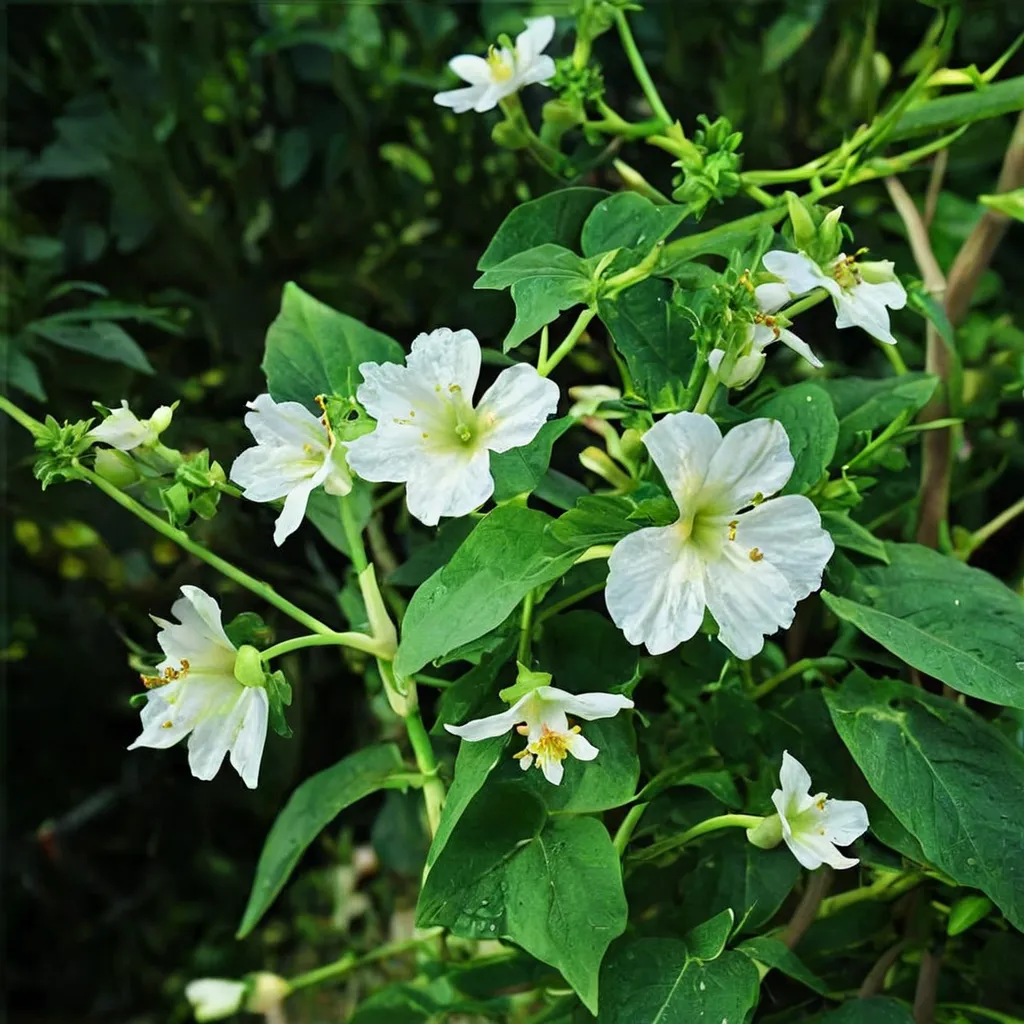
Baywatch Four O'Clock
Mirabilis jalapa 'Baywatch'
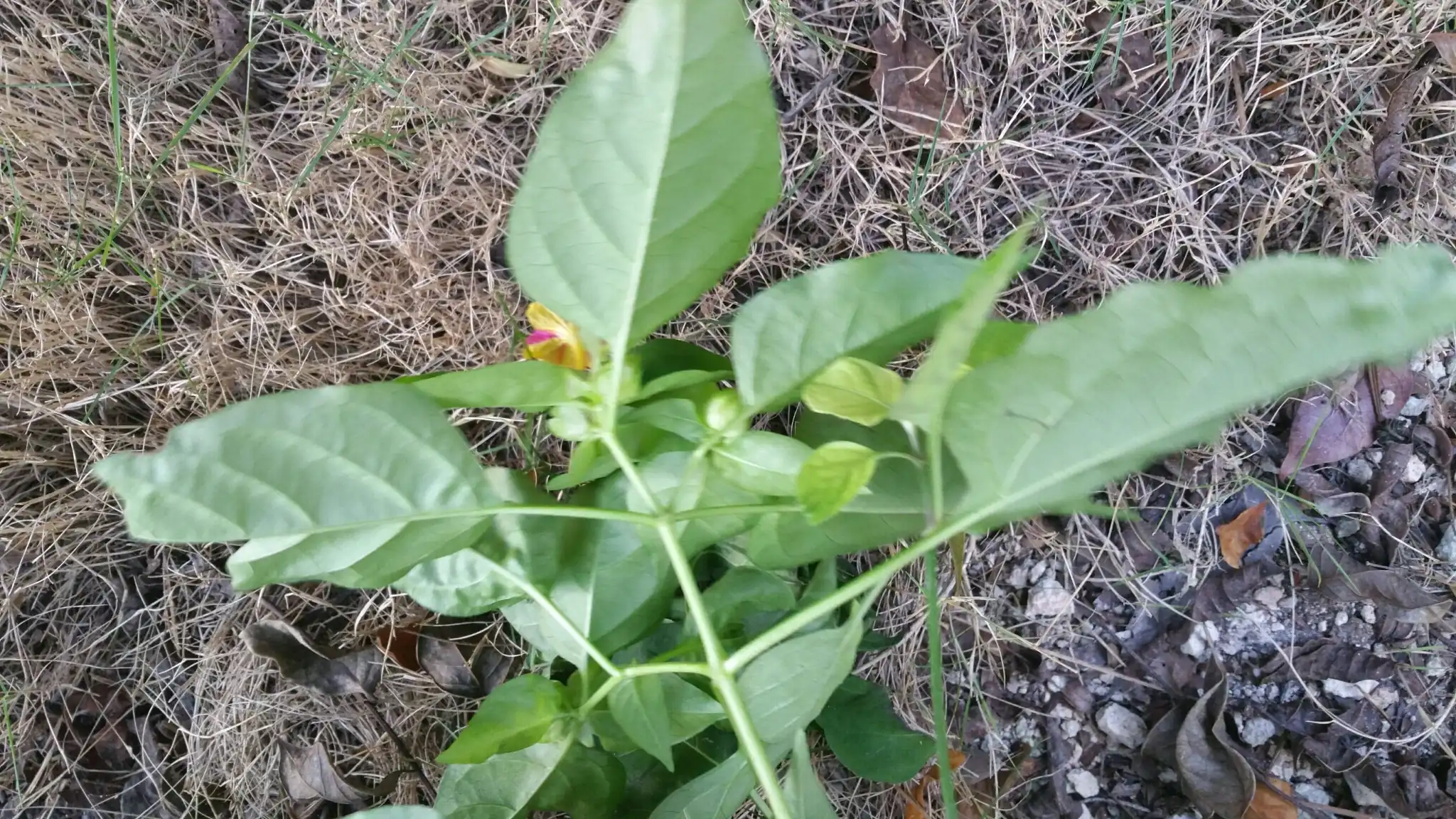
Four O'Clock
Mirabilis jalapa
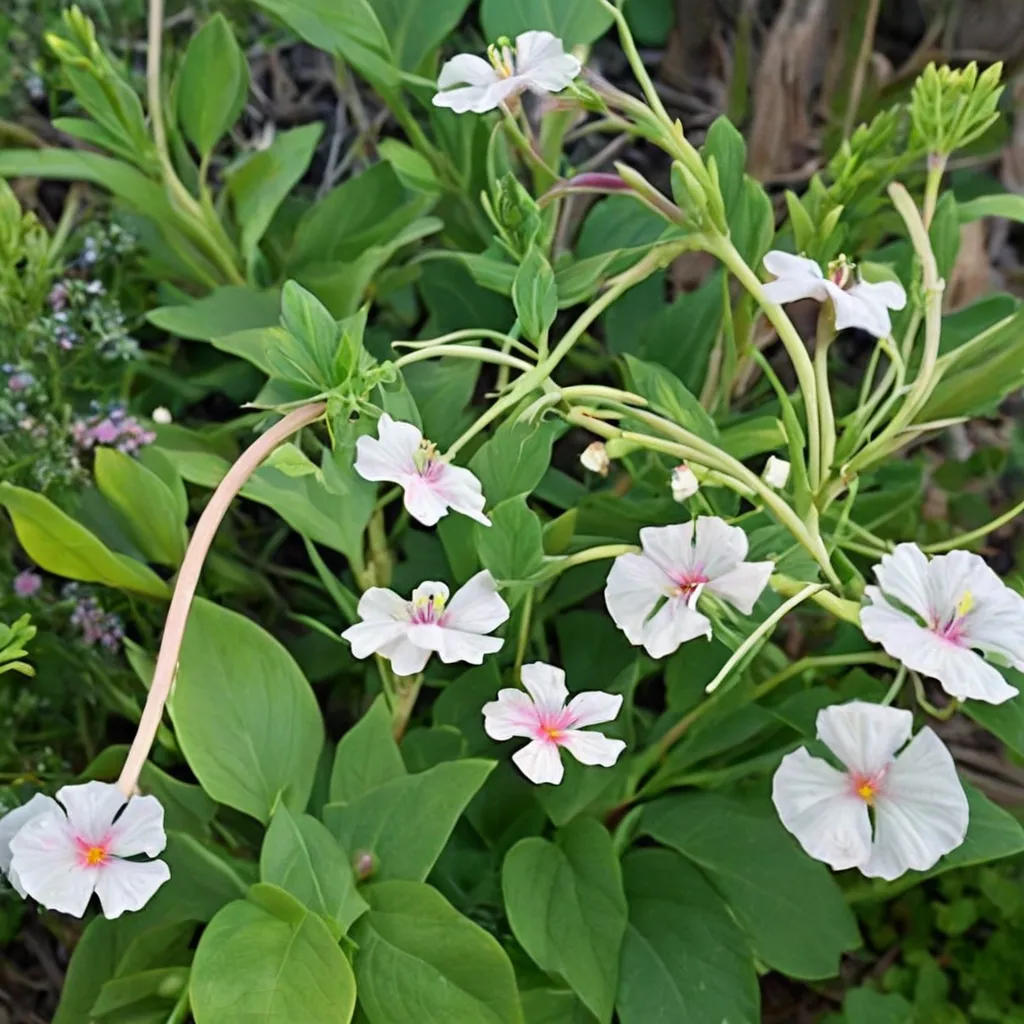
Long-flowered Four O'Clock
Mirabilis longiflora
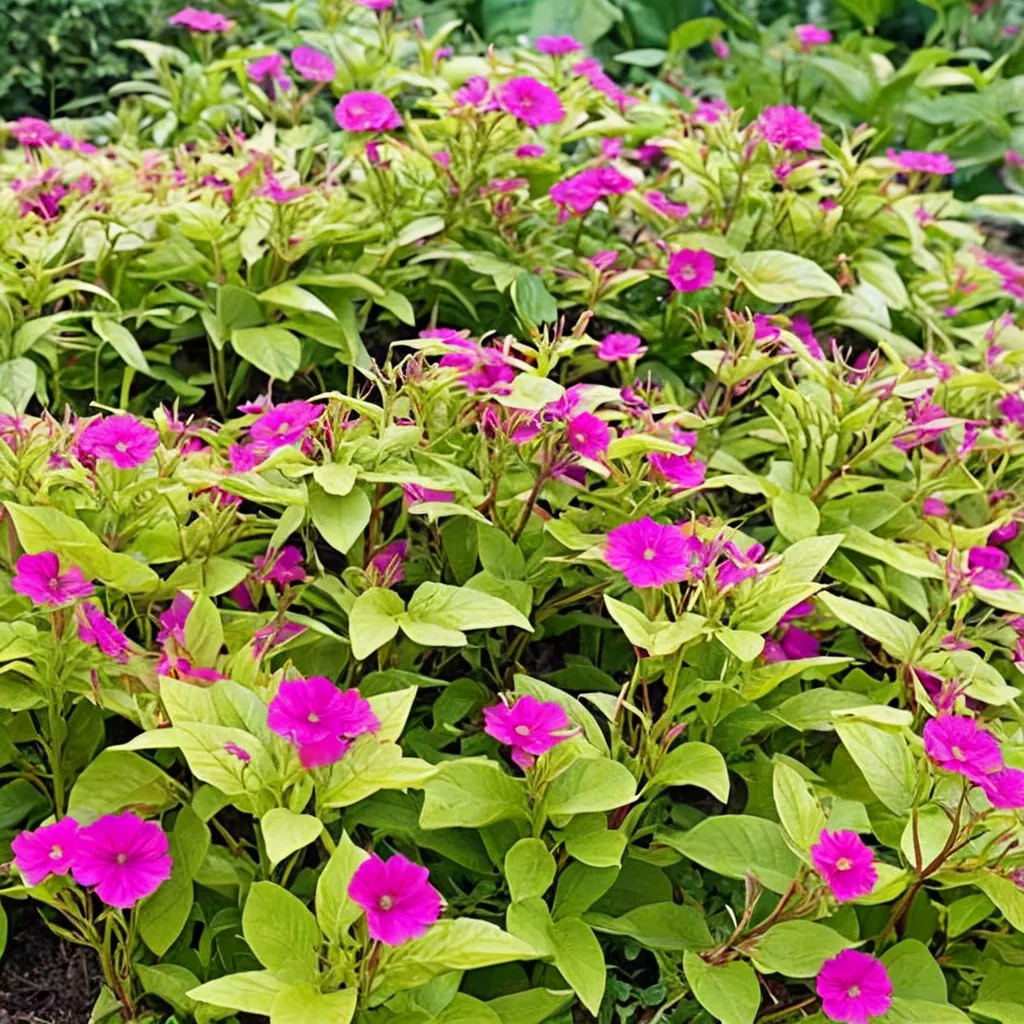
Four O'Clock Flower Limelight
Mirabilis jalapa 'Limelight'
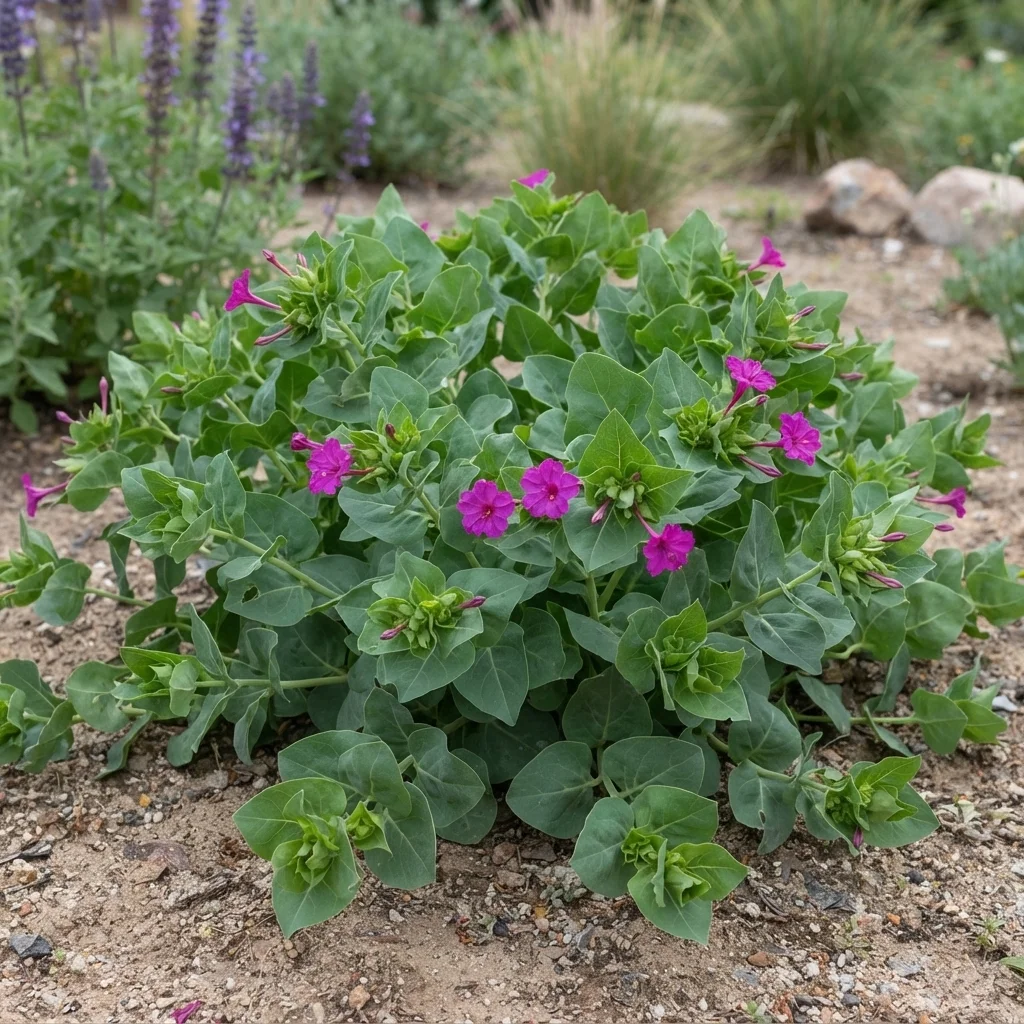
Colorado Four O'Clock
Mirabilis multiflora
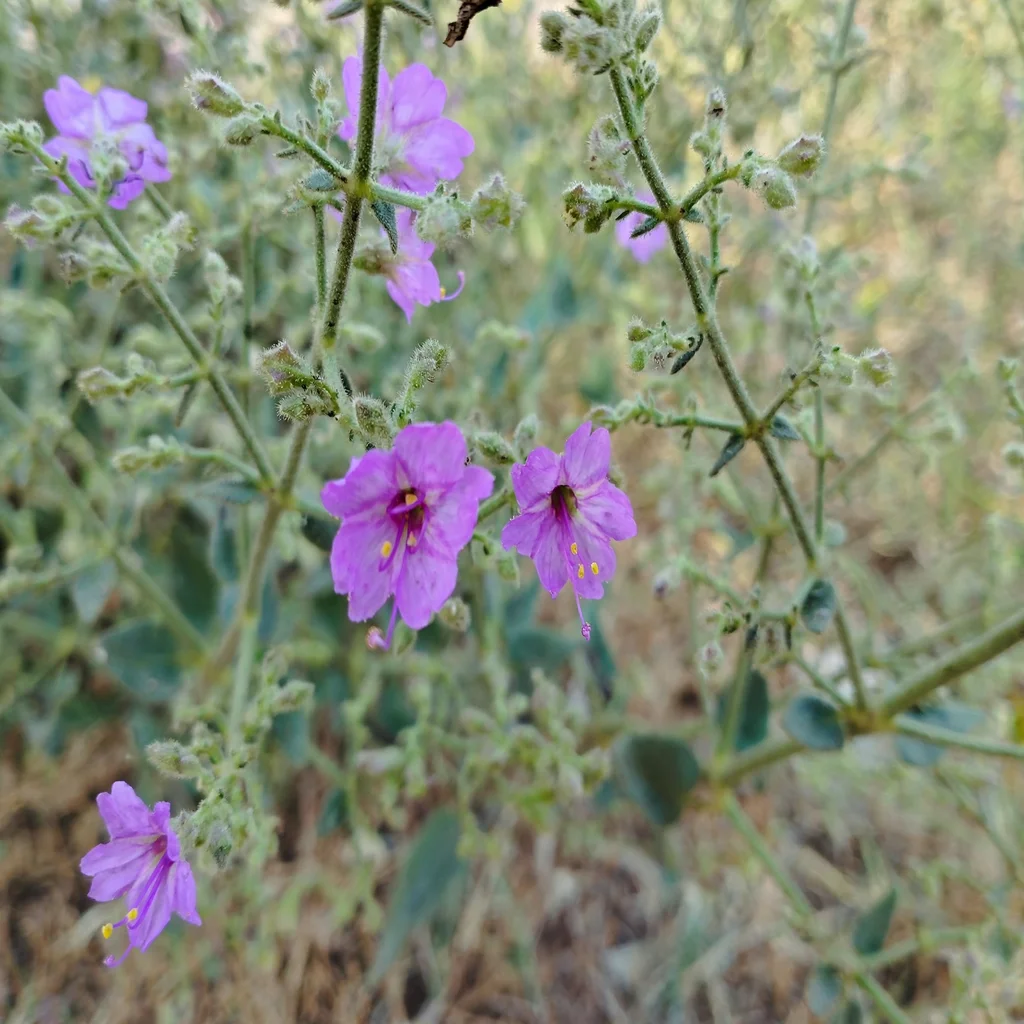
Sticky Four-O'Clock
Mirabilis viscosa
Keep exploring
Explore the genus
Hardy in your zone?
Grow Desert Wishbone-Bush with confidence
See it in a design of your actual yard, get zone-matched care reminders, and track it season by season in your garden journal.