The Story
Plant Bio
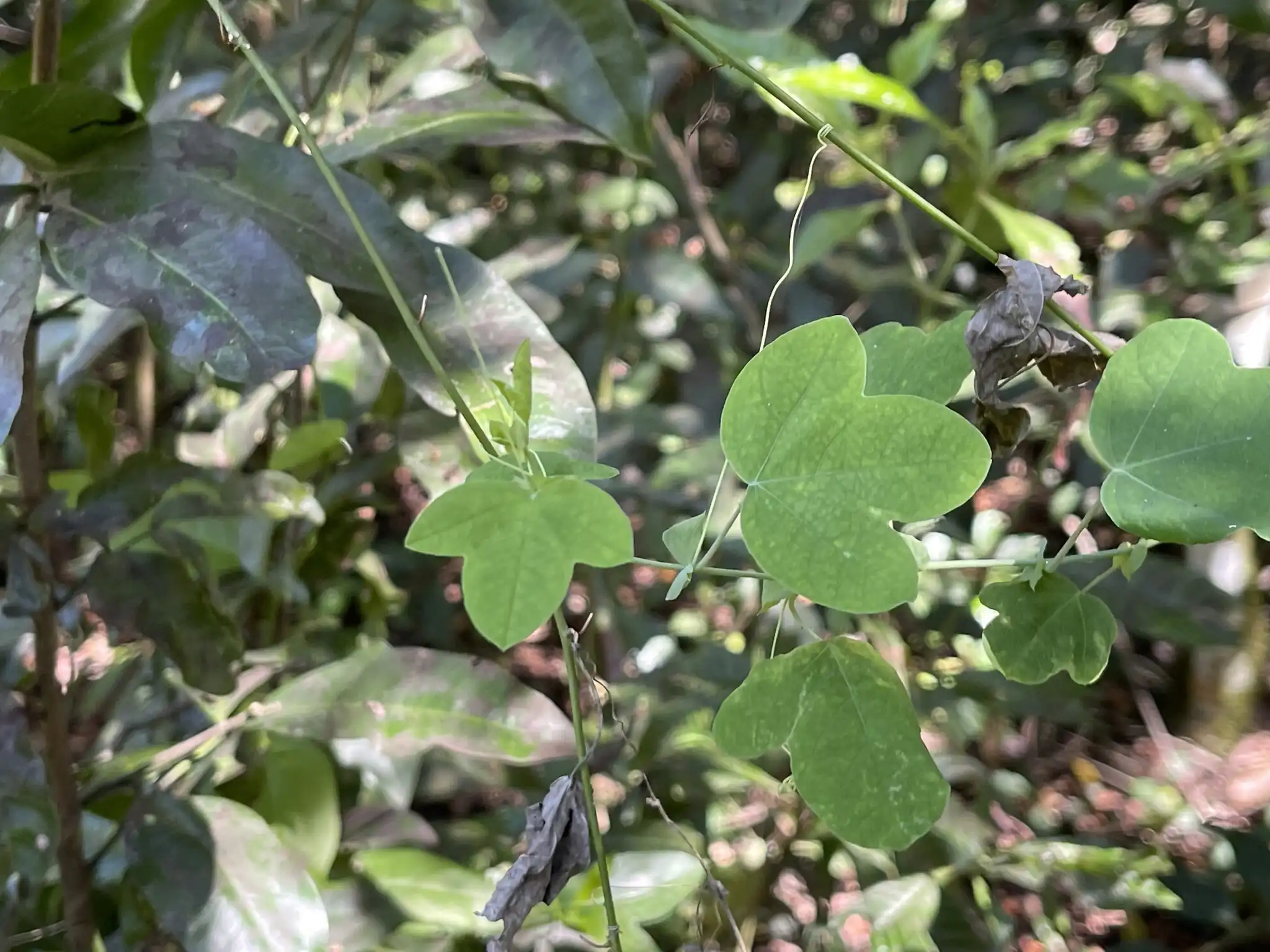
Passiflora pallens is a long-lived herbaceous vine that climbs by axillary tendrils on slender, hairless, rounded stems to 30 feet long. Foliage is alternate and shallowly three-lobed, and each node can bear a single axillary passionflower with a short cup and four ranks of corona filaments.
This species is distinguished by small leaves one to two inches long with the middle lobe as long as or longer than the laterals and toothed toward the base, subtended by kidney-shaped stipules. Its two inch flowers carry white sepals to one and one-half inches and white petals to one inch around outer corona filaments that are green at the base, white at the tip, and banded purple.
Uses & Benefits:
Essentials
At a Glance
Plant Type
Vine
Height
360"
Width
240"
Light
Full Sun, Partial Sun, Shade
Zones
10
Water
Medium
Humidity
Unknown
Lifespan
Perennial
Native To
Southern Florida, Cuba, Hispaniola
Toxicity
Unknown
Bloom period
Spring – Fall
In flower about 9 months of the year
Planting
How to Grow
- Plant in full sun to part shade at the base of a sturdy 20-foot trellis in moist, sharply drained soil.
- Water regularly to keep soil evenly moist but never flooded.
- Train young stems to the support and let tendrils grip on their own.
- Remove dead or tangled stems to keep the trellis framework open.
Pro Tip
Give it a tall trellis in bright light with moist but sharply drained soil; plants that start in shade climb toward light but stall and rot where water stands.
Keep It Thriving
Care Guide
Do
- Do provide a tall, sturdy trellis from planting day.
- Do keep soil evenly moist with good drainage.
- Do give bright light for flowering and fruiting.
Don't
- Do not plant in low ground where water stands.
- Do not wild-collect plants; this species is endangered in Florida.
- Do not confuse with common passionvines when buying seed.
Seasonal Care Calendar
| Task | Jan | Feb | Mar | Apr | May | Jun | Jul | Aug | Sep | Oct | Nov | Dec |
|---|---|---|---|---|---|---|---|---|---|---|---|---|
| Mulch | ||||||||||||
| Pest Check | ||||||||||||
| Plant | ||||||||||||
| Prune | ||||||||||||
| Stake |
Watch Out For
Pests & Diseases
Common Pests
Common Diseases
In the Garden
Landscape Uses & Companions
Landscape Uses
Multiply
Propagation Methods
Good to Know
Common Questions
Pineland Passionflower questions
What zones can Pineland Passionflower grow in?
Pineland Passionflower is hardy in USDA Zone 10: in that range it survives winter in the ground. Colder than Zone 10, grow it in a container you can move to shelter for the winter, or as an annual.
When does Pineland Passionflower bloom?
Pineland Passionflower typically blooms from spring to fall. Exact timing shifts a week or two with your zone — Sow's bloom calendar maps it to your garden.
Does Pineland Passionflower need full sun?
Pineland Passionflower does best in full sun to part shade. In hot climates, afternoon shade keeps blooms fresher longer.
More Passiflora to compare
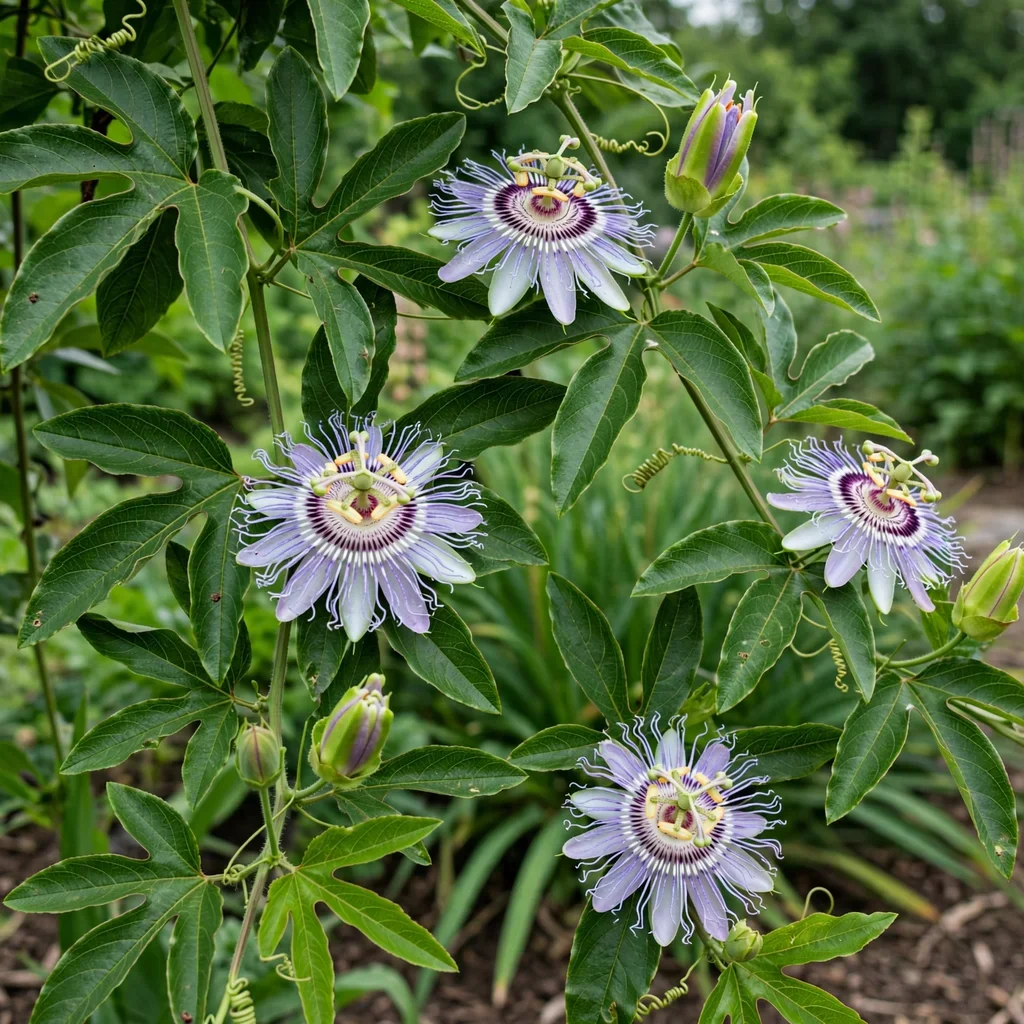
Purple Passionflower
Passiflora incarnata
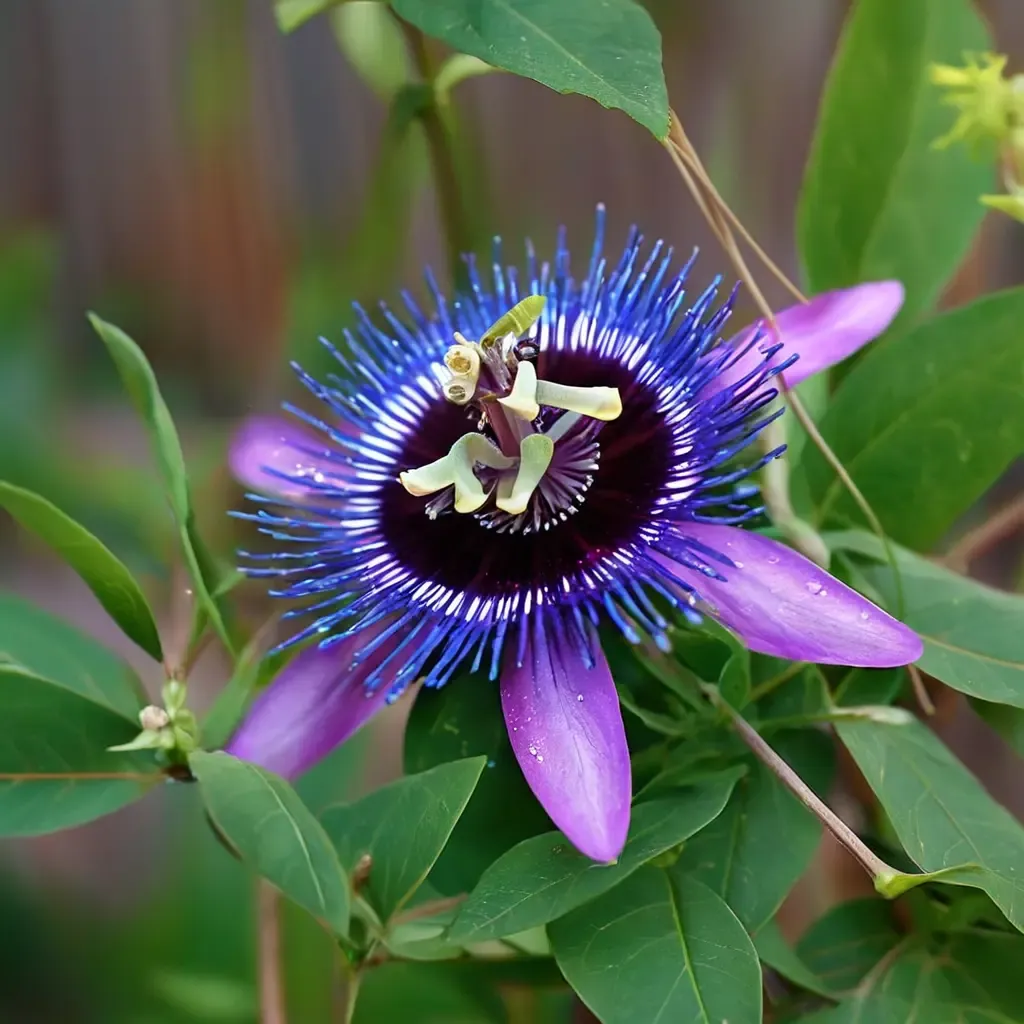
Blue Passionflower
Passiflora loefgrenii
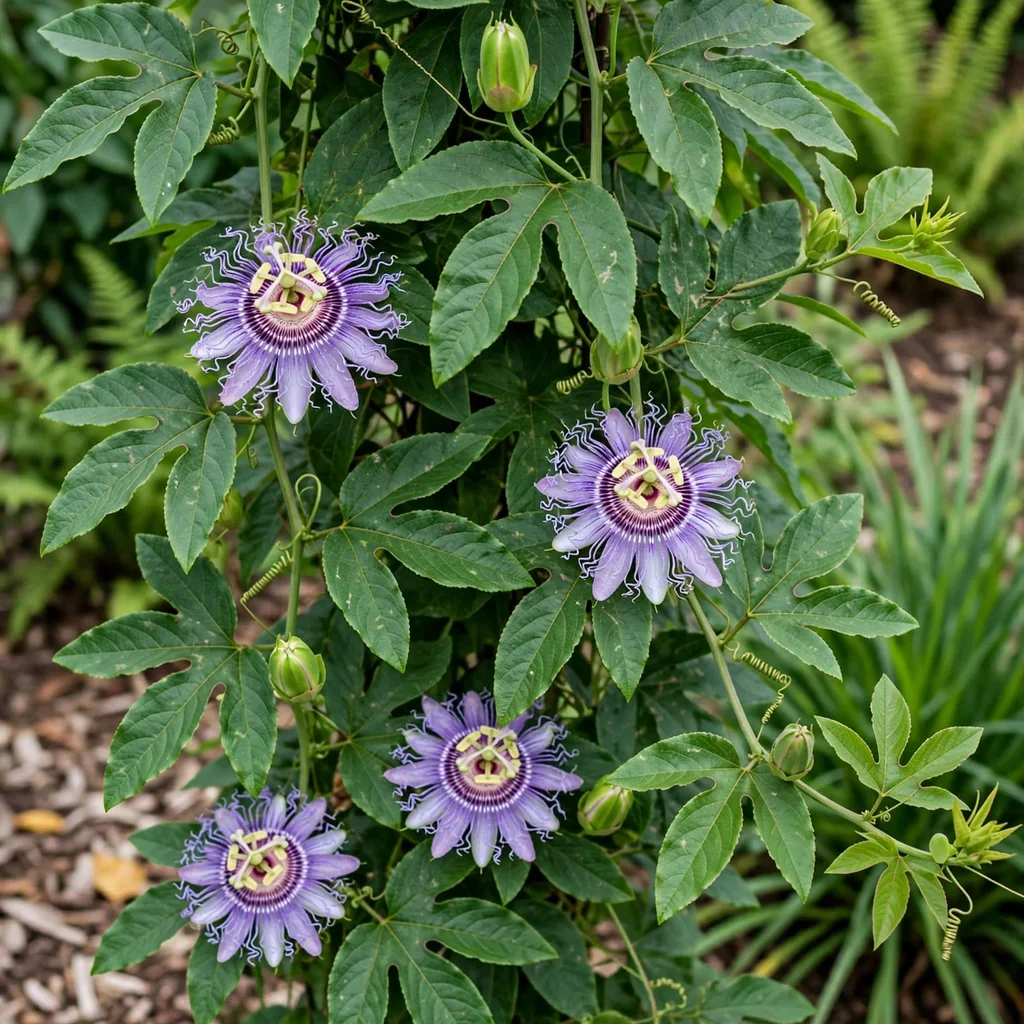
Butterfly Flower Purple Passionflower
Passiflora incarnata 'Butterfly Flower'
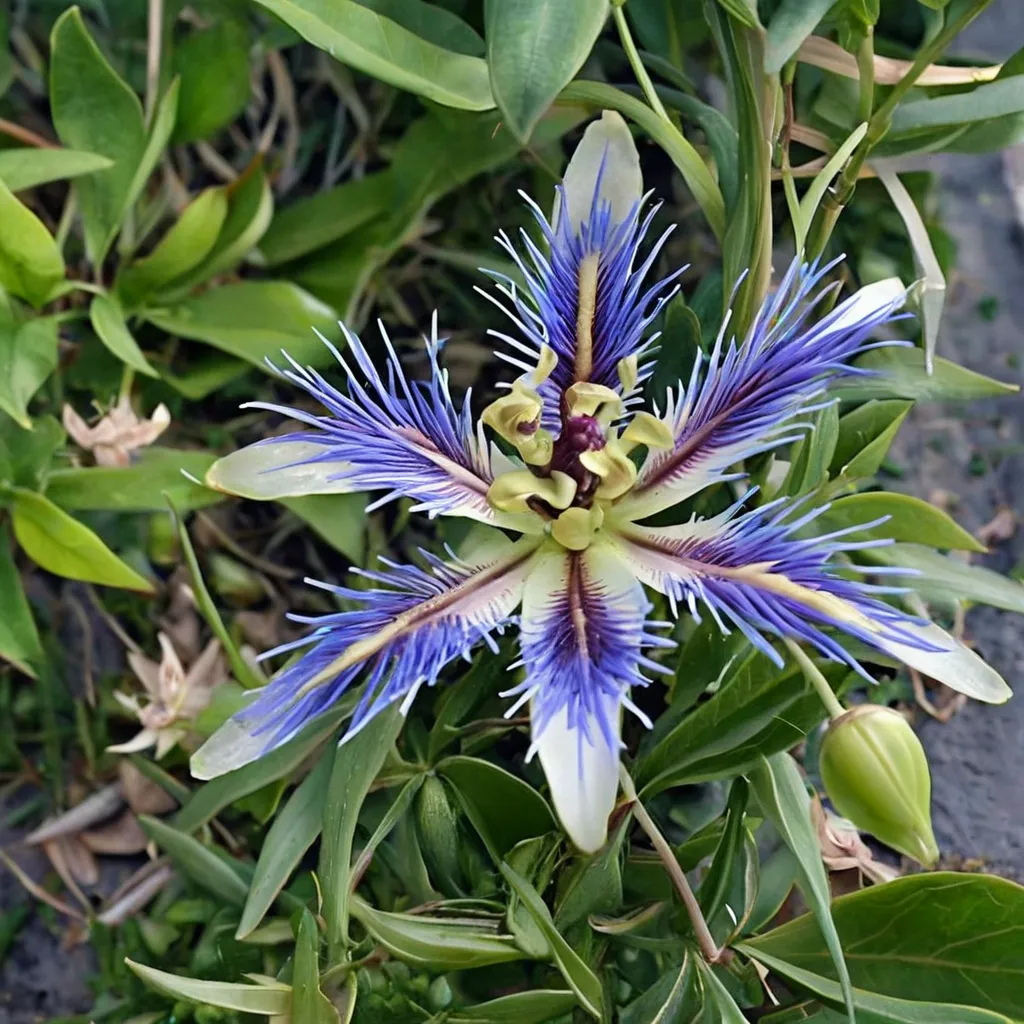
Waterloo Blue Passionflower
Passiflora caerulea 'Waterloo Blue'
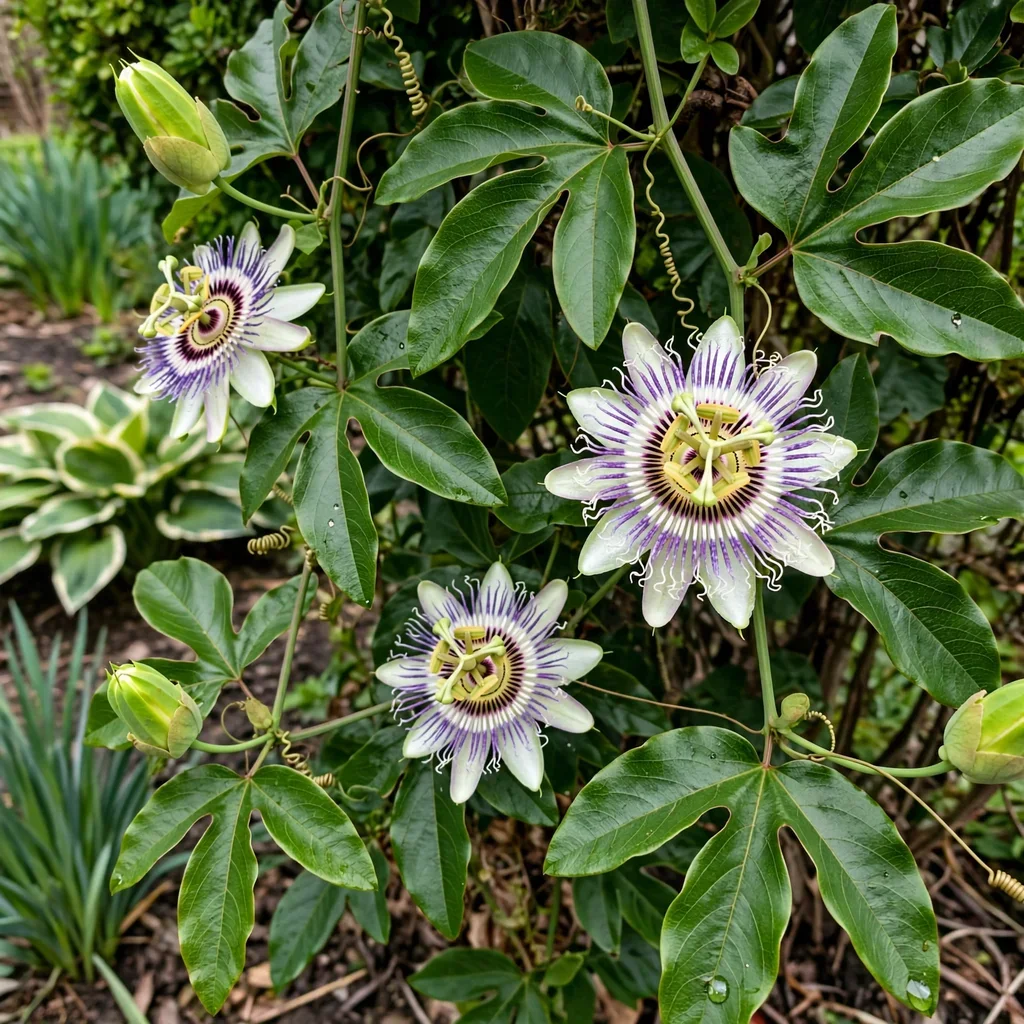
Sea Anemone Passion Flower
Passiflora actinia
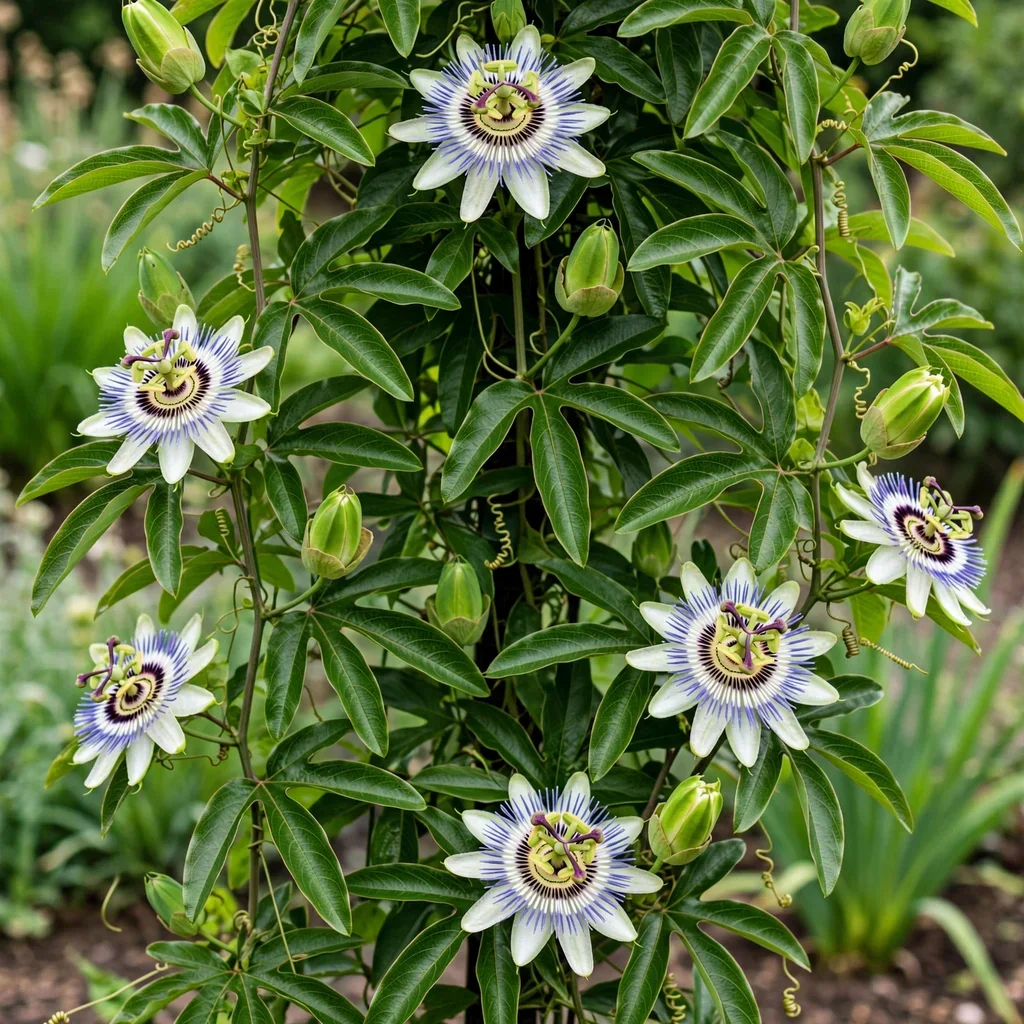
White Passionflower
Passiflora alba 'Blue Horizon'
Keep exploring
Explore the genus
Hardy in your zone?
Grow Pineland Passionflower with confidence
See it in a design of your actual yard, get zone-matched care reminders, and track it season by season in your garden journal.