The Story
Plant Bio
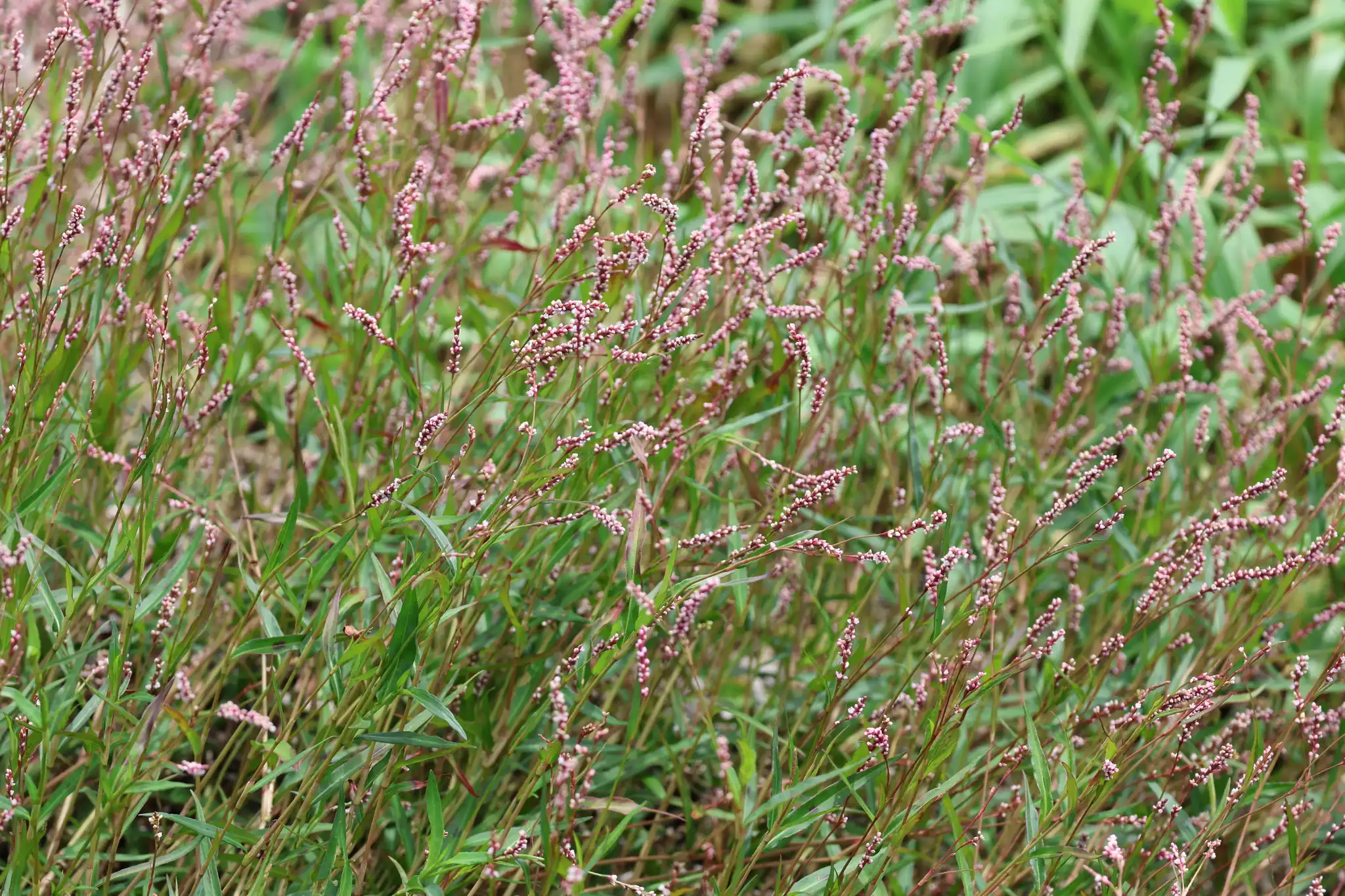
Persicaria decipiens is a trailing, semi-aquatic perennial herb that roots at the nodes to form dense, creeping mats in wet soils and shallow water. Its narrow, lance-shaped green leaves feature a dark purplish blotch near the center, accompanied by nodding terminal spikes of tiny pink flowers through summer and fall.
This species thrives in saturated mud and fully submerged margins where horizontal stems rapidly spread to stabilize waterlines. In cold winter conditions or deeper water, the foliage becomes compact and stems take on a pronounced reddish hue.
Uses & Benefits:
Essentials
At a Glance
Plant Type
Aquatic
Height
31"
Width
39"
Light
Full Sun, Partial Sun, Shade
Zones
6, 7, 8, 9
Water
High / Saturated
Humidity
High
Lifespan
Perennial
Native To
Tropical and Subtropical Old World to Australasia
Toxicity
Non-toxic
Bloom period
Summer – Fall
In flower about 6 months of the year
Planting
How to Grow
- Select a site in full sun to shade with muddy soil, bog conditions, or shallow standing water up to 4 inches deep.
- Press bare-root divisions or plugs directly into saturated soil, ensuring stem nodes contact the mud to promote rooting.
- Maintain saturated soil or consistent shallow water levels throughout the entire establishment phase.
- Trim trailing stems late in the season only if growth begins to block light or choke water flow.
Pro Tip
Plant directly into saturated soil or shallow water features, as establishing plants in dry garden beds causes rapid decline from desiccation.
Keep It Thriving
Care Guide
Do
- Keep soil continuously wet or submerged in shallow water.
- Allow top growth to die back naturally in winter to shelter rootstock.
Don't
- Do not plant in dry garden borders or free-draining sandy soils.
- Do not apply synthetic fertilizers in water features where nutrient runoff promotes algae.
Seasonal Care Calendar
| Task | Jan | Feb | Mar | Apr | May | Jun | Jul | Aug | Sep | Oct | Nov | Dec |
|---|---|---|---|---|---|---|---|---|---|---|---|---|
| Divide | ||||||||||||
| Plant | ||||||||||||
| Prune | ||||||||||||
| Winter Prep |
Watch Out For
Pests & Diseases
Common Pests
Common Diseases
In the Garden
Landscape Uses & Companions
Landscape Uses
Multiply
Propagation Methods
Good to Know
Common Questions
Slender Knotweed questions
What zones can Slender Knotweed grow in?
Slender Knotweed is hardy in USDA Zones 6–9: in that range it survives winter in the ground. Colder than Zone 6, grow it in a container you can move to shelter for the winter, or as an annual. Warmer than Zone 9, winter isn't the problem: it prefers colder winters, and summer heat can shorten its life.
When does Slender Knotweed bloom?
Slender Knotweed typically blooms from summer to fall. Exact timing shifts a week or two with your zone — Sow's bloom calendar maps it to your garden.
Does Slender Knotweed need full sun?
Slender Knotweed does best in full sun to part shade. In hot climates, afternoon shade keeps blooms fresher longer.
More Persicaria to compare
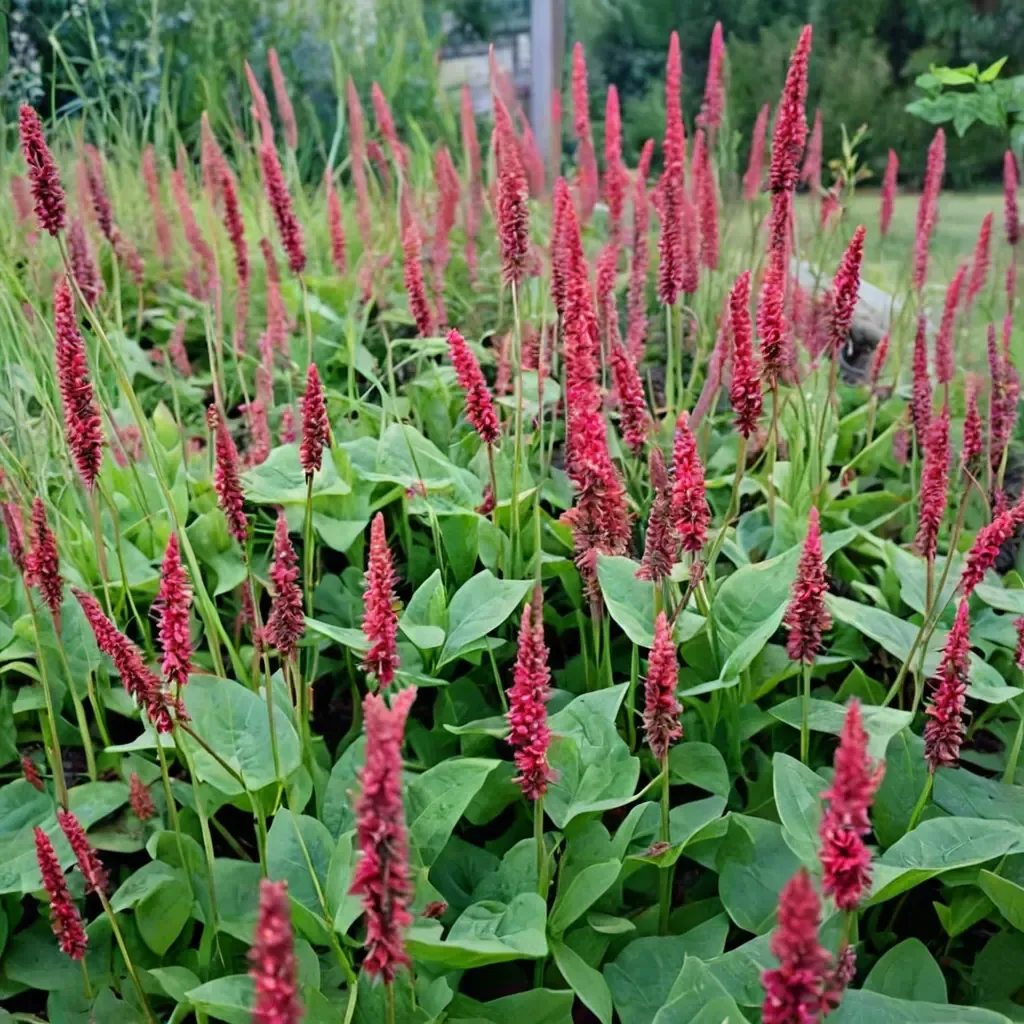
Mountain Fleece Chinese Fleeceflower
Persicaria amplexicaulis
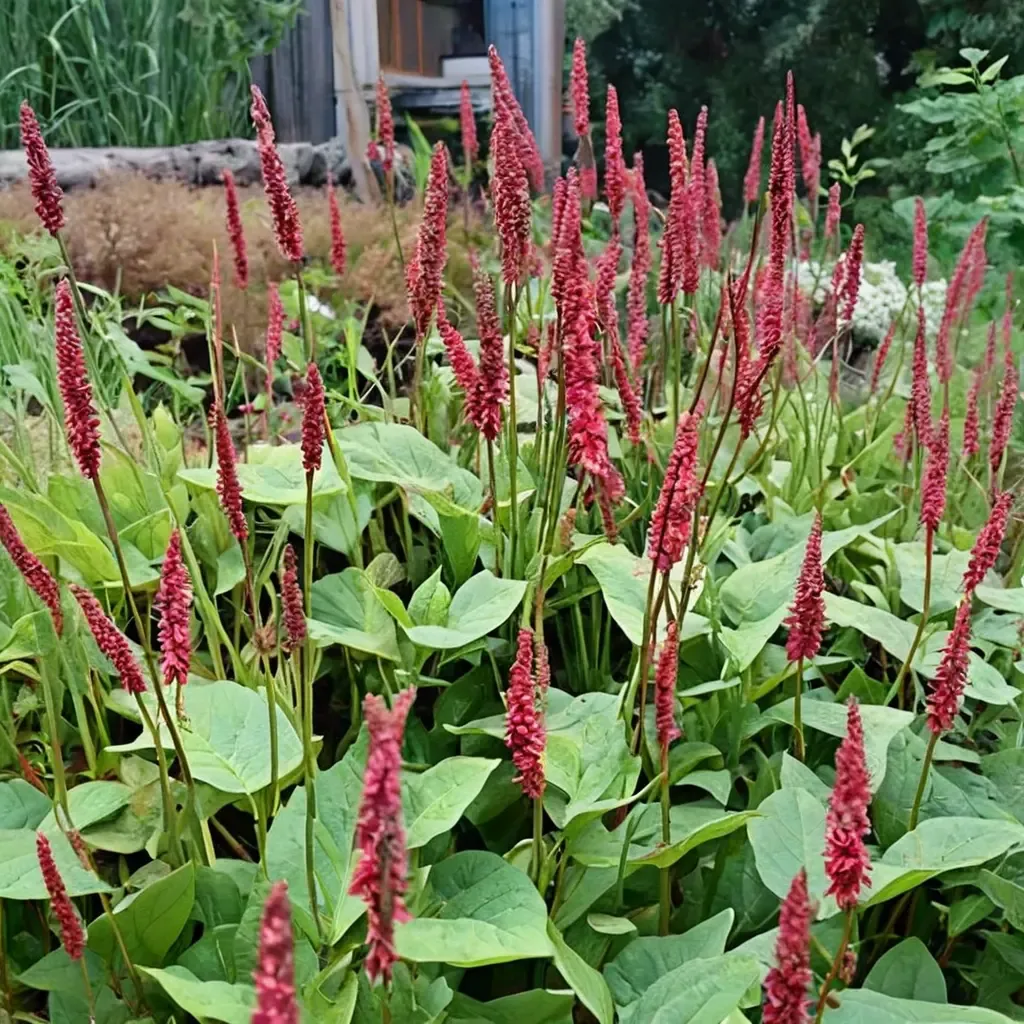
Mountain Fleece 'Firetail'
Persicaria amplexicaulis 'Firetail'
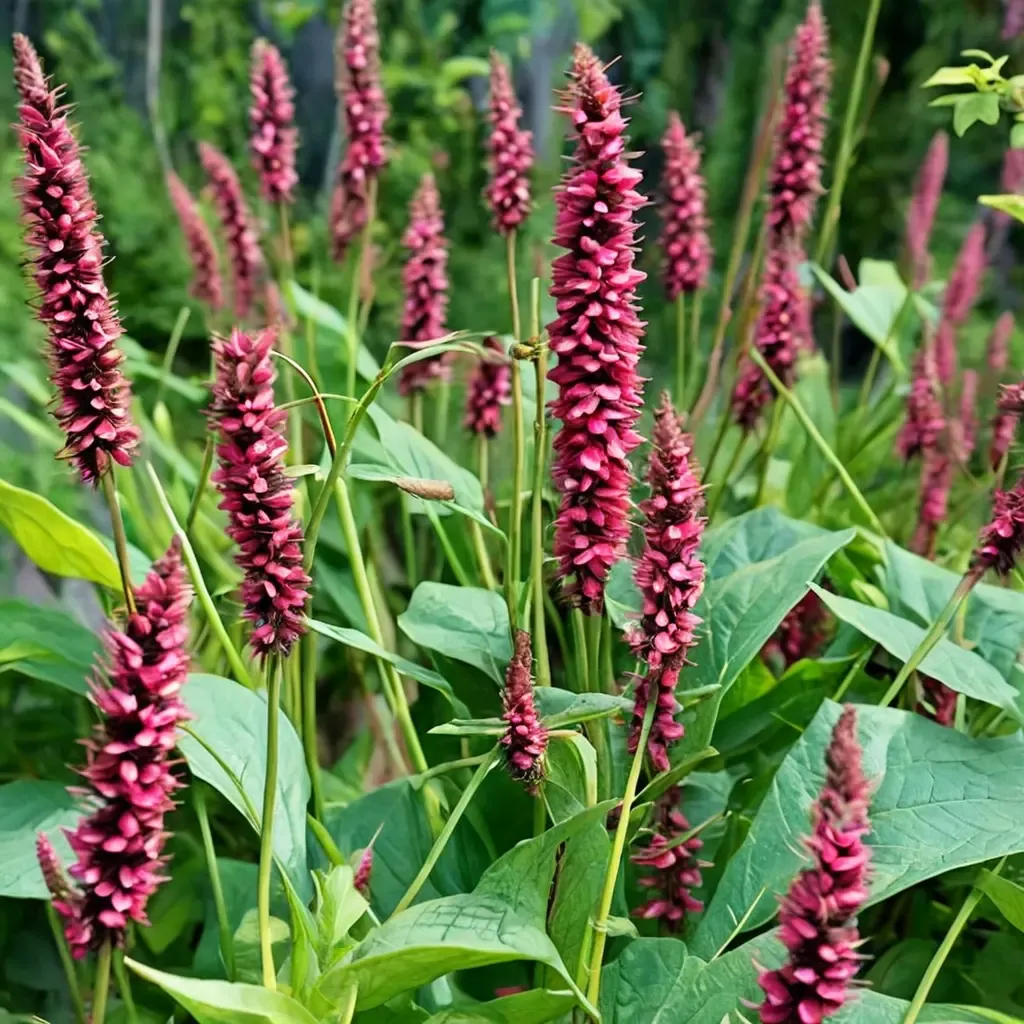
Taurus Mountain Fleece
Persicaria amplexicaulis 'Taurus'
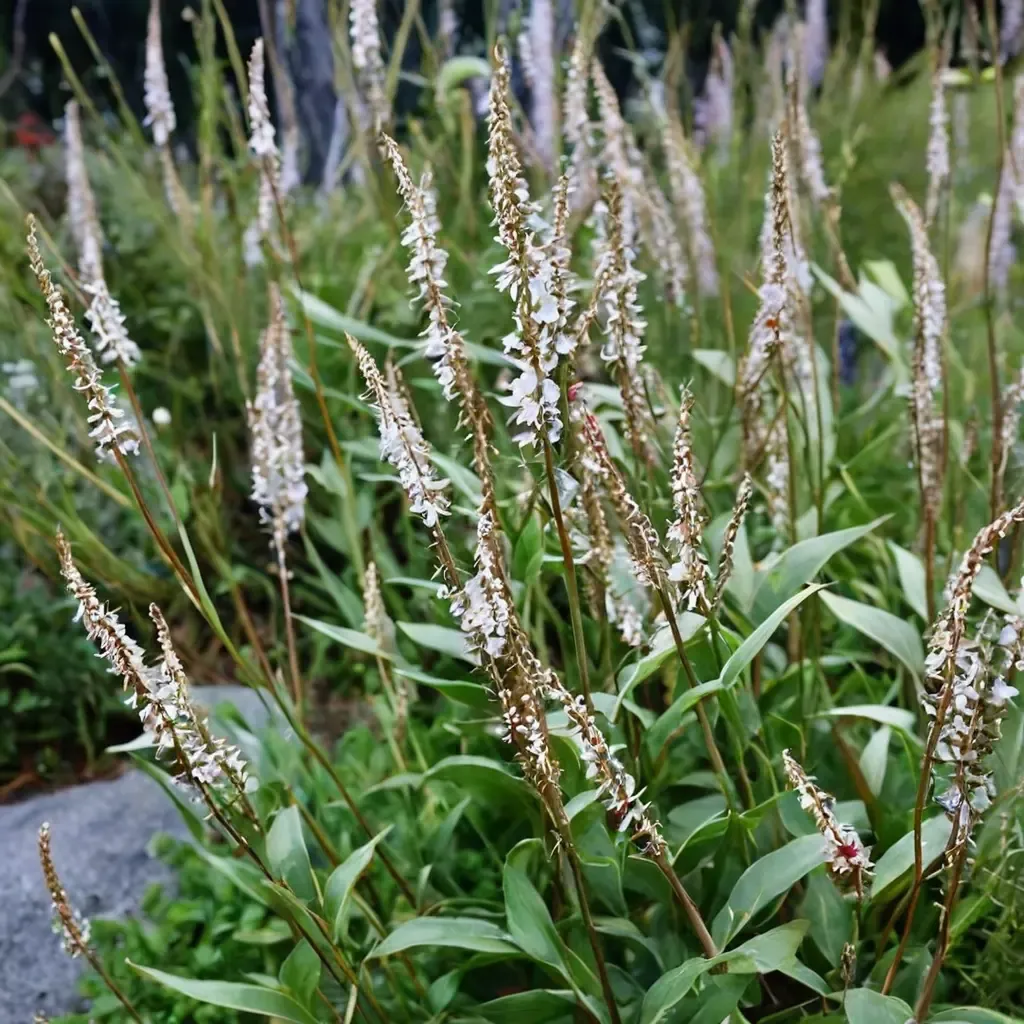
White Mountain Knotweed
Persicaria amplexicaulis 'Alba'
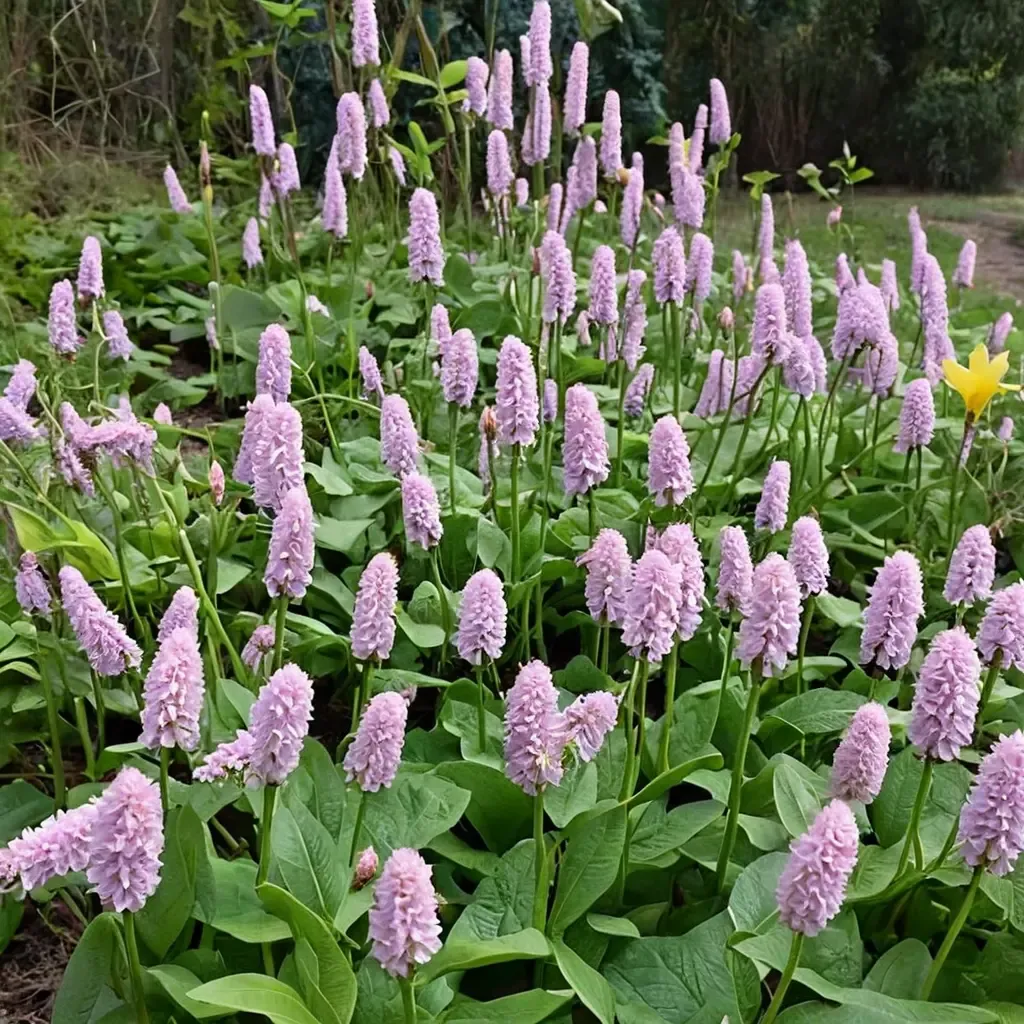
Superba bistort
Persicaria bistorta 'Superba'
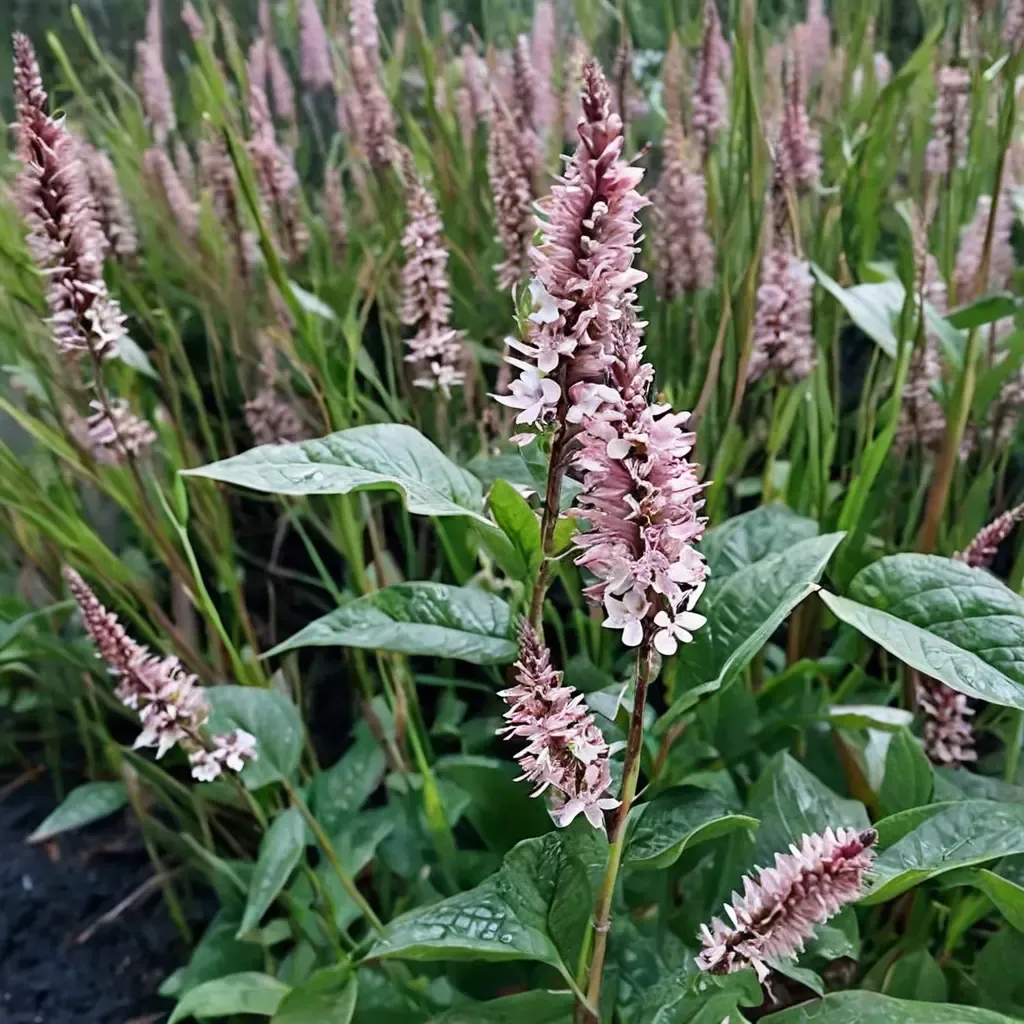
Rosea Mountain Fleece
Persicaria amplexicaulis 'Rosea'
Keep exploring
Explore the genus
Hardy in your zone?
Grow Slender Knotweed with confidence
See it in a design of your actual yard, get zone-matched care reminders, and track it season by season in your garden journal.