The Story
Plant Bio
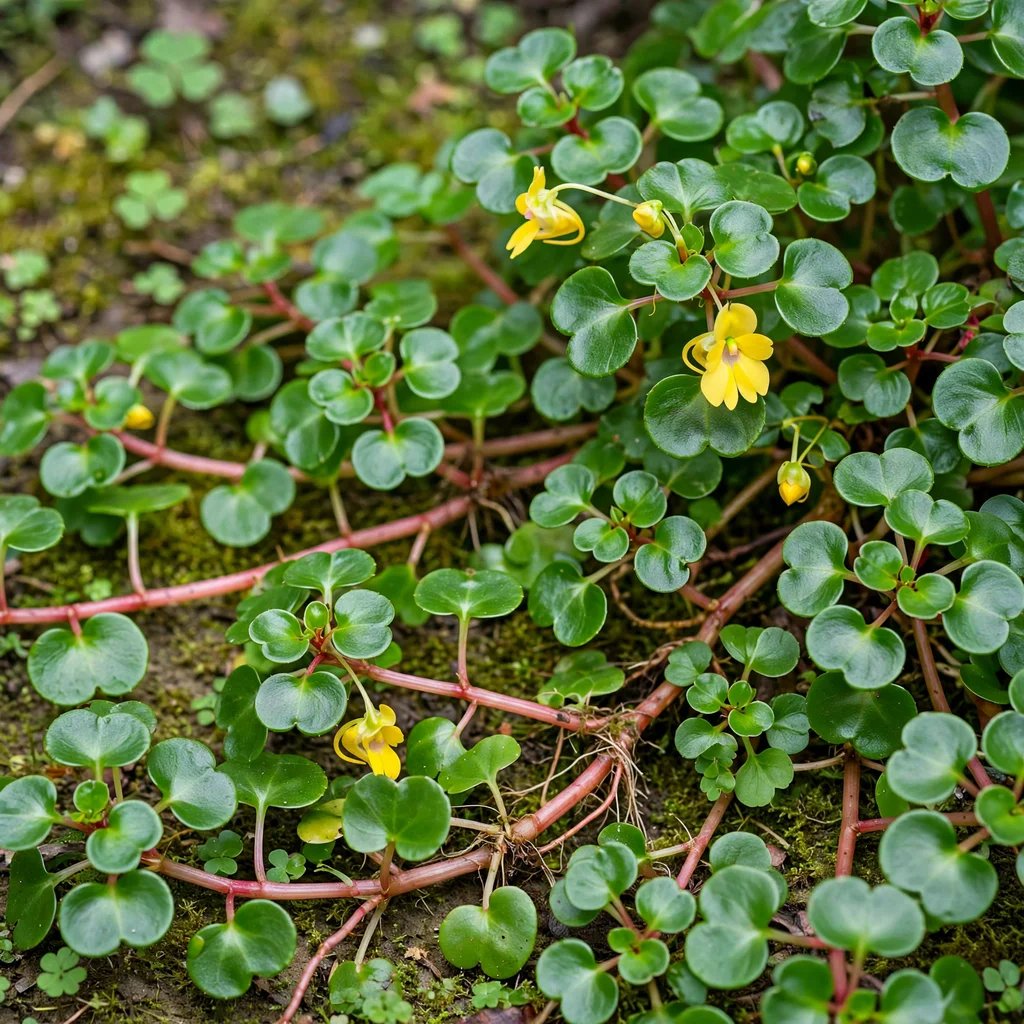
Impatiens repens is a tender evergreen perennial from the moist forest understory of Sri Lanka, forming a low mat of fleshy red trailing stems about eight inches high and twenty inches across. The alternate leaves are small, kidney-shaped and glossy green, and the water-filled stems root where they touch damp soil.
Unlike upright bedding impatiens, it spreads by creeping and cascading, with trailing stems reaching three to four feet in a hanging basket while staying inches tall. Flowers are solitary clear-yellow hooded trumpets about an inch and a half long with a slender spur, carried singly in the leaf axils from late spring to fall.
Uses & Benefits:
Essentials
At a Glance
Plant Type
Groundcover
Height
8"
Width
20"
Light
Partial Sun, Shade
Zones
9, 10
Water
Evenly moist
Humidity
High
Lifespan
Tender perennial
Native To
Sri Lanka
Toxicity
Non-toxic to humans and pets
Bloom period
Late spring – Fall
In flower about 7 months of the year
Planting
How to Grow
- Plant after all frost in partial to bright shade in humus-rich, moist but well-drained loam-based mix.
- Set crowns at the same depth as in the pot and space plants to allow air flow between them.
- Water to keep mix evenly moist, never waterlogged, watering at the base to keep leaves dry.
- Feed with balanced liquid fertilizer every 4 to 6 weeks during growth only.
- Bring containers indoors before nights drop below 50F and hold at 60 to 80F in bright indirect light.
Pro Tip
Water at the base in the morning and keep air moving; wet foliage and soggy mix bring downy mildew and stem rot before missed feeding ever shows.
Keep It Thriving
Care Guide
Do
- Grow in partial to bright shade out of hot direct sun
- Keep mix evenly moist with sharp drainage
- Provide humidity with gentle air flow
Don't
- Do not expose to frost or temperatures below 50F
- Do not overwater, leave soggy, or water overhead
- Do not cut back into old leafless wood
Seasonal Care Calendar
| Task | Jan | Feb | Mar | Apr | May | Jun | Jul | Aug | Sep | Oct | Nov | Dec |
|---|---|---|---|---|---|---|---|---|---|---|---|---|
| Fertilize | ||||||||||||
| Lift Store | ||||||||||||
| Pest Check | ||||||||||||
| Plant | ||||||||||||
| Prune |
Watch Out For
Pests & Diseases
Common Pests
Common Diseases
In the Garden
Landscape Uses & Companions
Landscape Uses
Companion Plants
Multiply
Propagation Methods
Good to Know
Common Questions
Creeping Balsam questions
What zones can Creeping Balsam grow in?
Creeping Balsam is hardy in USDA Zones 9–10: in that range it survives winter in the ground. Colder than Zone 9, grow it in a container you can move to shelter for the winter, or as an annual.
Is Creeping Balsam deer resistant?
Not reliably. Deer may browse Creeping Balsam, especially tender spring growth — plan on repellents or fencing where pressure is high.
When does Creeping Balsam bloom?
Creeping Balsam typically blooms from late spring to late fall. Exact timing shifts a week or two with your zone — Sow's bloom calendar maps it to your garden.
Does Creeping Balsam need full sun?
Creeping Balsam does best in part shade.
More Impatiens to compare
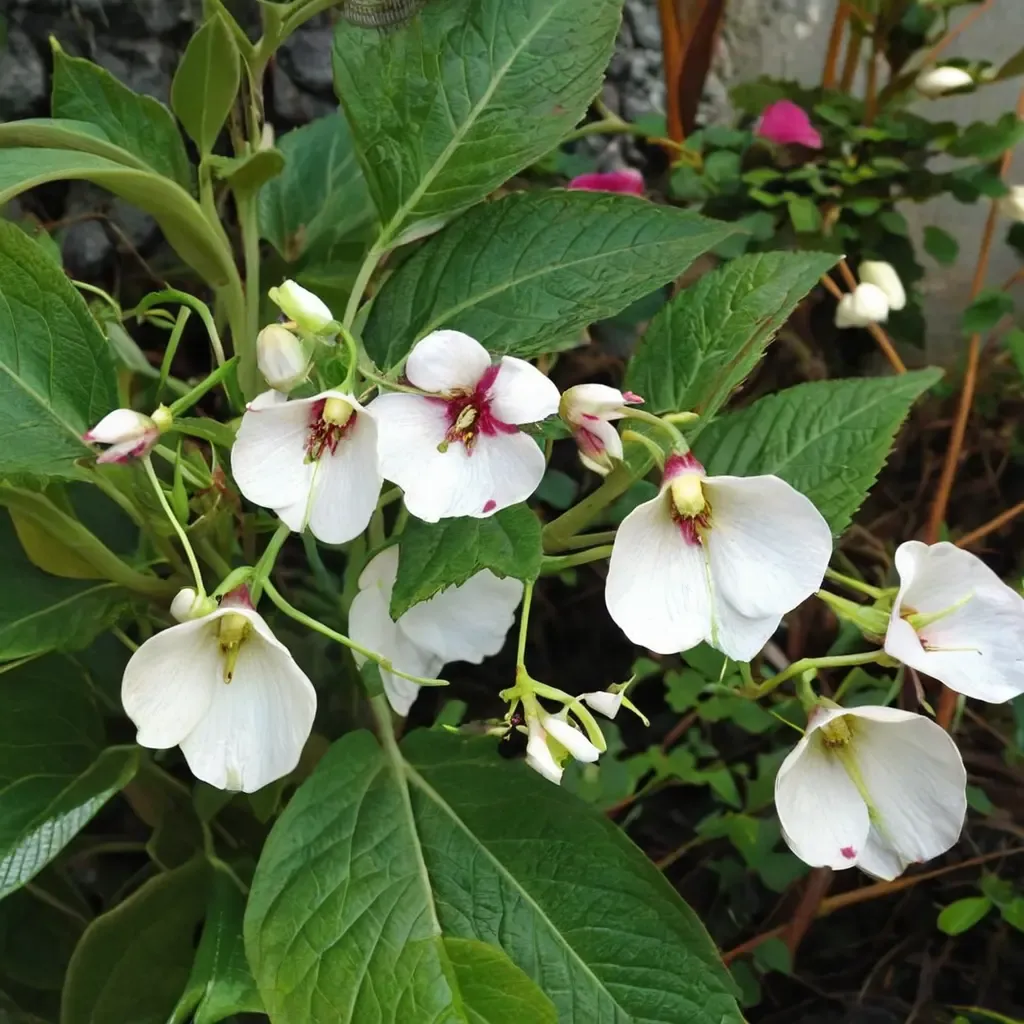
Dyemaker's Balsam
Impatiens tinctoria
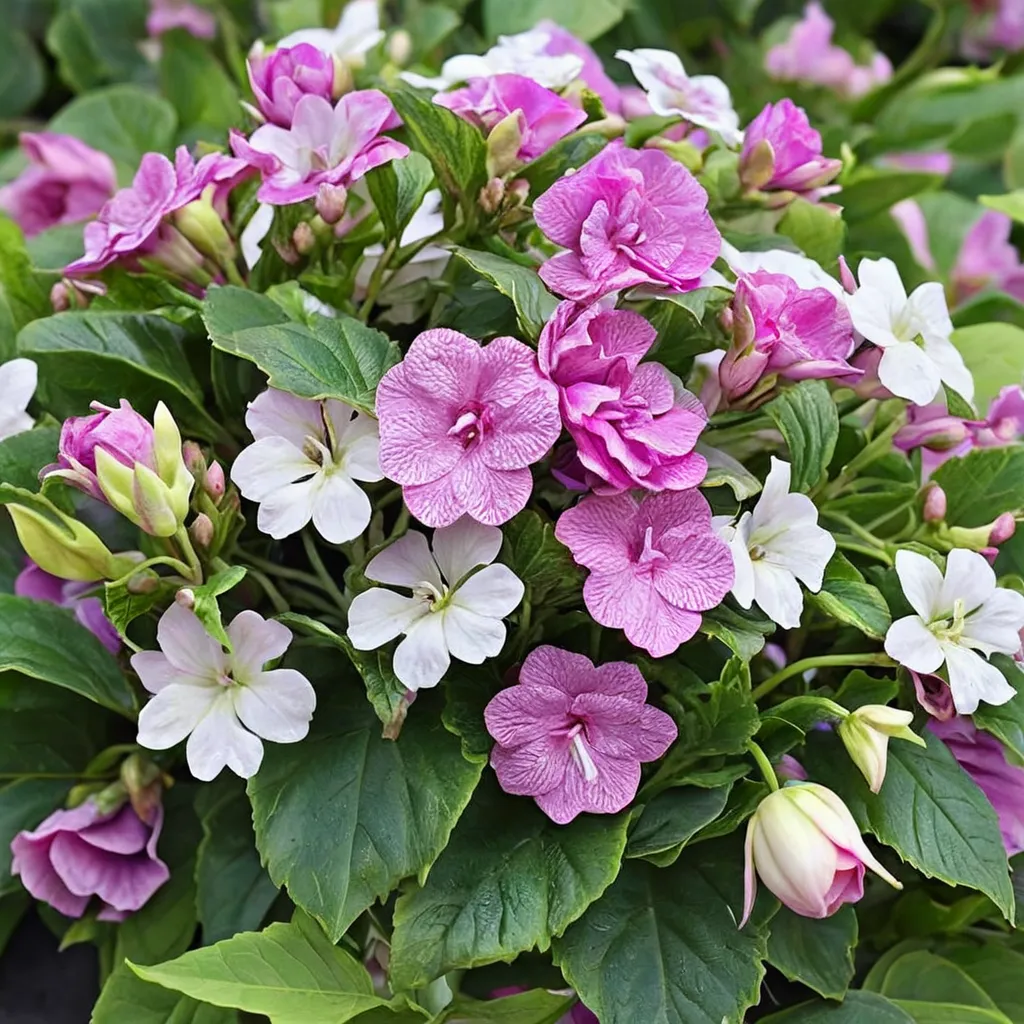
Rockapulco Wisteria Impatiens
Impatiens walleriana 'Rockapulco Wisteria'
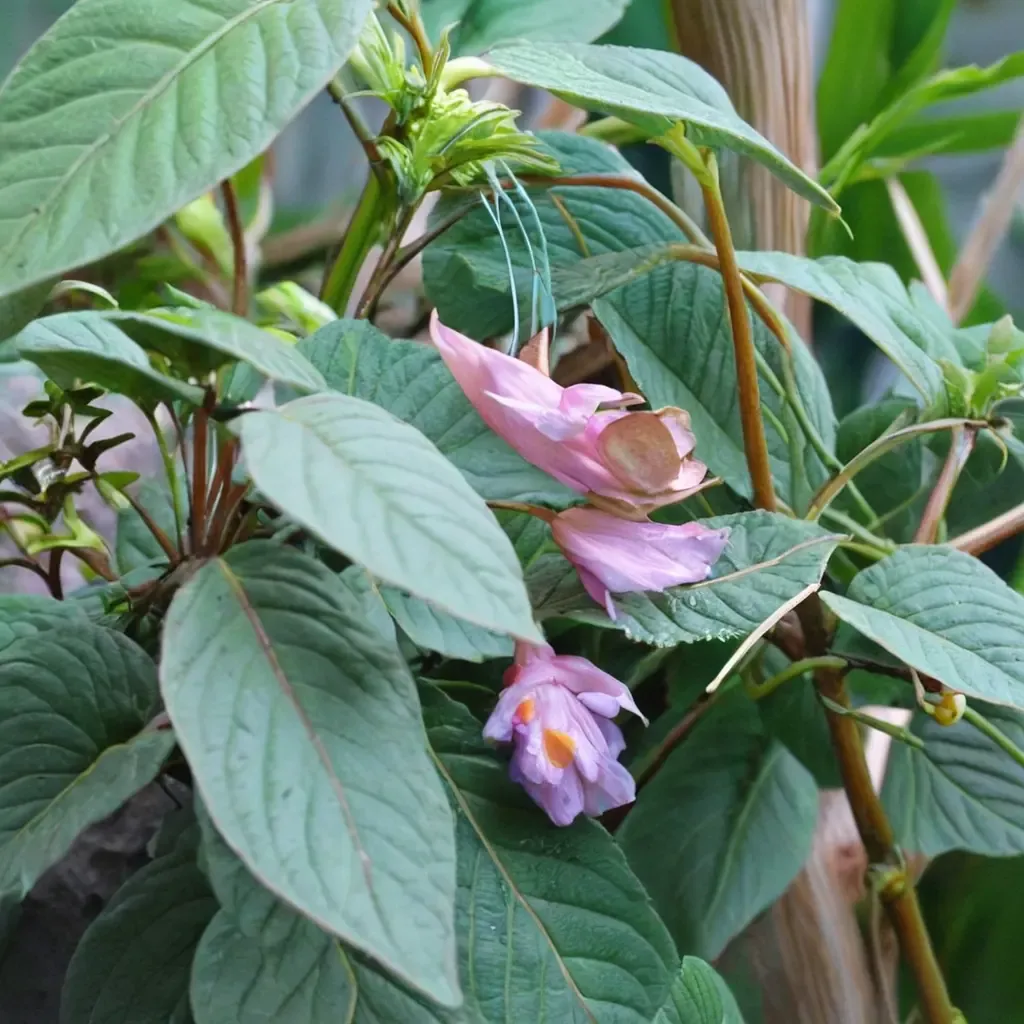
Blue Diamond Impatiens
Impatiens arguta
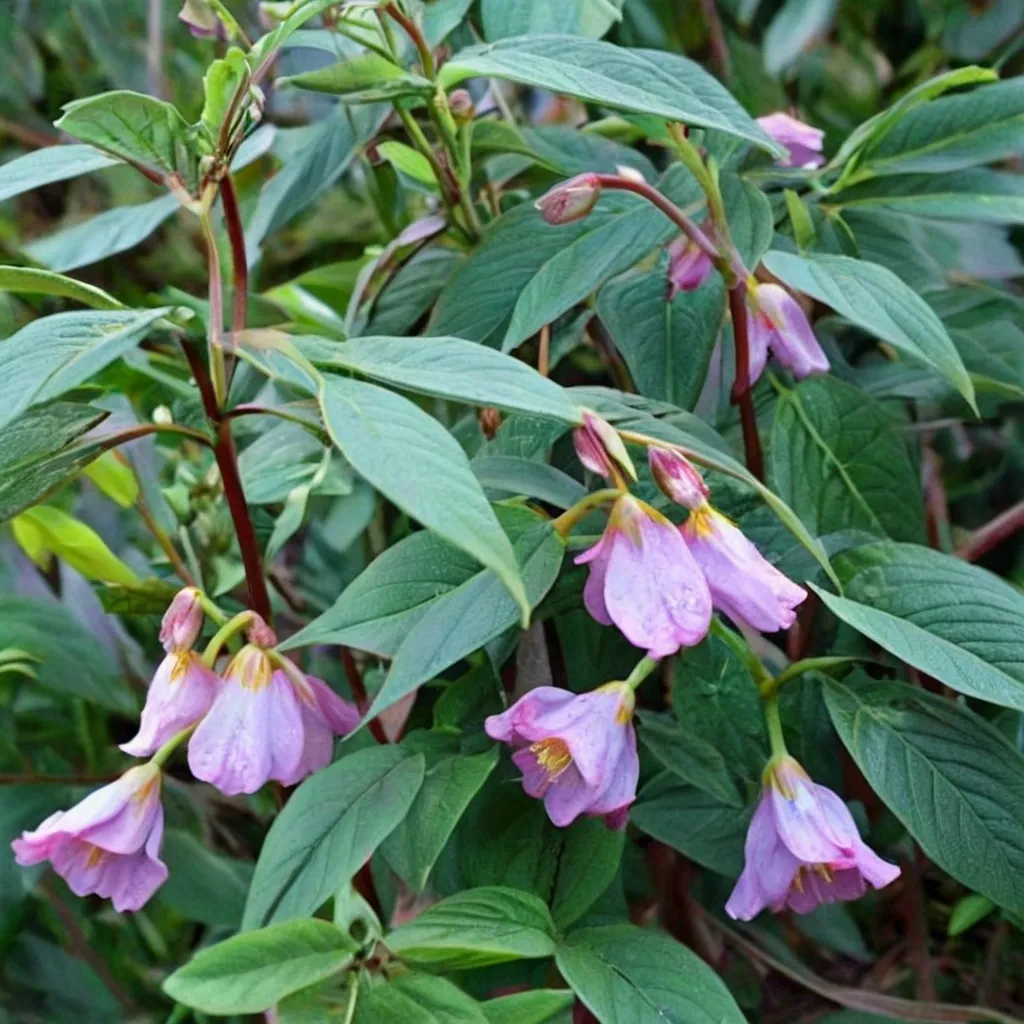
Impatiens Blue Dream
Impatiens arguta 'Blue Dream'
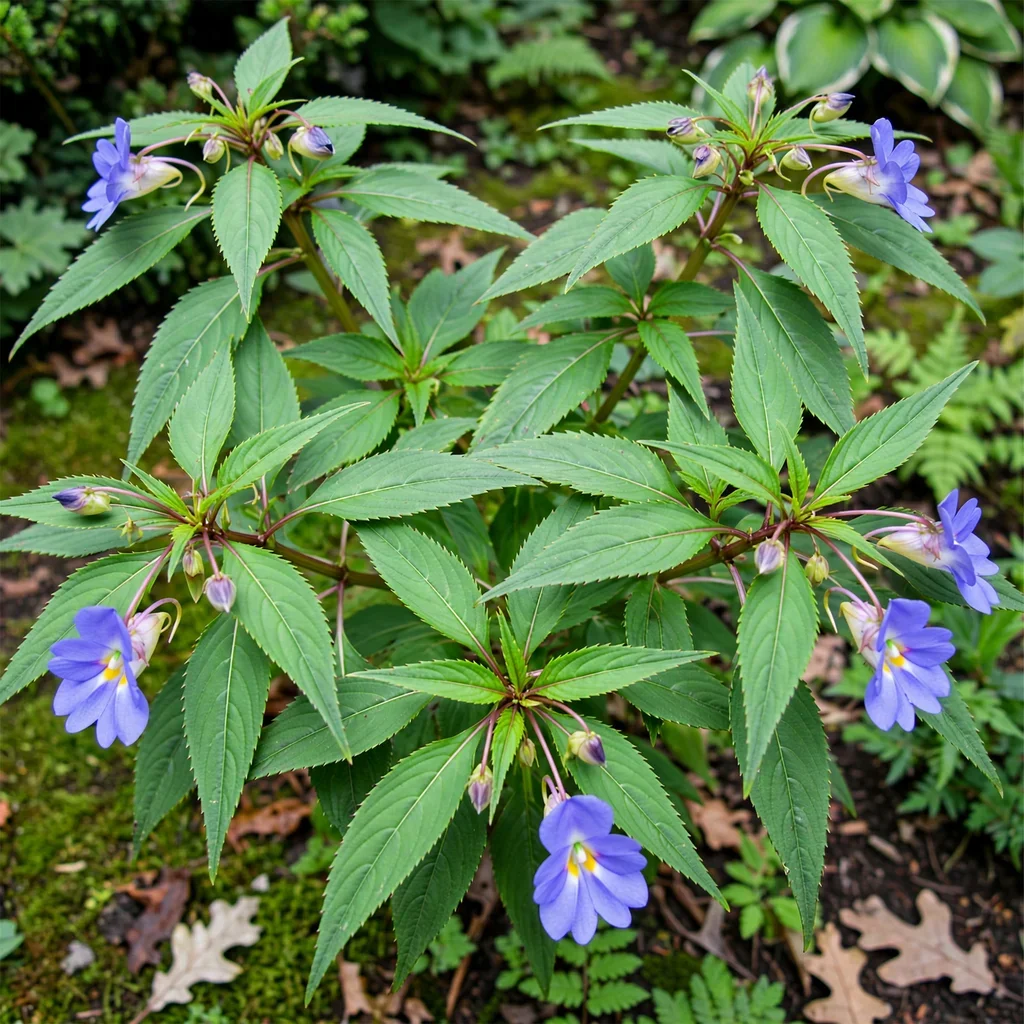
Blue Diamond Balsam
Impatiens namchabarwensis 'Blue Diamond'
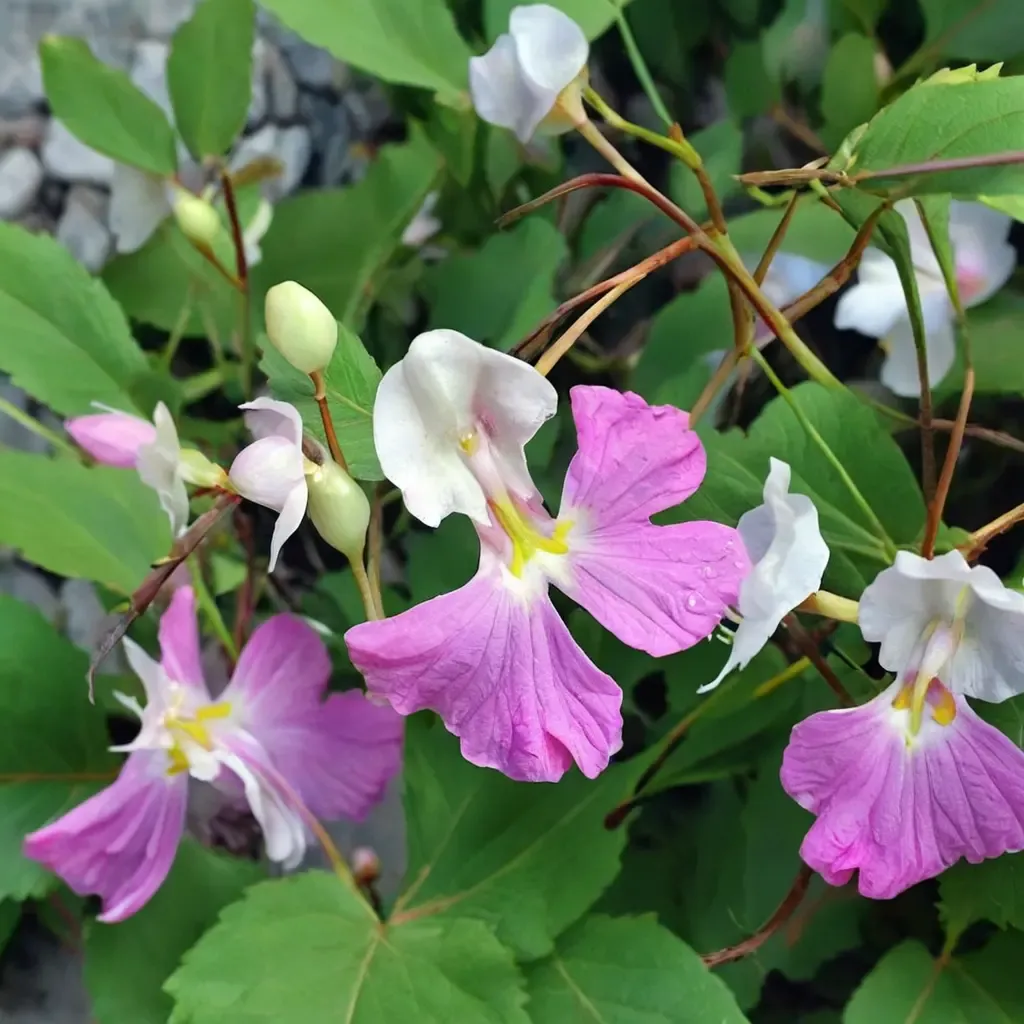
Poor Man's Orchid
Impatiens balfourii 'Poor Man's Orchid'
Keep exploring
Explore the genus
Hardy in your zone?
Grow Creeping Balsam with confidence
See it in a design of your actual yard, get zone-matched care reminders, and track it season by season in your garden journal.