The Story
Plant Bio
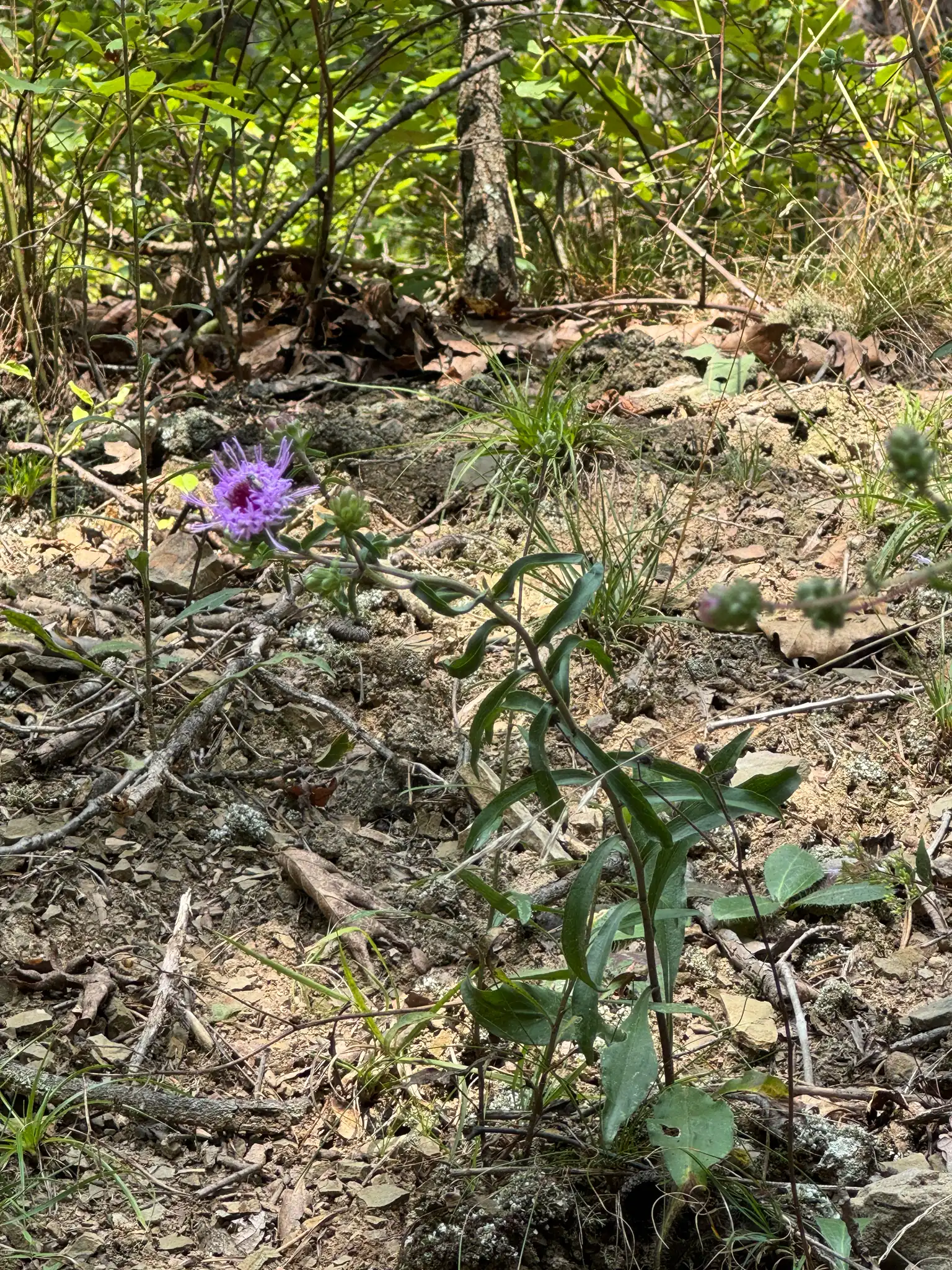
Liatris scariosa is an upright, clump-forming perennial native to the dry prairies and open woodlands of eastern and midwestern North America. It produces stiff, unbranched stems clothed in rough-textured, lanceolate leaves that decrease in size as they ascend toward the terminal flower spike.
This species is distinguished by its large, button-like flower heads of rosy-purple disk florets that open sequentially from the top of the spike downward. The plants arise from water-storing underground corms, which provide excellent drought tolerance once established.
Uses & Benefits:
Essentials
At a Glance
Plant Type
Perennial
Height
60"
Width
24"
Light
Full Sun, Partial Sun
Zones
4, 5, 6, 7, 8
Water
Low
Humidity
Medium
Lifespan
Perennial
Native To
North America
Toxicity
Non-toxic
Bloom period
Late summer – Early fall
In flower about 2 months of the year
Planting
How to Grow
- Select a planting site in full sun with exceptionally well-drained, sandy, or rocky soil.
- Plant dormant corms in spring at a depth of one to two inches, or space container-grown plugs twelve to eighteen inches apart.
- Water moderately during the first growing season to establish the root system, then reduce watering to rely on natural rainfall.
- Leave spent flower stalks intact through winter to provide seeds for songbirds and shelter for beneficial insects.
Pro Tip
Plant in lean, nutrient-poor soil and withhold fertilizer; excess nutrients and moisture cause the tall flowering stems to grow too rapidly, lose structural integrity, and flop over.
Keep It Thriving
Care Guide
Do
- Plant in sharp-draining, sandy, or gravelly soils to prevent winter rot.
- Cut back dead stems to ground level in late winter or early spring.
- Provide at least six hours of direct sunlight daily for strong, upright stems.
Don't
- Do not apply fertilizer or rich organic compost, which causes weak, floppy growth.
- Do not allow the soil to remain waterlogged or wet during the winter dormant period.
- Do not prune or cut back green foliage during the active summer growing season.
Seasonal Care Calendar
| Task | Jan | Feb | Mar | Apr | May | Jun | Jul | Aug | Sep | Oct | Nov | Dec |
|---|---|---|---|---|---|---|---|---|---|---|---|---|
| Divide | ||||||||||||
| Pest Check | ||||||||||||
| Plant | ||||||||||||
| Spring Cleanup |
Watch Out For
Pests & Diseases
Common Pests
Common Diseases
In the Garden
Landscape Uses & Companions
Landscape Uses
Multiply
Propagation Methods
Good to Know
Common Questions
Savanna Blazing Star questions
What zones can Savanna Blazing Star grow in?
Savanna Blazing Star is hardy in USDA Zones 4–8. Inside that range it survives winter in the ground; outside it, grow it as an annual or a container plant you protect.
Is Savanna Blazing Star deer resistant?
Yes — Savanna Blazing Star is rated deer-resistant. Deer typically pass it over, though extreme hunger can override any plant's defenses.
When does Savanna Blazing Star bloom?
Savanna Blazing Star typically blooms in late summer through early fall. Exact timing shifts a week or two with your zone — Sow's bloom calendar maps it to your garden.
Does Savanna Blazing Star need full sun?
Savanna Blazing Star does best in full sun to part shade. In hot climates, afternoon shade keeps blooms fresher longer.
Is Savanna Blazing Star drought tolerant?
Yes — once established (usually after the first full season), Savanna Blazing Star handles dry spells with minimal watering. Water deeply its first year to build the root system that makes that possible.
More Liatris to compare
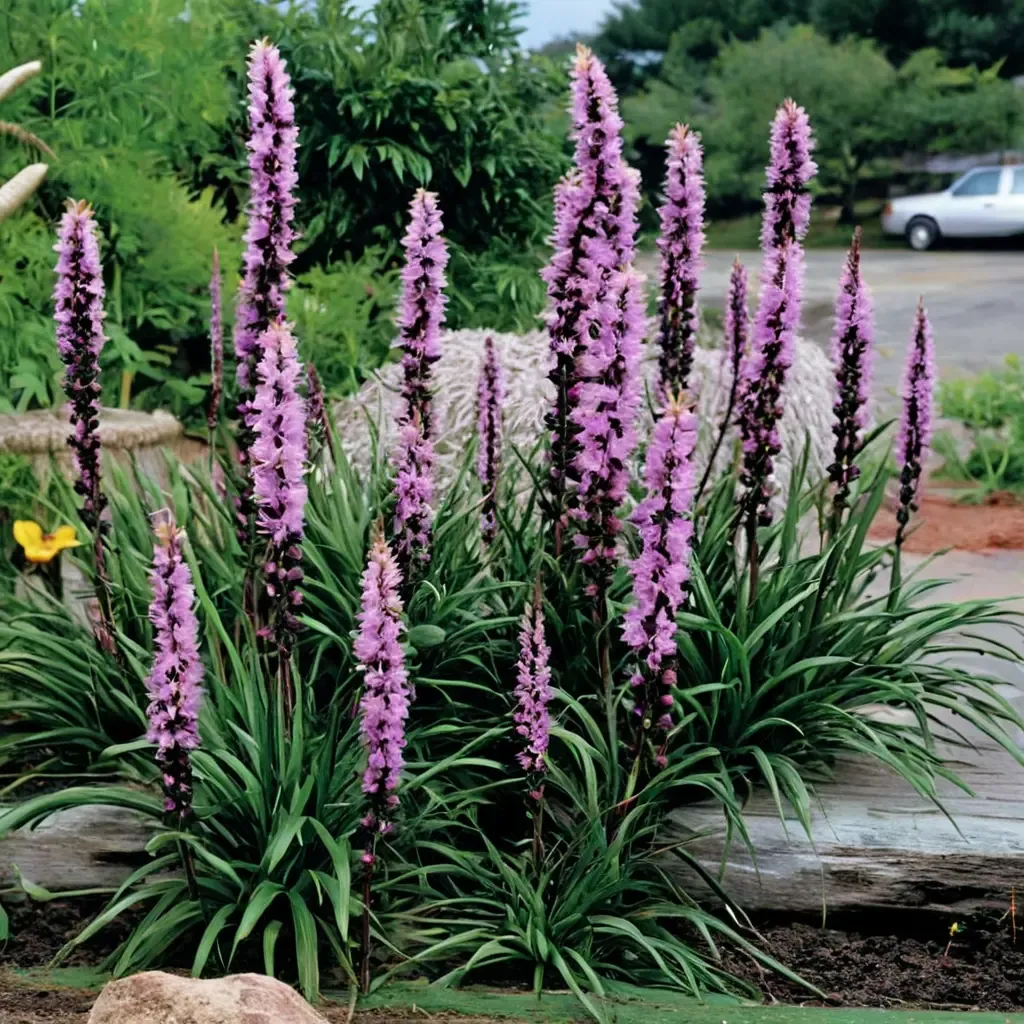
Kobold Blazing Star
Liatris spicata 'Kobold'
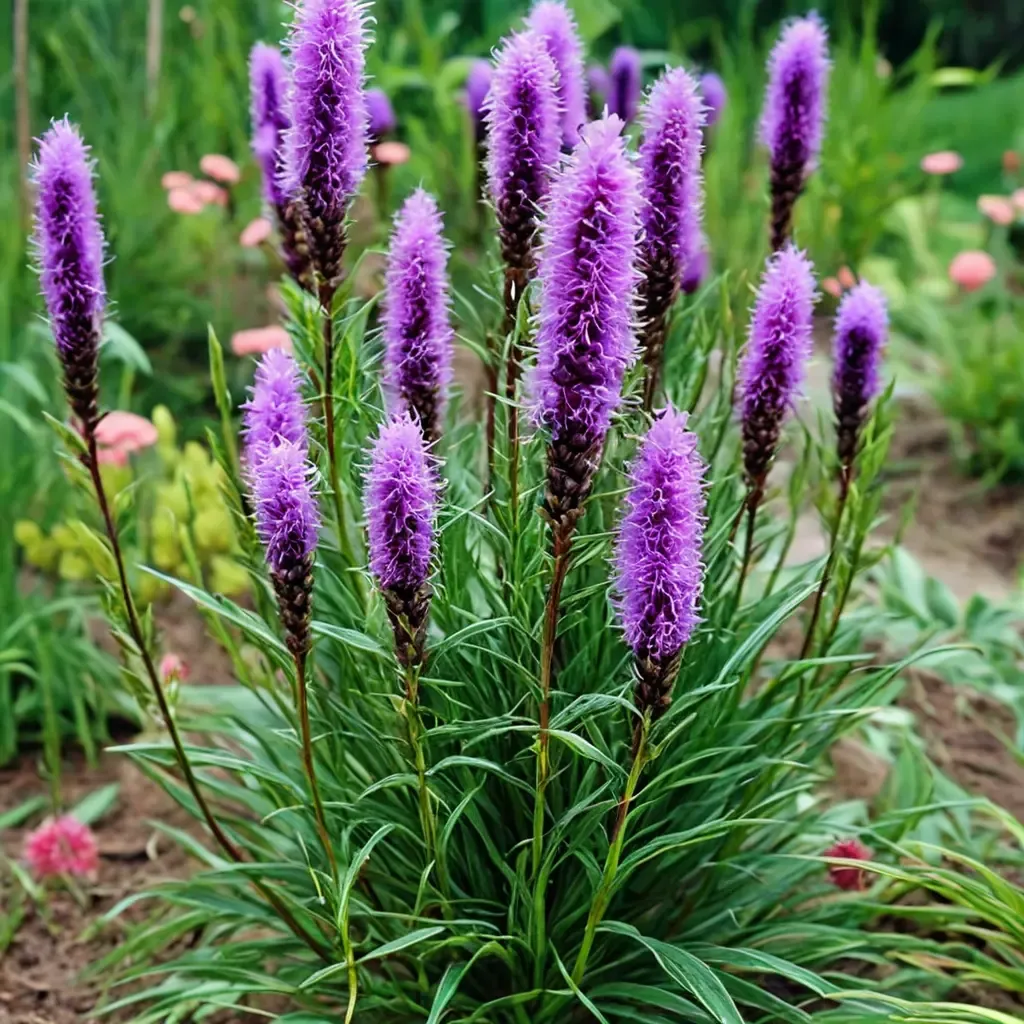
Blazing Star Gayfeather
Liatris spicata
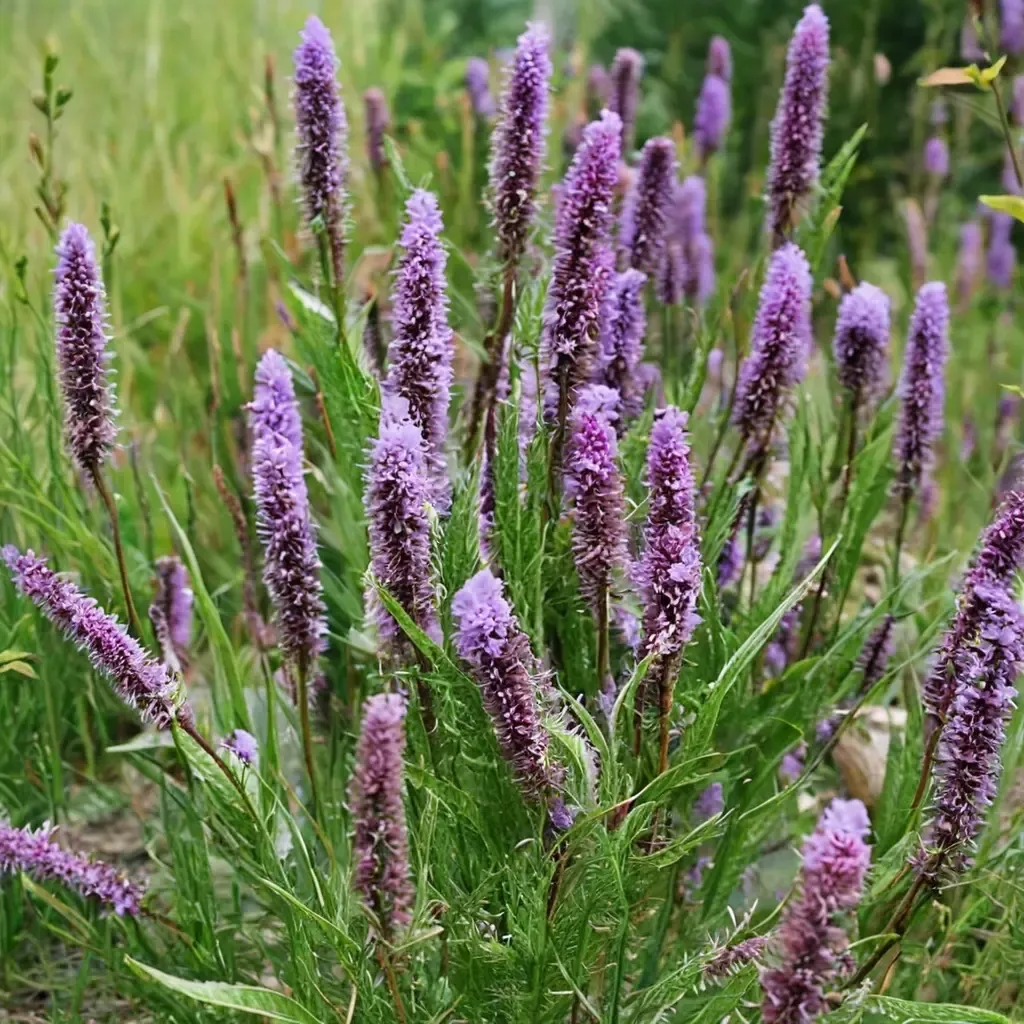
Prairie Blazing Star
Liatris pycnostachya
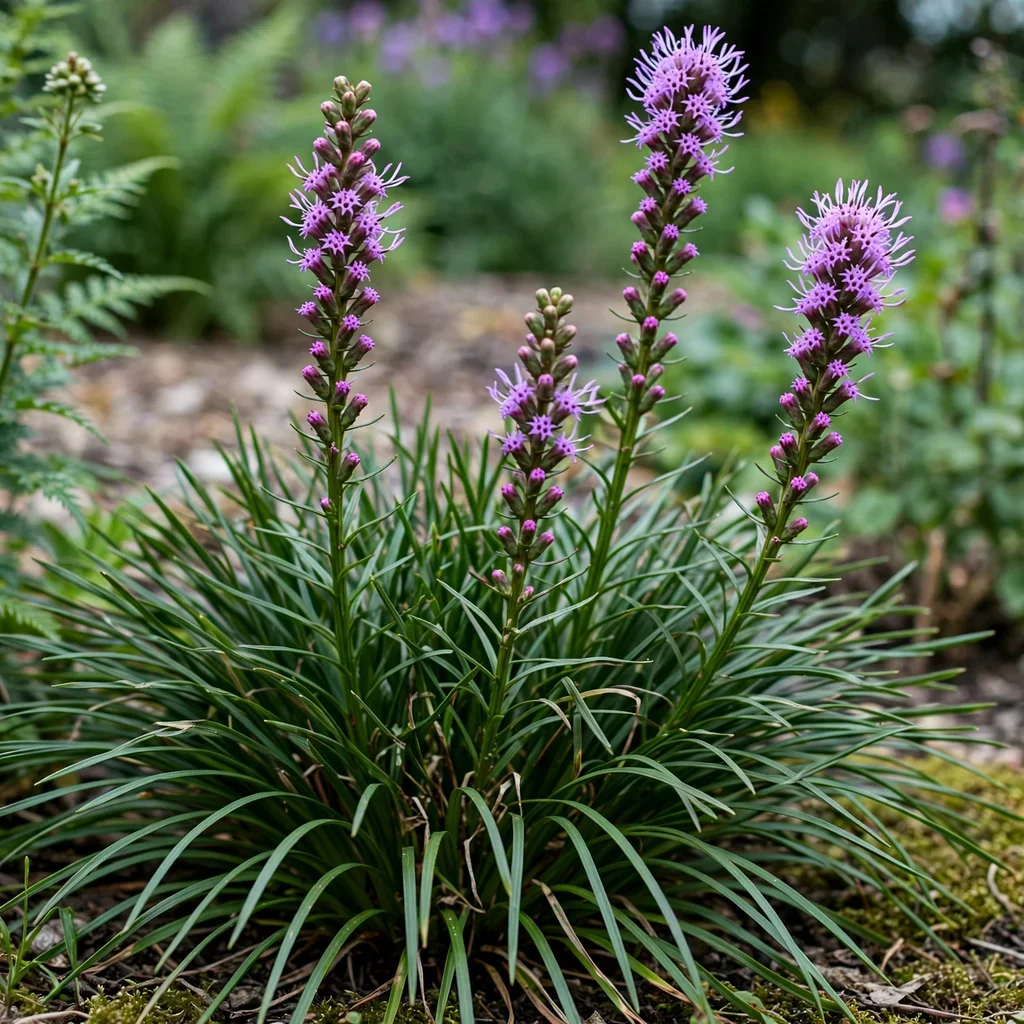
Dwarf Blazing Star
Liatris microcephala
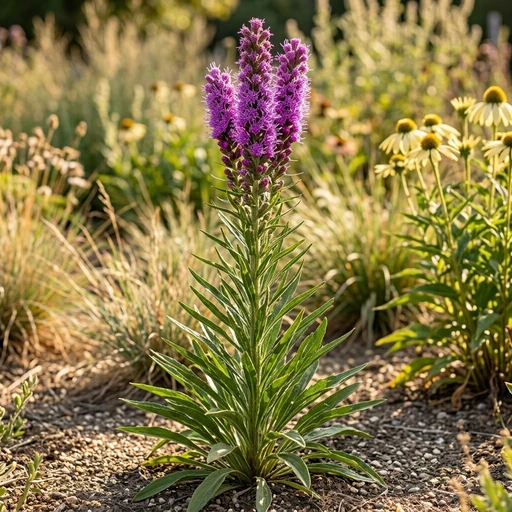
Rough Gayfeather
Liatris aspera
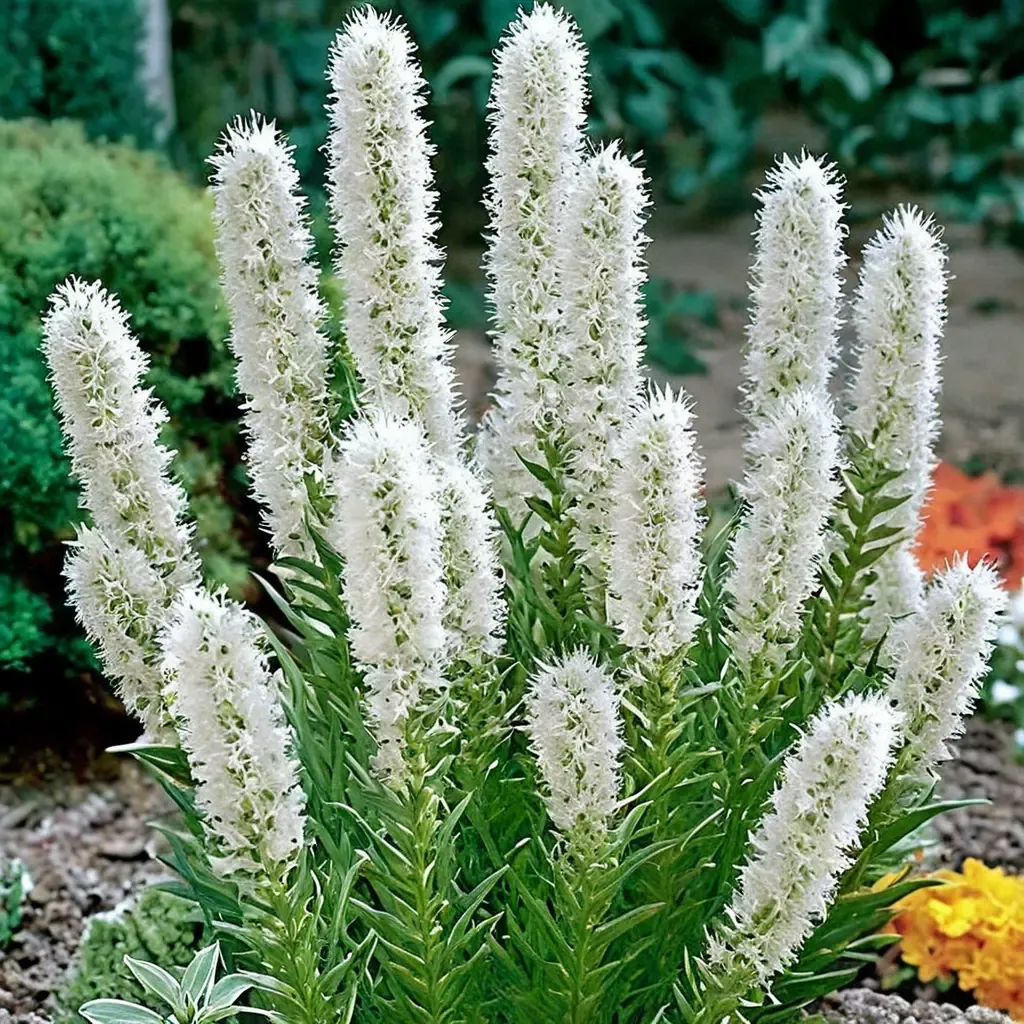
Floristan White Blazing Star
Liatris spicata 'Floristan Weiss'
Keep exploring
Explore the genus
Hardy in your zone?
Grow Savanna Blazing Star with confidence
See it in a design of your actual yard, get zone-matched care reminders, and track it season by season in your garden journal.