The Story
Plant Bio
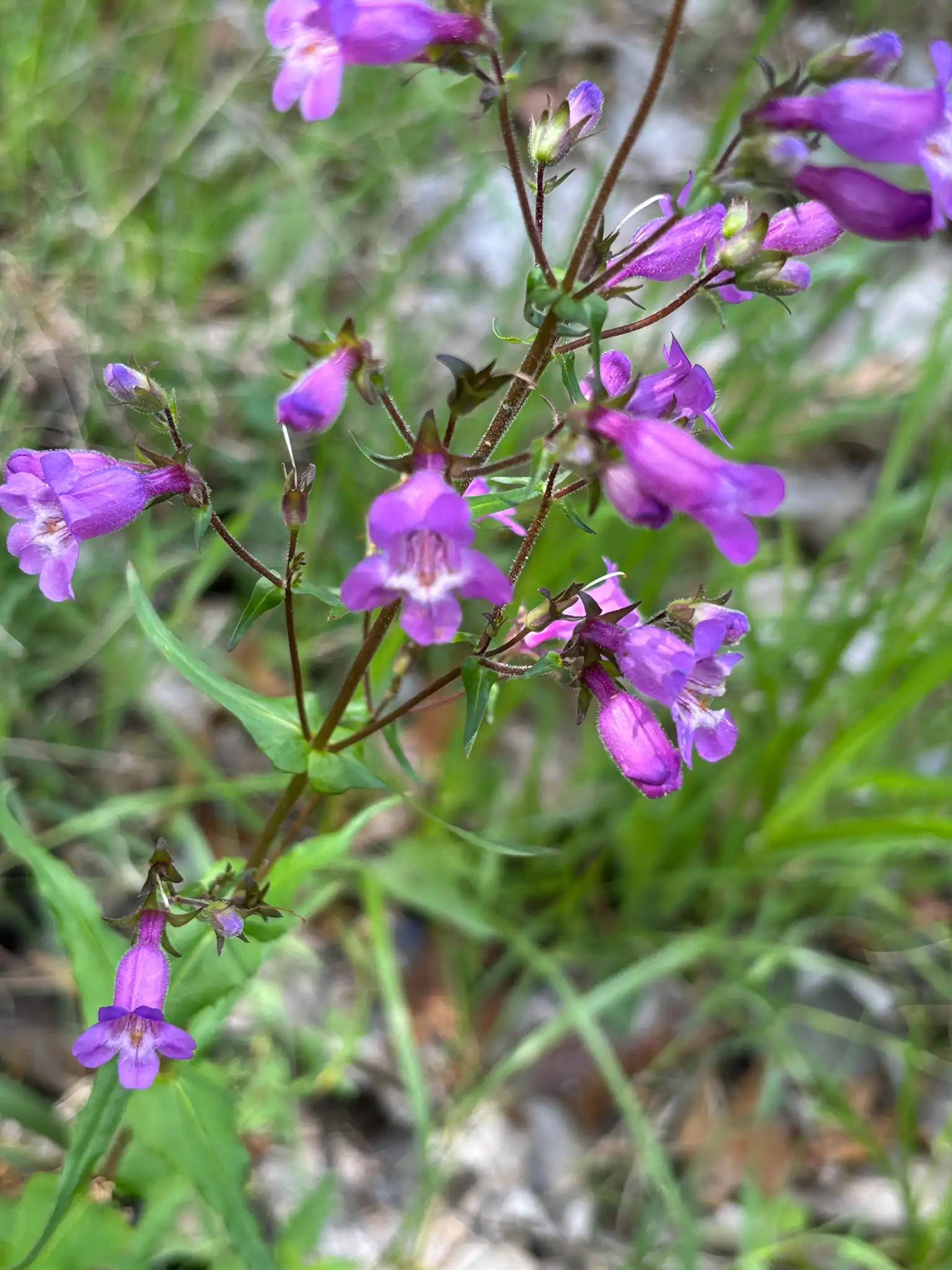
Penstemon tenuis, the Gulf Coast beardtongue, is a herbaceous perennial that forms a basal rosette to small clump with erect slender stems reaching 18 to 30 inches tall. The foliage is green and stem-clasping, and the spring display is erect spikes of tubular two-lipped flowers about three-quarters of an inch long in purple to lavender-pink.
Unlike most beardtongues that demand sharp drainage, this species accepts moist sand, loam and clay, including gumbo clay and poor drainage. It flowers in spring to early summer and reseeds freely on bare soil; cutting spent spikes back to basal foliage brings a second flush in about three weeks.
Uses & Benefits:
Essentials
At a Glance
Plant Type
Perennial
Height
30"
Width
18"
Light
Full Sun, Partial Sun
Zones
7, 8, 9
Water
Medium
Humidity
Tolerates high humidity
Lifespan
Perennial
Native To
South-central USA
Toxicity
Unknown
Bloom period
Spring – Early summer
In flower about 4 months of the year
Marketplace
Where to Buy
Shipping costs Year-round shipping Free shipping
Planting
How to Grow
- Plant in full sun to part shade in moist sand, loam, or clay, setting the crown at soil level.
- Water in well and keep soil evenly moist through the first season to establish.
- Mulch lightly to hold moisture but keep mulch back from the crown.
- Deadhead after the late-spring flush to encourage rebloom, then allow some seed to set if spread is wanted.
Pro Tip
Cut spent spikes to basal foliage after the spring flush; with steady moisture plants rebloom in about three weeks.
Keep It Thriving
Care Guide
Do
- Grow in moisture-retentive soil and do not let plants dry hard in heat.
- Give 6 or more hours of sun, with afternoon shade in hot areas.
- Space for airflow and water at the base to keep foliage dry.
- Collect seed in summer if you want to sow or share it.
Don't
- Do not plant this species dry like a western penstemon.
- Do not overwater to the point of soggy, airless soil or leave crowns wet.
- Do not cut back hard into old leafless bases; cut flower stems to basal foliage.
- Do not leave spent seed heads standing if you want to limit reseeding.
Seasonal Care Calendar
| Task | Jan | Feb | Mar | Apr | May | Jun | Jul | Aug | Sep | Oct | Nov | Dec |
|---|---|---|---|---|---|---|---|---|---|---|---|---|
| Deadhead | ||||||||||||
| Pest Check | ||||||||||||
| Plant | ||||||||||||
| Propagate | ||||||||||||
| Spring Cleanup |
Watch Out For
Pests & Diseases
Common Pests
Common Diseases
In the Garden
Landscape Uses & Companions
Landscape Uses
Multiply
Propagation Methods
Good to Know
Common Questions
Gulf Coast Penstemon questions
What zones can Gulf Coast Penstemon grow in?
Gulf Coast Penstemon is hardy in USDA Zones 7–9: in that range it survives winter in the ground. Colder than Zone 7, grow it in a container you can move to shelter for the winter, or as an annual. Warmer than Zone 9, winter isn't the problem: it prefers colder winters, and summer heat can shorten its life.
When does Gulf Coast Penstemon bloom?
Gulf Coast Penstemon typically blooms from early spring to early summer. Exact timing shifts a week or two with your zone — Sow's bloom calendar maps it to your garden.
Does Gulf Coast Penstemon need full sun?
Gulf Coast Penstemon does best in full sun to part shade. In hot climates, afternoon shade keeps blooms fresher longer.
More Penstemon to compare
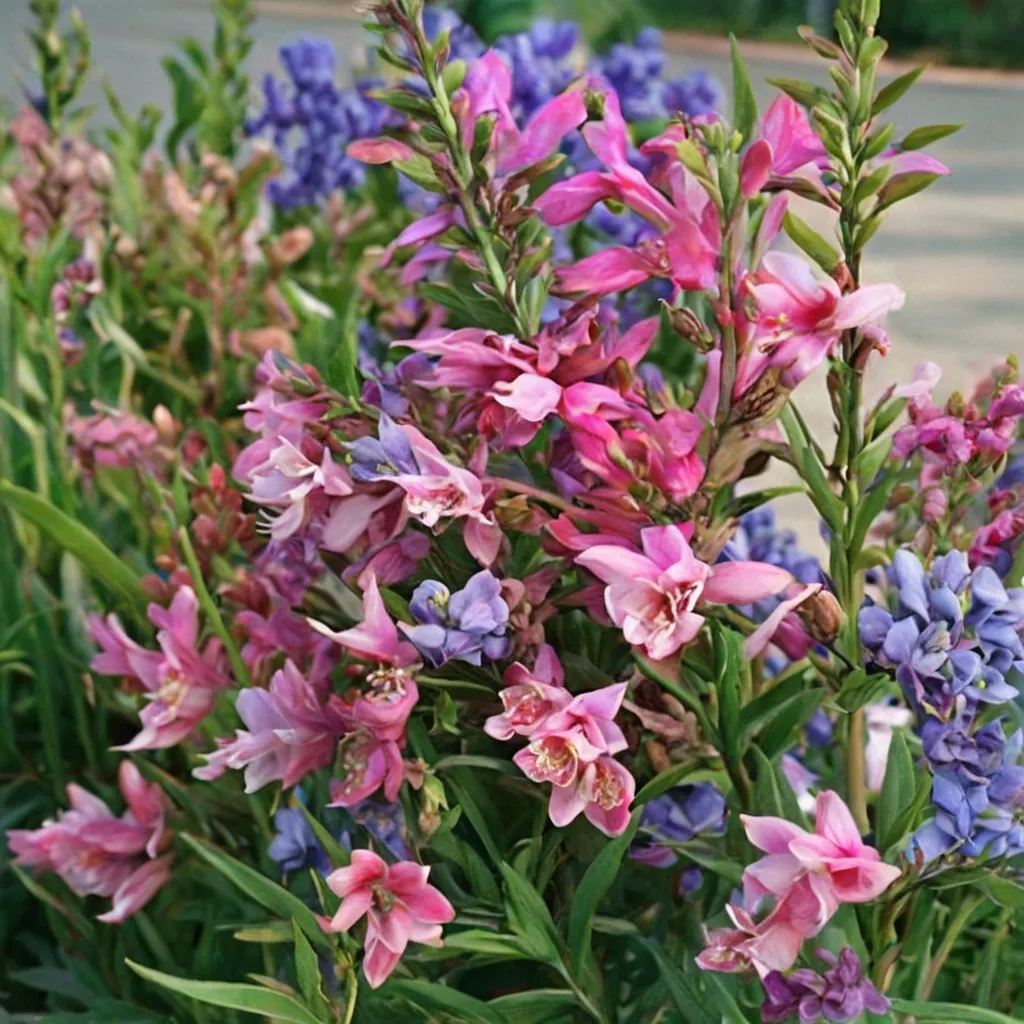
Beardtongue Rondo
Penstemon barbatus 'Rondo'
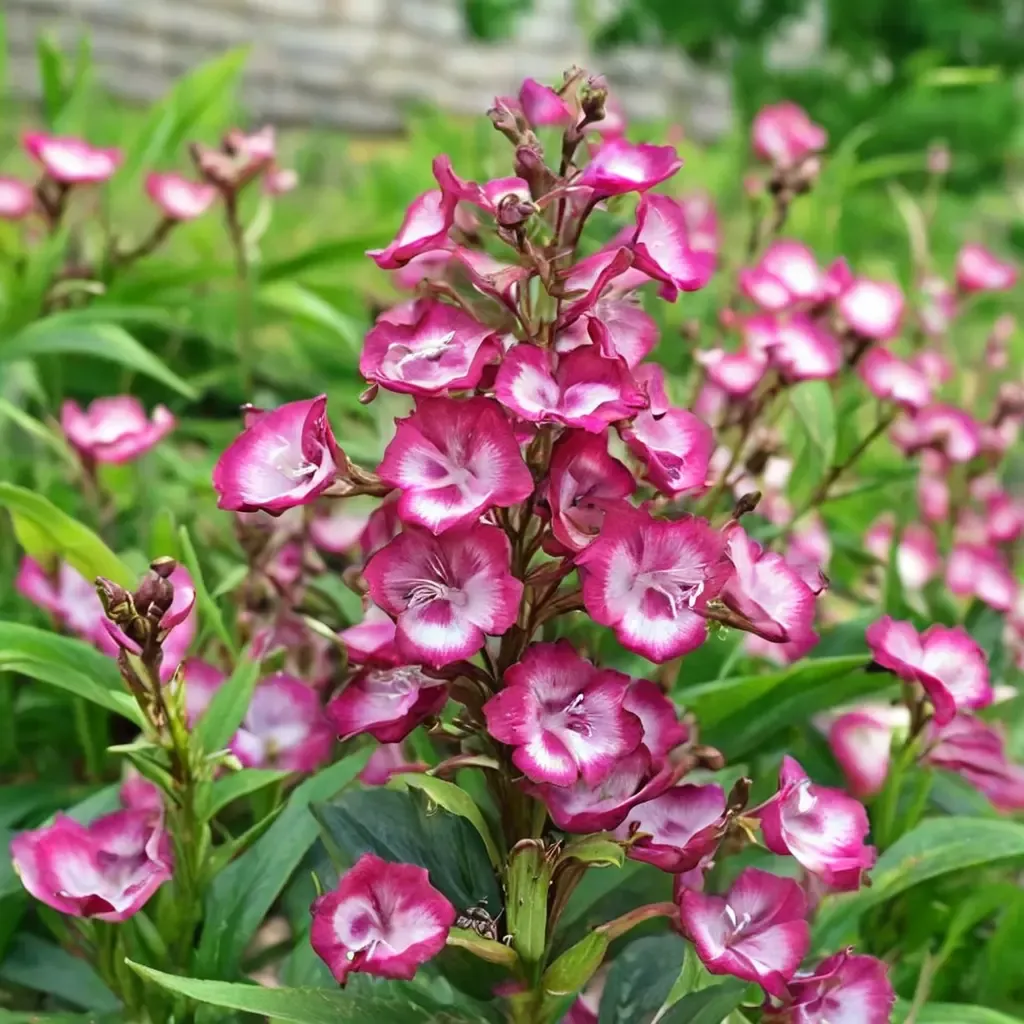
George Home Penstemon
Penstemon digitalis 'George Home'
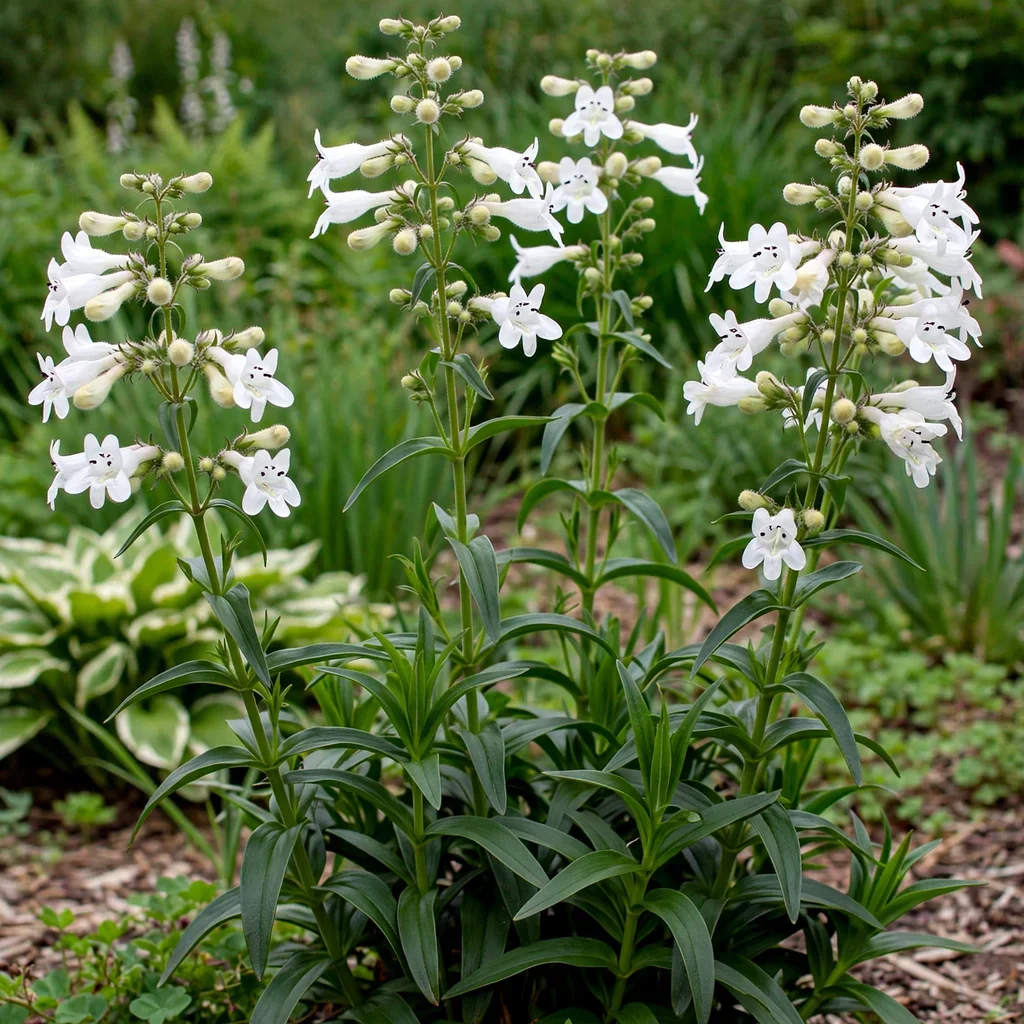
Foxglove Beardtongue
Penstemon digitalis
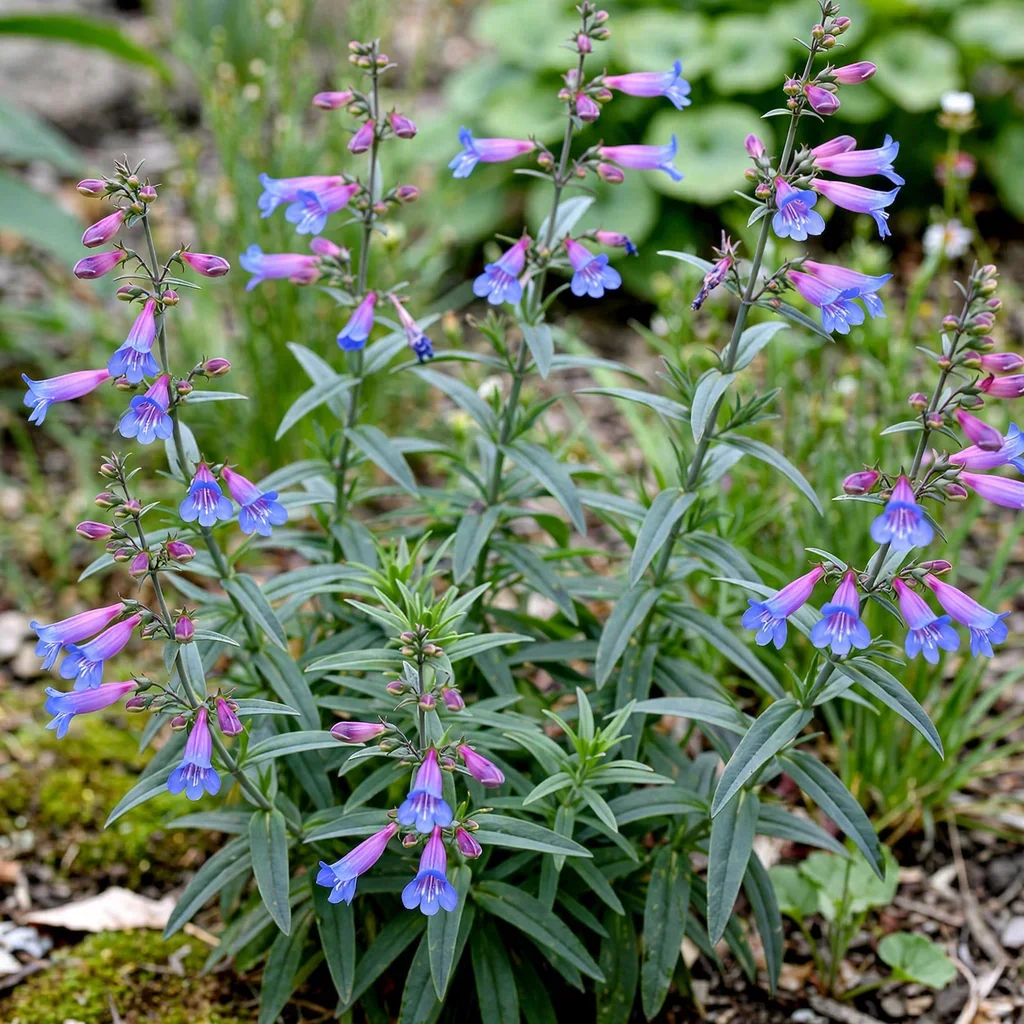
Blue Springs Penstemon
Penstemon heterophyllus 'Blue Springs'
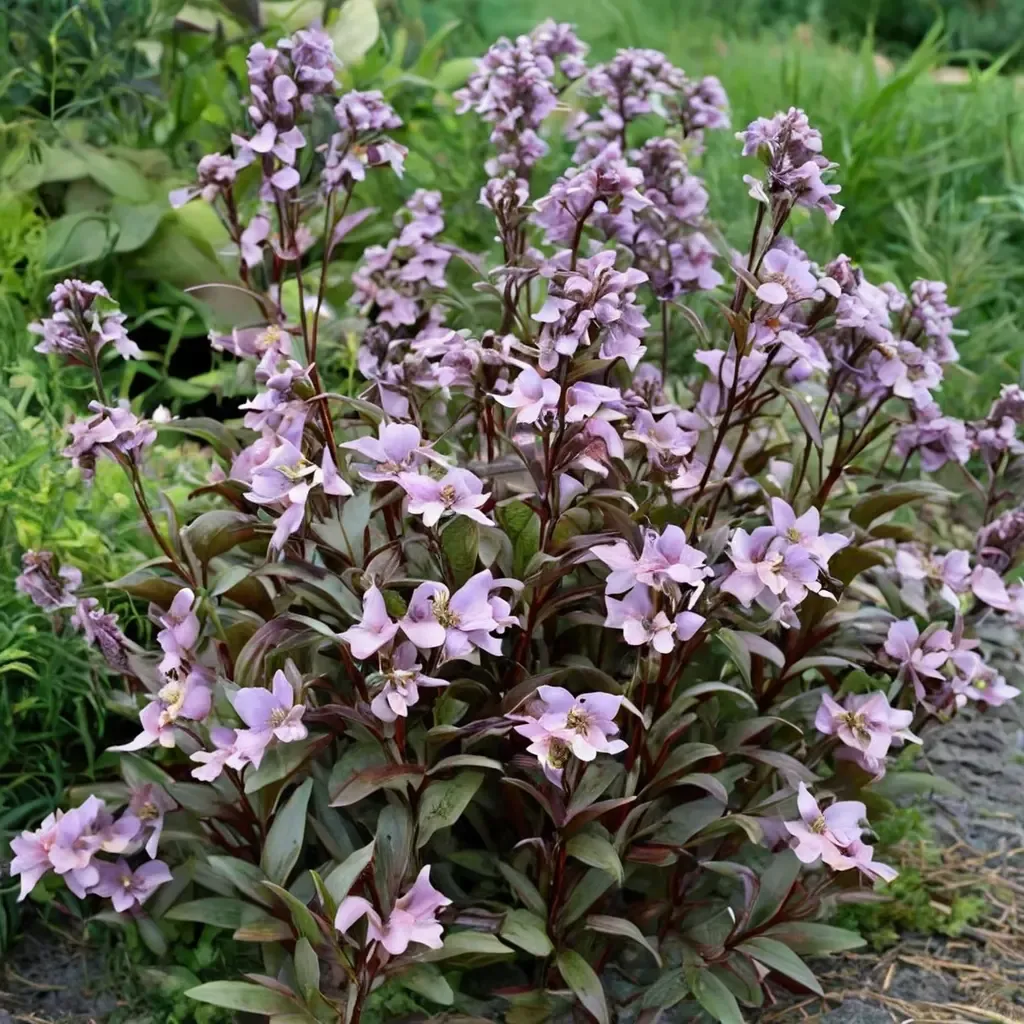
Blackbeard Beardtongue
Penstemon digitalis 'Blackbeard'
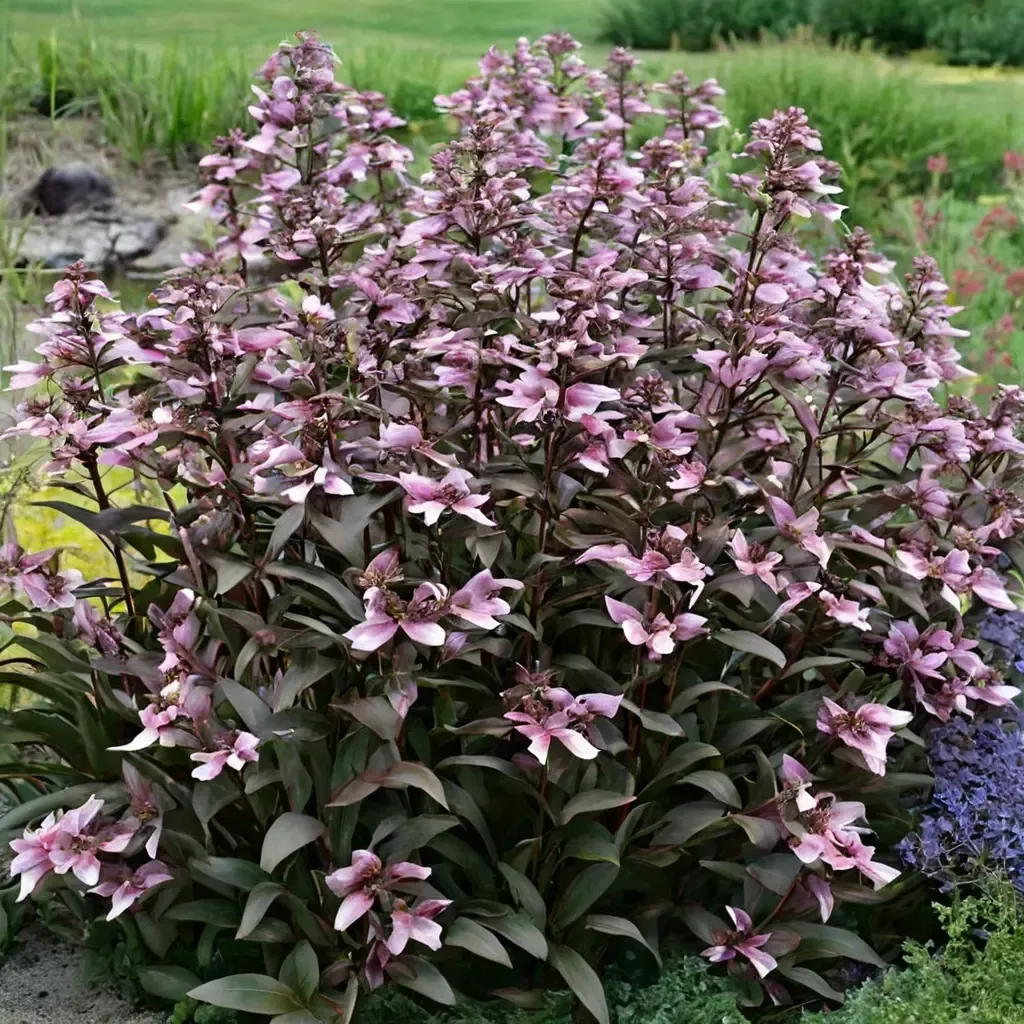
Dark Towers Penstemon
Penstemon digitalis 'Dark Towers'
Keep exploring
Explore the genus
Hardy in your zone?
Grow Gulf Coast Penstemon with confidence
See it in a design of your actual yard, get zone-matched care reminders, and track it season by season in your garden journal.