
Species
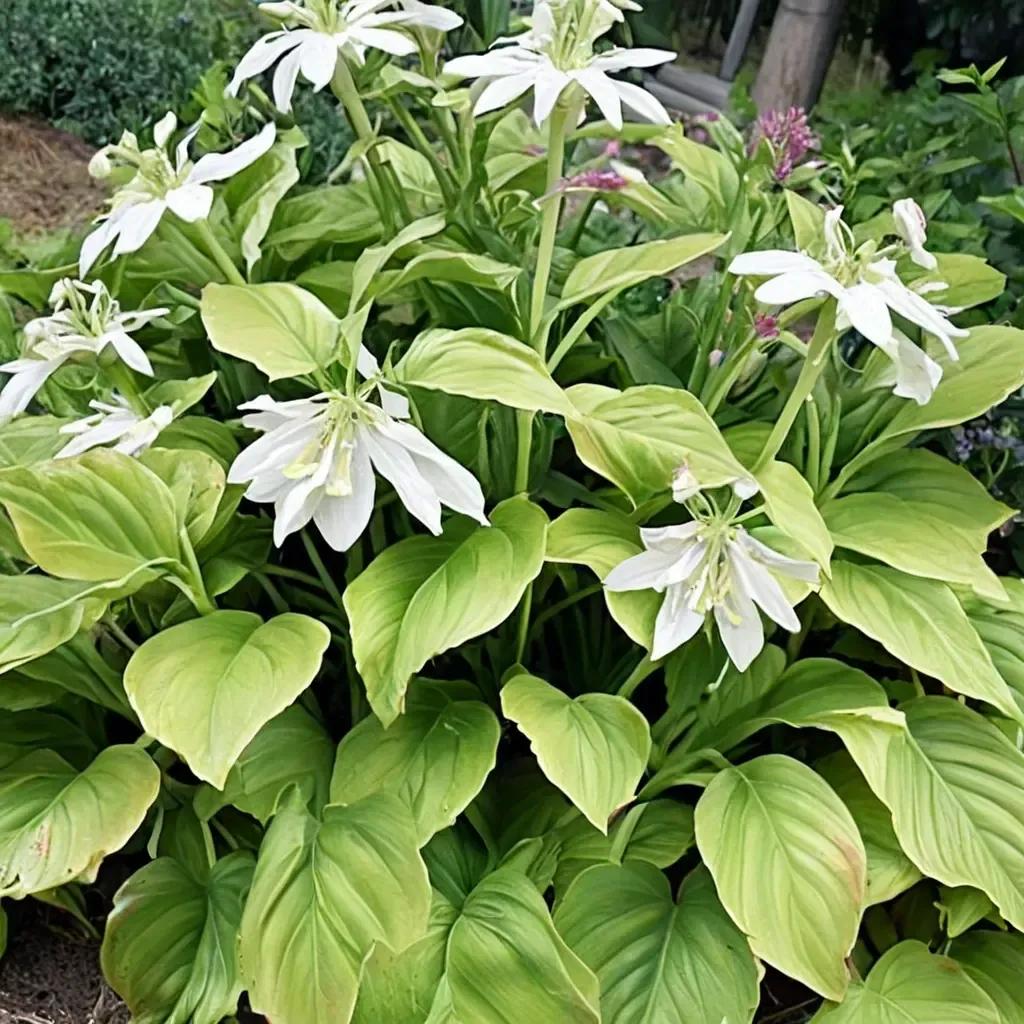 Hosta plantagineaFragrant Plantain Lily
42 other cultivars
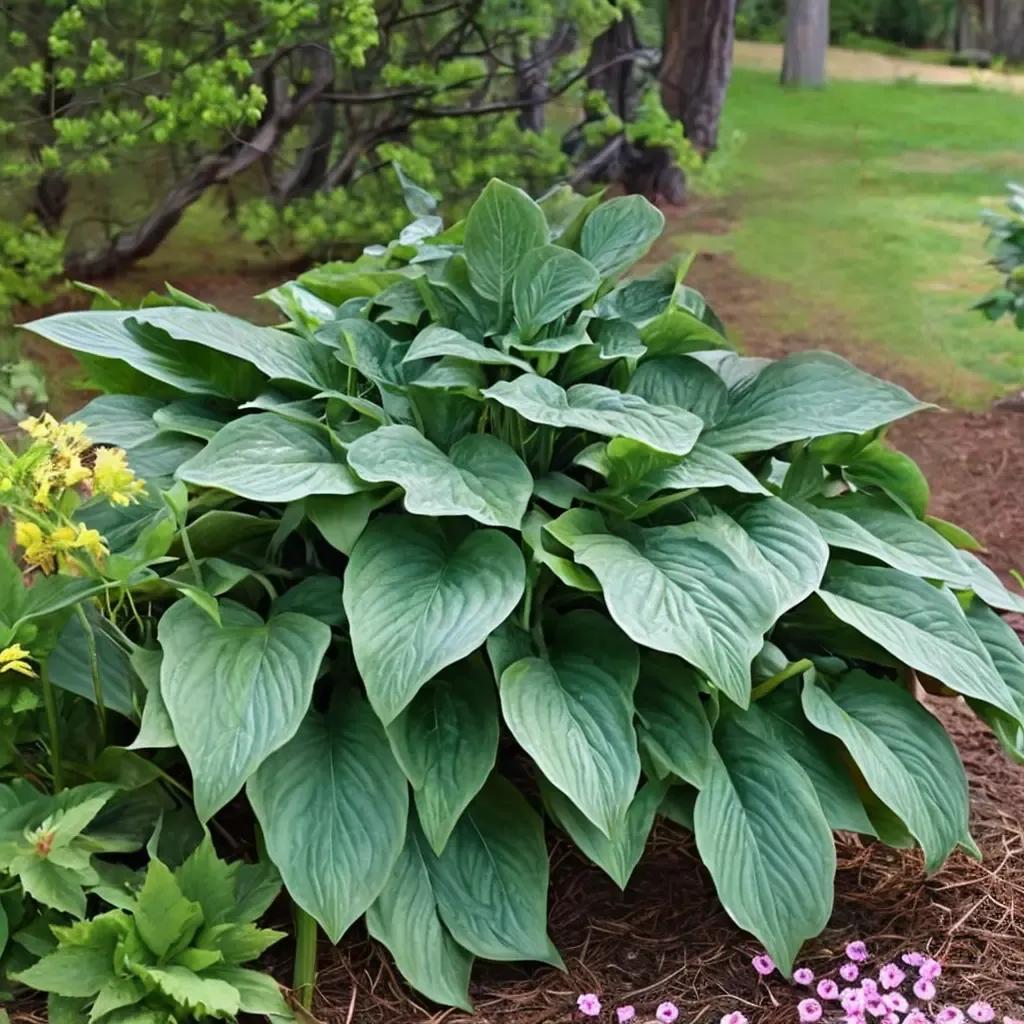 ‘Empress Wu’Empress Wu Hosta
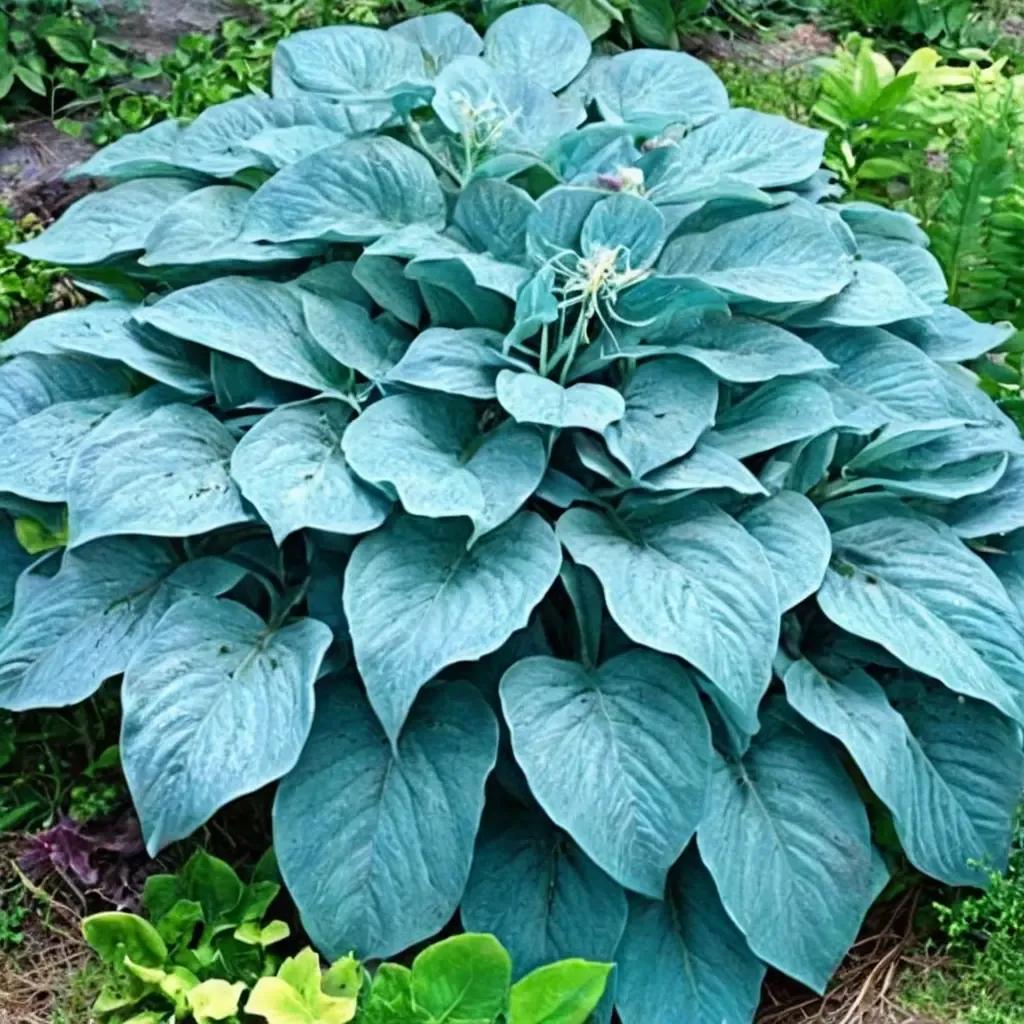 ‘Blue Angel’Blue Angel Hosta
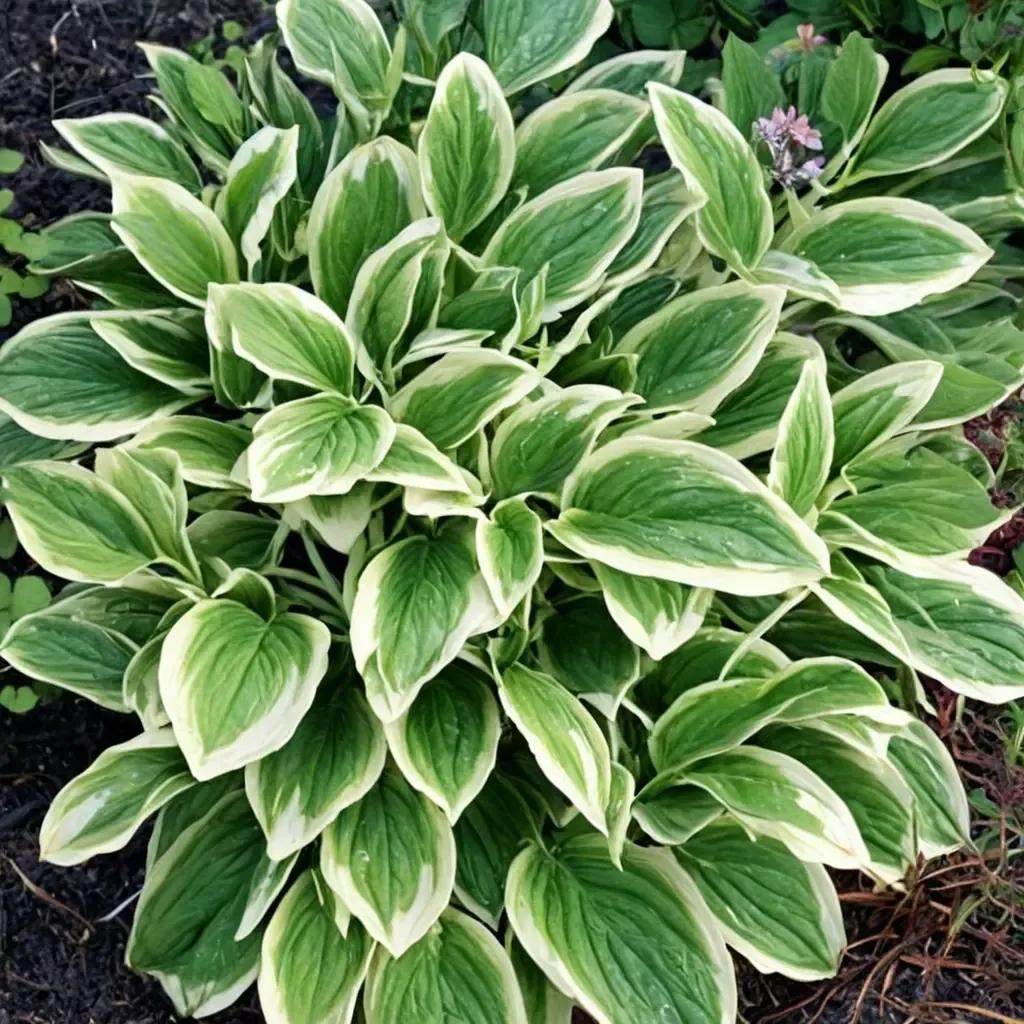 ‘Diana Remembered’Diana Remembered Hosta
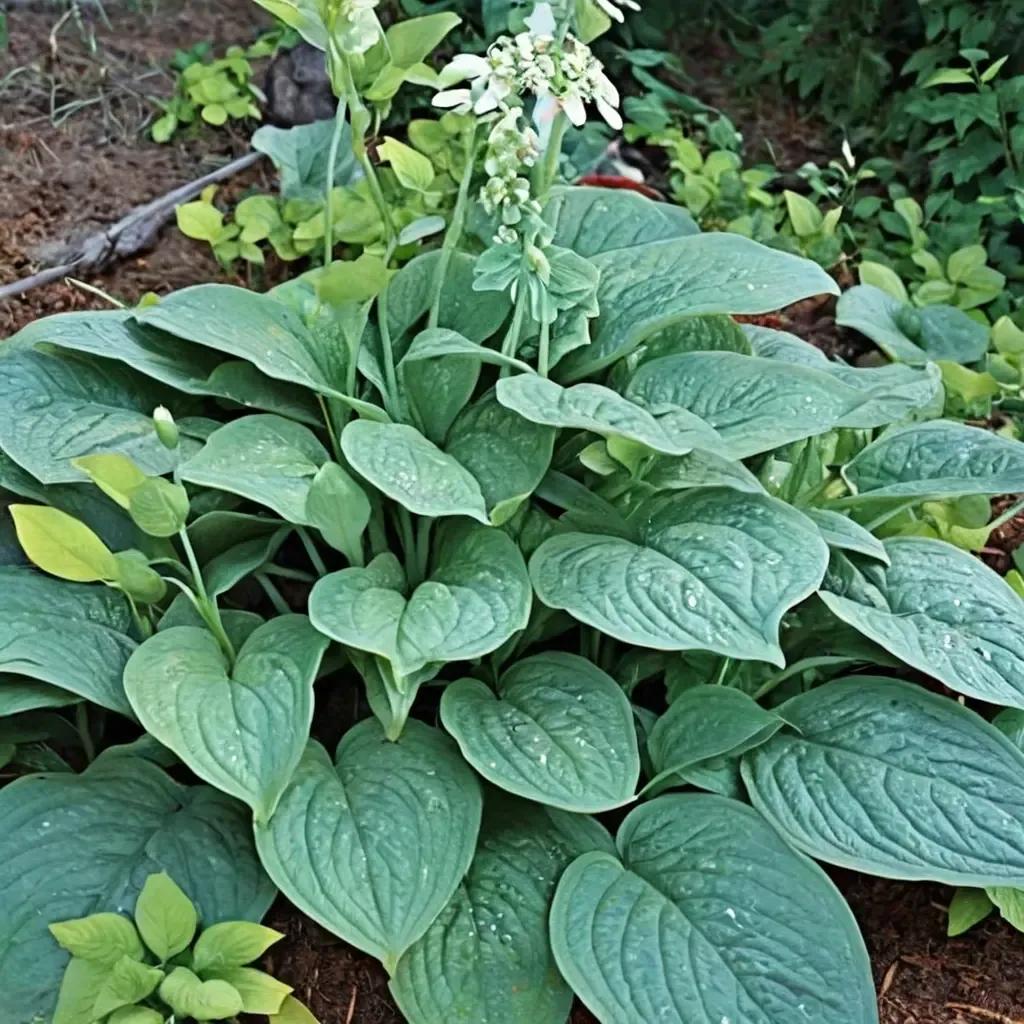 ‘Humpback Whale’Humpback Whale Hosta
 ‘Ming Treasure’Ming Treasure Hosta
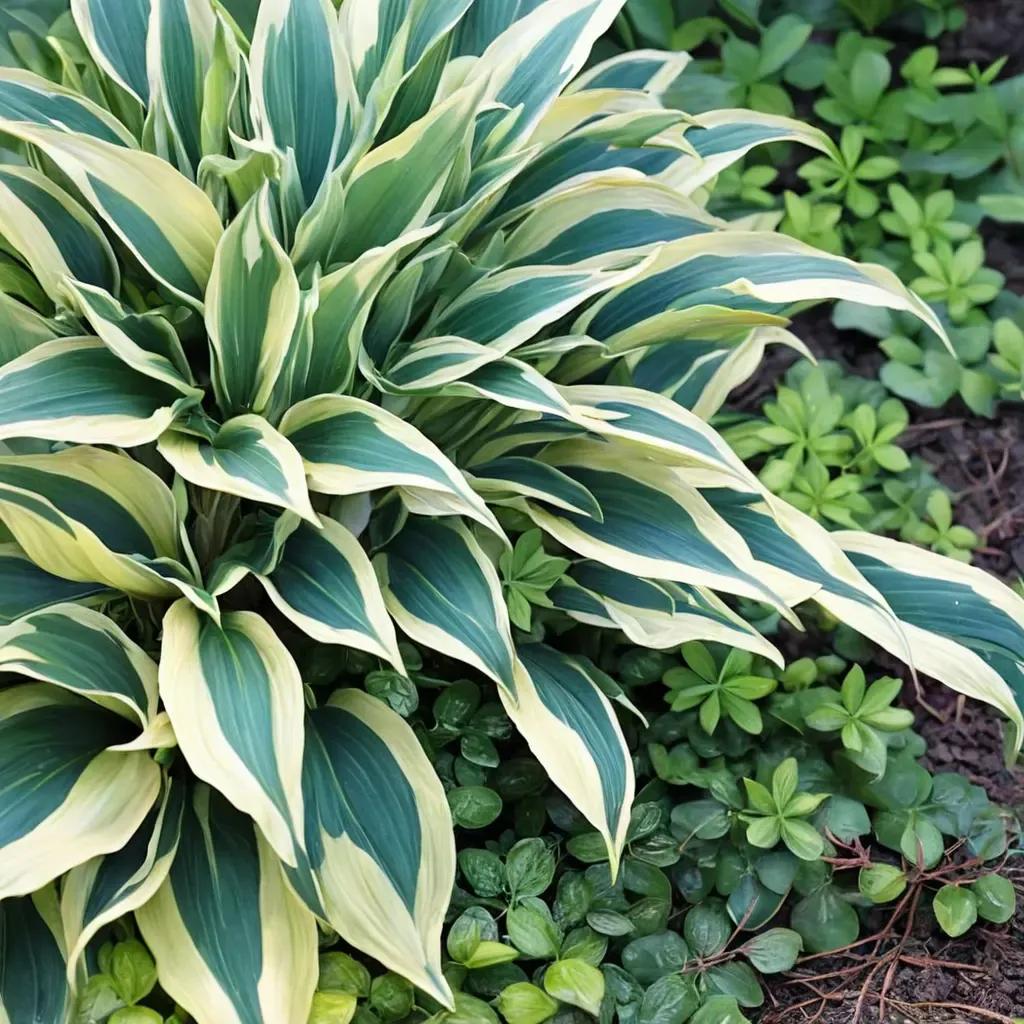 ‘Wolverine’Wolverine Hosta
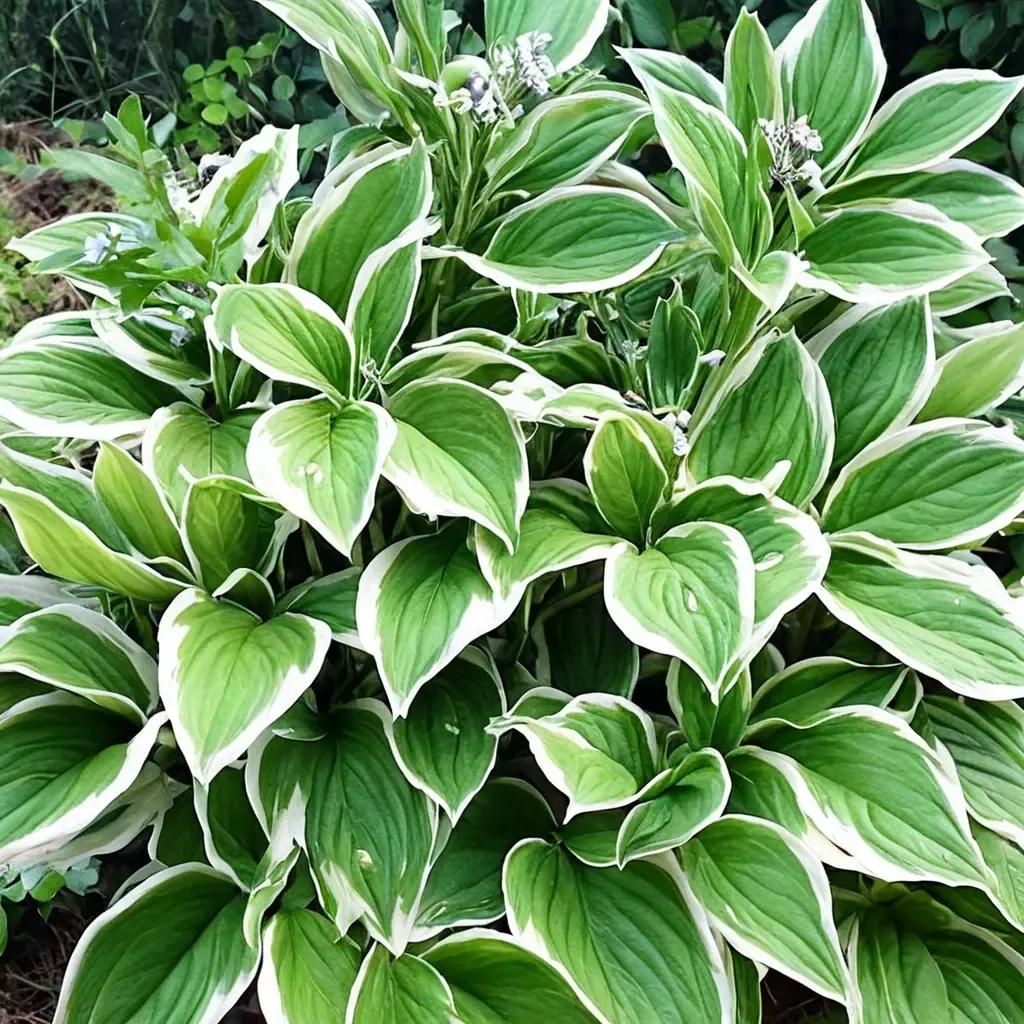 ‘Francee’Francee Plantain Lily
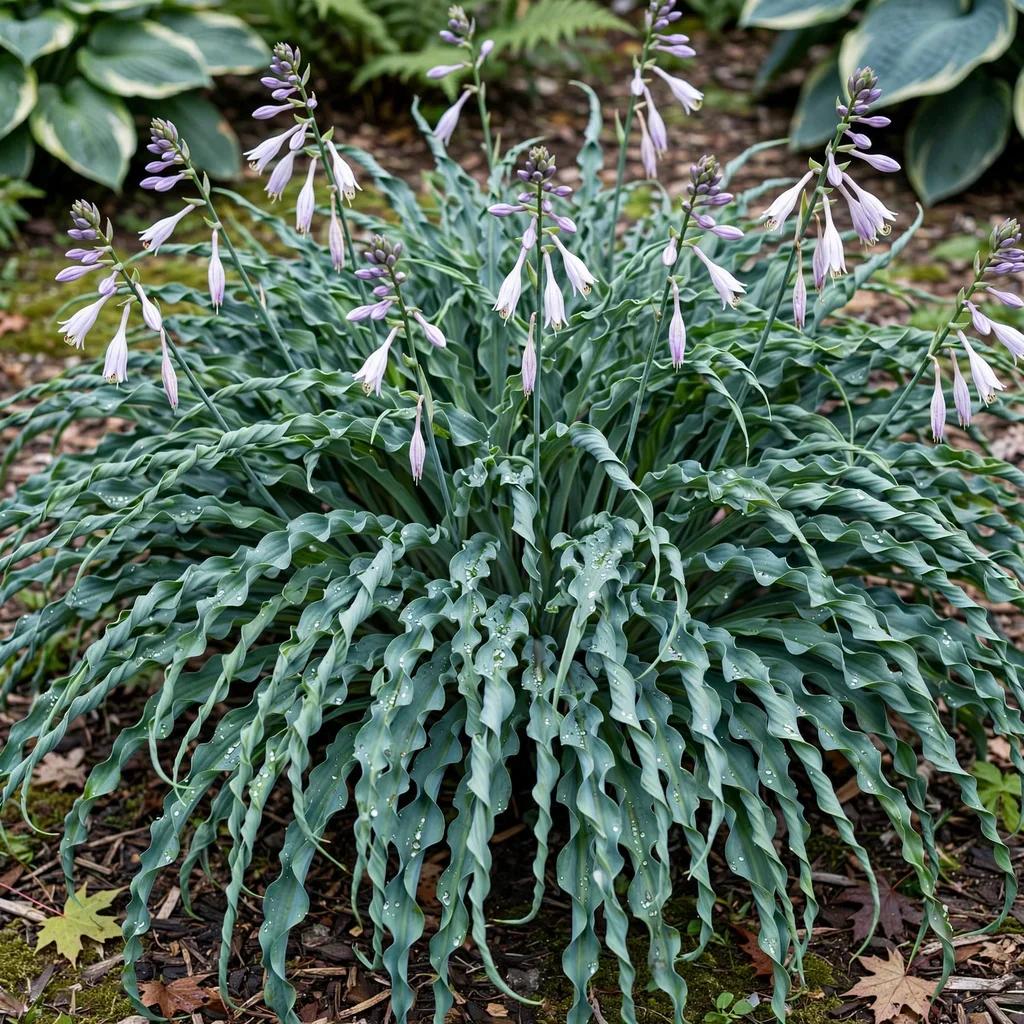 ‘Silly String’Silly String Plantain Lily
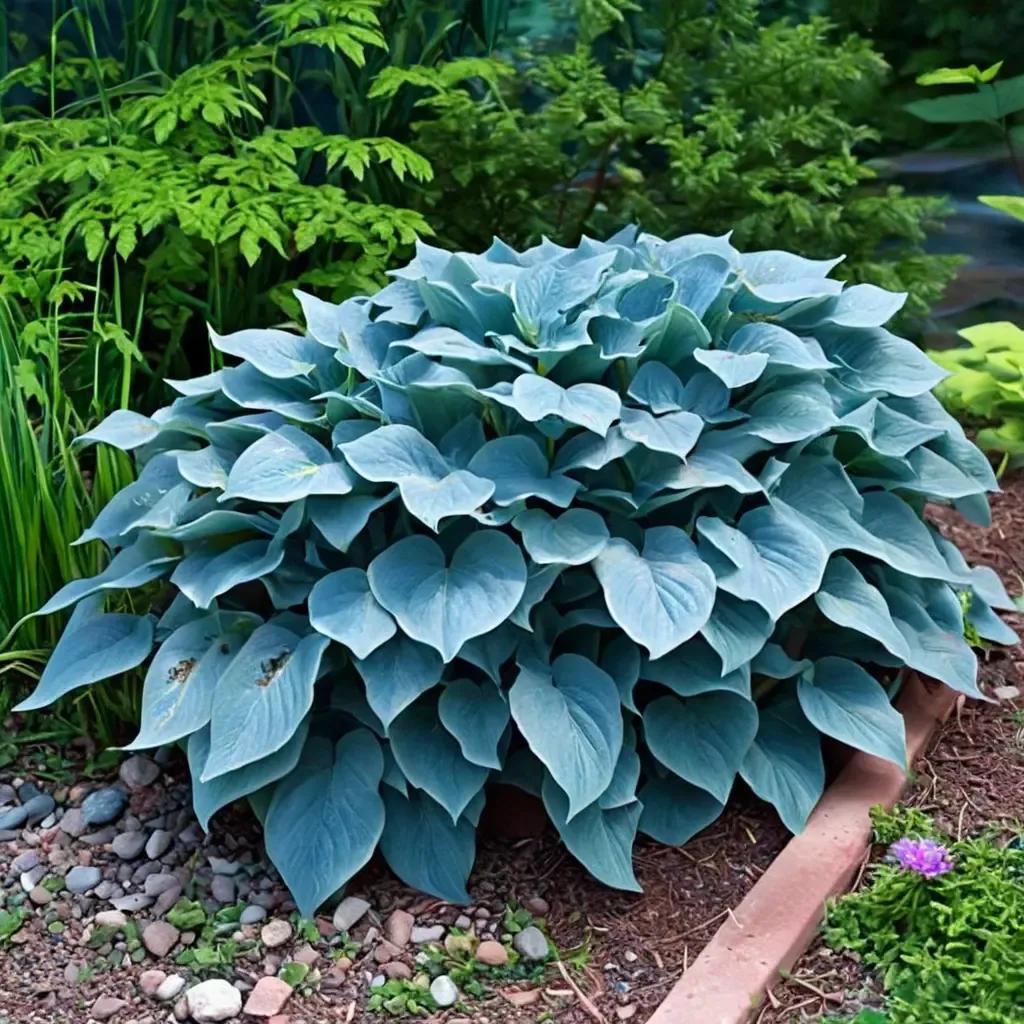 ‘Halcyon’Halcyon Hosta
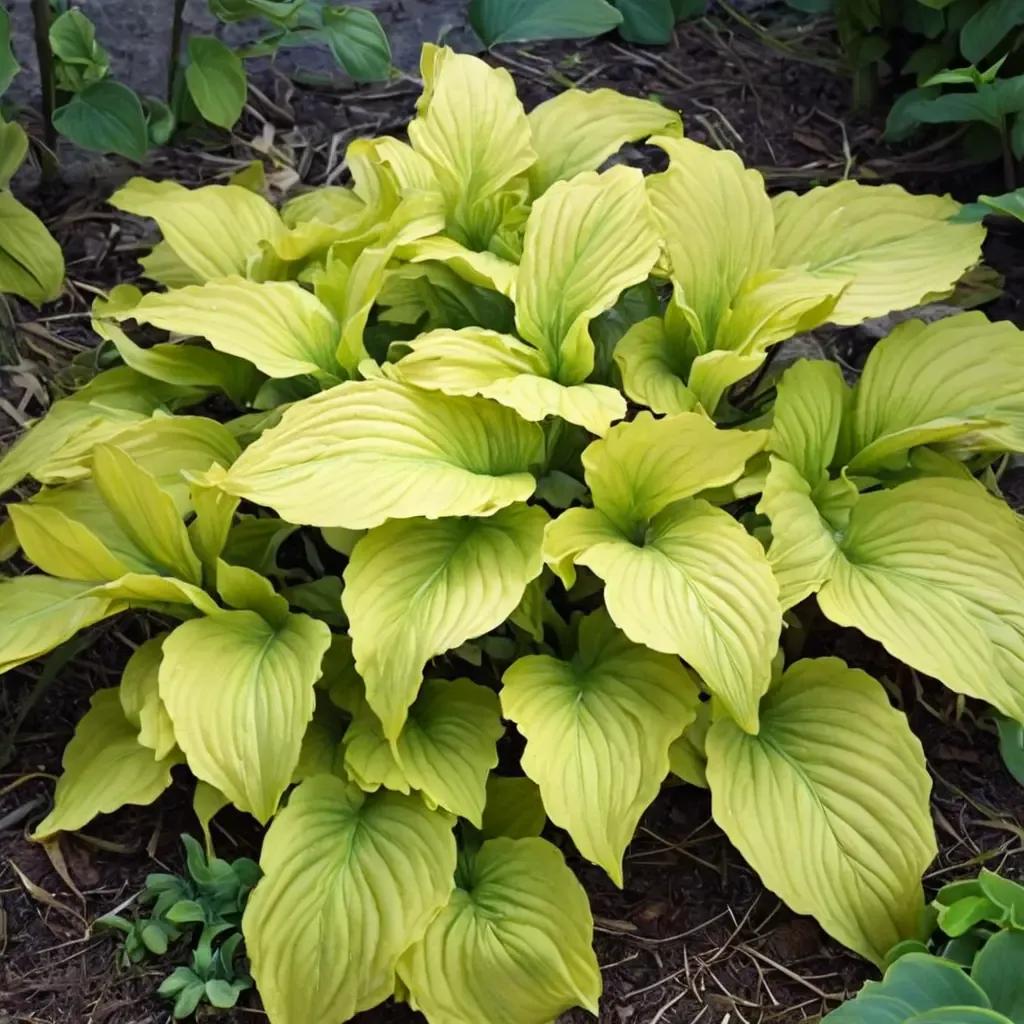 ‘Dancing Queen’Dancing Queen Hosta
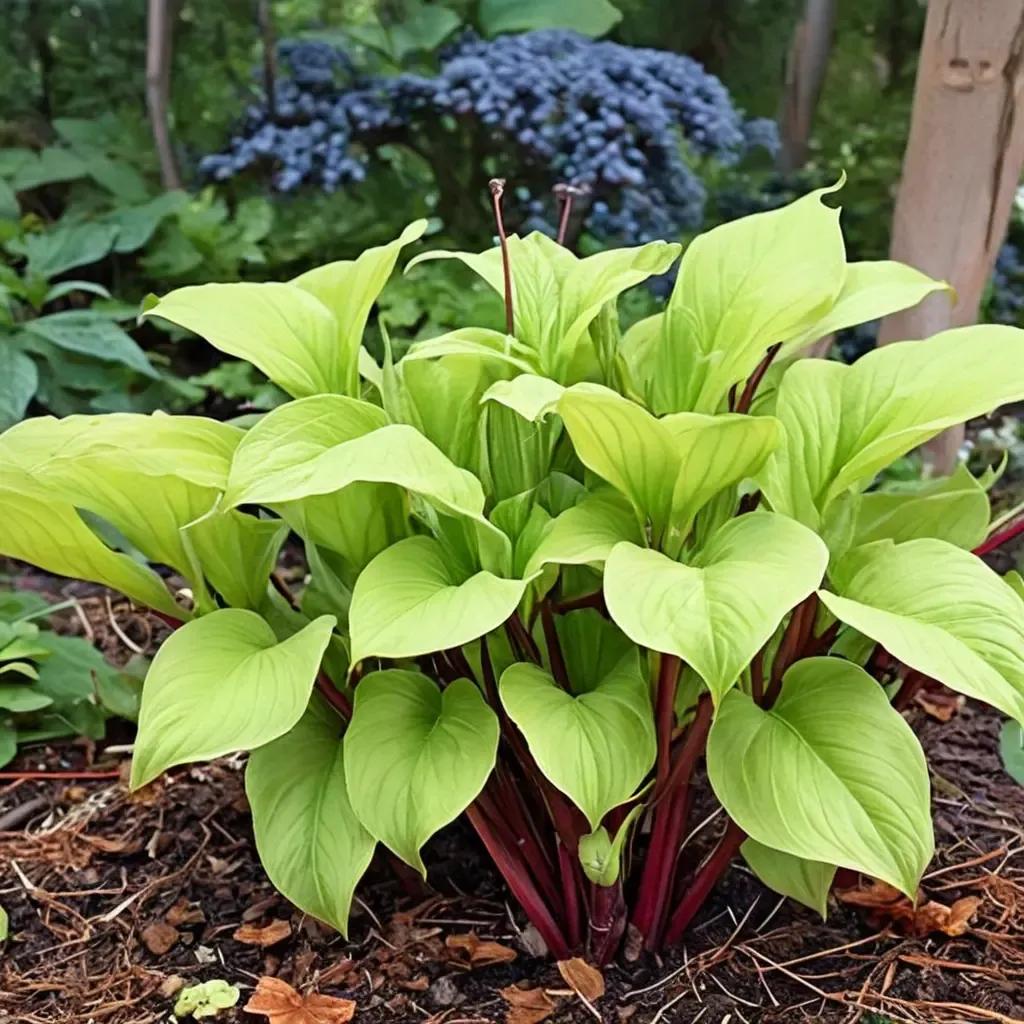 ‘Designer Genes’Designer Genes Hosta
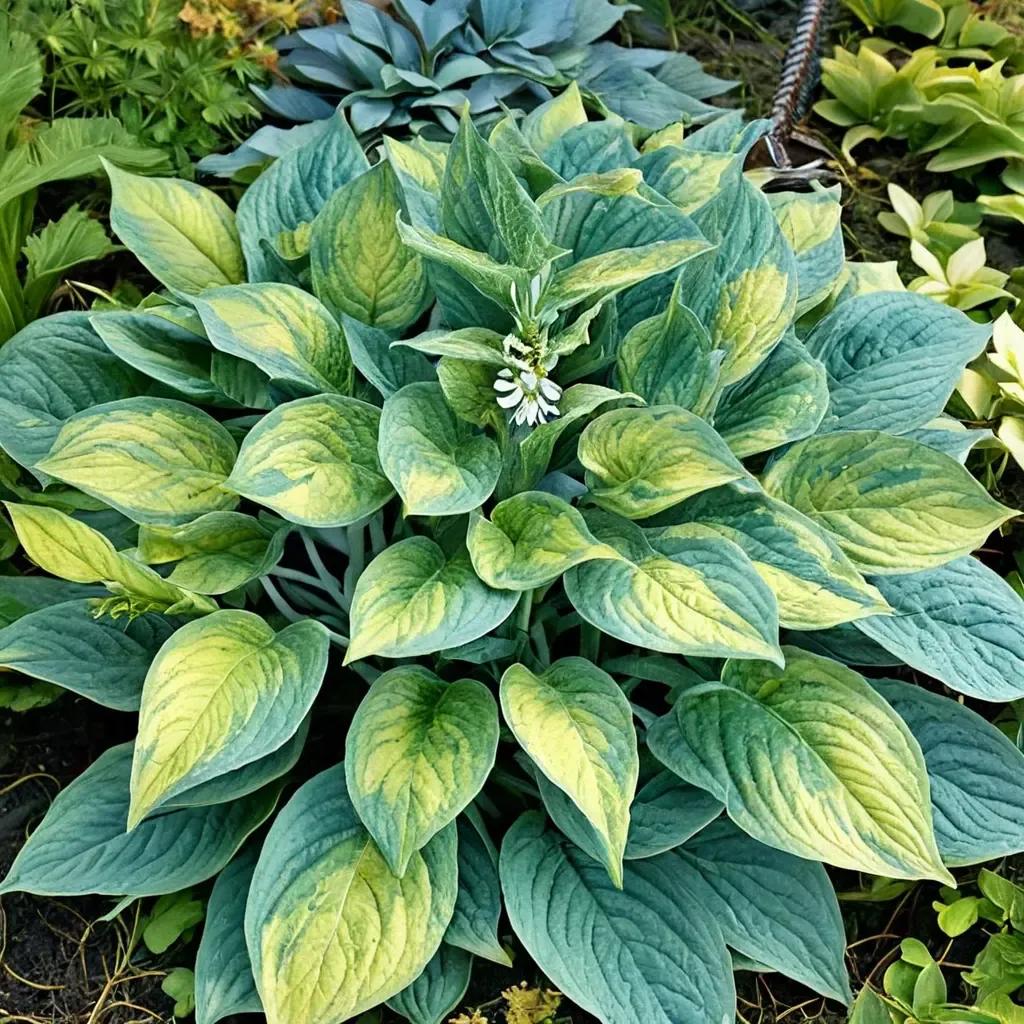 ‘Brother Stefan’Brother Stefan Hosta
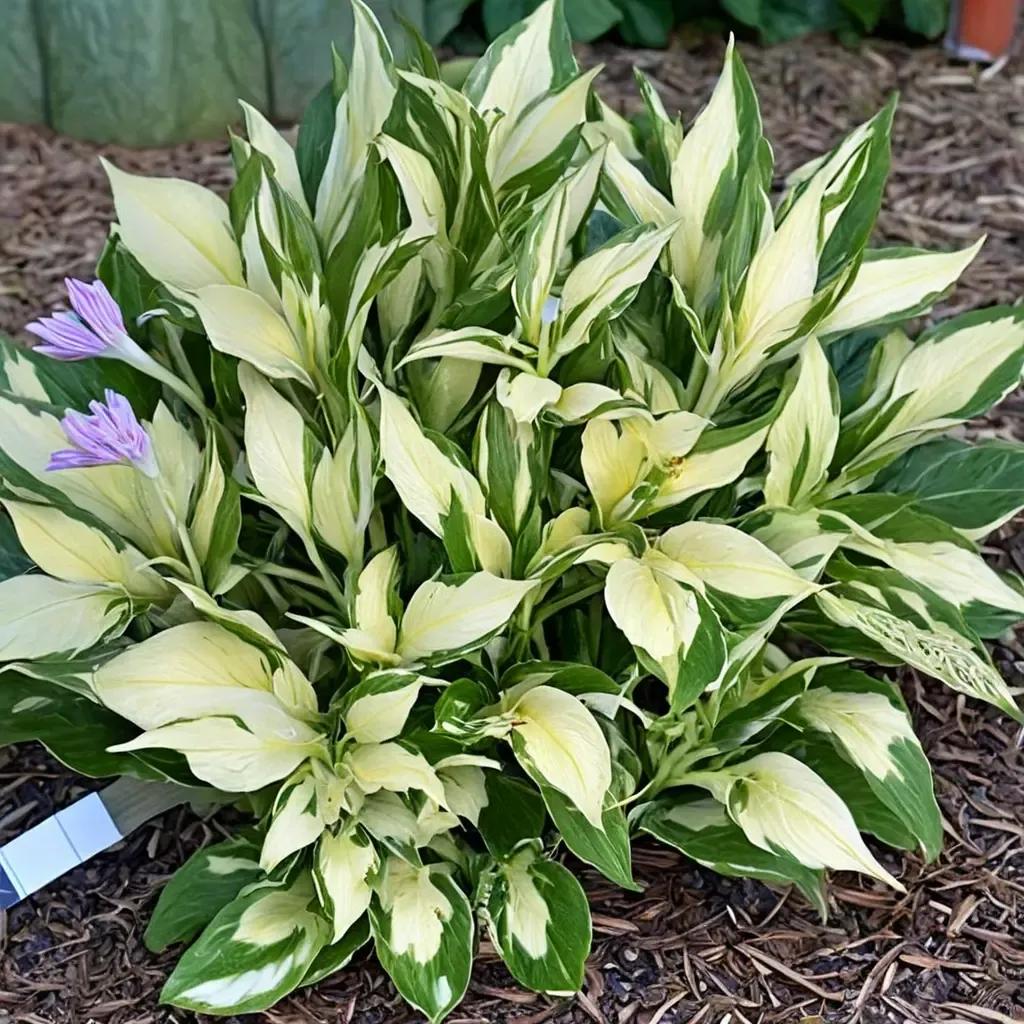 ‘Loyalist’Loyalist Hosta
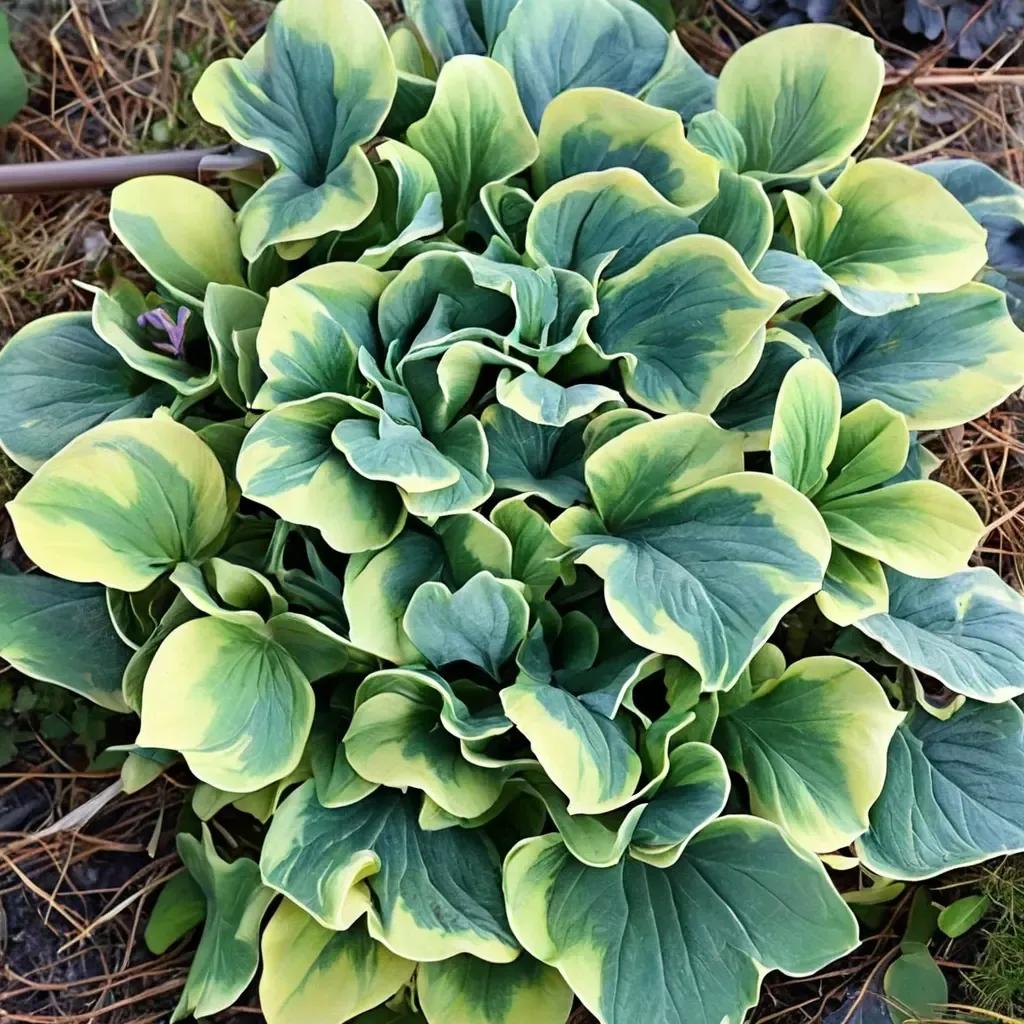 ‘School Mouse’School Mouse Hosta
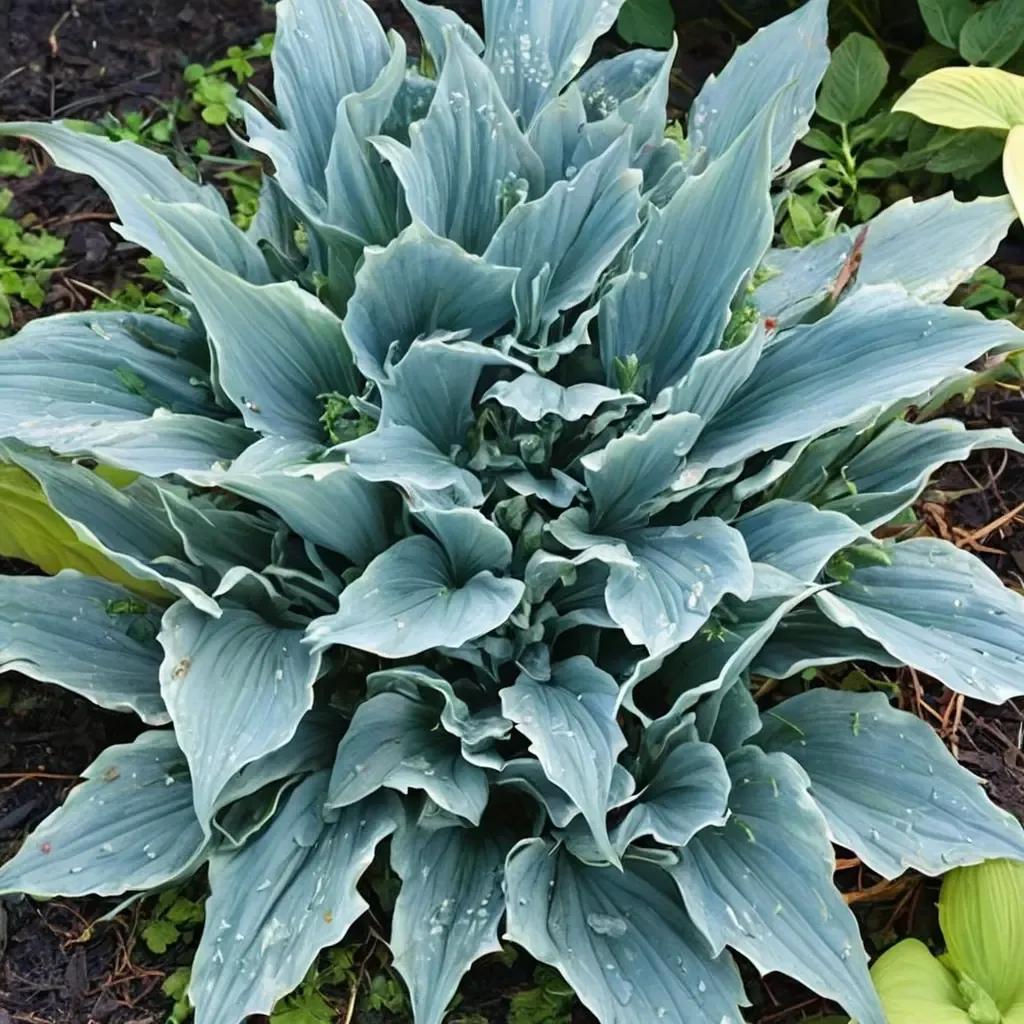 ‘Waterslide’Waterslide Plantain Lily
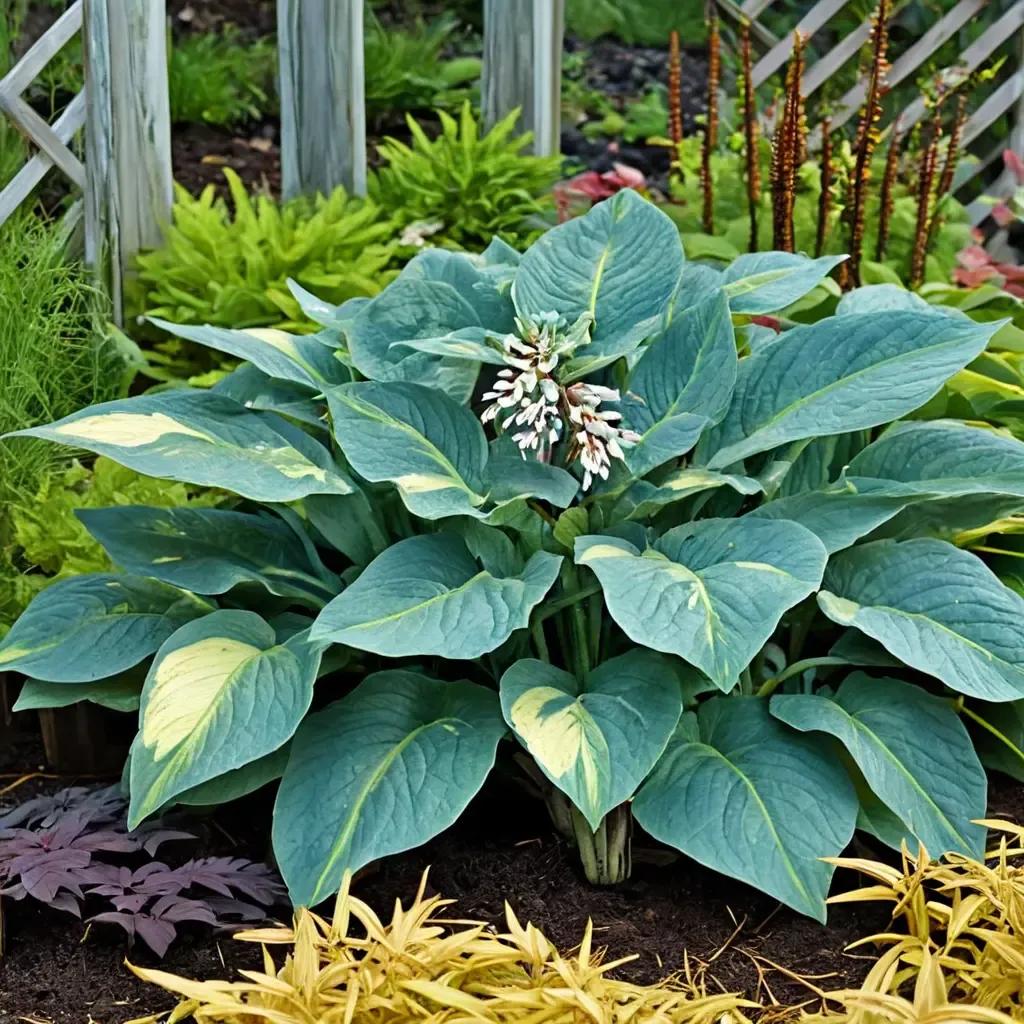 ‘Hudson Bay’Hudson Bay Hosta
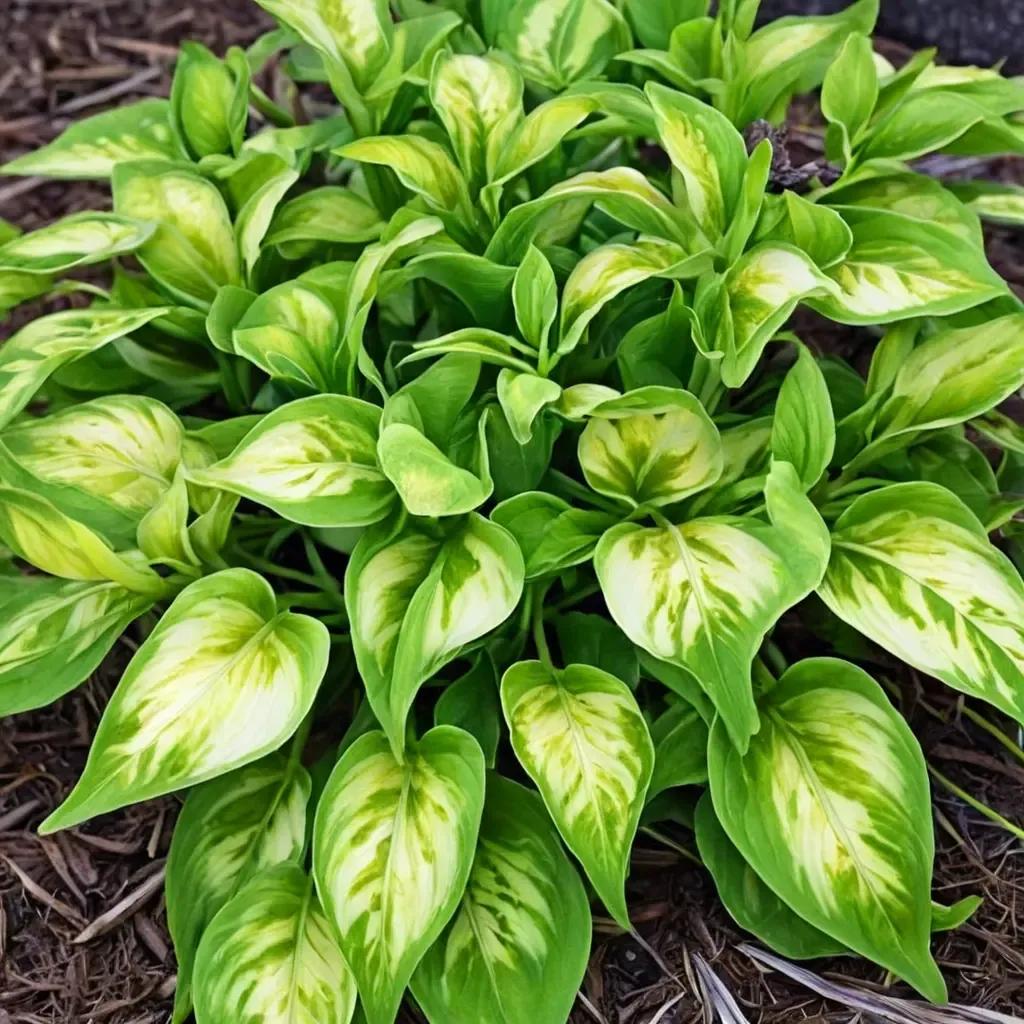 ‘Etched Glass’Etched Glass Hosta
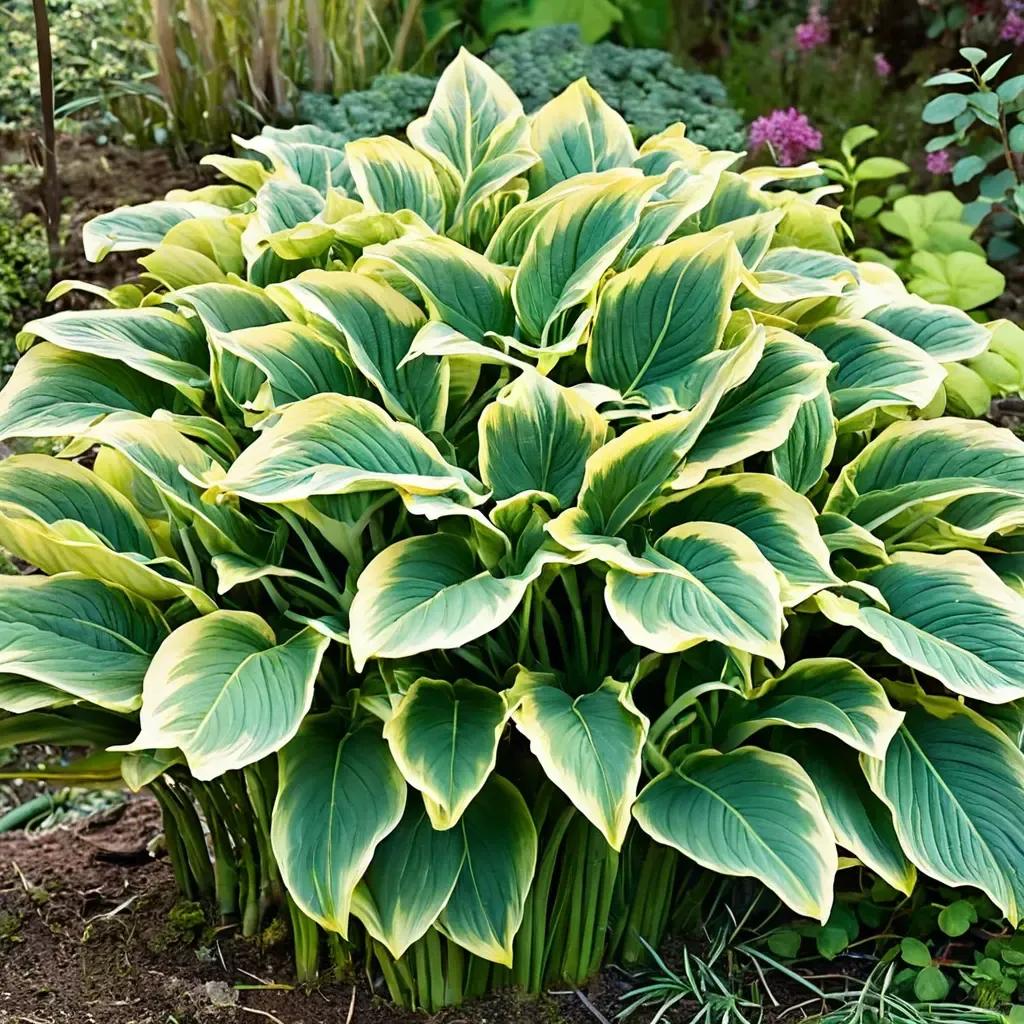 ‘Sagae’Sagae Hosta
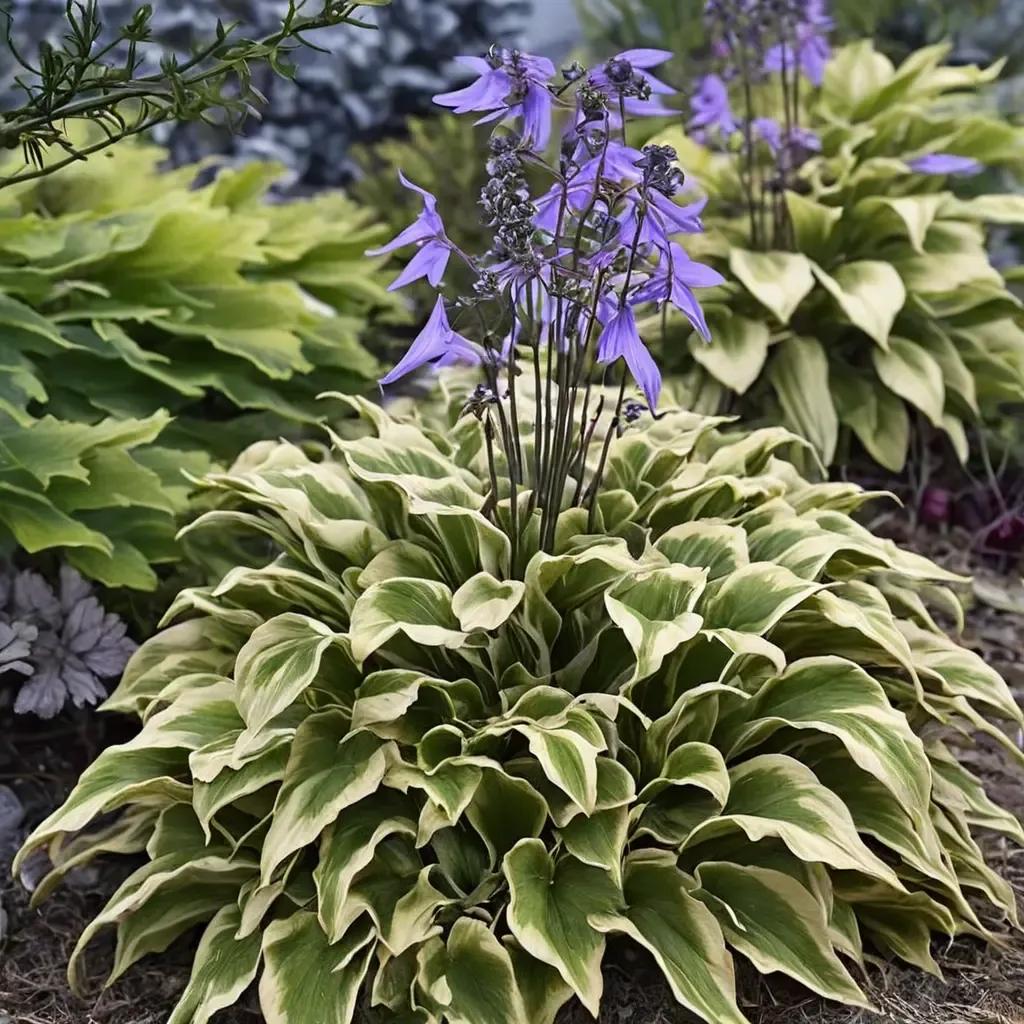 ‘Wrinkle in Time’Wrinkle in Time Hosta
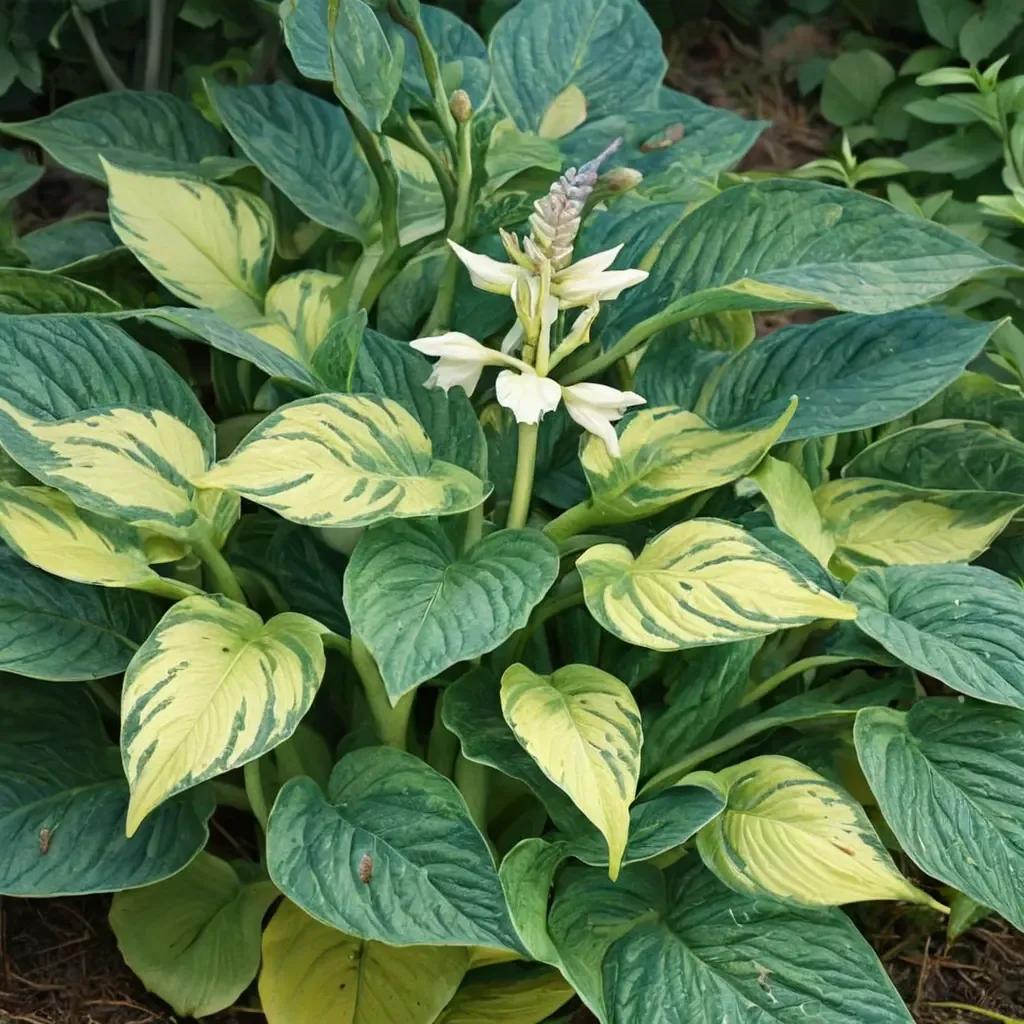 ‘Great Expectations’Great Expectations Hosta
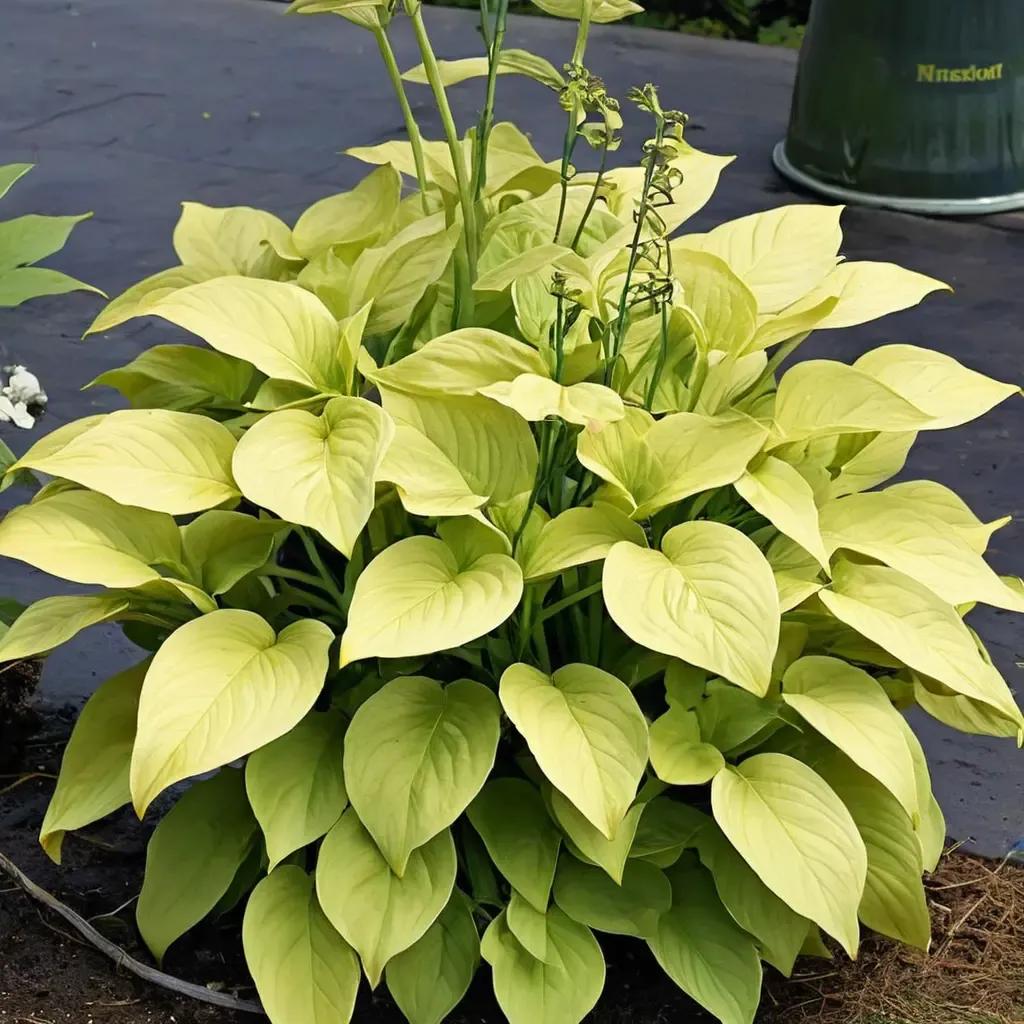 ‘August Moon’August Moon Hosta
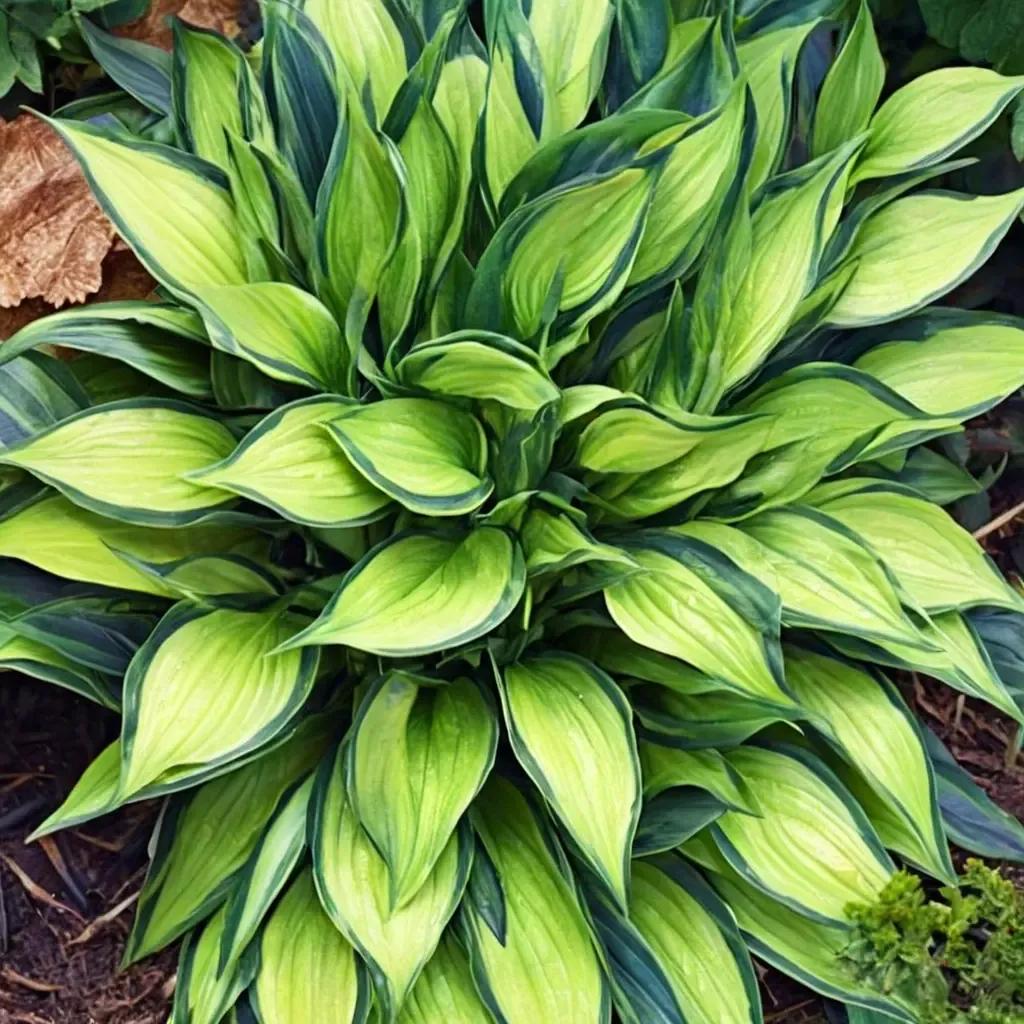 ‘June Spirit’June Spirit Plantain Lily
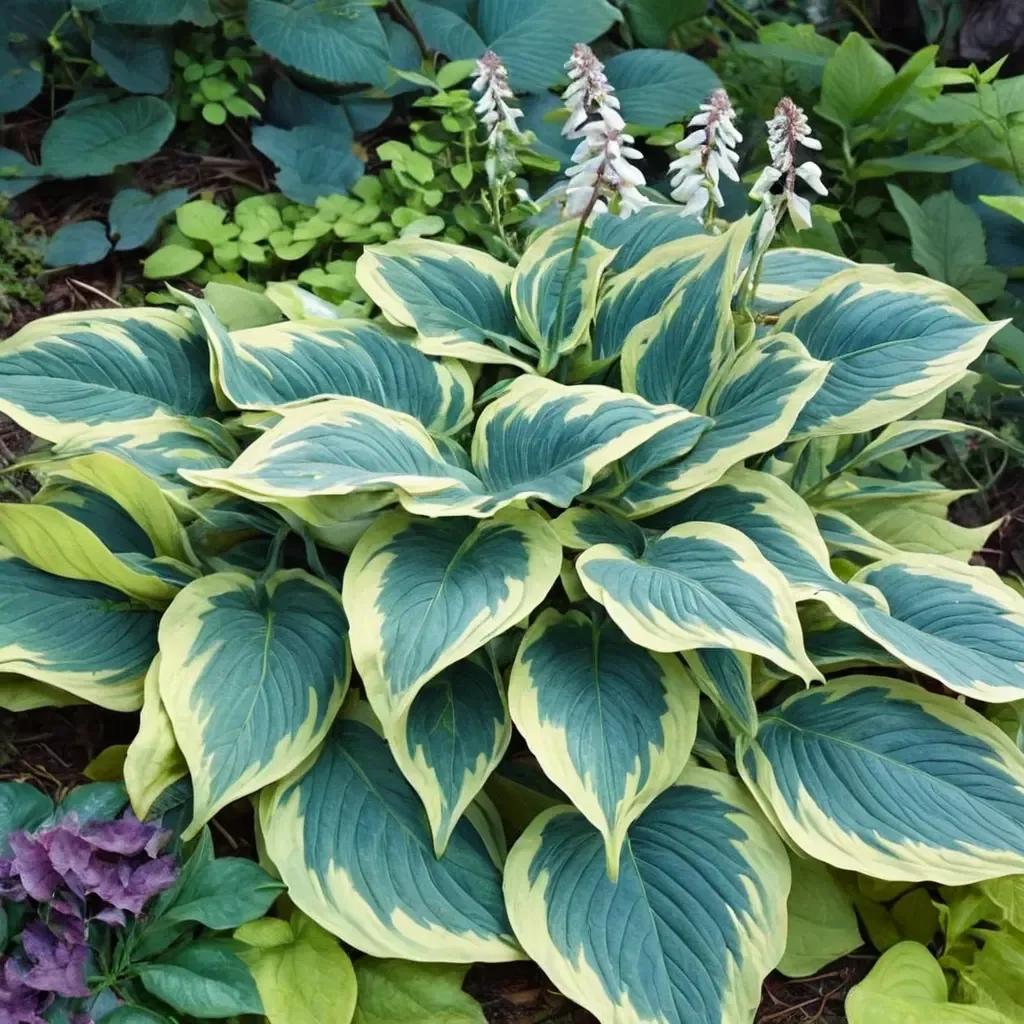 ‘Earth Angel’Earth Angel Hosta
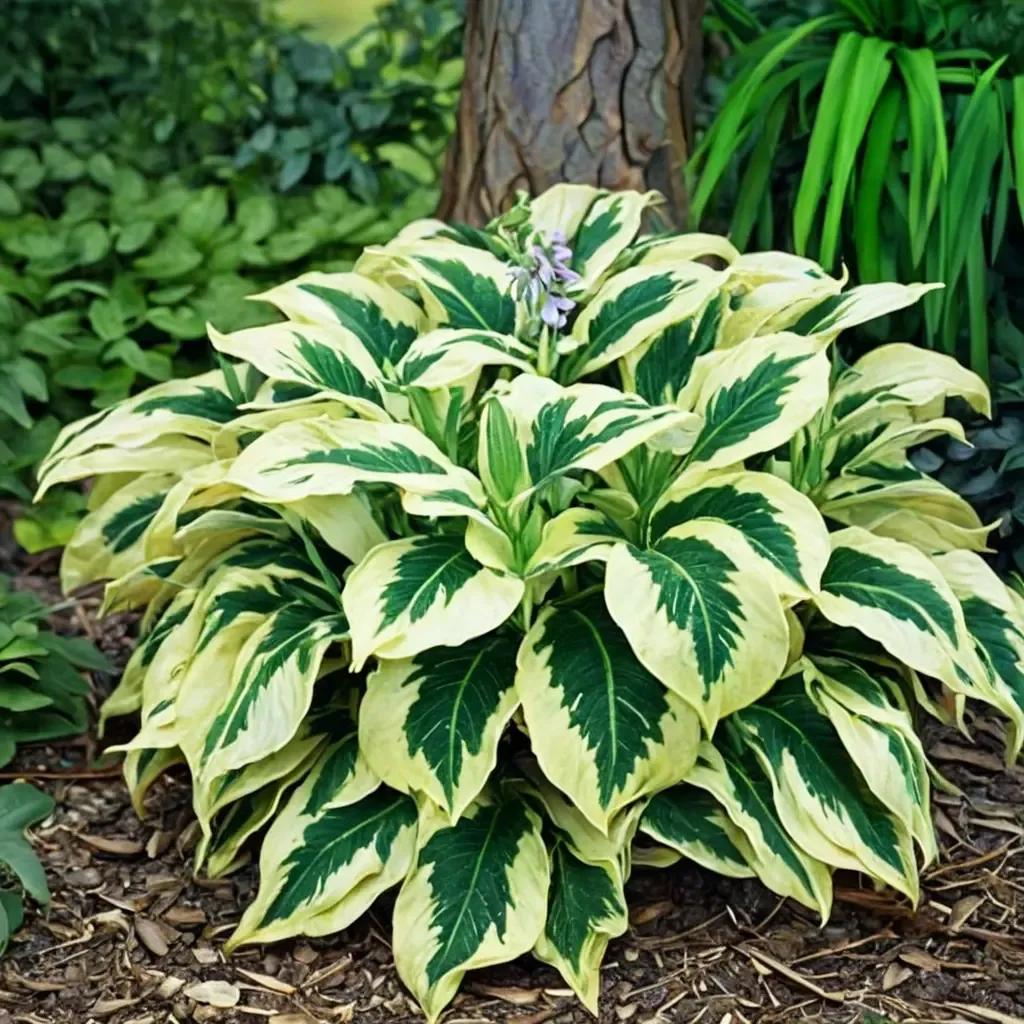 ‘Brim Cup’Brim Cup Hosta
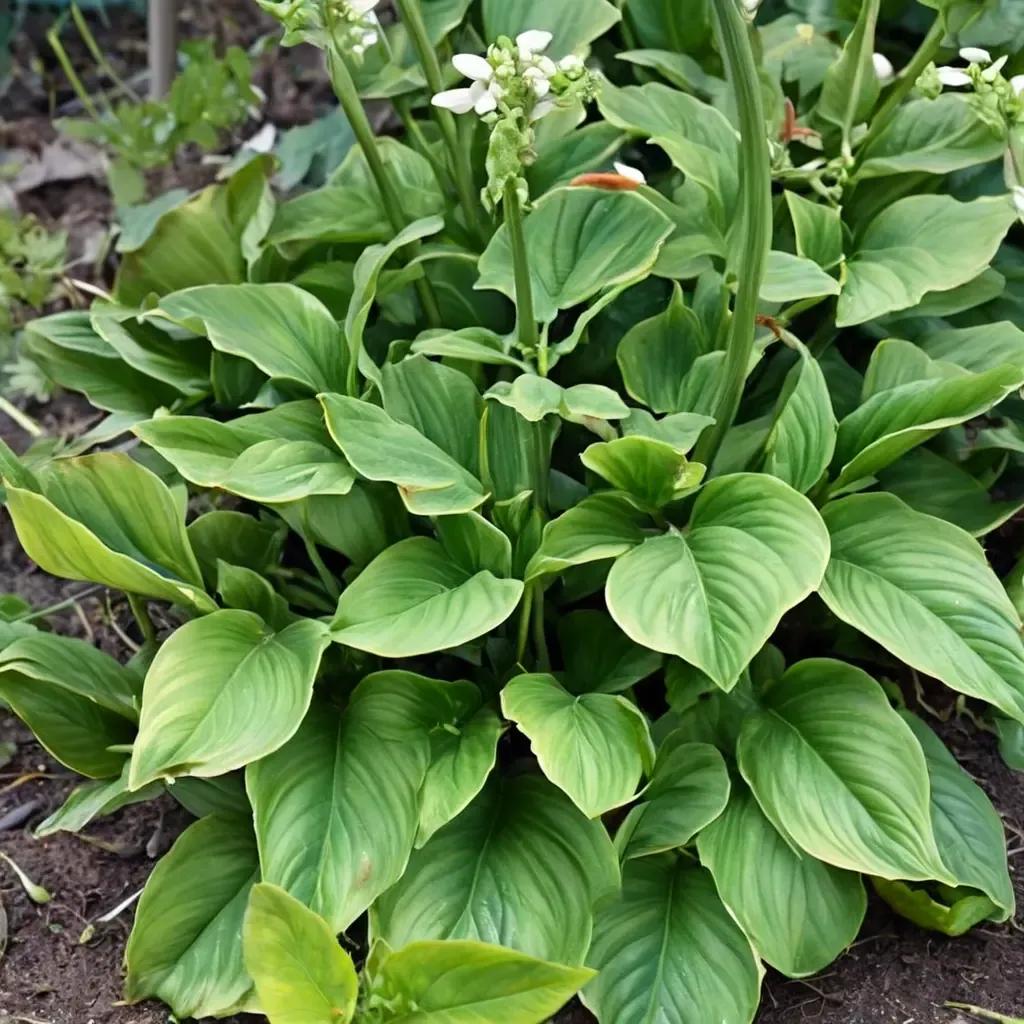 ‘Royal Crest’Royal Crest Plantain Lily
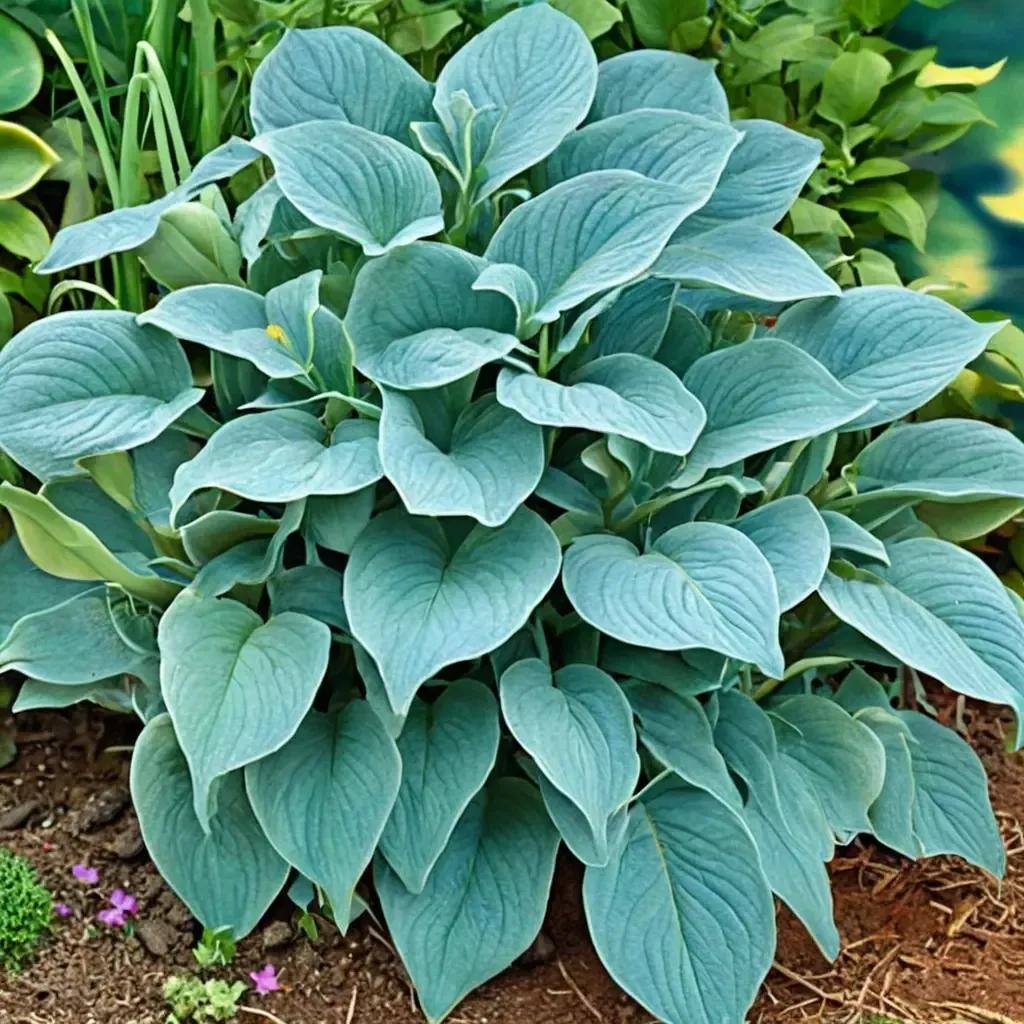 ‘True Blue’True Blue Hosta
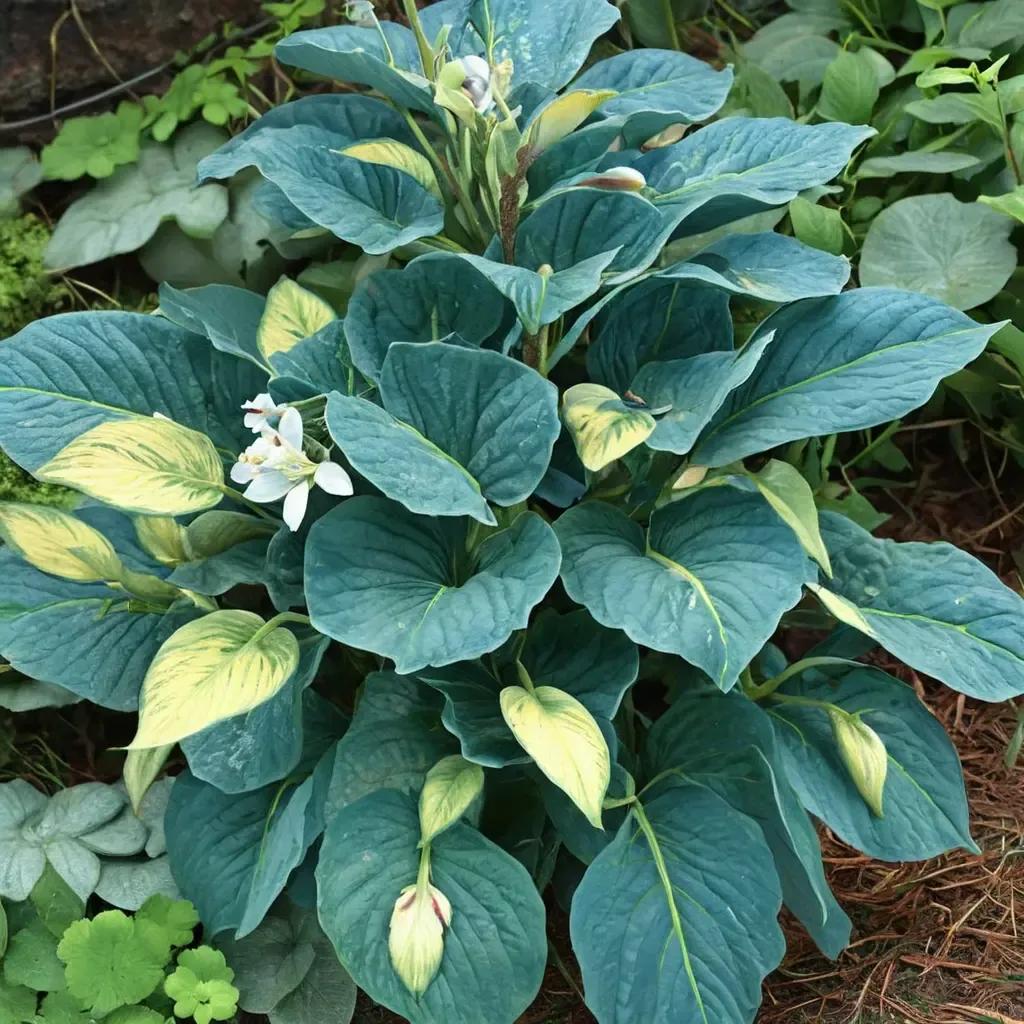 ‘Dream Weaver’Dream Weaver Hosta
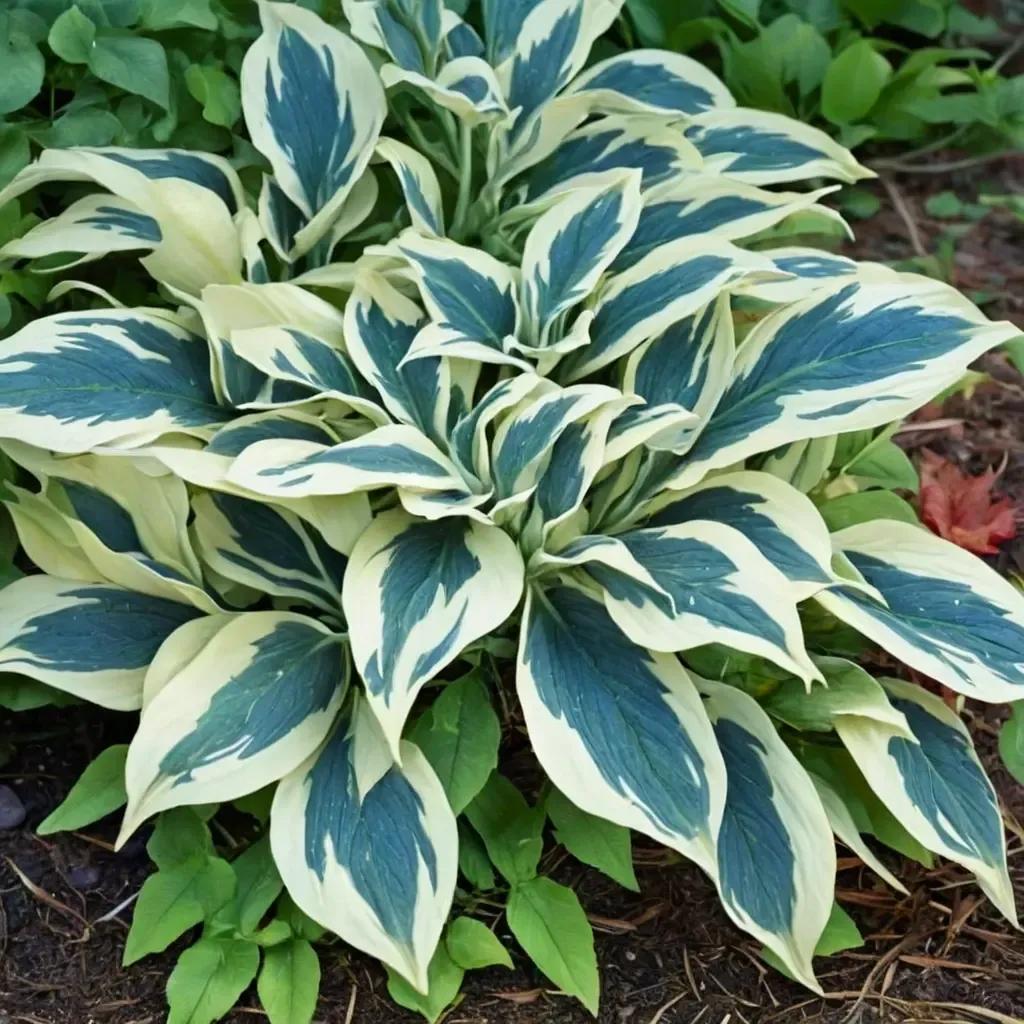 ‘Blue Ivory’Blue Ivory Hosta
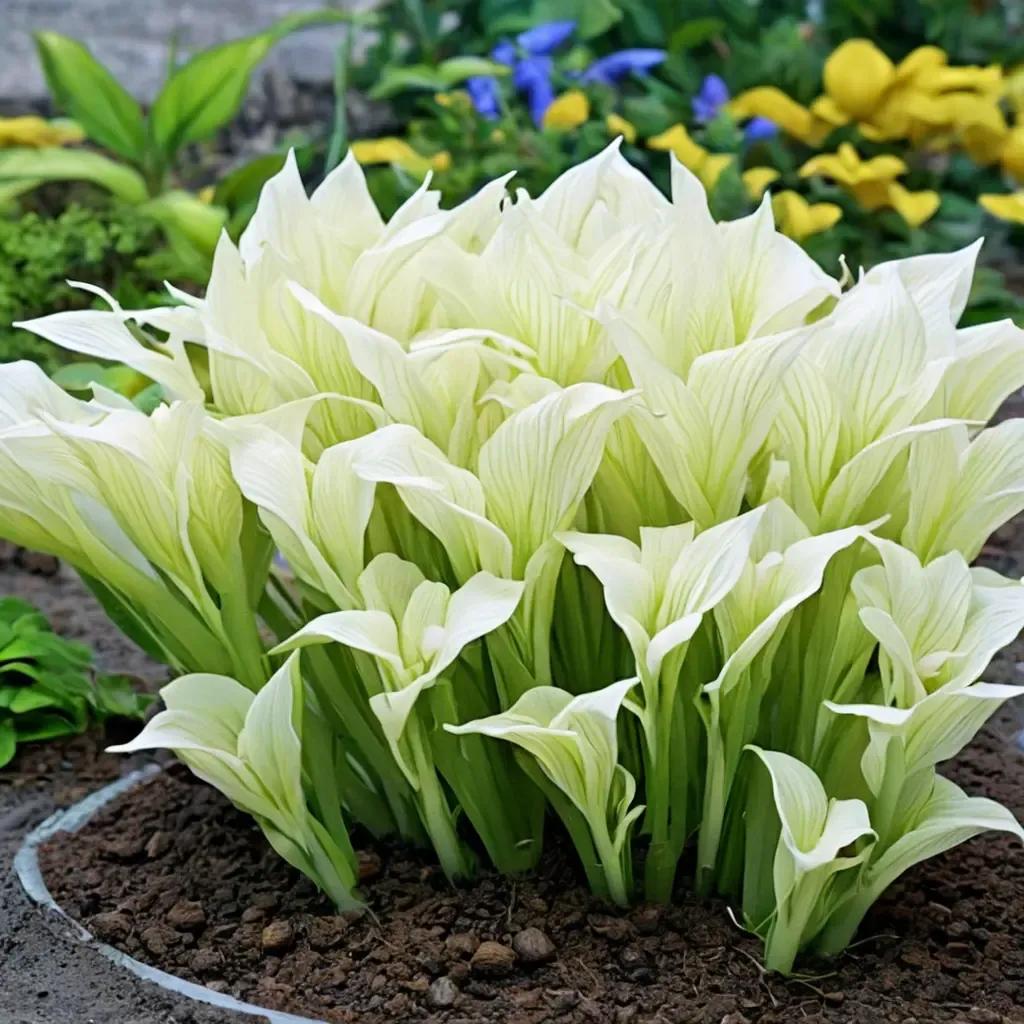 ‘White Feather’White Feather Hosta
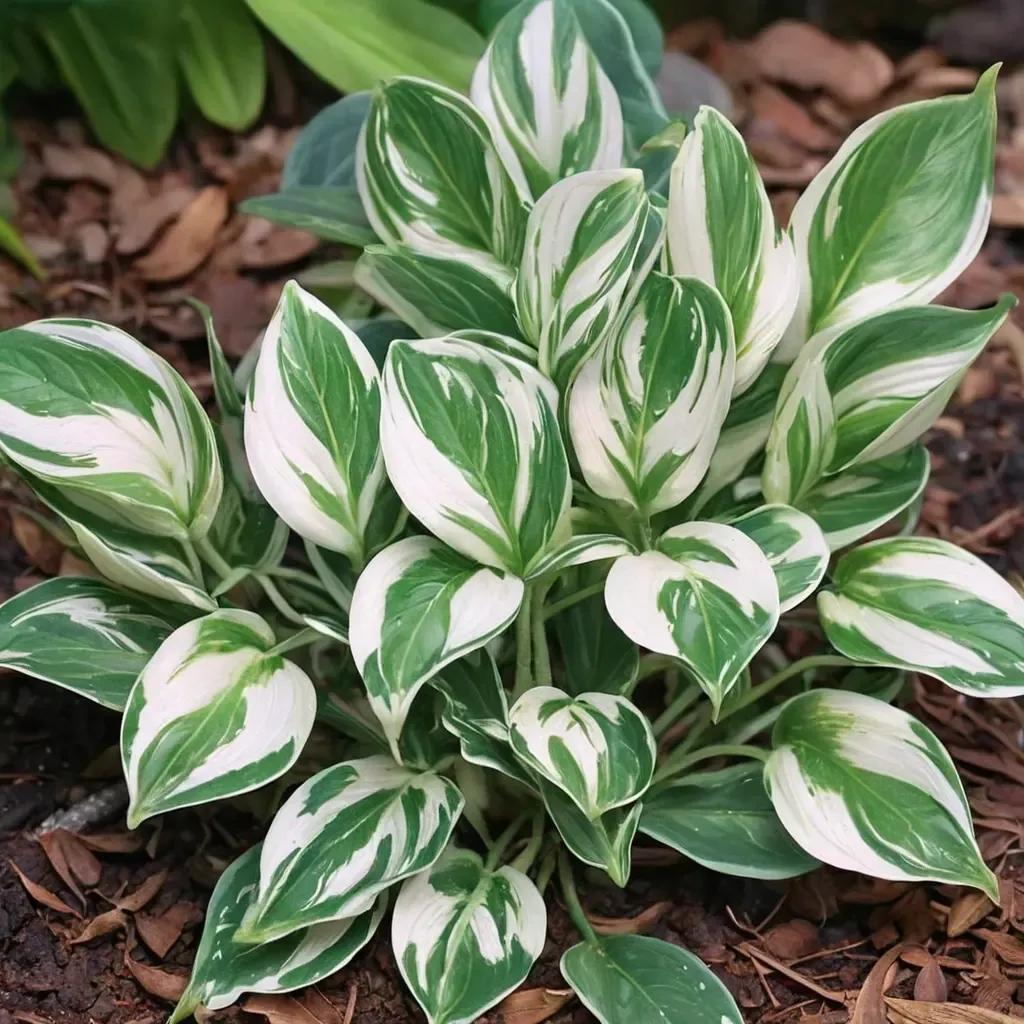 ‘Pandora's Box’Pandora's Box Plantain Lily
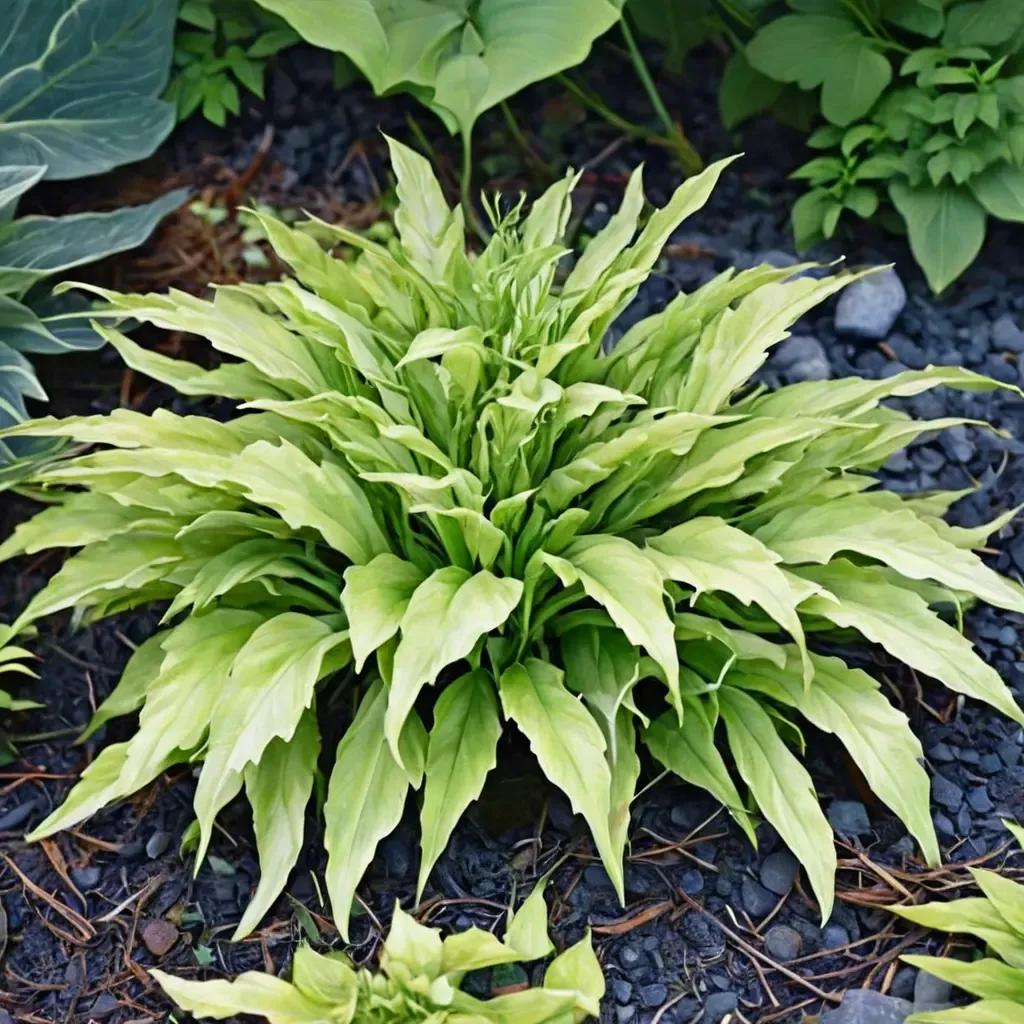 ‘Curly Fries’Curly Fries Hosta
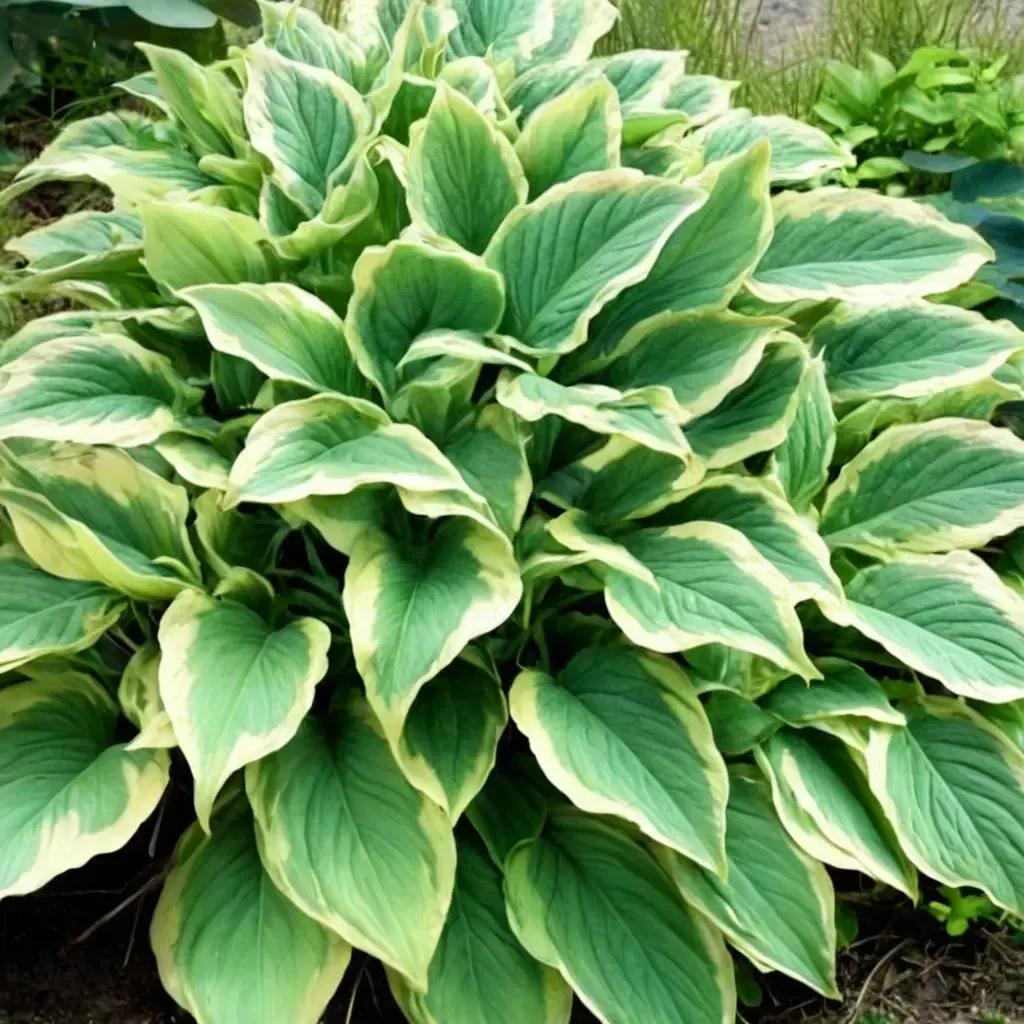 ‘Fragrant Dream’Fragrant Dream Hosta
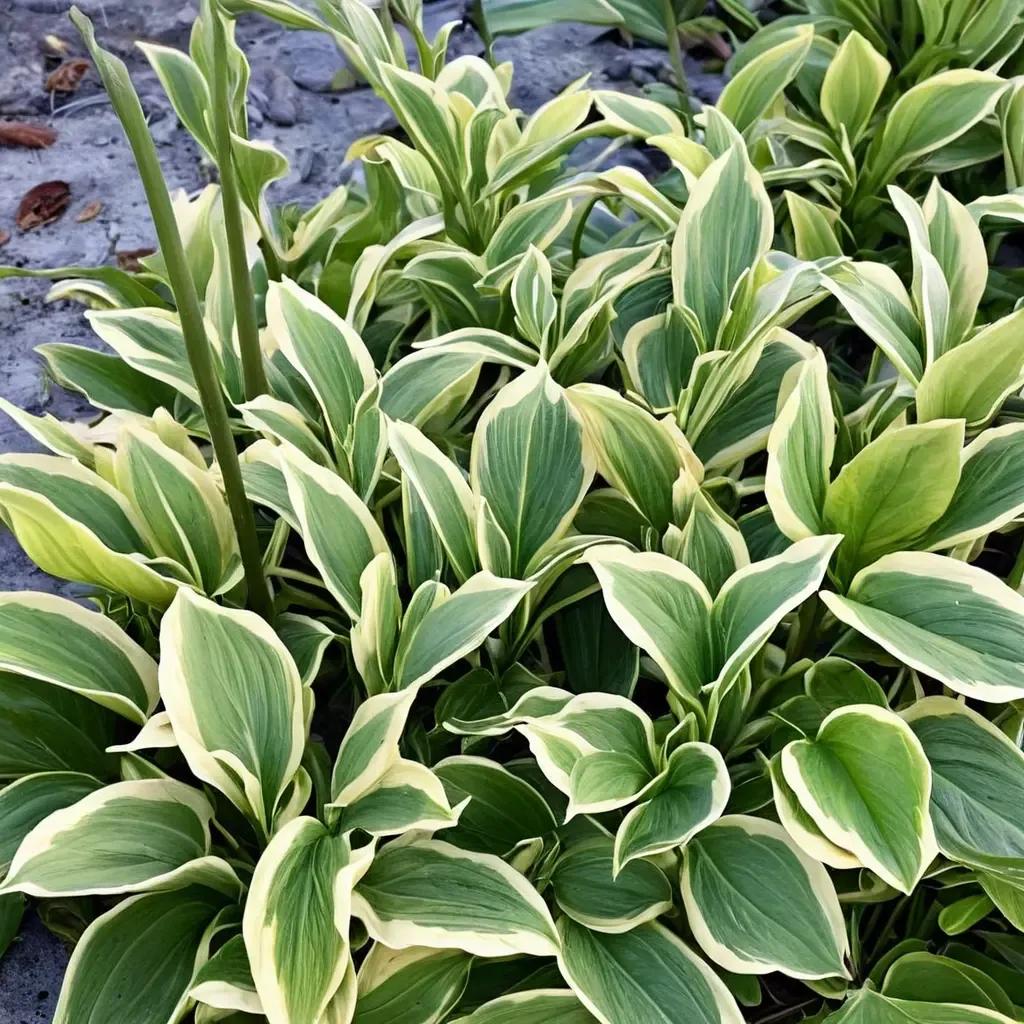 ‘So Sweet’So Sweet Hosta
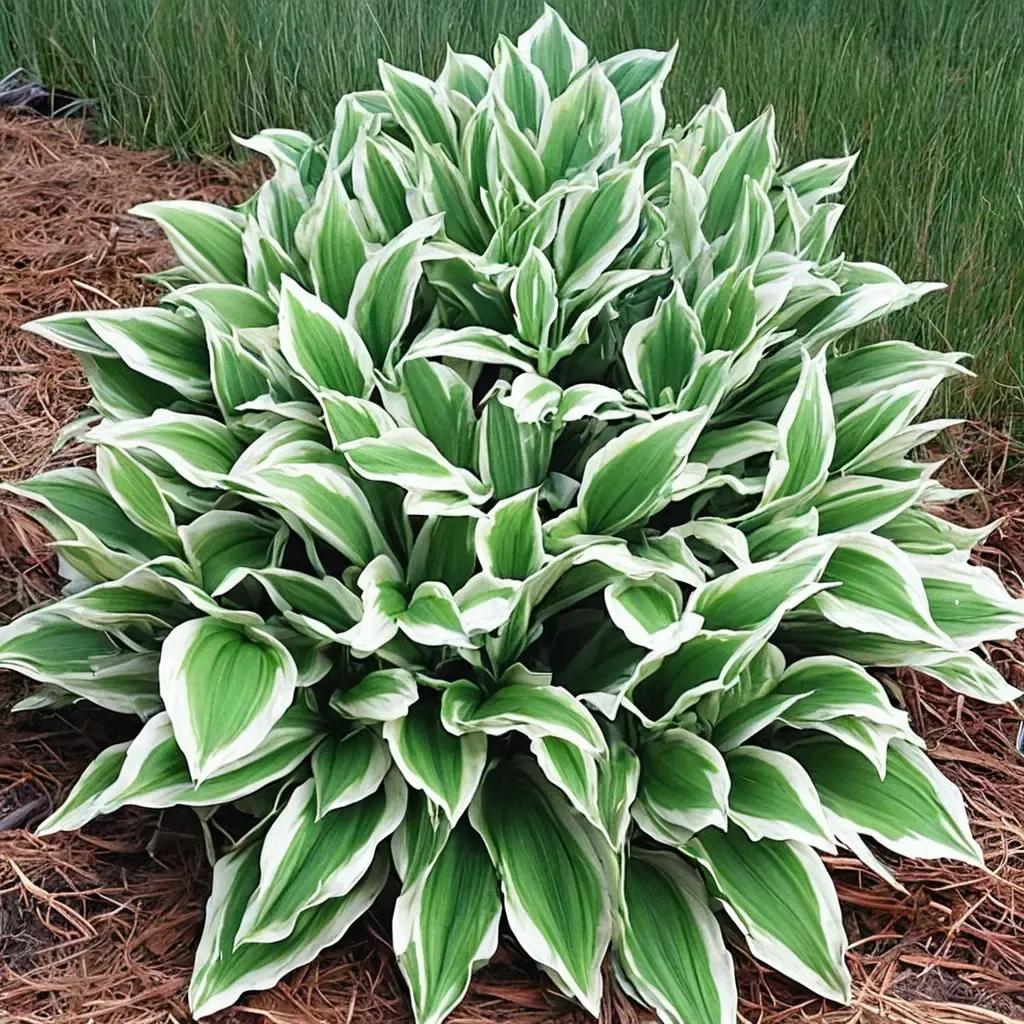 ‘Albo Marginata’Albomarginata Hosta
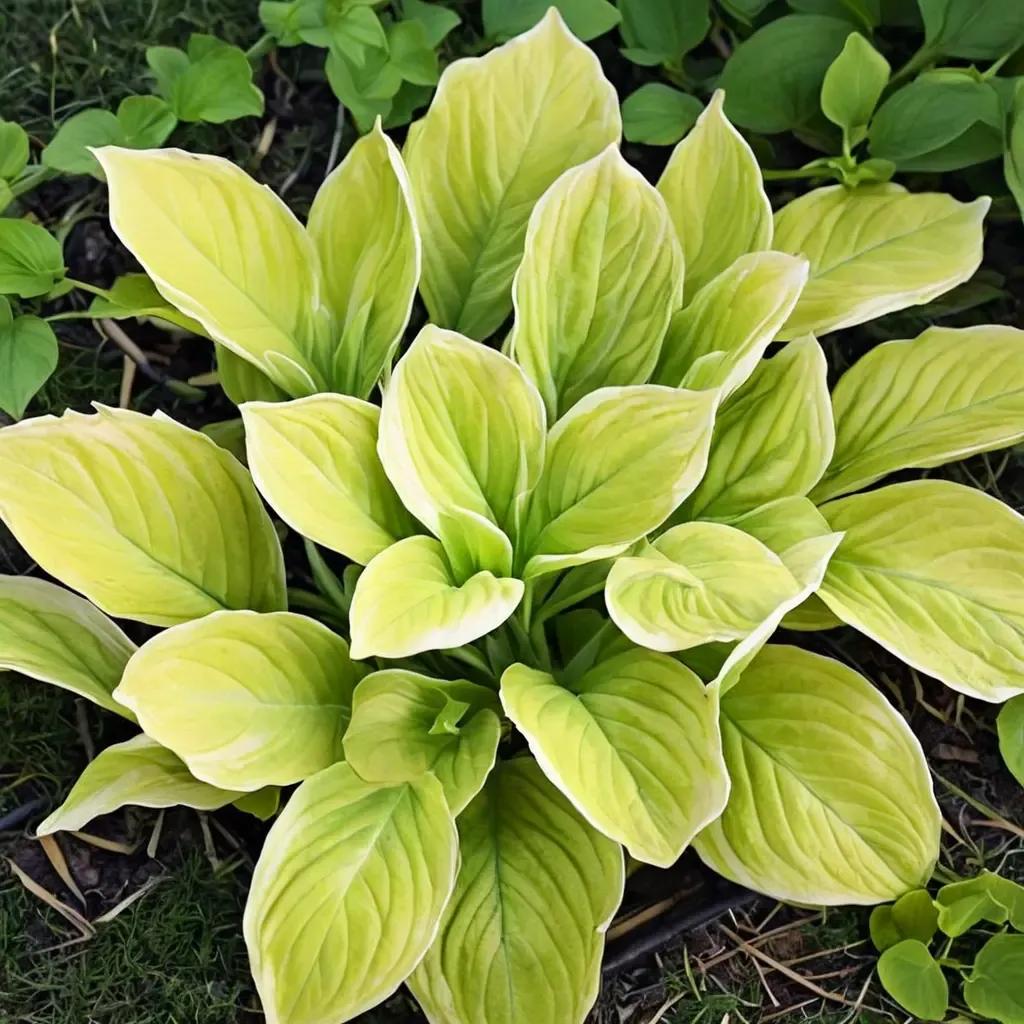 ‘Saint Elmo's Fire’Saint Elmo's Fire Hosta
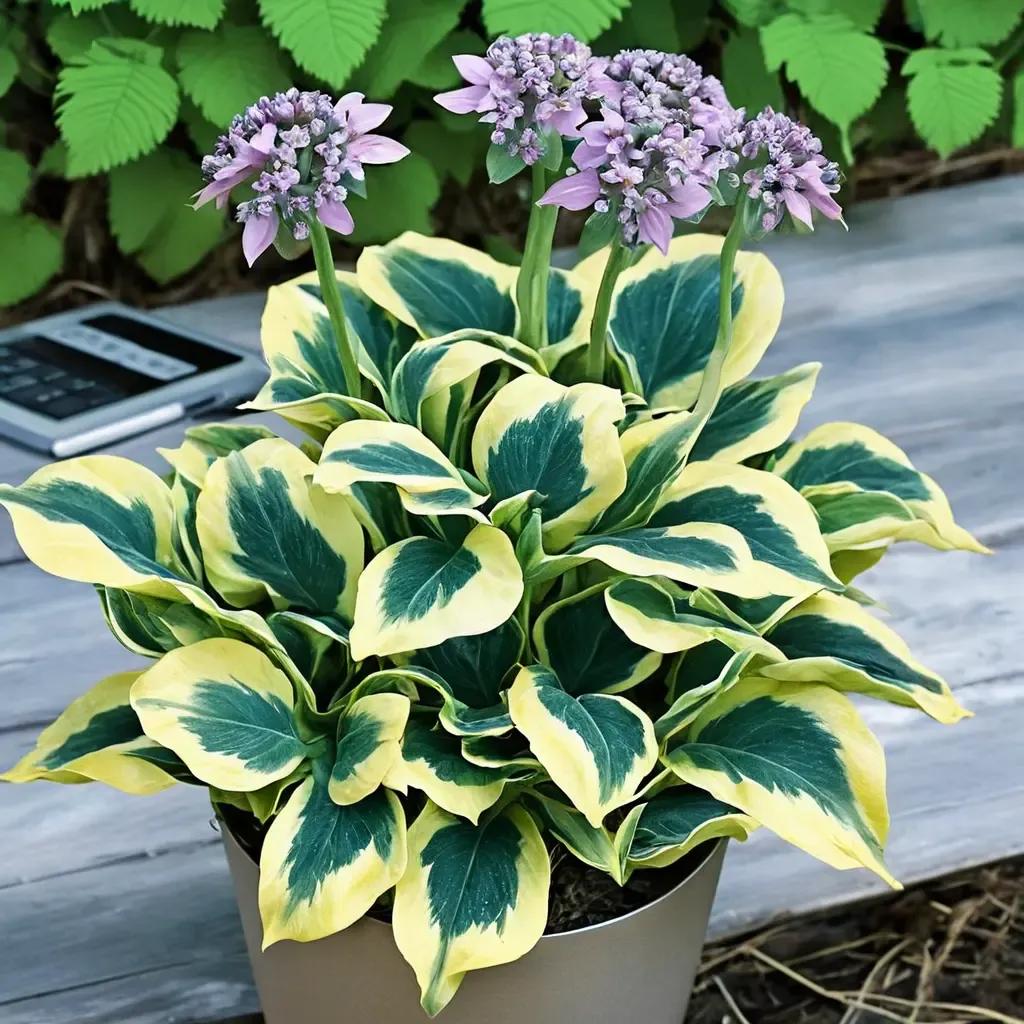 ‘Mighty Mouse’Mighty Mouse Hosta
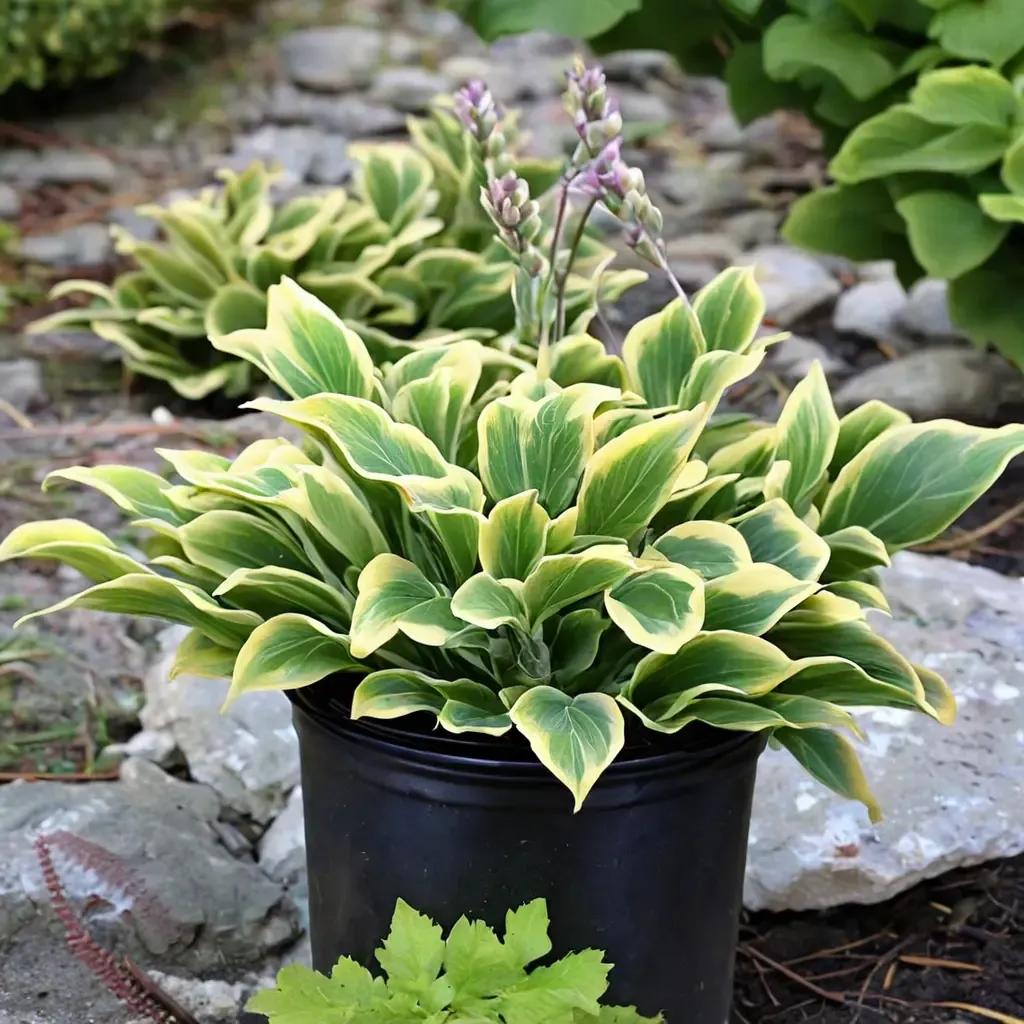 ‘First Frost’First Frost Hosta
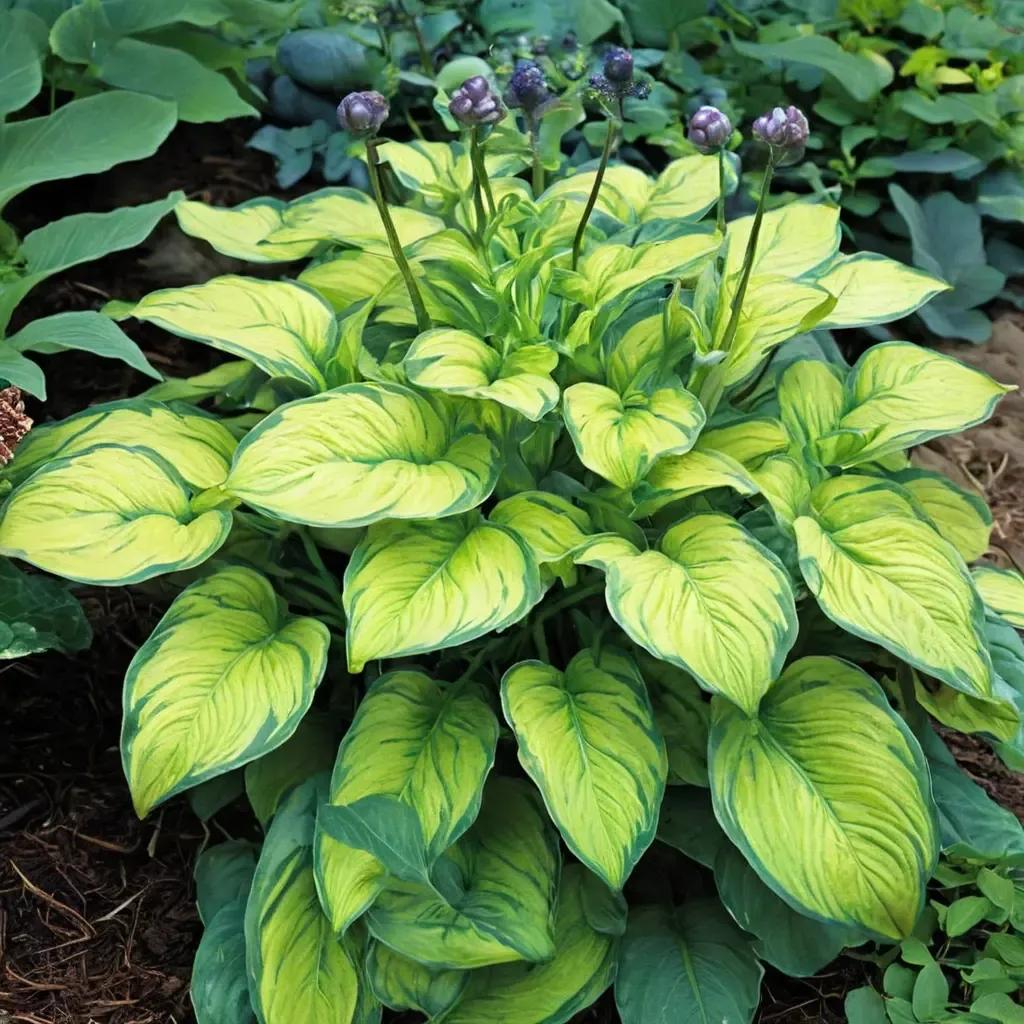 ‘Old Glory’Old Glory Hosta
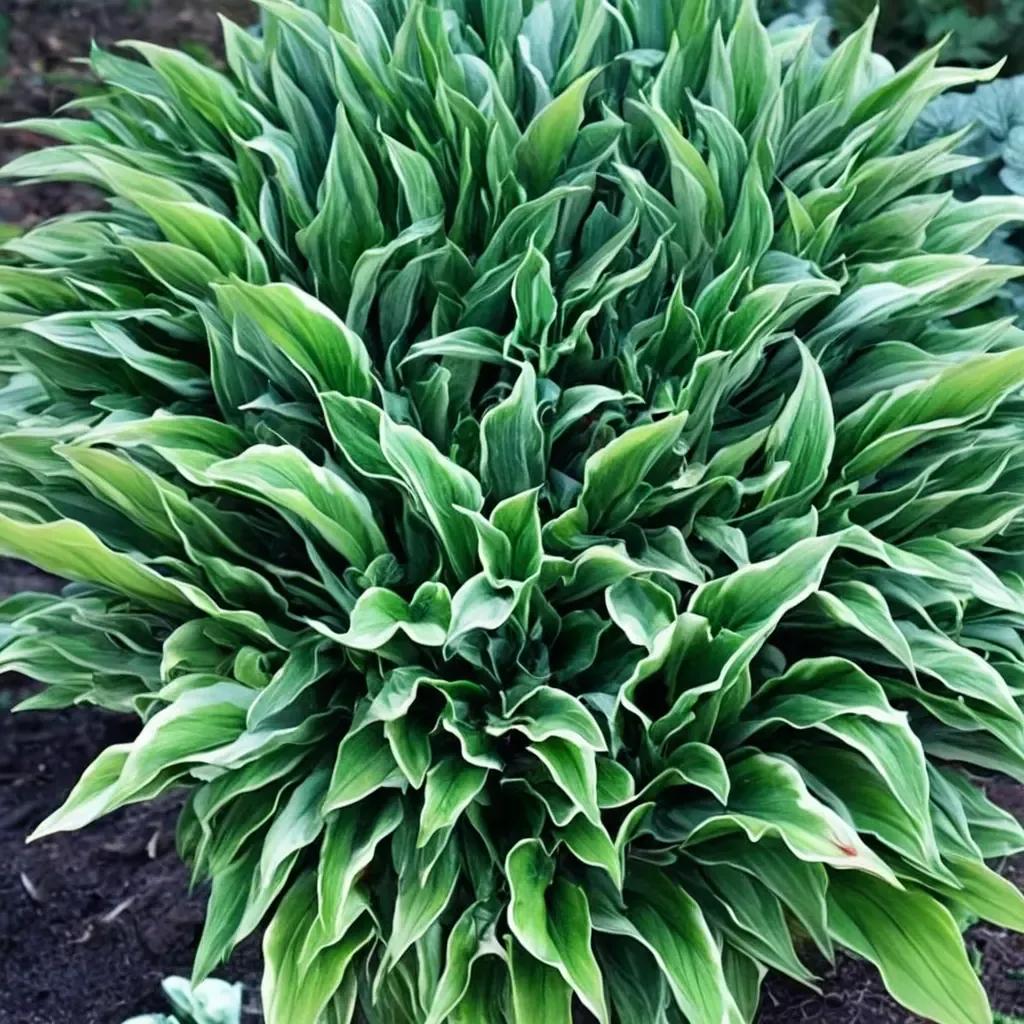 ‘Praying Hands’Praying Hands Hosta
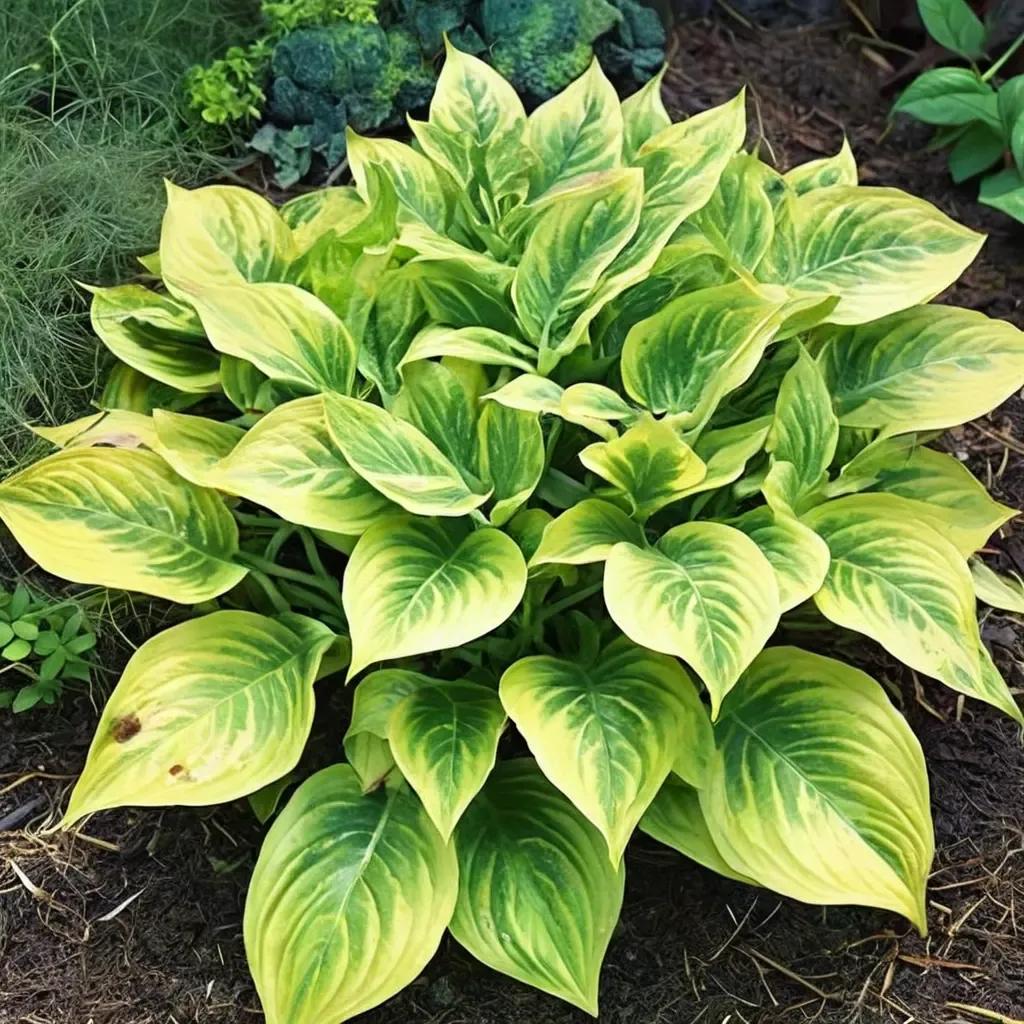 ‘Summer Breeze’Summer Breeze Hosta
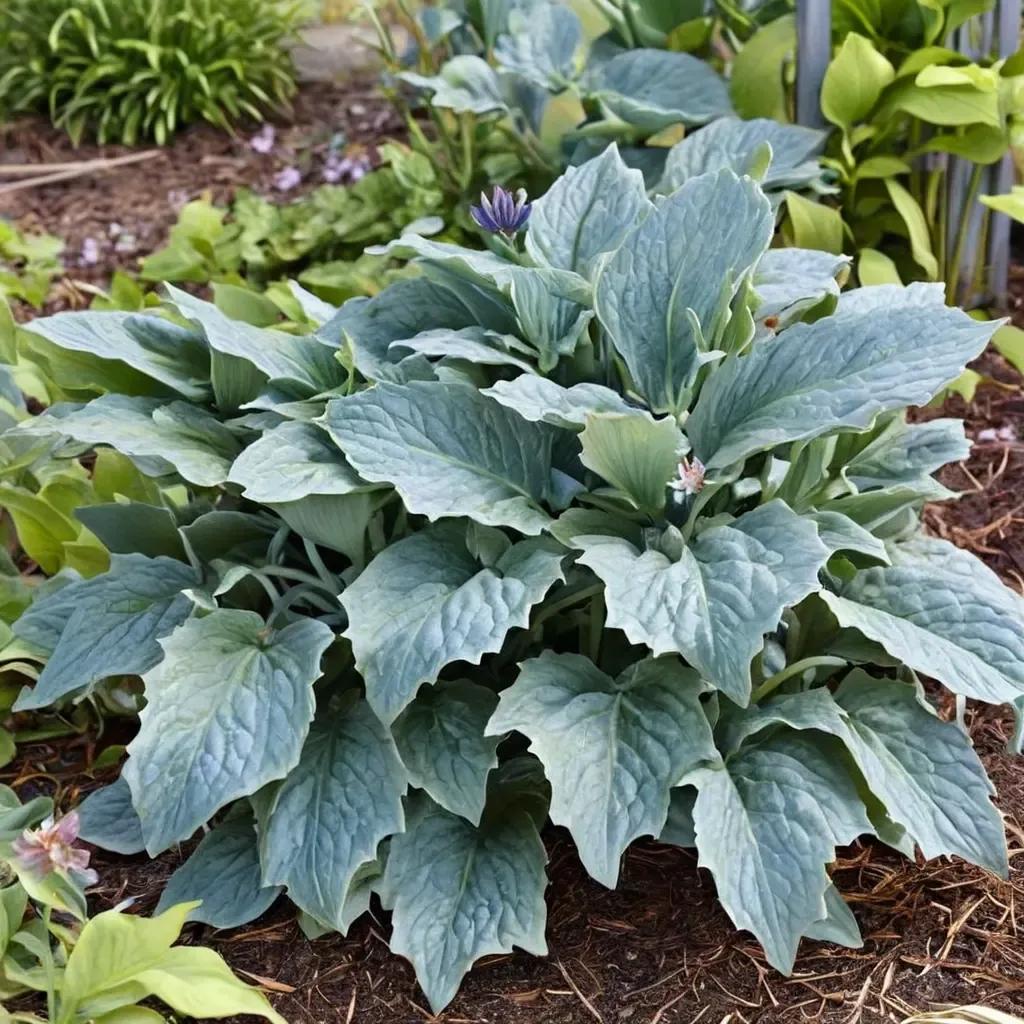 ‘Diamond Lake’Diamond Lake Hosta
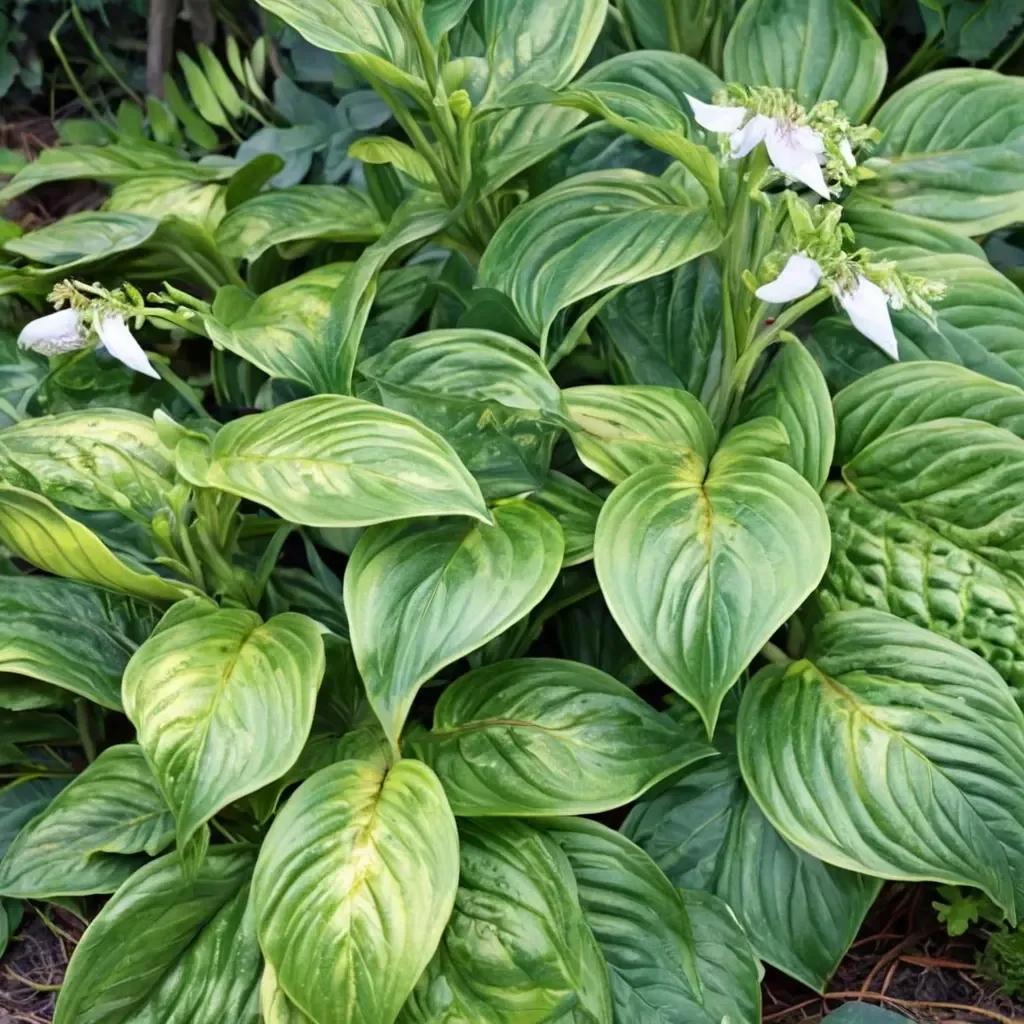 ‘Cathedral Windows’Cathedral Windows Hosta
The Story
Plant Bio
Hosta plantaginea 'Aphrodite' is a perennial shade-loving plant with large, glossy, heart-shaped green leaves and spikes of large, incredibly fragrant, double white flowers that bloom in late summer.
This cultivar is prized for its exceptionally fragrant, pure white, double flowers, which are larger and more numerous than the species. It is one of the most fragrant of all hostas.
Uses & Benefits:
Essentials
At a Glance
Plant Type
Perennial
Height
24"
Width
36"
Light
Partial Sun, Shade
Zones
4, 5, 6, 7, 8, 9
Water
Consistent moisture
Humidity
Prefers moderate to high humidity
Lifespan
Perennial
Native To
China
Toxicity
Toxic to dogs, cats, and horses
Planting
How to Grow
- Select a shaded spot with well-draining, rich soil.
- Tuck divisions or potted plants into the ground in early spring or fall.
- Water deeply to establish roots, keeping soil moist but not soggy.
- Mulch around the base to retain moisture and suppress weeds.
- Fertilize with a balanced, slow-release fertilizer in spring.
- Mist leaves during dry spells to prevent stress.
Pro Tip
Plant in a shaded area with organic matter for lush foliage and healthy growth.
Keep It Thriving
Care Guide
Do
- Water regularly to keep soil moist 🌱
- Apply mulch annually to conserve moisture
- Divide crowded clumps every 3-4 years
Don't
- Avoid full sun exposure which can scorch leaves ❌
- Do not over-fertilize, as it may cause legginess
- Never let soil dry out completely
Seasonal Care Calendar
| Task | Jan | Feb | Mar | Apr | May | Jun | Jul | Aug | Sep | Oct | Nov | Dec |
|---|---|---|---|---|---|---|---|---|---|---|---|---|
| Deadhead | ||||||||||||
| Divide | ||||||||||||
| Fertilize | ||||||||||||
| Mulch | ||||||||||||
| Pest Check | ||||||||||||
| Winter Prep |
Watch Out For
Pests & Diseases
Common Pests
Common Diseases
In the Garden
Landscape Uses & Companions
Landscape Uses
Companion Plants
Multiply
Propagation Methods
Good to Know
Common Questions
'Aphrodite' Plantain Lily questions
What zones can 'Aphrodite' Plantain Lily grow in?
'Aphrodite' Plantain Lily is hardy in USDA Zones 4–9. Inside that range it survives winter in the ground; outside it, grow it as an annual or a container plant you protect.
Is 'Aphrodite' Plantain Lily deer resistant?
Not reliably. Deer may browse 'Aphrodite' Plantain Lily, especially tender spring growth — plan on repellents or fencing where pressure is high.
When does 'Aphrodite' Plantain Lily bloom?
'Aphrodite' Plantain Lily typically blooms in late summer. Exact timing shifts a week or two with your zone — Sow's bloom calendar maps it to your garden.
Does 'Aphrodite' Plantain Lily need full sun?
'Aphrodite' Plantain Lily does best in part shade.
More Hosta to compare
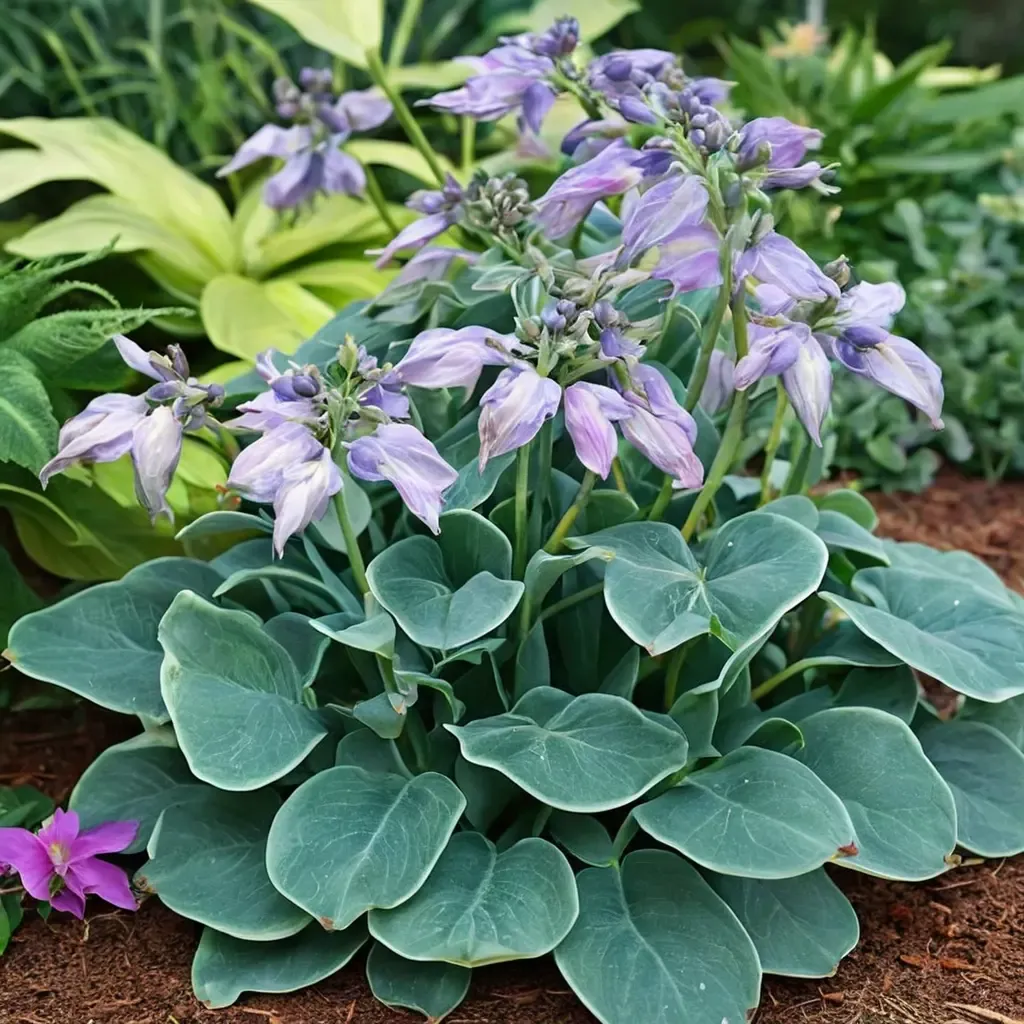
Blue Mouse Ears Hosta
Hosta x hybrida 'Blue Mouse Ears'
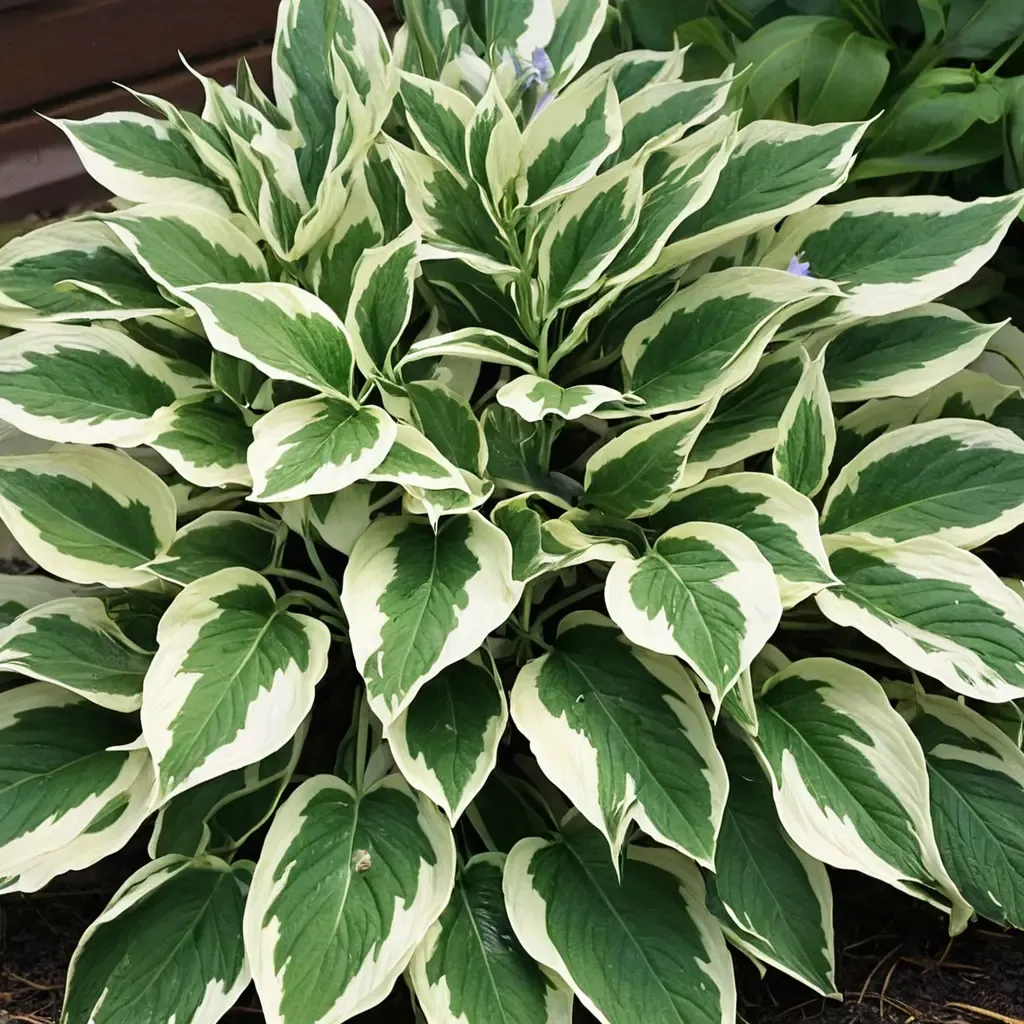
Patriot Hosta
Hosta x hybrida 'Patriot'
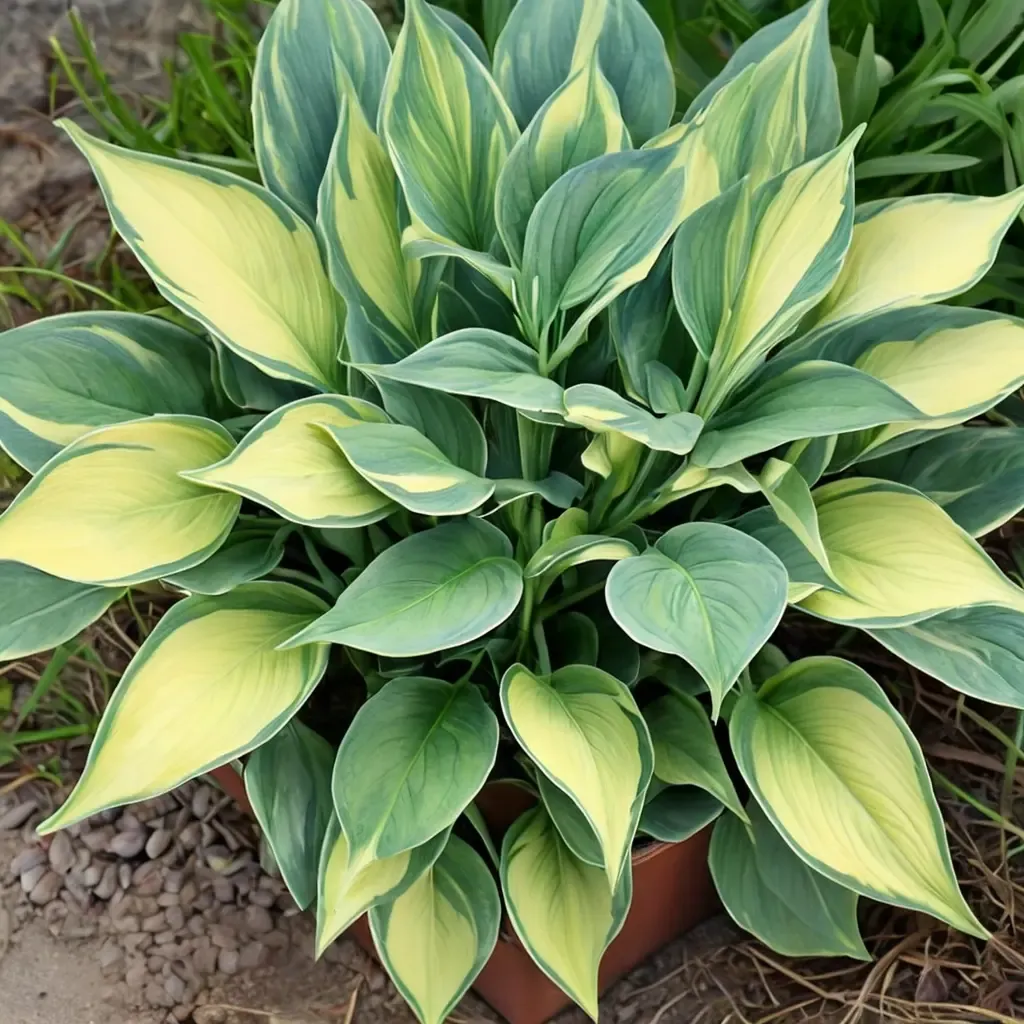
June Hosta
Hosta fortunei 'June'
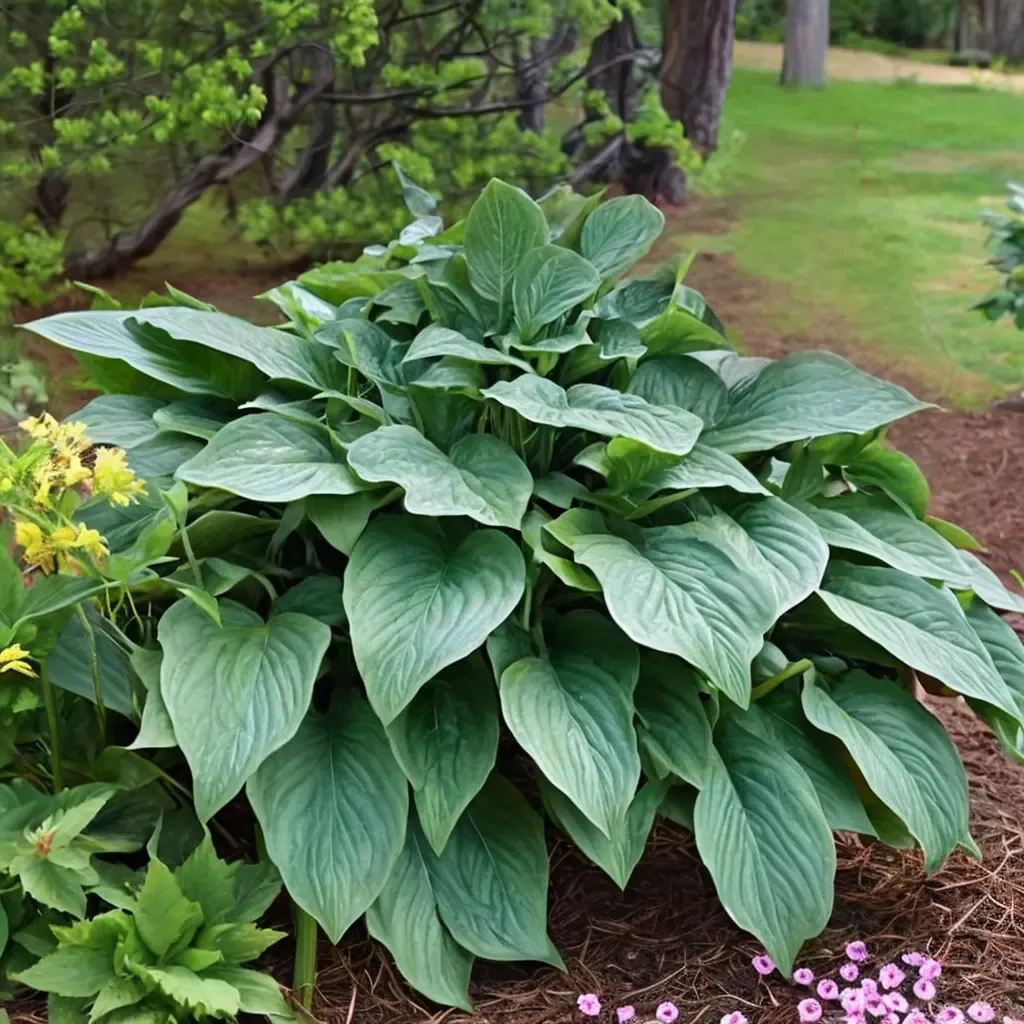
Empress Wu Hosta
Hosta plantaginea 'Empress Wu'
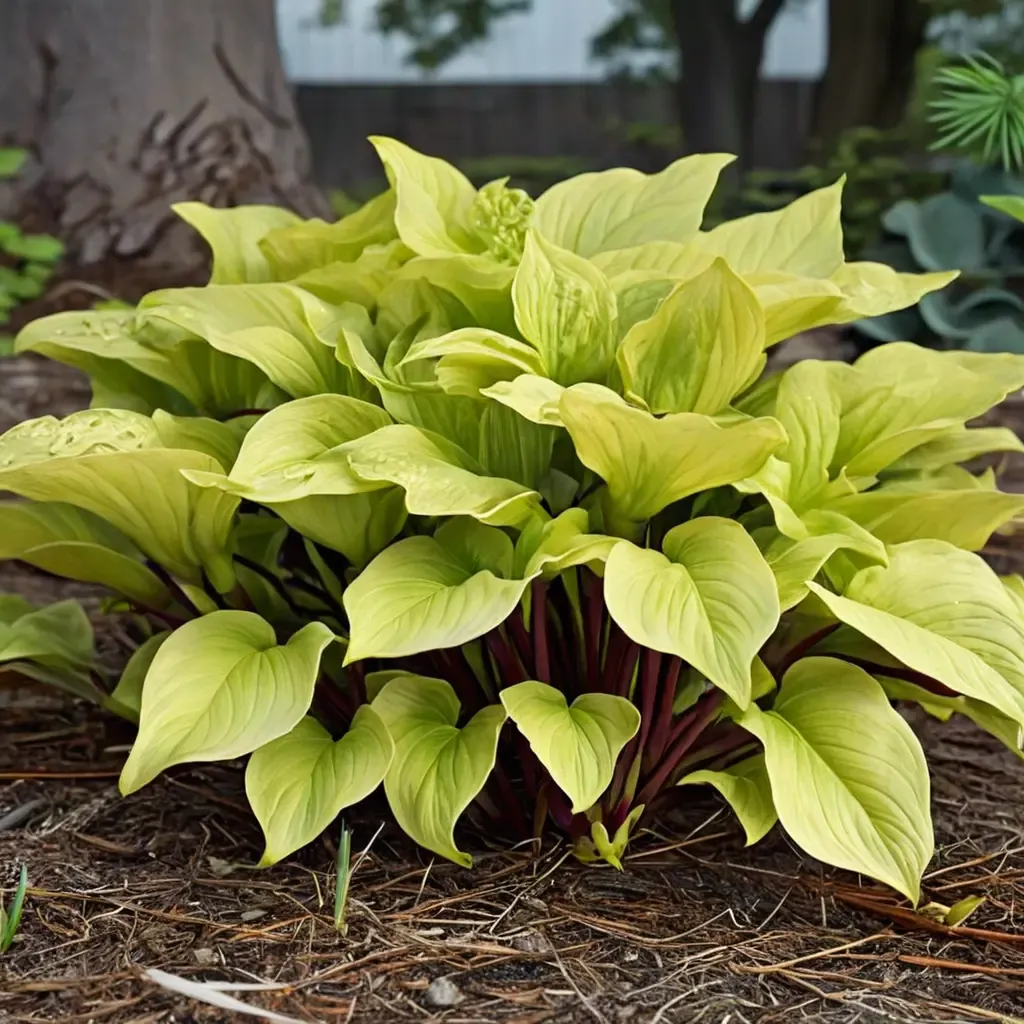
Fire Island Hosta
Hosta fortunei 'Fire Island'
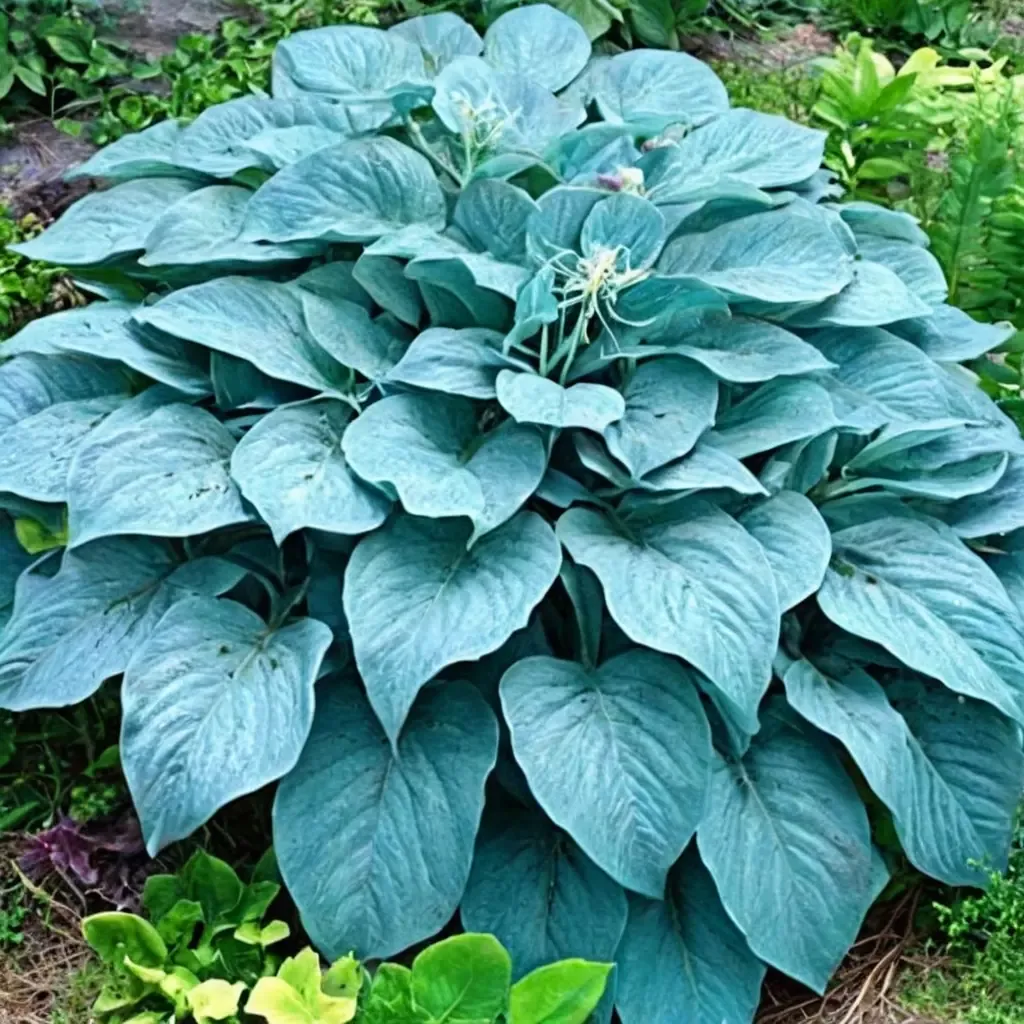
Blue Angel Hosta
Hosta plantaginea 'Blue Angel'
Keep exploring
Explore the genus
Grow 'Aphrodite' Plantain Lily with confidence
See it in a design of your actual yard, get zone-matched care reminders, and track it season by season in your garden journal.