The Story
Plant Bio
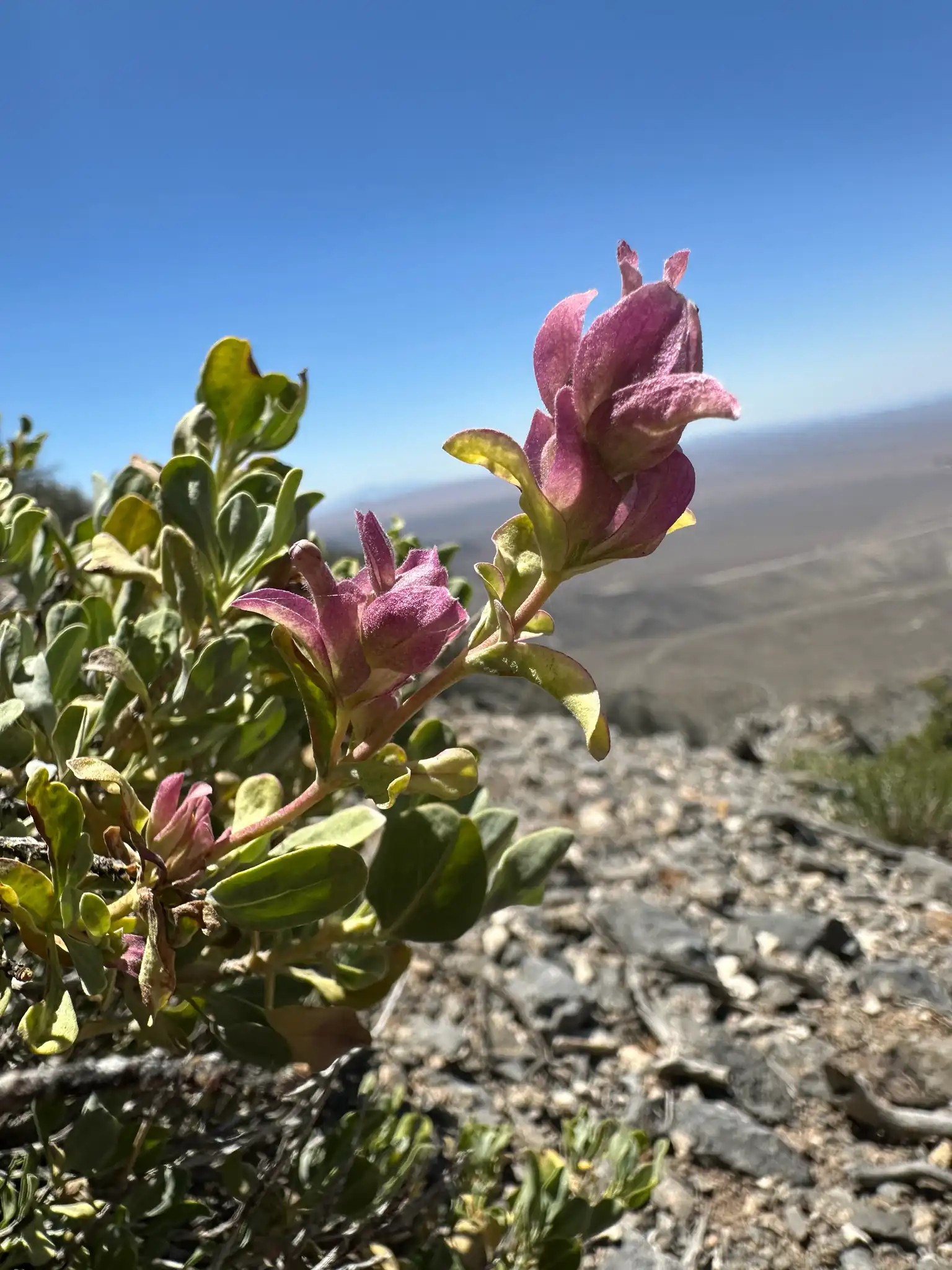
Salvia pachyphylla is a compact, woody-based evergreen shrub reaching two to three feet tall and wide, native to high-elevation dry slopes and chaparral of the southwestern United States. Its small, thick, grey-green leaves are glaucous and strongly aromatic, held densely on branching woody stems.
The plant produces terminal spikes of dark blue to blue-violet two-lipped flowers framed by large, papery, persistent rose to purple bracts from mid-summer into early fall. These showy bracts remain intact on the stems well after flowering concludes, maintaining structural color through dry months.
Uses & Benefits:
Essentials
At a Glance
Plant Type
Shrub
Height
36"
Width
36"
Light
Full Sun
Zones
5, 6, 7, 8, 9, 10
Water
Low
Humidity
Low
Lifespan
Perennial
Native To
Southwestern United States and Baja California
Toxicity
Non-toxic
Bloom period
Summer – Fall
In flower about 6 months of the year
Planting
How to Grow
- Plant in full sun in lean, fast-draining mineral, sandy, or gravelly soil.
- Water sparingly during establishment, letting the top several inches of soil dry completely between applications.
- Withhold supplemental fertilizers entirely, as rich nutrients cause weak, floppy stem growth.
- Lightly trim back tip growth above visible foliage in spring to encourage dense canopy branching.
Pro Tip
Never prune hard into bare woody stems, as old wood lacks dormant buds and cannot regenerate foliage; trim lightly above live green leaves in spring instead.
Keep It Thriving
Care Guide
Do
- Provide full sun exposure and sharp, fast soil drainage.
- Allow soil to dry out thoroughly between waterings.
- Trim lightly above active green buds during spring growth.
Don't
- Do not prune hard into bare, leafless woody branches.
- Do not apply nitrogen fertilizers or heavy organic mulches.
- Do not plant in heavy, wet, or waterlogged soils.
Seasonal Care Calendar
| Task | Jan | Feb | Mar | Apr | May | Jun | Jul | Aug | Sep | Oct | Nov | Dec |
|---|---|---|---|---|---|---|---|---|---|---|---|---|
| Pest Check | ||||||||||||
| Propagate | ||||||||||||
| Prune | ||||||||||||
| Spring Cleanup |
Watch Out For
Pests & Diseases
Common Pests
Common Diseases
In the Garden
Landscape Uses & Companions
Landscape Uses
Multiply
Propagation Methods
Good to Know
Common Questions
Rose Sage questions
What zones can Rose Sage grow in?
Rose Sage is hardy in USDA Zones 5–10: in that range it survives winter in the ground. Colder than Zone 5, grow it in a container you can move to shelter for the winter.
Is Rose Sage deer resistant?
Yes — Rose Sage is rated deer-resistant. Deer typically pass it over, though extreme hunger can override any plant's defenses.
When does Rose Sage bloom?
Rose Sage typically blooms from summer to fall. Exact timing shifts a week or two with your zone — Sow's bloom calendar maps it to your garden.
Does Rose Sage need full sun?
Rose Sage does best in full sun (6+ hours).
Is Rose Sage drought tolerant?
Yes — once established (usually after the first full season), Rose Sage handles dry spells with minimal watering. Water deeply its first year to build the root system that makes that possible.
More Salvia to compare
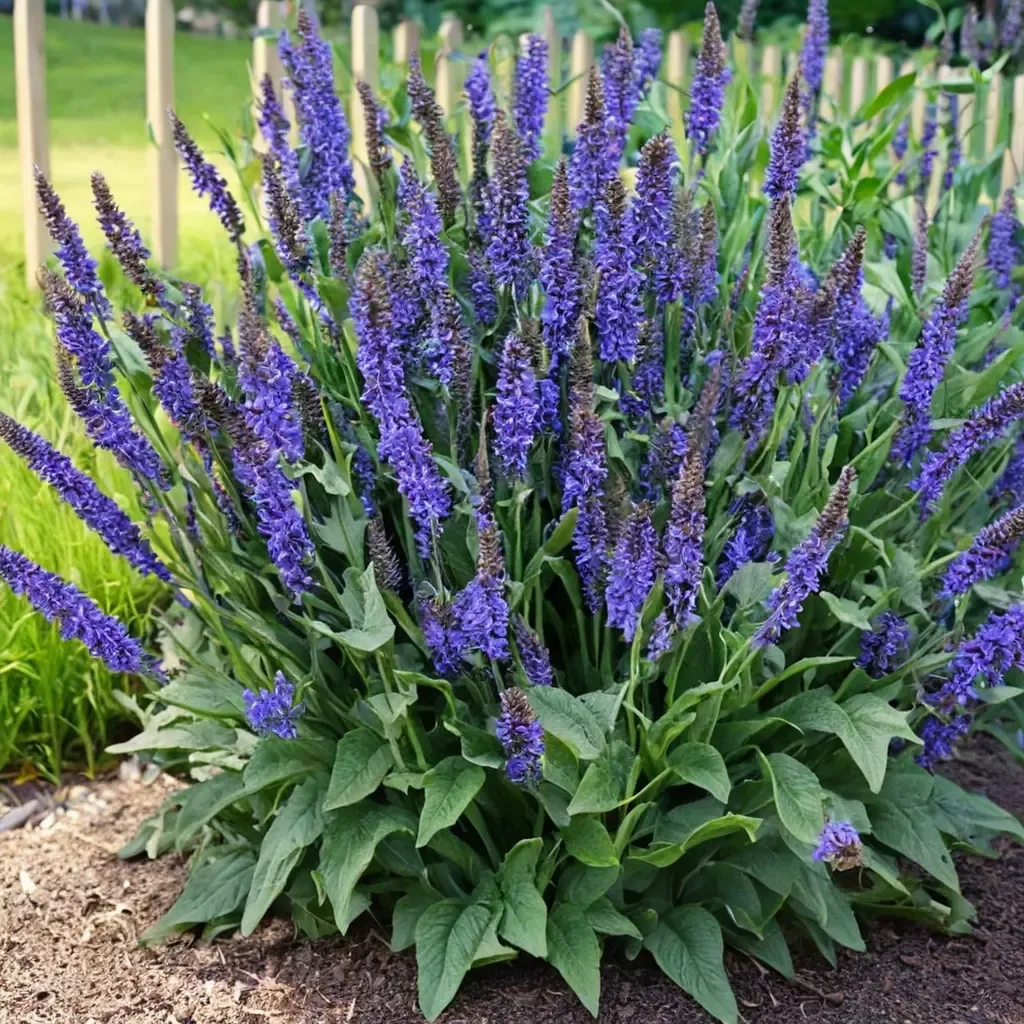
May Night Sage
Salvia nemorosa 'May Night'
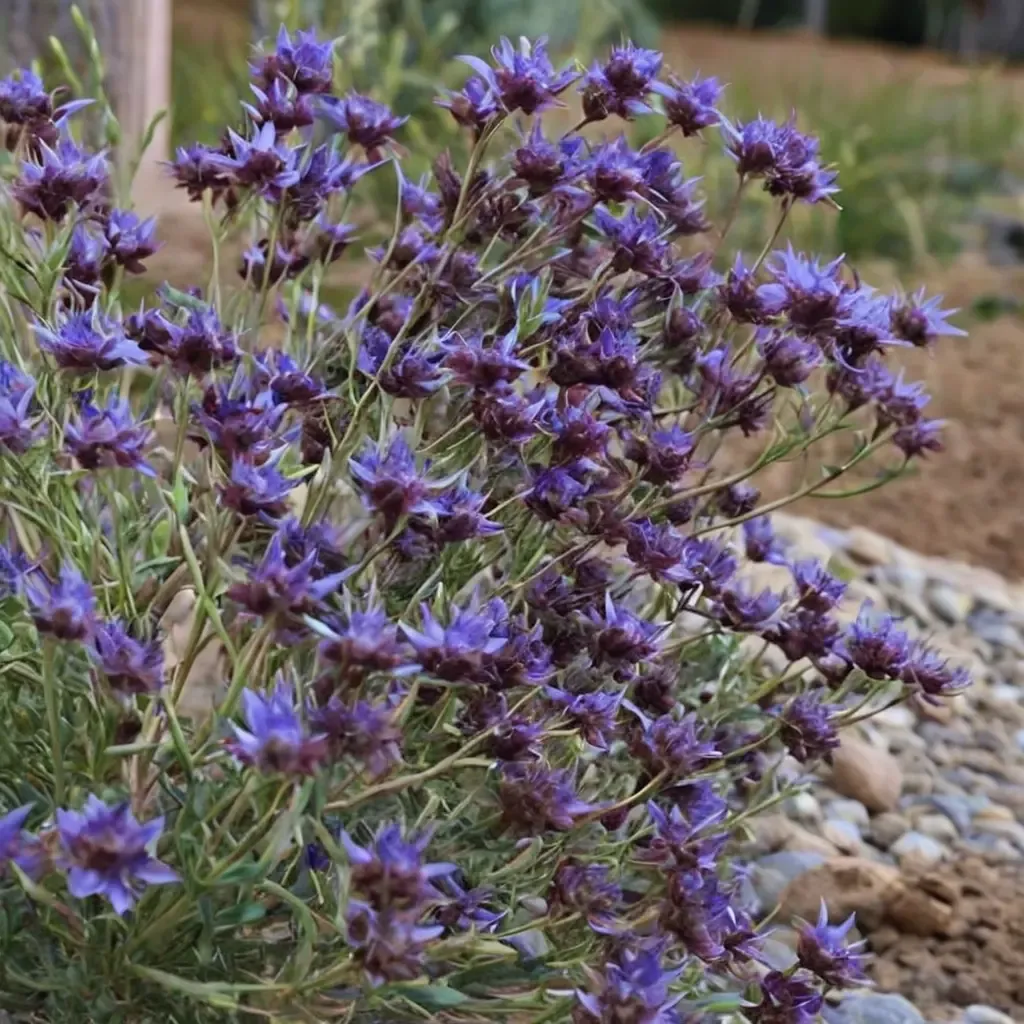
Celestial Blue Sage Wood Sage
Salvia nemorosa 'Celestial Blue'
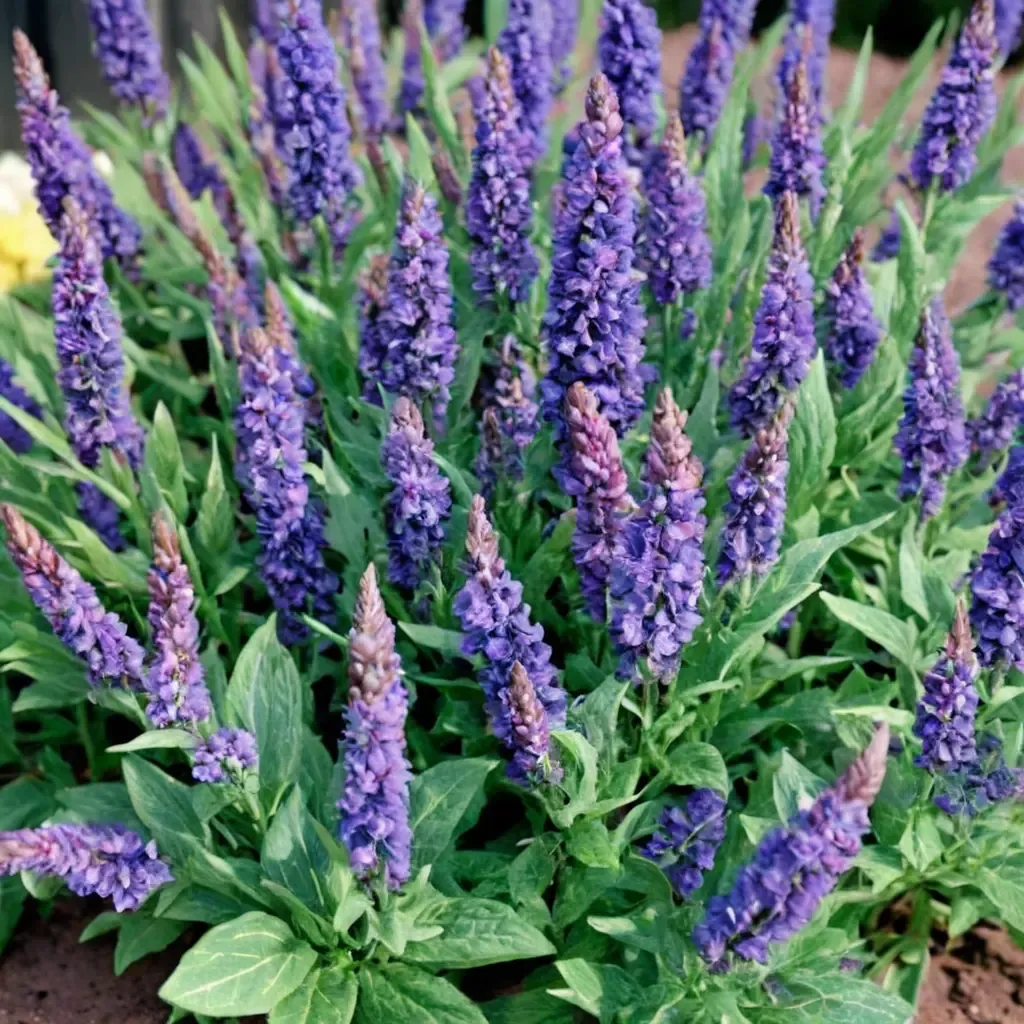
Marcus Woodland Sage
Salvia nemorosa 'Marcus'
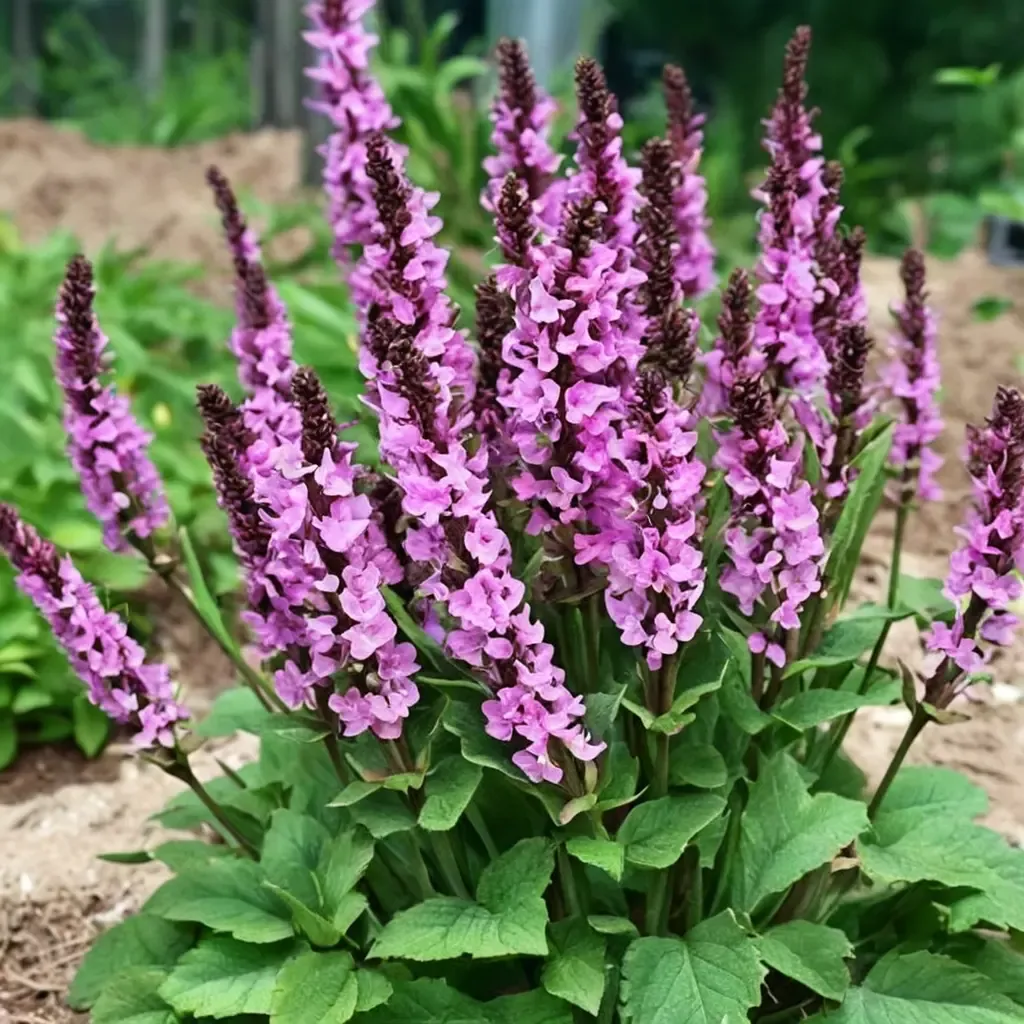
Rose Marvel Sage
Salvia nemorosa 'Rose Marvel'
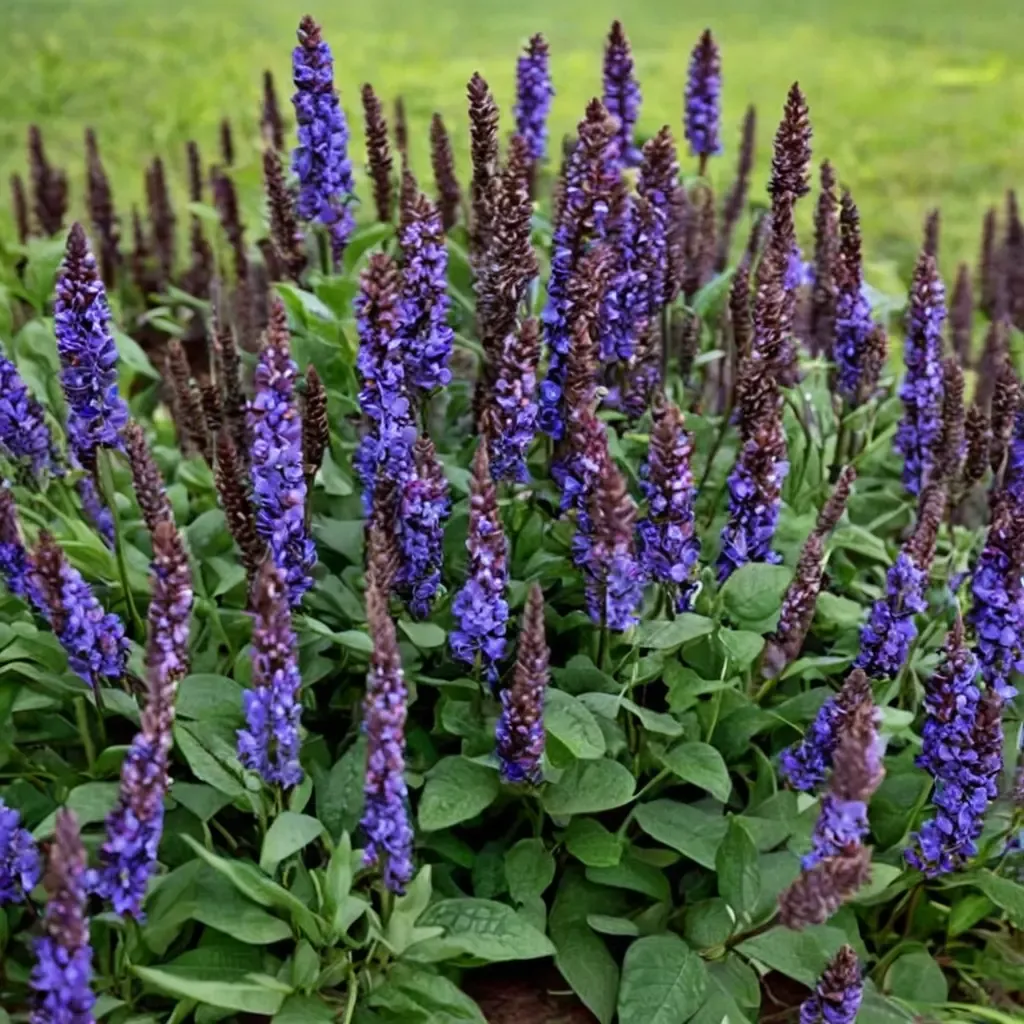
Bumbleblue Sage
Salvia nemorosa 'Bumbleblue'
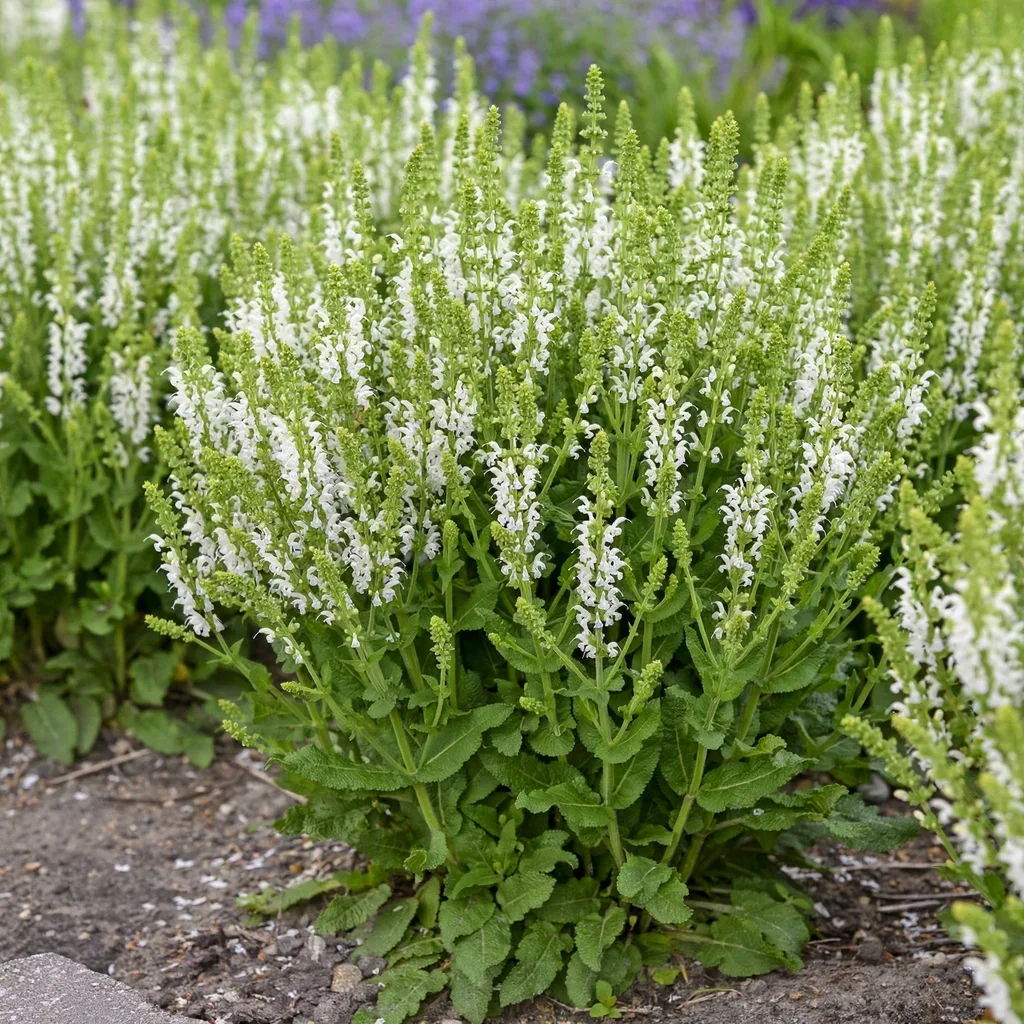
White Profusion Salvia
Salvia x hybrida 'White Profusion'
Keep exploring
Explore the genus
Grow Rose Sage with confidence
See it in a design of your actual yard, get zone-matched care reminders, and track it season by season in your garden journal.