The Story
Plant Bio
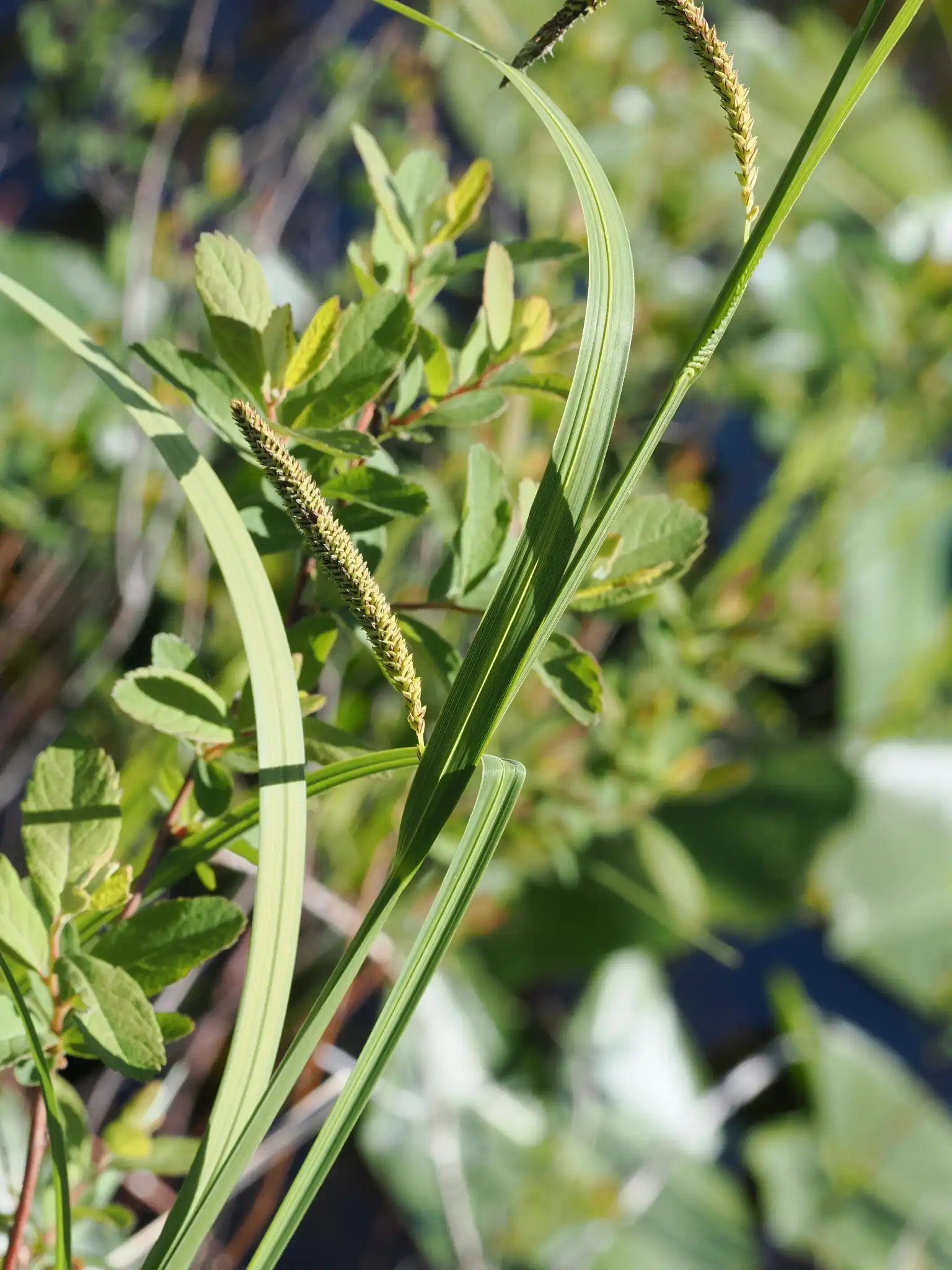
Carex aquatilis is a long-lived, rhizomatous wetland sedge with triangular stems and flat green leaves arising mainly from the lower half of the culms. It forms dense, sod-like colonies in saturated organic muck, fens, and shallow standing water across the Northern Hemisphere.
Distinguished by its capacity to thrive in oxygen-starved, submerged soils, this species spreads indefinitely underground via vigorous rhizomes. Its terminal male spikes and slender, erect female spikes bloom in summer without petals, providing vital shoreline stabilization and waterfowl forage.
Uses & Benefits:
Essentials
At a Glance
Plant Type
Grass
Height
47"
Width
48"
Light
Full Sun, Partial Sun
Zones
4, 5, 6, 7, 8
Water
High / Obligate wetland
Humidity
High
Lifespan
Perennial
Native To
North America, Europe, Asia
Toxicity
Non-toxic
Bloom period
Summer – Late summer
In flower about 3 months of the year
Planting
How to Grow
- Select a planting site in full sun to partial shade with consistently saturated soil or shallow standing water.
- Space plugs or root divisions 12 to 24 inches apart to allow creeping rhizomes space to form a continuous sod.
- Set root crowns flush with the soil surface or slightly submerged in up to a few inches of water.
- Maintain continuous soil saturation during establishment, ensuring the root zone never dries out.
Pro Tip
Plant directly into water-saturated soils or shallow aquatic margins, as drying out causes rapid dieback.
Keep It Thriving
Care Guide
Do
- Keep soil consistently wet, submerged, or waterlogged at all times.
- Cut back dead foliage in late winter or early spring before new green growth emerges.
- Divide dense rhizomatous clumps in early spring to propagate or manage spread.
Don't
- Do not allow the soil or root zone to dry out between waterings.
- Do not cut down old foliage into the woody base or active root crown.
- Do not plant in dry upland garden beds or standard well-drained borders.
Seasonal Care Calendar
| Task | Jan | Feb | Mar | Apr | May | Jun | Jul | Aug | Sep | Oct | Nov | Dec |
|---|---|---|---|---|---|---|---|---|---|---|---|---|
| Divide | ||||||||||||
| Pest Check | ||||||||||||
| Propagate | ||||||||||||
| Spring Cleanup |
Watch Out For
Pests & Diseases
Common Pests
Common Diseases
In the Garden
Landscape Uses & Companions
Landscape Uses
Companion Plants
Multiply
Propagation Methods
Good to Know
Common Questions
Water Sedge questions
What zones can Water Sedge grow in?
Water Sedge is hardy in USDA Zones 4–8. Inside that range it survives winter in the ground; outside it, grow it as an annual or a container plant you protect.
Is Water Sedge deer resistant?
Not reliably. Deer may browse Water Sedge, especially tender spring growth — plan on repellents or fencing where pressure is high.
When does Water Sedge bloom?
Water Sedge typically blooms in summer through late summer. Exact timing shifts a week or two with your zone — Sow's bloom calendar maps it to your garden.
Does Water Sedge need full sun?
Water Sedge does best in full sun to part shade. In hot climates, afternoon shade keeps blooms fresher longer.
More Carex to compare
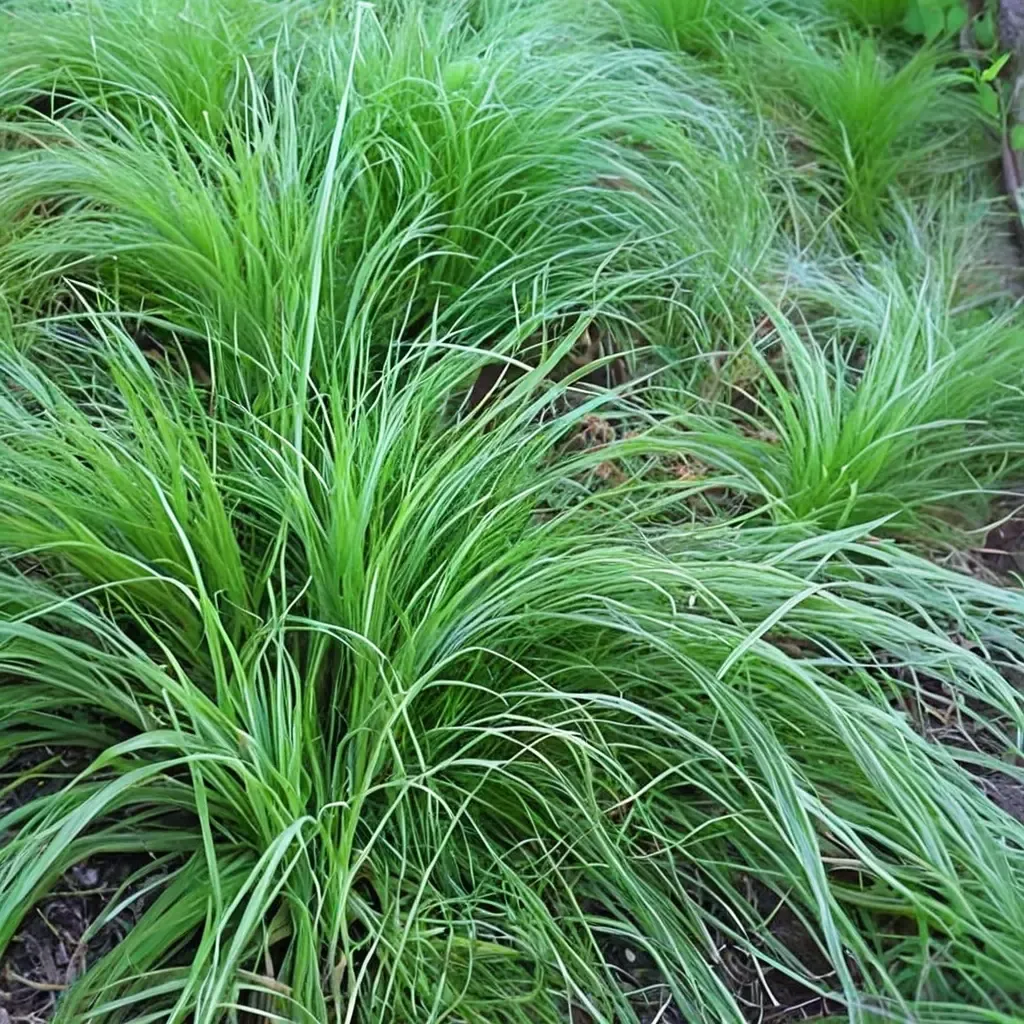
Pennsylvania Sedge
Carex pensylvanica
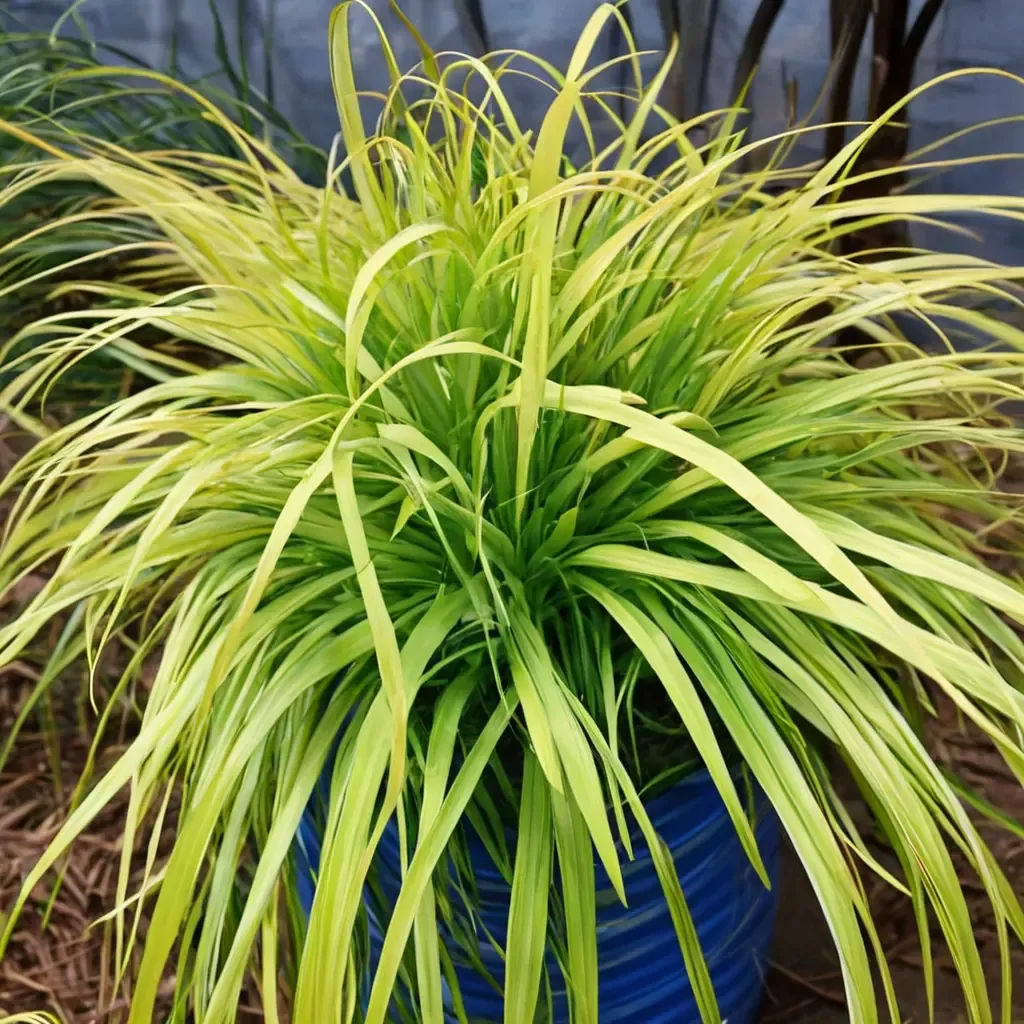
Everillo Sedge
Carex oshimensis 'Everillo'
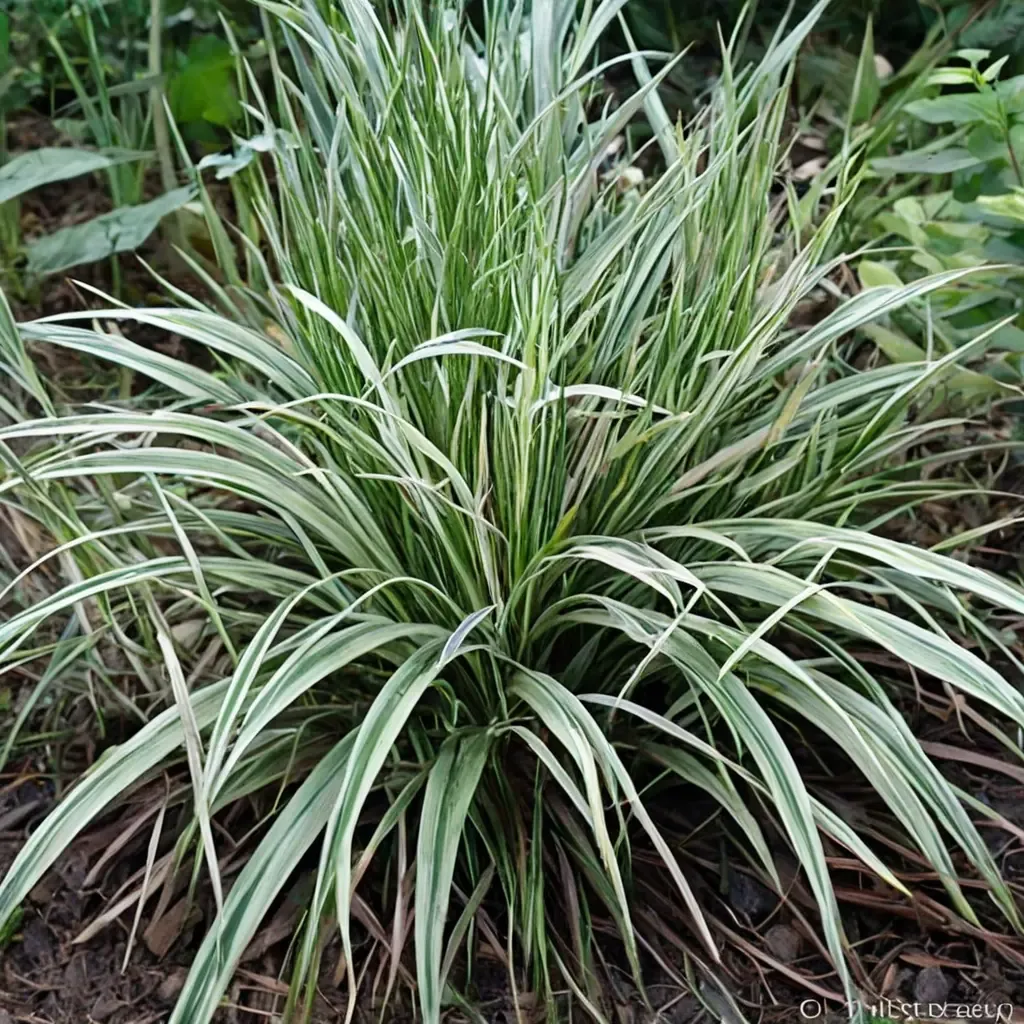
Japanese Sedge
Carex morrowii
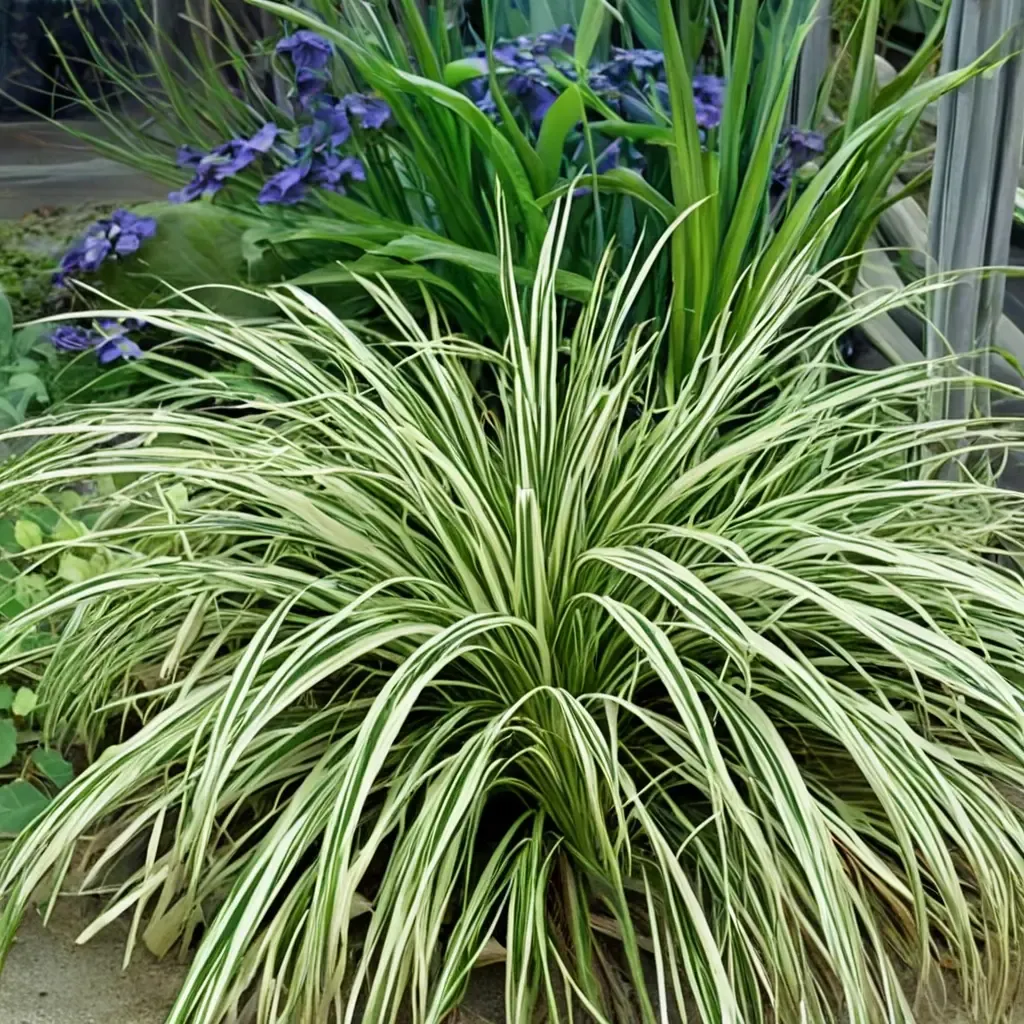
Evergold Japanese Sedge
Carex oshimensis 'Evergold'
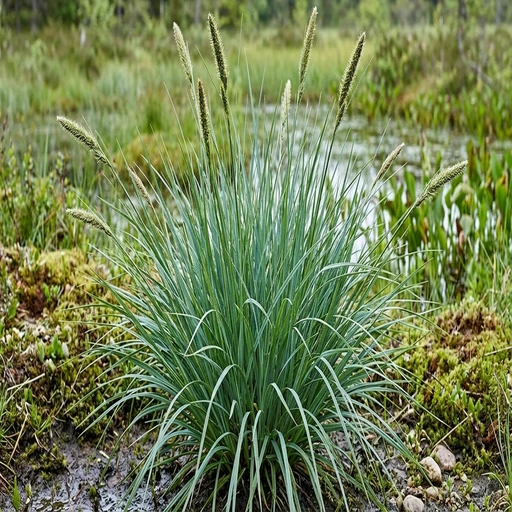
Comosa Sedge
Carex comosa
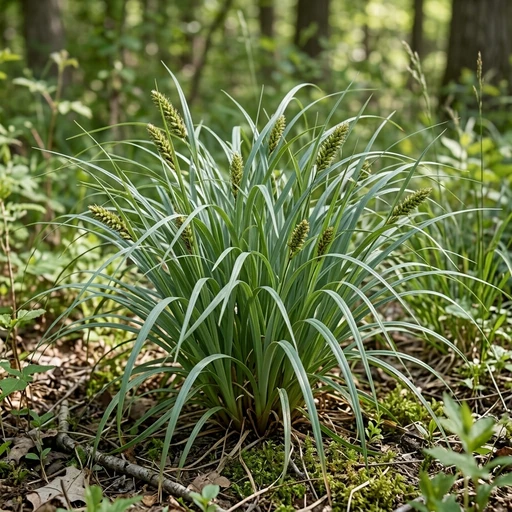
Shortbeak Sedge
Carex brevior
Keep exploring
Explore the genus
Hardy in your zone?
Grow Water Sedge with confidence
See it in a design of your actual yard, get zone-matched care reminders, and track it season by season in your garden journal.