The Story
Plant Bio
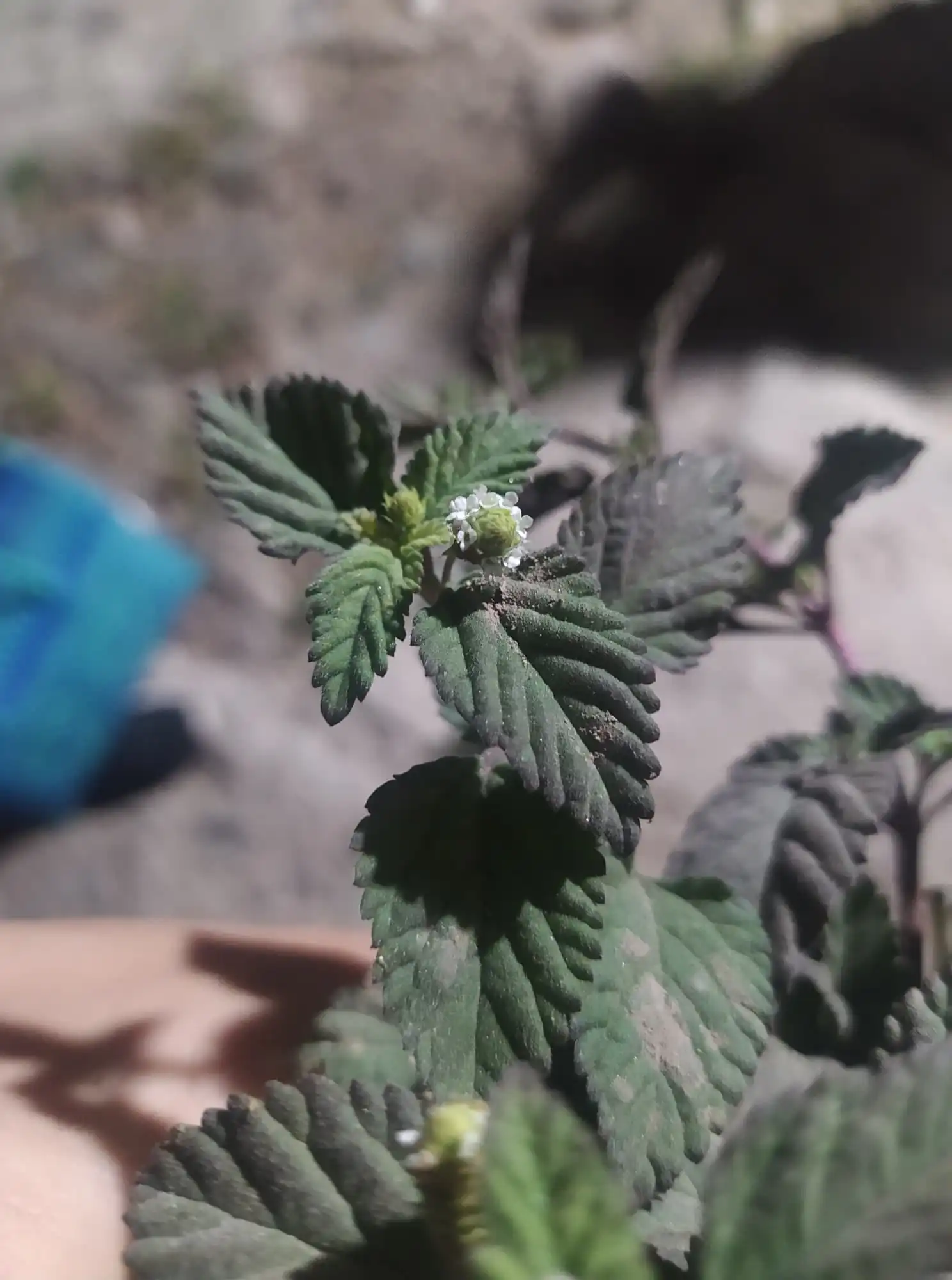
Lippia dulcis is a trailing perennial in the verbena family that roots where its stems touch soil, forming a low mat 8 inches high and up to 4 feet across. The stems carry paired toothed elliptical bright green leaves with a mint scent when crushed, and short cone-shaped spikes of tiny white flowers from spring to fall.
What sets it apart is foliage that tastes intensely sweet from hernandulcin yet carries volatile oil that is more than half camphor, causing nausea, vomiting, shortness of breath and nervous-system depression in quantity. It is sold as Lippia dulcis, Phyla dulcis and Phyla scaberrima for the same plant, and it is distinct from the weedy lippia Phyla canescens with its duller mat and lack of sweetness.
Uses & Benefits:
Essentials
At a Glance
Plant Type
Groundcover
Height
8"
Width
48"
Light
Full Sun, Partial Sun
Zones
7, 8, 9, 10
Water
Evenly moist
Humidity
High
Lifespan
Perennial
Native To
Southern Mexico to Panama and northern South America
Toxicity
Toxic if ingested
Bloom period
Spring – Fall
In flower about 9 months of the year
Planting
How to Grow
- Plant after frost in full sun to light shade in humus-rich loam that drains fast but holds moisture.
- Set one plant per 12-14 inch pot or 18 inches apart in the bed, with the crown at soil level.
- Water to keep soil evenly moist, never waterlogged; mulch lightly to hold moisture in heat.
- Pinch stem tips through summer to force branching and contain runners before they root out.
- Lift pots indoors or take cuttings before first hard frost where winter falls below Zone 8.
Pro Tip
Grow it in a pot sunk in the bed and lift runners that root beyond the rim; once stems touch bare soil they anchor and run like mint.
Keep It Thriving
Care Guide
Do
- Contain runners in pots, baskets or edged beds and pull rooted stems promptly.
- Give full sun for sweetest foliage with afternoon shade in hot climates.
- Keep soil evenly moist with sharp drainage.
Don't
- Do not plant in standing water or heavy clay that stays soggy.
- Do not let stems root unchecked into lawn or garden beds.
- Do not ingest leaves daily as a sweetener or use in pregnancy and around small children and pets.
Seasonal Care Calendar
| Task | Jan | Feb | Mar | Apr | May | Jun | Jul | Aug | Sep | Oct | Nov | Dec |
|---|---|---|---|---|---|---|---|---|---|---|---|---|
| Pest Check | ||||||||||||
| Pinch | ||||||||||||
| Plant | ||||||||||||
| Propagate | ||||||||||||
| Winter Prep |
Watch Out For
Pests & Diseases
Common Pests
Common Diseases
In the Garden
Landscape Uses & Companions
Landscape Uses
Companion Plants
Multiply
Propagation Methods
Good to Know
Common Questions
Aztec Sweet Herb questions
What zones can Aztec Sweet Herb grow in?
Aztec Sweet Herb is hardy in USDA Zones 7–10: in that range it survives winter in the ground. Colder than Zone 7, grow it in a container you can move to shelter for the winter, or as an annual.
When does Aztec Sweet Herb bloom?
Aztec Sweet Herb typically blooms from spring to fall. Exact timing shifts a week or two with your zone — Sow's bloom calendar maps it to your garden.
Does Aztec Sweet Herb need full sun?
Aztec Sweet Herb does best in full sun to part shade. In hot climates, afternoon shade keeps blooms fresher longer.
Is Aztec Sweet Herb drought tolerant?
Yes — once established (usually after the first full season), Aztec Sweet Herb handles dry spells with minimal watering. Water deeply its first year to build the root system that makes that possible.
More Lippia to compare
Keep exploring
Explore the genus
Hardy in your zone?
Grow Aztec Sweet Herb with confidence
See it in a design of your actual yard, get zone-matched care reminders, and track it season by season in your garden journal.