
The Story
Plant Bio
Agave geminiflora is a short-stemmed, monocarpic succulent from oak woodland on rocky slopes in Nayarit, forming a dense symmetrical rosette that holds year-round. The foliage is made up of hundreds of narrow dark green leaves that are spineless along the margins, stiff and straight in sun and arching in shade, each ending in a sharp needle tip.
This species reads as a rounded pincushion 2 to 3 feet tall and wide, solitary and rarely offsetting where many agaves clump. At 10 to 15 years it drives a single erect branchless spike 8 to 10 feet tall set with paired greenish-yellow tubular flowers, and the rosette dies after that one bloom.
Uses & Benefits:
Essentials
At a Glance
Plant Type
Cactus Succulent
Height
30"
Width
30"
Light
Full Sun, Partial Sun, Shade
Zones
9, 10
Water
Low
Humidity
Low
Lifespan
Monocarpic, 10-15 years
Native To
Mexico - Nayarit
Toxicity
Toxic, skin irritant
Marketplace
Where to Buy
Shipping costs Year-round shipping Free shipping
Planting
How to Grow
- Plant in full sun to part shade in sandy or gritty soil with sharp drainage; in pots use cactus mix in a container only slightly larger than the rosette.
- Set the crown at soil level and top-dress with gravel to keep water off the base.
- Water deeply then allow to dry; keep almost dry in winter and never leave standing wet.
- Overwinter containers indoors in full sun with minimal water where temperatures fall below zone 9.
- Remove dead lower leaves only and keep needle-tipped rosettes back from paths and play areas.
Pro Tip
Pot only just wider than the rosette in gritty cactus mix and let the mix dry between waterings; sharp drainage prevents crown rot more than feeding ever helps growth.
Keep It Thriving
Care Guide
Do
- Give full sun to part shade with air movement and fast drainage.
- Use a small pot with cactus mix for container plants.
- Move pots indoors before frost and keep nearly dry through winter.
Don't
- Do not overwater or overpot; wet mix rots the crown.
- Do not expect offsets for replacement; this species stays solitary.
- Do not plant where needle tips overhang walks or play space.
Seasonal Care Calendar
| Task | Jan | Feb | Mar | Apr | May | Jun | Jul | Aug | Sep | Oct | Nov | Dec |
|---|---|---|---|---|---|---|---|---|---|---|---|---|
| Pest Check | ||||||||||||
| Plant | ||||||||||||
| Prune | ||||||||||||
| Winter Prep |
Watch Out For
Pests & Diseases
Common Pests
Common Diseases
In the Garden
Landscape Uses & Companions
Landscape Uses
Multiply
Propagation Methods
Good to Know
Common Questions
Twin-Flowered Agave questions
What zones can Twin-Flowered Agave grow in?
Twin-Flowered Agave is hardy in USDA Zones 9–10: in that range it survives winter in the ground. Colder than Zone 9, grow it in a container you can move to shelter for the winter, or as an annual.
Does Twin-Flowered Agave need full sun?
Twin-Flowered Agave does best in full sun to part shade. In hot climates, afternoon shade keeps blooms fresher longer.
Is Twin-Flowered Agave drought tolerant?
Yes — once established (usually after the first full season), Twin-Flowered Agave handles dry spells with minimal watering. Water deeply its first year to build the root system that makes that possible.
More Agave to compare
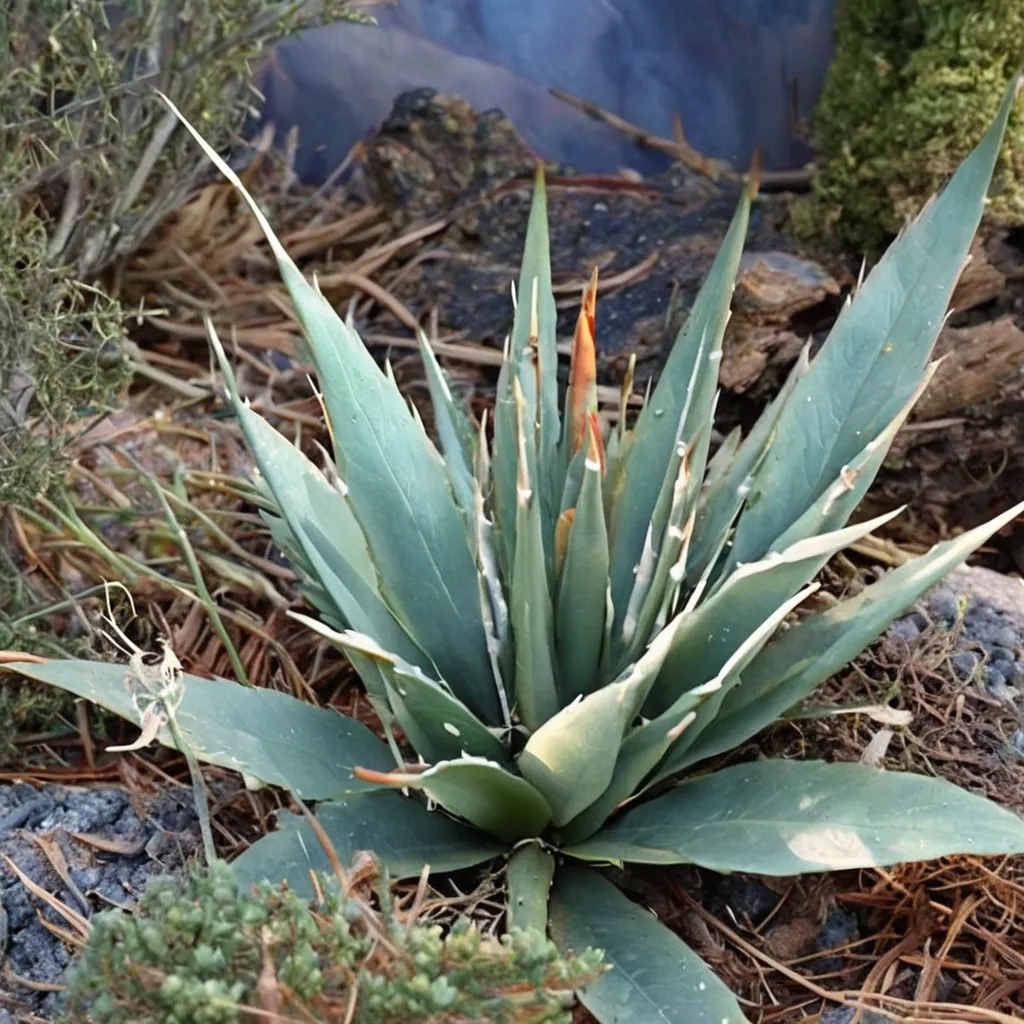
Utah Agave Kaibabensis
Agave utahensis 'kaibabensis'
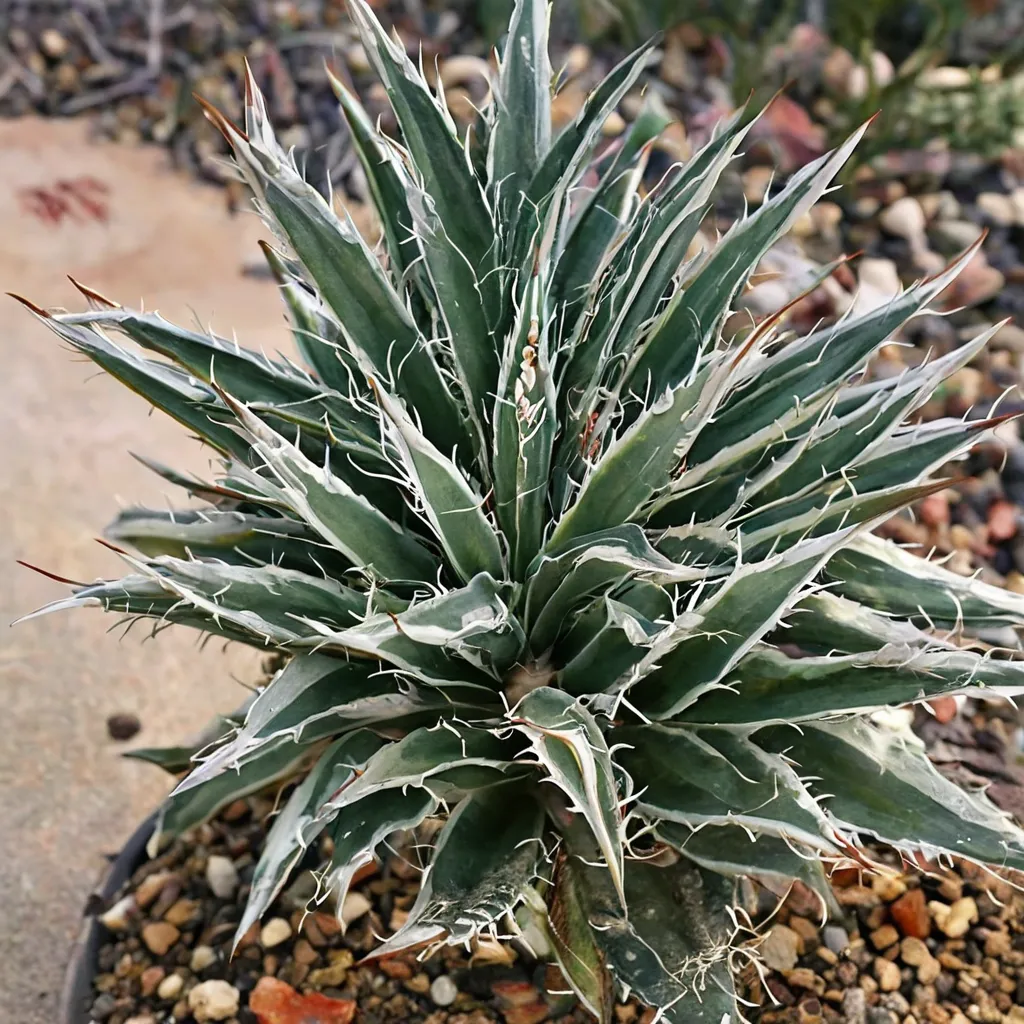
Toumey's Agave
Agave toumeyana
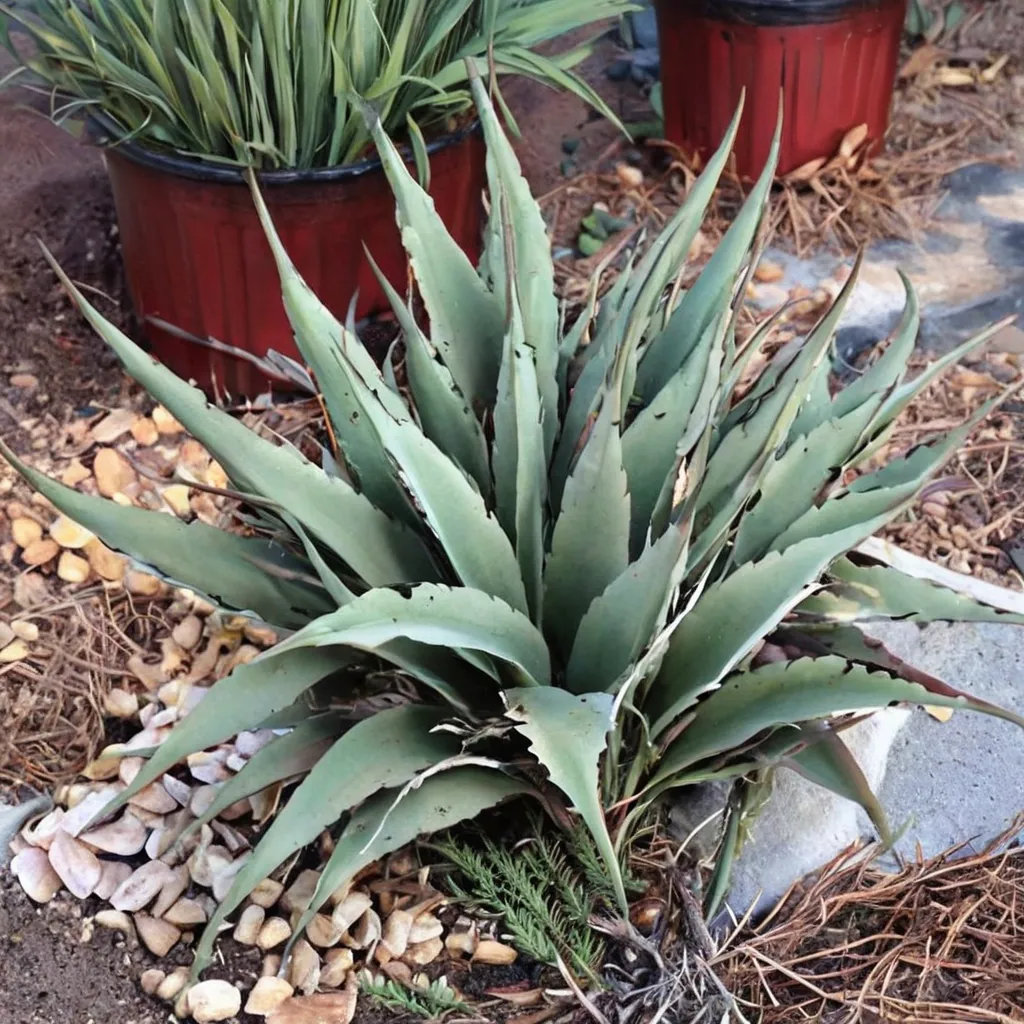
Slimfoot Century Plant
Agave gracilipes
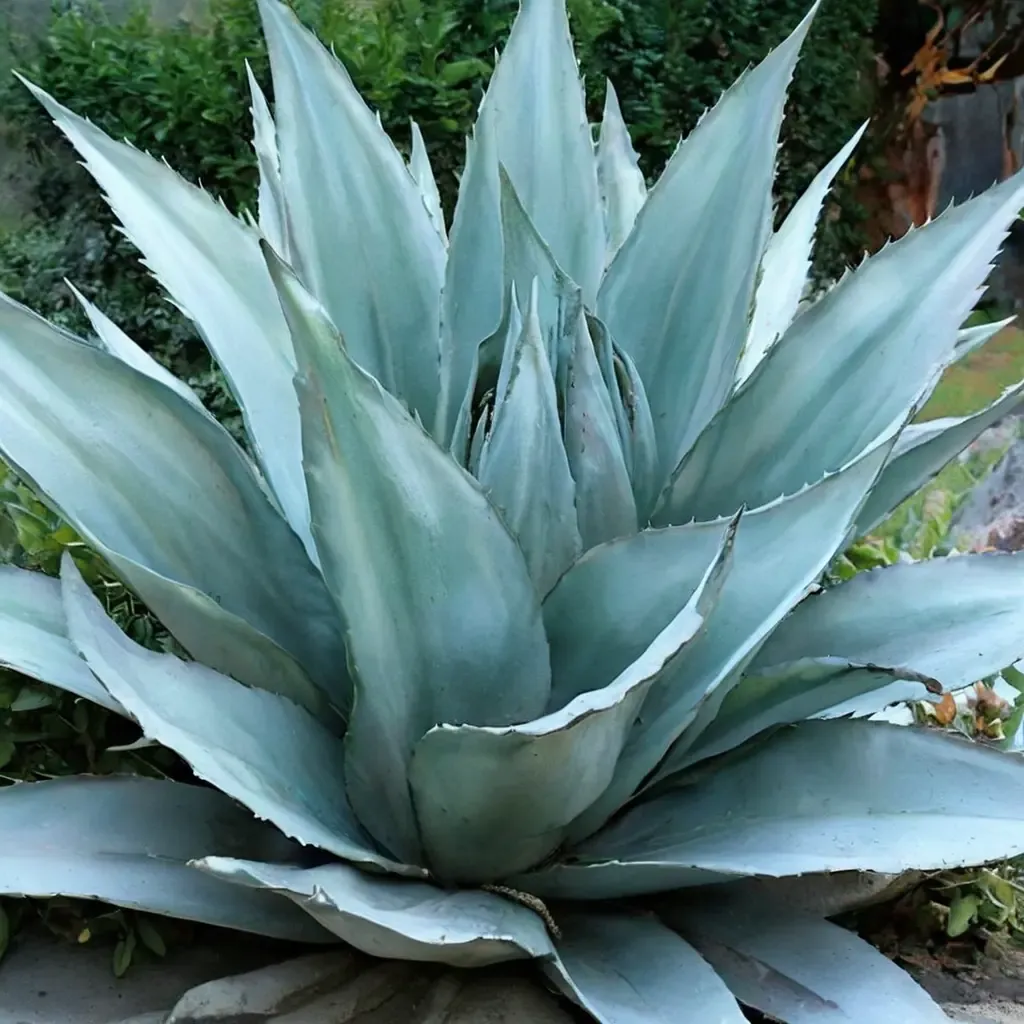
Vanzie Whale's Tongue Agave
Agave ovatifolia 'Vanzie'
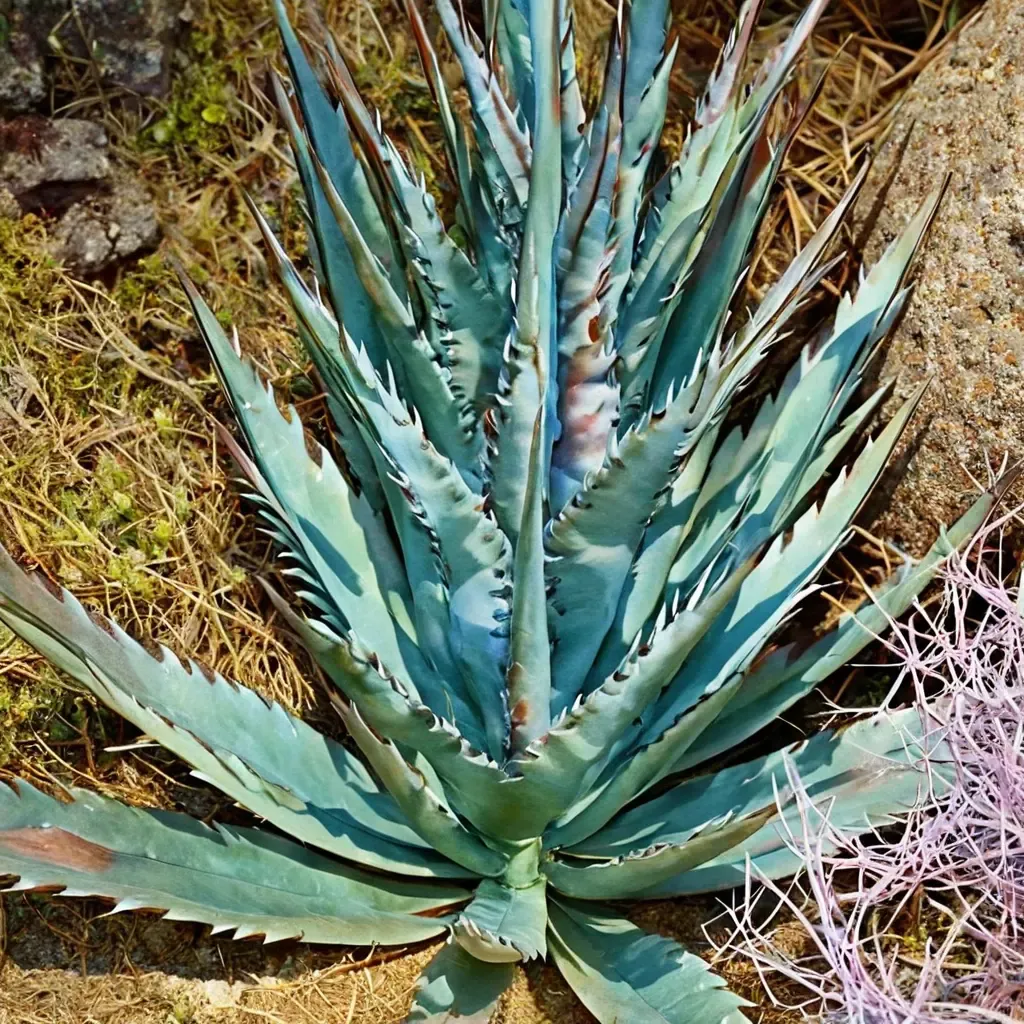
McKelvey's Agave
Agave mckelveyana
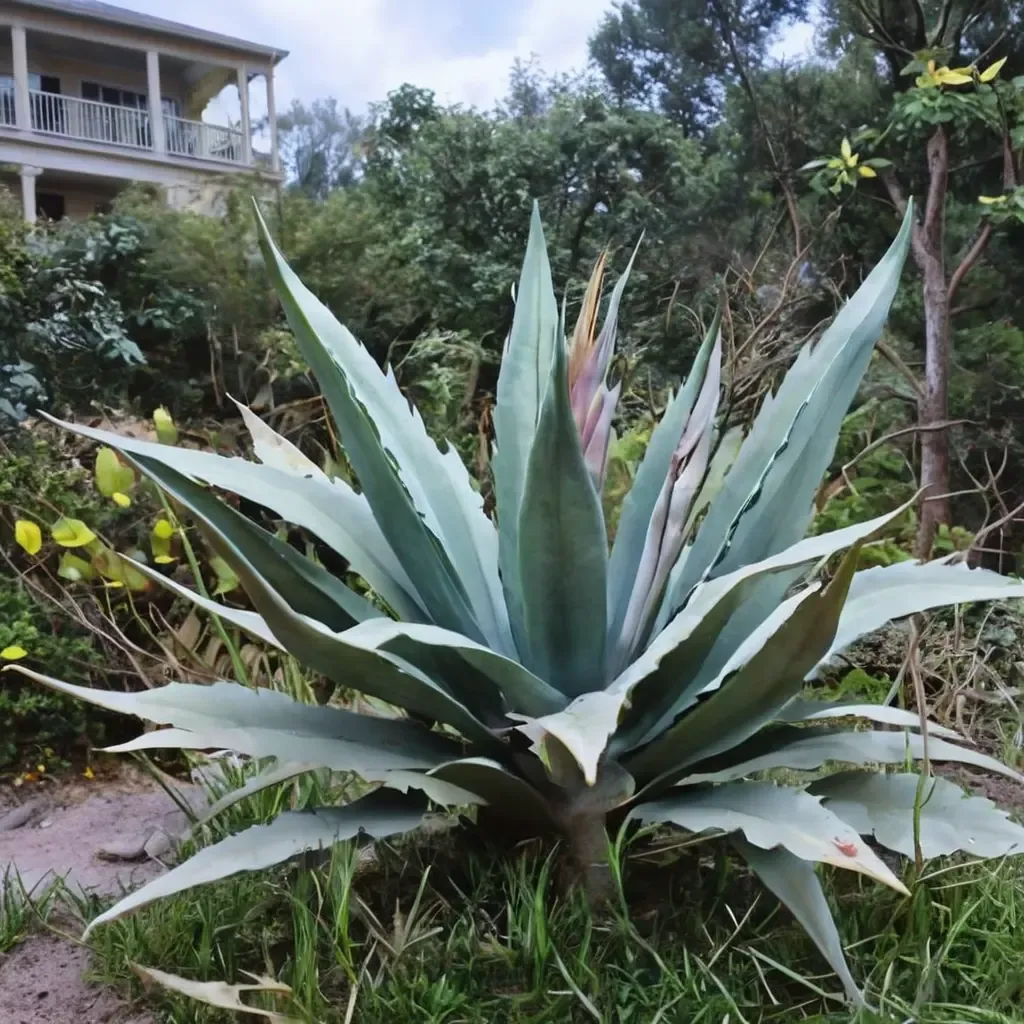
Grey Gator Agave
Agave x hybrida 'Grey Gator'
Keep exploring
Explore the genus
Hardy in your zone?
Grow Twin-Flowered Agave with confidence
See it in a design of your actual yard, get zone-matched care reminders, and track it season by season in your garden journal.