The Story
Plant Bio
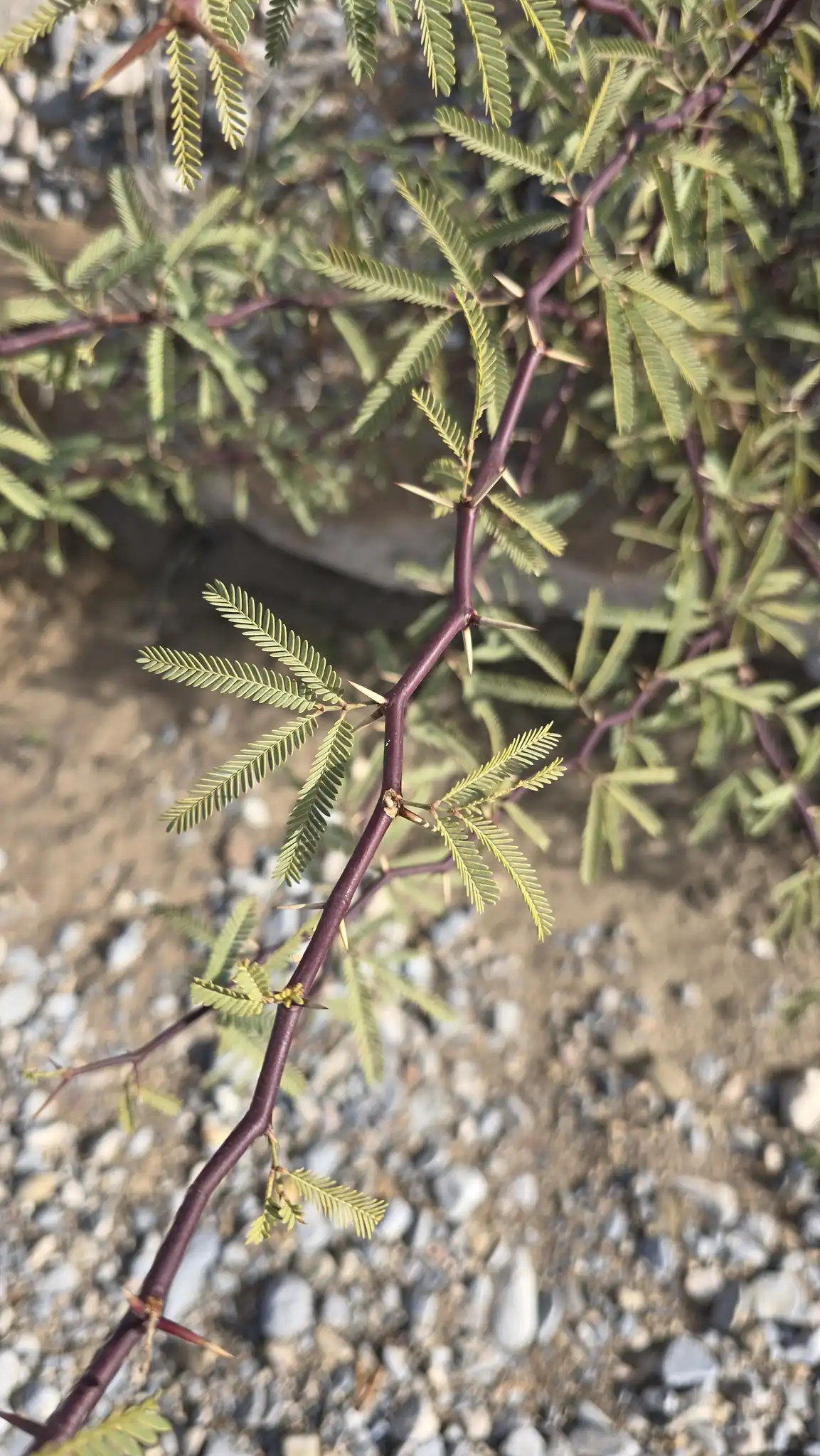
Neltuma odorata, formerly classified as Prosopis odorata, is a deciduous desert tree or broad spreading shrub native to the arid Southwestern United States and northern Mexico, reaching 10 to 30 feet in height with branches that spread wider than tall. Its crooked branches bear straight paired spines at the nodes and fine bipinnate leaflets that open bright light green in spring, followed by dense cylindrical spikes of pale yellow flowers.
This species forms a deep, extensive taproot that reaches underground water tables, allowing mature trees to survive severe drought without supplemental irrigation. High-protein seed pods follow the summer blooms, providing a primary food and shelter source for desert wildlife and nesting birds.
Uses & Benefits:
Essentials
At a Glance
Plant Type
Tree
Height
354"
Width
472"
Light
Full Sun
Zones
8, 9, 10
Water
Low
Humidity
Low
Lifespan
Perennial
Native To
North America
Toxicity
Non-toxic (spines cause puncture injuries)
Bloom period
Spring – Summer
In flower about 6 months of the year
Planting
How to Grow
- Select a planting location in full sun with sharp soil drainage, clear of utility lines and footpaths where sharp spines could cause injury.
- Dig a hole twice as wide as the container and equal in depth, ensuring the root collar sits level with the surrounding soil grade.
- Backfill with the native unamended soil, firming gently to clear air pockets around the root ball.
- Water thoroughly at planting, then water deeply every two to three weeks during the first summer, tapering off completely once established.
Pro Tip
Irrigate deeply but infrequently during establishment; overwatering causes shallow rooting and weak, fast-growing branches that break easily in strong winds.
Keep It Thriving
Care Guide
Do
- Prune selectively in late winter to remove crossing branches and maintain clearance around walkways.
- Ensure soil drains rapidly to prevent root rot in winter.
- Allow soil to dry out thoroughly between deep waterings during the establishment phase.
Don't
- Do not apply nitrogen fertilizers, as this species fixes its own atmospheric nitrogen and high fertility causes weak stems.
- Do not shear or cut back into old leafless wood, which fails to resprout cleanly.
- Do not allow standing water to linger around the root crown.
Seasonal Care Calendar
| Task | Jan | Feb | Mar | Apr | May | Jun | Jul | Aug | Sep | Oct | Nov | Dec |
|---|---|---|---|---|---|---|---|---|---|---|---|---|
| Mulch | ||||||||||||
| Pest Check | ||||||||||||
| Prune | ||||||||||||
| Spring Cleanup |
Watch Out For
Pests & Diseases
Common Pests
Common Diseases
In the Garden
Landscape Uses & Companions
Landscape Uses
Companion Plants
Multiply
Propagation Methods
Good to Know
Common Questions
Western Honey Mesquite questions
What zones can Western Honey Mesquite grow in?
Western Honey Mesquite is hardy in USDA Zones 8–10: in that range it survives winter in the ground. Colder than Zone 8, winters are too cold for it to survive outdoors.
Is Western Honey Mesquite deer resistant?
Not reliably. Deer may browse Western Honey Mesquite, especially tender spring growth — plan on repellents or fencing where pressure is high.
When does Western Honey Mesquite bloom?
Western Honey Mesquite typically blooms from spring to summer. Exact timing shifts a week or two with your zone — Sow's bloom calendar maps it to your garden.
Does Western Honey Mesquite need full sun?
Western Honey Mesquite does best in full sun (6+ hours).
Is Western Honey Mesquite drought tolerant?
Yes — once established (usually after the first full season), Western Honey Mesquite handles dry spells with minimal watering. Water deeply its first year to build the root system that makes that possible.
Keep exploring
Explore the genus
Hardy in your zone?
Grow Western Honey Mesquite with confidence
See it in a design of your actual yard, get zone-matched care reminders, and track it season by season in your garden journal.