The Story
Plant Bio
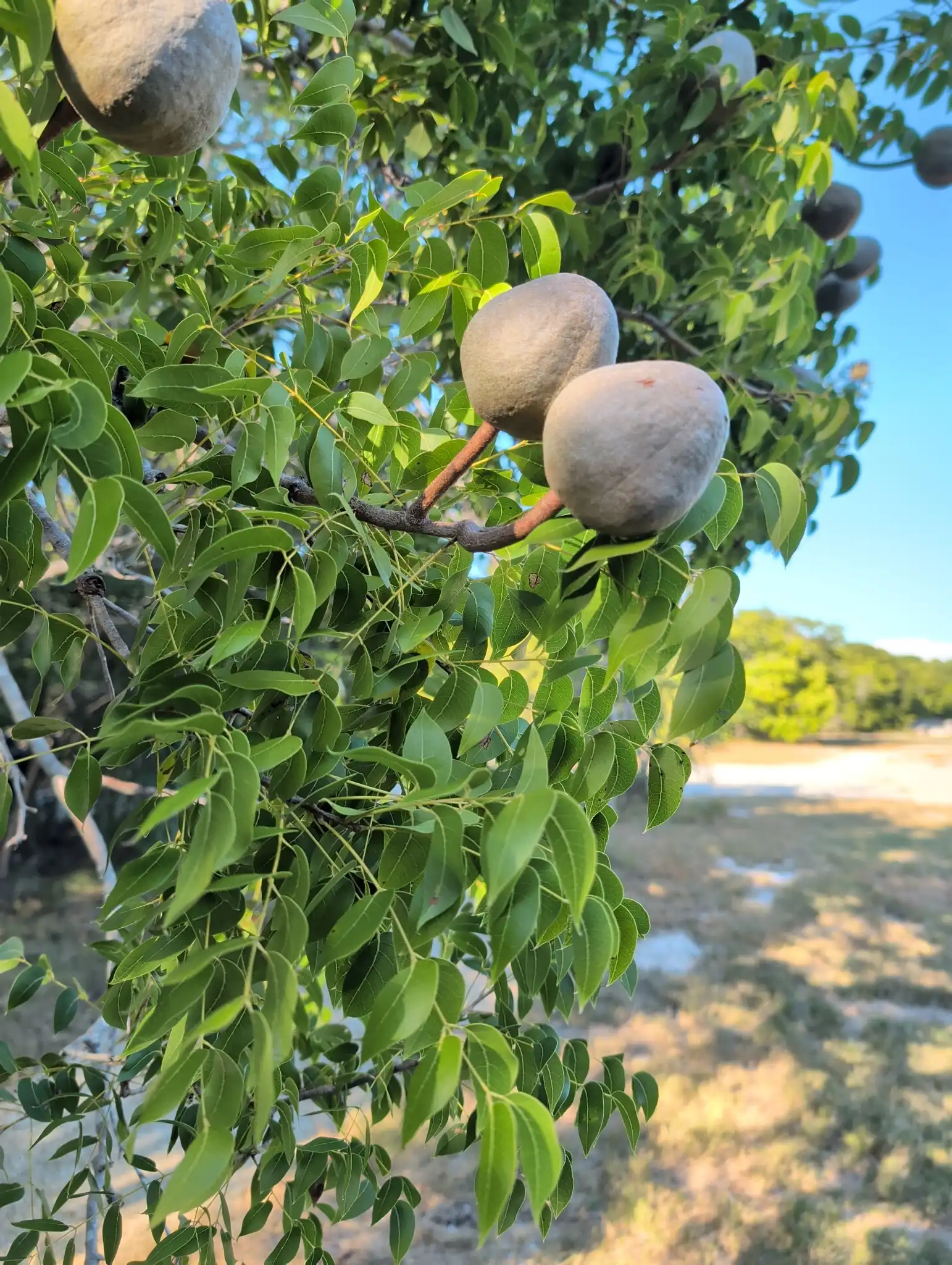
Swietenia mahagoni is a large semi-evergreen tree reaching 40 to 60 feet tall with a loose rounded symmetrical crown on a single trunk and drooping branches. The alternate leaves are even-pinnate 5 to 7 inches long with four to six pairs of dark green ovate-lanceolate leaflets 2 to 4 inches long, paler beneath, with no fall color.
True West Indian mahogany is smaller-leaved and shorter-statured than Swietenia macrophylla, with which it is often confused in the nursery trade. Young trees must be trained to one central leader with major limbs spaced along the trunk, which builds the wind resistance that keeps the crown intact in hurricanes.
Uses & Benefits:
Essentials
At a Glance
Plant Type
Tree
Height
720"
Width
600"
Light
Full Sun, Partial Sun
Zones
10
Water
Low to moderate
Humidity
Tolerant
Lifespan
Long-lived
Native To
South Florida and West Indies
Toxicity
Toxic if ingested
Bloom period
Spring – Late spring
In flower about 3 months of the year
Planting
How to Grow
- Plant in full sun to partial shade in spring in moist but well-drained clay, sand or loam from acidic to alkaline pH.
- Dig the hole twice the width of the container and at the same depth, backfill with native soil and water deeply.
- Mulch 2 to 3 inches deep, pulled back from the trunk, and keep turf 5 to 6 feet clear of the trunk.
- Water regularly to establish, then taper off; established trees tolerate drought but grow fastest with fertilizer and good drainage.
- Prune young trees yearly to keep a central leader and spaced scaffold limbs; mature trees need little pruning.
Pro Tip
Keep a single central leader by cutting competing leaders larger than two-thirds the trunk diameter, and keep the tree 5 to 6 feet from walks and drives where large surface roots lift paving.
Keep It Thriving
Care Guide
Do
- Train young trees to a central leader with spaced limbs.
- Provide full sun and well-drained soil with regular fertilizer for fast growth.
- Allow 40 to 60 feet of height and spread clear of buildings and paving.
Don't
- Do not plant within 5 to 6 feet of paving or foundations where surface roots cause damage.
- Do not leave multiple competing leaders or tight V-crotches unpruned.
- Do not plant outside zones 10b to 11 where frost kills young growth.
Seasonal Care Calendar
| Task | Jan | Feb | Mar | Apr | May | Jun | Jul | Aug | Sep | Oct | Nov | Dec |
|---|---|---|---|---|---|---|---|---|---|---|---|---|
| Fertilize | ||||||||||||
| Mulch | ||||||||||||
| Pest Check | ||||||||||||
| Plant | ||||||||||||
| Prune |
Watch Out For
Pests & Diseases
Common Pests
Common Diseases
In the Garden
Landscape Uses & Companions
Landscape Uses
Multiply
Propagation Methods
Good to Know
Common Questions
West Indian Mahogany questions
What zones can West Indian Mahogany grow in?
West Indian Mahogany is hardy in USDA Zone 10: in that range it survives winter in the ground. Colder than Zone 10, winters are too cold for it to survive outdoors.
When does West Indian Mahogany bloom?
West Indian Mahogany typically blooms in spring. Exact timing shifts a week or two with your zone — Sow's bloom calendar maps it to your garden.
Does West Indian Mahogany need full sun?
West Indian Mahogany does best in full sun to part shade. In hot climates, afternoon shade keeps blooms fresher longer.
Is West Indian Mahogany drought tolerant?
Yes — once established (usually after the first full season), West Indian Mahogany handles dry spells with minimal watering. Water deeply its first year to build the root system that makes that possible.
Keep exploring
Explore the genus
Hardy in your zone?
Grow West Indian Mahogany with confidence
See it in a design of your actual yard, get zone-matched care reminders, and track it season by season in your garden journal.