The Story
Plant Bio
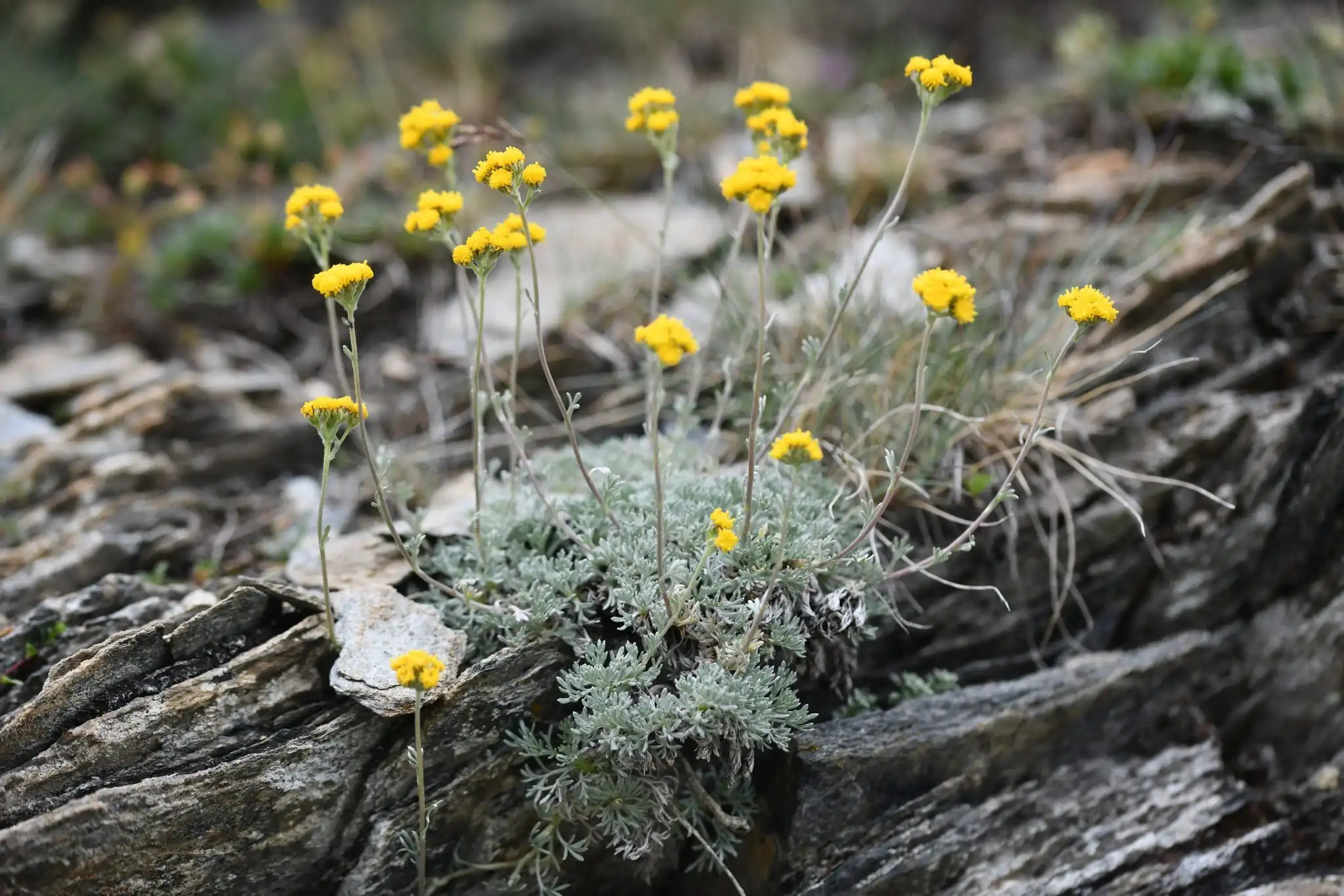
Artemisia glacialis, the glacier wormwood, is a small suffruticose subshrub from the southwestern Alps that forms a densely tufted silvery mat about 7 inches tall from a woody base. The leaves are deeply dissected and densely white-tomentose, and the hairs cut water loss while releasing a wormwood scent when crushed.
It stays as a tight cushion for exposed limestone, scree and stony pasture at 2000 to 3300 meters, far more compact than common wormwoods. The bloom is a dense apical spike of small sessile ovoid heads 2.5 to 4 mm across, yellow to golden-yellow disk flowers with no ray petals.
Uses & Benefits:
Essentials
At a Glance
Plant Type
Perennial
Height
7"
Width
8"
Light
Full Sun
Zones
4, 5, 6, 7, 8
Water
Low
Humidity
Low
Lifespan
Perennial
Native To
SW Alps - France, Italy, Switzerland
Toxicity
Skin irritant
Bloom period
Summer – Late summer
In flower about 3 months of the year
Planting
How to Grow
- Plant in full sun in very well-drained sandy or loam scree with pH 6.5 to 7.5.
- Set the crown slightly high and top-dress with grit to keep winter water off the stem base.
- Water to establish, then water sparingly; let the mix dry between waterings.
- Feed little or not at all; lean soil keeps growth tight and aromatic.
- Site where air moves and rain drains fast; protect from winter wet, not cold.
Pro Tip
Plant in gritty scree in full sun and keep it poor and dry; winter wet shortens its life faster than cold.
Keep It Thriving
Care Guide
Do
- Grow in full sun in poor gritty soil.
- Allow soil to dry between waterings once established.
- Use gravel mulch to keep the crown dry.
Don't
- Do not plant in shade, clay or rich moist soil.
- Do not overwater or let water stand around the crown in winter.
- Do not feed heavily; rich feeding makes soft short-lived growth.
Seasonal Care Calendar
| Task | Jan | Feb | Mar | Apr | May | Jun | Jul | Aug | Sep | Oct | Nov | Dec |
|---|---|---|---|---|---|---|---|---|---|---|---|---|
| Deadhead | ||||||||||||
| Pest Check | ||||||||||||
| Plant | ||||||||||||
| Propagate | ||||||||||||
| Winter Prep |
Watch Out For
Pests & Diseases
Common Pests
Common Diseases
In the Garden
Landscape Uses & Companions
Landscape Uses
Multiply
Propagation Methods
Good to Know
Common Questions
Glacier Wormwood questions
What zones can Glacier Wormwood grow in?
Glacier Wormwood is hardy in USDA Zones 4–8: in that range it survives winter in the ground. Warmer than Zone 8, winter isn't the problem: it prefers colder winters, and summer heat can shorten its life.
Is Glacier Wormwood deer resistant?
Yes — Glacier Wormwood is rated deer-resistant. Deer typically pass it over, though extreme hunger can override any plant's defenses.
When does Glacier Wormwood bloom?
Glacier Wormwood typically blooms in summer. Exact timing shifts a week or two with your zone — Sow's bloom calendar maps it to your garden.
Does Glacier Wormwood need full sun?
Glacier Wormwood does best in full sun (6+ hours).
Is Glacier Wormwood drought tolerant?
Yes — once established (usually after the first full season), Glacier Wormwood handles dry spells with minimal watering. Water deeply its first year to build the root system that makes that possible.
More Artemisia to compare
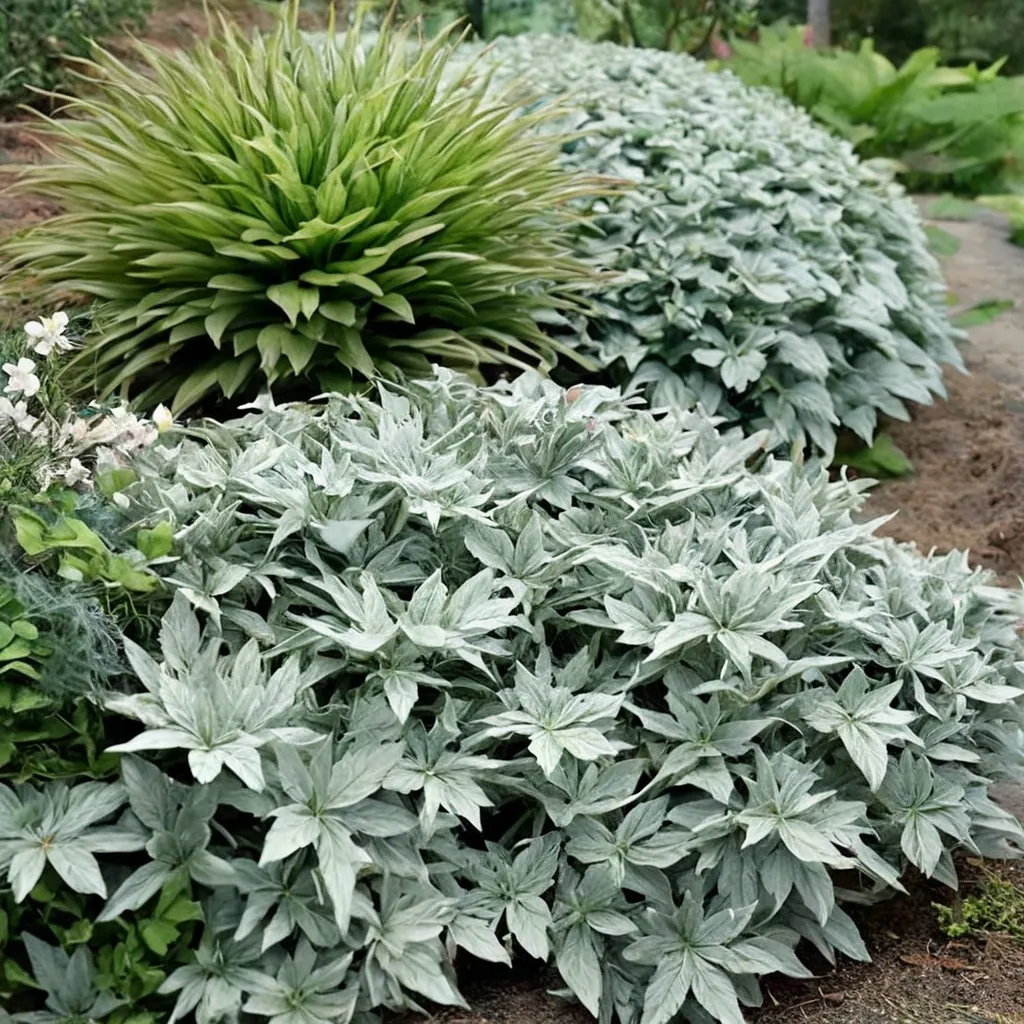
Artemisia Silver Lining
Artemisia x hybrida 'Silver Lining'
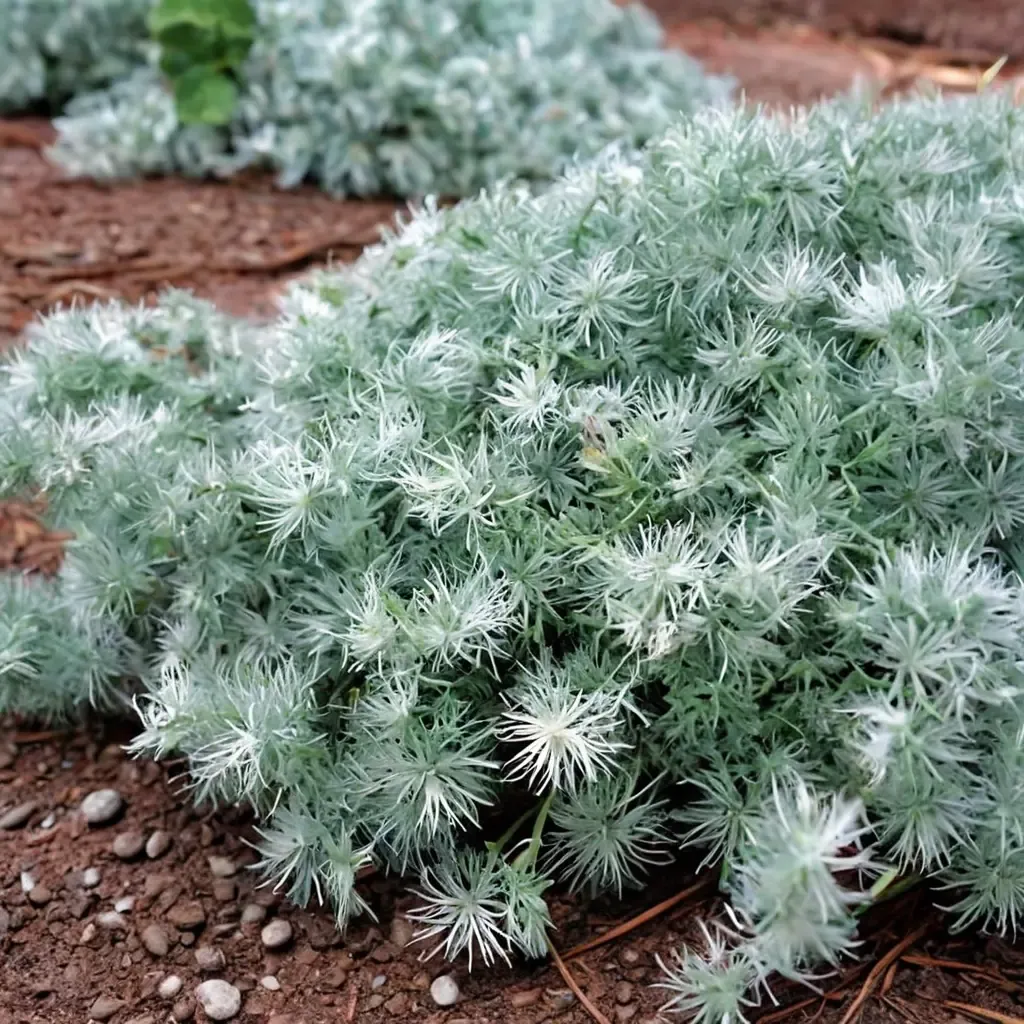
Silver Mound Wormwood
Artemisia schmidtiana 'Silver Mound'
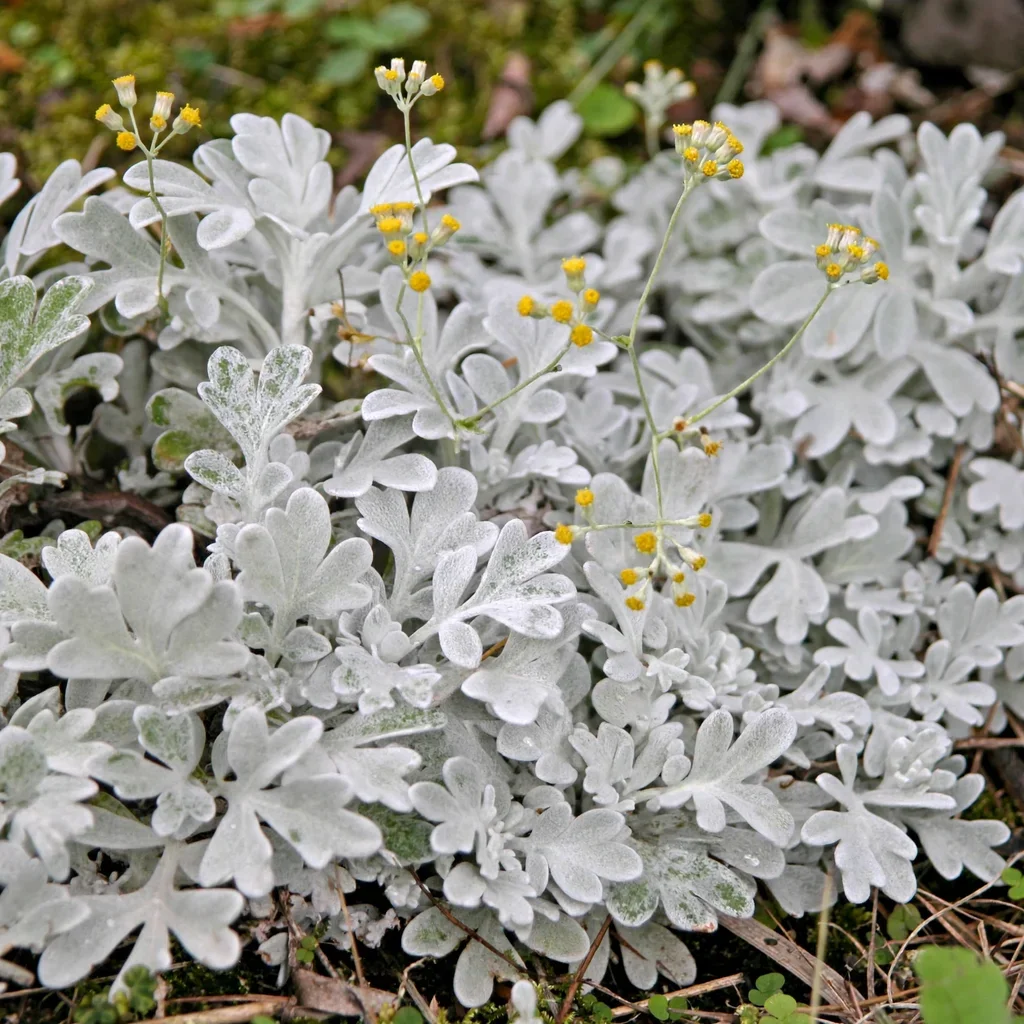
Silver Brocade Beach Wormwood
Artemisia stelleriana 'Silver Brocade'
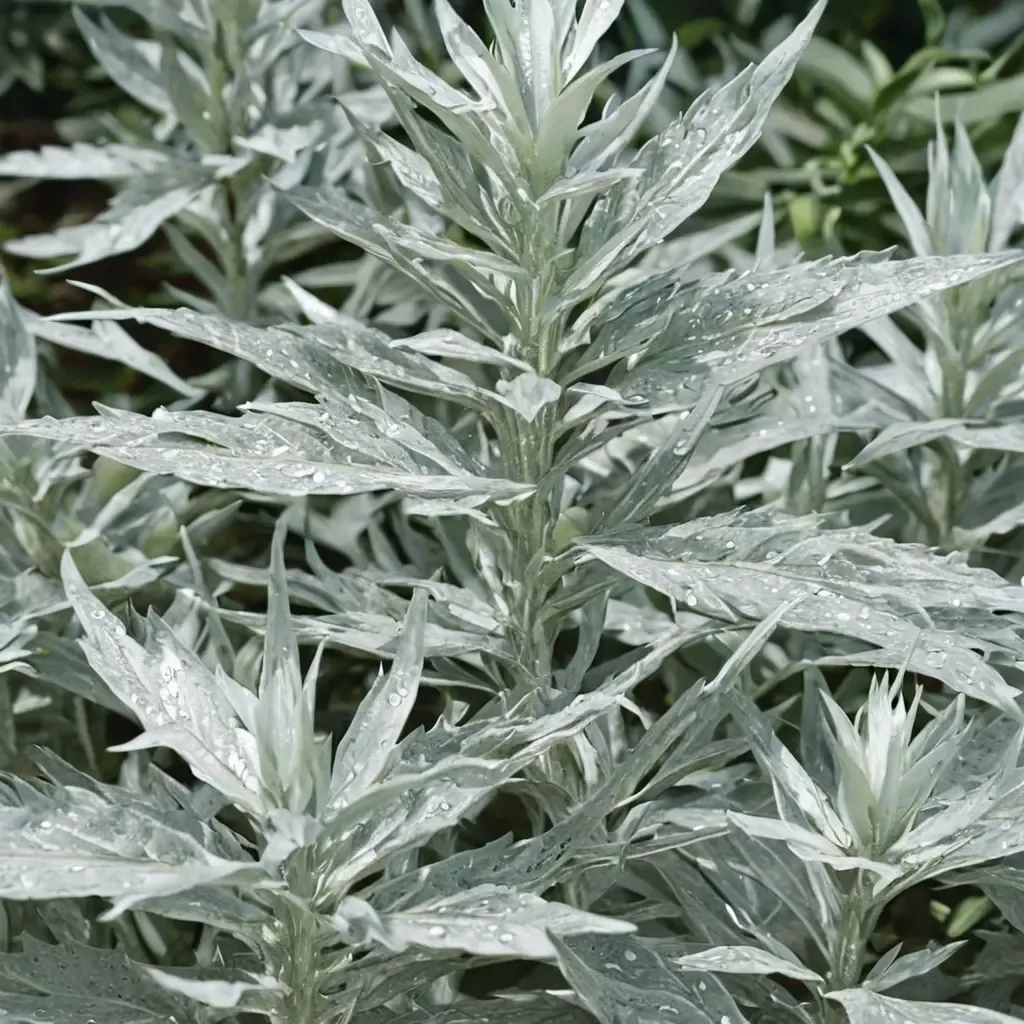
Silver King Artemisia
Artemisia ludoviciana 'Silver King'
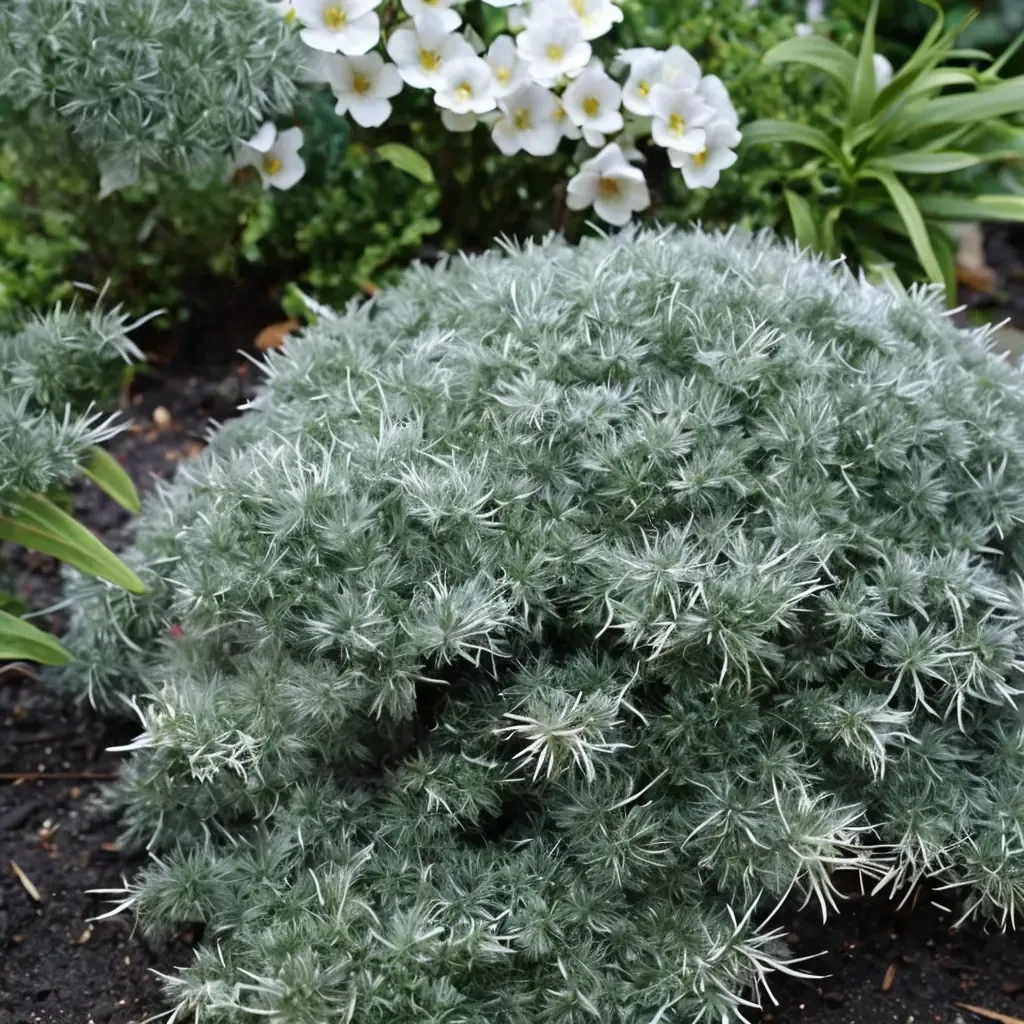
Silver Mound Artemisia
Artemisia schmidtiana 'Nana'
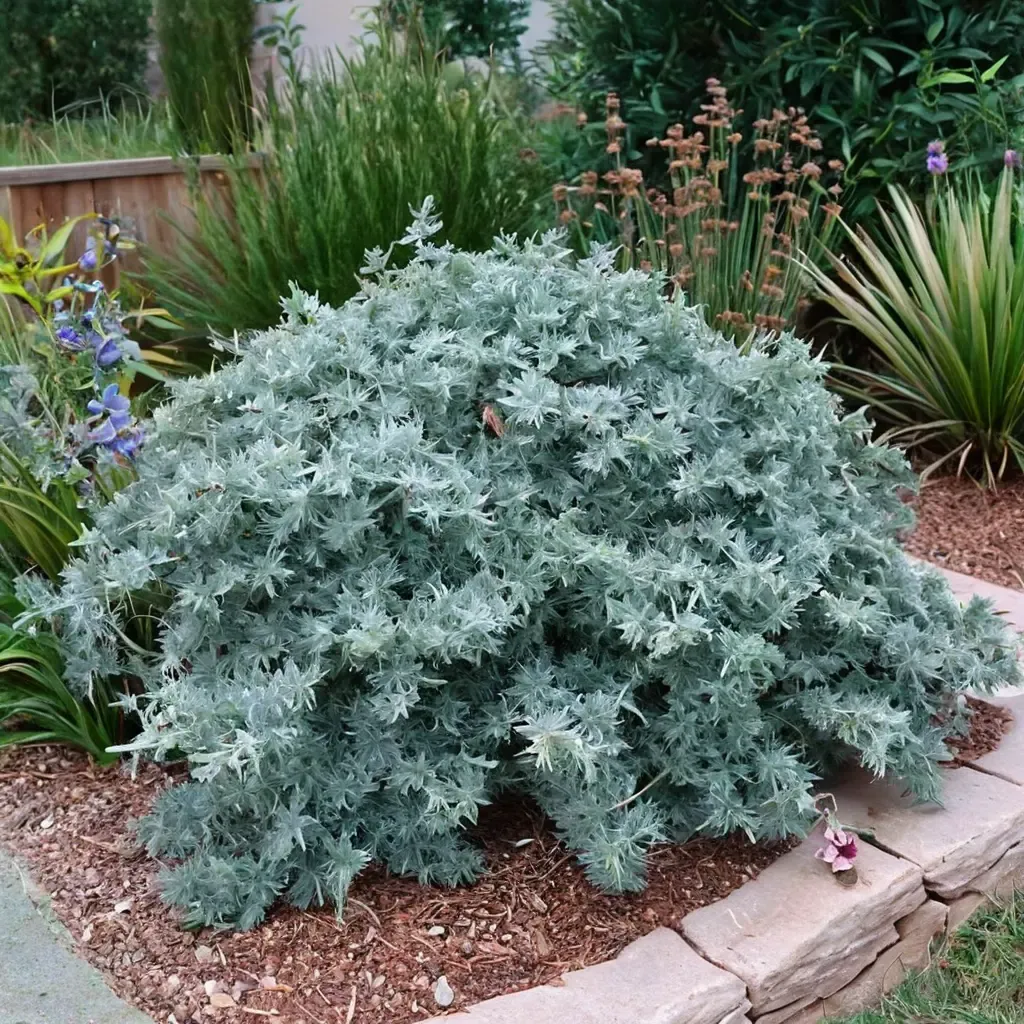
Powis Castle wormwood
Artemisia x hybrida 'Powis Castle'
Keep exploring
Explore the genus
Hardy in your zone?
Grow Glacier Wormwood with confidence
See it in a design of your actual yard, get zone-matched care reminders, and track it season by season in your garden journal.