The Story
Plant Bio
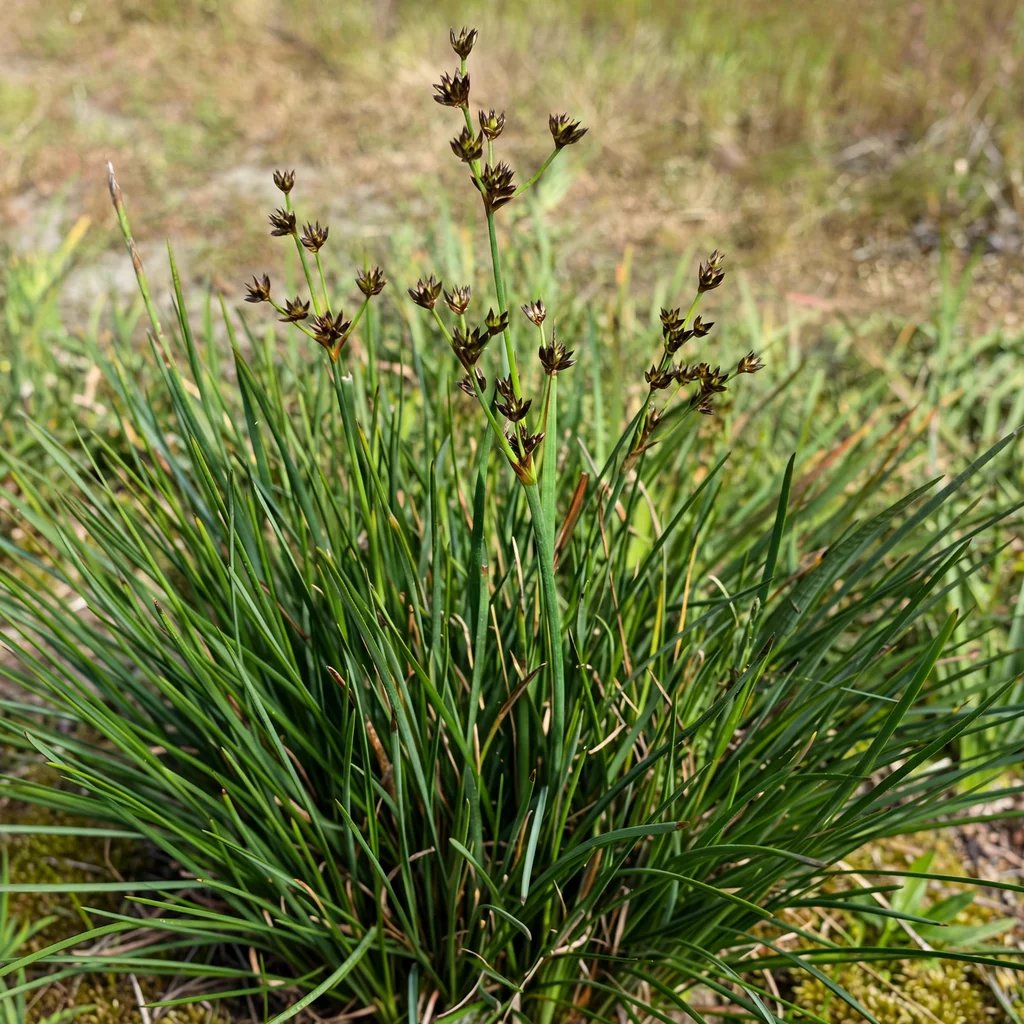
Juncus phaeocephalus is a perennial rush that spreads by stout creeping rhizomes to form upright clumps of flattened, two-edged stems 10 to 24 inches tall. The leaves are narrow, deep green and shorter than the flowering stems, giving a dense grasslike tuft for wet soil.
The flowering stems carry one to several dense spherical heads 10 to 15 millimeters wide, each packed with more than eight brown flowers with dark brown perianths and exserted stigmas. The combination of flattened stems and brown ball-like heads separates it from hollow-stemmed rushes that bear open branched inflorescences.
Uses & Benefits:
Essentials
At a Glance
Plant Type
Grass
Height
24"
Width
18"
Light
Full Sun, Partial Sun
Zones
5, 6, 7, 8, 9
Water
High
Humidity
High
Lifespan
Perennial
Native To
California, Oregon, Washington
Toxicity
Unknown - no verified data
Bloom period
Late spring – Summer
In flower about 4 months of the year
Planting
How to Grow
- Plant in spring after frost in full sun to partial shade in soil that stays wet.
- Dig a shallow basin, set the crown level with the soil surface and firm moist loam around the rhizomes.
- Water deeply to settle, then keep the root zone consistently moist through the first summer.
- Mulch with 2 inches of bark to hold moisture and top up water in dry spells.
Pro Tip
Plant it in a swale, pond margin or winter-wet hollow where the root zone stays moist through summer; in a dry border growth stalls and crowns thin even with supplemental water.
Keep It Thriving
Care Guide
Do
- Keep soil consistently moist, especially in summer heat.
- Mulch to hold moisture around the crowns.
- Divide congested clumps in early spring to renew vigor.
Don't
- Do not plant in a dry border or fast-draining rock garden.
- Do not let new transplants dry out during establishment.
- Do not cut back into leafless rhizomes; remove only spent stems.
Seasonal Care Calendar
| Task | Jan | Feb | Mar | Apr | May | Jun | Jul | Aug | Sep | Oct | Nov | Dec |
|---|---|---|---|---|---|---|---|---|---|---|---|---|
| Divide | ||||||||||||
| Mulch | ||||||||||||
| Plant | ||||||||||||
| Spring Cleanup |
Watch Out For
Pests & Diseases
Common Pests
Common Diseases
In the Garden
Landscape Uses & Companions
Landscape Uses
Multiply
Propagation Methods
Good to Know
Common Questions
Brownhead Rush questions
What zones can Brownhead Rush grow in?
Brownhead Rush is hardy in USDA Zones 5–9: in that range it survives winter in the ground. Colder than Zone 5, grow it in a container you can move to shelter for the winter, or as an annual. Warmer than Zone 9, winter isn't the problem: it prefers colder winters, and summer heat can shorten its life.
When does Brownhead Rush bloom?
Brownhead Rush typically blooms from late spring to late summer. Exact timing shifts a week or two with your zone — Sow's bloom calendar maps it to your garden.
Does Brownhead Rush need full sun?
Brownhead Rush does best in full sun to part shade. In hot climates, afternoon shade keeps blooms fresher longer.
More Juncus to compare
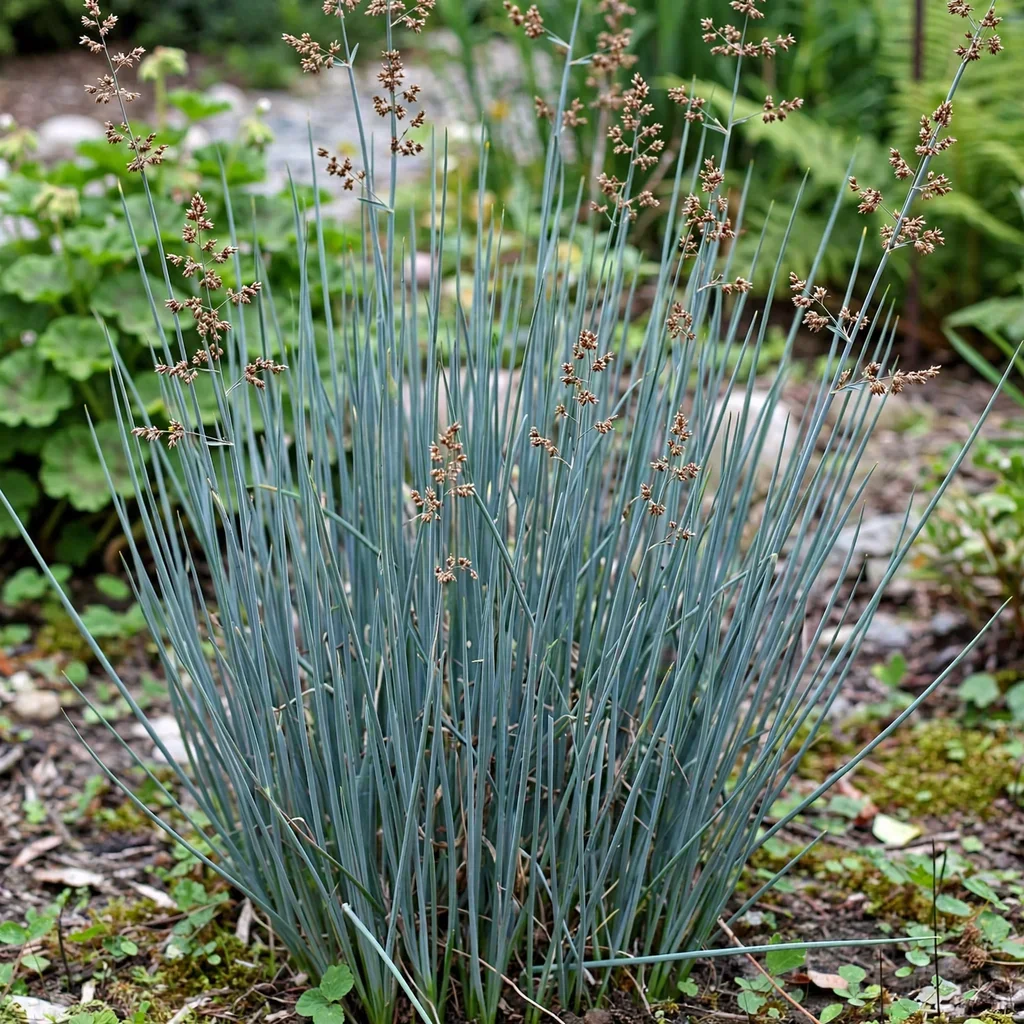
Blue Arrows Soft Rush
Juncus effusus 'Blue Arrows'
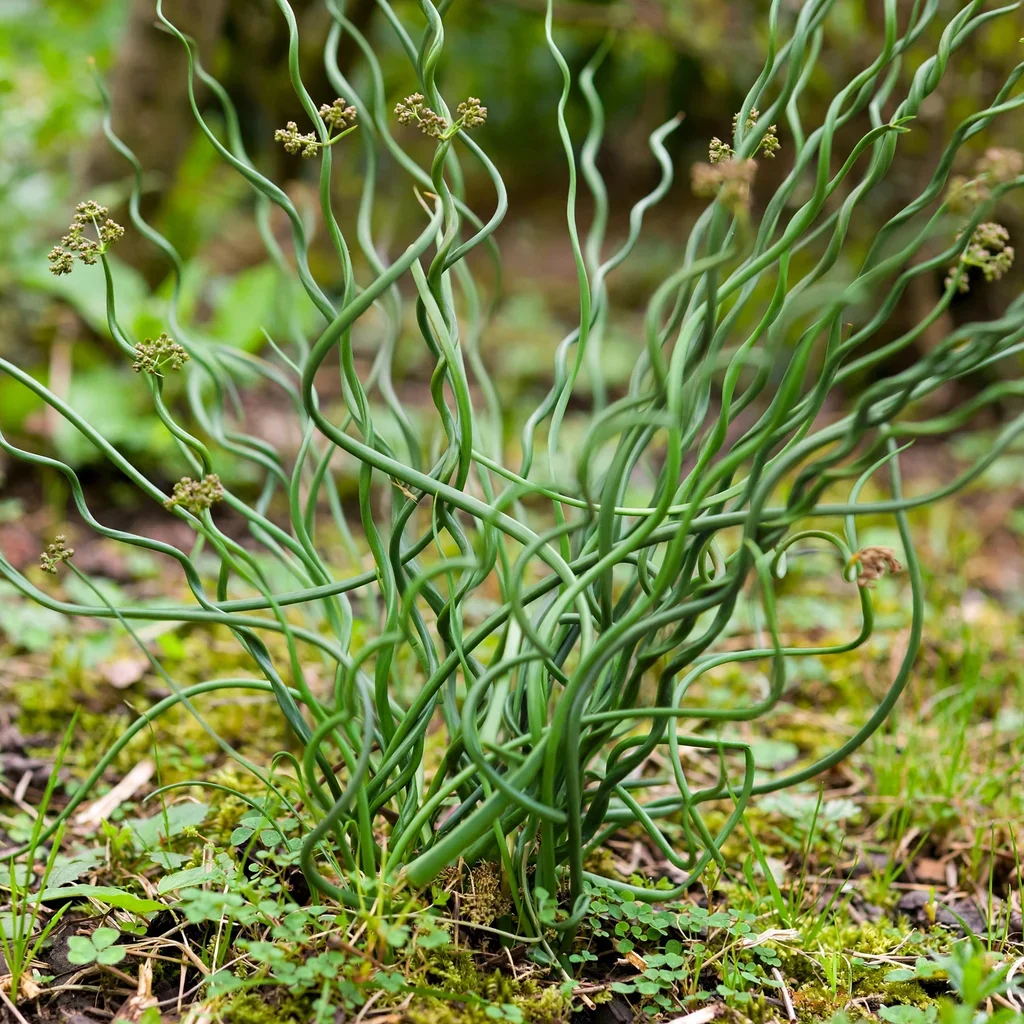
Spiralis Corkscrew Rush
Juncus compactus 'Spiralis'
Blue Arrows Rush
Juncus inflexus 'Afro'
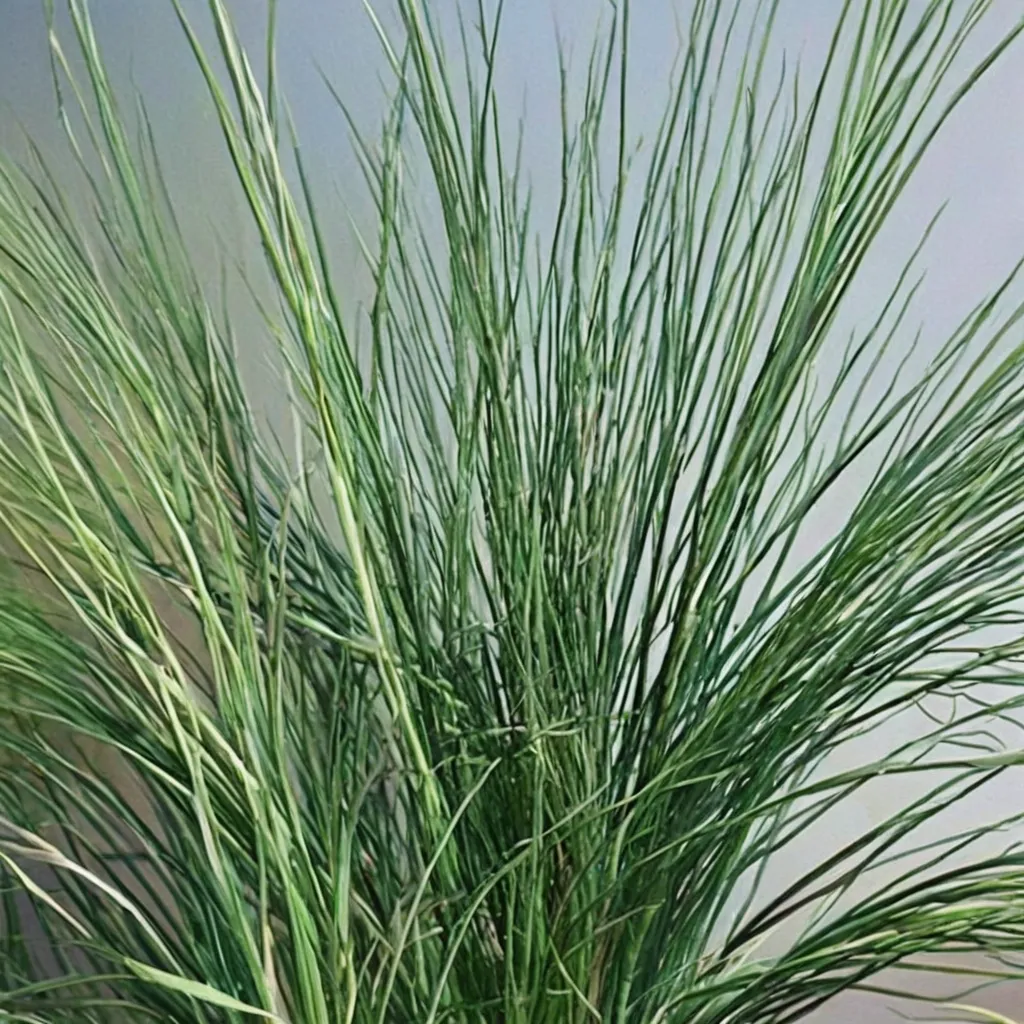
Blue Rush
Juncus inflexus 'Lovesick Blues'
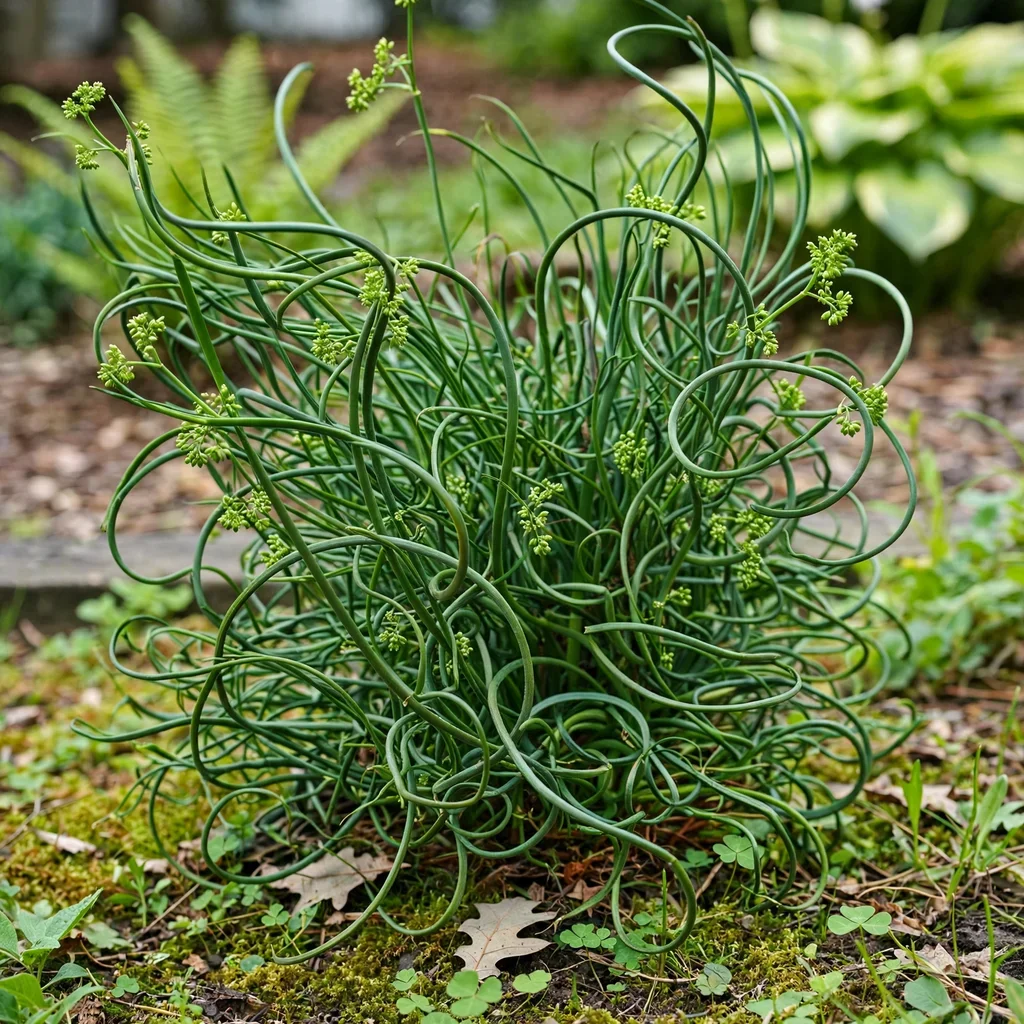
Big Twister Soft Rush
Juncus effusus 'Big Twister'
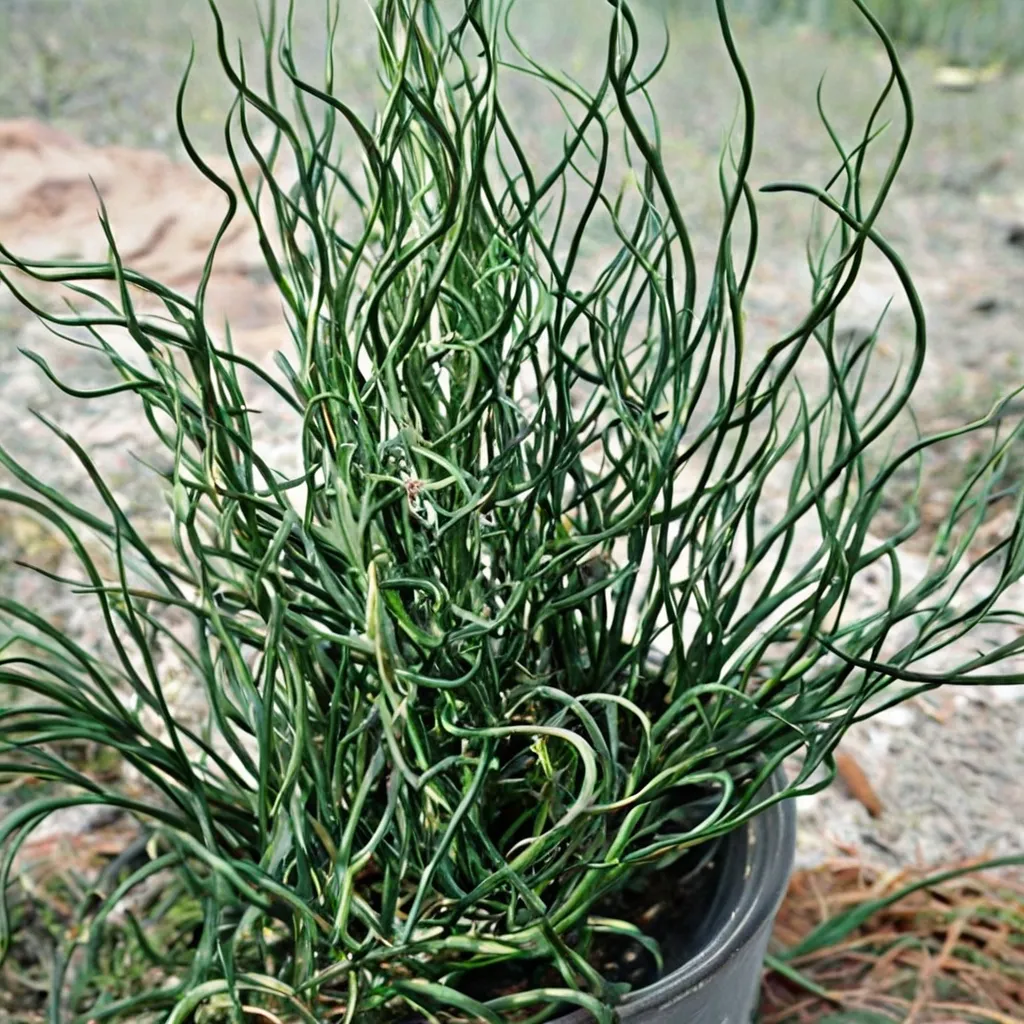
Curly Wurly Corkscrew Rush
Juncus effusus 'Curly Wurly'
Keep exploring
Explore the genus
Hardy in your zone?
Grow Brownhead Rush with confidence
See it in a design of your actual yard, get zone-matched care reminders, and track it season by season in your garden journal.