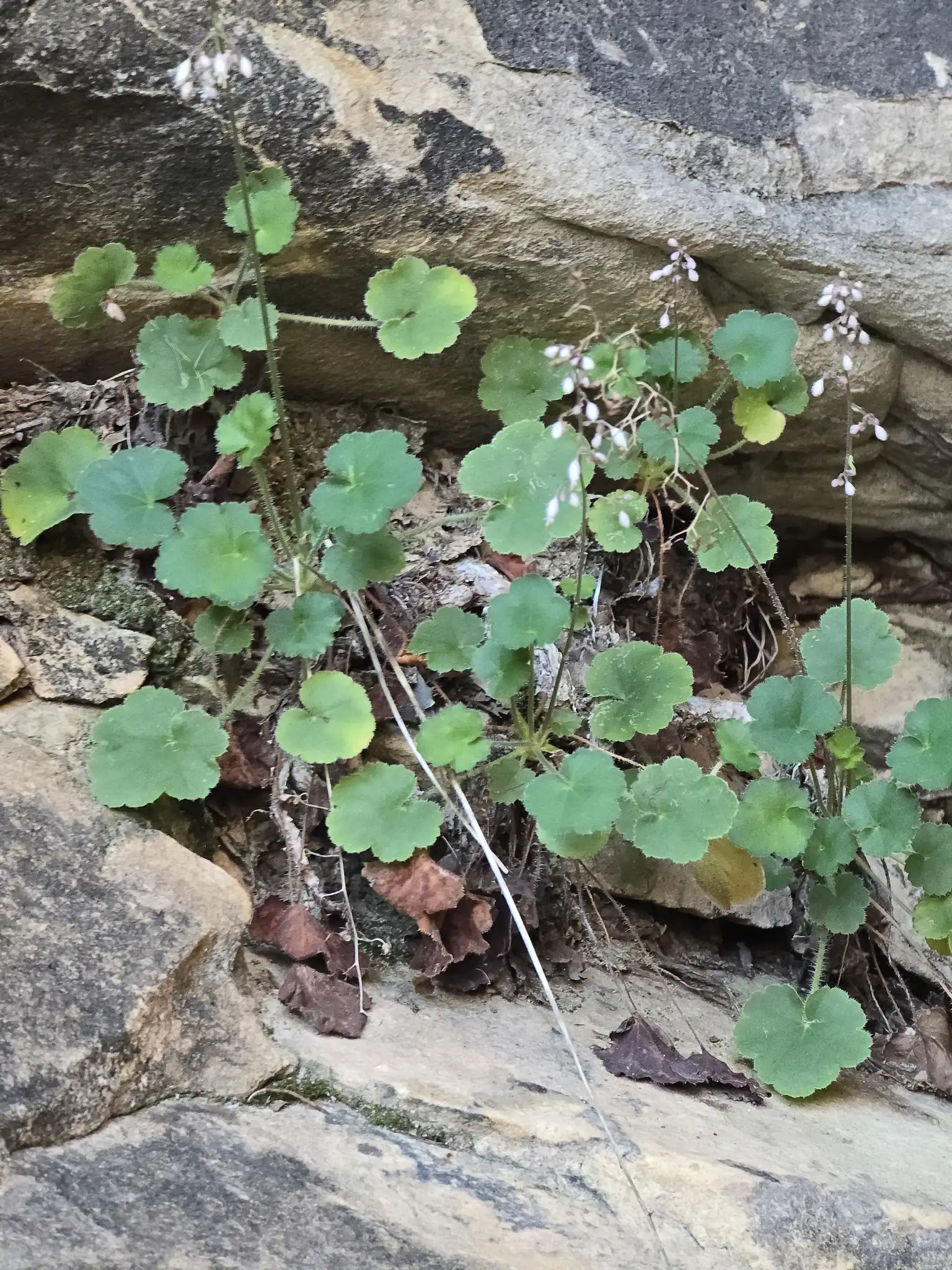
The Story
Plant Bio
Heuchera rubescens is a low-growing, compact perennial native to dry cliffs, rock crevices, and mountain slopes across western North America. It produces neat basal rosettes of rounded, lobed foliage topped by slender panicles of tiny, nodding pink-to-white bell-shaped flowers from late spring through summer.
Adapted to high-elevation mineral soils, this species requires far sharper drainage and lower humidity than typical garden Heuchera cultivars. Its elevated flowering stems reach up to 20 inches in height, providing accessible nectar for hummingbirds and native bees.
Uses & Benefits:
Essentials
At a Glance
Plant Type
Perennial
Height
20"
Width
24"
Light
Partial Sun, Shade
Zones
4, 5, 6, 7, 8, 9
Water
Low to Moderate
Humidity
Low
Lifespan
Perennial
Native To
Western North America
Toxicity
Non-toxic
Bloom period
Late spring – Early autumn
In flower about 5 months of the year
Planting
How to Grow
- Choose a site with fast-draining, gritty, or rocky soil that receives morning sun and shade during hot afternoon hours.
- Set the plant into the soil so the crown sits slightly elevated above the surrounding ground level to prevent moisture build-up.
- Water thoroughly at planting, then allow the top layer of soil to dry out between subsequent waterings.
- Apply a light gravel or stone mulch around the base to keep foliage clean and keep the crown free of stagnant water.
Pro Tip
Plant in gritty, fast-draining mineral soil with afternoon shade, and never cut back into the old, leafless woody crown when pruning.
Keep It Thriving
Care Guide
Do
- Ensure soil has high permeability and mineral grit.
- Provide afternoon shade in hot inland climates.
- Divide crown every 3 to 4 years to maintain vigor.
Don't
- Do not plant in heavy, waterlogged clay soils.
- Do not overwater once established.
- Do not cut hard into old woody crown tissue.
Seasonal Care Calendar
| Task | Jan | Feb | Mar | Apr | May | Jun | Jul | Aug | Sep | Oct | Nov | Dec |
|---|---|---|---|---|---|---|---|---|---|---|---|---|
| Deadhead | ||||||||||||
| Divide | ||||||||||||
| Fertilize | ||||||||||||
| Spring Cleanup |
Watch Out For
Pests & Diseases
Common Pests
Common Diseases
In the Garden
Landscape Uses & Companions
Landscape Uses
Multiply
Propagation Methods
Good to Know
Common Questions
Pink Alumroot questions
What zones can Pink Alumroot grow in?
Pink Alumroot is hardy in USDA Zones 4–9: in that range it survives winter in the ground. Warmer than Zone 9, winter isn't the problem: it prefers colder winters, and summer heat can shorten its life.
Is Pink Alumroot deer resistant?
Not reliably. Deer may browse Pink Alumroot, especially tender spring growth — plan on repellents or fencing where pressure is high.
When does Pink Alumroot bloom?
Pink Alumroot typically blooms from late spring to early fall. Exact timing shifts a week or two with your zone — Sow's bloom calendar maps it to your garden.
Does Pink Alumroot need full sun?
Pink Alumroot does best in part shade.
Is Pink Alumroot drought tolerant?
Yes — once established (usually after the first full season), Pink Alumroot handles dry spells with minimal watering. Water deeply its first year to build the root system that makes that possible.
More Heuchera to compare
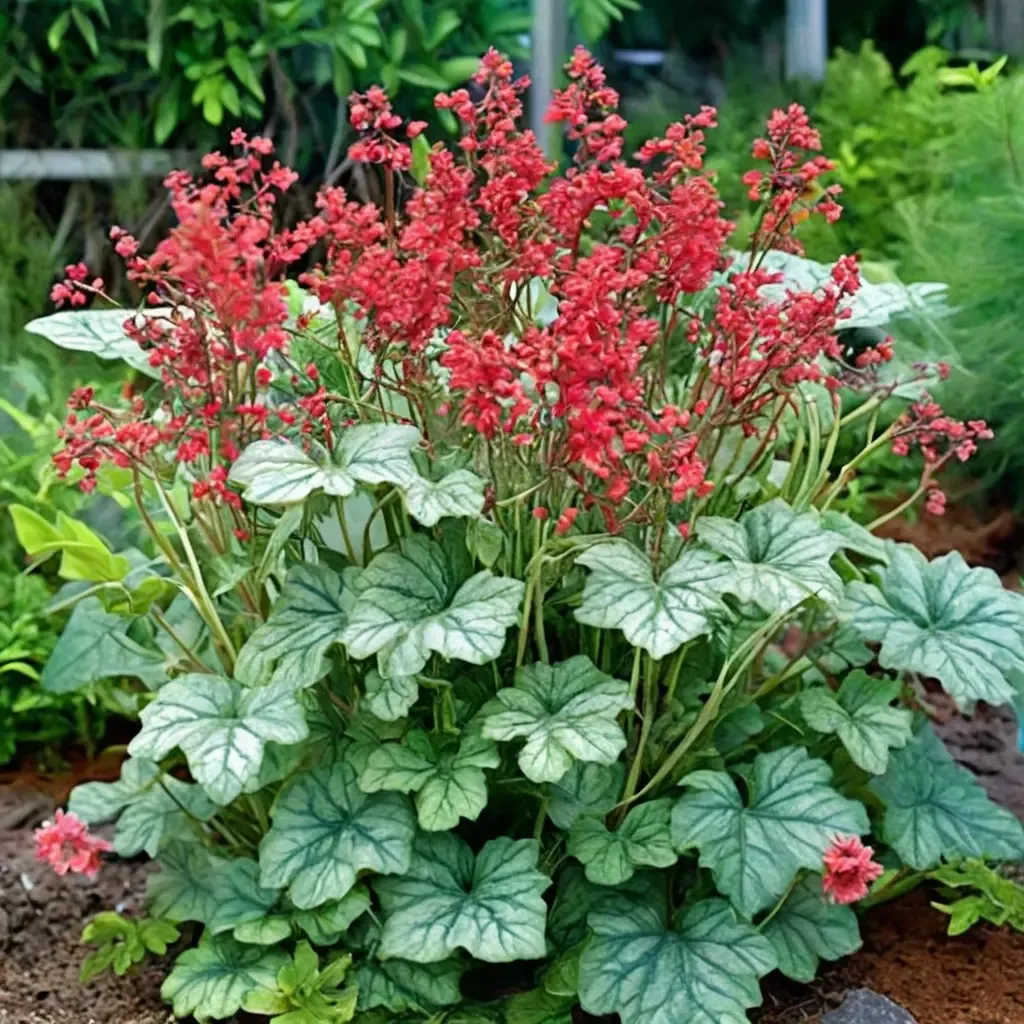
Mixed Coral Bells
Heuchera sanguinea 'Mixed Coral Bells'
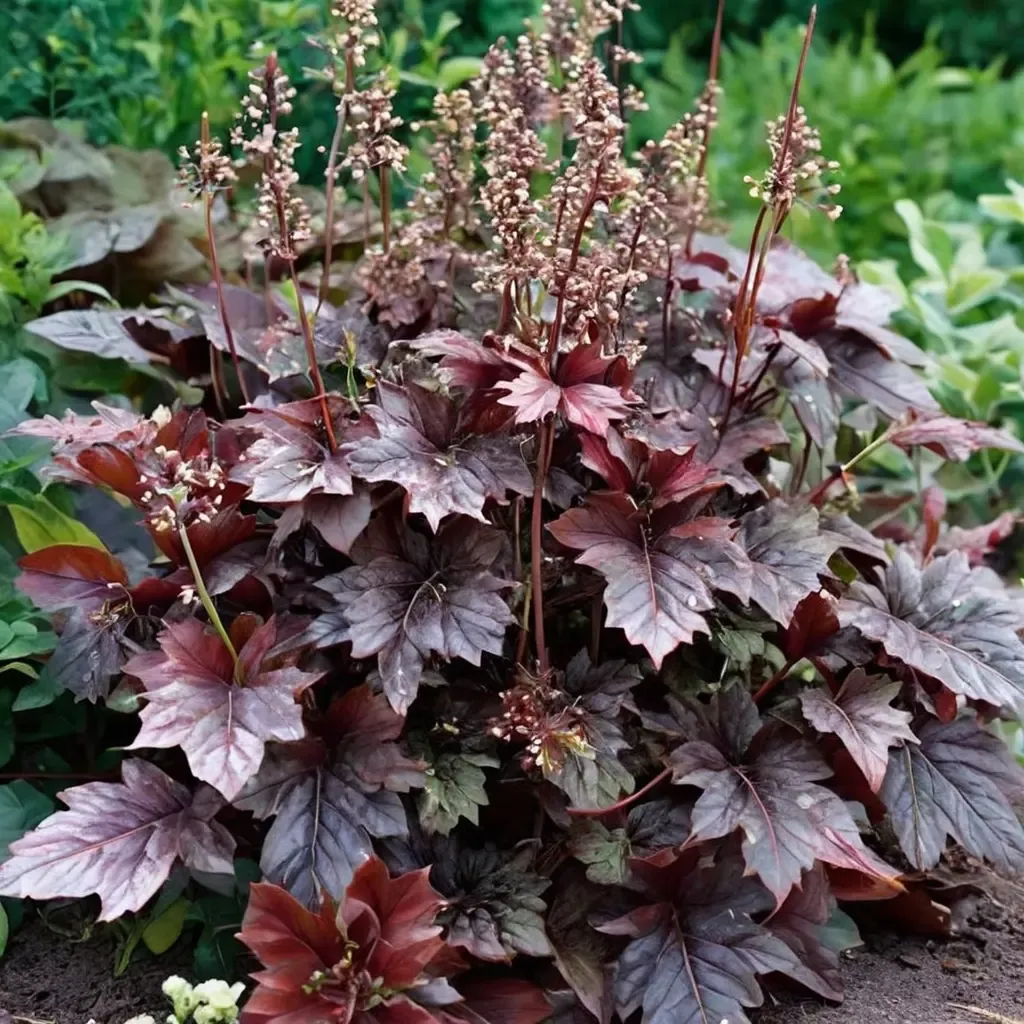
Palace Purple Coral Bells
Heuchera americana 'Palace Purple'
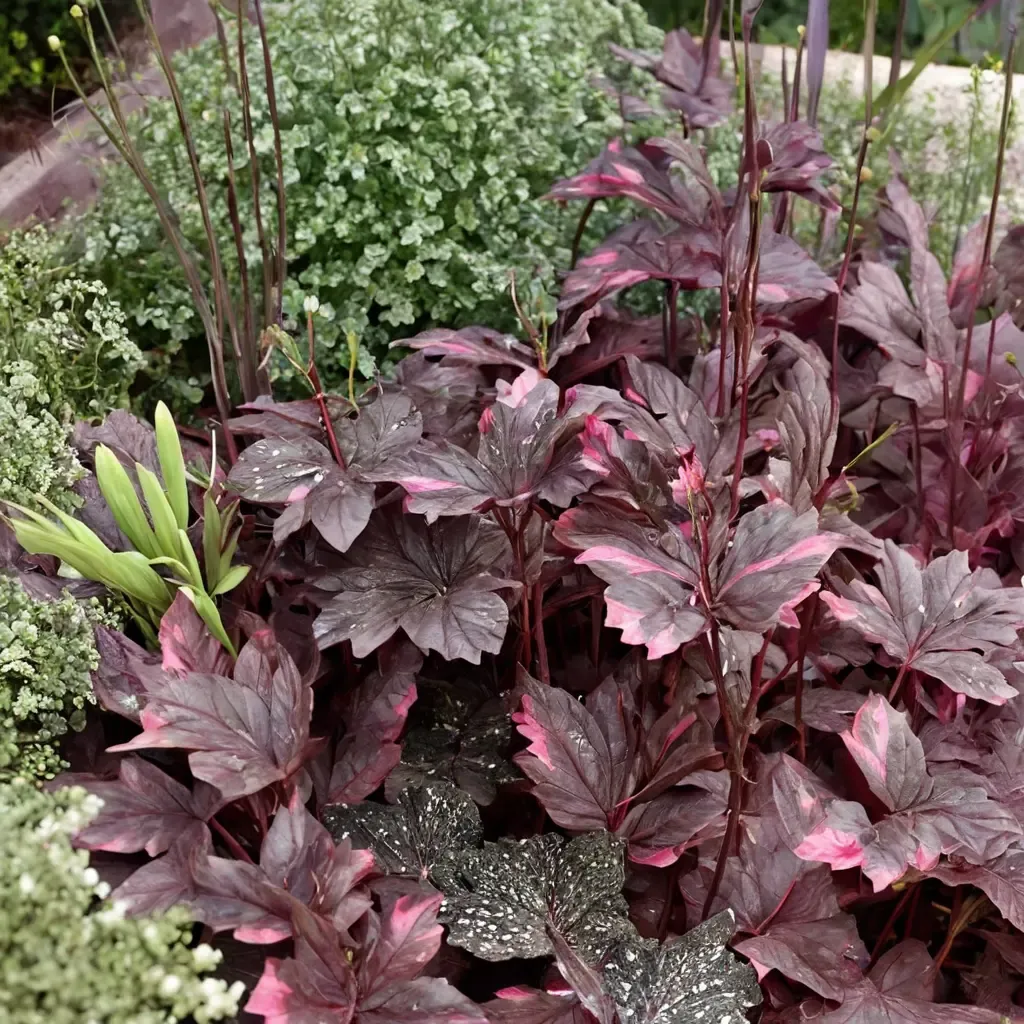
Midnight Rose Coral Bell
Heuchera x brizoides 'Midnight Rose'
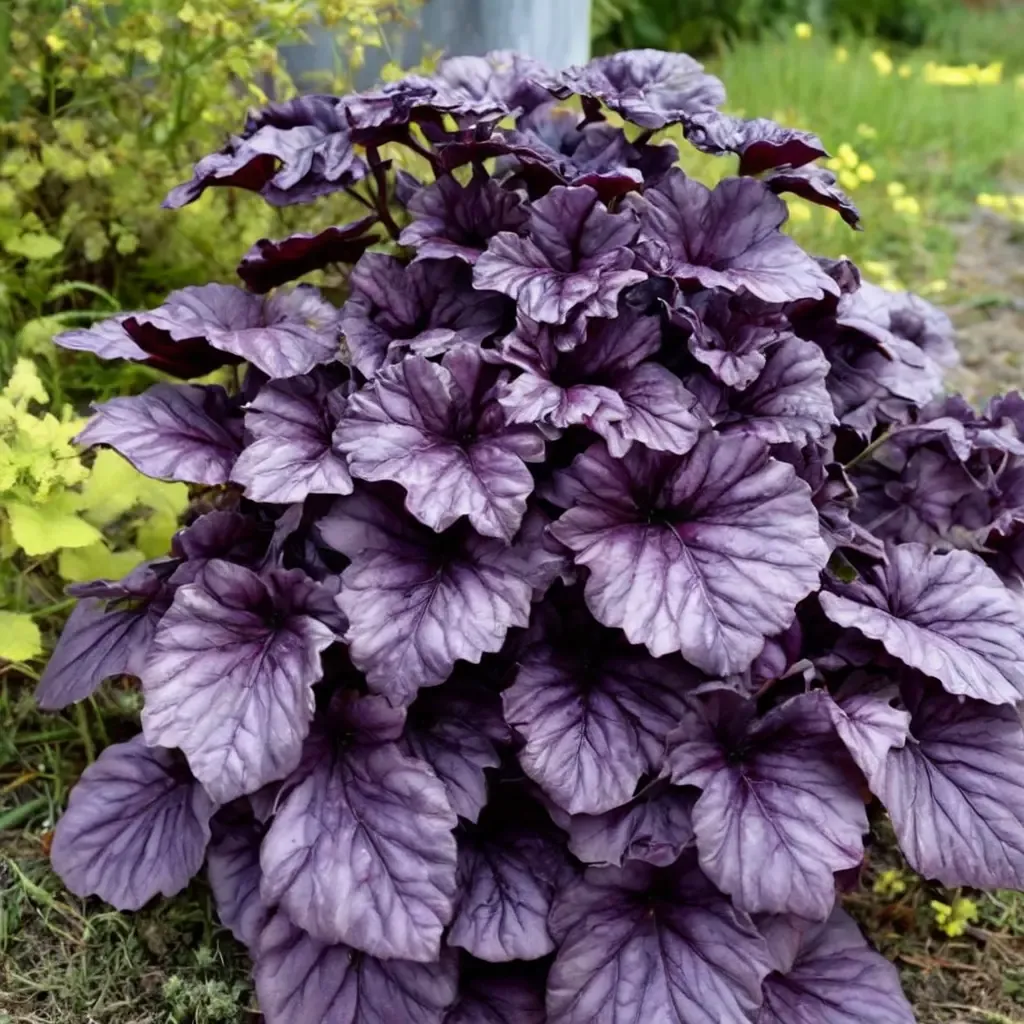
Wildberry Coral Bells
Heuchera x brizoides 'Wildberry'
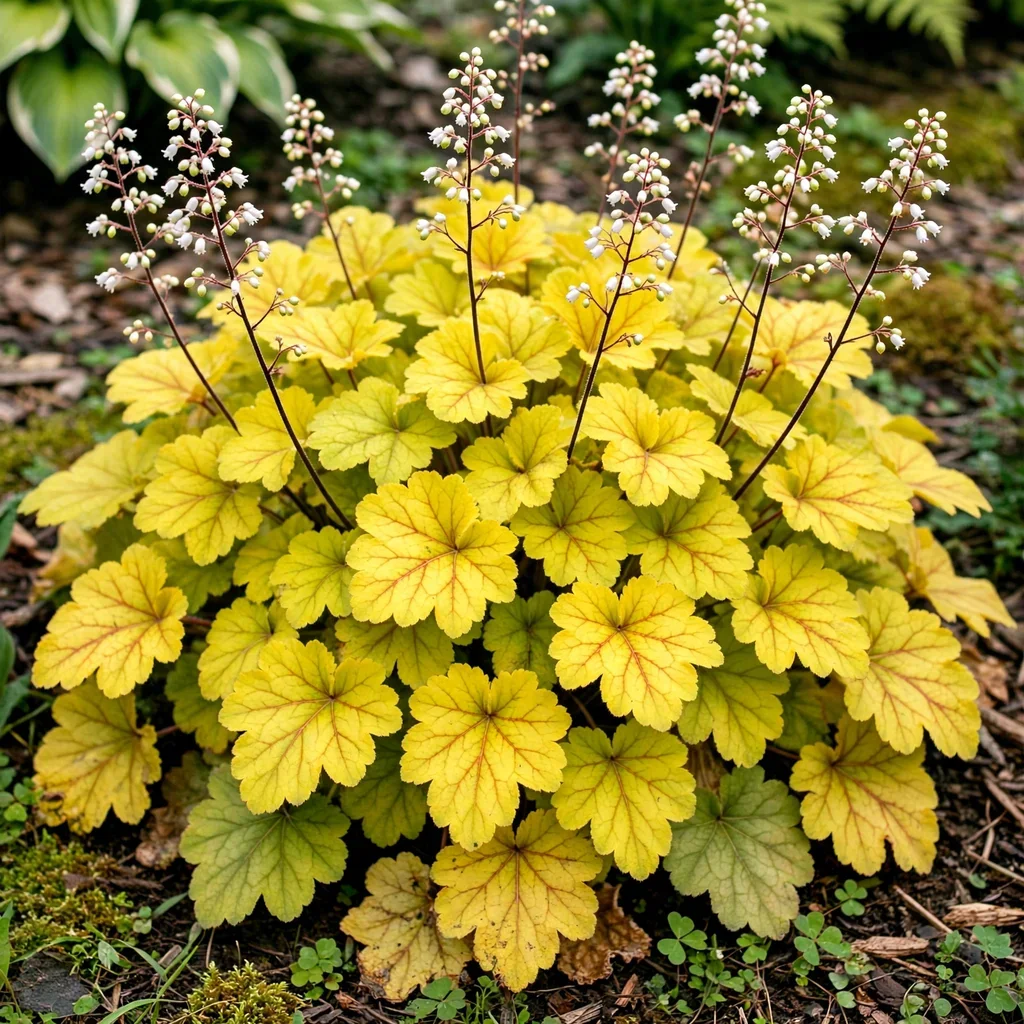
Electra Coral Bells
Heuchera sanguinea 'Electra'
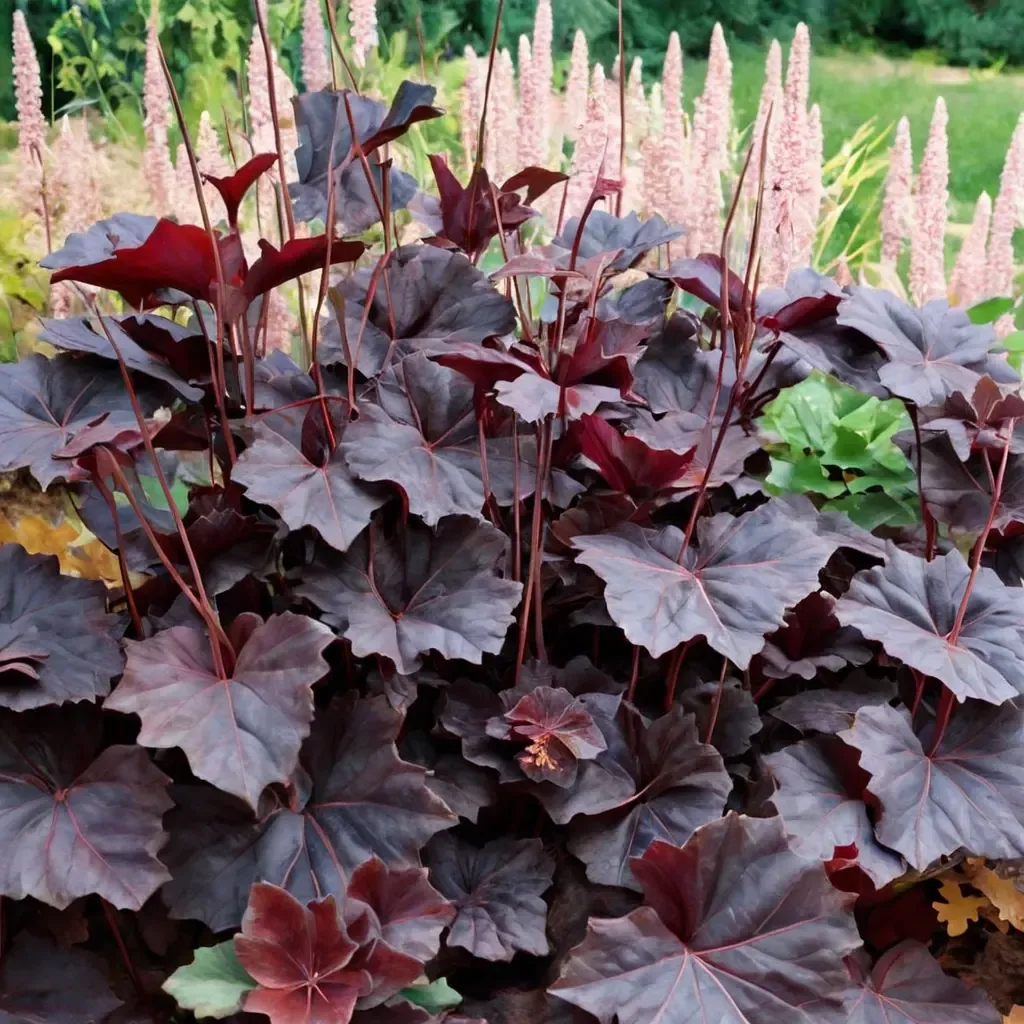
Obsidian Coral Bells
Heuchera villosa 'Obsidian'
Keep exploring
Explore the genus
Grow Pink Alumroot with confidence
See it in a design of your actual yard, get zone-matched care reminders, and track it season by season in your garden journal.