The Story
Plant Bio
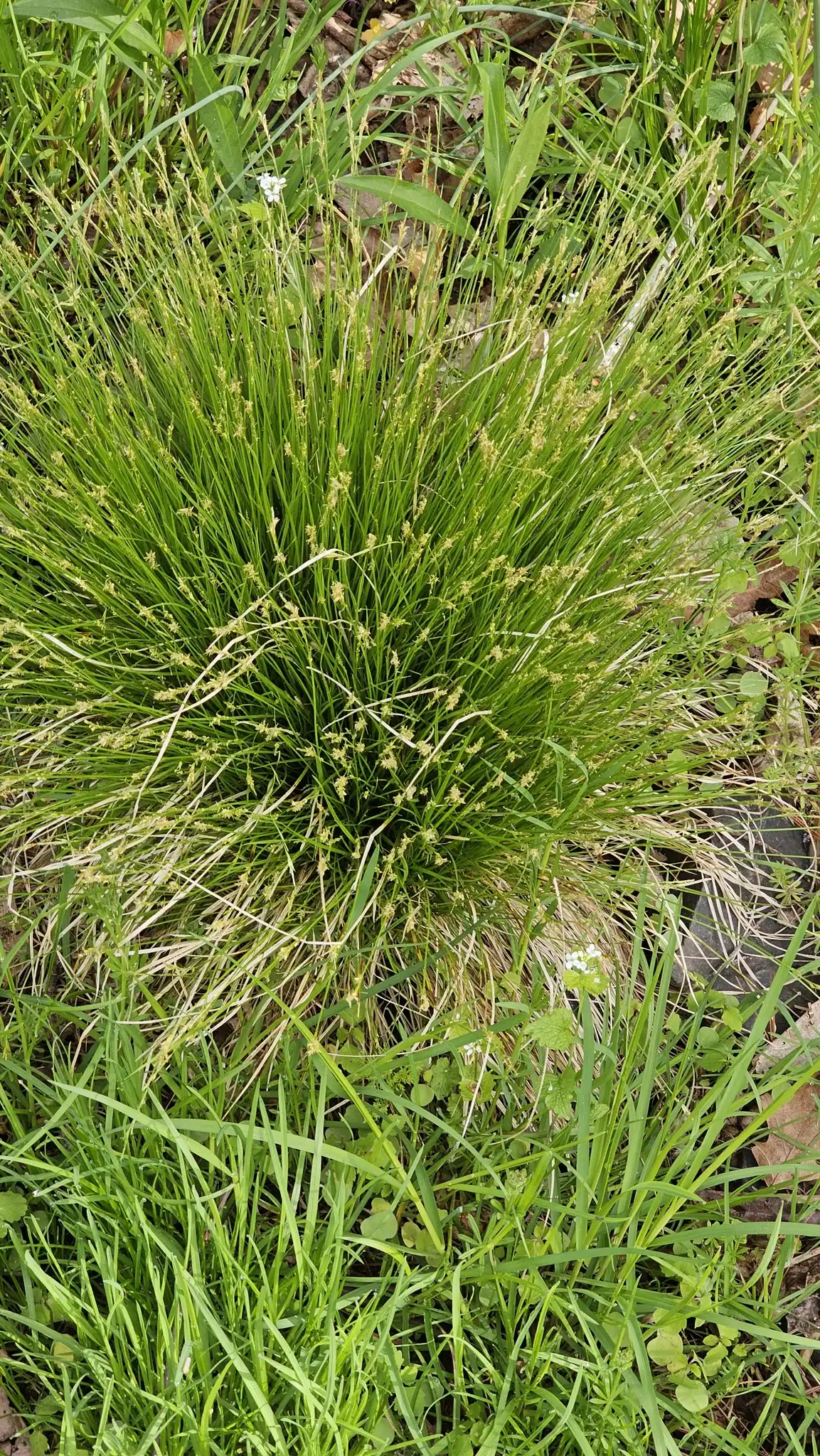
Carex bromoides, commonly known as brome-like sedge, is a tussock-forming perennial native to moist woodlands and wetlands across eastern North America. It produces fine, bright green foliage in dense, slowly expanding tufts that reach up to 30 inches tall when flowering.
This species is distinguished by its narrow leaf blades and fine-textured terminal spikes that shift from light green to tawny copper in early summer. It serves as an important larval host for native butterflies while offering shelter and seed for wetland songbirds.
Uses & Benefits:
Essentials
At a Glance
Plant Type
Grass
Height
30"
Width
18"
Light
Full Sun, Partial Sun, Shade
Zones
4, 5, 6, 7, 8
Water
High / Wet
Humidity
High
Lifespan
Perennial
Native To
Eastern North America
Toxicity
Non-toxic
Bloom period
Late spring – Mid summer
In flower about 3 months of the year
Marketplace
Where to Buy
Shipping costs Year-round shipping Free shipping
Planting
How to Grow
- Select a planting site in partial to full shade with moist, organic soil.
- Space plants 14 to 18 inches apart to accommodate mature tussock spread.
- Water thoroughly at planting and maintain continuous moisture during establishment.
- Apply an organic leaf mold mulch around the base to retain soil moisture.
Pro Tip
Plant in consistently damp, shaded positions or rain gardens; allowing soil to dry out completely leads to rapid leaf scorch and desiccation.
Keep It Thriving
Care Guide
Do
- Keep soil consistently moist to wet.
- Trim back old winter-damaged foliage in early spring before new growth appears.
- Plant in shaded woodland edges, stream banks, or rain gardens.
Don't
- Do not plant in dry, baking clay beds.
- Do not cut back foliage hard during peak summer heat.
- Do not allow soil to dry out completely.
Seasonal Care Calendar
| Task | Jan | Feb | Mar | Apr | May | Jun | Jul | Aug | Sep | Oct | Nov | Dec |
|---|---|---|---|---|---|---|---|---|---|---|---|---|
| Divide | ||||||||||||
| Mulch | ||||||||||||
| Plant | ||||||||||||
| Spring Cleanup |
Watch Out For
Pests & Diseases
Common Pests
Common Diseases
In the Garden
Landscape Uses & Companions
Landscape Uses
Companion Plants
Multiply
Propagation Methods
Good to Know
Common Questions
Brome-Like Sedge questions
What zones can Brome-Like Sedge grow in?
Brome-Like Sedge is hardy in USDA Zones 4–8. Inside that range it survives winter in the ground; outside it, grow it as an annual or a container plant you protect.
Is Brome-Like Sedge deer resistant?
Yes — Brome-Like Sedge is rated deer-resistant. Deer typically pass it over, though extreme hunger can override any plant's defenses.
When does Brome-Like Sedge bloom?
Brome-Like Sedge typically blooms in late spring through mid summer. Exact timing shifts a week or two with your zone — Sow's bloom calendar maps it to your garden.
Does Brome-Like Sedge need full sun?
Brome-Like Sedge does best in full sun to part shade. In hot climates, afternoon shade keeps blooms fresher longer.
More Carex to compare
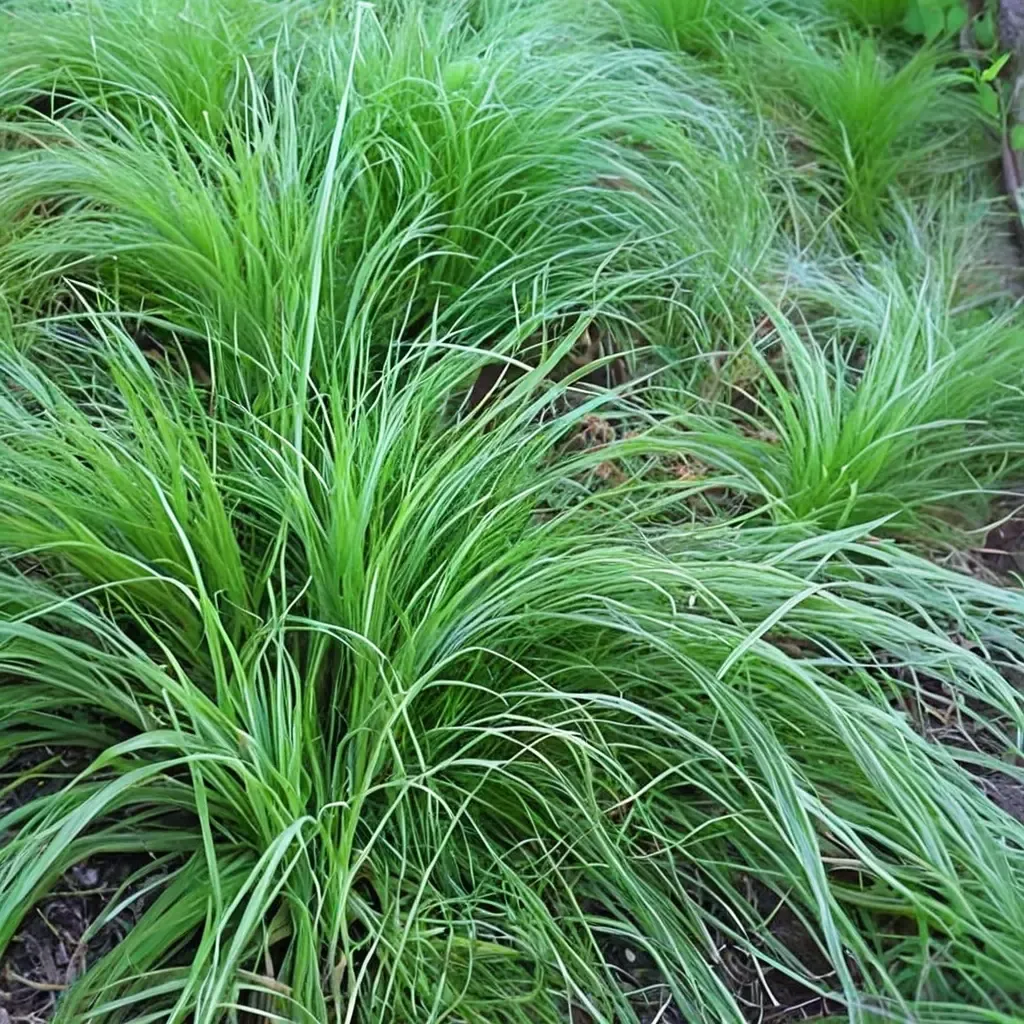
Pennsylvania Sedge
Carex pensylvanica
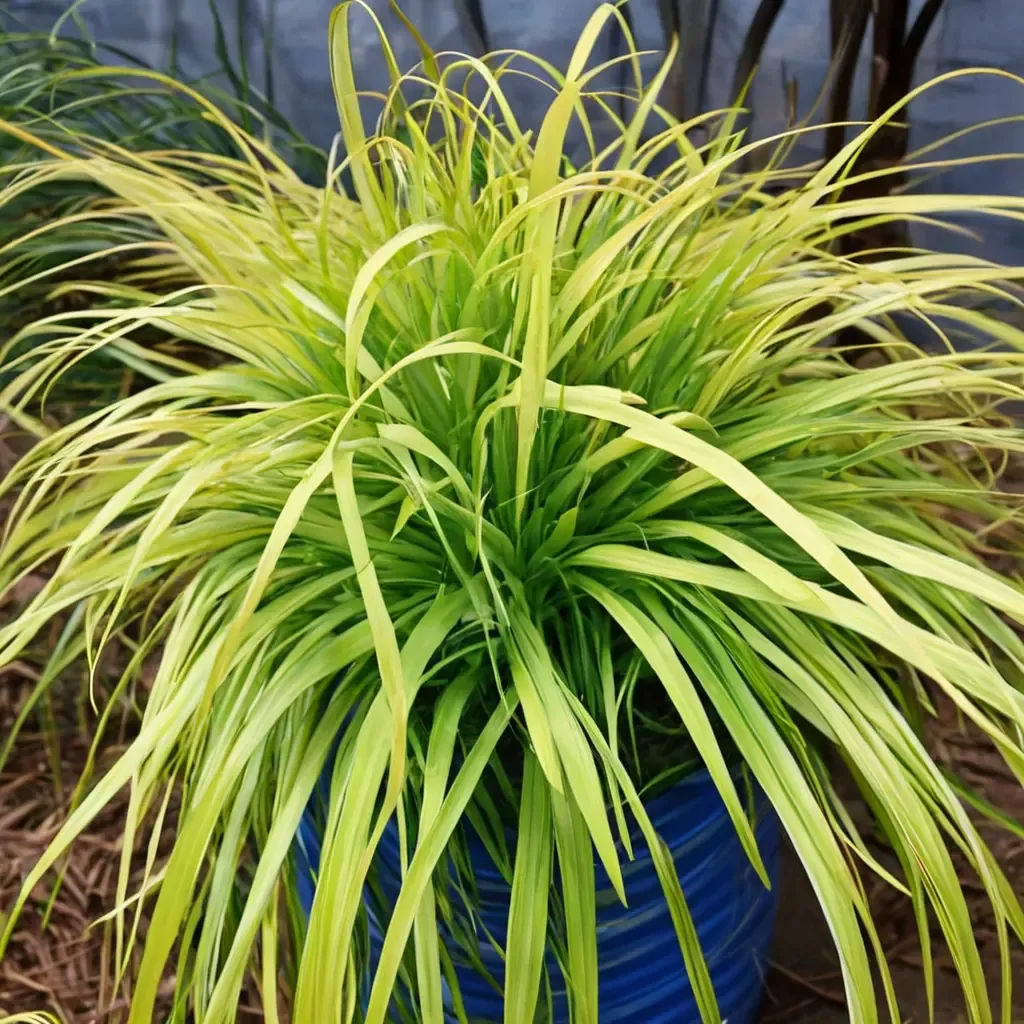
Everillo Sedge
Carex oshimensis 'Everillo'
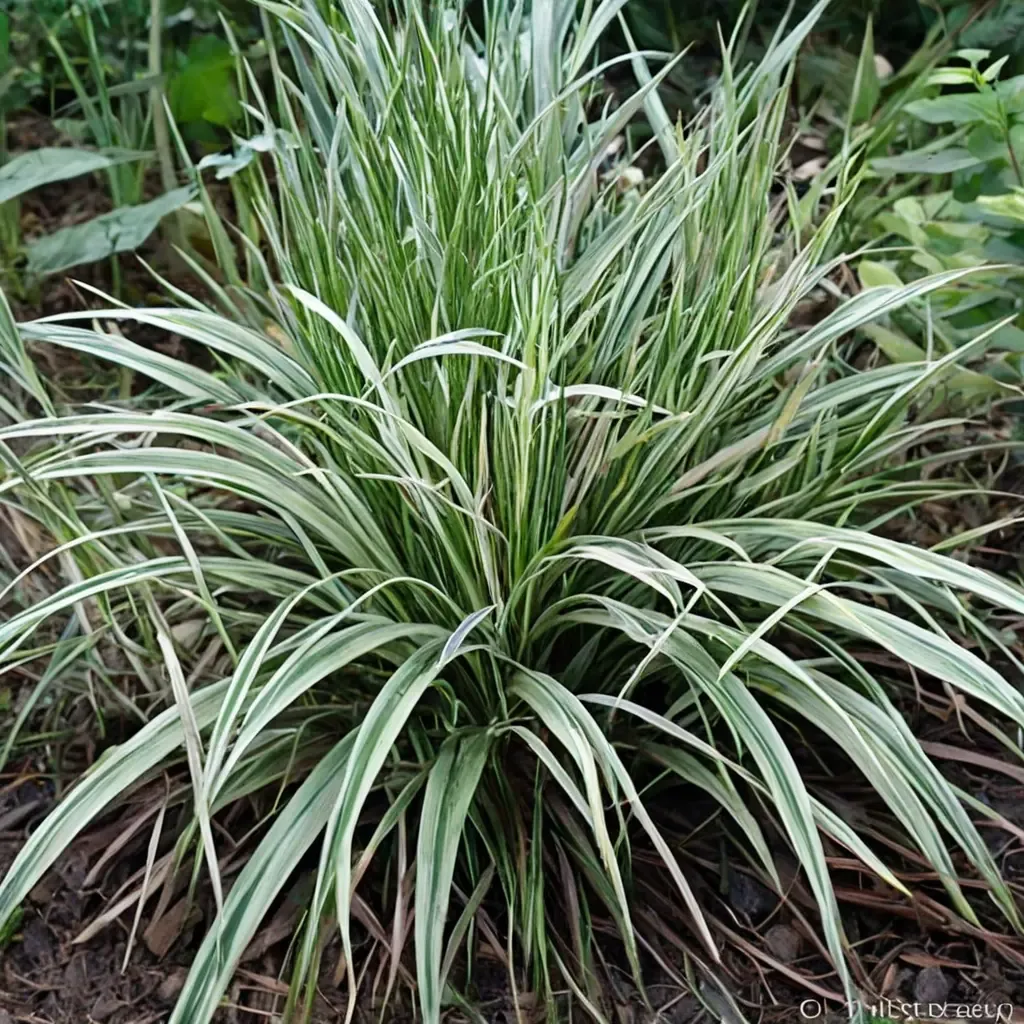
Japanese Sedge
Carex morrowii
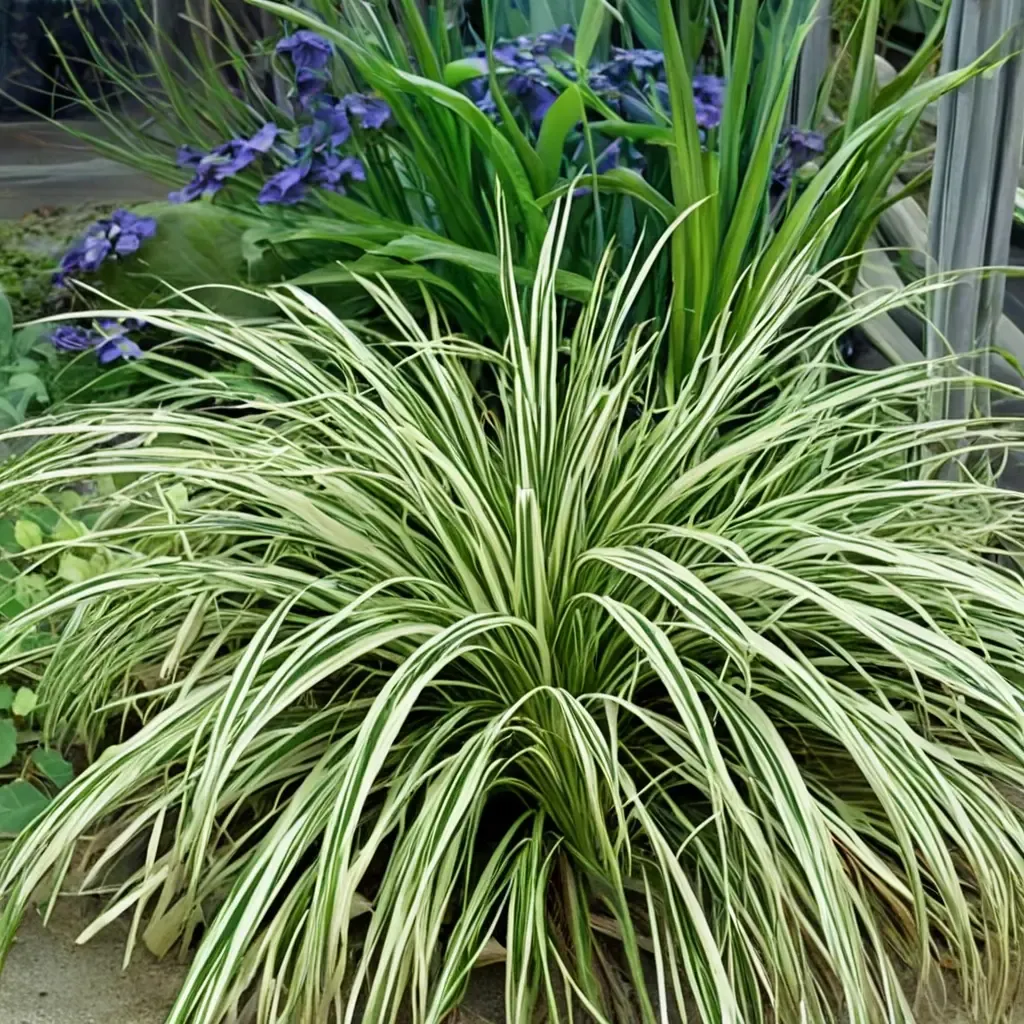
Evergold Japanese Sedge
Carex oshimensis 'Evergold'
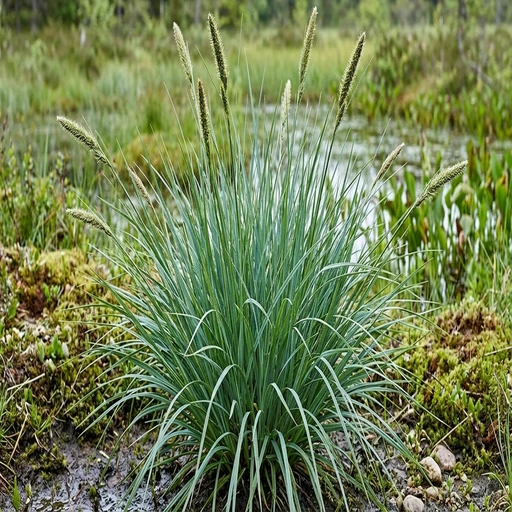
Comosa Sedge
Carex comosa
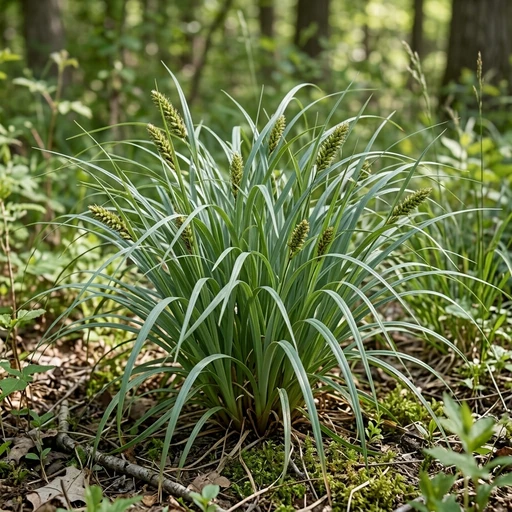
Shortbeak Sedge
Carex brevior
Keep exploring
Explore the genus
Hardy in your zone?
Grow Brome-Like Sedge with confidence
See it in a design of your actual yard, get zone-matched care reminders, and track it season by season in your garden journal.