The Story
Plant Bio
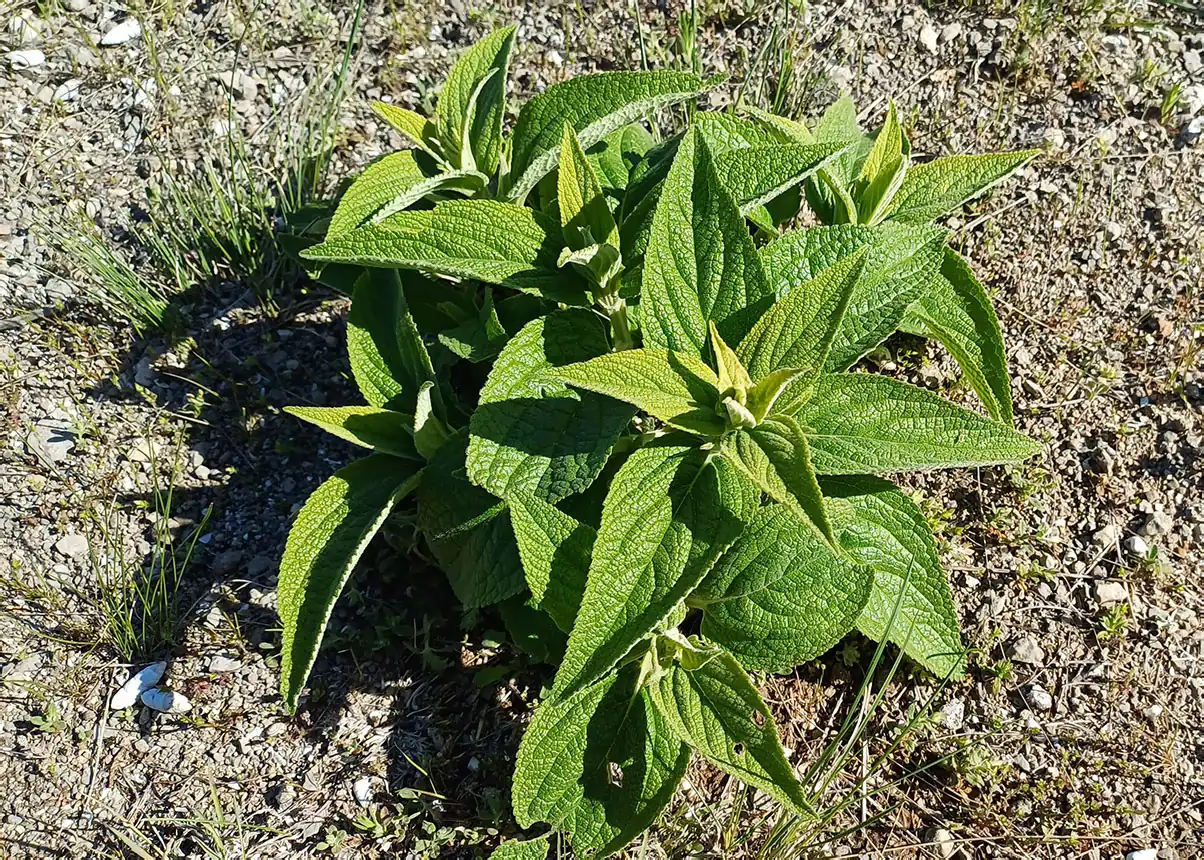
Phlomis herba-venti and its close allies are clump-forming herbaceous perennials in the mint family, forming a rounded mound of rough heart-shaped dark green leaves with pale hairy undersides. The hooded tubular flowers are carried in widely spaced whorls up stiff upright stems, opening over a long spring to summer season and drying to persistent seedheads.
Sold as Phlomis taurica, this is the Crimean form now placed under Phlomis herba-venti subsp. pungens, growing about 20 inches tall and a little wider with rich mauve-pink to purple hooded flowers in three to four well-spaced whorls. Unlike the evergreen shrubby Jerusalem sages it dies to the ground in winter, so the bare crown can be underplanted with small spring bulbs.
Uses & Benefits:
Essentials
At a Glance
Plant Type
Perennial
Height
20"
Width
22"
Light
Full Sun, Partial Sun
Water
Low to medium, well-drained
Humidity
Average to dry
Lifespan
Herbaceous perennial
Native To
SE Europe to Iran and NW Africa; Crimea/Caucasus dry hills
Toxicity
Unknown - no data reported
Bloom period
Spring – Summer
In flower about 6 months of the year
Planting
How to Grow
- Plant in full sun in fertile, well-drained loam, sand or chalk soil.
- Space plants about 22 inches apart to allow a rounded clump to develop.
- Water in once after planting, then water sparingly; established clumps tolerate drought and heat.
- Leave flower stems standing through fall for seedhead interest and wildlife cover.
- Cut all dead top growth to the ground in early spring as new leaves emerge.
Pro Tip
Leave the whorled seedheads standing for winter structure and cut all dead top growth to the ground in early spring as new leaves emerge.
Keep It Thriving
Care Guide
Do
- Grow in full sun with sharp drainage.
- Leave seedheads standing through winter.
- Divide congested clumps in spring to renew vigor.
Don't
- Do not plant in wet or poorly drained soil.
- Do not prune it like an evergreen shrub; it is herbaceous and regrows from the crown.
- Do not overwater once established.
Seasonal Care Calendar
| Task | Jan | Feb | Mar | Apr | May | Jun | Jul | Aug | Sep | Oct | Nov | Dec |
|---|---|---|---|---|---|---|---|---|---|---|---|---|
| Divide | ||||||||||||
| Mulch | ||||||||||||
| Pest Check | ||||||||||||
| Propagate | ||||||||||||
| Spring Cleanup |
Watch Out For
Pests & Diseases
Common Pests
In the Garden
Landscape Uses & Companions
Landscape Uses
Multiply
Propagation Methods
Good to Know
Common Questions
Jerusalem Sage questions
When does Jerusalem Sage bloom?
Jerusalem Sage typically blooms from spring to summer. Exact timing shifts a week or two with your zone — Sow's bloom calendar maps it to your garden.
Does Jerusalem Sage need full sun?
Jerusalem Sage does best in full sun to part shade. In hot climates, afternoon shade keeps blooms fresher longer.
Is Jerusalem Sage drought tolerant?
Yes — once established (usually after the first full season), Jerusalem Sage handles dry spells with minimal watering. Water deeply its first year to build the root system that makes that possible.
More Phlomis to compare
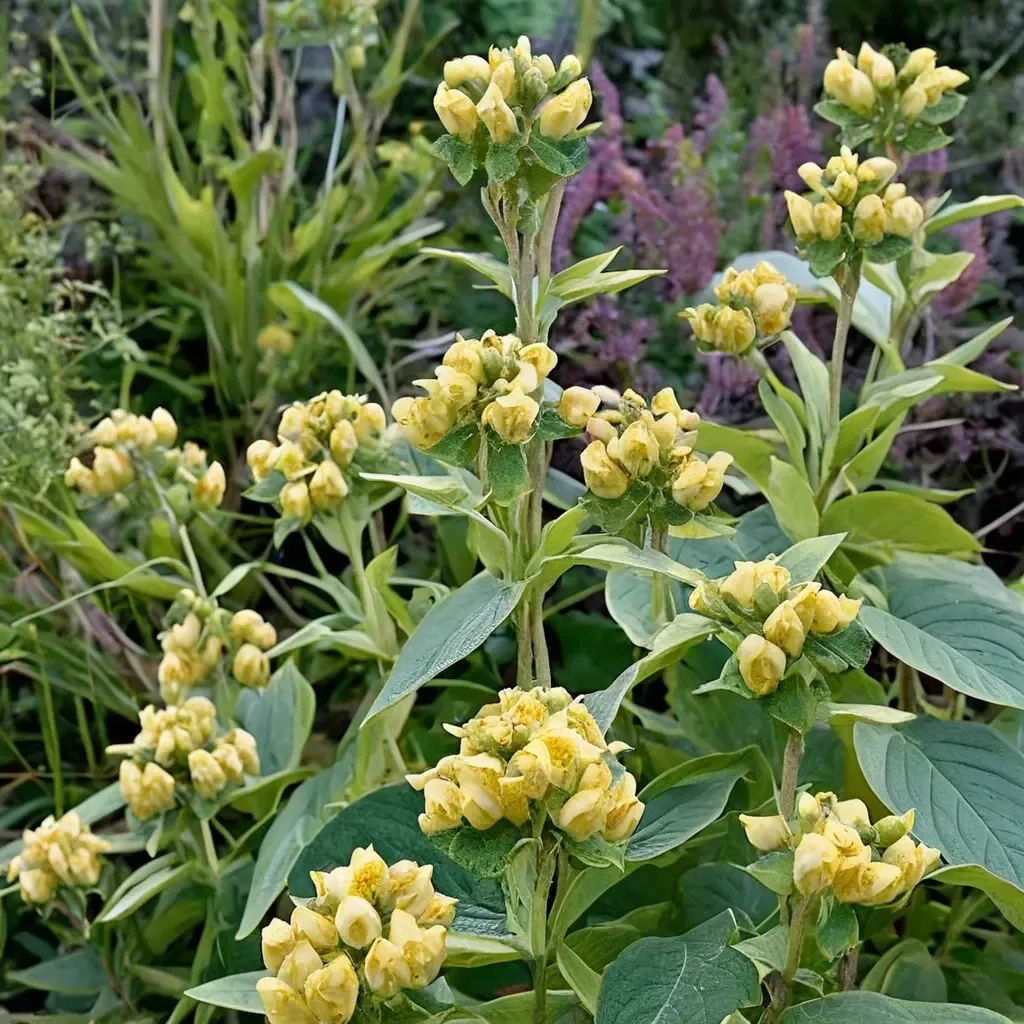
Turkish sage
Phlomis russeliana
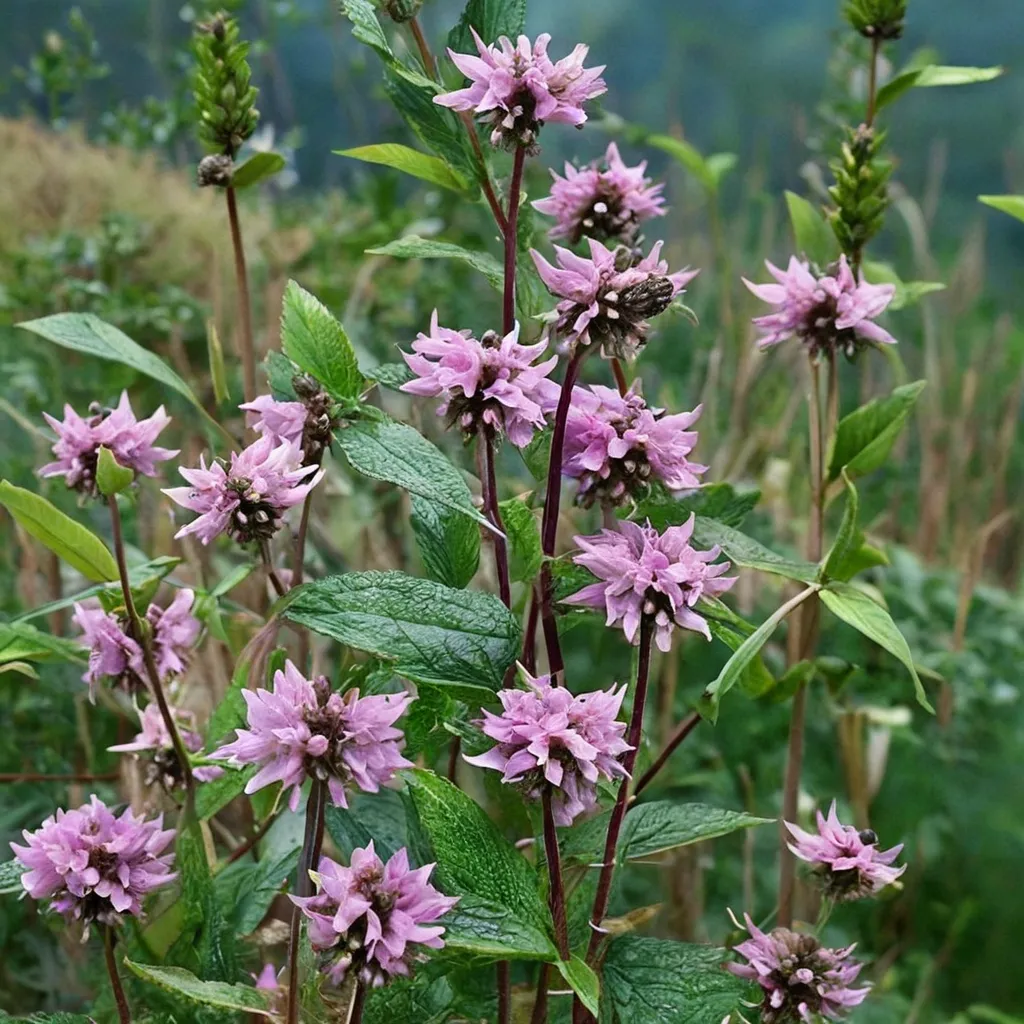
Tuberous Jerusalem Sage
Phlomis tuberosa
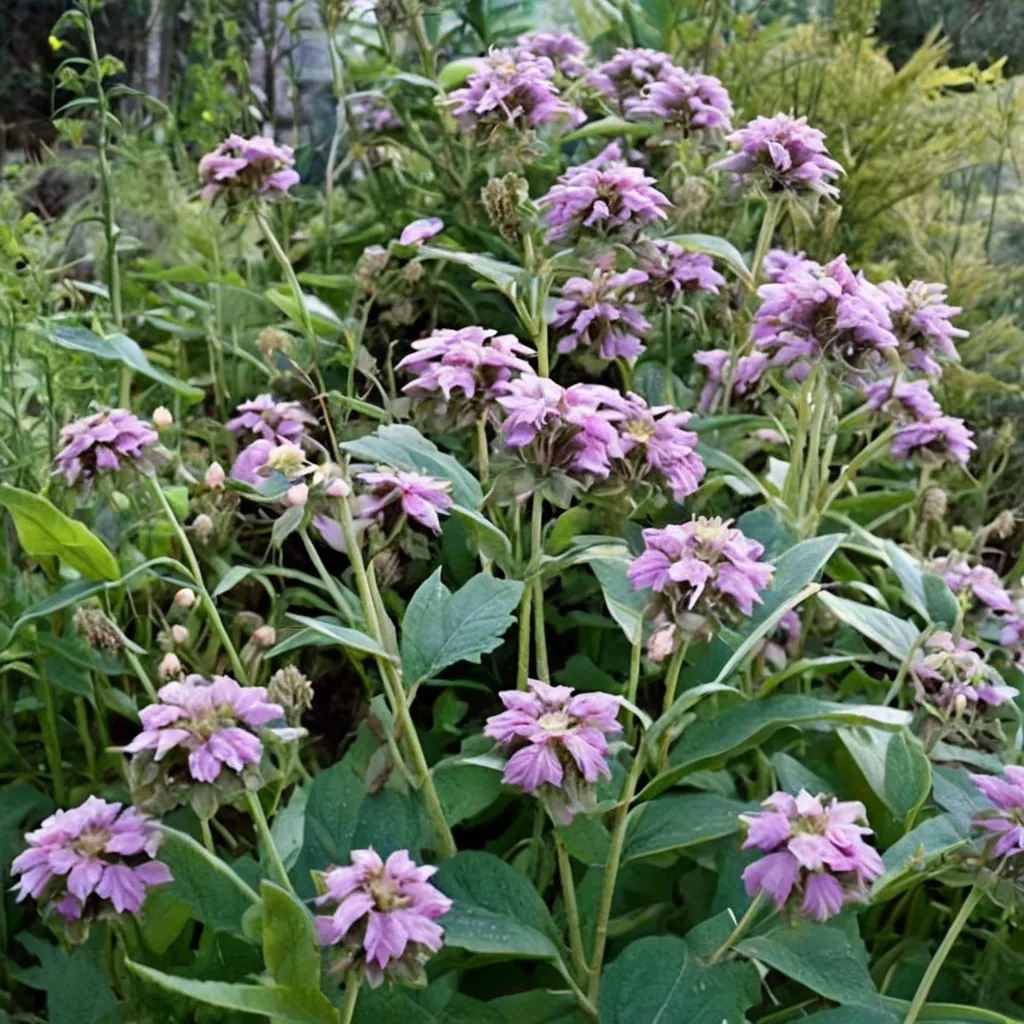
Cashmere Phlomis
Phlomis cashmeriana
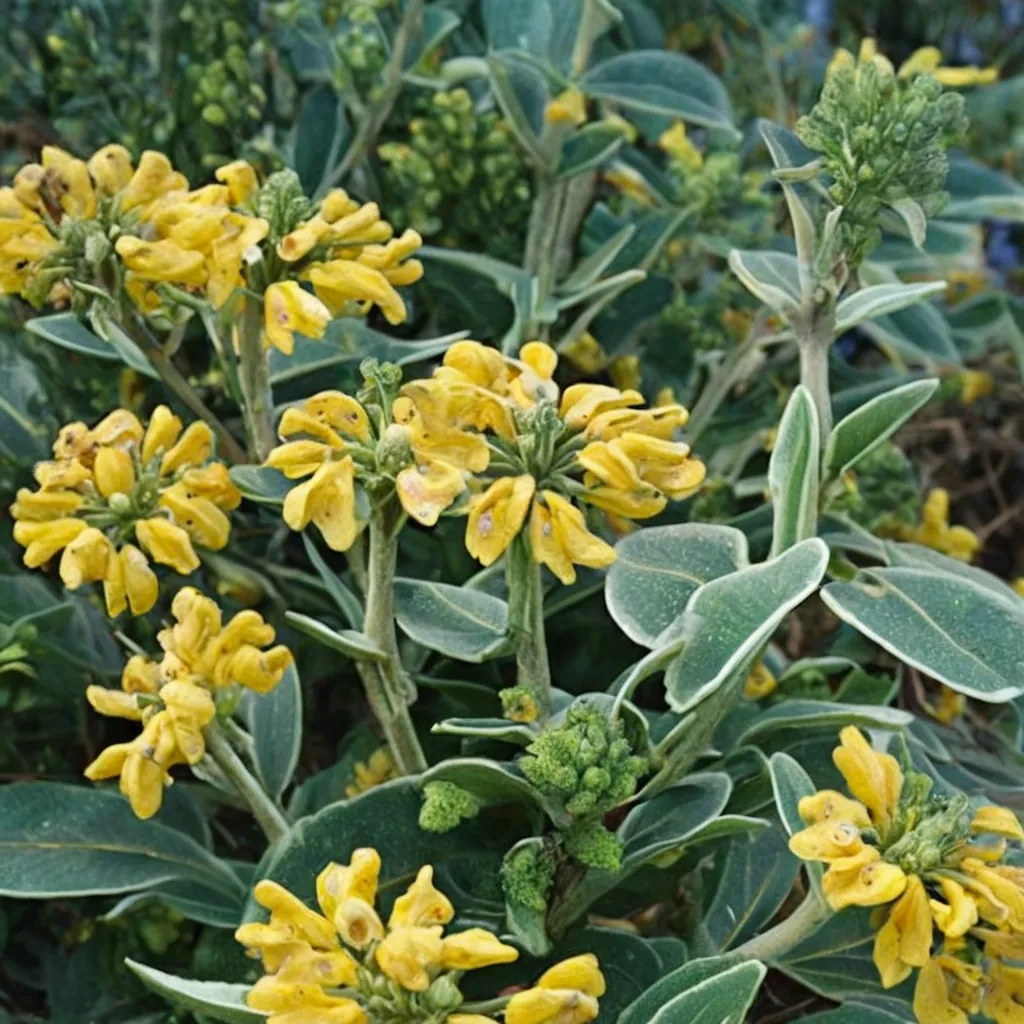
Jerusalem Sage Miss Grace
Phlomis fruticosa 'Miss Grace'
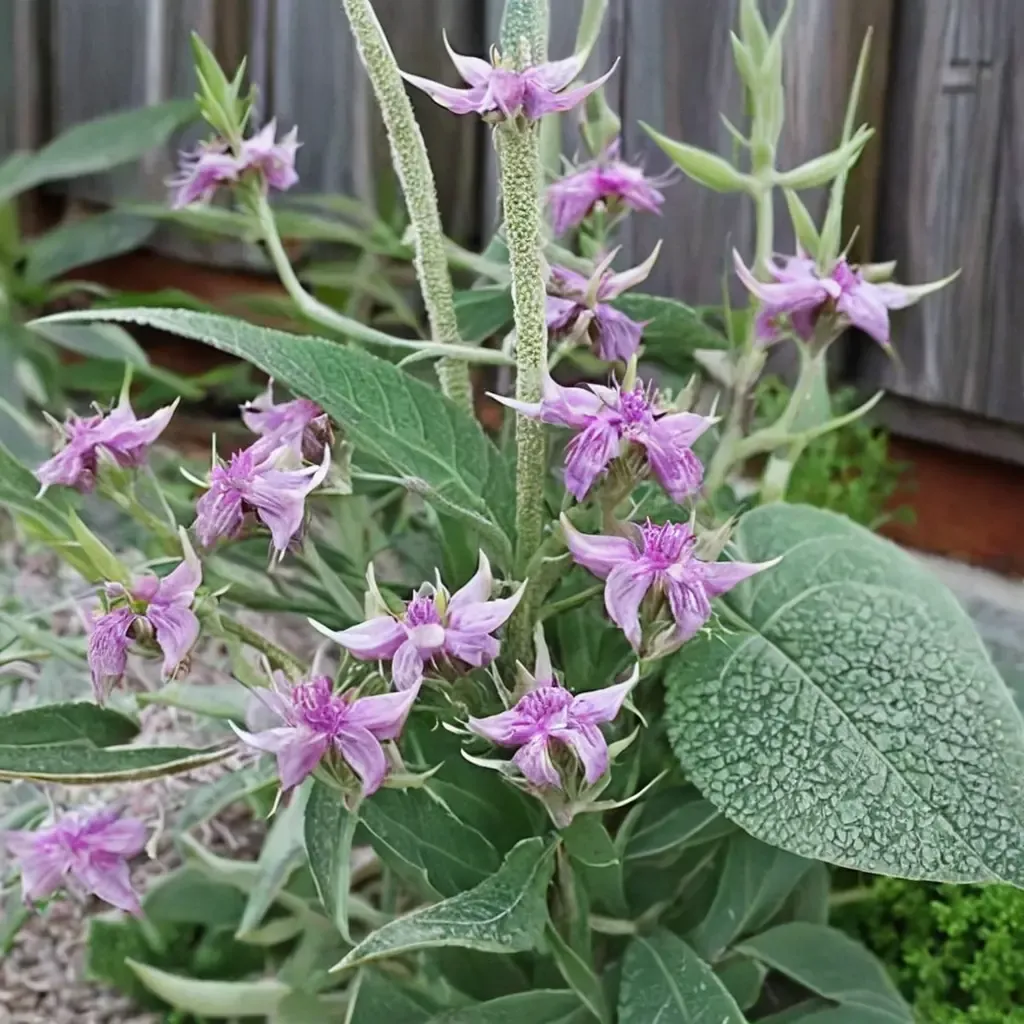
Purple Phlomis
Phlomis purpurea
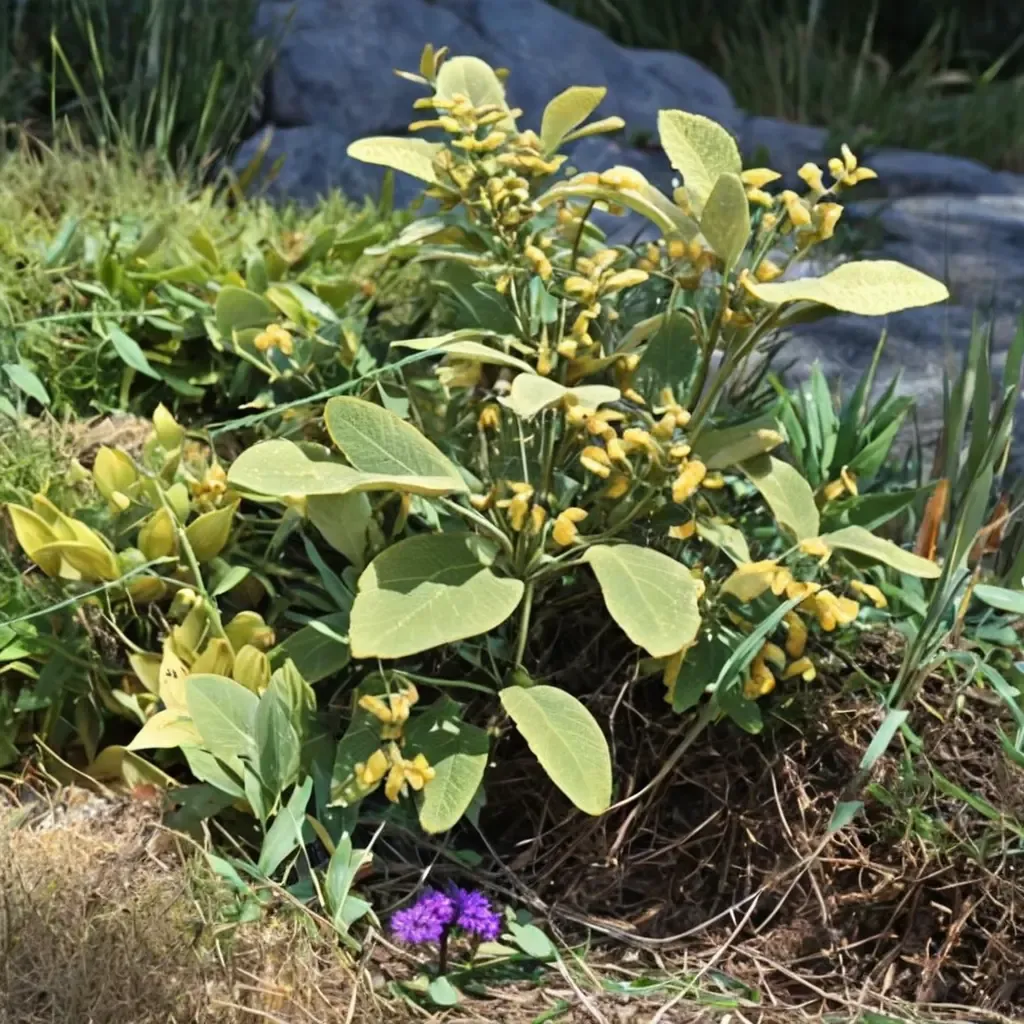
Sticky Jerusalem Sage
Phlomis viscosa
Keep exploring
Explore the genus
Grow Jerusalem Sage with confidence
See it in a design of your actual yard, get zone-matched care reminders, and track it season by season in your garden journal.