The Story
Plant Bio
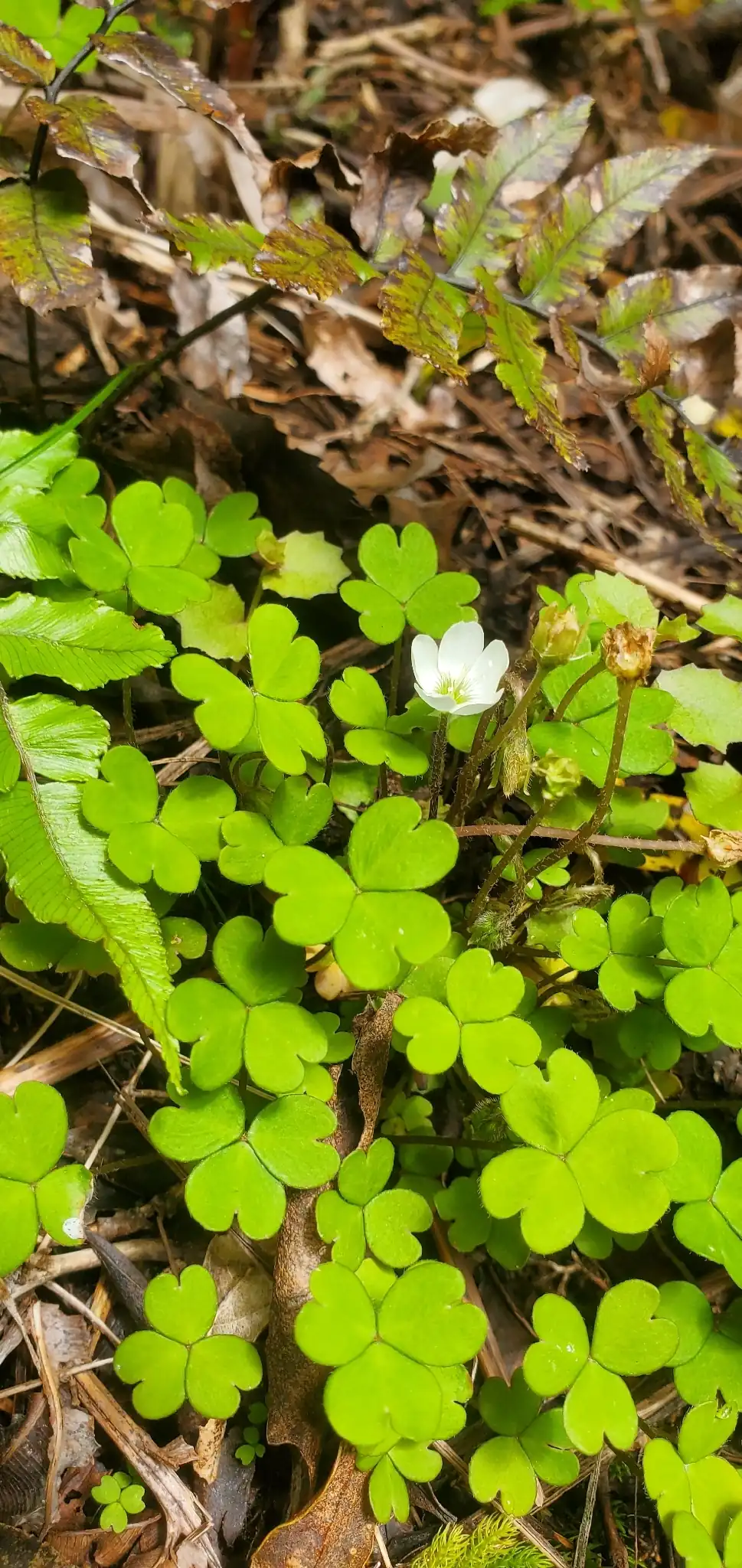
Oxalis magellanica is a rhizomatous perennial that forms a dense ground-hugging mat to about 2 inches high, with slender stems and three-parted clover-like leaves. The leaflets are broadly obcordate and dark green above, and the wild species carries single white flowers with a pale green throat.
Unlike the weedy yellow wood-sorrels, this species spreads by slender rhizomes and stolons with no bulbils or taproot, knitting into a moss-like carpet. In North America it is grown as 'Nelson', a double white popcorn-flowered selection that blooms from late spring into summer and spreads to about 16 inches wide.
Uses & Benefits:
Essentials
At a Glance
Plant Type
Groundcover
Height
2"
Width
16"
Light
Partial Sun, Shade
Zones
6
Water
Medium
Humidity
Average
Lifespan
Perennial
Native To
Southern South America, Australasia
Toxicity
Toxic if ingested
Bloom period
Late spring – Summer
In flower about 4 months of the year
Planting
How to Grow
- Set plants 12 inches apart in partial shade in moist, well-drained sandy or loamy soil.
- Plant rhizomes just covered and water in to settle soil around roots.
- Mulch lightly with leaf mold to hold even moisture without burying foliage.
- Water through dry spells in the first season to knit a continuous mat.
Pro Tip
Plant it like moss in cool, damp partial shade between stones or under shrubs; hot, dry sun thins the mat and checks spread.
Keep It Thriving
Care Guide
Do
- Keep soil evenly moist in a cool shaded site.
- Weed by hand to avoid tearing the shallow mat.
- Top-dress with composted leaf mold in spring.
Don't
- Do not plant in hot full sun or dry soil.
- Do not confuse it with weedy yellow Oxalis and spray it.
- Do not cut back hard into bare stems.
Seasonal Care Calendar
| Task | Jan | Feb | Mar | Apr | May | Jun | Jul | Aug | Sep | Oct | Nov | Dec |
|---|---|---|---|---|---|---|---|---|---|---|---|---|
| Divide | ||||||||||||
| Mulch | ||||||||||||
| Pest Check | ||||||||||||
| Plant |
Watch Out For
Pests & Diseases
Common Pests
Common Diseases
In the Garden
Landscape Uses & Companions
Landscape Uses
Multiply
Propagation Methods
Good to Know
Common Questions
Snowdrop Wood-Sorrel questions
What zones can Snowdrop Wood-Sorrel grow in?
Snowdrop Wood-Sorrel is hardy in USDA Zone 6: in that range it survives winter in the ground. Colder than Zone 6, grow it in a container you can move to shelter for the winter, or as an annual. Warmer than Zone 6, winter isn't the problem: it prefers colder winters, and summer heat can shorten its life.
When does Snowdrop Wood-Sorrel bloom?
Snowdrop Wood-Sorrel typically blooms from late spring to late summer. Exact timing shifts a week or two with your zone — Sow's bloom calendar maps it to your garden.
Does Snowdrop Wood-Sorrel need full sun?
Snowdrop Wood-Sorrel does best in part shade.
Is Snowdrop Wood-Sorrel drought tolerant?
Yes — once established (usually after the first full season), Snowdrop Wood-Sorrel handles dry spells with minimal watering. Water deeply its first year to build the root system that makes that possible.
More Oxalis to compare
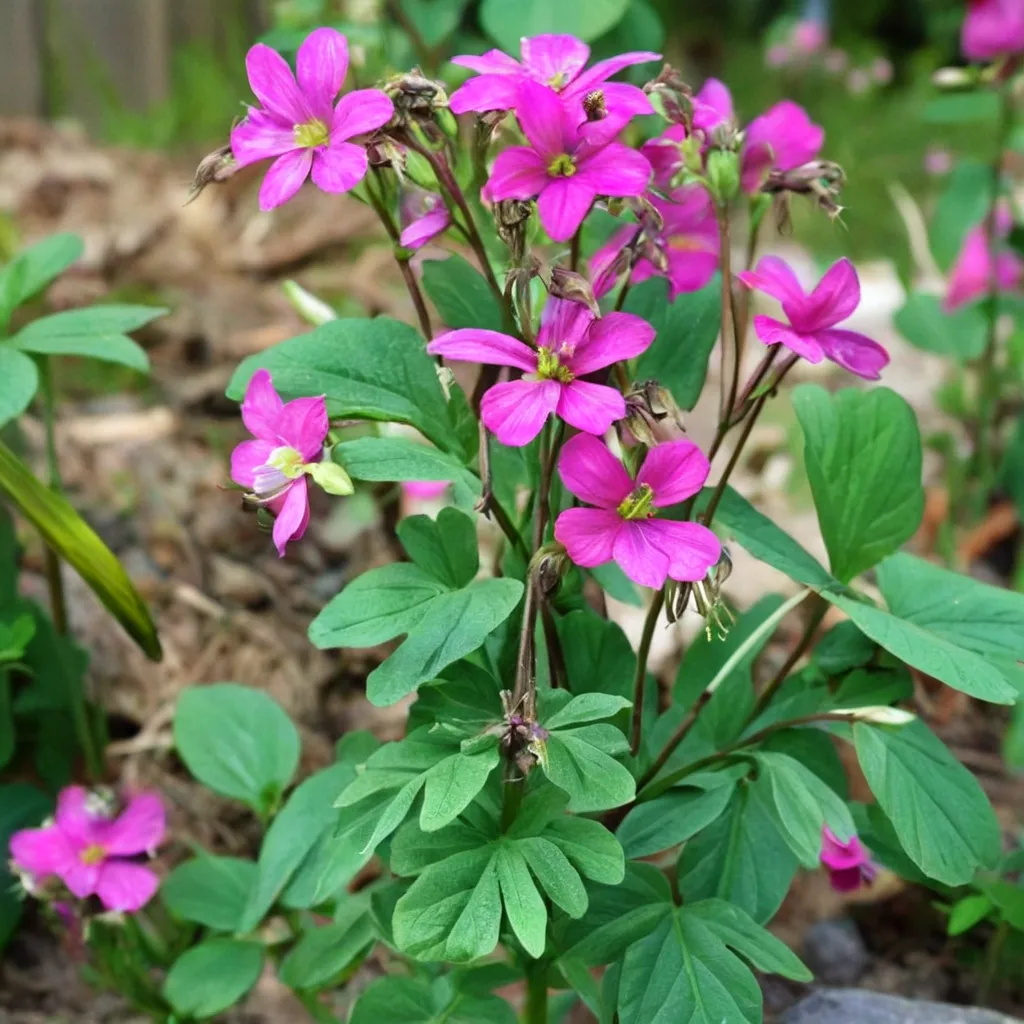
Oxalis Lasiandra
Oxalis lasiandra
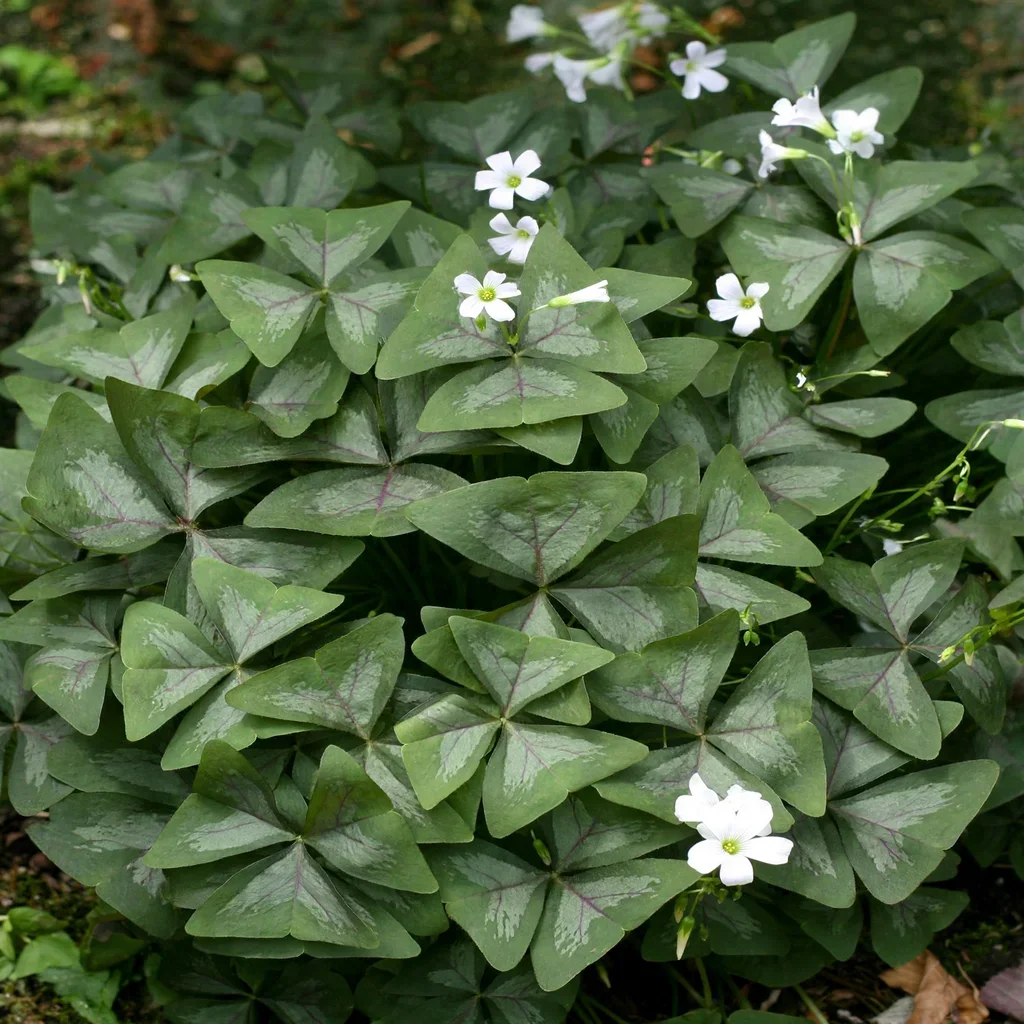
False Shamrock
Oxalis triangularis 'Fanny'
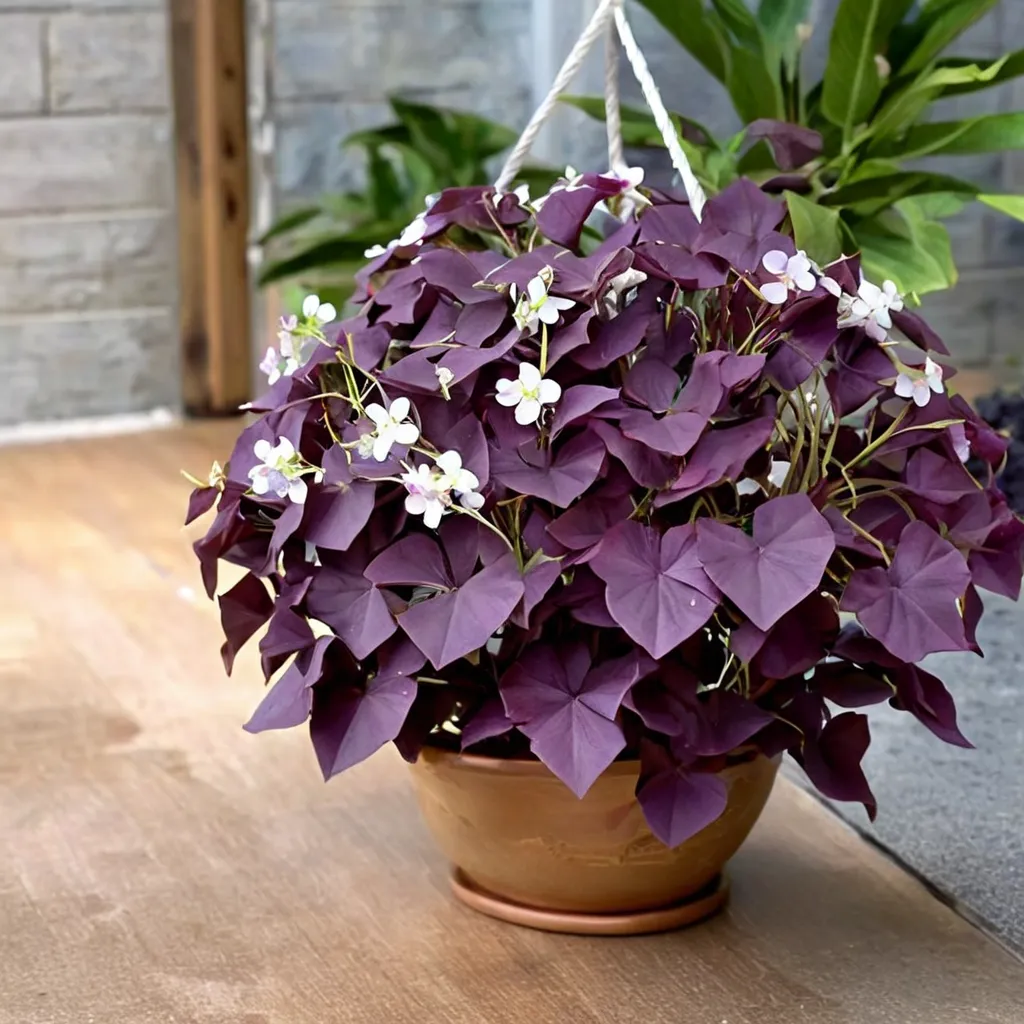
Purple Shamrock
Oxalis triangularis

Plum Crazy Yellow Woodsorrel
Oxalis stricta 'Plum Crazy'
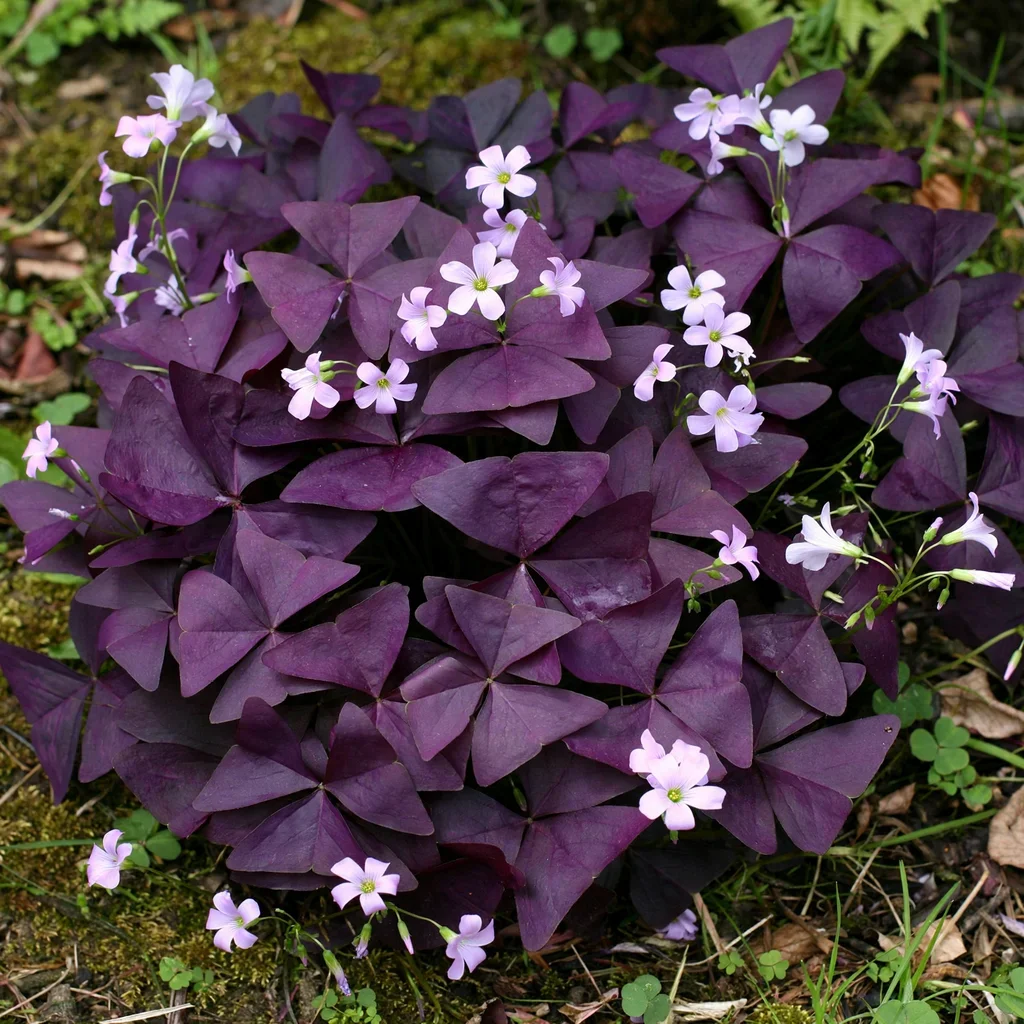
Atropurpurea Purple Shamrock
Oxalis triangularis 'Atropurpurea'
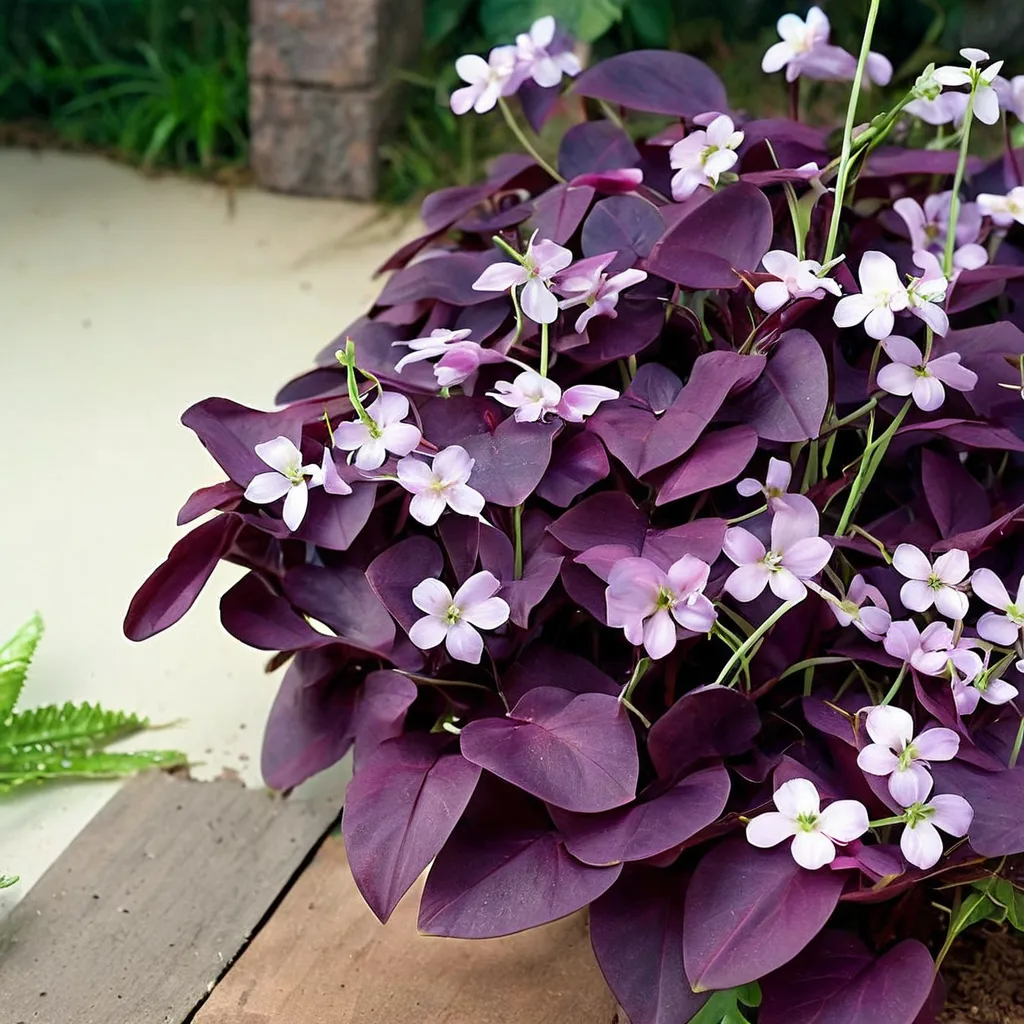
Mijke Oxalis
Oxalis triangularis 'Mijke'
Keep exploring
Explore the genus
Hardy in your zone?
Grow Snowdrop Wood-Sorrel with confidence
See it in a design of your actual yard, get zone-matched care reminders, and track it season by season in your garden journal.