The Story
Plant Bio
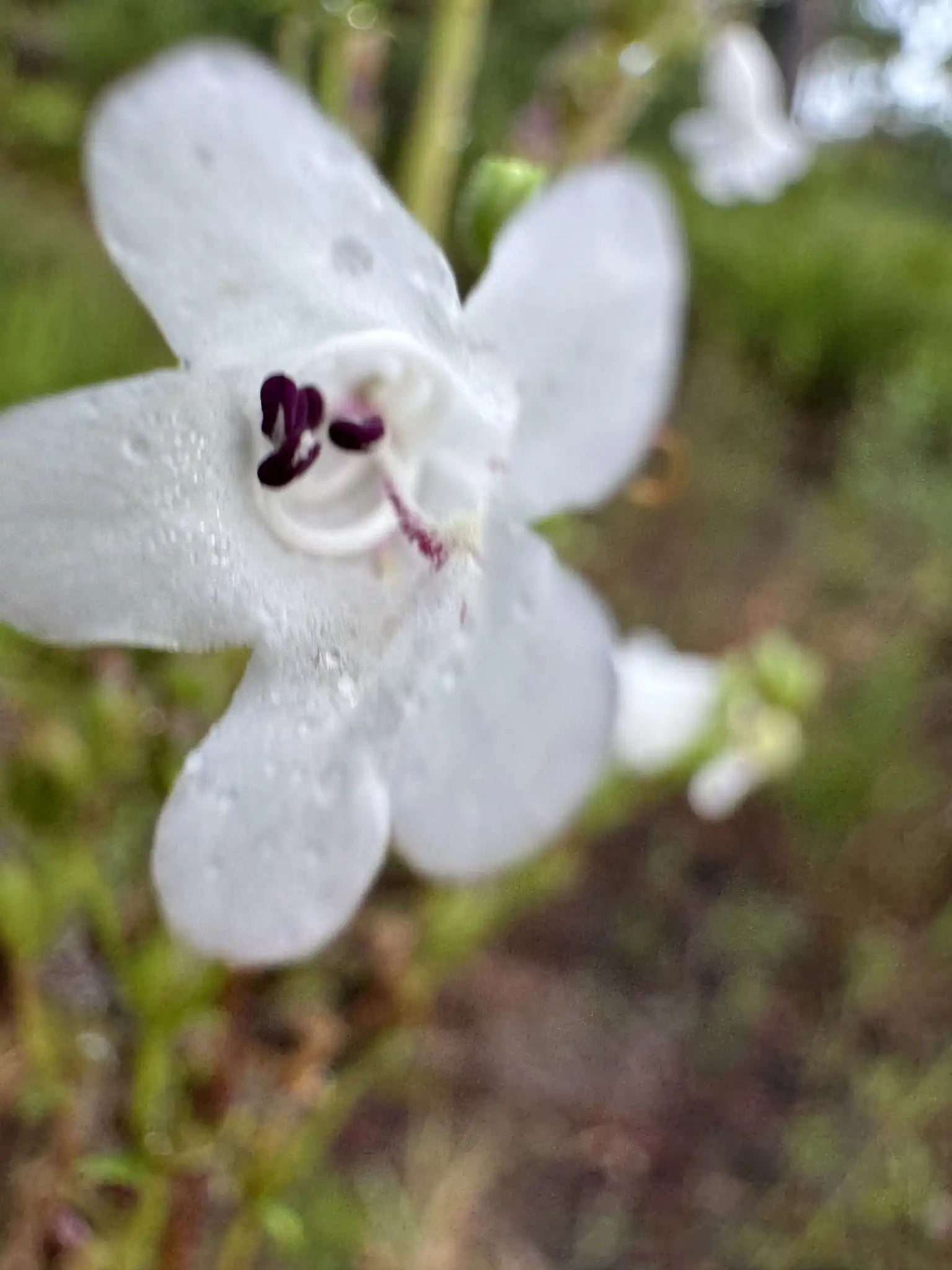
Penstemon multiflorus, the manyflower beardtongue, is a deciduous herbaceous perennial reaching 18 to 36 inches tall with upright erect stalks that branch above a basal rosette. The foliage is lance-shaped to elliptical grayish-green leaves 3 to 6 inches long with a red midvein that die back to basal leaves in winter.
This Southeast species carries many white to pale lavender tubular flowers about 1 inch long on spikes from the upper leaf axils held well above the foliage from spring into fall. It is a sandhills and pine flatwoods plant that requires poor dry sand and sharp drainage, where wet soil rots the crown and rich beds shorten its life.
Uses & Benefits:
Essentials
At a Glance
Plant Type
Perennial
Height
36"
Width
30"
Light
Full Sun, Partial Sun
Zones
8, 9, 10
Water
Low
Humidity
Low
Lifespan
Perennial
Native To
Southeastern U.S.
Toxicity
Unknown - no verified data
Bloom period
Spring – Fall
In flower about 9 months of the year
Planting
How to Grow
- Plant in full sun in deep, poor sandy soil that drains freely within minutes.
- Set the crown level with the soil surface and firm sand around the roots, then water once to settle.
- Water sparingly through the first season to establish, then cut back to rainfall except in prolonged drought.
- Leave fading stalks to drop seed for replacement plants, then cut spent flower stalks to the basal leaves.
- Clear dead top growth in late fall and leave the winter basal rosette undisturbed until spring growth resumes.
Pro Tip
Give it poor dry sand and no fertilizer; excess water and fertility rot the crown faster than drought ever will.
Keep It Thriving
Care Guide
Do
- Plant in full sun with open air movement around the foliage.
- Use coarse sand or fine gravel to keep drainage sharp.
- Allow some seed to drop to maintain the patch.
Don't
- Do not plant in clay, low ground, or irrigated beds that stay wet.
- Do not fertilize or enrich the soil with compost.
- Do not cut into the winter basal rosette.
Seasonal Care Calendar
| Task | Jan | Feb | Mar | Apr | May | Jun | Jul | Aug | Sep | Oct | Nov | Dec |
|---|---|---|---|---|---|---|---|---|---|---|---|---|
| Deadhead | ||||||||||||
| Pest Check | ||||||||||||
| Plant | ||||||||||||
| Spring Cleanup | ||||||||||||
| Winter Prep |
Watch Out For
Pests & Diseases
Common Pests
Common Diseases
In the Garden
Landscape Uses & Companions
Landscape Uses
Multiply
Propagation Methods
Good to Know
Common Questions
Manyflower Beardtongue questions
What zones can Manyflower Beardtongue grow in?
Manyflower Beardtongue is hardy in USDA Zones 8–10: in that range it survives winter in the ground. Colder than Zone 8, grow it in a container you can move to shelter for the winter, or as an annual.
When does Manyflower Beardtongue bloom?
Manyflower Beardtongue typically blooms from spring to fall. Exact timing shifts a week or two with your zone — Sow's bloom calendar maps it to your garden.
Does Manyflower Beardtongue need full sun?
Manyflower Beardtongue does best in full sun to part shade. In hot climates, afternoon shade keeps blooms fresher longer.
Is Manyflower Beardtongue drought tolerant?
Yes — once established (usually after the first full season), Manyflower Beardtongue handles dry spells with minimal watering. Water deeply its first year to build the root system that makes that possible.
More Penstemon to compare
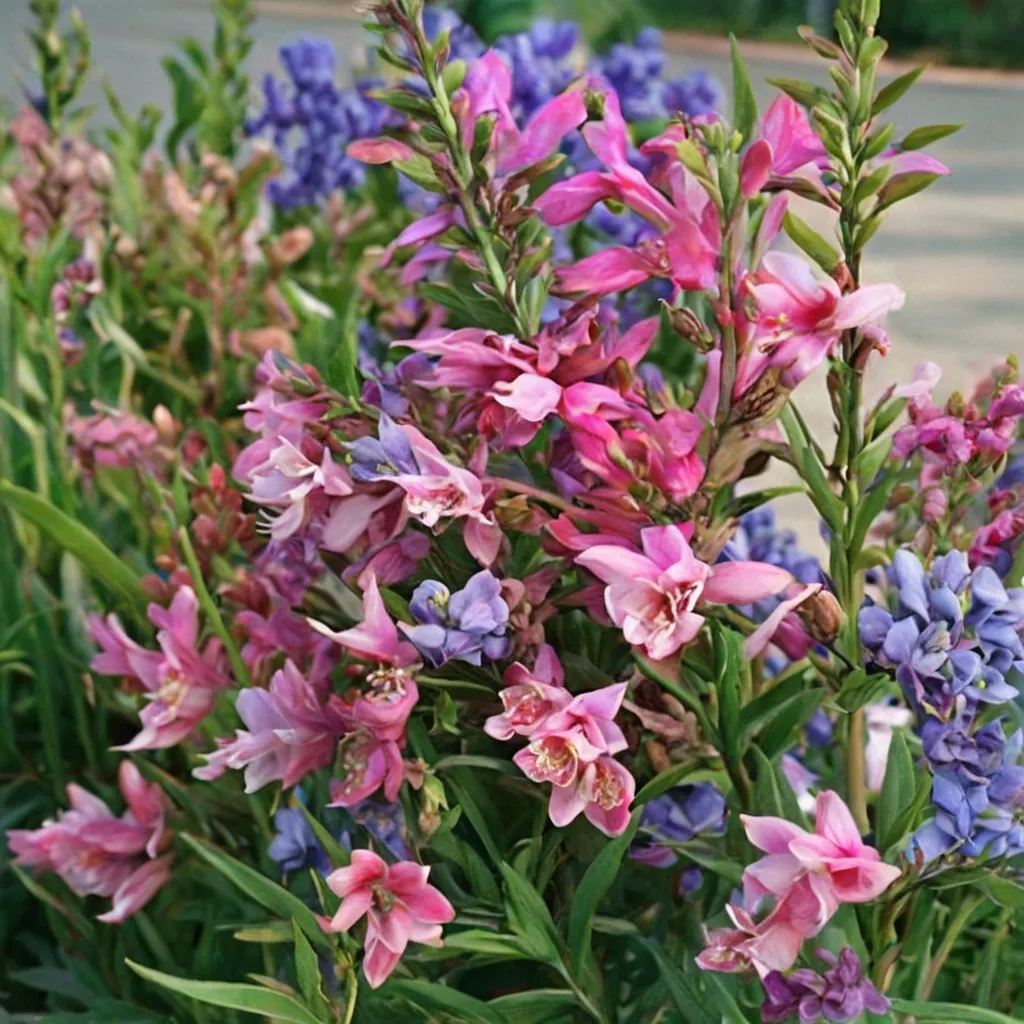
Beardtongue Rondo
Penstemon barbatus 'Rondo'
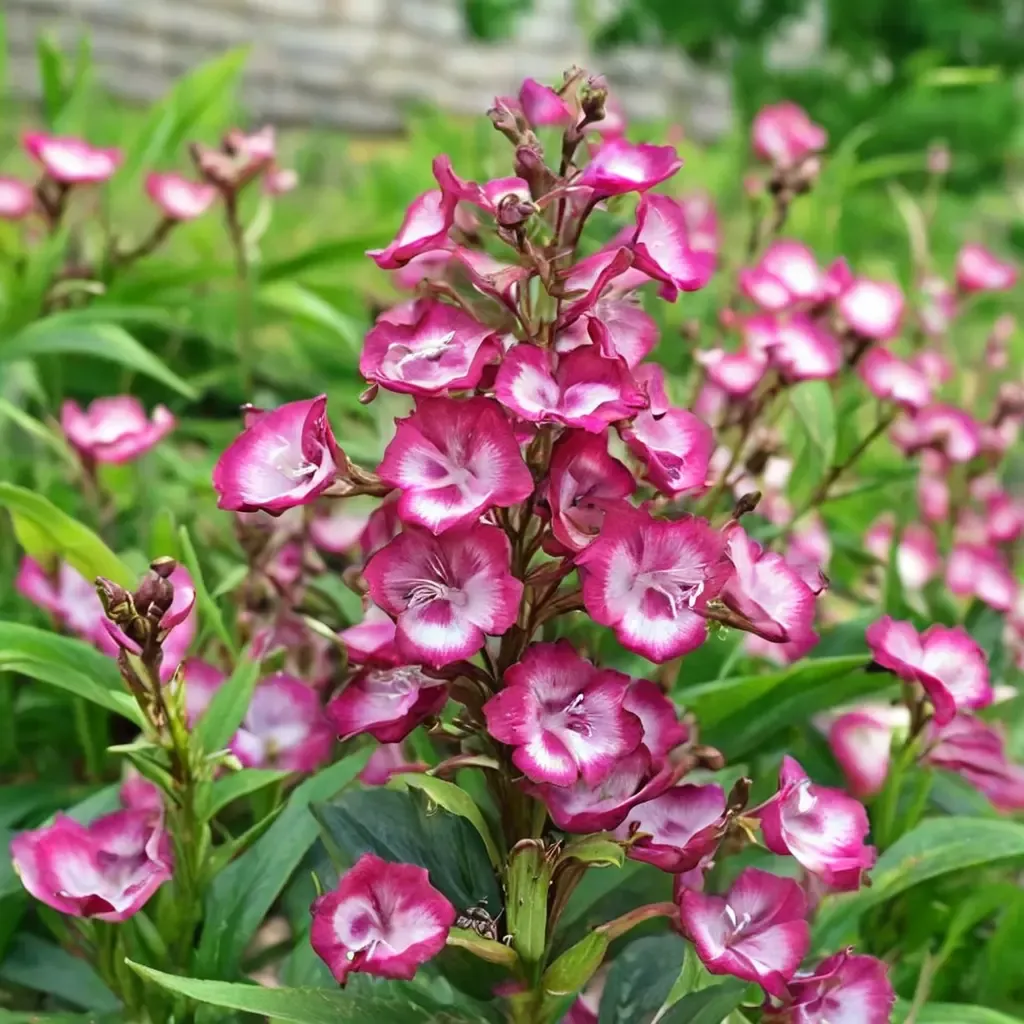
George Home Penstemon
Penstemon digitalis 'George Home'
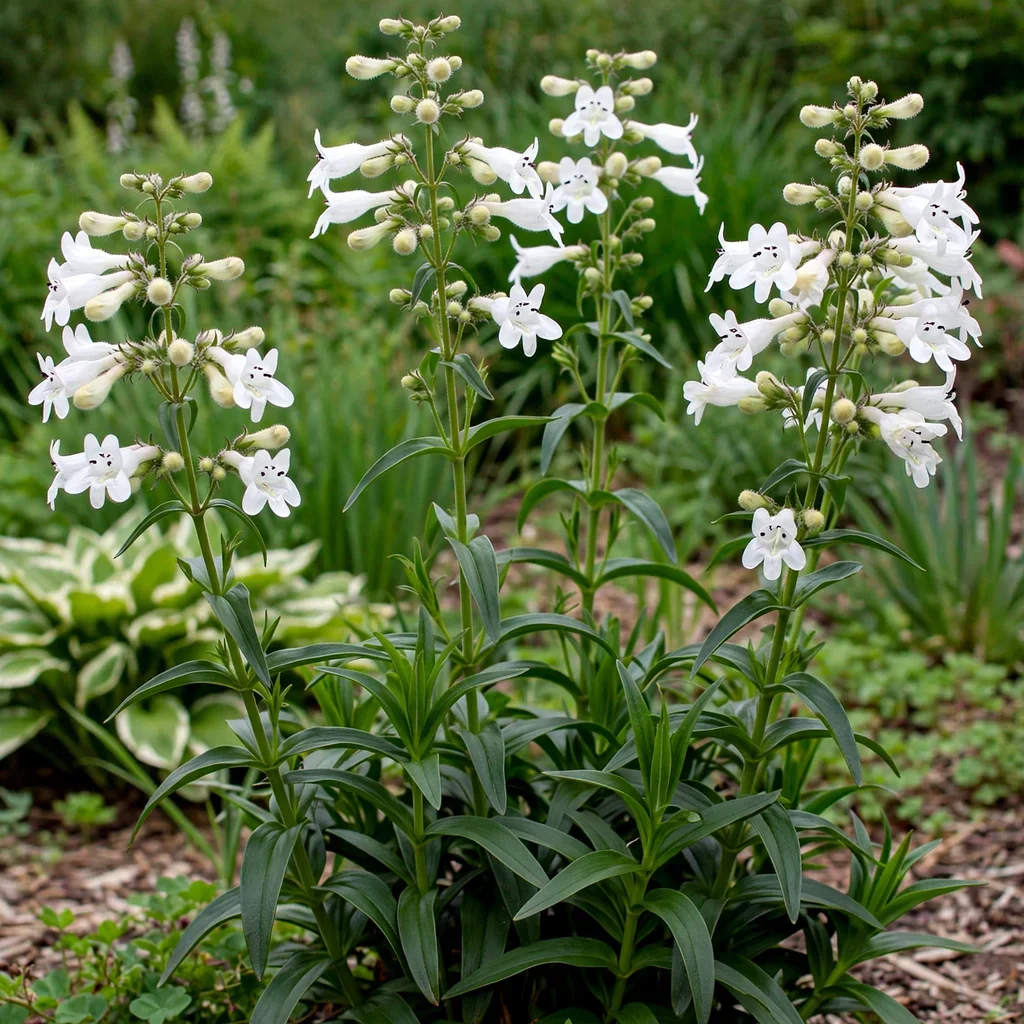
Foxglove Beardtongue
Penstemon digitalis
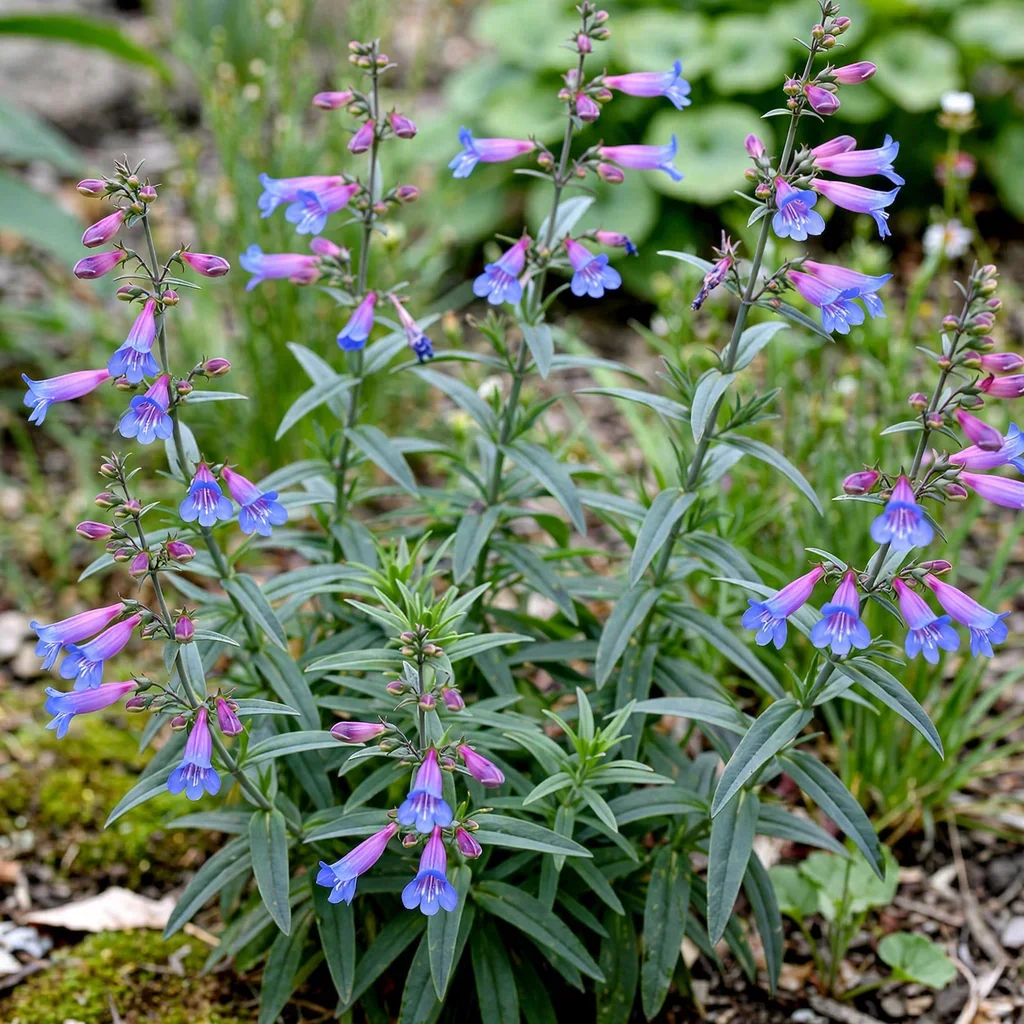
Blue Springs Penstemon
Penstemon heterophyllus 'Blue Springs'
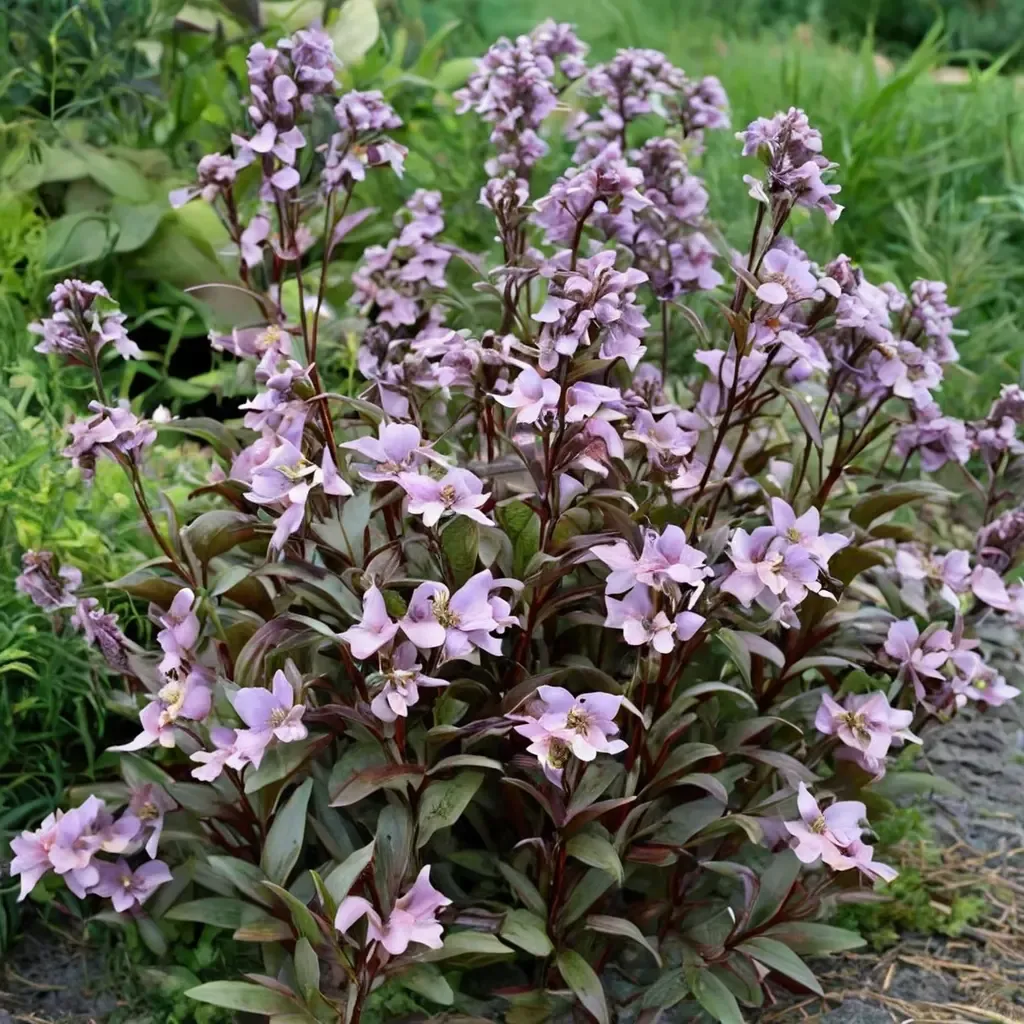
Blackbeard Beardtongue
Penstemon digitalis 'Blackbeard'
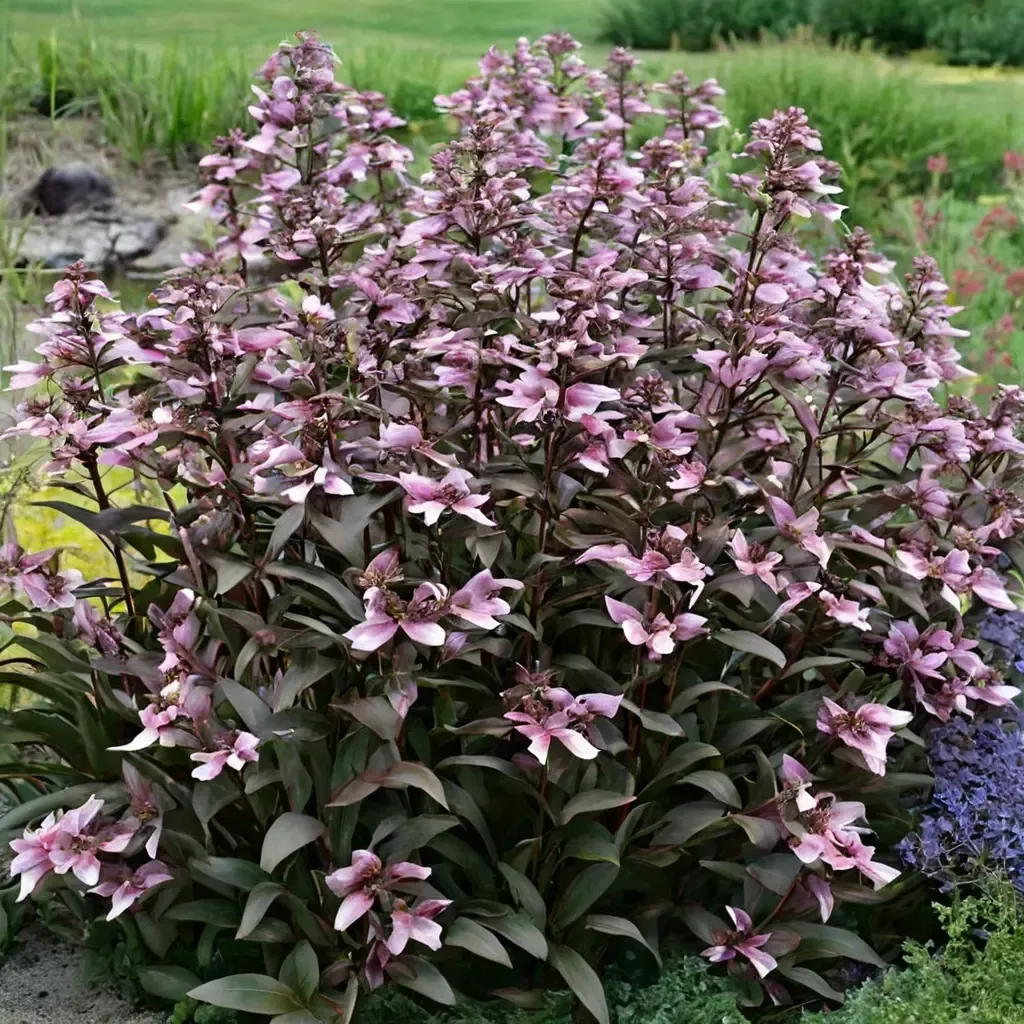
Dark Towers Penstemon
Penstemon digitalis 'Dark Towers'
Keep exploring
Explore the genus
Hardy in your zone?
Grow Manyflower Beardtongue with confidence
See it in a design of your actual yard, get zone-matched care reminders, and track it season by season in your garden journal.