The Story
Plant Bio
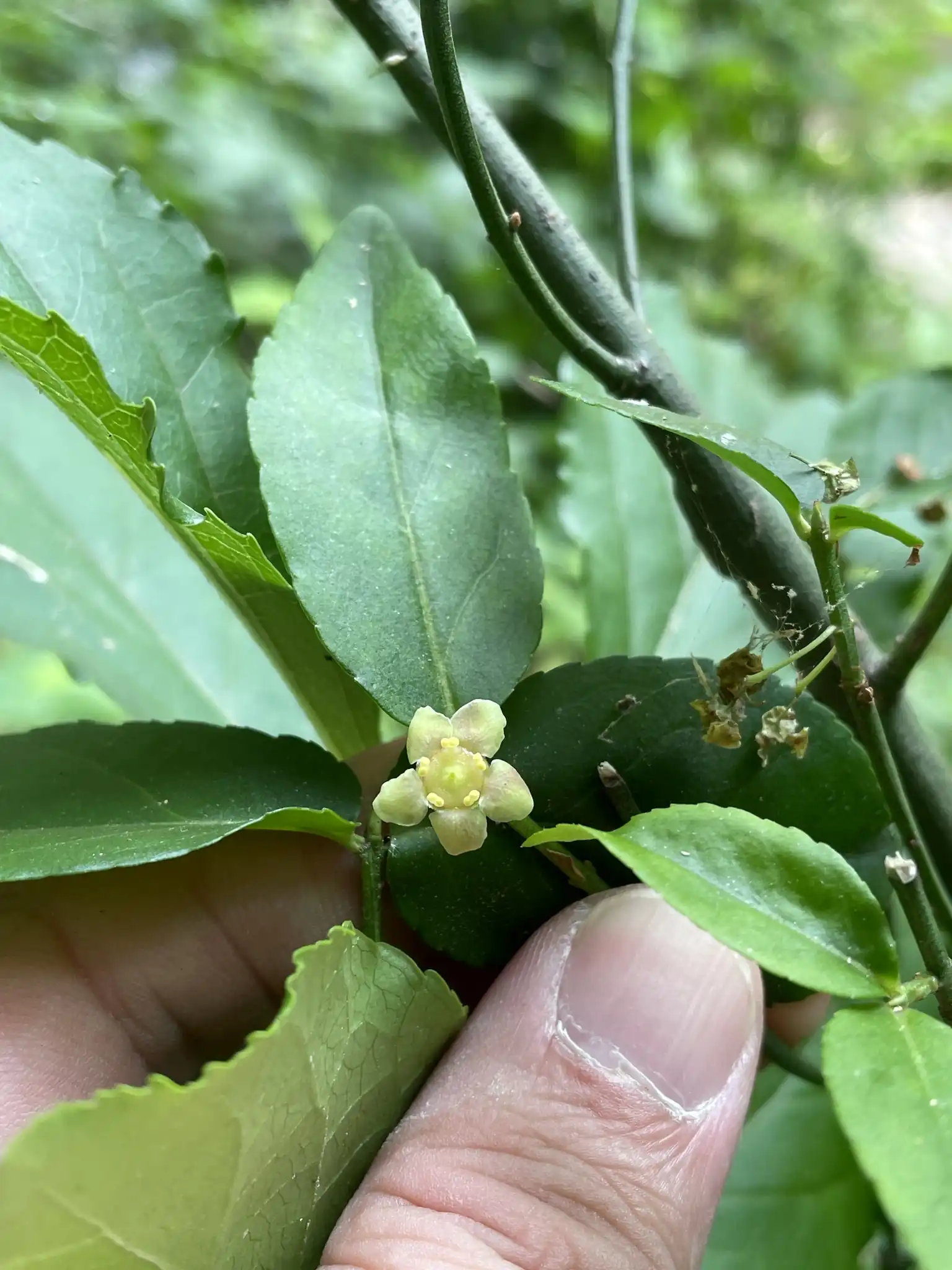
Euonymus americanus is an upright, suckering, deciduous shrub native to woodlands of the eastern and southeastern U.S. It is noted for its unique fruit, fall color, and green stems.
The common name Strawberry Bush refers to the warty, crimson-red seed capsules that split open in fall to reveal showy, fleshy orange seeds. This spectacular fruiting display is the plant's primary ornamental feature.
Uses & Benefits:
Essentials
At a Glance
Plant Type
Shrub
Height
72"
Width
72"
Light
Partial Sun, Shade
Zones
6, 7, 8, 9
Water
Moderate to high
Humidity
High
Lifespan
Long-lived deciduous shrub
Native To
Eastern North America
Toxicity
All parts are toxic if ingested
Bloom period
Late spring – Early summer
In flower about 2 months of the year
Planting
How to Grow
- Select a shady or partially shaded site with rich, moist soil.
- Dig a hole twice the width of the container.
- Gently tease out the roots if they are circling the pot.
- Set the plant in the hole so the top of the root ball is level with the soil.
- Backfill with the excavated soil and water deeply.
- Apply a 2-3 inch layer of organic mulch like shredded leaves.
Pro Tip
Protect from deer, as they find this plant exceptionally palatable and will browse it to the ground.
Keep It Thriving
Care Guide
Do
- Plant in a location with afternoon shade.
- Provide consistent moisture, especially in hotter climates.
- Mulch with organic matter to keep roots cool and moist.
- Allow it to naturalize in woodland settings.
Don't
- Don't plant in full sun or dry, poor soil.
- Avoid planting where deer are prevalent without protection.
- Do not ingest any part of the plant; it is poisonous.
- Don't allow the soil to completely dry out.
Seasonal Care Calendar
| Task | Jan | Feb | Mar | Apr | May | Jun | Jul | Aug | Sep | Oct | Nov | Dec |
|---|---|---|---|---|---|---|---|---|---|---|---|---|
| Mulch | ||||||||||||
| Pest Check | ||||||||||||
| Plant | ||||||||||||
| Prune |
Watch Out For
Pests & Diseases
Common Pests
Common Diseases
In the Garden
Landscape Uses & Companions
Landscape Uses
Multiply
Propagation Methods
Good to Know
Common Questions
Strawberry Bush questions
What zones can Strawberry Bush grow in?
Strawberry Bush is hardy in USDA Zones 6–9. Inside that range it survives winter in the ground; outside it, grow it as an annual or a container plant you protect.
Is Strawberry Bush deer resistant?
Not reliably. Deer may browse Strawberry Bush, especially tender spring growth — plan on repellents or fencing where pressure is high.
When does Strawberry Bush bloom?
Strawberry Bush typically blooms in late spring through early summer. Exact timing shifts a week or two with your zone — Sow's bloom calendar maps it to your garden.
Does Strawberry Bush need full sun?
Strawberry Bush does best in part shade.
More Euonymus to compare
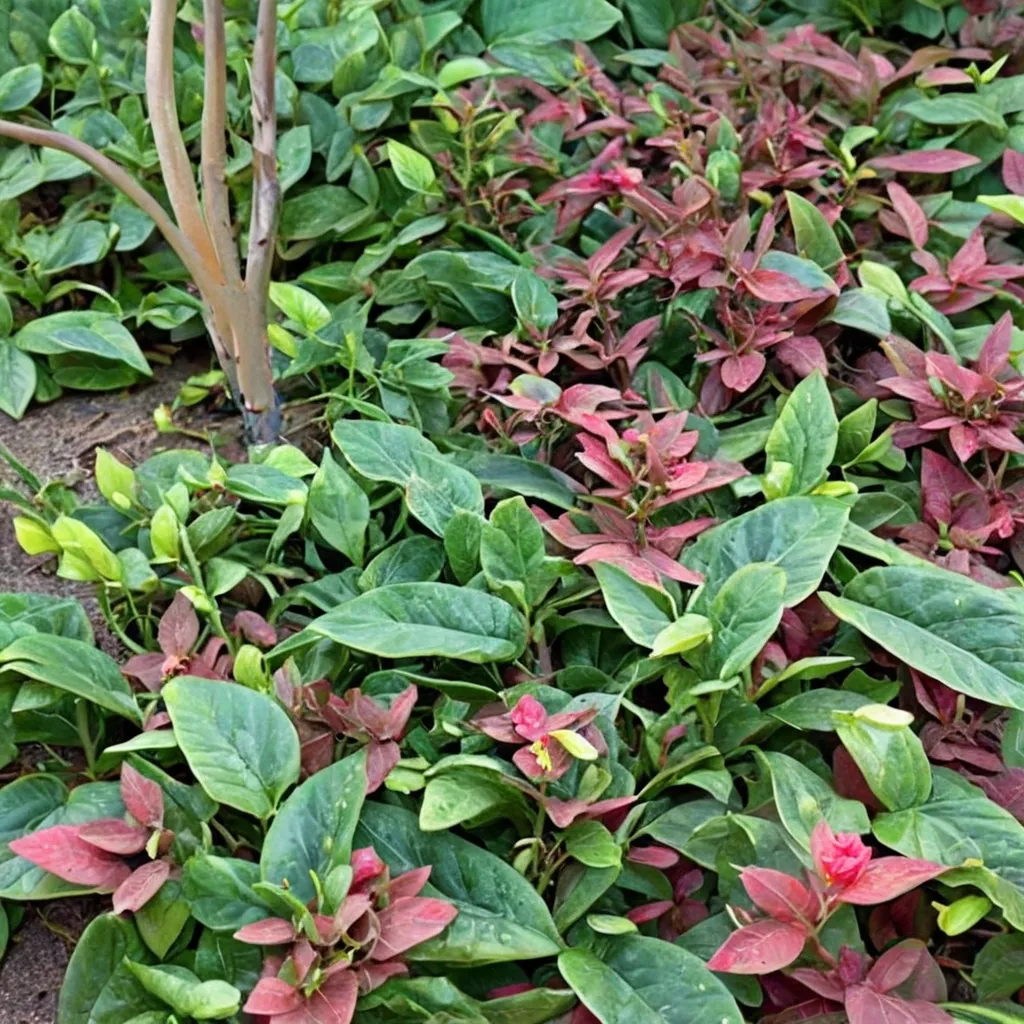
Purple Wintercreeper
Euonymus fortunei 'Purple Wintercreeper'
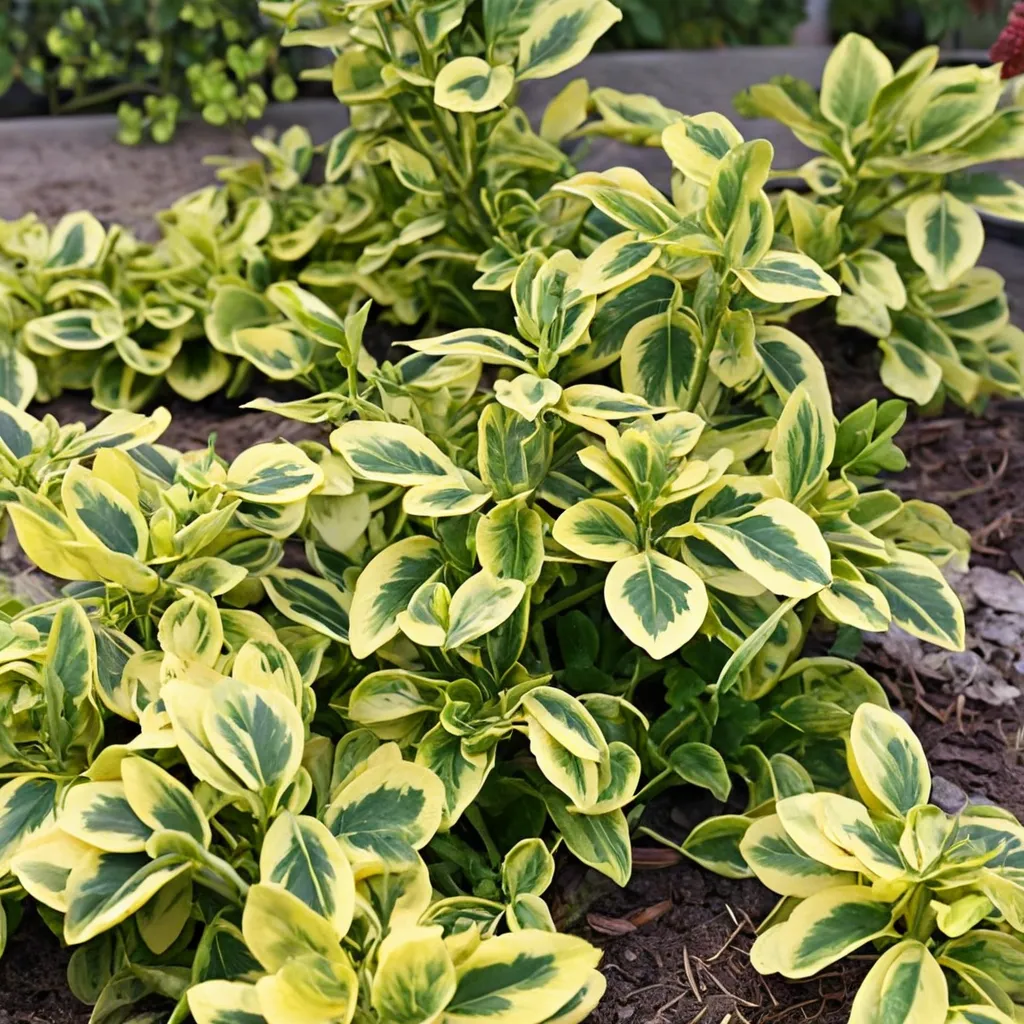
Gold Splash Wintercreeper
Euonymus fortunei 'Gold Splash'
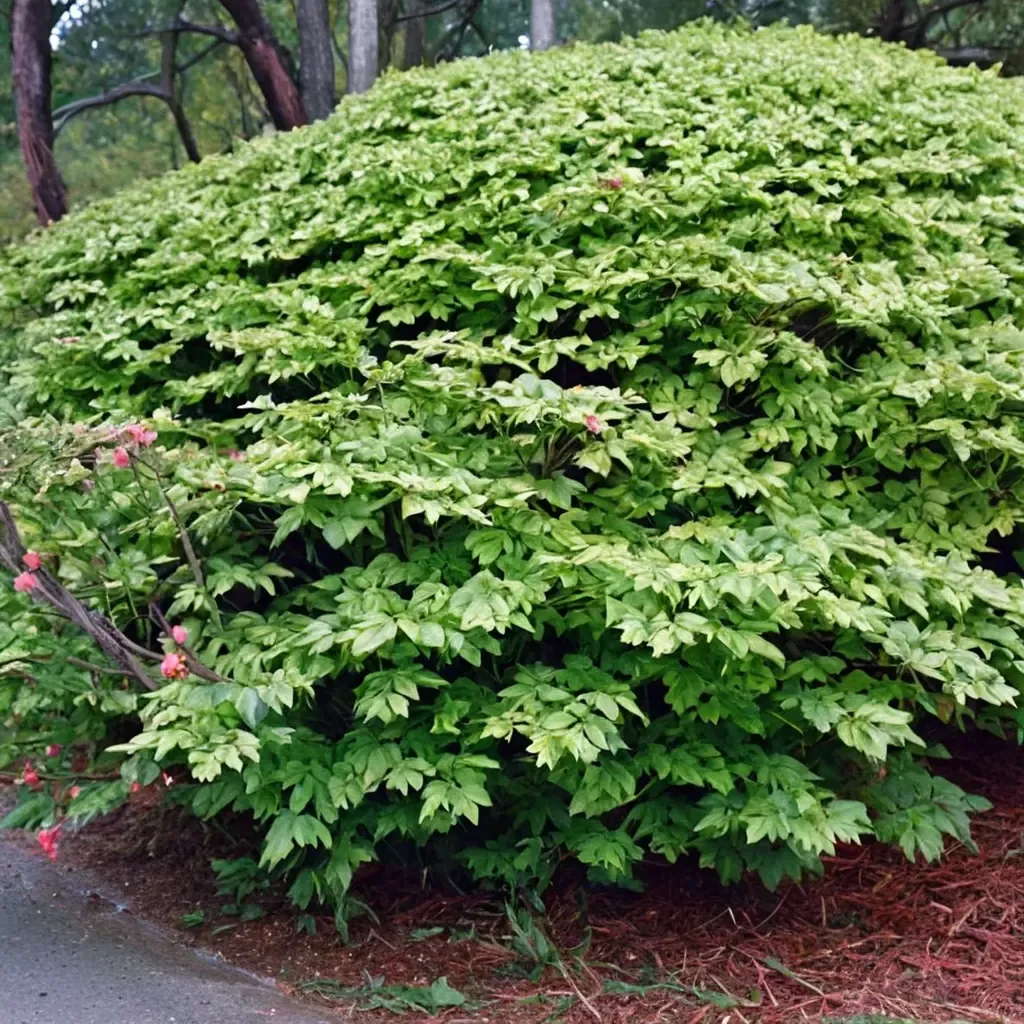
Compact Burning Bush
Euonymus alatus 'Compactus'
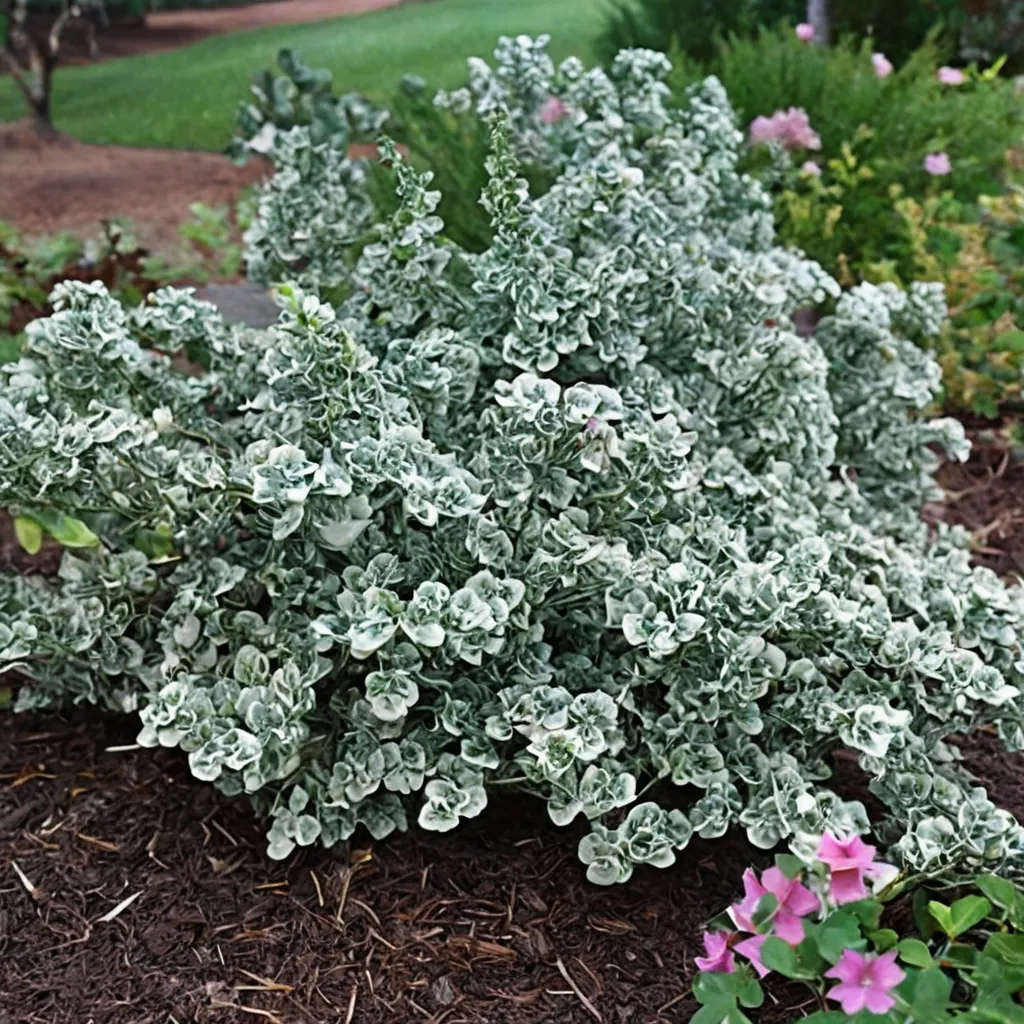
Euonymus White Album
Euonymus fortunei 'White Album'
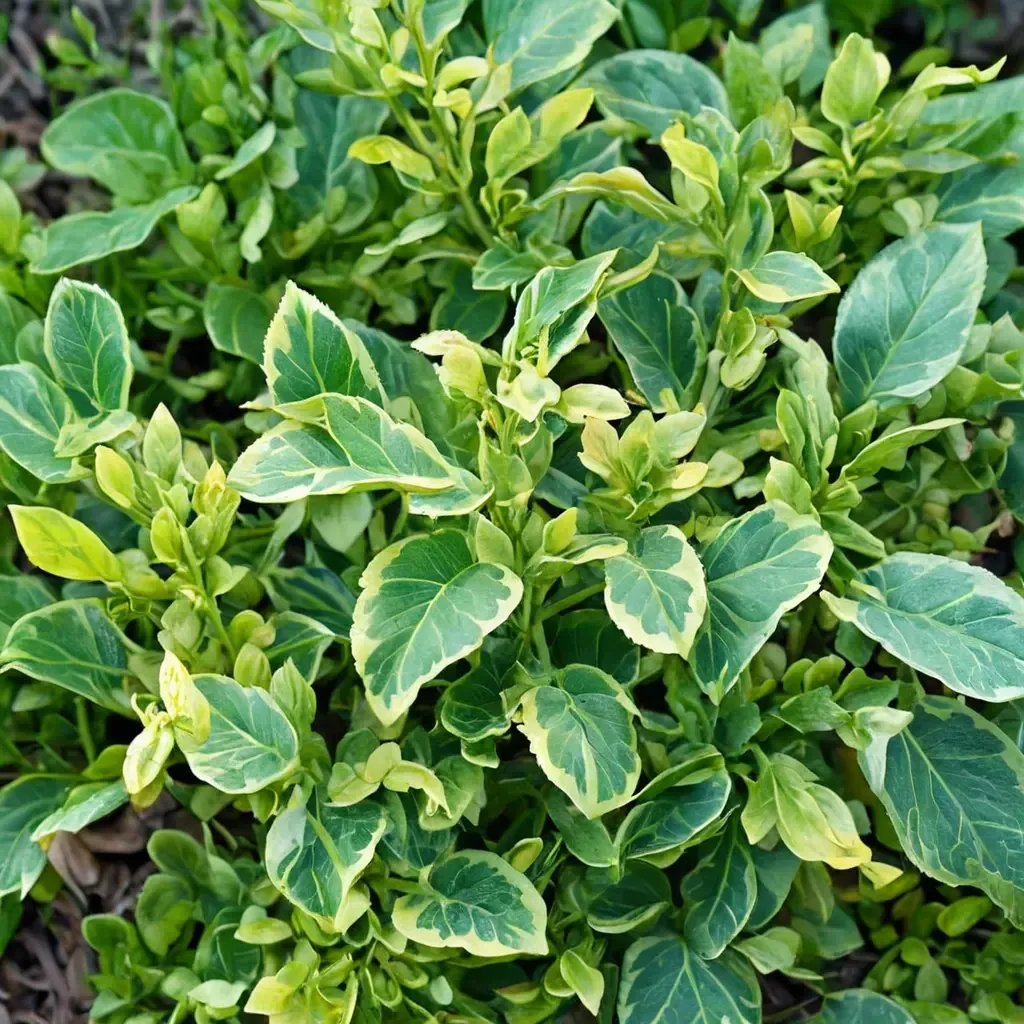
Wintercreeper
Euonymus fortunei
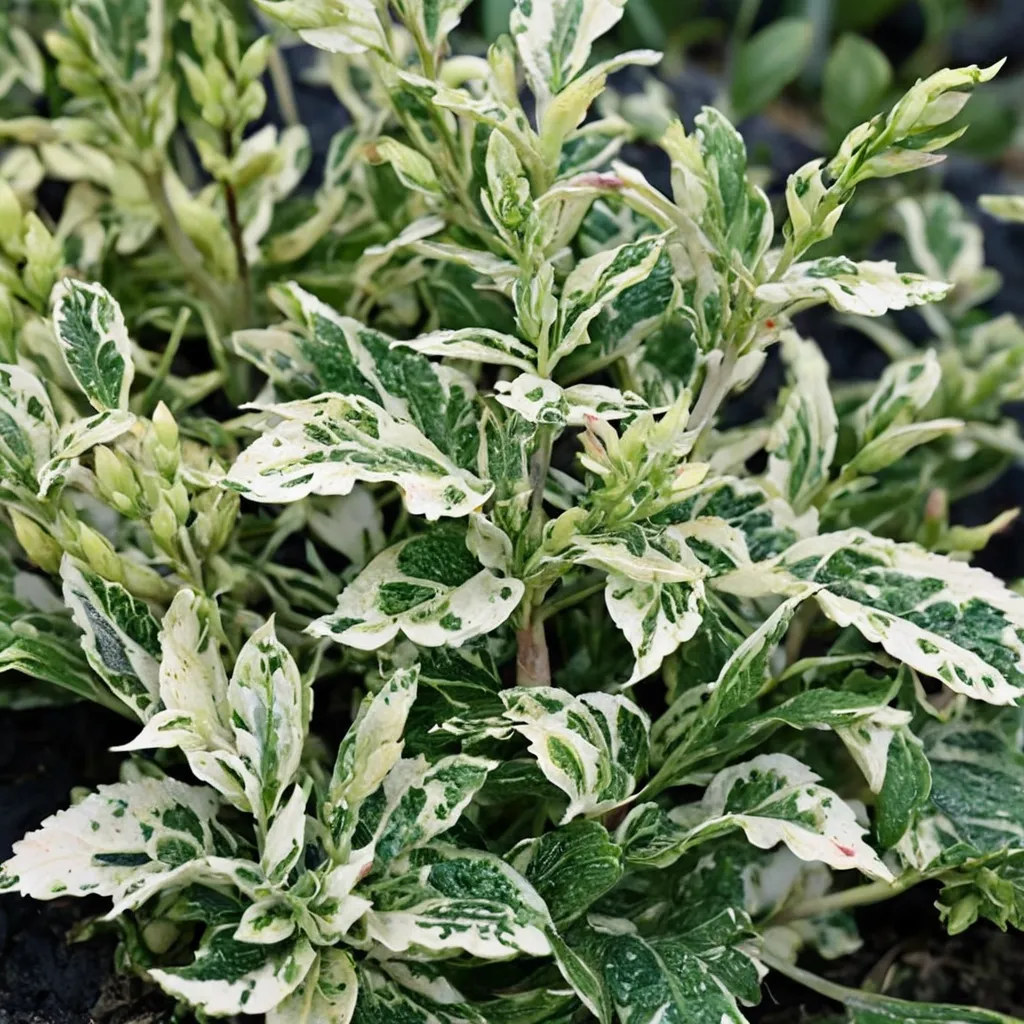
Harlequin Euonymus
Euonymus fortunei 'Harlequin'
Keep exploring
Explore the genus
Hardy in your zone?
Grow Strawberry Bush with confidence
See it in a design of your actual yard, get zone-matched care reminders, and track it season by season in your garden journal.