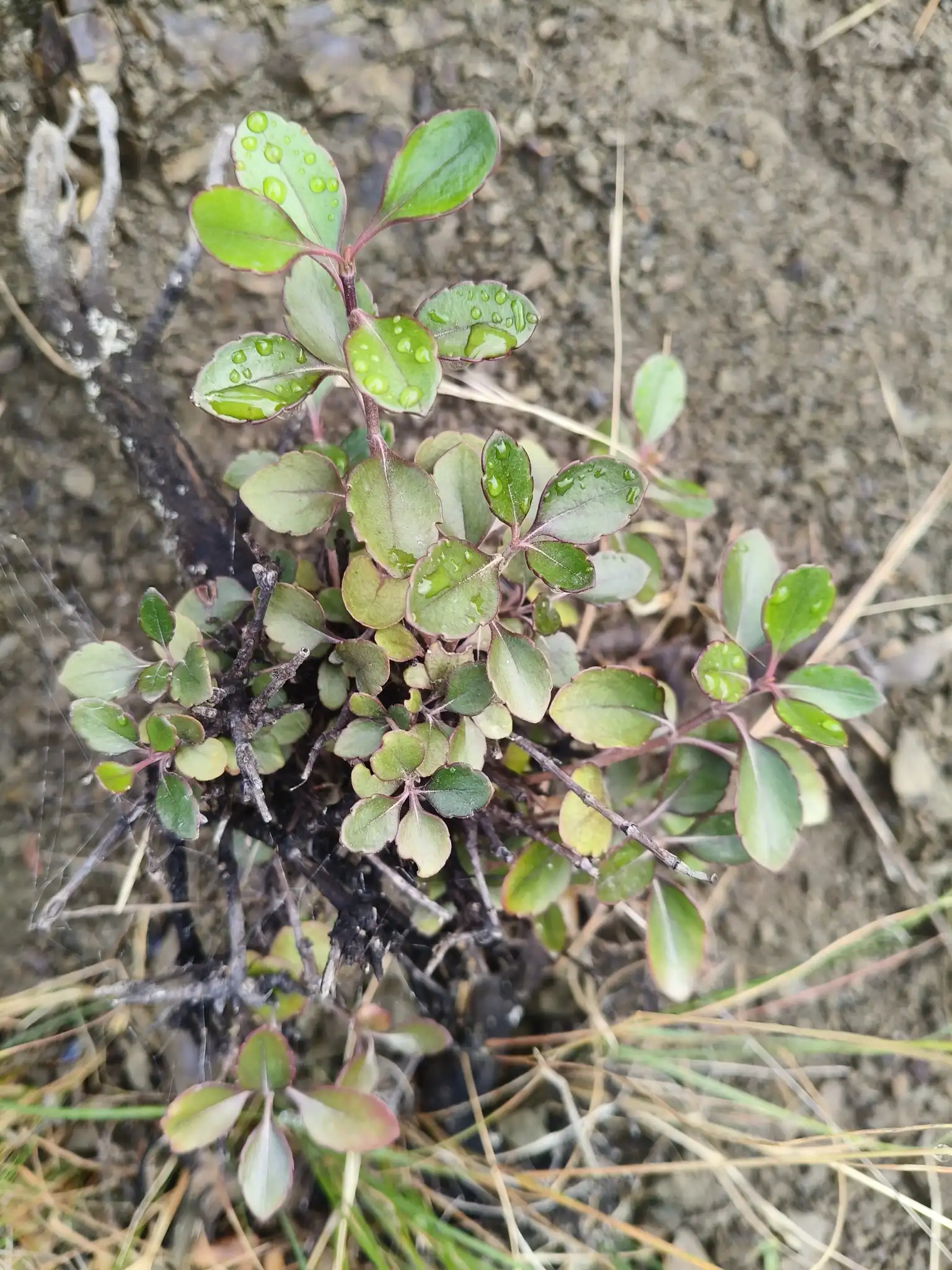
The Story
Plant Bio
Veronica hulkeana, the New Zealand lilac, is a loose evergreen subshrub native to South Island rock outcrops, growing two to five feet high with glossy, red-edged leaves. From late spring into early summer, it produces open branching panicles packed with small lavender to soft violet flowers.
Unlike low groundcover veronicas, this cliff-dwelling species forms a woody framework with semi-pendulous branches suited to stone walls and gravel slopes. Its inflorescences reach up to twenty inches long, creating a cloud of blossom over the thick, fleshy foliage.
Uses & Benefits:
Essentials
At a Glance
Plant Type
Shrub
Height
60"
Width
48"
Light
Full Sun, Partial Sun
Zones
8, 9, 10
Water
Low
Humidity
Low to Moderate
Lifespan
Perennial
Native To
New Zealand (South Island)
Toxicity
Non-toxic
Bloom period
Spring – Early summer
In flower about 4 months of the year
Planting
How to Grow
- Select a full sun or very lightly shaded site with exceptional drainage, such as a rock garden, slope, or gravel bed.
- Plant into lean, mineral-rich soil with a neutral to alkaline pH, avoiding heavy clays and rich organic composts.
- Water sparingly during the first growing season until established, allowing the soil surface to dry completely between waterings.
- Lightly tip-prune green shoots after flowering completes in midsummer to maintain a compact, well-branched habit.
Pro Tip
Trim spent flower spikes back to leafy green shoots immediately after blooming finishes; cutting into old leafless wood kills the branch because the plant cannot form epicormic buds on old stems.
Keep It Thriving
Care Guide
Do
- Provide gritty, fast-draining mineral soil with good air movement.
- Plant in full sun to maintain tight growth and abundant flowers.
- Prune exclusively on leafy green wood right after flowering.
Don't
- Do not prune hard into bare, leafless woody stems.
- Do not overwater or plant in poorly drained clay soils.
- Do not apply heavy high-nitrogen fertilizers.
Seasonal Care Calendar
| Task | Jan | Feb | Mar | Apr | May | Jun | Jul | Aug | Sep | Oct | Nov | Dec |
|---|---|---|---|---|---|---|---|---|---|---|---|---|
| Fertilize | ||||||||||||
| Pest Check | ||||||||||||
| Prune | ||||||||||||
| Winter Prep |
Watch Out For
Pests & Diseases
Common Pests
Common Diseases
In the Garden
Landscape Uses & Companions
Landscape Uses
Multiply
Propagation Methods
Good to Know
Common Questions
New Zealand Lilac questions
What zones can New Zealand Lilac grow in?
New Zealand Lilac is hardy in USDA Zones 8–10: in that range it survives winter in the ground. Colder than Zone 8, grow it in a container you can move to shelter for the winter.
When does New Zealand Lilac bloom?
New Zealand Lilac typically blooms from early spring to early summer. Exact timing shifts a week or two with your zone — Sow's bloom calendar maps it to your garden.
Does New Zealand Lilac need full sun?
New Zealand Lilac does best in full sun to part shade. In hot climates, afternoon shade keeps blooms fresher longer.
Is New Zealand Lilac drought tolerant?
Yes — once established (usually after the first full season), New Zealand Lilac handles dry spells with minimal watering. Water deeply its first year to build the root system that makes that possible.
More Veronica to compare
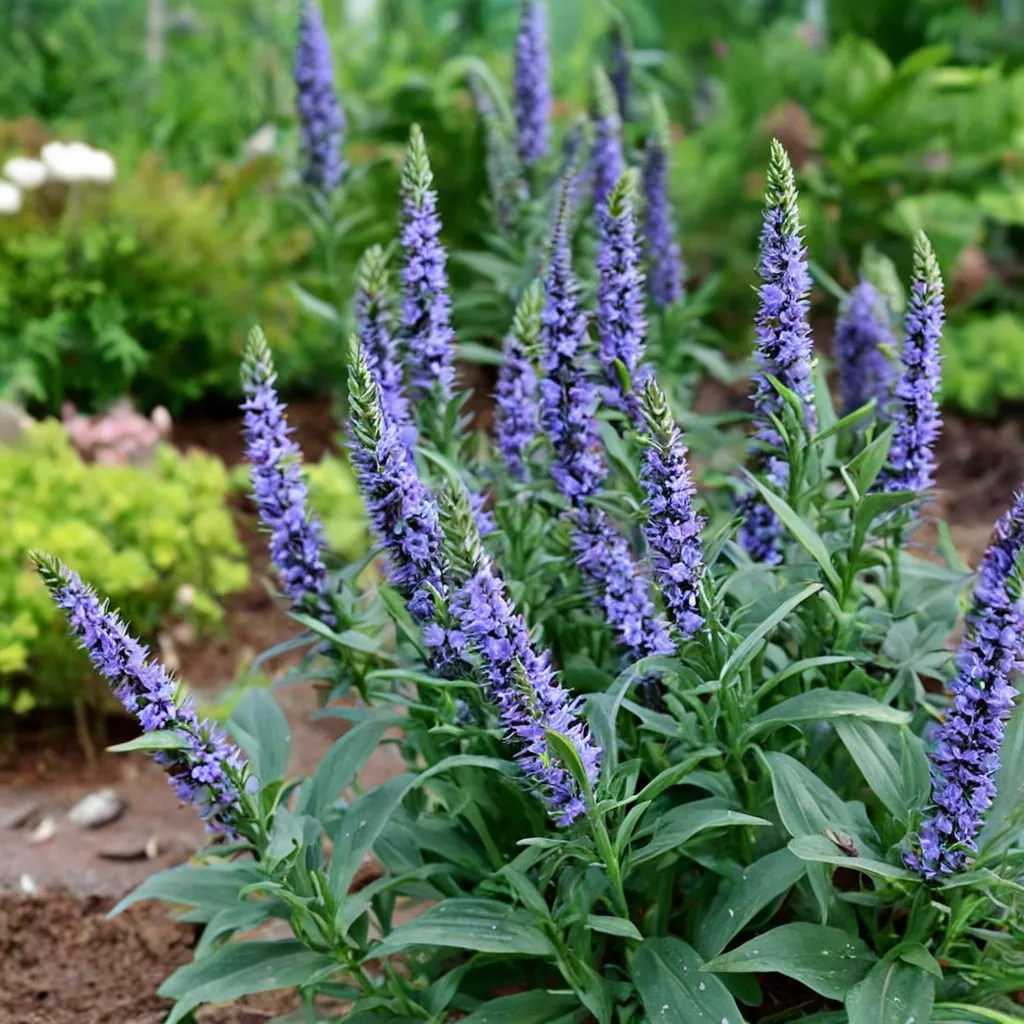
Moody Blues Sky Blue Veronica
Veronica spicata 'Moody Blues Sky Blue'
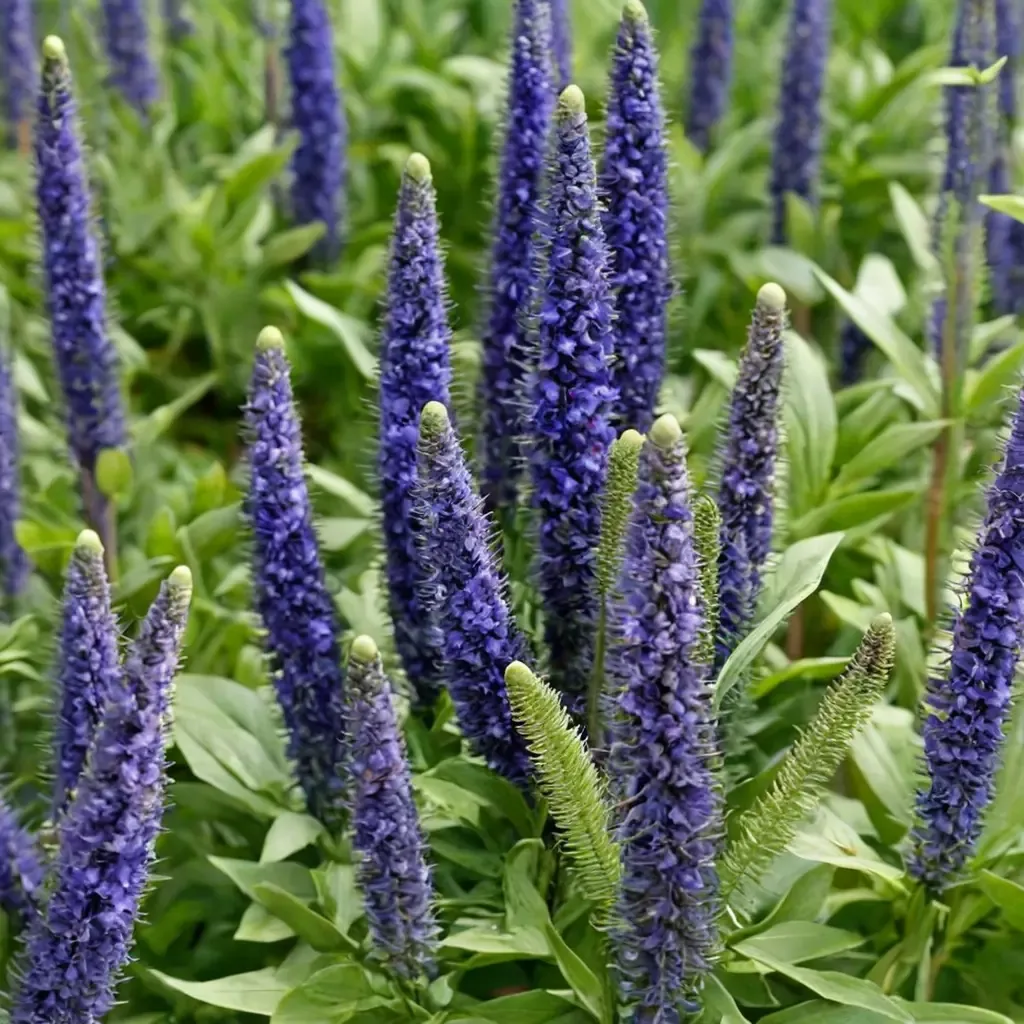
Royal Candles Speedwell
Veronica spicata 'Royal Candles'
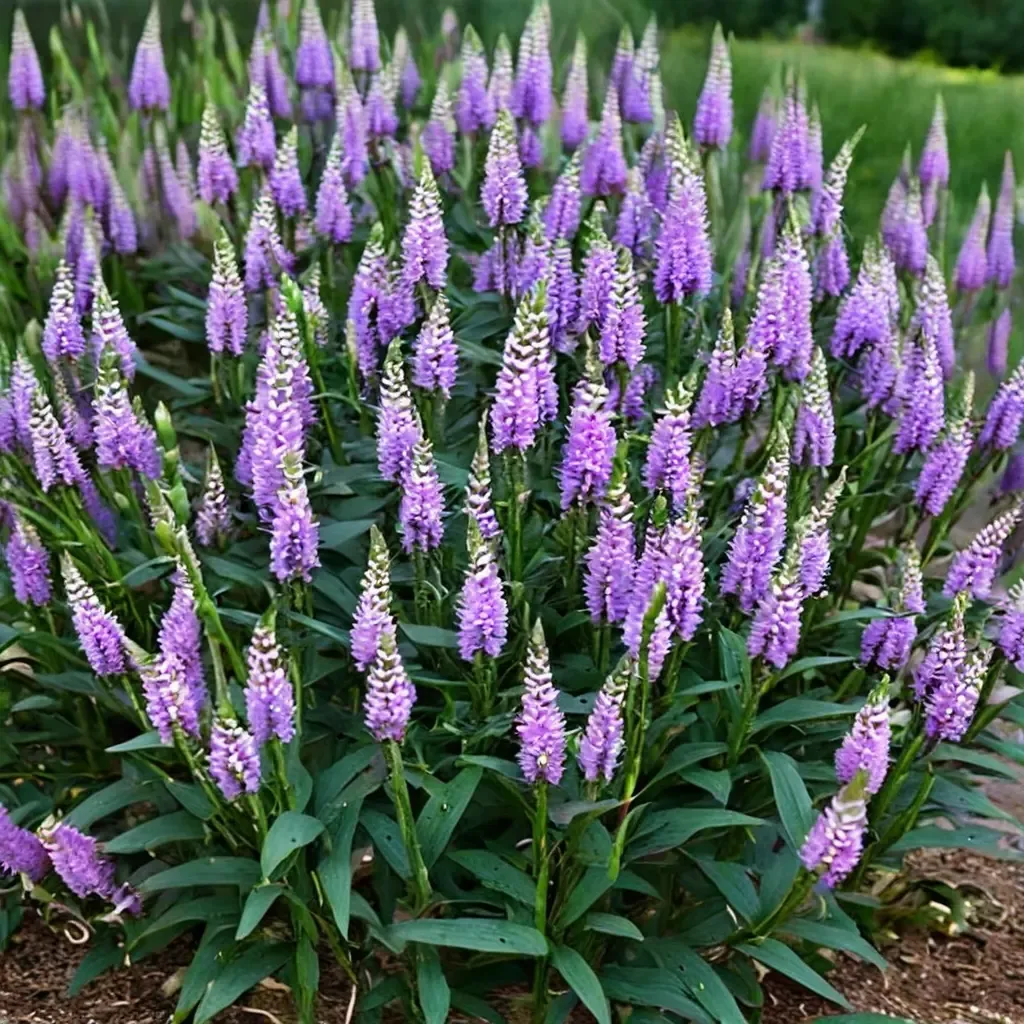
Lavender Lightsaber Speedwell
Veronica spicata 'Lavender Lightsaber'
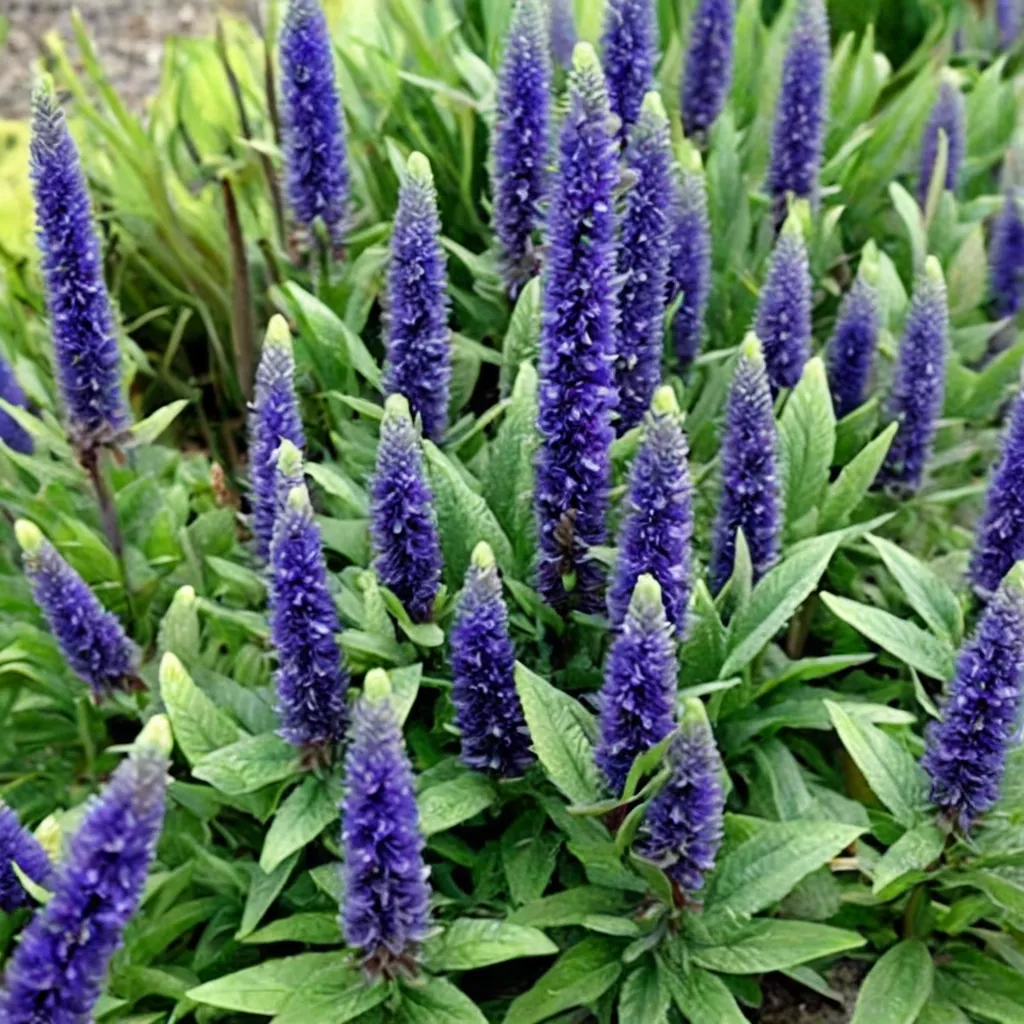
Royal Candles Spike Speedwell
Veronica spicata 'Glory'
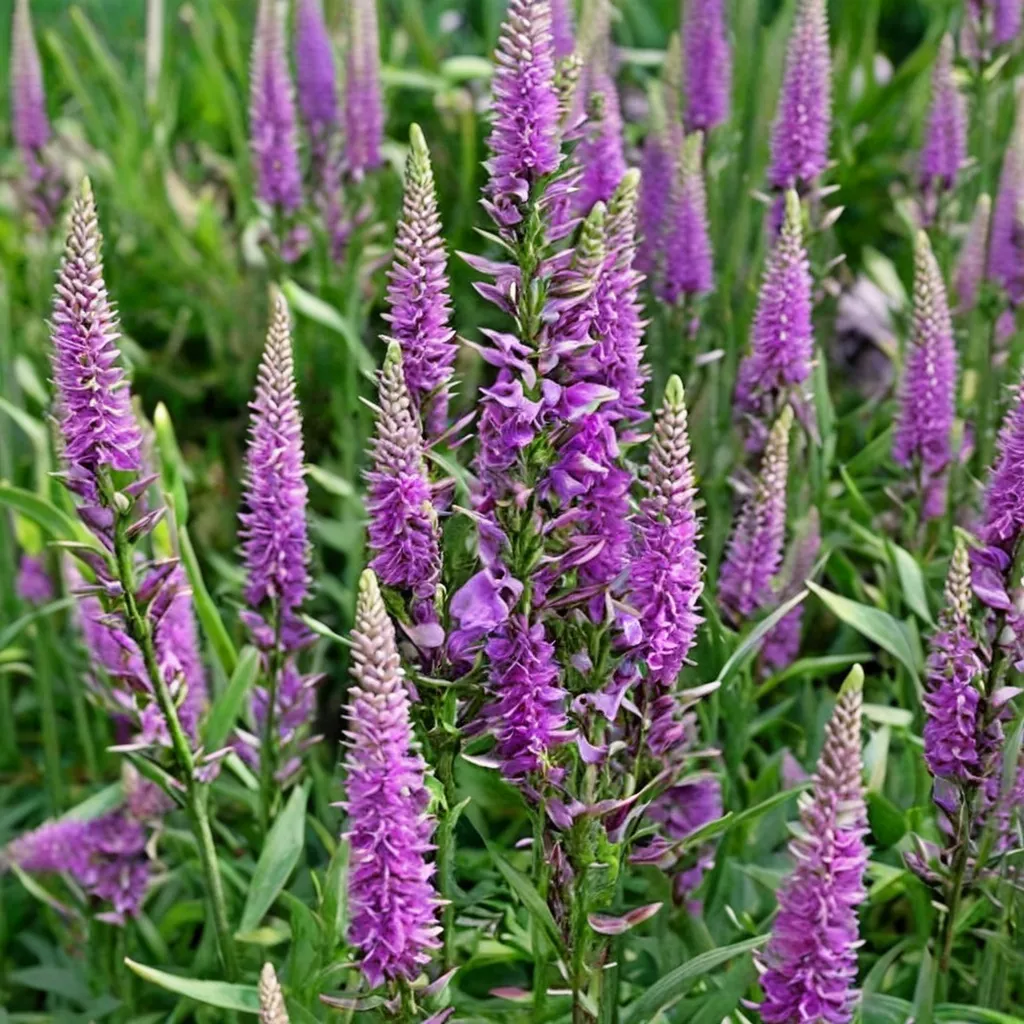
Longifolia Veronica Eveline
Veronica longifolia 'Eveline'
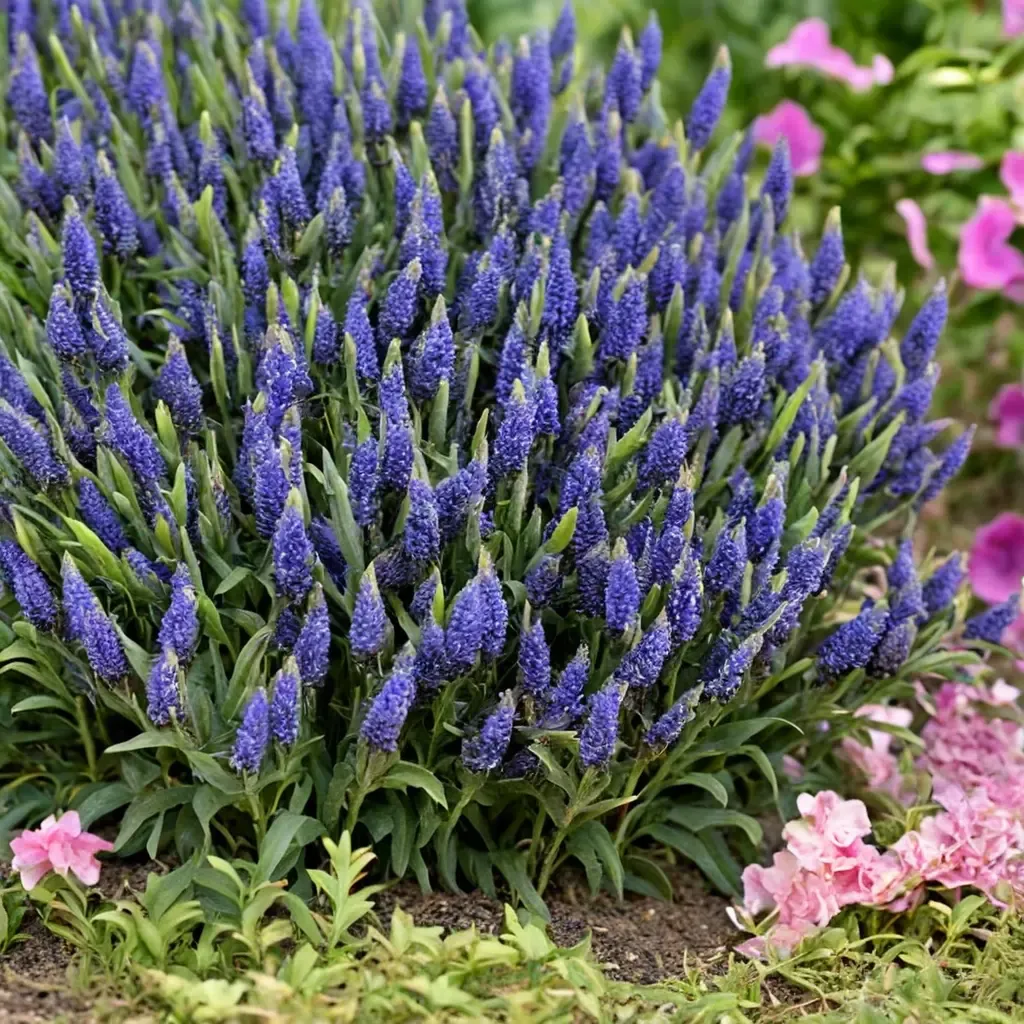
Wizard of Ahhs Speedwell
Veronica spicata 'Wizard Of Ahhs'
Keep exploring
Hardy in your zone?
Grow New Zealand Lilac with confidence
See it in a design of your actual yard, get zone-matched care reminders, and track it season by season in your garden journal.