The Story
Plant Bio
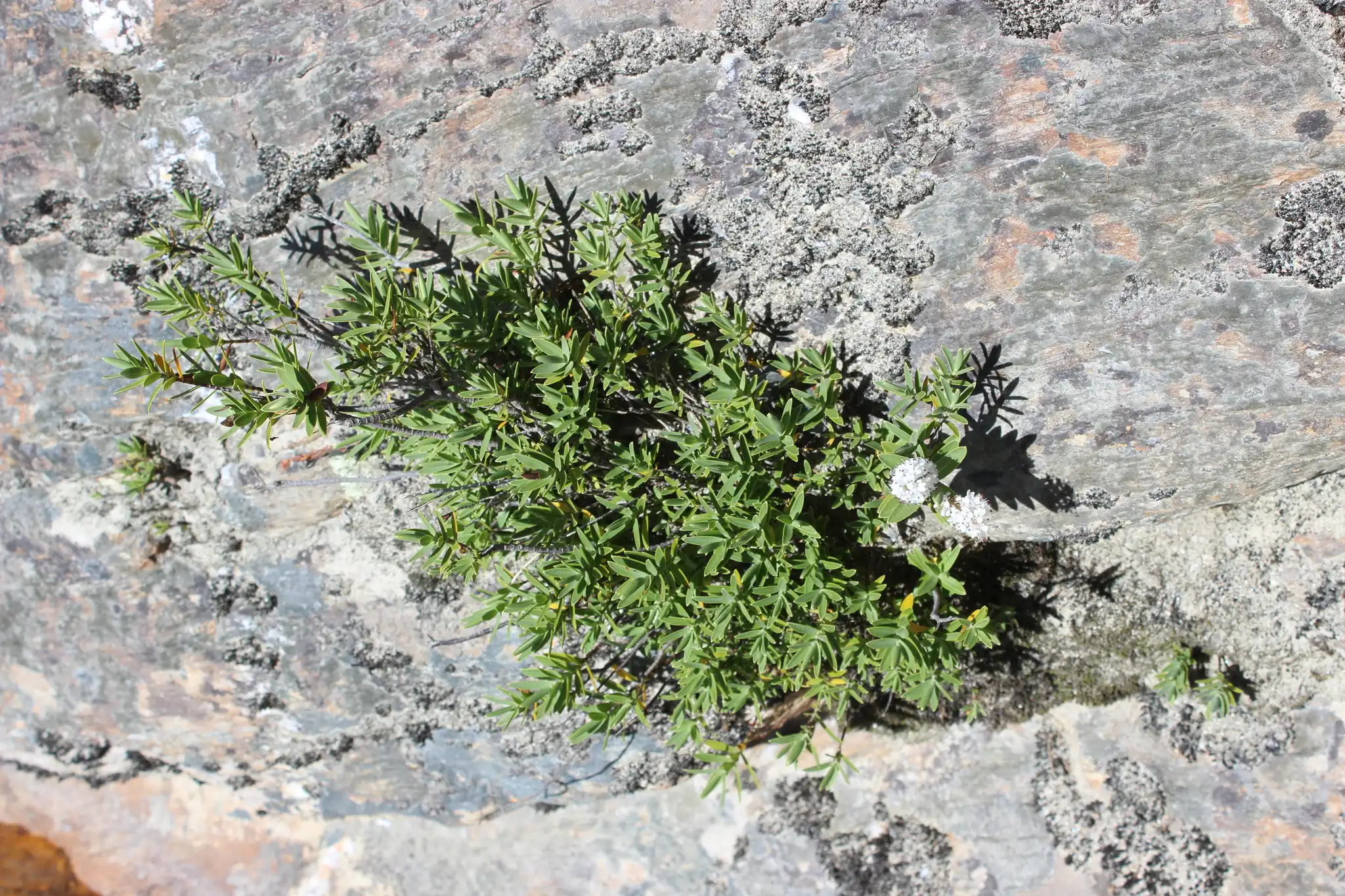
Veronica albicans is a compact, bushy evergreen shrub native to the South Island of New Zealand. It forms a rounded mound of thick glaucous leaves, producing short spikes of white flowers in summer.
The thick, leathery foliage retains its distinct blue-gray to gray-green coloration throughout the year, often featuring pale margins. Dense racemes of pure white to soft mauve blossoms cluster near the stem tips during peak bloom.
Uses & Benefits:
Essentials
At a Glance
Plant Type
Shrub
Height
39"
Width
47"
Light
Full Sun, Partial Sun
Zones
8, 9, 10
Water
Low
Humidity
Moderate
Lifespan
Perennial
Native To
New Zealand (South Island)
Toxicity
Non-toxic
Bloom period
Summer
In flower about 3 months of the year
Marketplace
Where to Buy
Shipping costs Year-round shipping Free shipping
Planting
How to Grow
- Select a planting site in full sun or light shade with fast-draining, gritty soil.
- Dig a hole as deep as the root ball and twice as wide, keeping the root crown level with the surrounding soil.
- Water thoroughly at planting, allowing the soil to dry out between waterings as the root system establishes.
- Trim spent flower spikes lightly after summer blooming finishes, staying within green leafy growth.
Pro Tip
Plant in sharply draining gritty soil with ample air movement, and never prune back into old leafless woody stems.
Keep It Thriving
Care Guide
Do
- Provide gritty, free-draining soil to protect roots from excessive moisture
- Ensure good air circulation around the shrub foliage
- Lightly trim spent flower heads immediately after blooming
Don't
- Do not prune hard into old, leafless woody stems
- Do not overwater or plant in poorly drained, boggy soils
- Do not over-fertilize, which creates leggy, floppy growth
Seasonal Care Calendar
| Task | Jan | Feb | Mar | Apr | May | Jun | Jul | Aug | Sep | Oct | Nov | Dec |
|---|---|---|---|---|---|---|---|---|---|---|---|---|
| Fertilize | ||||||||||||
| Pest Check | ||||||||||||
| Prune | ||||||||||||
| Winter Prep |
Watch Out For
Pests & Diseases
Common Pests
Common Diseases
In the Garden
Landscape Uses & Companions
Landscape Uses
Companion Plants
Multiply
Propagation Methods
Good to Know
Common Questions
Albicans Hebe questions
What zones can Albicans Hebe grow in?
Albicans Hebe is hardy in USDA Zones 8–10: in that range it survives winter in the ground. Colder than Zone 8, grow it in a container you can move to shelter for the winter.
When does Albicans Hebe bloom?
Albicans Hebe typically blooms in summer. Exact timing shifts a week or two with your zone — Sow's bloom calendar maps it to your garden.
Does Albicans Hebe need full sun?
Albicans Hebe does best in full sun to part shade. In hot climates, afternoon shade keeps blooms fresher longer.
Is Albicans Hebe drought tolerant?
Yes — once established (usually after the first full season), Albicans Hebe handles dry spells with minimal watering. Water deeply its first year to build the root system that makes that possible.
More Veronica to compare
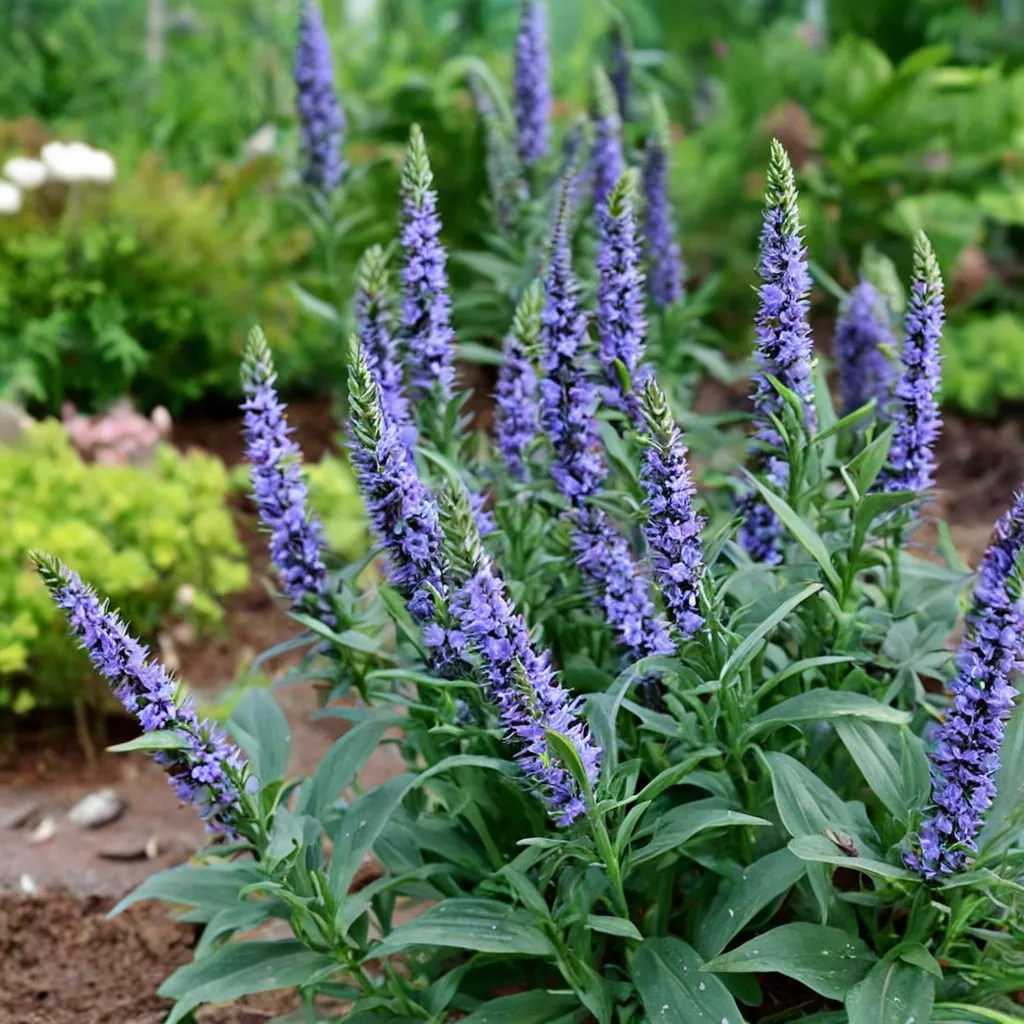
Moody Blues Sky Blue Veronica
Veronica spicata 'Moody Blues Sky Blue'
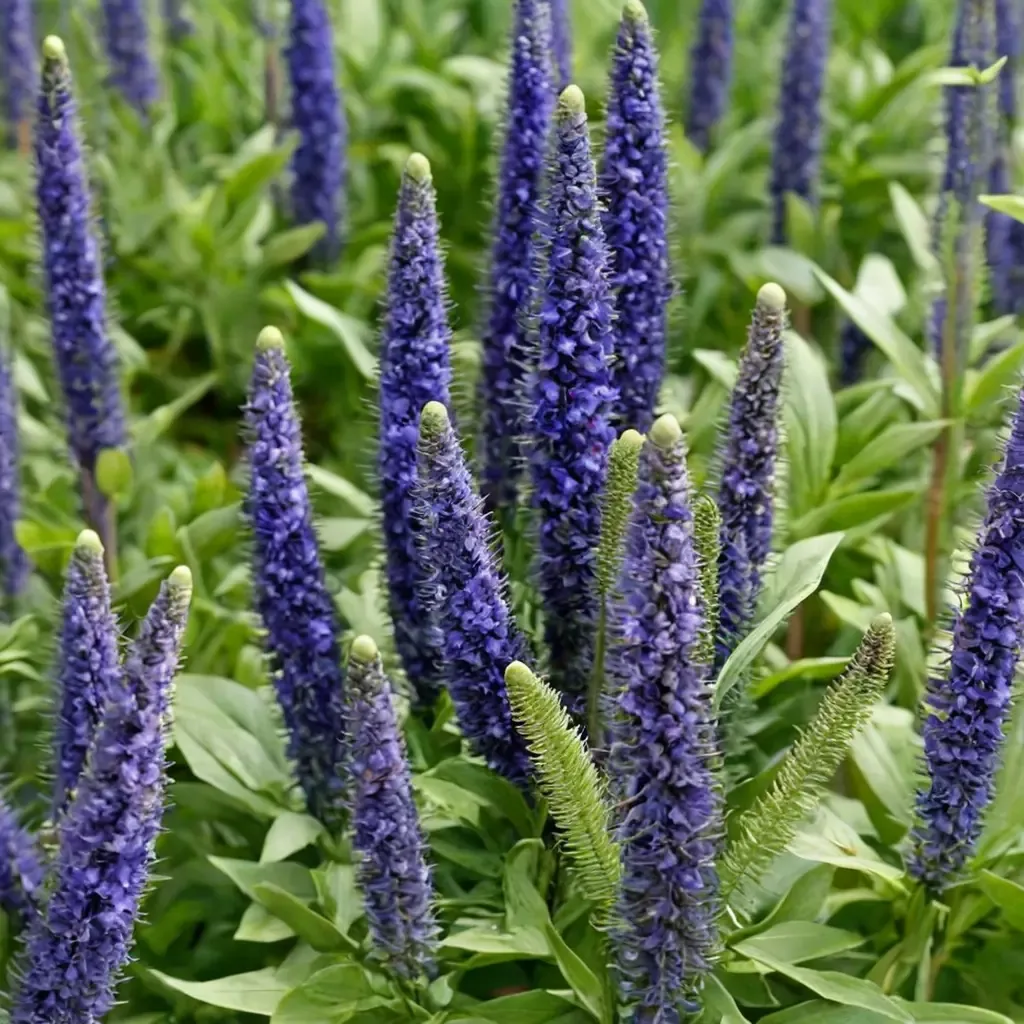
Royal Candles Speedwell
Veronica spicata 'Royal Candles'
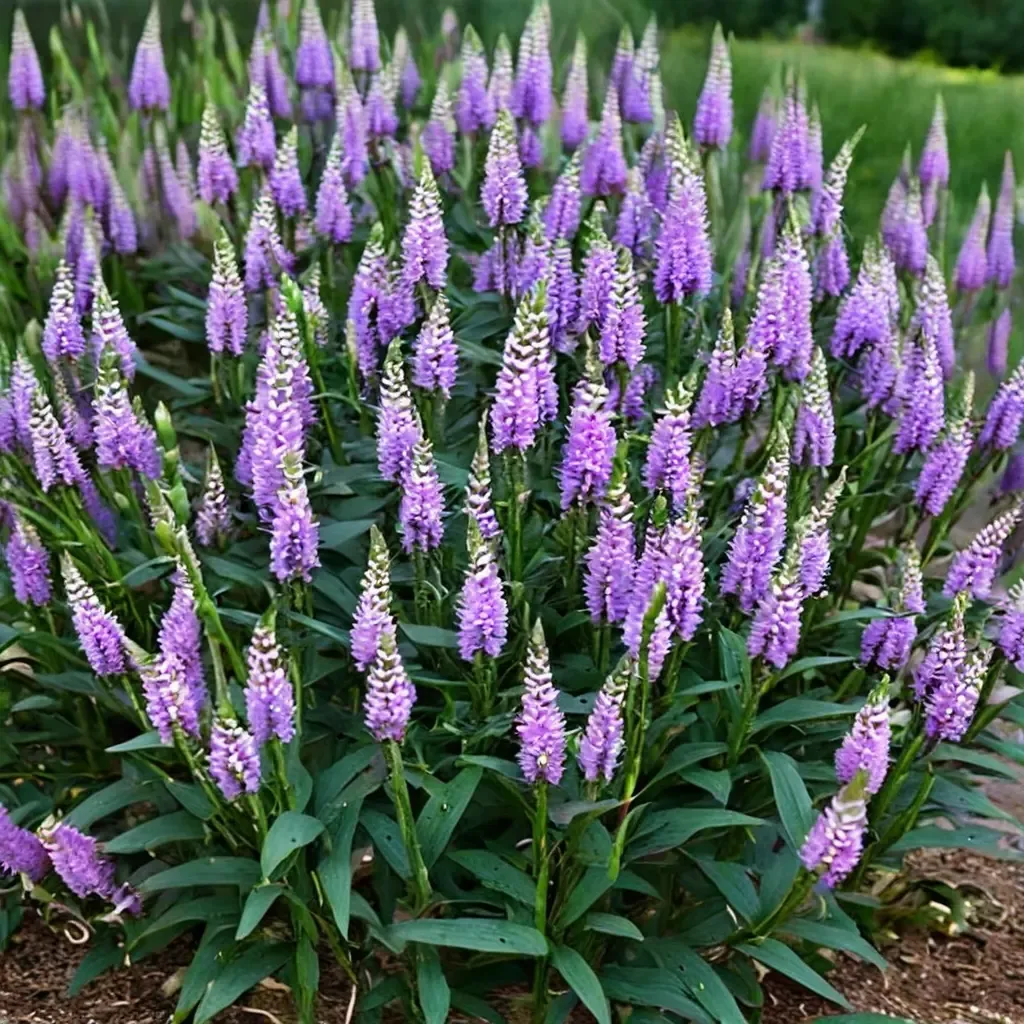
Lavender Lightsaber Speedwell
Veronica spicata 'Lavender Lightsaber'
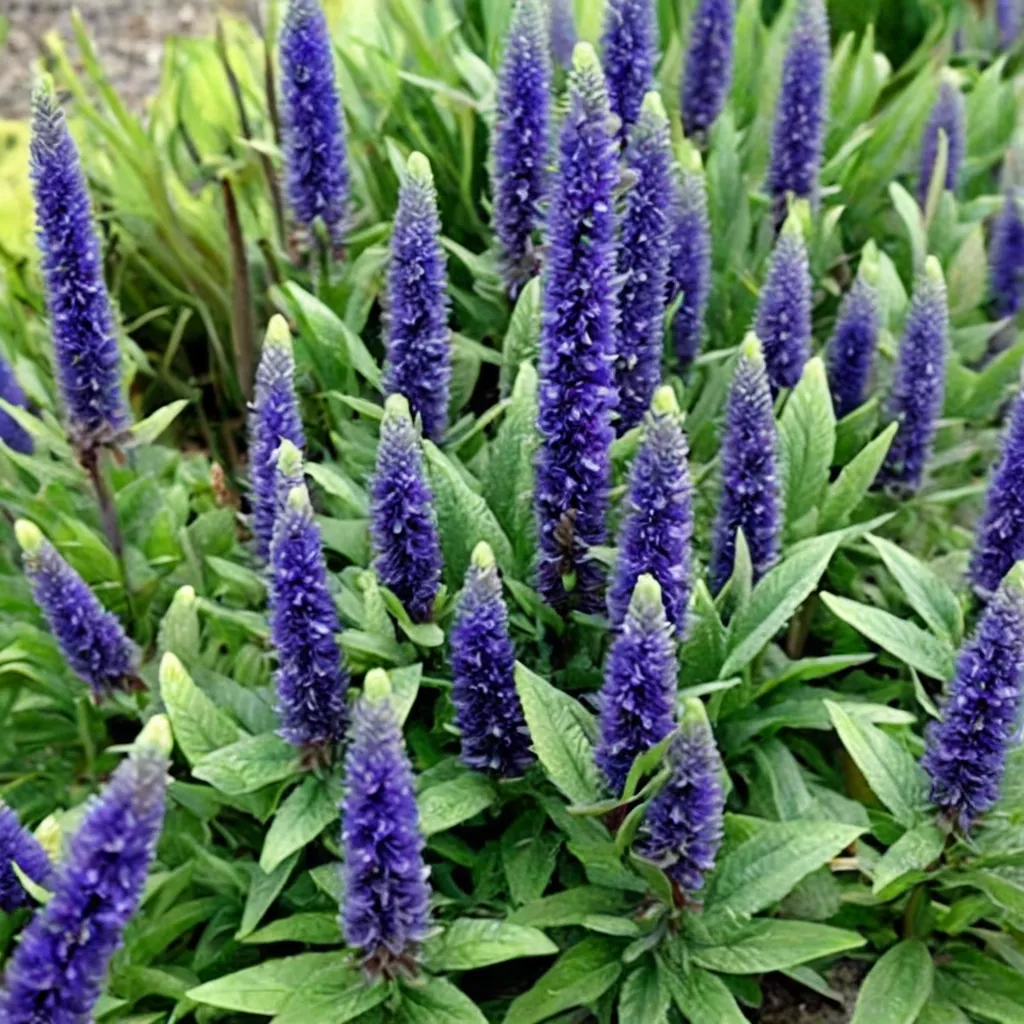
Royal Candles Spike Speedwell
Veronica spicata 'Glory'
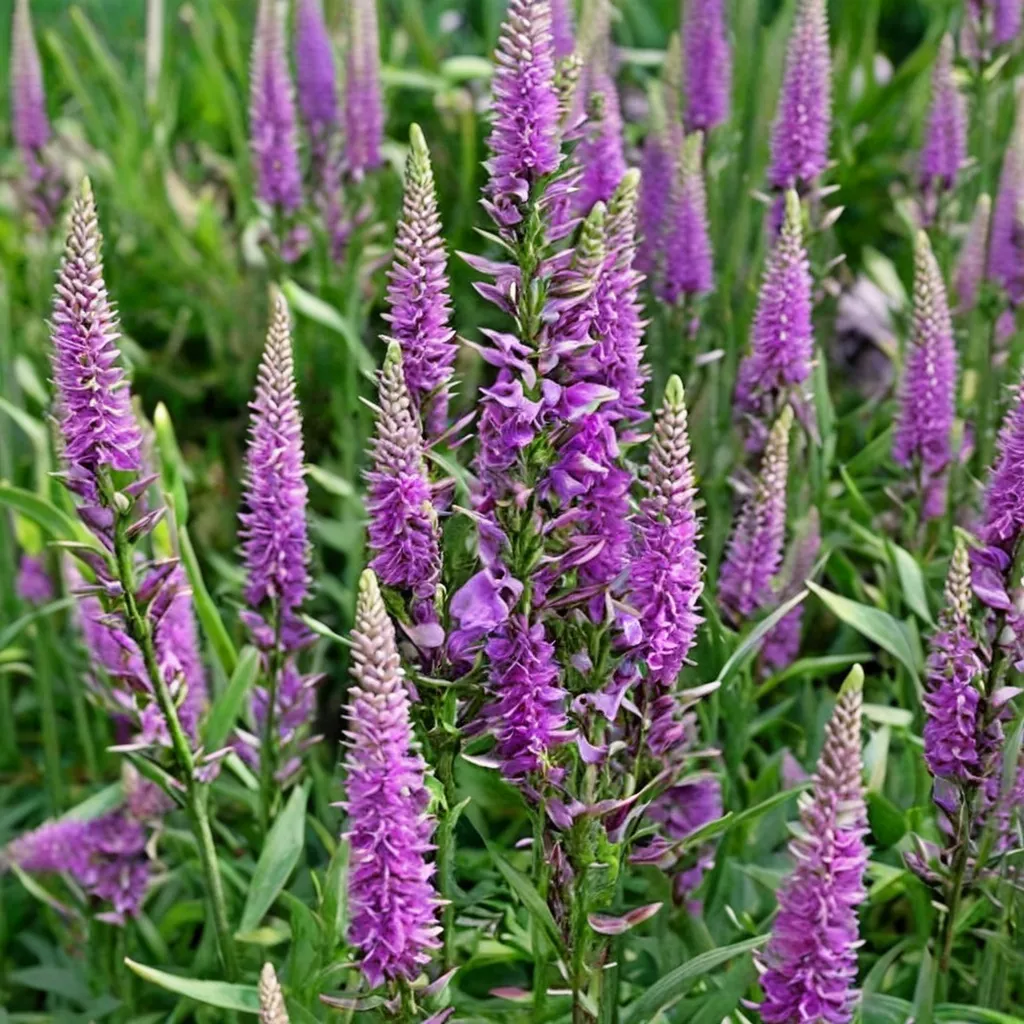
Longifolia Veronica Eveline
Veronica longifolia 'Eveline'
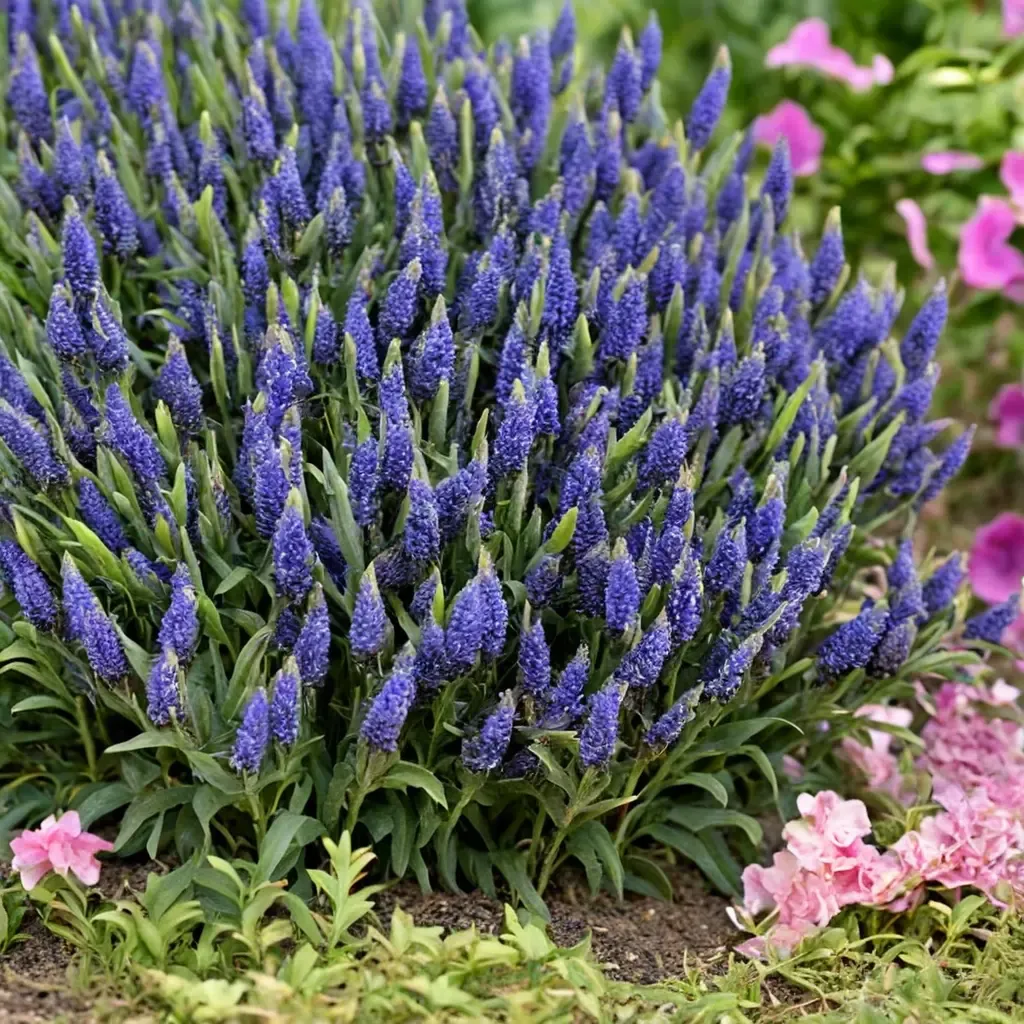
Wizard of Ahhs Speedwell
Veronica spicata 'Wizard Of Ahhs'
Keep exploring
Hardy in your zone?
Grow Albicans Hebe with confidence
See it in a design of your actual yard, get zone-matched care reminders, and track it season by season in your garden journal.