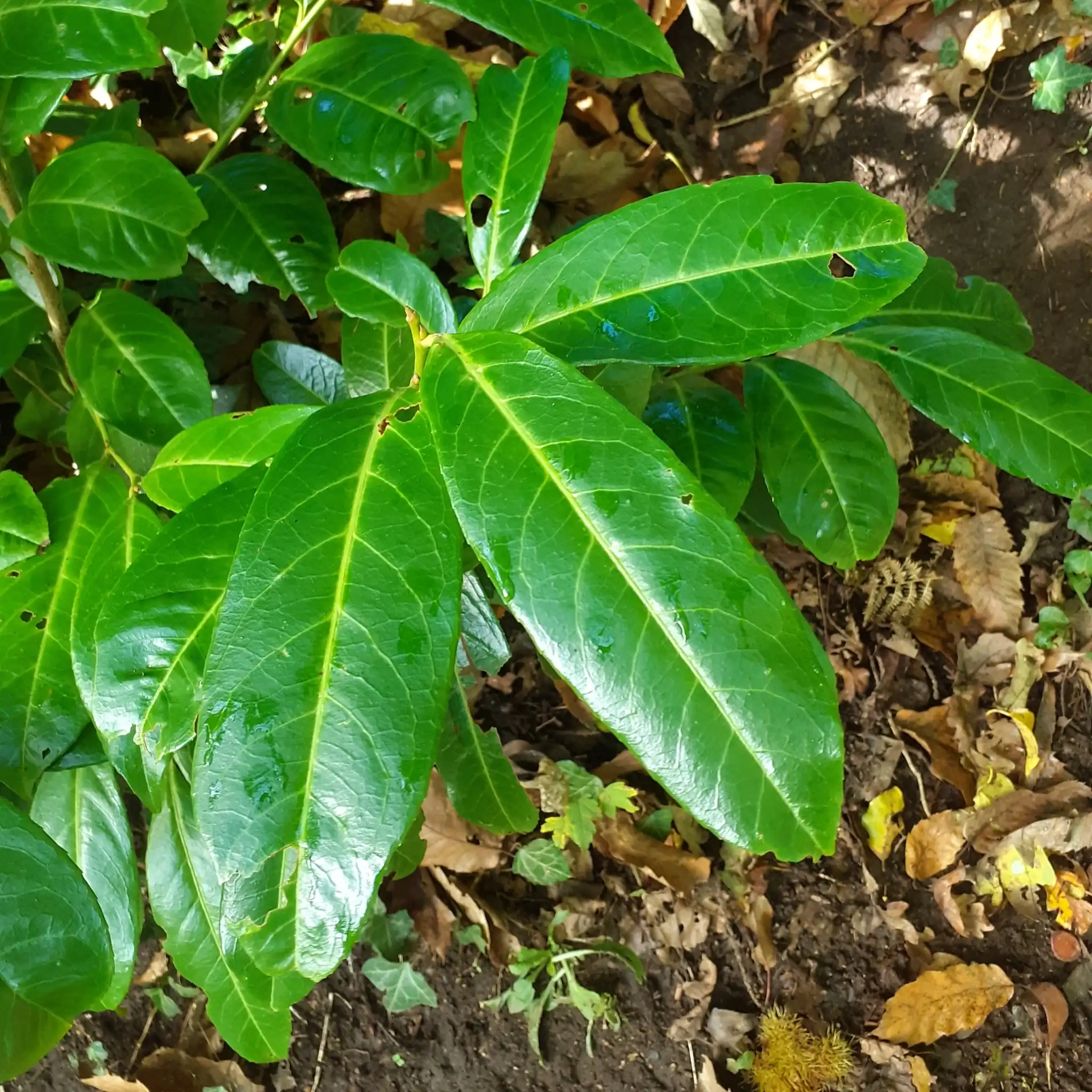
14 named cultivars
 ‘Schipkaensis’Schipka Cherry Laurel
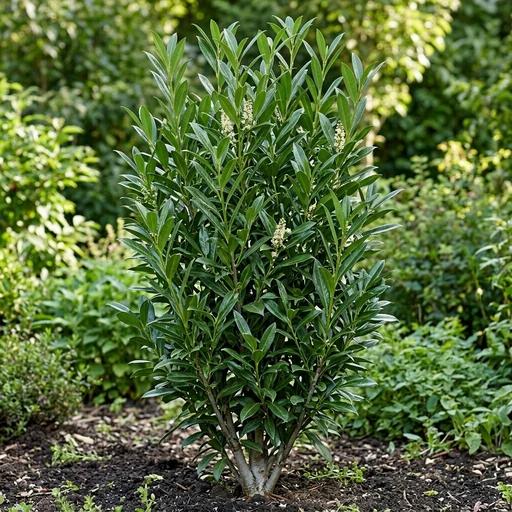 ‘Skinny Skip’Genolia Cherry Laurel
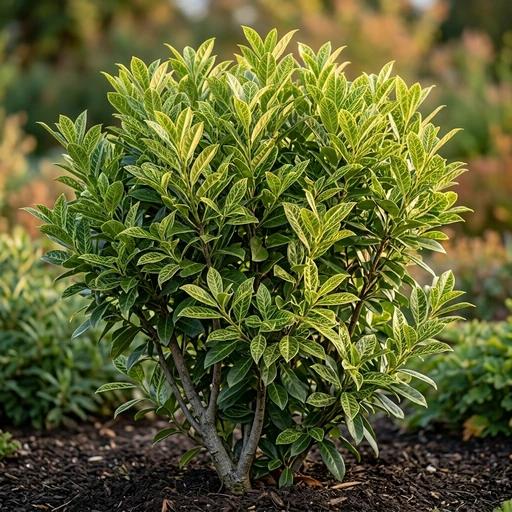 ‘Greenfinity’Greenfinity Cherry Laurel
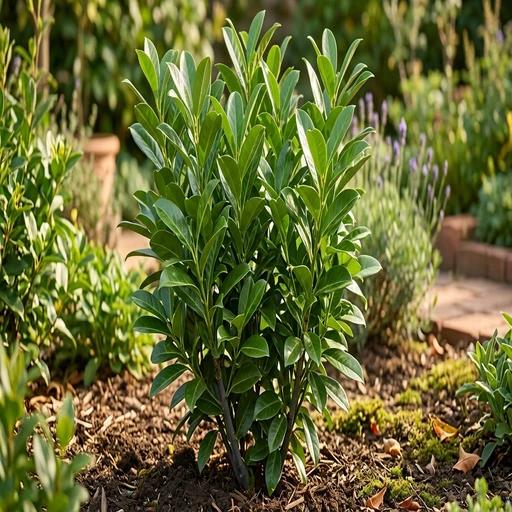 ‘Green Goblet’Green Goblet Cherry Laurel
 ‘Chestnut Hill’Chestnut Hill Cherry Laurel
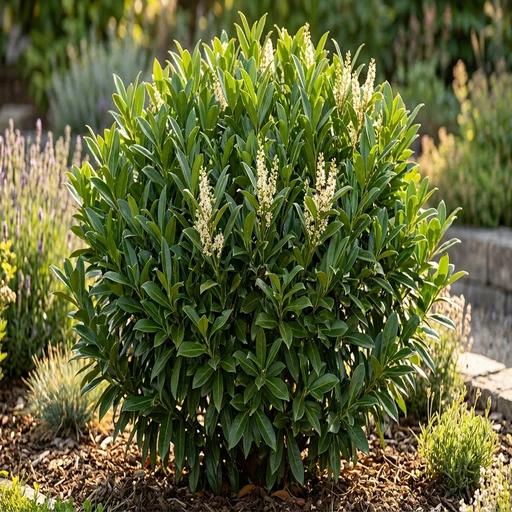 ‘Nana’Dwarf English Laurel
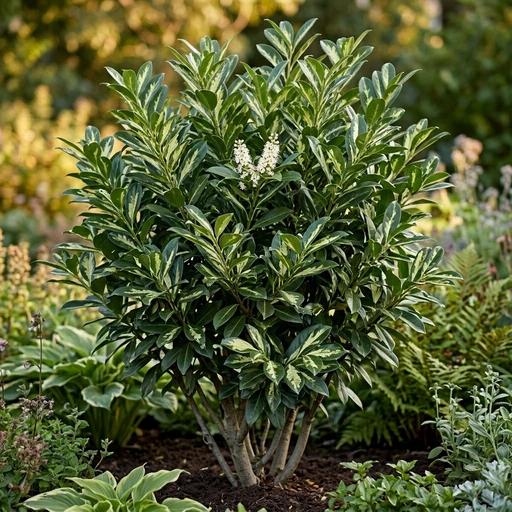 ‘Majestic Jade’Majestic Jade English Laurel
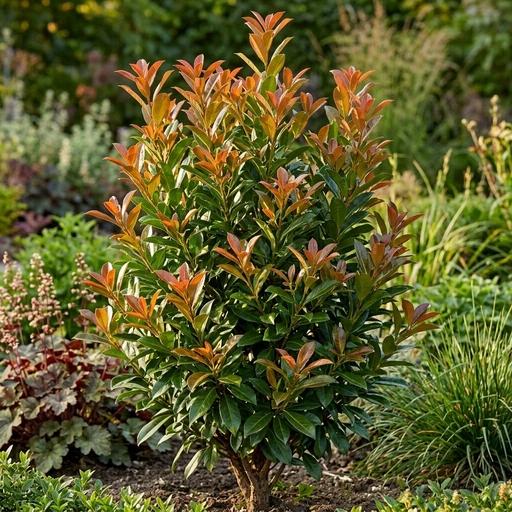 ‘Volcano’Volcano Cherry Laurel
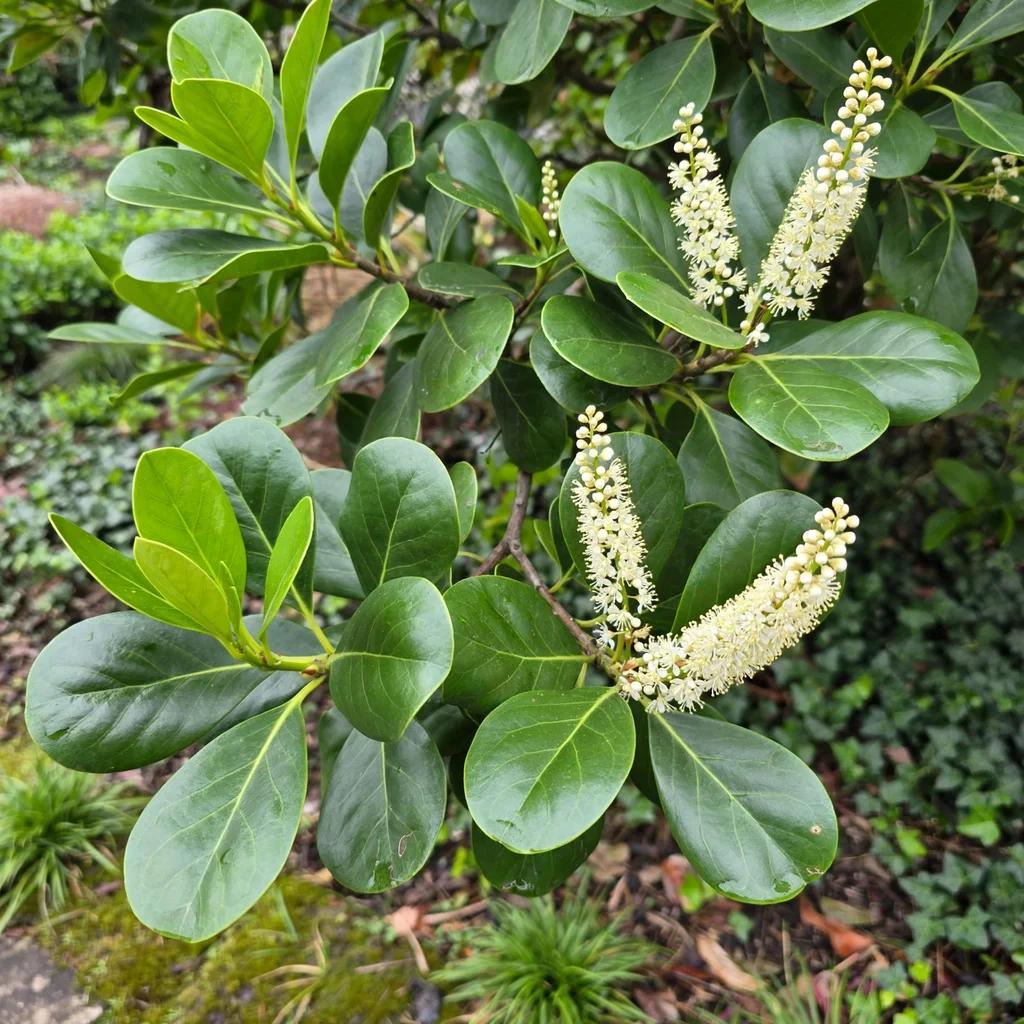 ‘Rotundifolia’Cherry Laurel
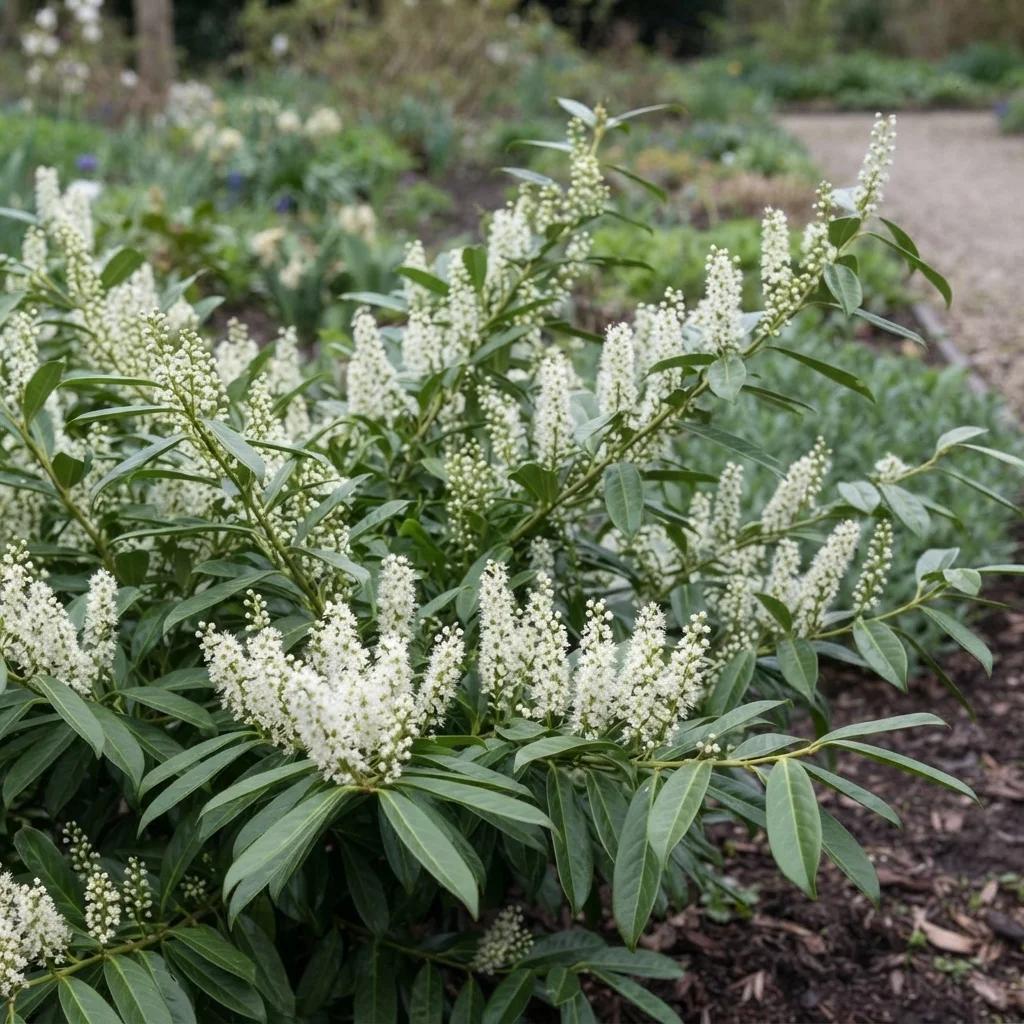 ‘Zabeliana’Zabel's Cherry Laurel
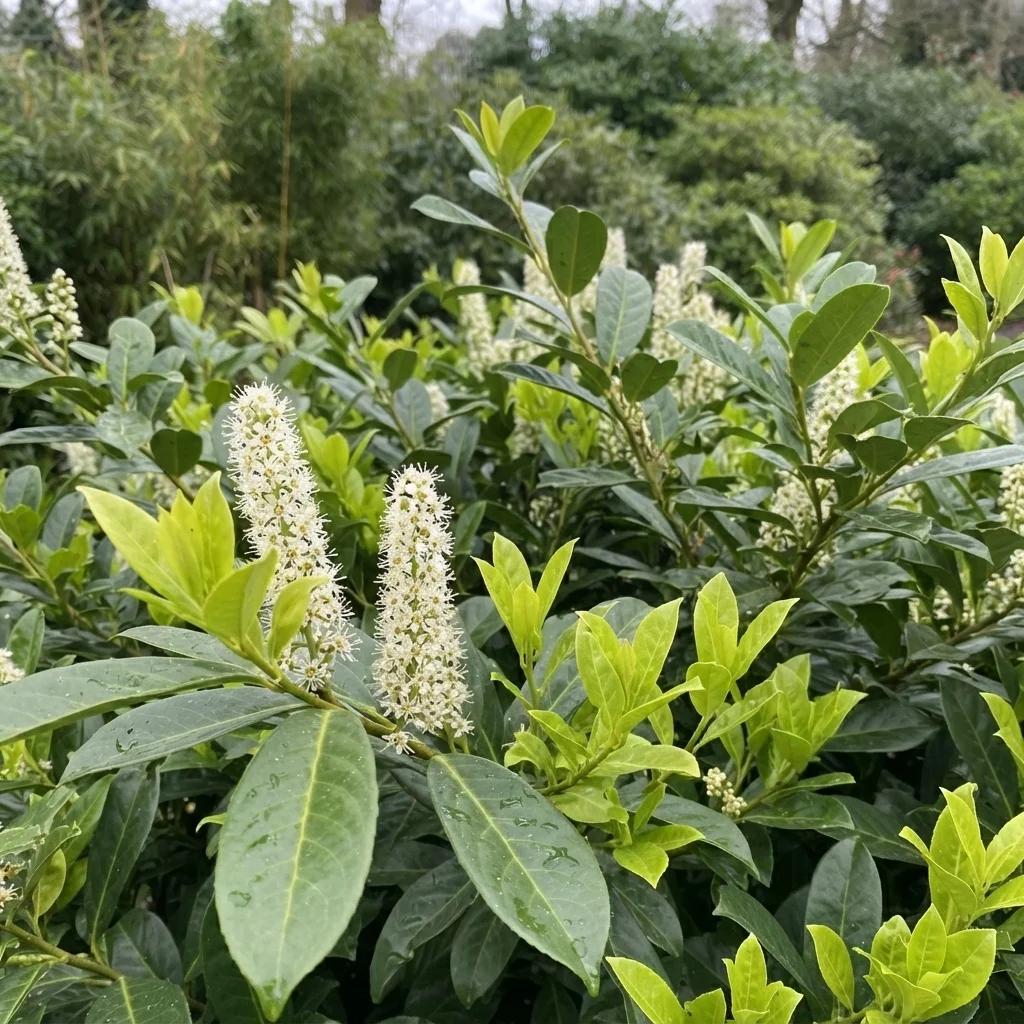 ‘Supreme’Cherry Laurel
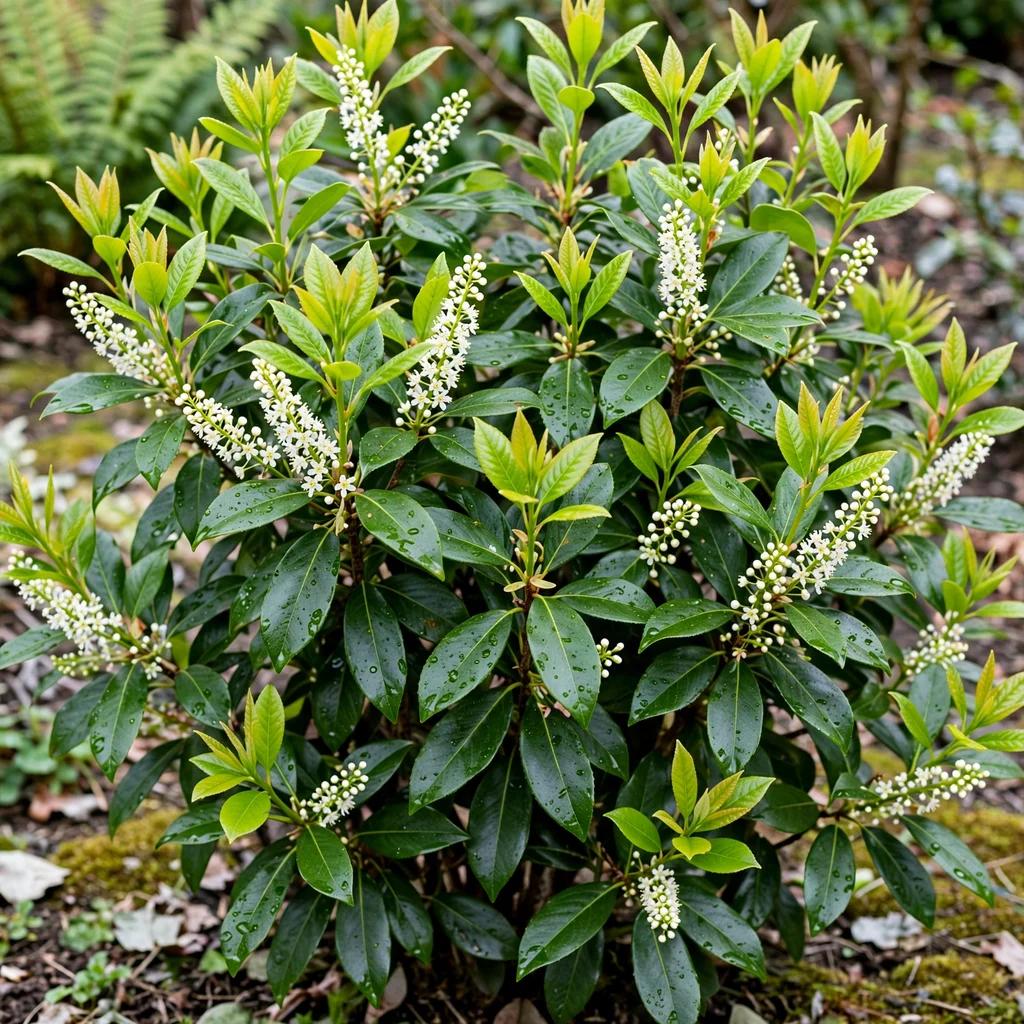 ‘Novita’Cherry Laurel
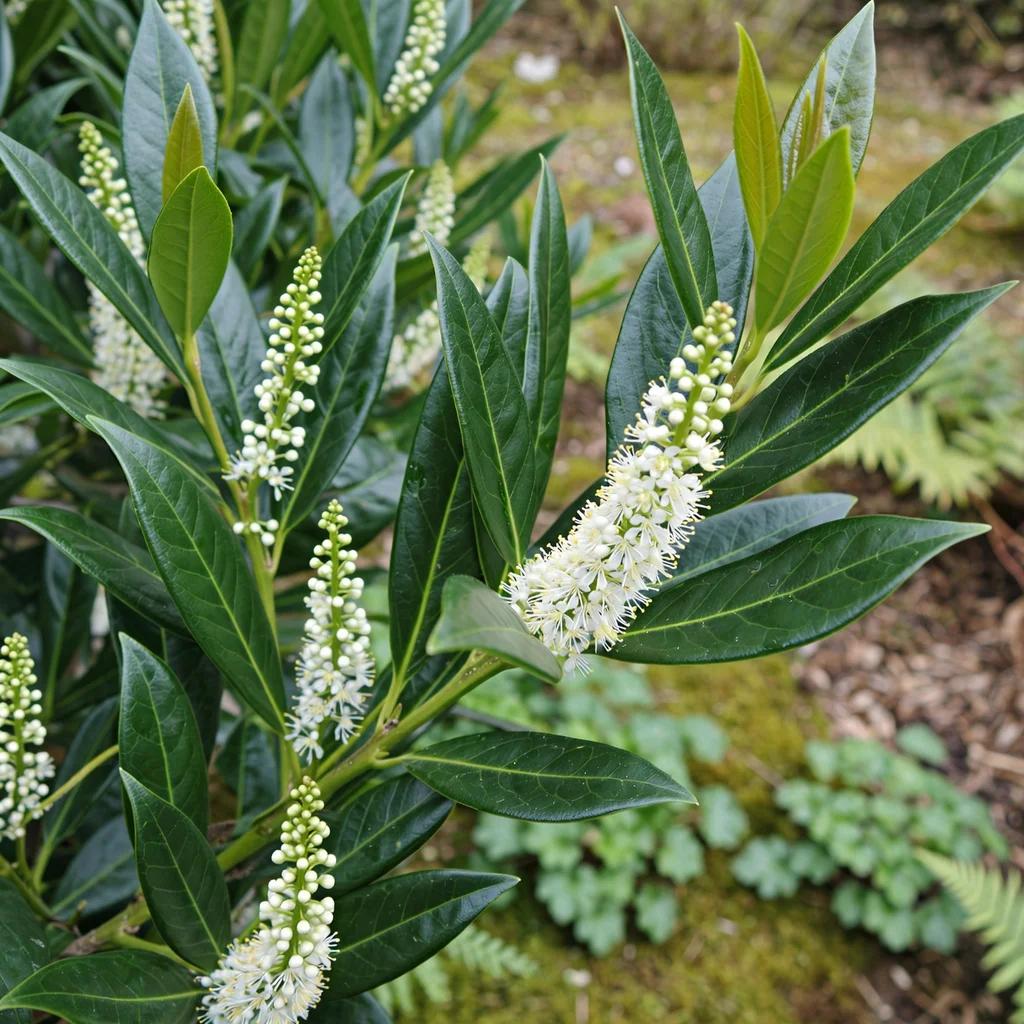 ‘Otto Luyken’Cherry Laurel
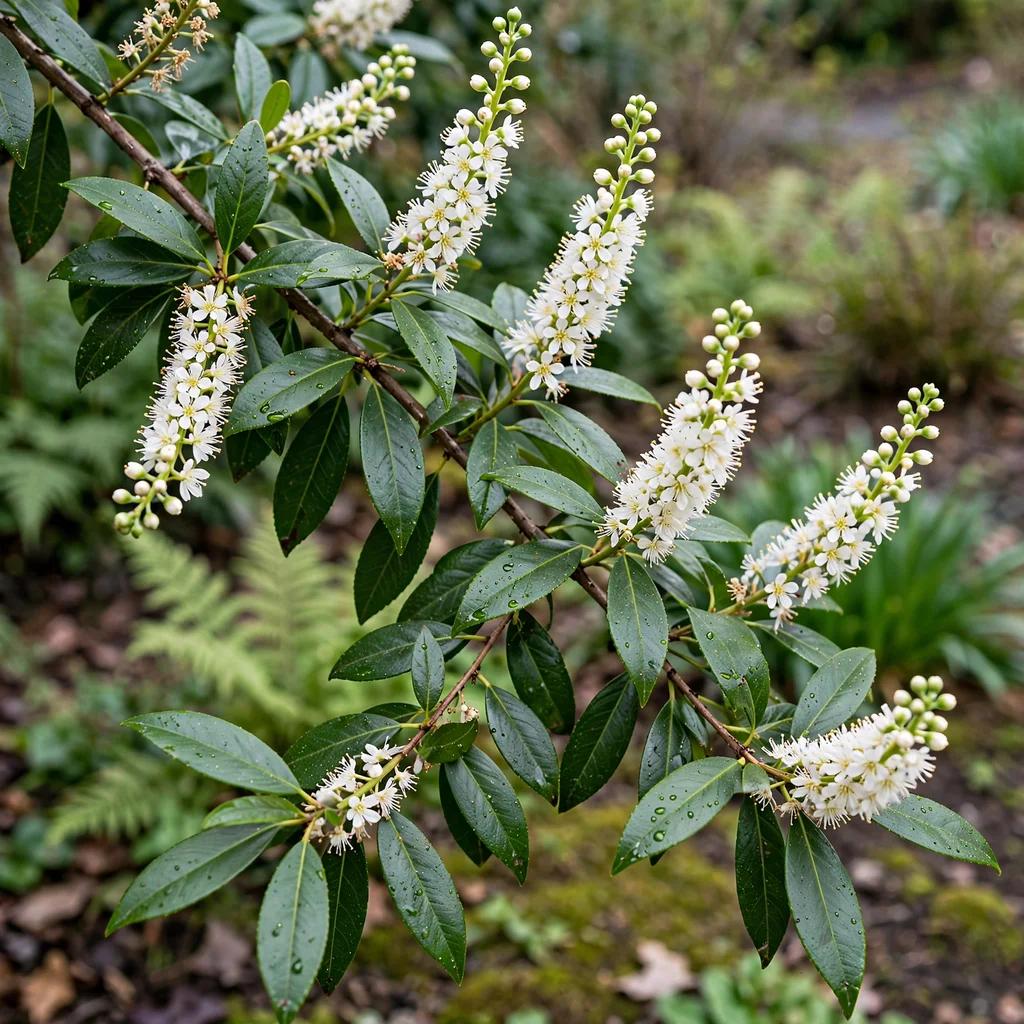 ‘West Coast Skip’Skip Laurel
The Story
Plant Bio
Prunus laurocerasus is a large, dense, evergreen shrub or small tree native to regions bordering the Black Sea. It is widely cultivated for its handsome, glossy, dark green leaves and its adaptability to a range of conditions, including shade.
The species itself is notable for its versatility. It can be maintained as a formal, tightly clipped hedge, or allowed to grow into its natural large, rounded form, providing excellent year-round screening in either sun or shade.
Uses & Benefits:
Essentials
At a Glance
Plant Type
Shrub
Height
216"
Width
240"
Light
Full Sun, Partial Sun, Shade
Zones
6, 7, 8, 9
Water
Medium
Humidity
Average
Lifespan
50+ years
Native To
Southeastern Europe, Southwestern Asia
Toxicity
All parts, especially leaves and seeds, are toxic if ingested.
Marketplace
Where to Buy
Shipping costs Year-round shipping Free shipping
Planting
How to Grow
- Select a site in sun or shade with well-drained soil.
- Dig a planting hole twice as wide as the container.
- Amend heavy clay soil with compost to improve drainage.
- Set the plant in the hole so the root flare is at soil level.
- Backfill the hole and water thoroughly to settle the soil.
- Mulch to conserve moisture, keeping it away from the stem.
Pro Tip
For the healthiest plants, provide well-drained soil; cherry laurel dislikes having 'wet feet' and can suffer from root rot.
Keep It Thriving
Care Guide
Do
- Provide good drainage.
- Prune after flowering to maintain the desired size.
- Water during dry spells, particularly when young.
- Use hand pruners instead of shears on informal plants to avoid cutting large leaves in half.
Don't
- Do not plant in waterlogged or poorly drained soil.
- Avoid planting in locations exposed to harsh, drying winter winds.
- Don't allow pets or children to ingest leaves or berries.
- Avoid planting where it can escape into natural woodlands, as it can be invasive.
Seasonal Care Calendar
| Task | Jan | Feb | Mar | Apr | May | Jun | Jul | Aug | Sep | Oct | Nov | Dec |
|---|---|---|---|---|---|---|---|---|---|---|---|---|
| Fertilize | ||||||||||||
| Prune |
Watch Out For
Pests & Diseases
Common Pests
Common Diseases
In the Garden
Landscape Uses & Companions
Landscape Uses
Multiply
Propagation Methods
Good to Know
Common Questions
Cherry Laurel questions
What zones can Cherry Laurel grow in?
Cherry Laurel is hardy in USDA Zones 6–9. Inside that range it survives winter in the ground; outside it, grow it as an annual or a container plant you protect.
Is Cherry Laurel deer resistant?
Yes — Cherry Laurel is rated deer-resistant. Deer typically pass it over, though extreme hunger can override any plant's defenses.
When does Cherry Laurel bloom?
Cherry Laurel typically blooms in mid-spring through late spring. Exact timing shifts a week or two with your zone — Sow's bloom calendar maps it to your garden.
Does Cherry Laurel need full sun?
Cherry Laurel does best in full sun to part shade. In hot climates, afternoon shade keeps blooms fresher longer.
Is Cherry Laurel drought tolerant?
Yes — once established (usually after the first full season), Cherry Laurel handles dry spells with minimal watering. Water deeply its first year to build the root system that makes that possible.
More Prunus to compare
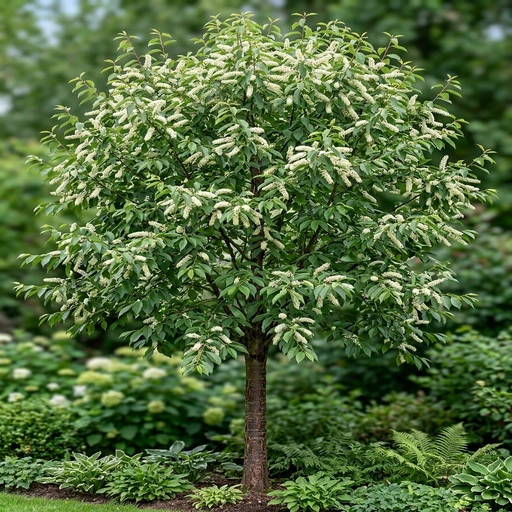
Black Cherry
Prunus serotina
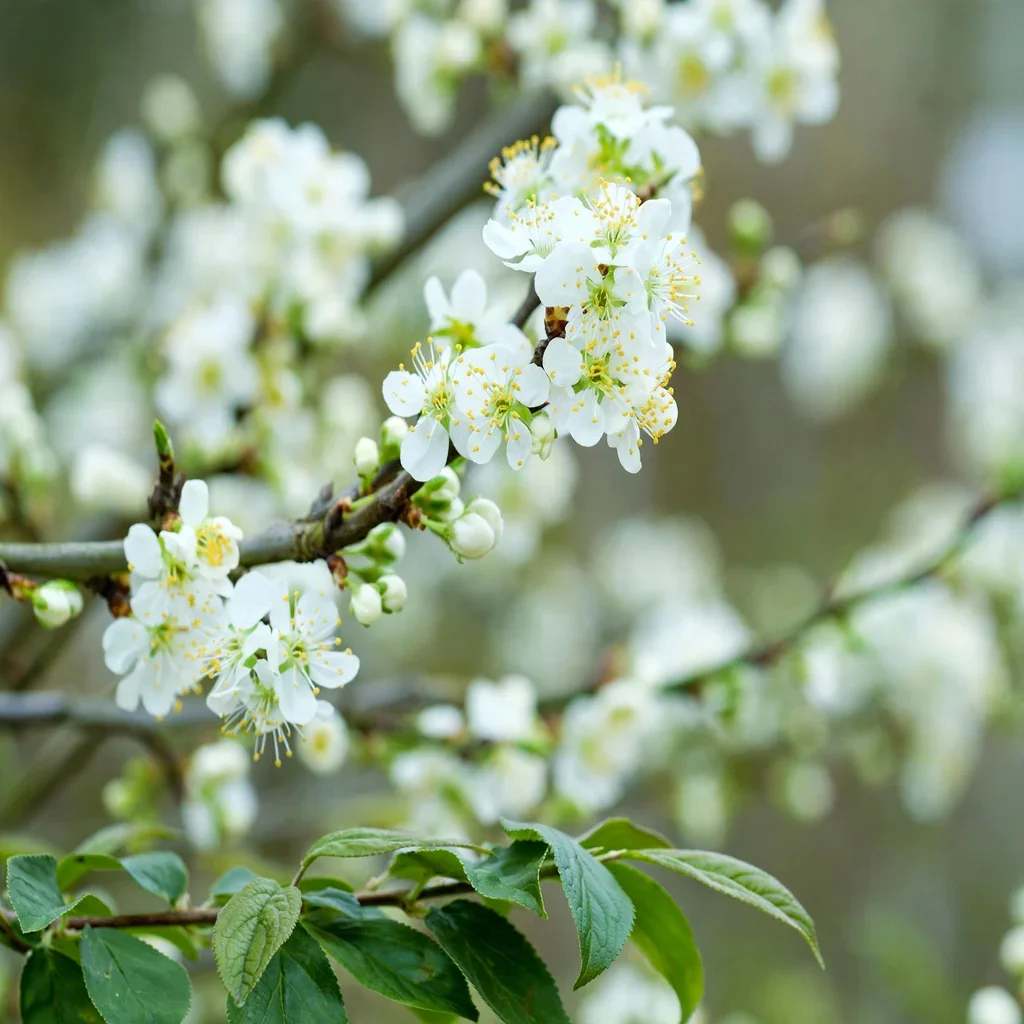
Sugar Plum
Prunus domestica 'Sugar Plum'
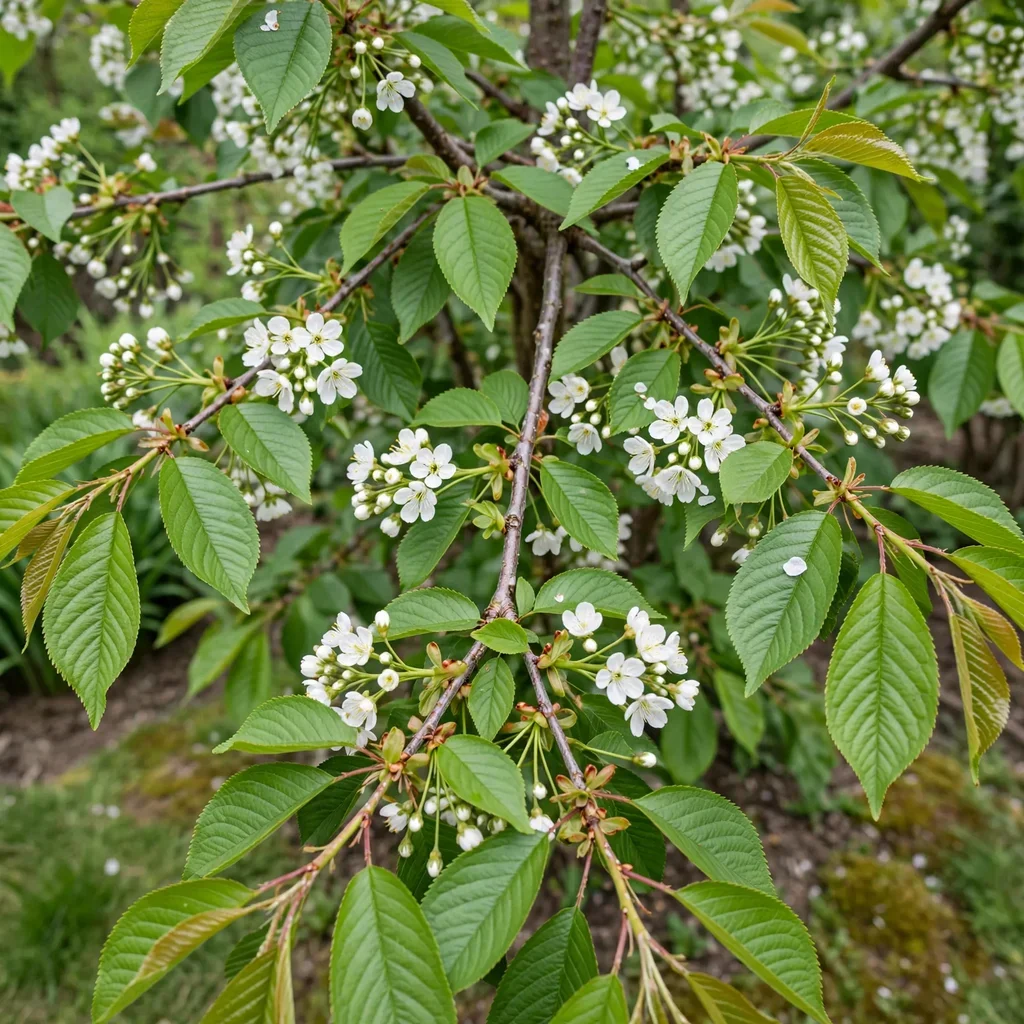
Sweet Cherry
Prunus avium 'Mix'
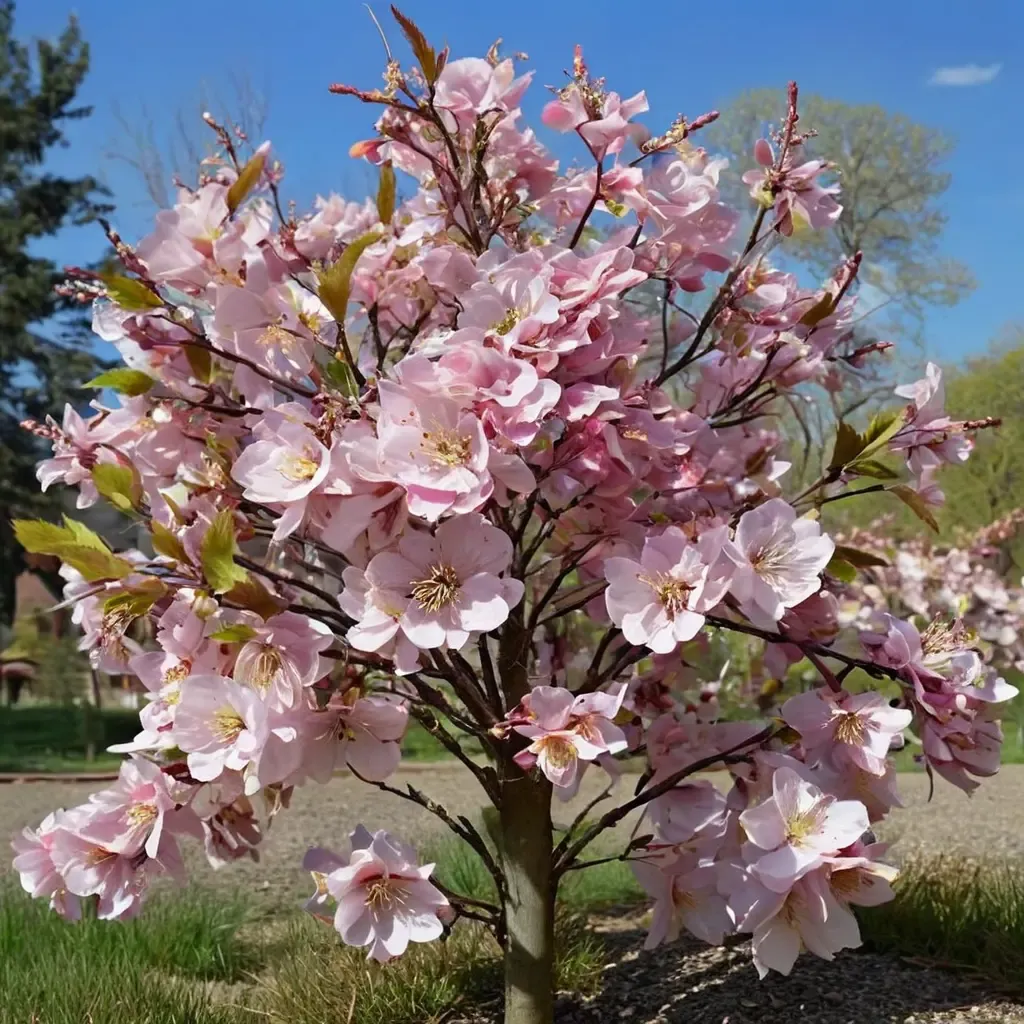
Japanese Flowering Cherry
Prunus serrulata
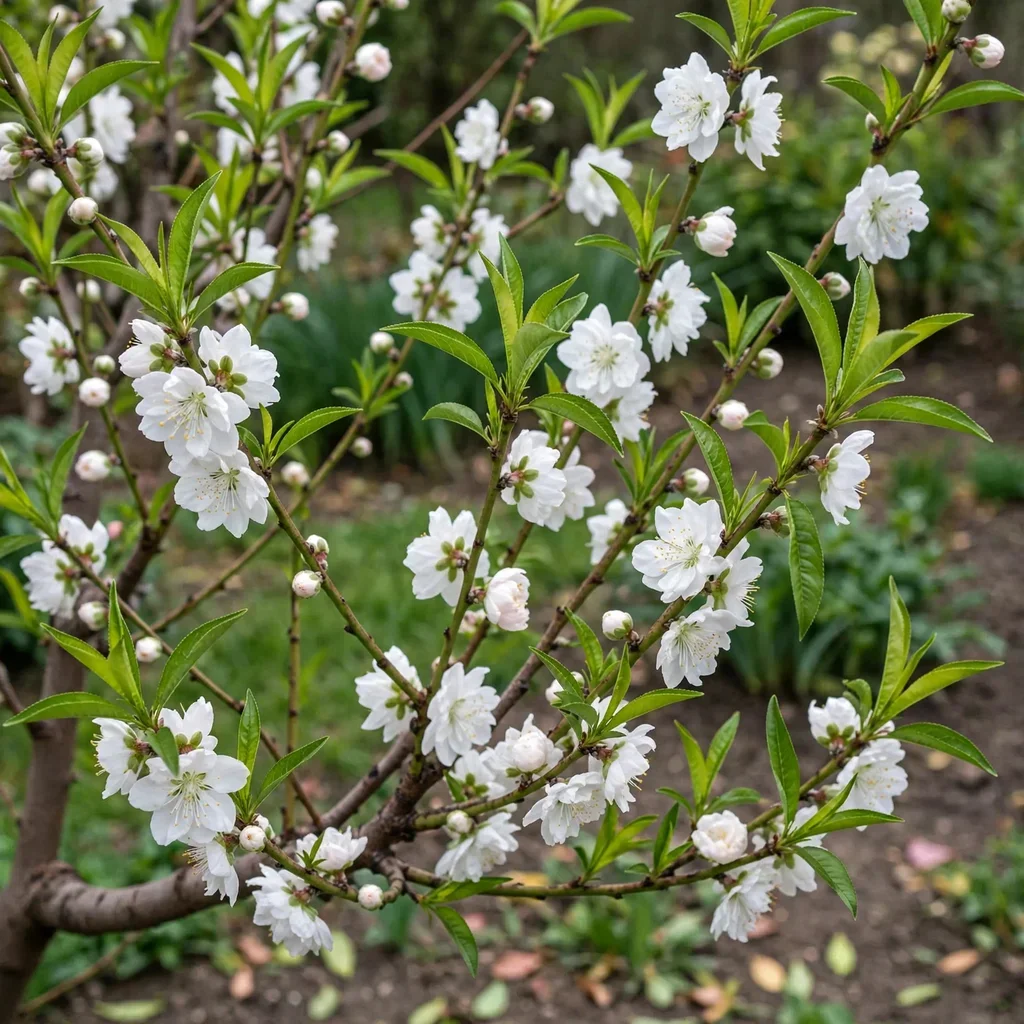
Feiching Tao White Peach
Prunus persica 'Feiching Tao White'
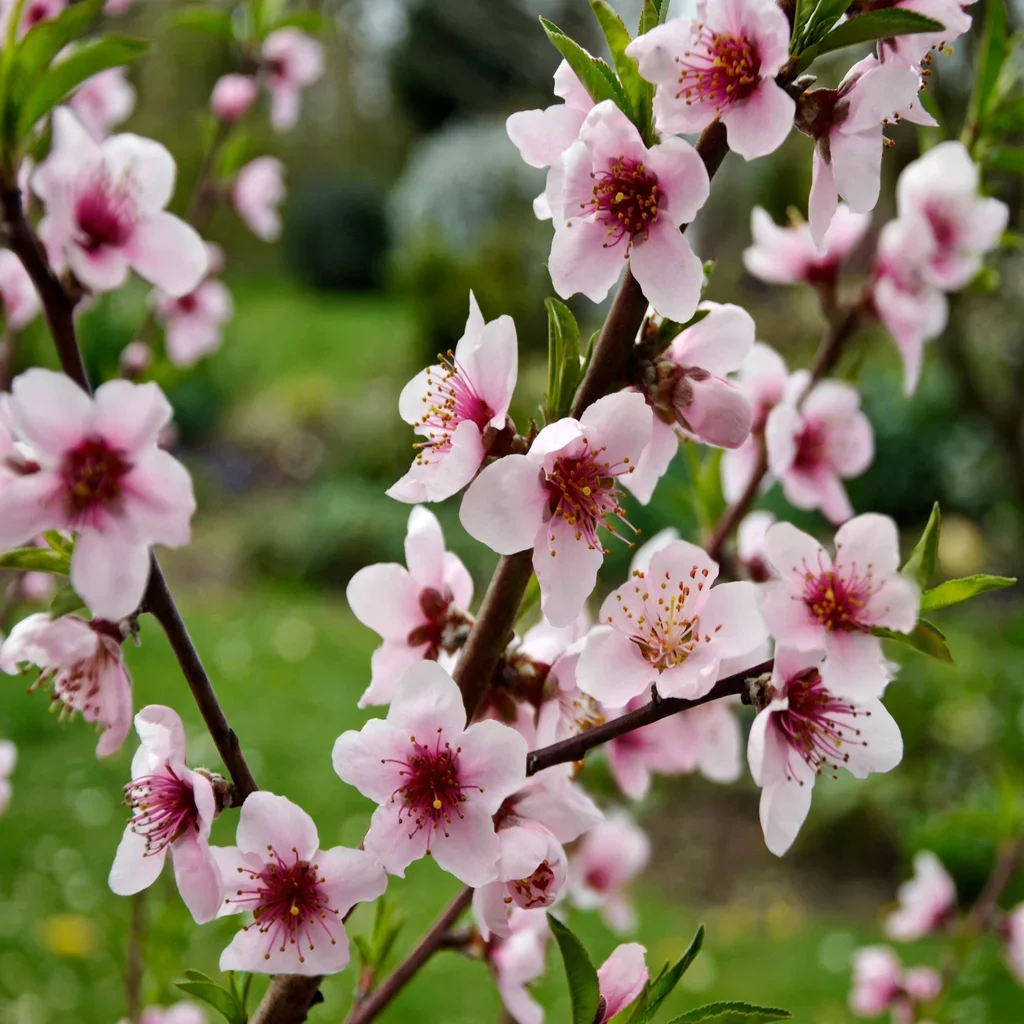
Hale Haven Peach
Prunus persica 'Hale Haven'
Keep exploring
Explore the genus
Hardy in your zone?
Grow Cherry Laurel with confidence
See it in a design of your actual yard, get zone-matched care reminders, and track it season by season in your garden journal.