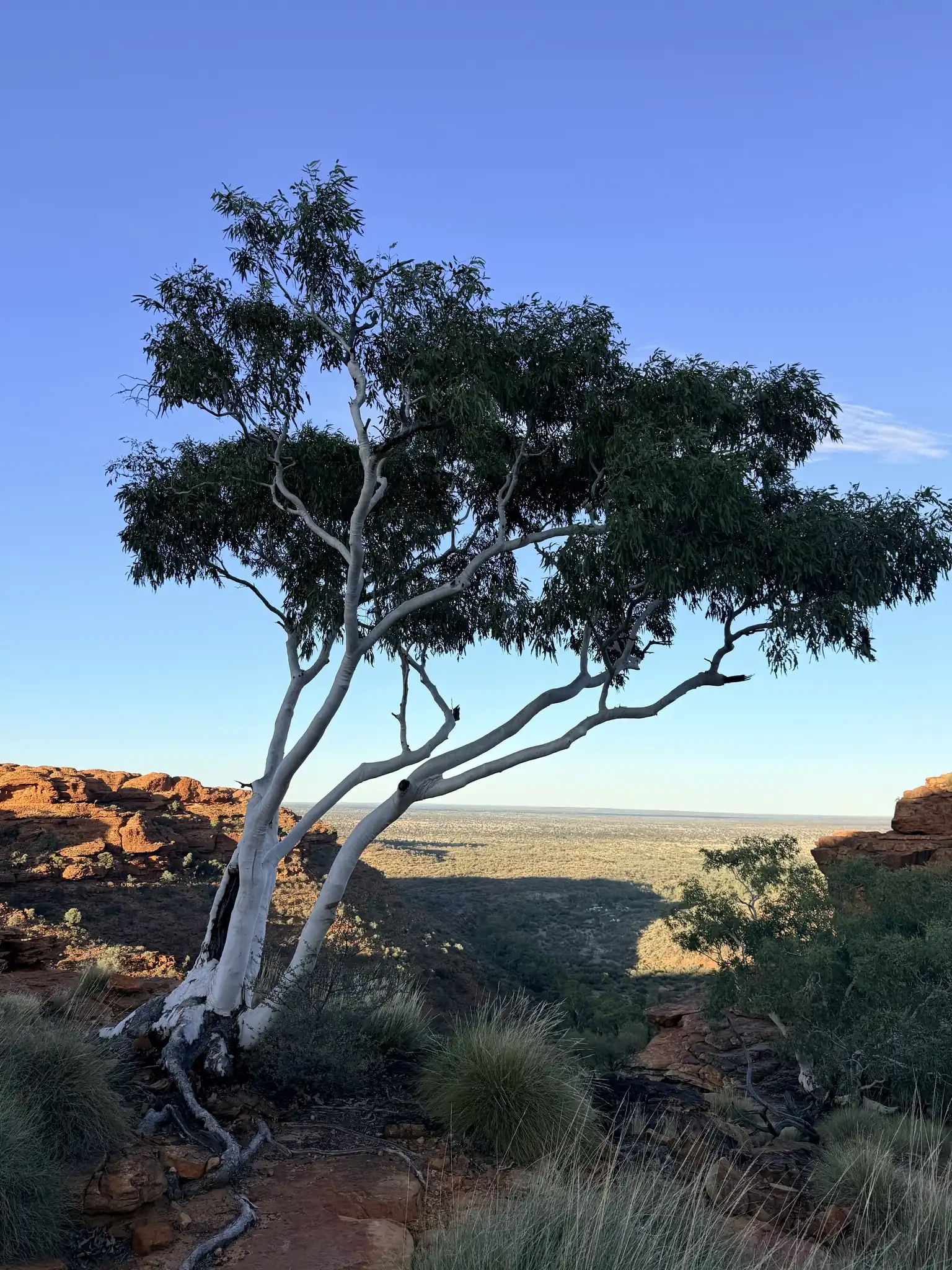
The Story
Plant Bio
Corymbia aparrerinja, the ghost gum, is an erect evergreen tree native to the arid interior of Central Australia, known for its stark white, powdery bark that sheds in thin patches. The crown carries lanceolate, glossy green leaves that contrast sharply with the smooth, pale trunk and branches.
This species develops a prominent basal lignotuber from which it can regenerate, and it produces small, white flowers in branched terminal clusters during the summer. The tree grows along dry creek beds and rocky slopes, adapting to extreme heat and prolonged dry spells.
Uses & Benefits:
Essentials
At a Glance
Plant Type
Tree
Height
780"
Width
590"
Light
Full Sun
Zones
9, 10
Water
Low
Humidity
Low
Lifespan
Long-lived
Native To
Australia
Toxicity
Mildly toxic if ingested
Bloom period
Summer
In flower about 3 months of the year
Planting
How to Grow
- Select a planting site in full sun with exceptionally well-draining sandy or gravelly soil.
- Dig a hole twice as wide as the root ball but no deeper, keeping the crown level with the surrounding soil.
- Backfill without adding organic amendments or high-phosphorus fertilizers, which can damage the sensitive root system.
- Water deeply to settle the soil, then establish a minimal watering schedule, allowing the substrate to dry completely between applications.
Pro Tip
Prune only to remove dead or crossing branches during dry weather; cutting heavily into old, leafless wood results in slow, unreliable epicormic recovery.
Keep It Thriving
Care Guide
Do
- Plant in a position that receives at least six to eight hours of direct sunlight daily.
- Ensure the soil drains rapidly, using gravel or sand amendments in heavier soils.
- Protect young trees from frost using burlap or temporary covers during their first few winters.
Don't
- Do not overwater, as wet soil rapidly induces Phytophthora or Pythium root rot.
- Do not apply standard high-phosphorus commercial fertilizers.
- Do not prune heavily into old, bare wood.
Seasonal Care Calendar
| Task | Jan | Feb | Mar | Apr | May | Jun | Jul | Aug | Sep | Oct | Nov | Dec |
|---|---|---|---|---|---|---|---|---|---|---|---|---|
| Fertilize | ||||||||||||
| Pest Check | ||||||||||||
| Prune | ||||||||||||
| Winter Prep |
Watch Out For
Pests & Diseases
Common Pests
Common Diseases
In the Garden
Landscape Uses & Companions
Landscape Uses
Companion Plants
Multiply
Propagation Methods
Good to Know
Common Questions
Ghost Gum questions
What zones can Ghost Gum grow in?
Ghost Gum is hardy in USDA Zones 9–10. Inside that range it survives winter in the ground; outside it, grow it as an annual or a container plant you protect.
Is Ghost Gum deer resistant?
Not reliably. Deer may browse Ghost Gum, especially tender spring growth — plan on repellents or fencing where pressure is high.
When does Ghost Gum bloom?
Ghost Gum typically blooms in summer through summer. Exact timing shifts a week or two with your zone — Sow's bloom calendar maps it to your garden.
Does Ghost Gum need full sun?
Ghost Gum does best in full sun (6+ hours).
Is Ghost Gum drought tolerant?
Yes — once established (usually after the first full season), Ghost Gum handles dry spells with minimal watering. Water deeply its first year to build the root system that makes that possible.
More Corymbia to compare
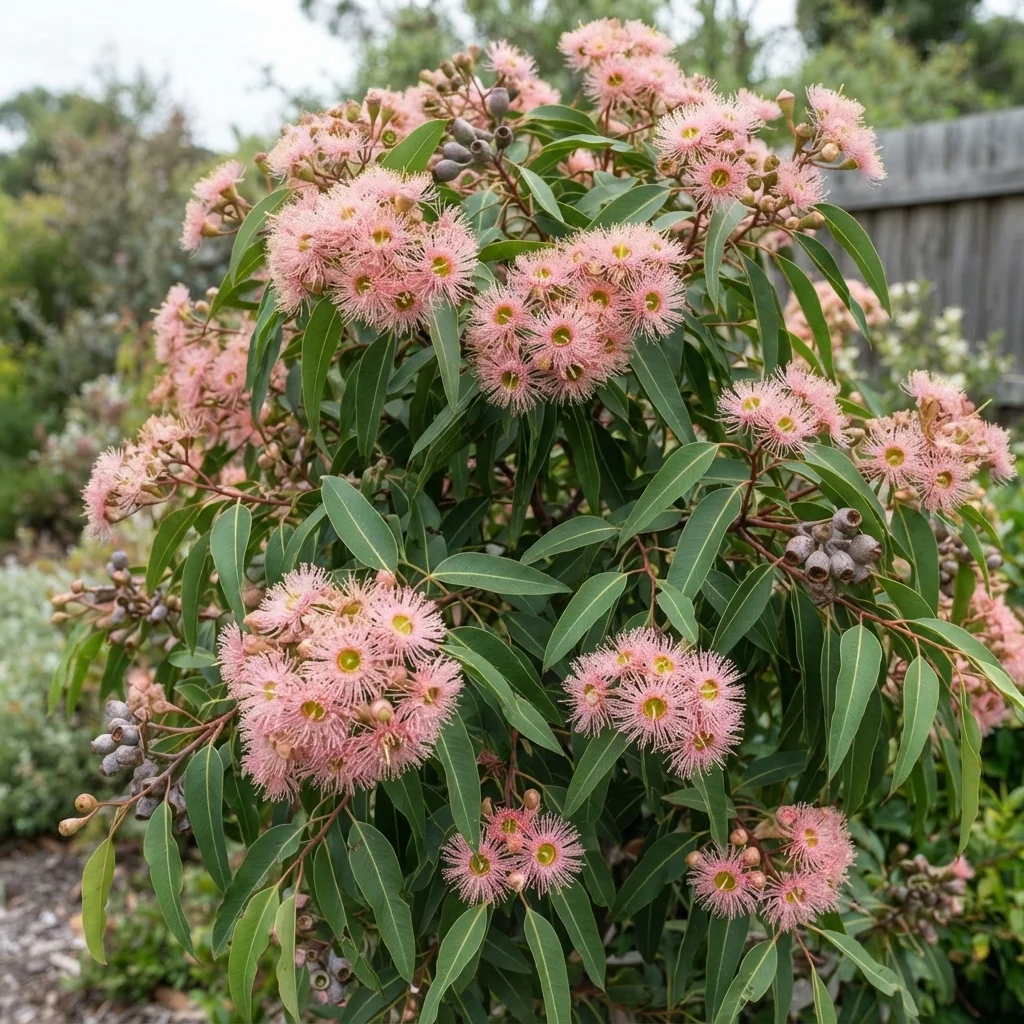
Summer Beauty Flowering Gum
Corymbia x hybrida 'Summer Beauty'
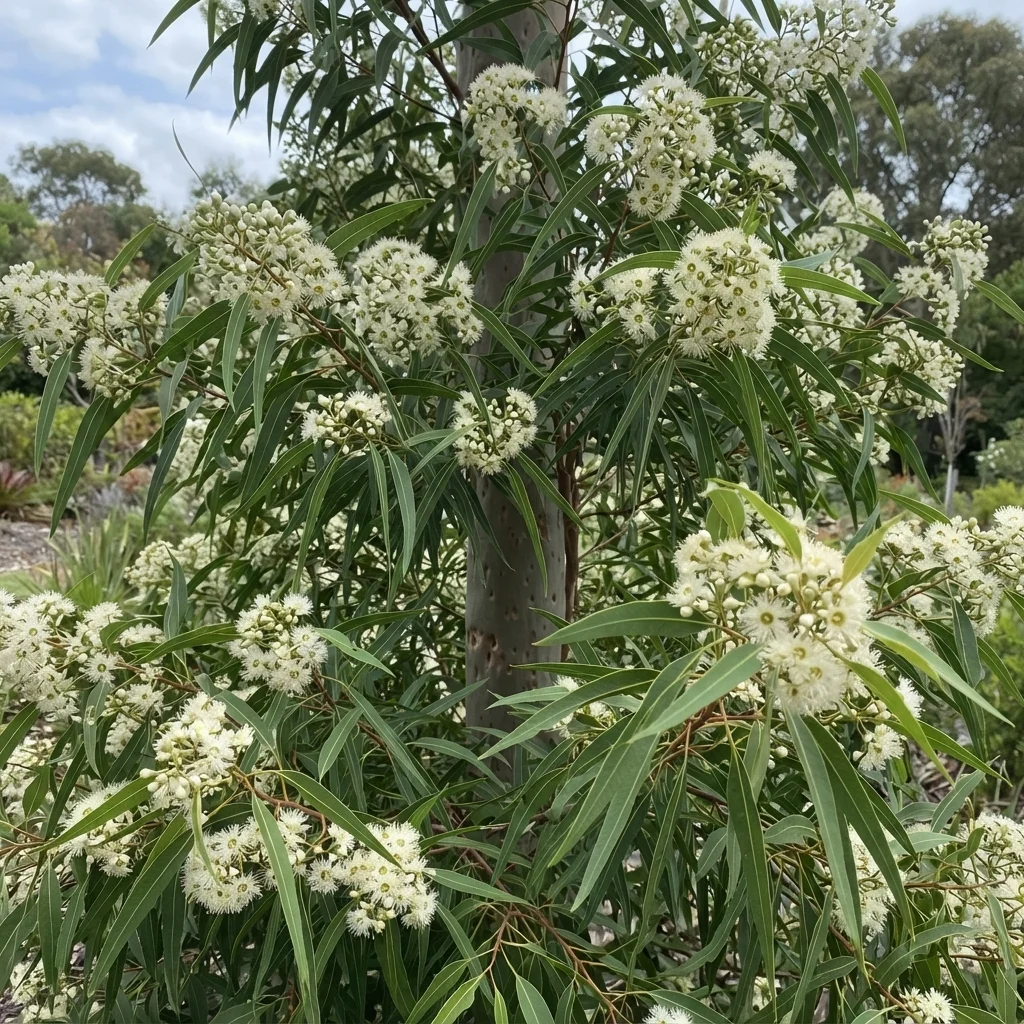
Lemon-scented Gum
Corymbia citriodora
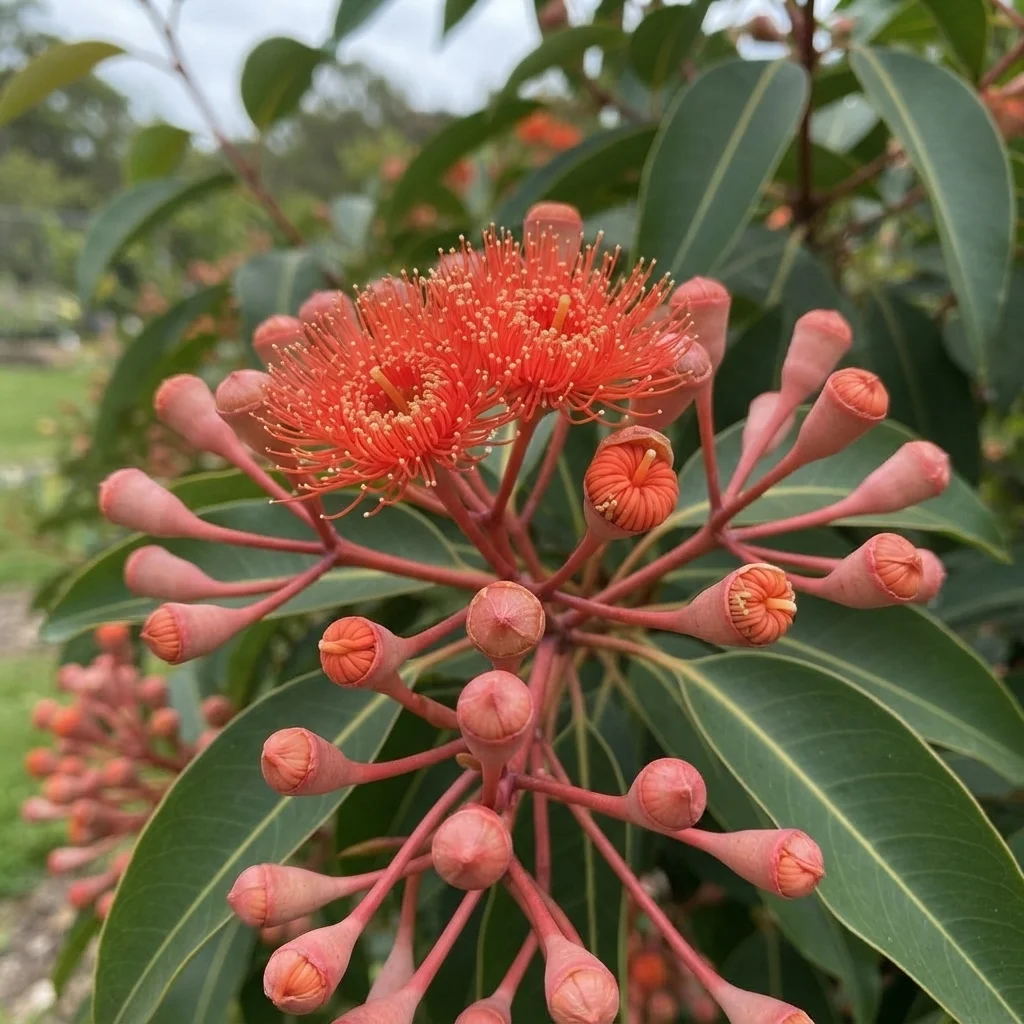
Baby Orange Flowering Gum
Corymbia ficifolia 'Baby Orange'
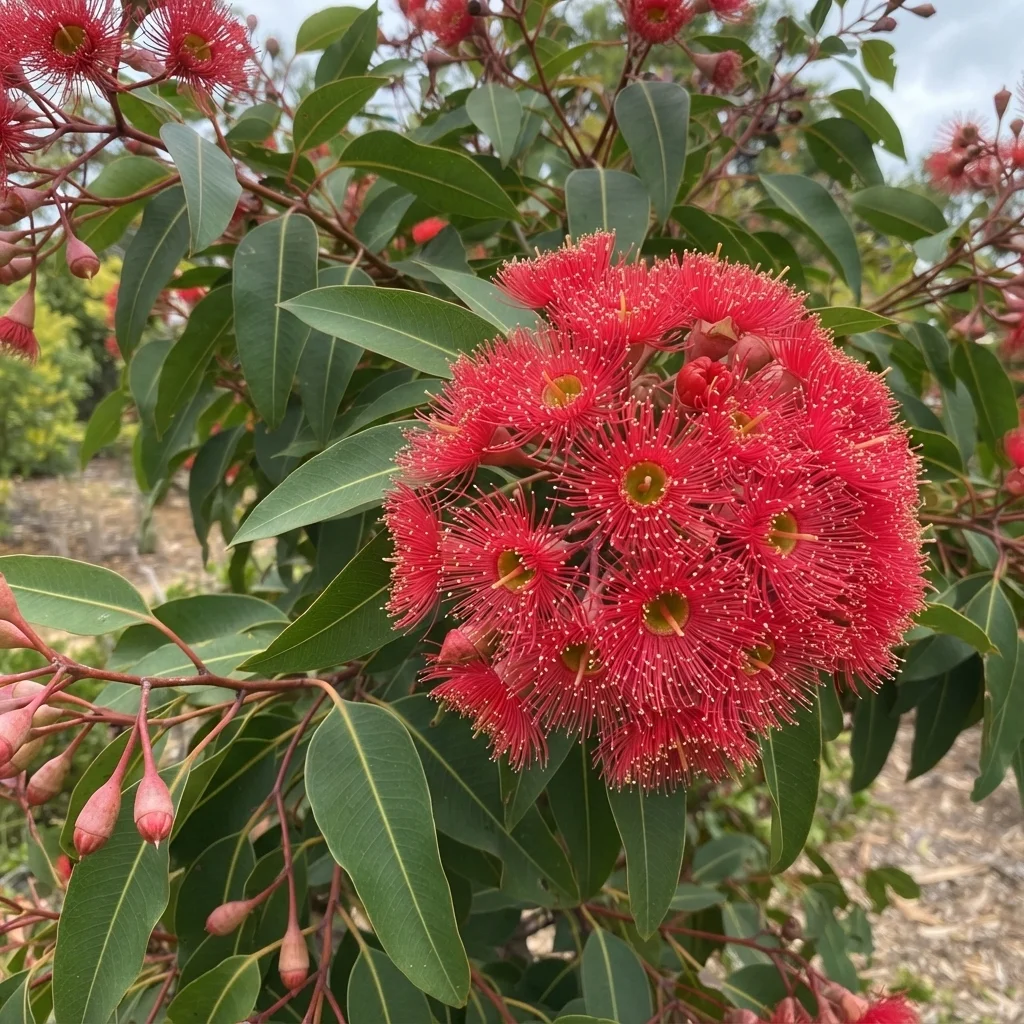
Red Flowering Gum
Corymbia ficifolia
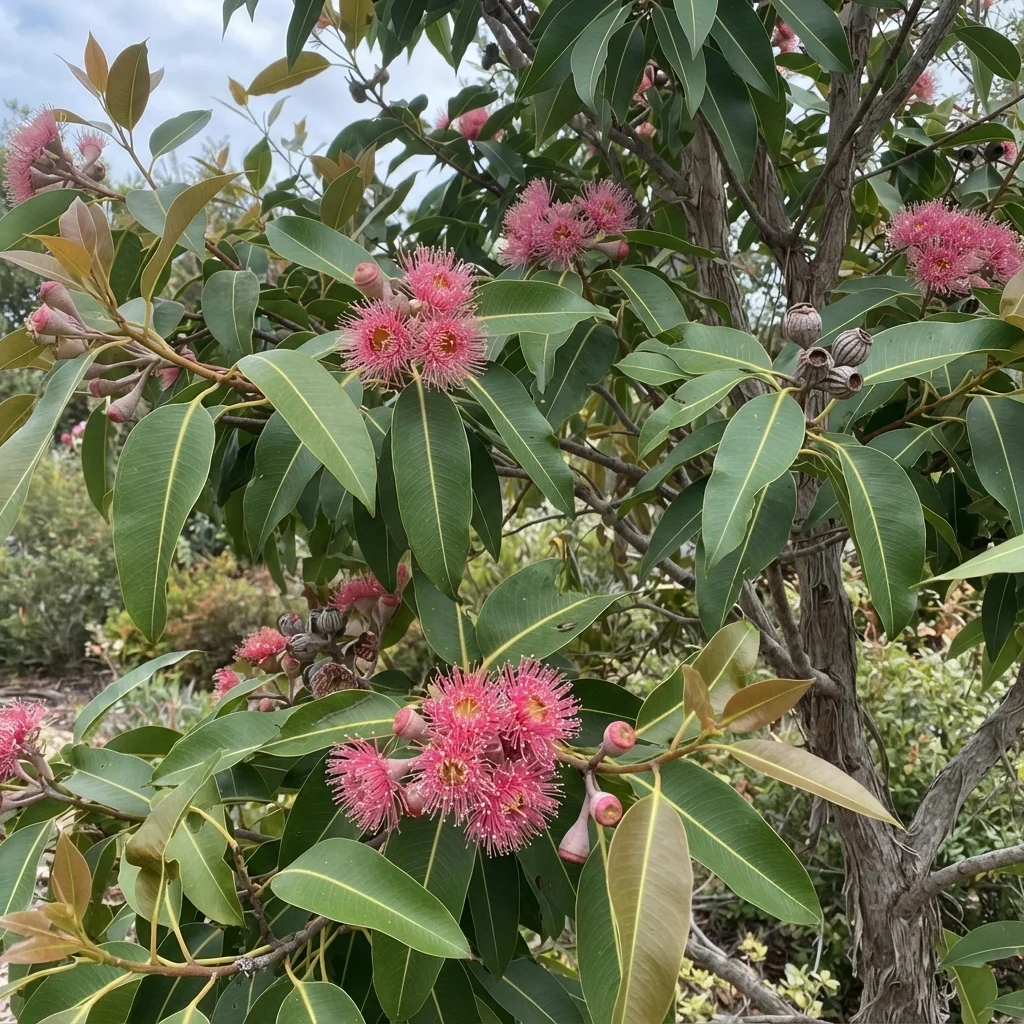
Swamp Bloodwood
Corymbia ptychocarpa
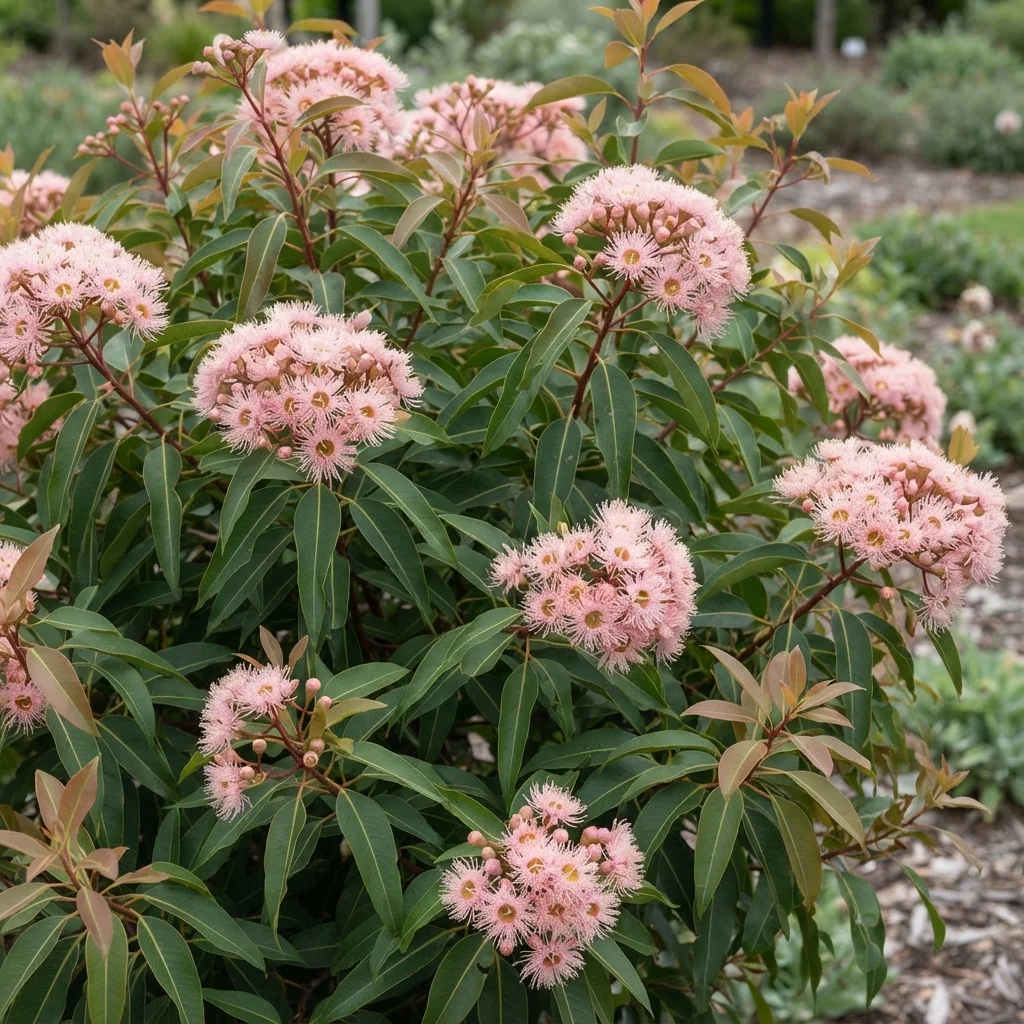
Red-flowering Gum
Corymbia ficifolia 'Fairy Floss'
Keep exploring
Explore the genus
Hardy in your zone?
Grow Ghost Gum with confidence
See it in a design of your actual yard, get zone-matched care reminders, and track it season by season in your garden journal.