The Story
Plant Bio
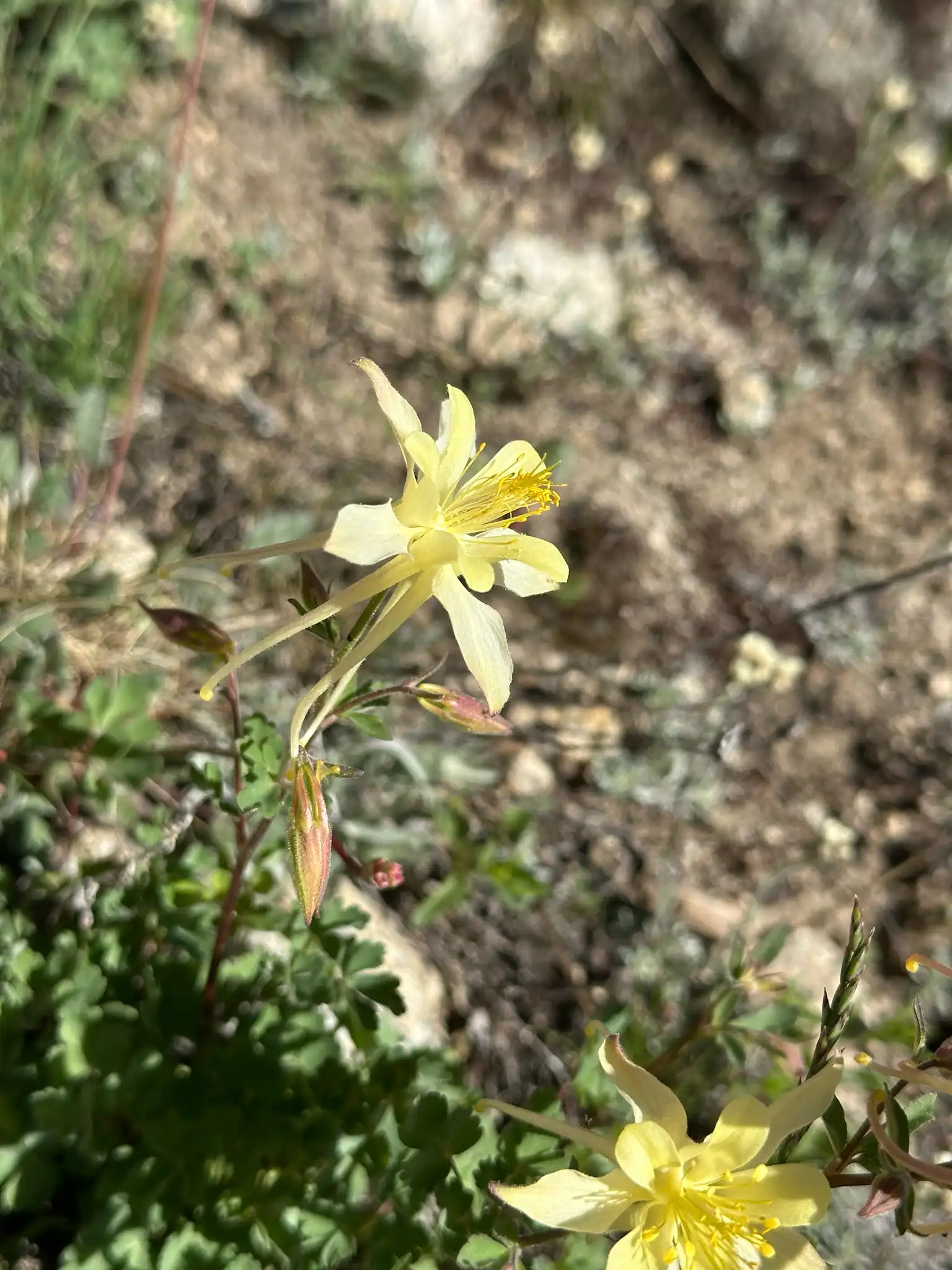
Aquilegia pubescens, the Sierra columbine, is a clumping alpine perennial native to high-elevation rock outcrops and seeps in California's Sierra Nevada mountains. It forms low rosettes of compound green foliage beneath erect, long-spurred cream, yellow, or pink flowers held facing upward on fine, sticky stems throughout summer.
Unlike most columbines with nodding blooms, this species presents upright flowers with exceptionally long straight spurs adapted to hawkmoth and hummingbird pollination. The compound leaves often develop a subtle reddish-green tint and are covered in short glandular hairs.
Uses & Benefits:
Essentials
At a Glance
Plant Type
Perennial
Height
20"
Width
20"
Light
Full Sun, Partial Sun
Zones
7, 8, 9, 10
Water
Moderate
Humidity
Low
Lifespan
Perennial
Native To
North America (California)
Toxicity
Toxic if ingested
Bloom period
Summer – Late summer
In flower about 3 months of the year
Planting
How to Grow
- Select a planting site in full sun to part shade featuring gritty, gravelly, or well-drained loamy soil.
- Set crowns level with the soil surface, taking care not to bury the central rosette beneath heavy soil or thick mulch.
- Water moderately through the first summer while the deep taproot establishes.
- Cut spent flower stems and deteriorating leaves back to ground level late in the season.
Pro Tip
Provide gritty, sharply draining soil with cool root runs and bright morning light, taking care never to overwater established plants in heavy clay during hot summer weather.
Keep It Thriving
Care Guide
Do
- Plant in fast-draining, gritty or rocky soils
- Provide partial afternoon shade in hot summer climates
- Prune dead foliage back to the ground late in the season
Don't
- Do not plant in heavy, poorly drained clay soils
- Do not overwater established clumps during hot summer months
- Do not cut back into old, leafless woody stems
Seasonal Care Calendar
| Task | Jan | Feb | Mar | Apr | May | Jun | Jul | Aug | Sep | Oct | Nov | Dec |
|---|---|---|---|---|---|---|---|---|---|---|---|---|
| Pest Check | ||||||||||||
| Plant | ||||||||||||
| Prune | ||||||||||||
| Spring Cleanup |
Watch Out For
Pests & Diseases
Common Pests
Common Diseases
In the Garden
Landscape Uses & Companions
Landscape Uses
Multiply
Propagation Methods
Good to Know
Common Questions
Sierra Columbine questions
What zones can Sierra Columbine grow in?
Sierra Columbine is hardy in USDA Zones 7–10: in that range it survives winter in the ground. Colder than Zone 7, grow it in a container you can move to shelter for the winter, or as an annual.
Is Sierra Columbine deer resistant?
Not reliably. Deer may browse Sierra Columbine, especially tender spring growth — plan on repellents or fencing where pressure is high.
When does Sierra Columbine bloom?
Sierra Columbine typically blooms in summer. Exact timing shifts a week or two with your zone — Sow's bloom calendar maps it to your garden.
Does Sierra Columbine need full sun?
Sierra Columbine does best in full sun to part shade. In hot climates, afternoon shade keeps blooms fresher longer.
Is Sierra Columbine drought tolerant?
Yes — once established (usually after the first full season), Sierra Columbine handles dry spells with minimal watering. Water deeply its first year to build the root system that makes that possible.
More Aquilegia to compare
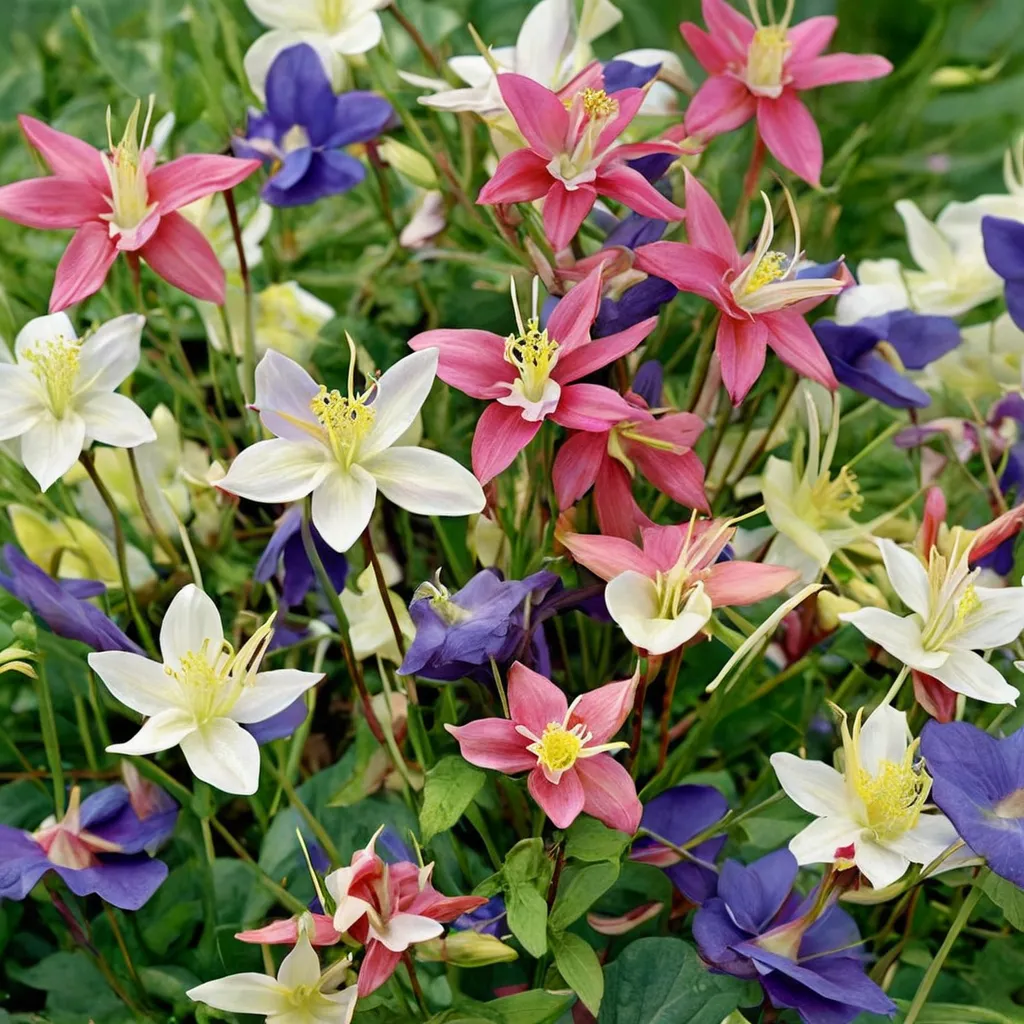
Columbine Mix
Aquilegia x hybrida 'Mix'
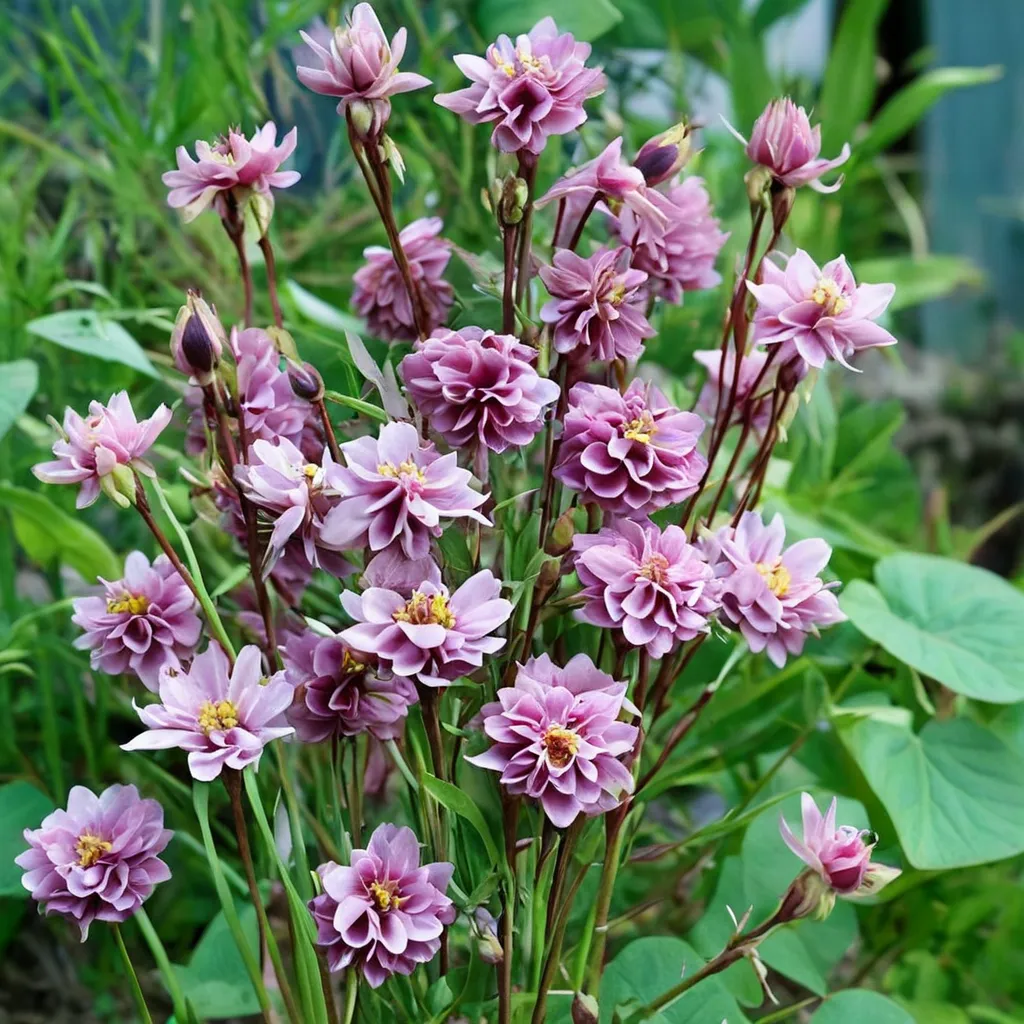
Columbine Double Flowers
Aquilegia vulgaris 'Double Flowers'
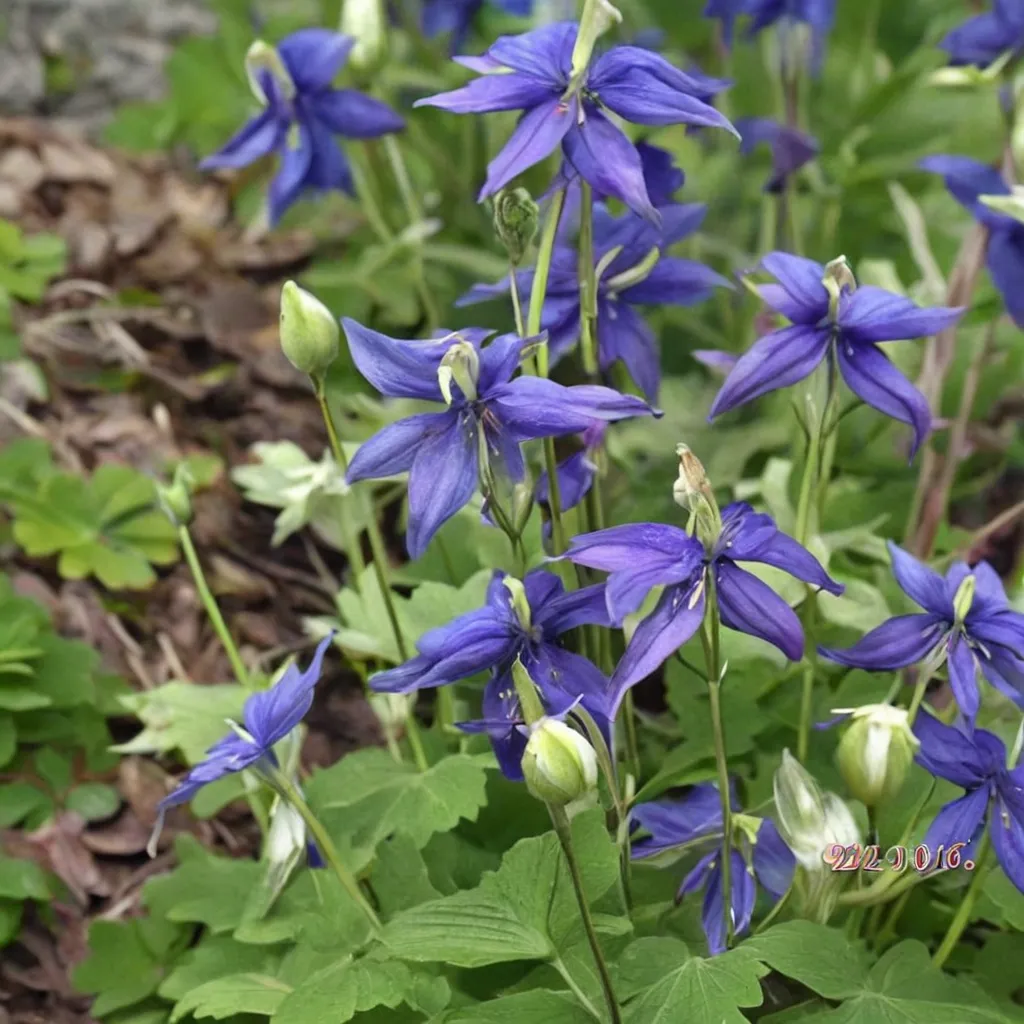
Melba Higgins Columbine
Aquilegia x hybrida 'Melba Higgins'
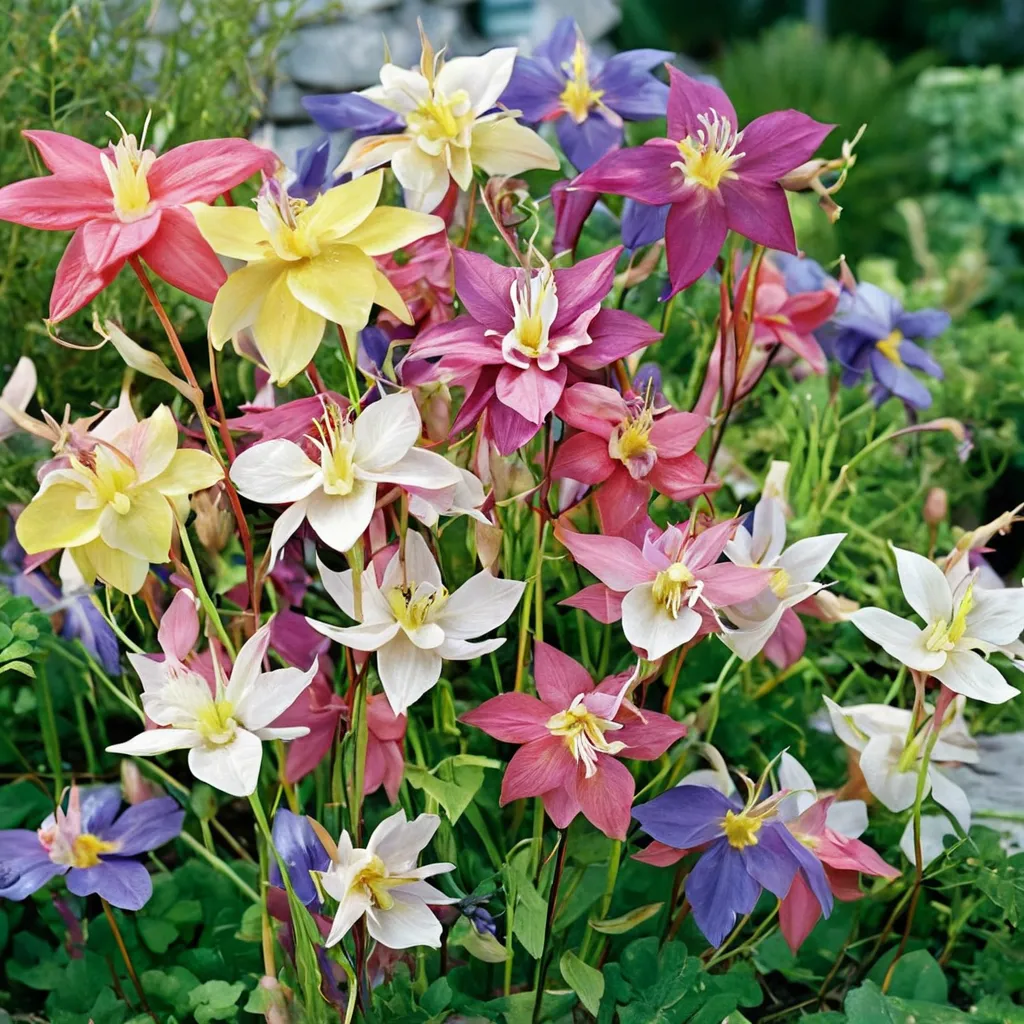
Columbine McKana Hybrids
Aquilegia vulgaris 'McKana Hybrids'
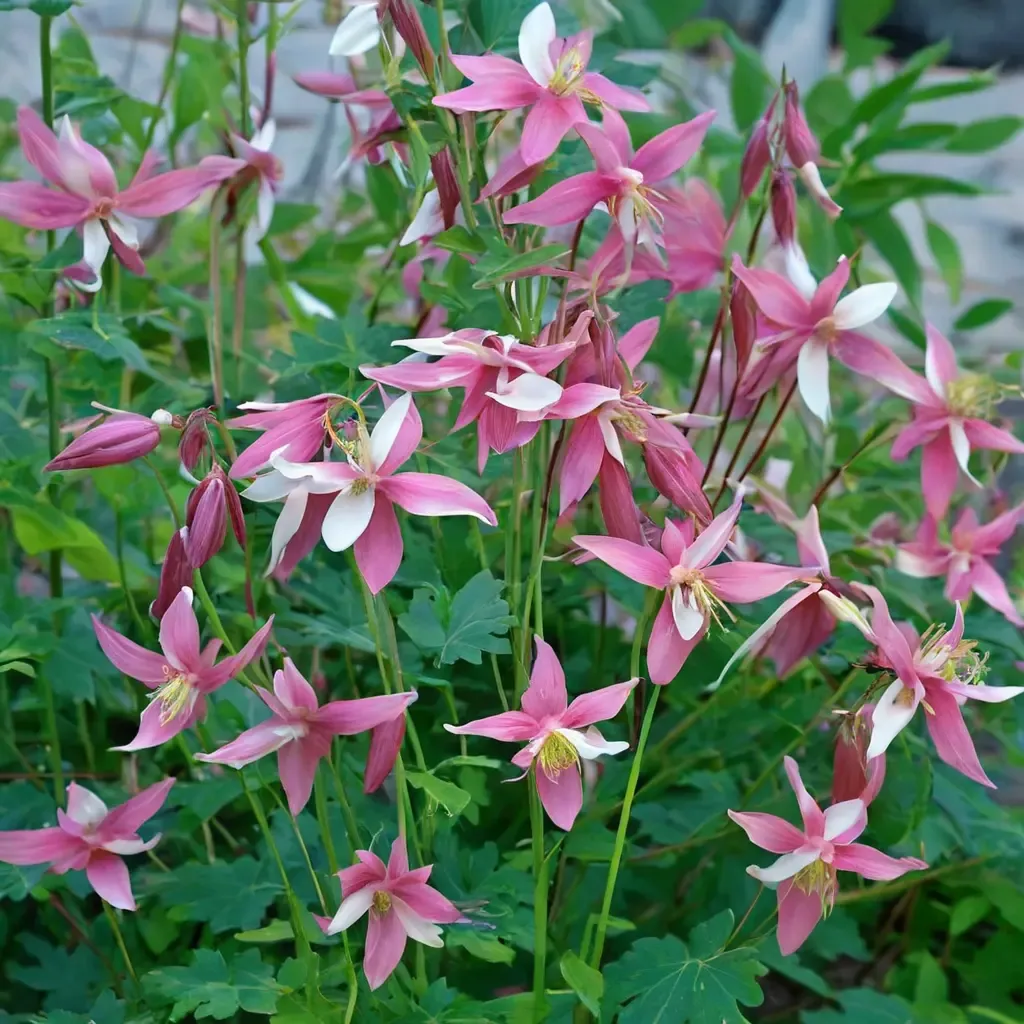
Biedermeier Columbine
Aquilegia vulgaris 'Biedermeier'
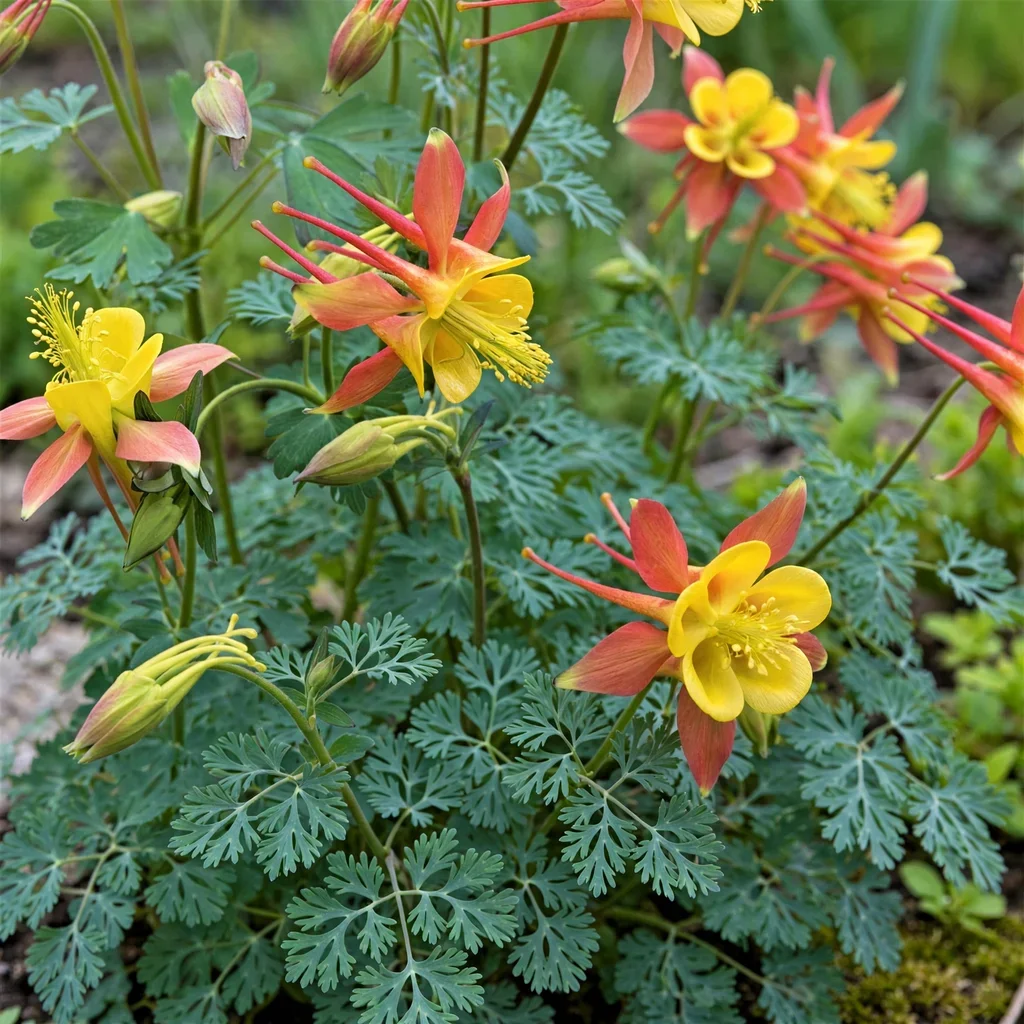
Tequila Sunrise Columbine
Aquilegia x hybrida 'Tequila Sunrise'
Keep exploring
Hardy in your zone?
Grow Sierra Columbine with confidence
See it in a design of your actual yard, get zone-matched care reminders, and track it season by season in your garden journal.