The Story
Plant Bio
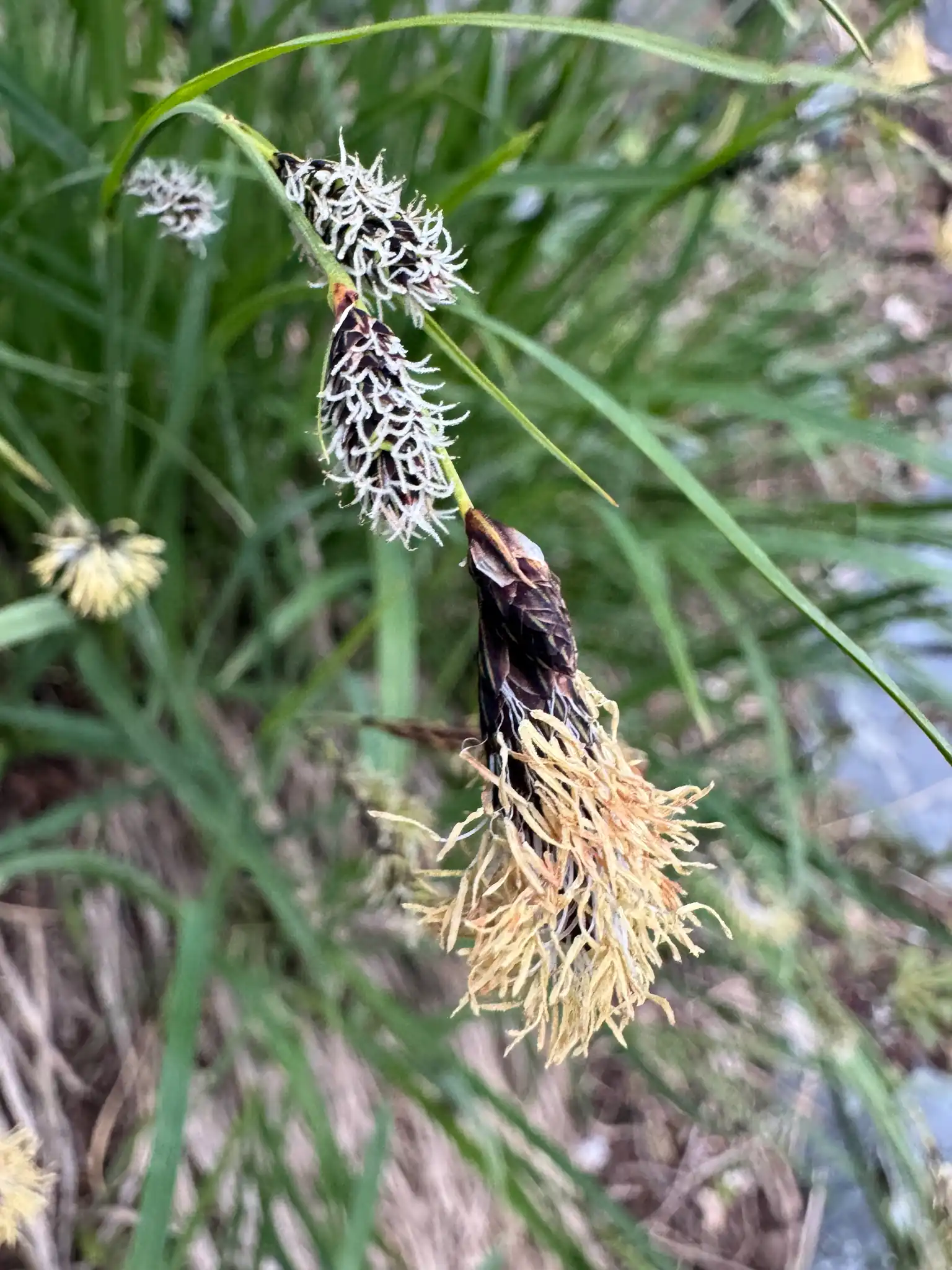
Carex spectabilis is a perennial sedge native to high-elevation mountain and alpine regions of western North America, forming dense clumps of arching, shiny green to silver-cast foliage. In summer, it carries dense clusters of dark purple to blackish floral spikelets on upright stems above the leaves.
This high-altitude species stands out for its striking purplish-black flower scales and broad, grass-like leaf blades that drop as a stress response if moisture fails. It thrives in damp, cool mountain environments where standard warm-season grasses fail to establish.
Uses & Benefits:
Essentials
At a Glance
Plant Type
Grass
Height
35"
Width
39"
Light
Full Sun, Partial Sun
Zones
5, 6, 7
Water
High
Humidity
Medium
Lifespan
Perennial
Native To
Western North America
Toxicity
Non-Toxic
Bloom period
Summer – Fall
In flower about 6 months of the year
Planting
How to Grow
- Select a planting site in full sun to partial shade with rich, damp soil that stays consistently moist.
- Dig a hole twice as wide as the root container and deep enough to sit the root crown level with the surrounding soil.
- Backfill with soil mixed with organic matter, pressing firmly around the roots to eliminate air pockets.
- Water thoroughly after planting and apply a thin layer of organic mulch to keep the root zone cool and moist.
Pro Tip
Avoid heavy annual shearing; sedges recover slowly from hard cutting, so clean up plants by pulling dead leaves away by hand or lightly trimming tattered tips in spring.
Keep It Thriving
Care Guide
Do
- Keep soil consistently moist, especially during summer heat.
- Plant in organic-rich, acidic to neutral soil along pond margins or boggy sites.
- Gently comb out old or dead foliage by hand in spring.
Don't
- Do not shear foliage straight across to the ground.
- Do not allow soil to dry out completely during active growth.
- Do not apply heavy doses of synthetic fertilizer.
Seasonal Care Calendar
| Task | Jan | Feb | Mar | Apr | May | Jun | Jul | Aug | Sep | Oct | Nov | Dec |
|---|---|---|---|---|---|---|---|---|---|---|---|---|
| Divide | ||||||||||||
| Fertilize | ||||||||||||
| Pest Check | ||||||||||||
| Spring Cleanup |
Watch Out For
Pests & Diseases
Common Pests
Common Diseases
In the Garden
Landscape Uses & Companions
Landscape Uses
Multiply
Propagation Methods
Good to Know
Common Questions
Showy Sedge questions
What zones can Showy Sedge grow in?
Showy Sedge is hardy in USDA Zones 5–7. Inside that range it survives winter in the ground; outside it, grow it as an annual or a container plant you protect.
When does Showy Sedge bloom?
Showy Sedge typically blooms in summer through fall. Exact timing shifts a week or two with your zone — Sow's bloom calendar maps it to your garden.
Does Showy Sedge need full sun?
Showy Sedge does best in full sun to part shade. In hot climates, afternoon shade keeps blooms fresher longer.
More Carex to compare
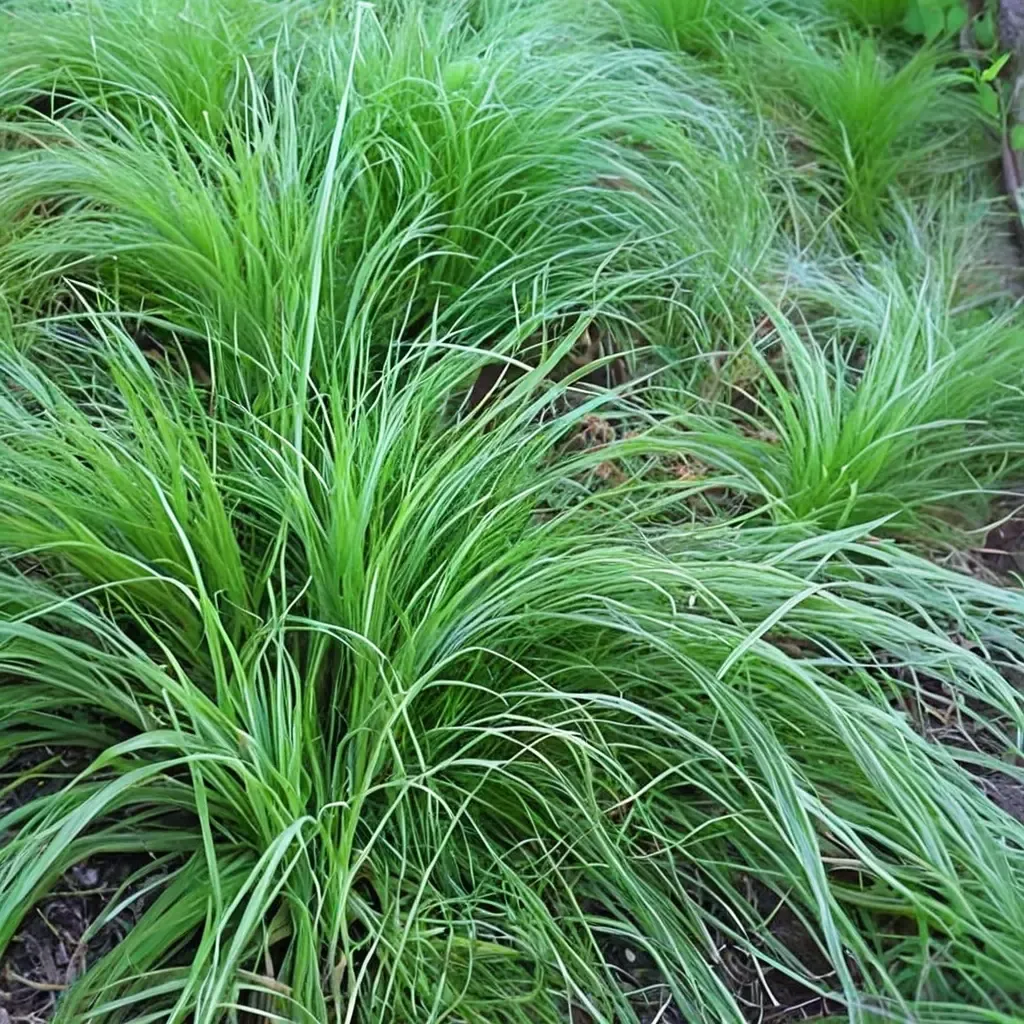
Pennsylvania Sedge
Carex pensylvanica
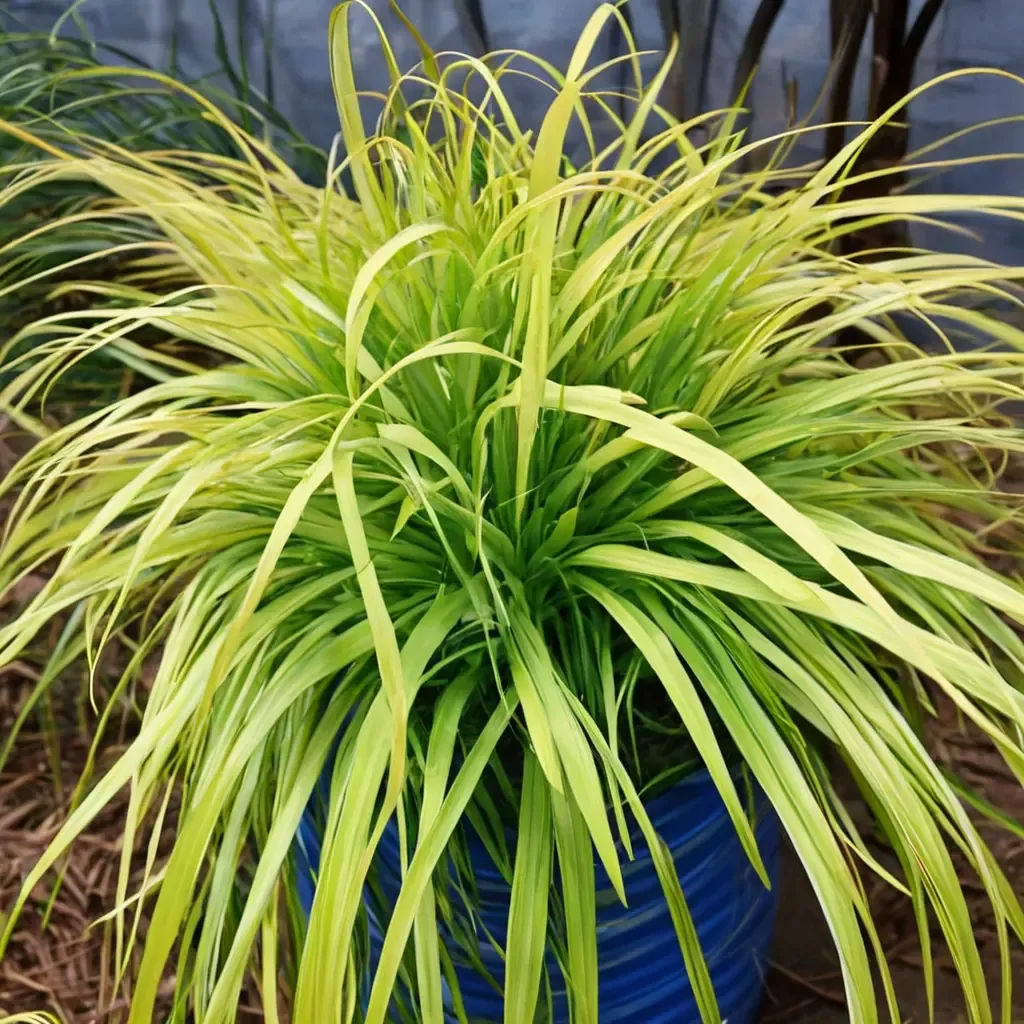
Everillo Sedge
Carex oshimensis 'Everillo'
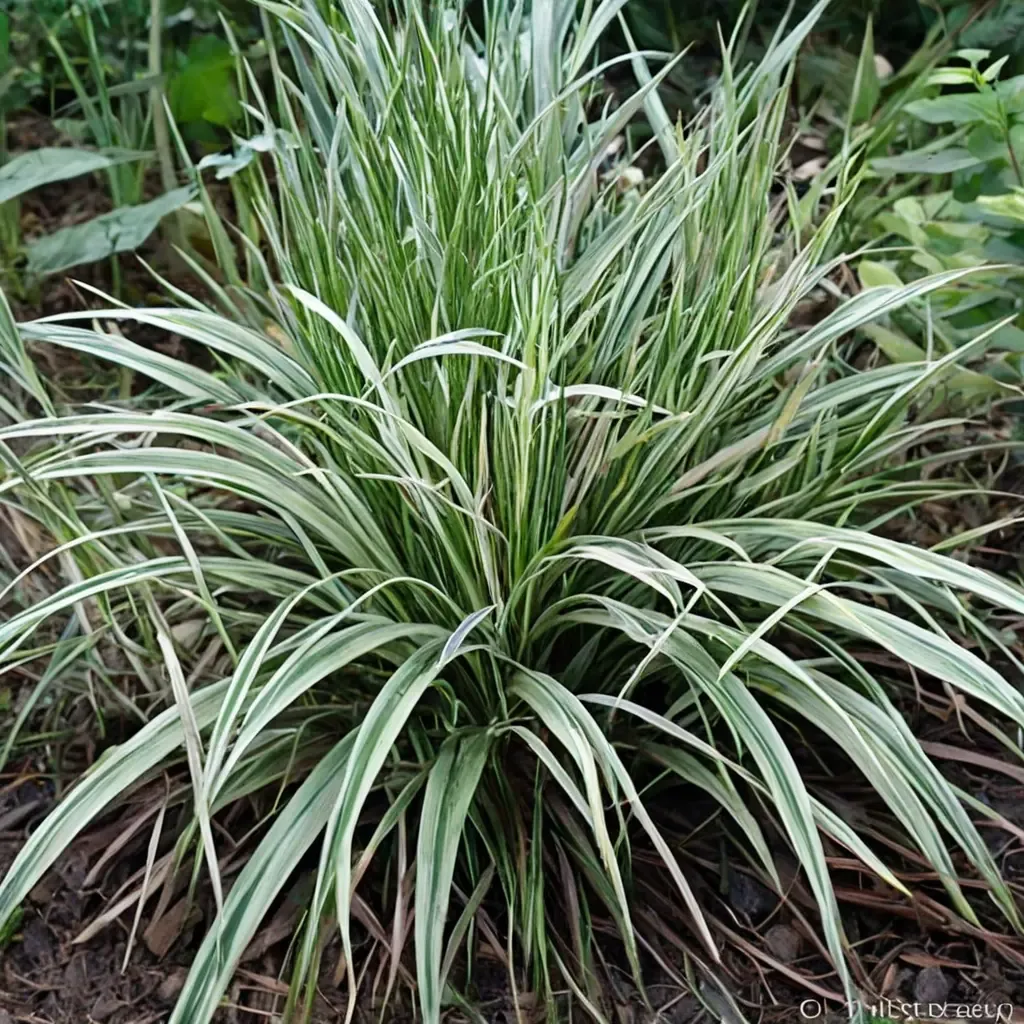
Japanese Sedge
Carex morrowii
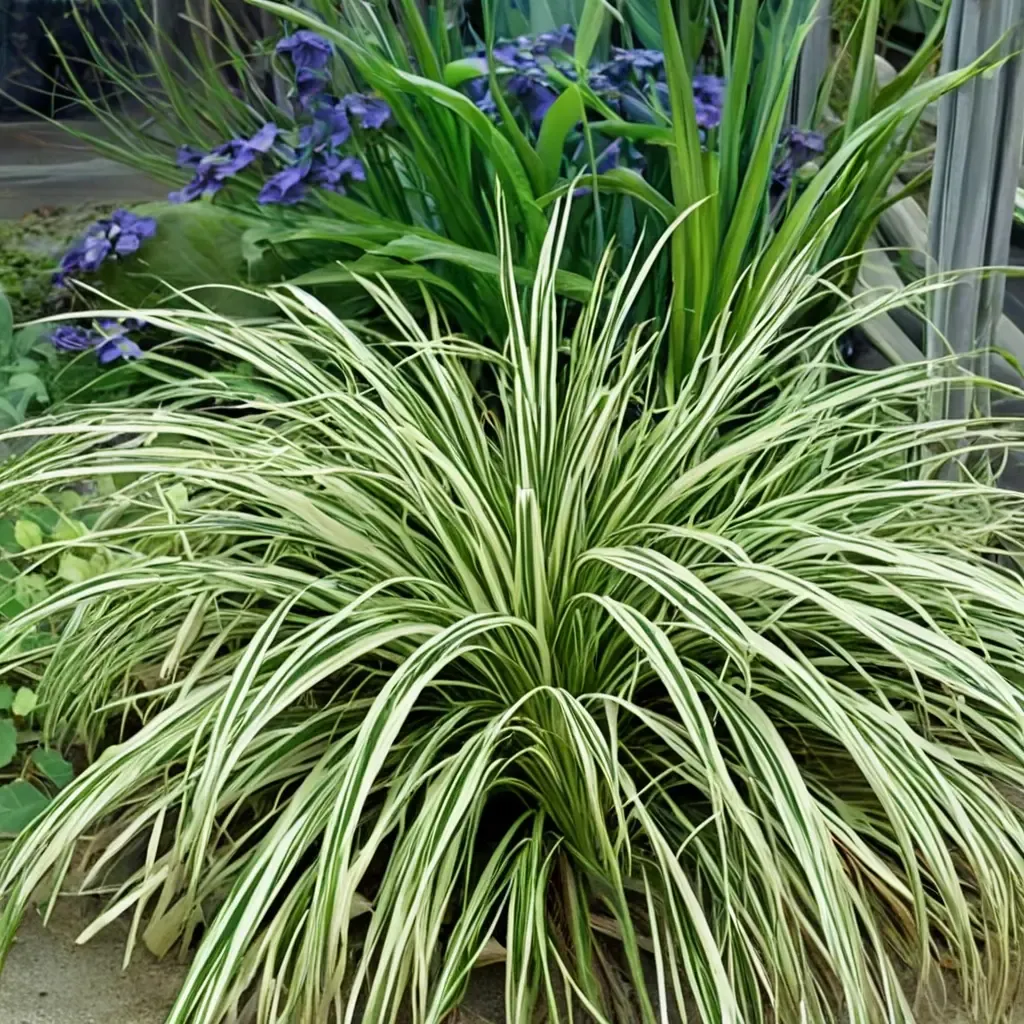
Evergold Japanese Sedge
Carex oshimensis 'Evergold'
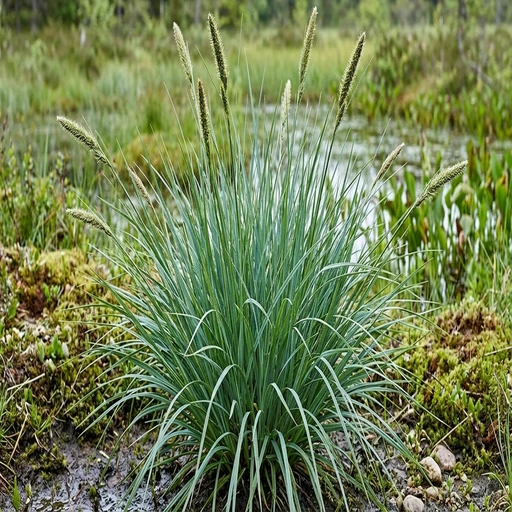
Comosa Sedge
Carex comosa
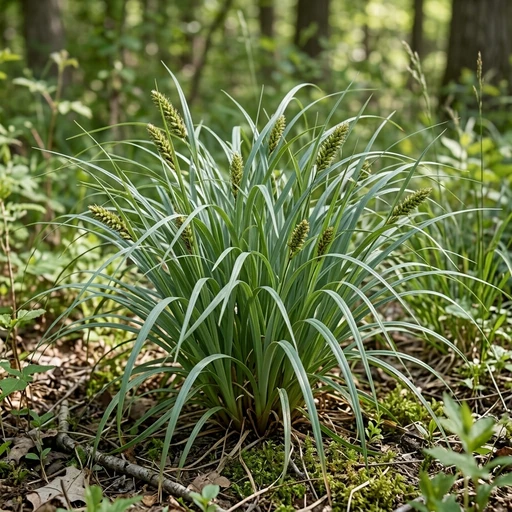
Shortbeak Sedge
Carex brevior
Keep exploring
Explore the genus
Hardy in your zone?
Grow Showy Sedge with confidence
See it in a design of your actual yard, get zone-matched care reminders, and track it season by season in your garden journal.