Also known as False Hellebore · 44 saves
Veratrum
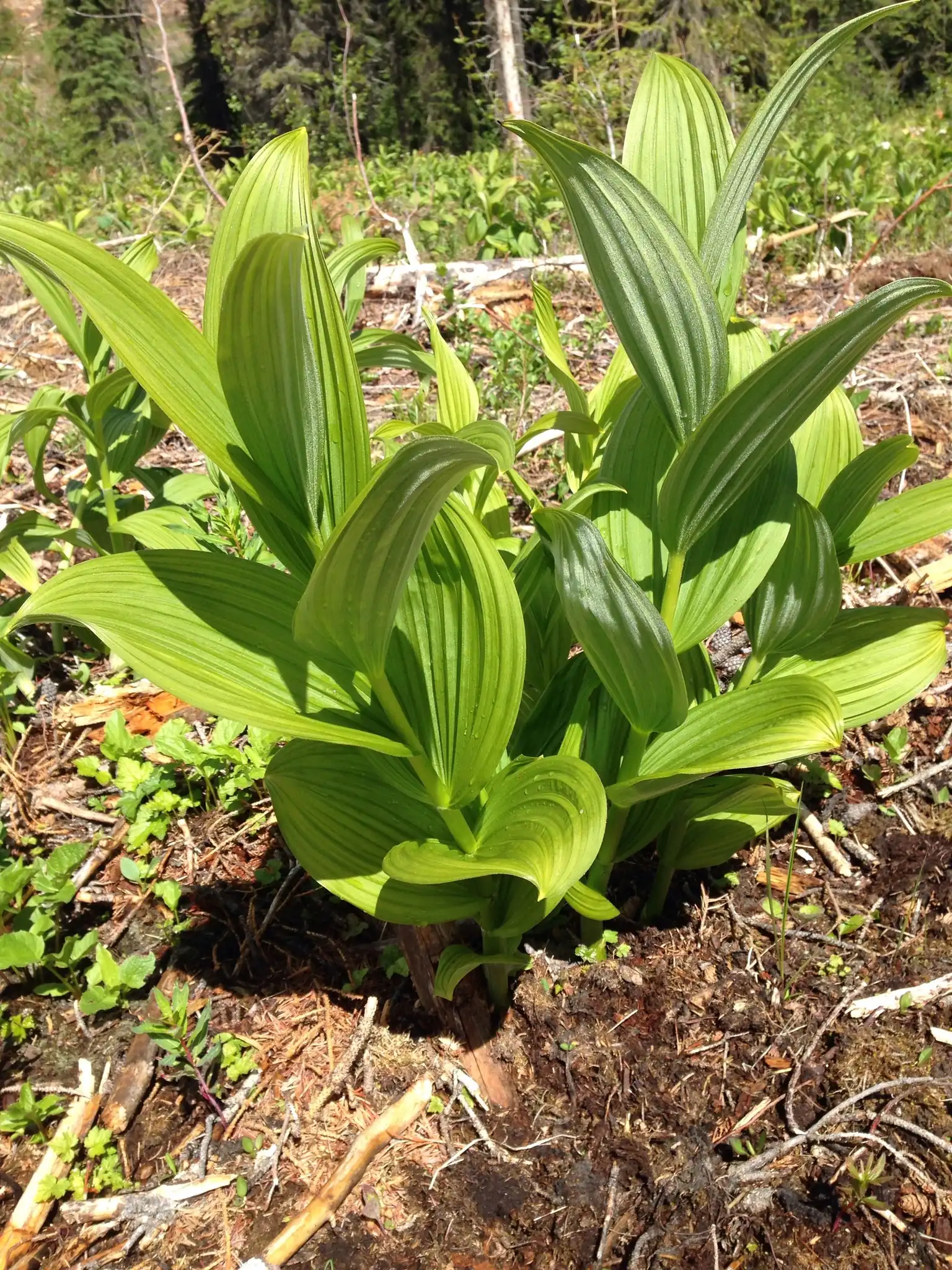
Veratrum, the genus most gardeners know as false hellebore. We track 3 varieties; the ones most used by real gardeners.
The 2 most-saved Veratrum varieties
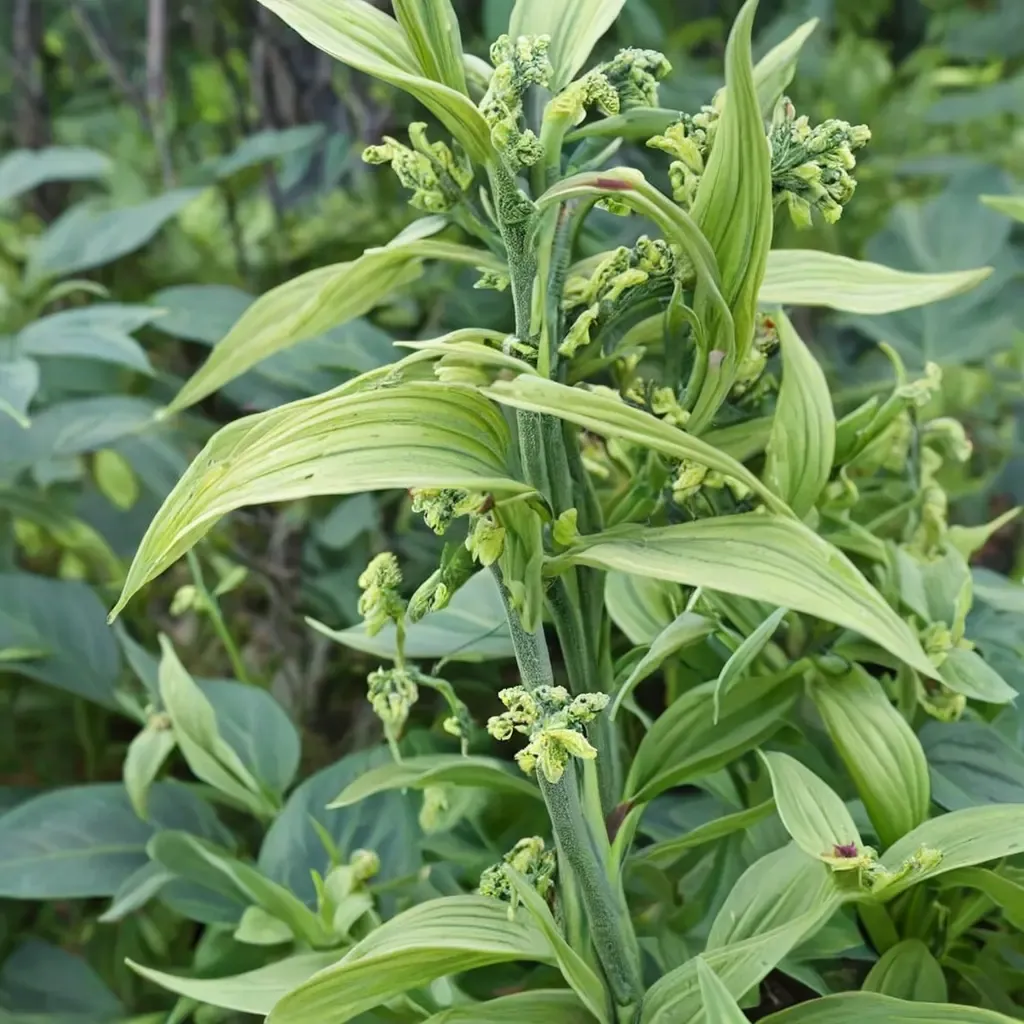
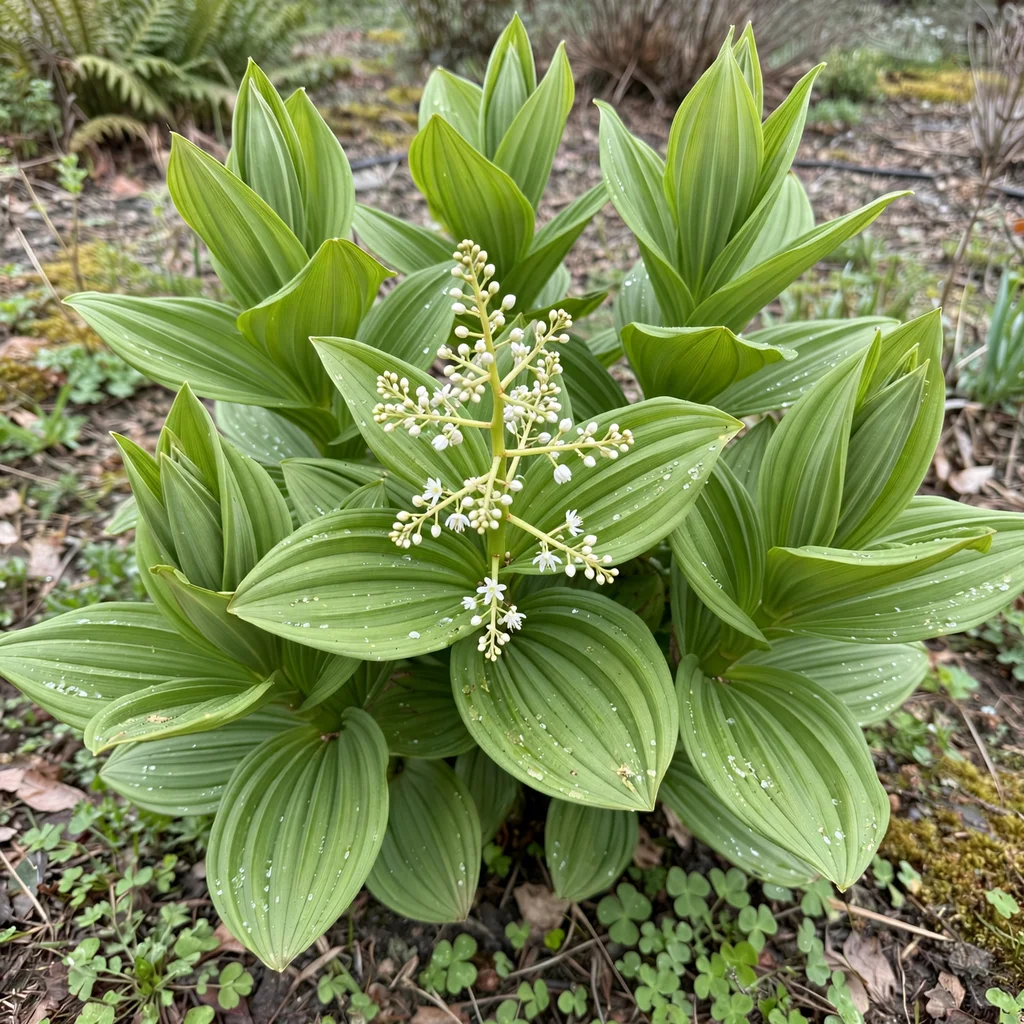
Browse all 3 Veratrum varieties →
2 species of Veratrum
Each one is a parent of the varieties above.
Track your Veratrum in Sow
Save the Veratrum you grow and get care reminders timed to your zone.
How to grow Veratrum
Whats common across all Veratrum varieties in our catalog — drawn from the care records of the 3 most-grown of them.
The Veratrum year
- PruneSeptember and October100% of varieties
Cut back spent flower stalks after blooming is complete.
- DivideOctober67% of varieties
Divide only if necessary (every 10+ years), as roots resent disturbance.
- FertilizeApril67% of varieties
Apply a balanced, slow-release fertilizer as new growth begins.


Do
- Water regularly to keep soil moist 🌱
- Provide partial shade in hot climates
- Apply organic fertilizer in spring
- Mulch to retain soil moisture
- Monitor for pests and treat early
Avoid
- Avoid overwatering to prevent root rot ❌
- Don’t expose plants to direct, harsh midday sun in summer
- Never neglect pest inspections
- Do not disturb roots during the growing season
What goes wrong with Veratrum
| Problem | What you'll see | What to do |
|---|---|---|
| Aphids | Sticky residue and distorted leaves | Use insecticidal soap or neem oil |
| Generally pest-free | The alkaloids deter all browsing, including deer | No treatment needed |
| Generalist chewing insects | Minor ragged holes on expanding spring foliage | Hand-pick pests or allow natural predators to manage populations, as foliage toxicity deters most major pests. |
| Root rot | Wilting and browning of foliage | Improve drainage and reduce watering |
| Generally disease-free | No significant disease issues reported | Maintain wet soil and air movement |
| Fungal leaf spot | Small dark spots on lower pleated foliage during humid conditions | Space plants to improve air circulation and clear away fallen foliage during winter cleanup. |
Making more Veratrum
Division
- Divide clumps in early spring or fall.
- Use sharp tools to separate root crowns.
- Plant divisions immediately in prepared soil.
- Water thoroughly after planting.
Seed
- Collect mature seeds in late summer.
- Sow seeds in moist, well-draining soil in early spring.
- Maintain soil temperature around 60°F for germination.
- Keep soil consistently moist during germination, approximately 6 weeks.
Veratrum questions
How many types of Veratrum are there?
The Sow catalog tracks 3 distinct Veratrum varieties. The most popular — ranked by 44 real gardeners — are shown first above.
What zones does Veratrum grow in?
Across its varieties, Veratrum covers USDA Zones 4–9. Individual varieties differ — each plant page lists its exact range, and Sow filters the catalog to your zone automatically.
When does Veratrum bloom?
Most Veratrum varieties bloom from late spring to late summer.
Which Veratrum should I choose?
Start from the most-saved varieties above — popularity across thousands of gardens is a strong signal of reliability — then filter by your zone and sun. In the Sow app you can preview any of them in a photo of your actual yard before you buy.