
The Story
Plant Bio
Salvia glechomaefolia is a rhizomatous perennial from the highlands of central Mexico, forming a low spreading colony on wiry sprawling stems. The foliage is bright to yellow-green, small and triangular with scalloped teeth, held sparsely on upright shoots.
Sold as Salvia glechomaefolia, a spelling variant of Salvia glechomifolia, it is now treated as part of Salvia prunelloides, with the garden form set apart by taller 1-foot spikes of 1-inch violet-blue tubular flowers marked with paired white lines on the lower lip. It flowers from summer into fall and spreads by rhizomes into a groundcover mat that tolerates high-elevation chill and summer heat and humidity.
Uses & Benefits:
Essentials
At a Glance
Plant Type
Perennial
Height
12"
Width
24"
Light
Full Sun, Partial Sun
Zones
8, 9, 10
Water
Medium
Humidity
Tolerant
Lifespan
Perennial
Native To
Central Mexico
Toxicity
Unknown
Bloom period
Summer – Fall
In flower about 6 months of the year
Planting
How to Grow
- Plant potted starts in spring after last frost in full sun to part shade.
- Set rhizome crowns at soil level in moisture-retentive soil and water in well.
- Water steadily through summer bloom and feed lightly to hold foliage color.
- Cut spent spikes back to the leaves and let the mat spread to cover.
Pro Tip
Give full sun in cool districts and afternoon shade where summers are hot, and keep water and fertilizer steady while the spikes are up to hold leaf color.
Keep It Thriving
Care Guide
Do
- Plant in full sun to part shade with steady moisture during bloom.
- Feed lightly through summer to support long bloom.
- Allow rhizome spread to form a groundcover mat or contain in pots.
Don't
- Do not let plants sit dry for long periods in summer heat.
- Do not expect hummingbird visits; flowers serve bees and small butterflies.
Seasonal Care Calendar
| Task | Jan | Feb | Mar | Apr | May | Jun | Jul | Aug | Sep | Oct | Nov | Dec |
|---|---|---|---|---|---|---|---|---|---|---|---|---|
| Deadhead | ||||||||||||
| Fertilize | ||||||||||||
| Mulch | ||||||||||||
| Plant | ||||||||||||
| Winter Prep |
Watch Out For
Pests & Diseases
Common Pests
Common Diseases
In the Garden
Landscape Uses & Companions
Landscape Uses
Companion Plants
Multiply
Propagation Methods
Good to Know
Common Questions
Ground Ivy Sage questions
What zones can Ground Ivy Sage grow in?
Ground Ivy Sage is hardy in USDA Zones 8–10: in that range it survives winter in the ground. Colder than Zone 8, grow it in a container you can move to shelter for the winter, or as an annual.
When does Ground Ivy Sage bloom?
Ground Ivy Sage typically blooms from summer to fall. Exact timing shifts a week or two with your zone — Sow's bloom calendar maps it to your garden.
Does Ground Ivy Sage need full sun?
Ground Ivy Sage does best in full sun to part shade. In hot climates, afternoon shade keeps blooms fresher longer.
More Salvia to compare
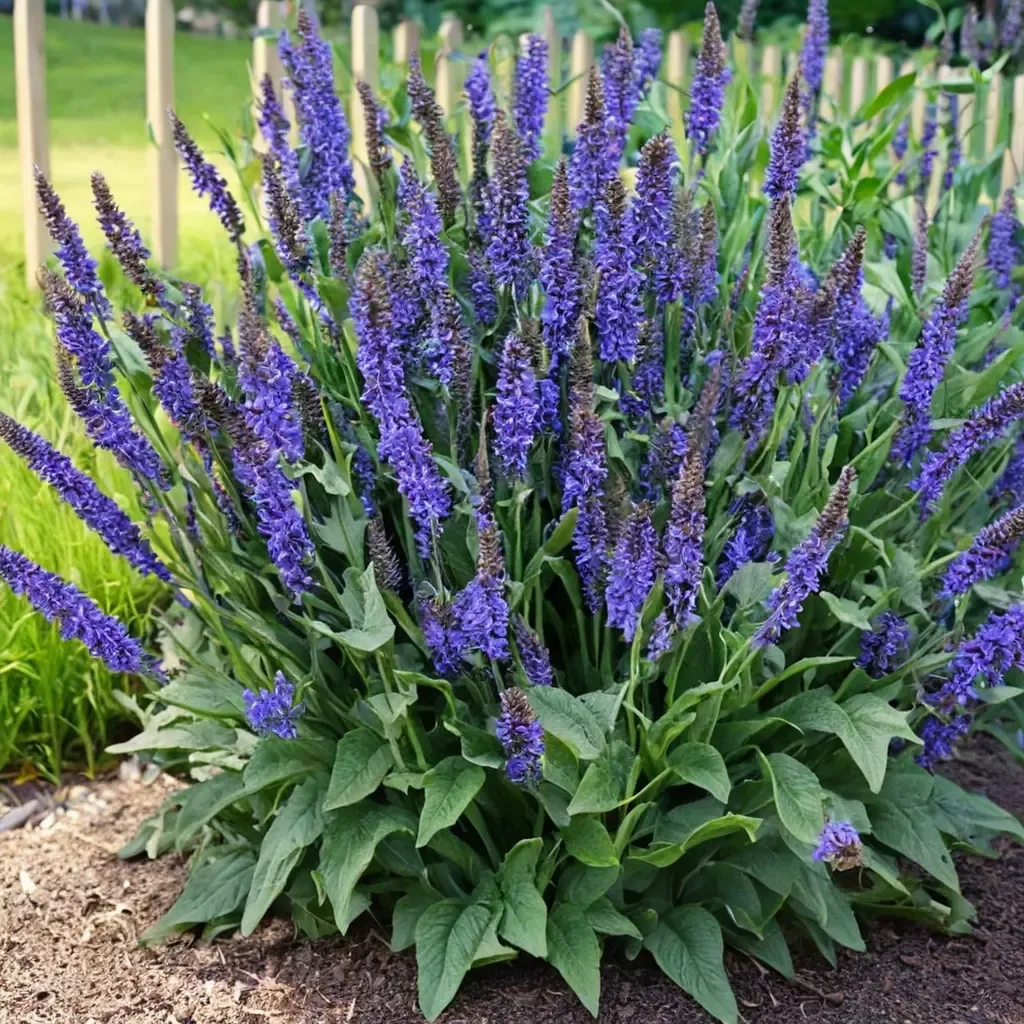
May Night Sage
Salvia nemorosa 'May Night'
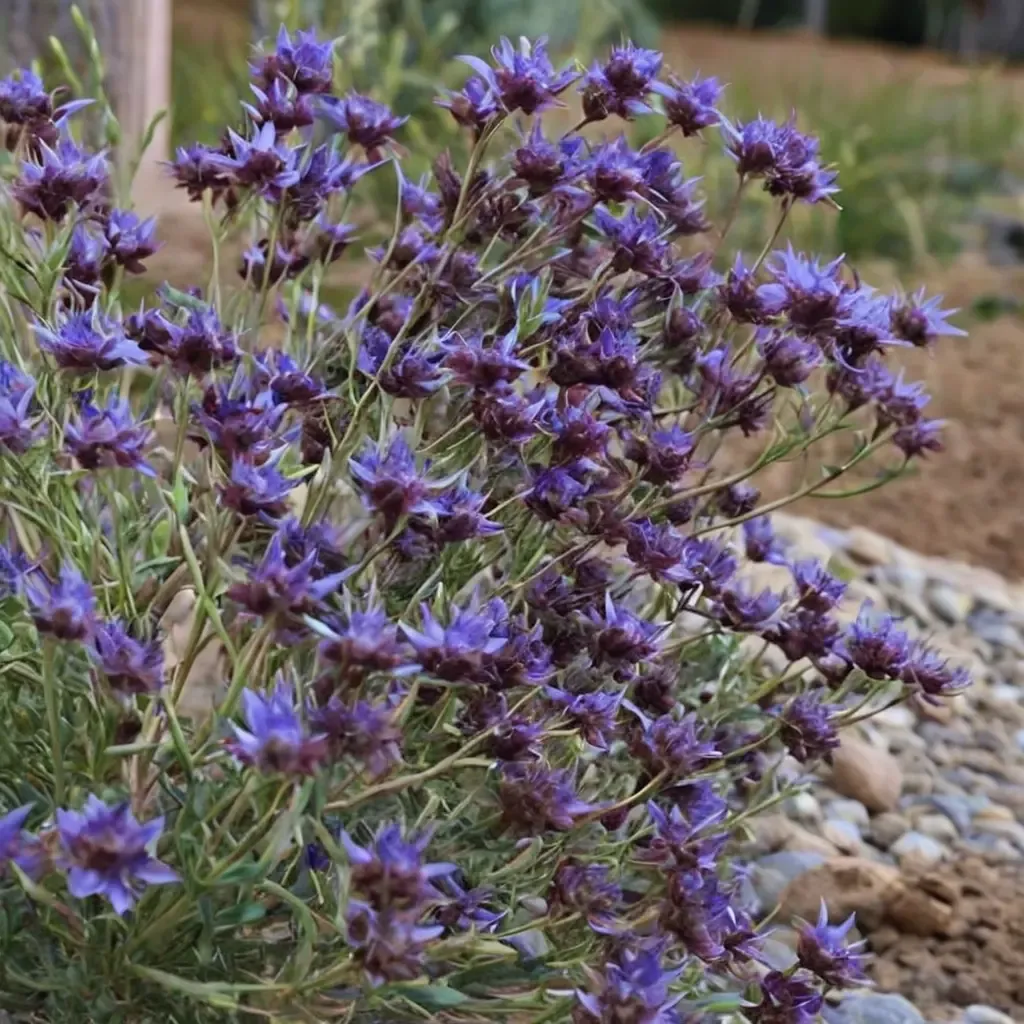
Celestial Blue Sage Wood Sage
Salvia nemorosa 'Celestial Blue'
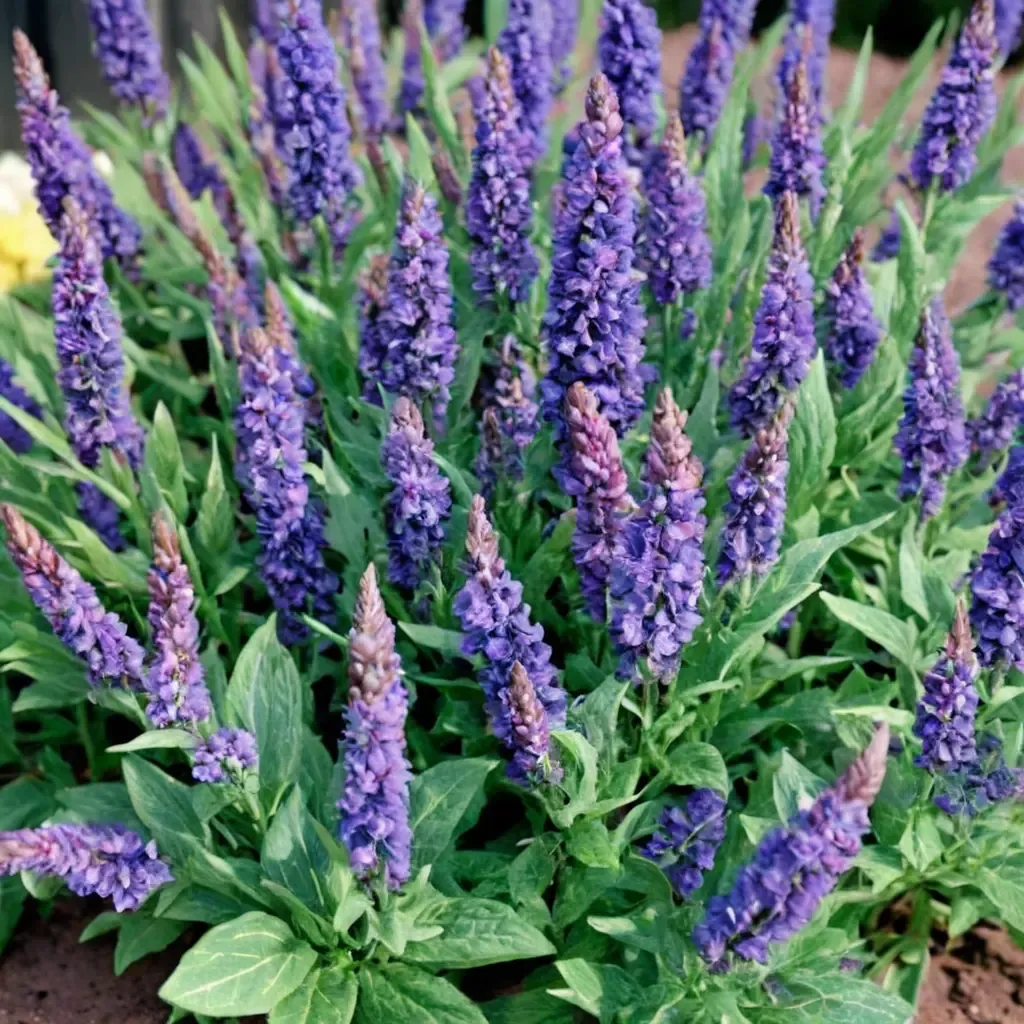
Marcus Woodland Sage
Salvia nemorosa 'Marcus'
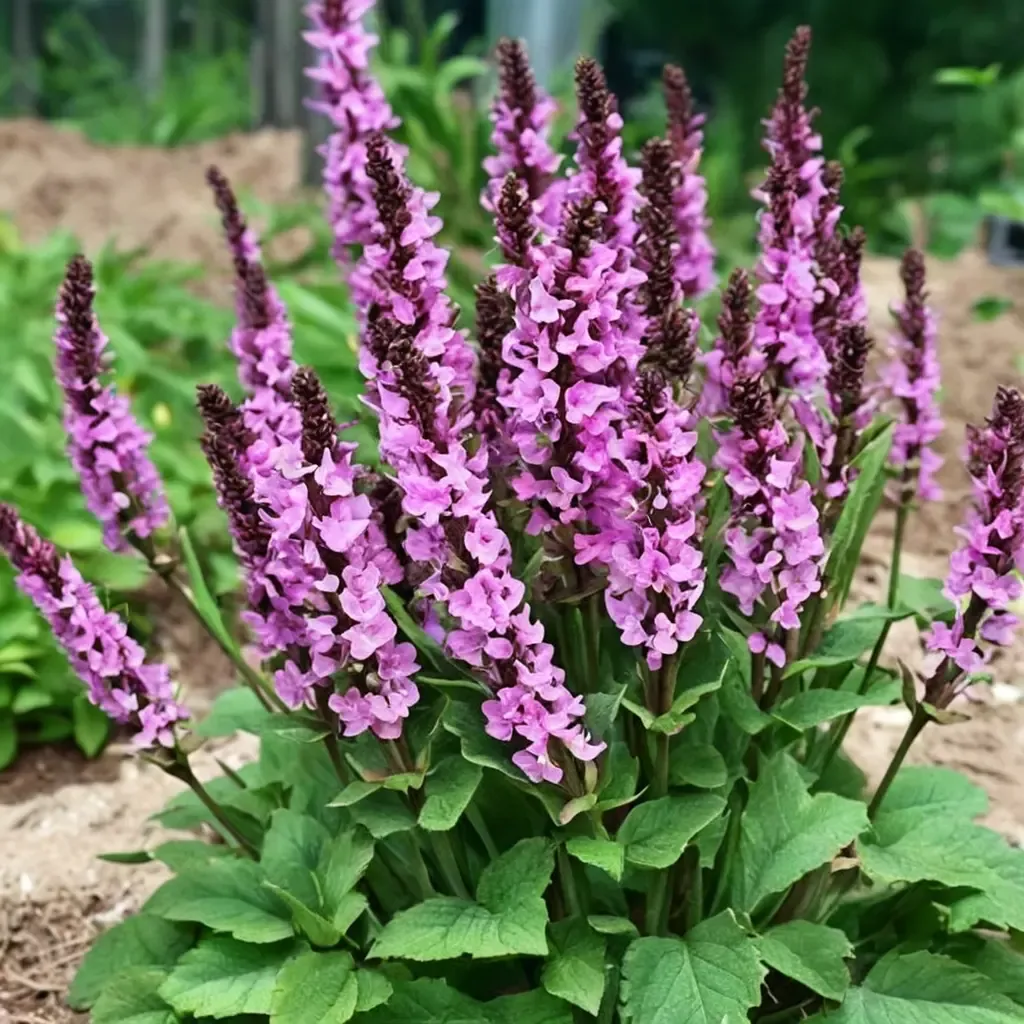
Rose Marvel Sage
Salvia nemorosa 'Rose Marvel'
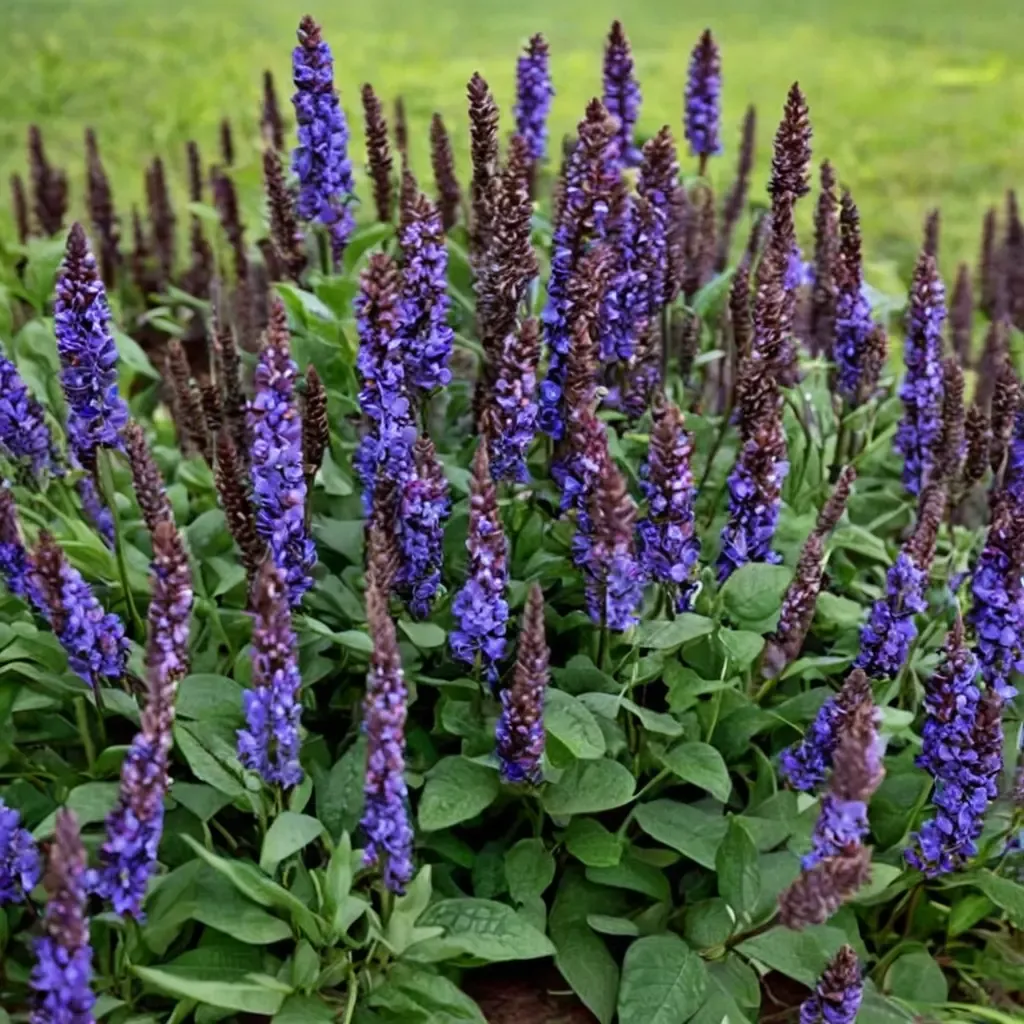
Bumbleblue Sage
Salvia nemorosa 'Bumbleblue'
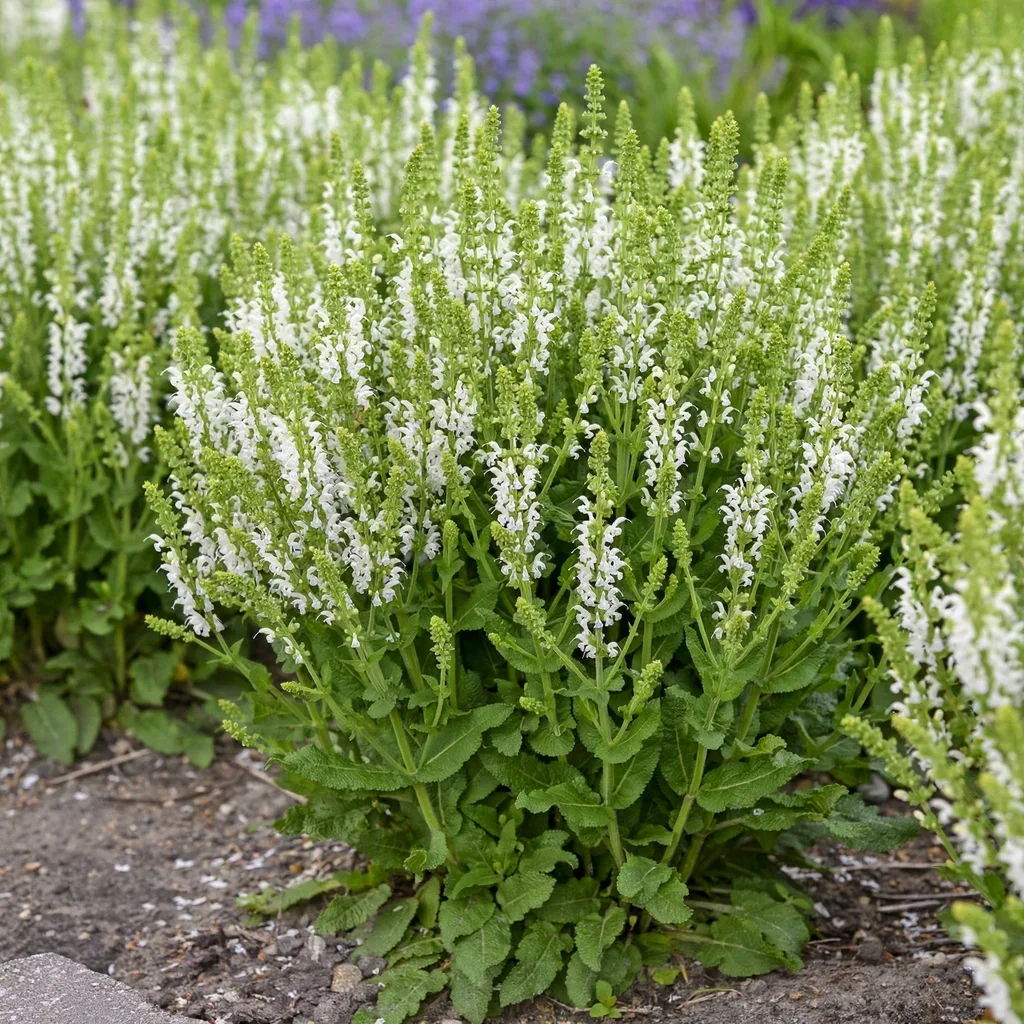
White Profusion Salvia
Salvia x hybrida 'White Profusion'
Keep exploring
Explore the genus
Hardy in your zone?
Grow Ground Ivy Sage with confidence
See it in a design of your actual yard, get zone-matched care reminders, and track it season by season in your garden journal.