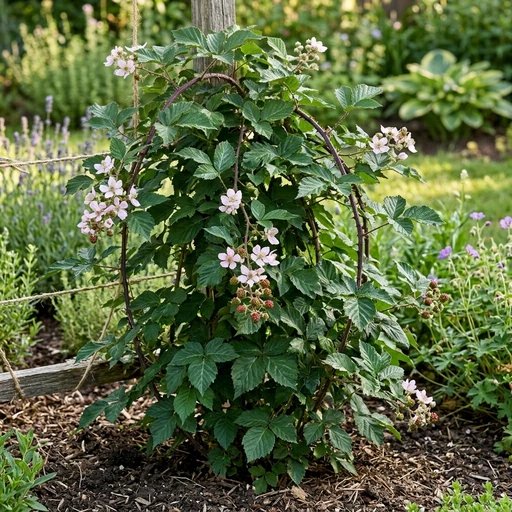
Species
1 other cultivar
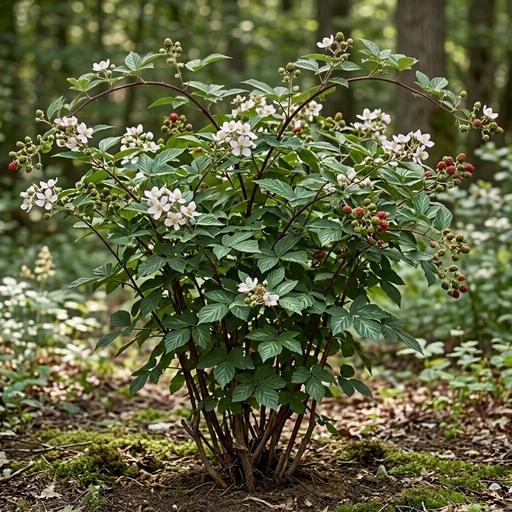
The Story
Plant Bio
A thornless, semi-erect, floricane-fruiting blackberry known for its vigor and reliability. It produces fruit on second-year canes and is highly productive.
'Chester' is one of the most winter-hardy thornless blackberry varieties, making it a top choice for colder climates. It also ripens late in the season, extending the fresh blackberry harvest.
Uses & Benefits:
Essentials
At a Glance
Plant Type
Shrub
Height
60"
Width
48"
Light
Full Sun
Zones
5, 6, 7, 8
Water
Average
Humidity
Average
Lifespan
10-15 years
Native To
Cultivated hybrid
Toxicity
Non-toxic
Bloom period
Late spring – Early summer
In flower about 2 months of the year
Planting
How to Grow
- Choose a sunny location with well-drained, slightly acidic soil.
- Erect a trellis system to support the vigorous canes.
- Space plants 4-5 feet apart in the row.
- Set the plant's crown 1-2 inches below the soil line.
- Prune the cane back to 6 inches after planting to encourage root growth.
- Water deeply and mulch with 3-4 inches of organic material.
Pro Tip
Due to its late ripening, ensure a full sun location to maximize sugar development in the berries before fall.
Keep It Thriving
Care Guide
Do
- Provide about one inch of water per week during the growing season.
- Train primocanes to one side of the trellis and floricanes to the other.
- Renew mulch each spring to control weeds and conserve moisture.
- Harvest berries when they are dull black, not shiny.
Don't
- Don't plant in a location with poor drainage, as this can lead to root rot.
- Avoid cultivating too deeply around the plants, as this can damage roots.
- Don't allow the plant to become a tangled mess; prune and train annually.
- Refrain from planting where tomatoes, peppers, or eggplants were recently grown.
Seasonal Care Calendar
| Task | Jan | Feb | Mar | Apr | May | Jun | Jul | Aug | Sep | Oct | Nov | Dec |
|---|---|---|---|---|---|---|---|---|---|---|---|---|
| Fertilize | ||||||||||||
| Harvest | ||||||||||||
| Plant | ||||||||||||
| Prune | ||||||||||||
| Stake |
Watch Out For
Pests & Diseases
Common Pests
Common Diseases
In the Garden
Landscape Uses & Companions
Landscape Uses
Companion Plants
Multiply
Propagation Methods
Good to Know
Common Questions
Chester Blackberry questions
What zones can Chester Blackberry grow in?
Chester Blackberry is hardy in USDA Zones 5–8. Inside that range it survives winter in the ground; outside it, grow it as an annual or a container plant you protect.
Is Chester Blackberry deer resistant?
Yes — Chester Blackberry is rated deer-resistant. Deer typically pass it over, though extreme hunger can override any plant's defenses.
When does Chester Blackberry bloom?
Chester Blackberry typically blooms in late spring through early summer. Exact timing shifts a week or two with your zone — Sow's bloom calendar maps it to your garden.
Does Chester Blackberry need full sun?
Chester Blackberry does best in full sun (6+ hours).
More Rubus to compare
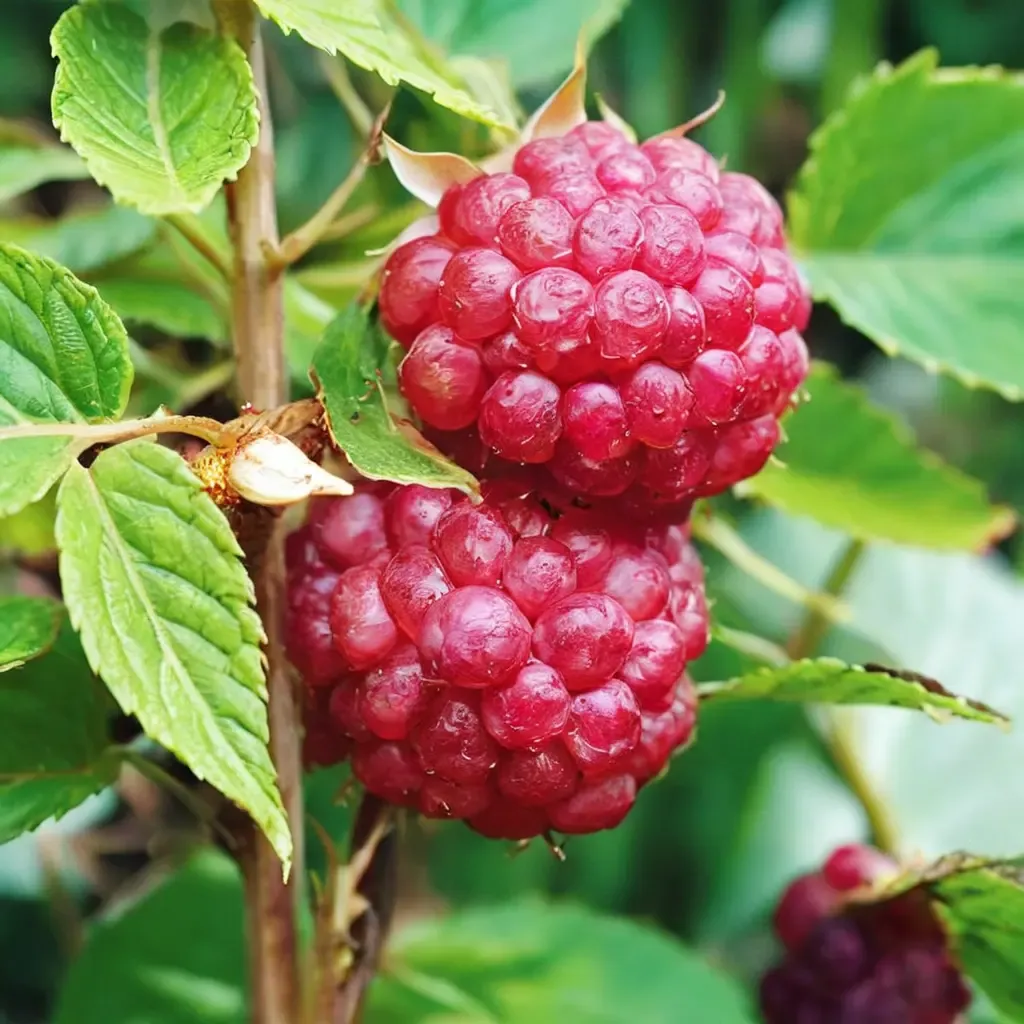
Mammoth Red Raspberry
Rubus idaeus 'Mammoth Red'
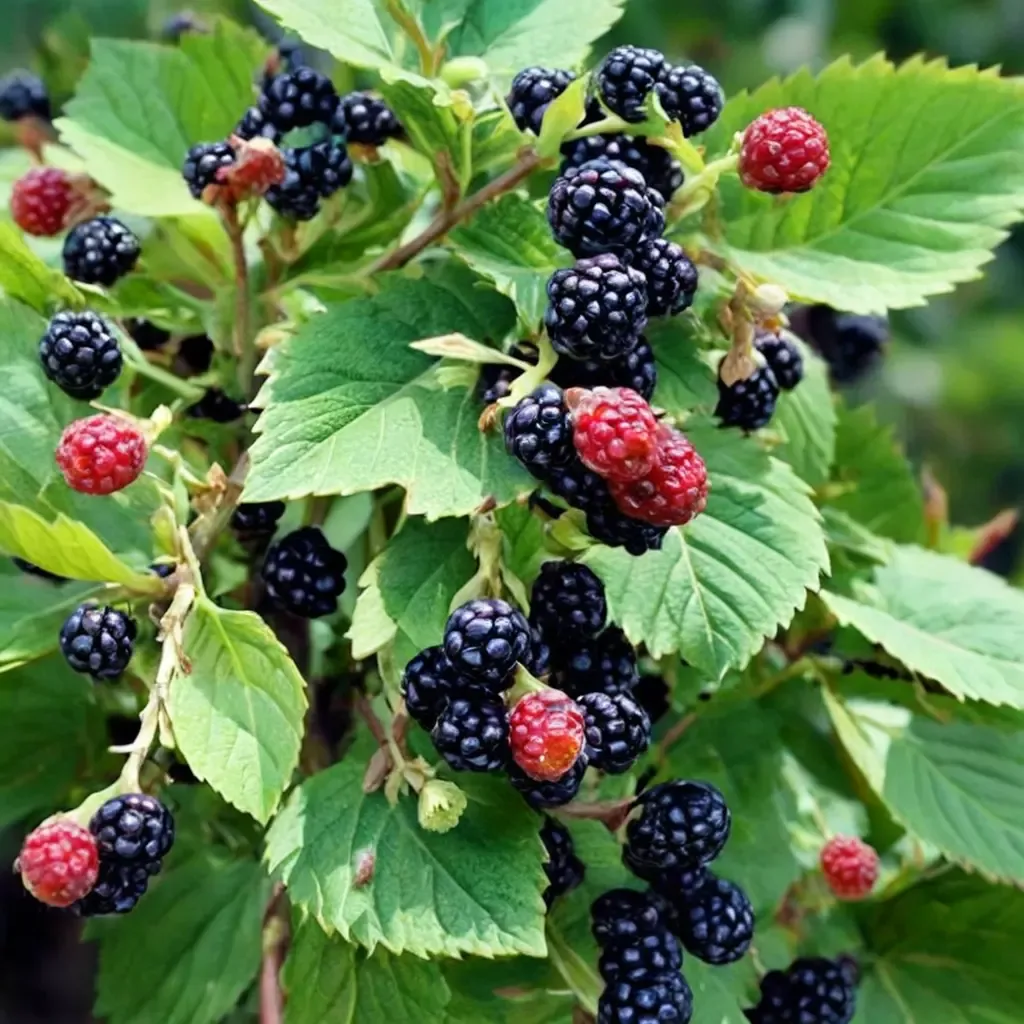
Triple Crown Blackberry
Rubus fruticosus 'Triple Crown'
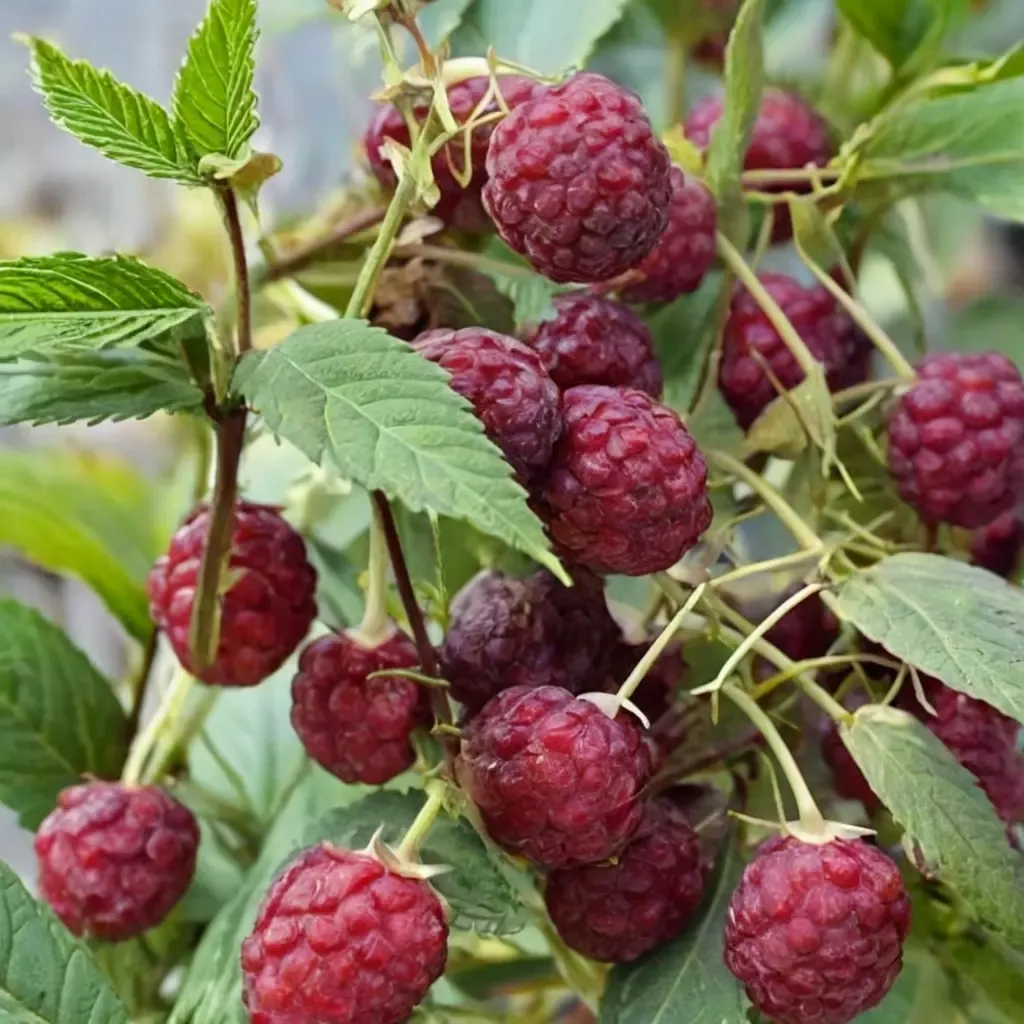
Crimson Night Raspberry
Rubus idaeus 'Crimson Night'
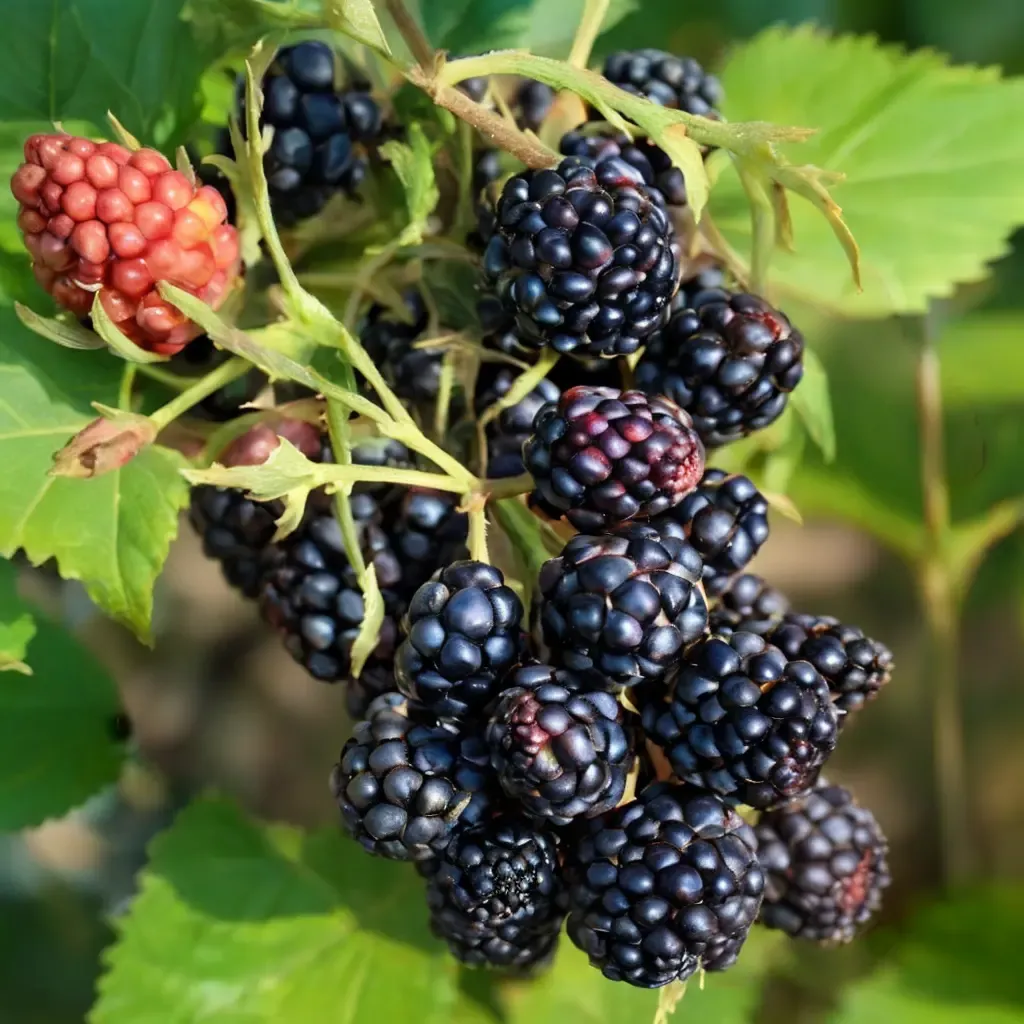
Apache Thornless Blackberry
Rubus fruticosus 'Apache Thornless'
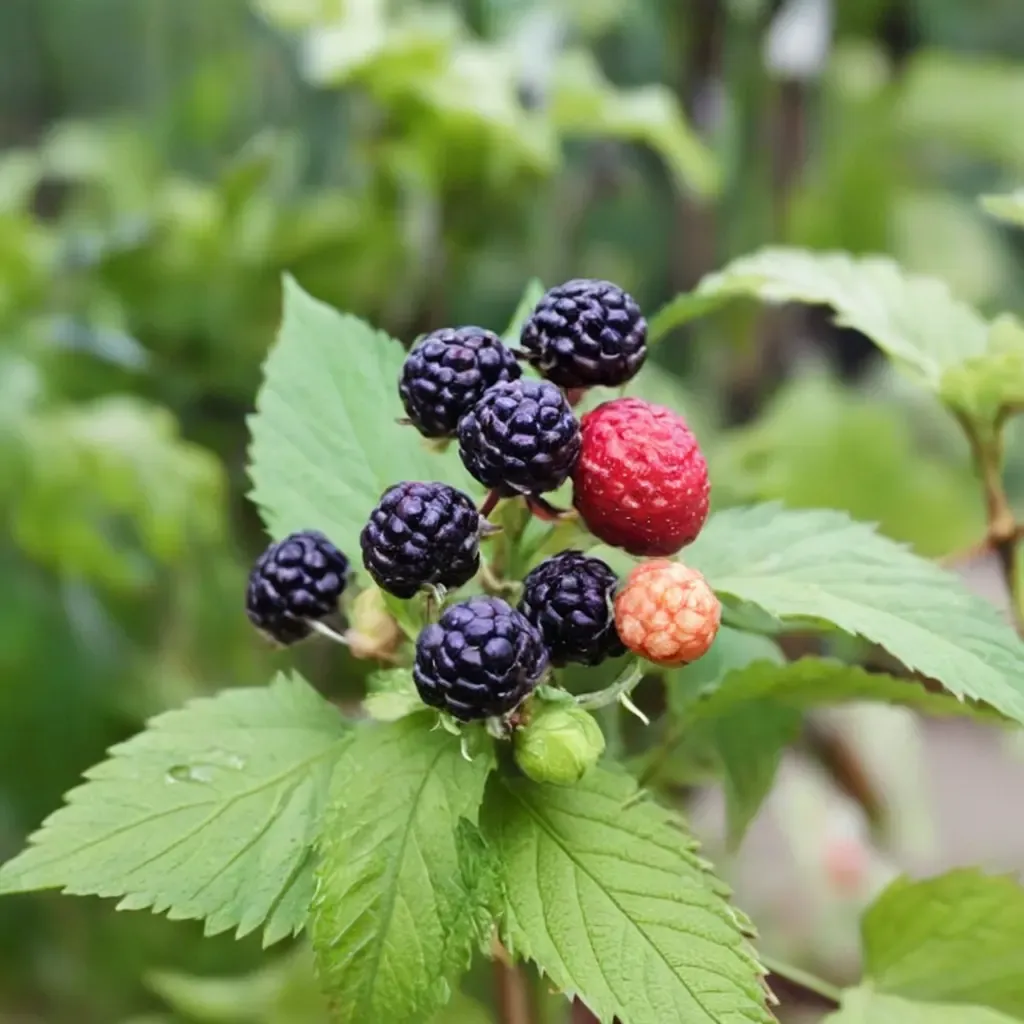
Jewel Black Raspberry
Rubus idaeus 'Jewel'
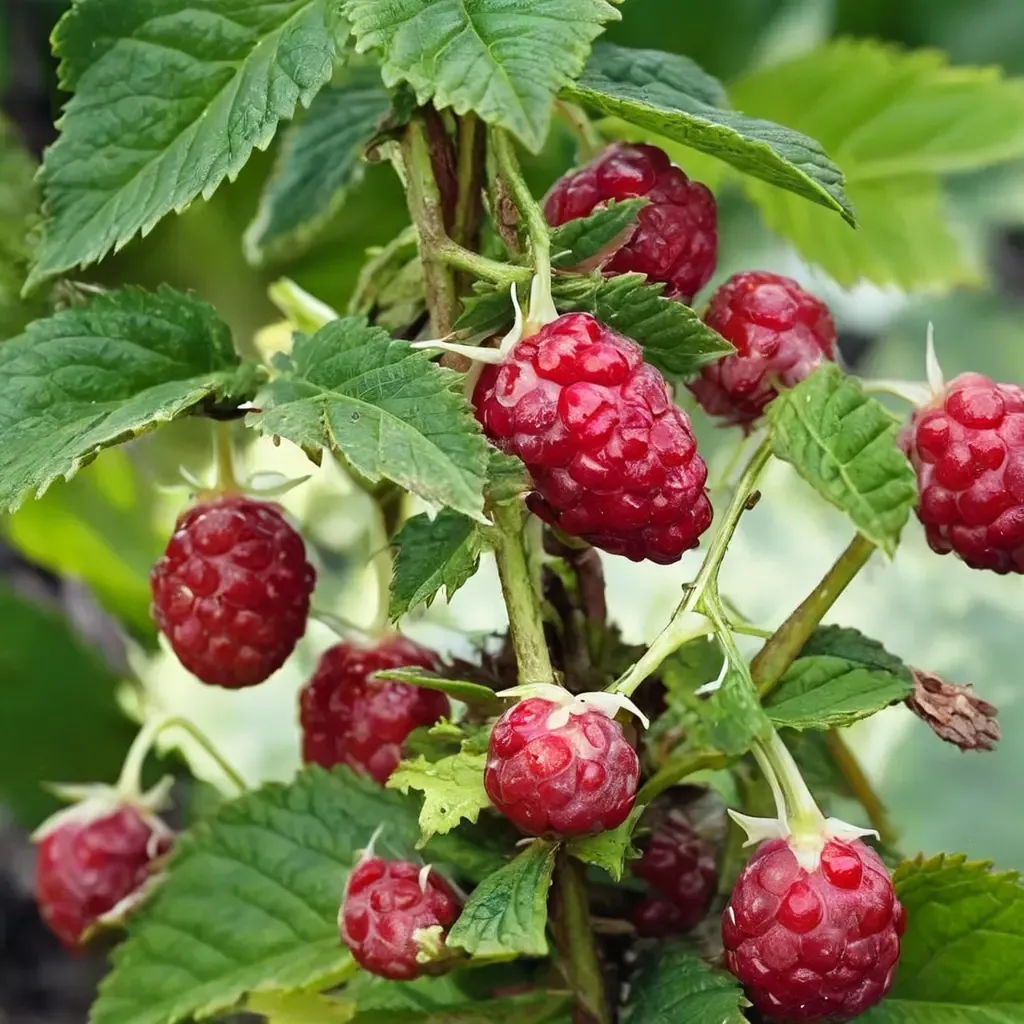
Canby raspberry
Rubus idaeus 'Canby'
Keep exploring
Explore the genus
Hardy in your zone?
Grow Chester Blackberry with confidence
See it in a design of your actual yard, get zone-matched care reminders, and track it season by season in your garden journal.