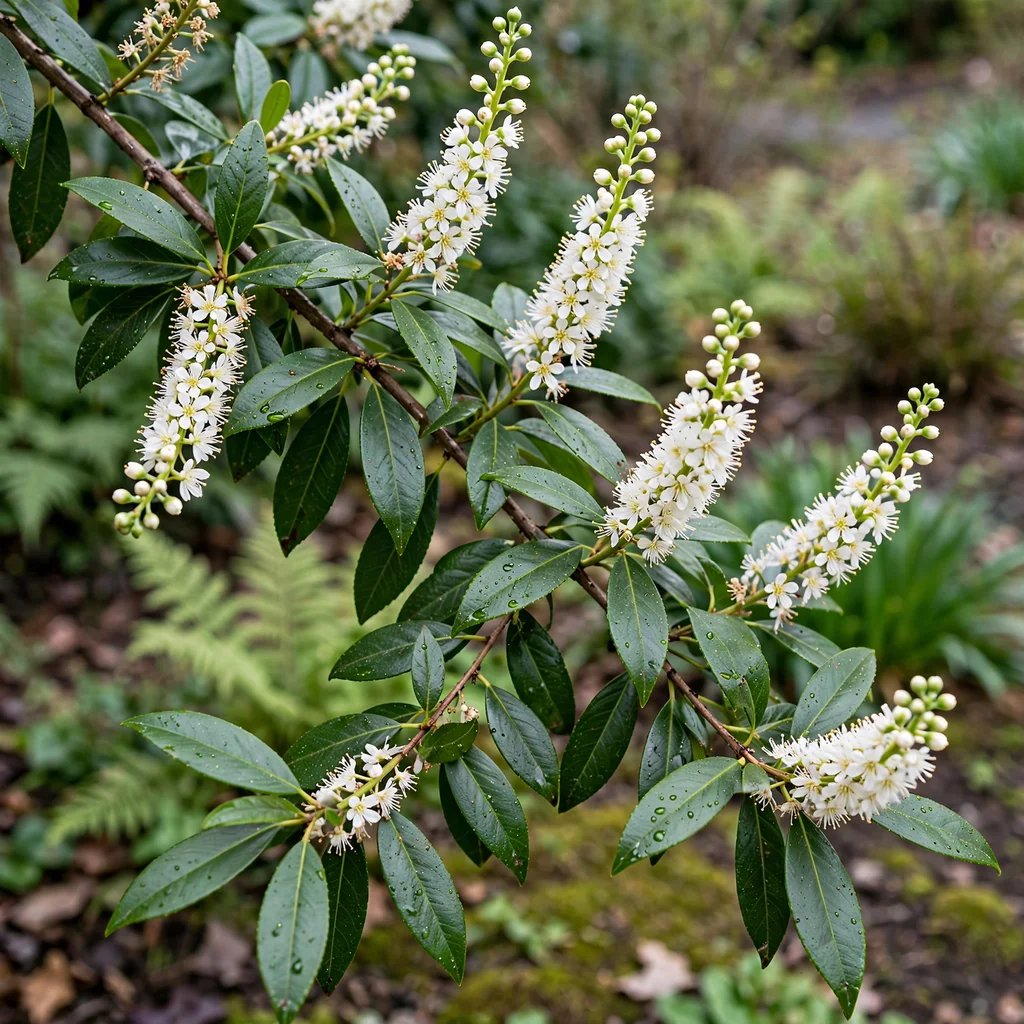
Species
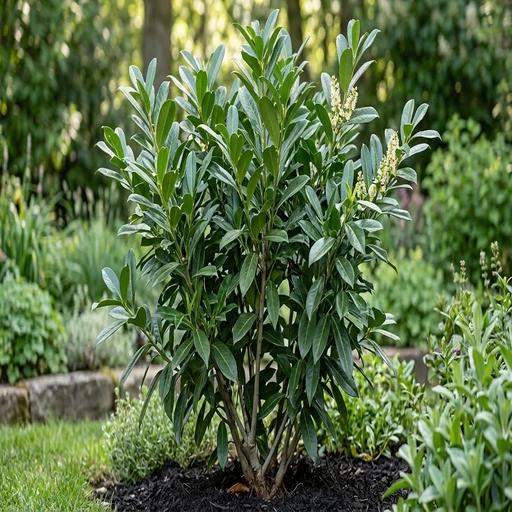 Prunus laurocerasusCherry Laurel
13 other cultivars
 ‘Schipkaensis’Schipka Cherry Laurel
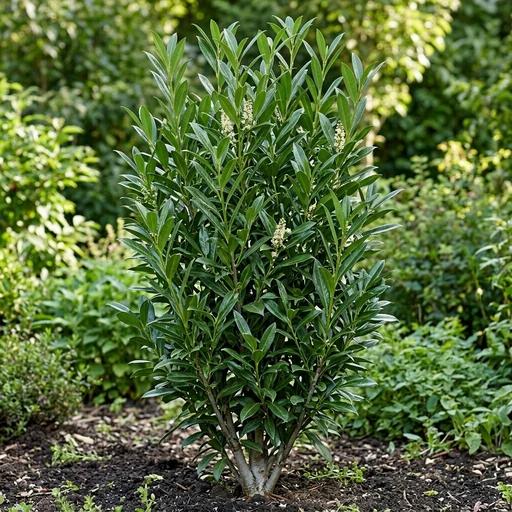 ‘Skinny Skip’Genolia Cherry Laurel
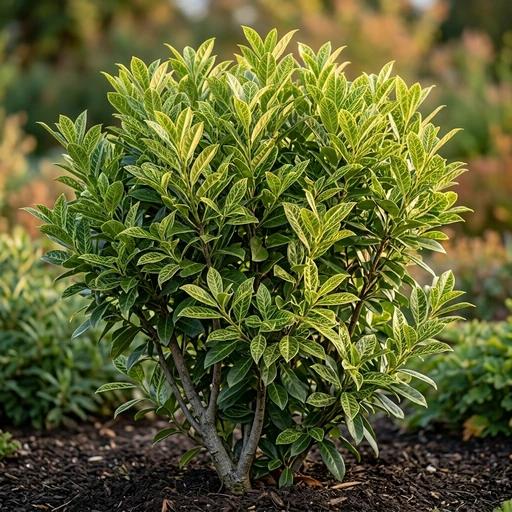 ‘Greenfinity’Greenfinity Cherry Laurel
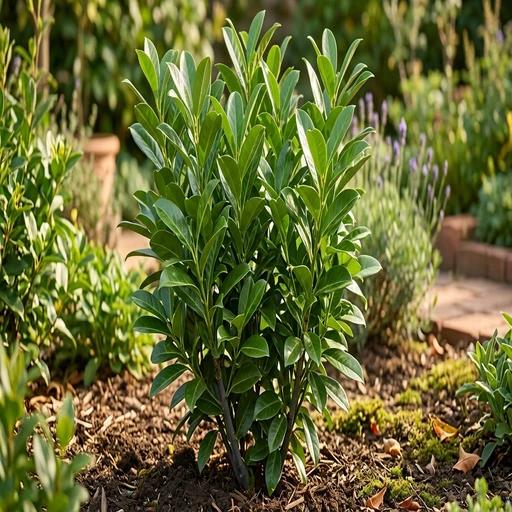 ‘Green Goblet’Green Goblet Cherry Laurel
 ‘Chestnut Hill’Chestnut Hill Cherry Laurel
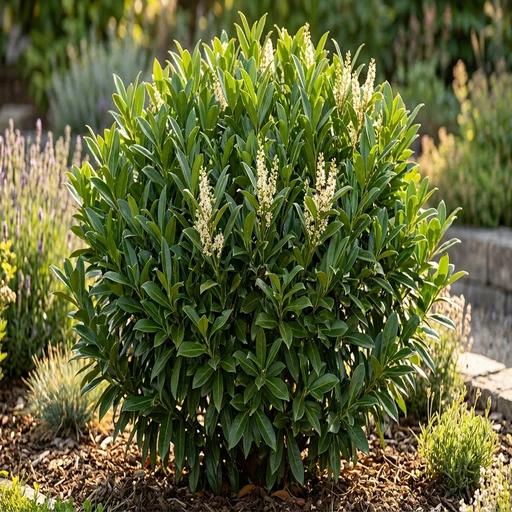 ‘Nana’Dwarf English Laurel
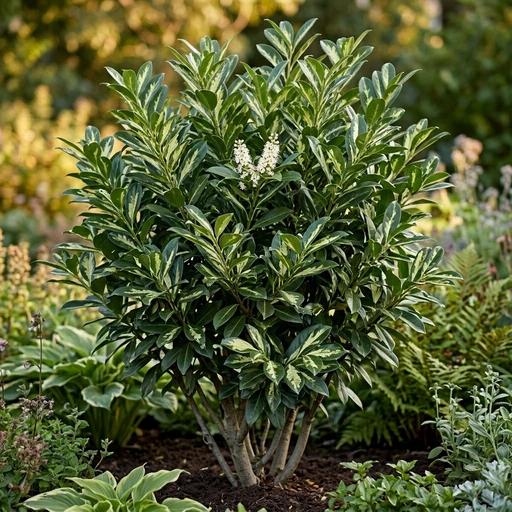 ‘Majestic Jade’Majestic Jade English Laurel
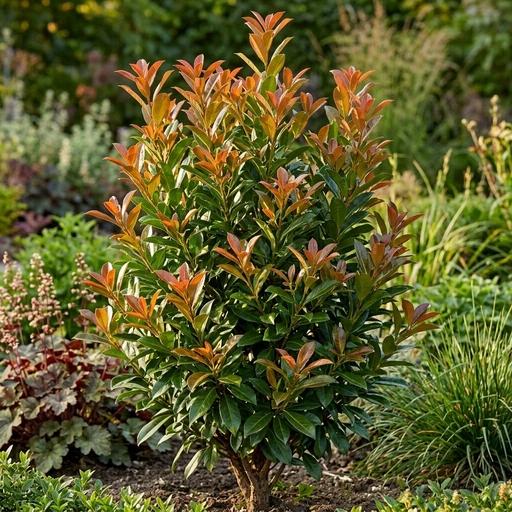 ‘Volcano’Volcano Cherry Laurel
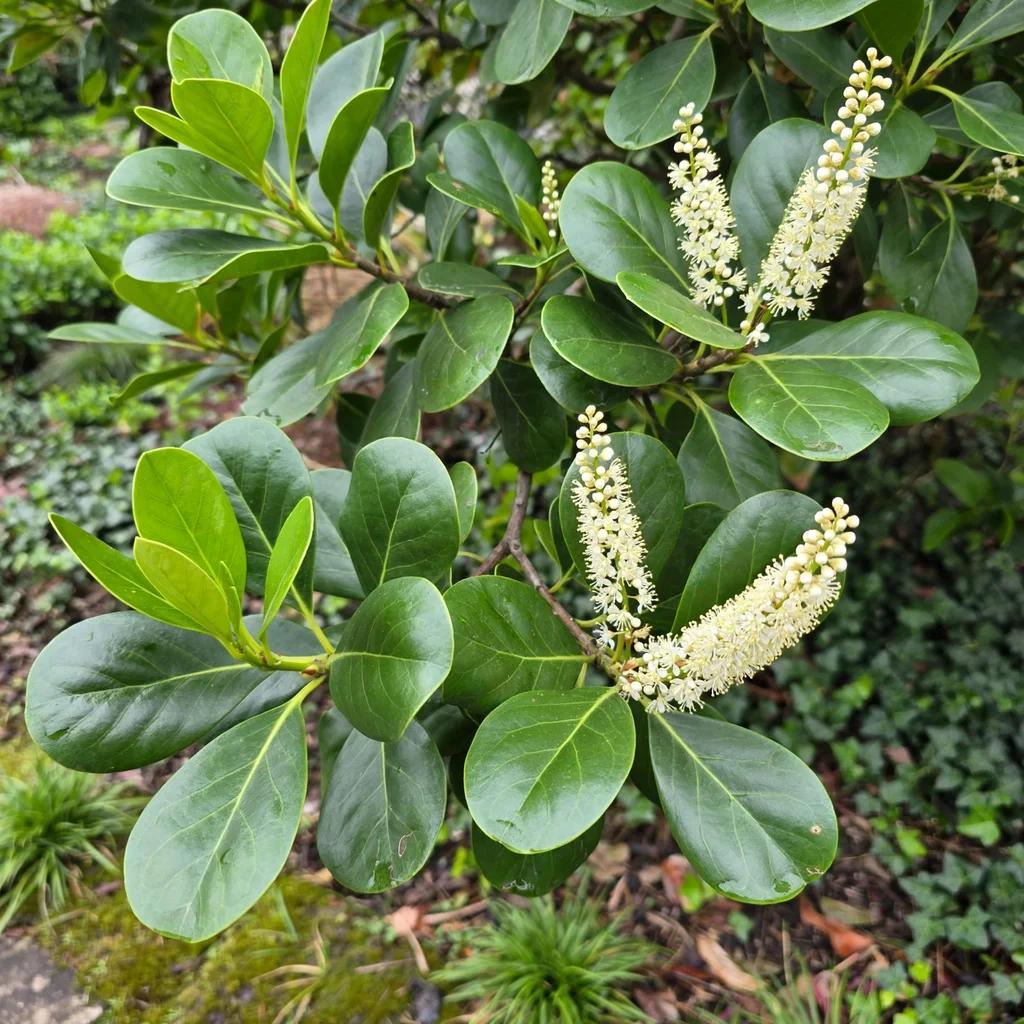 ‘Rotundifolia’Cherry Laurel
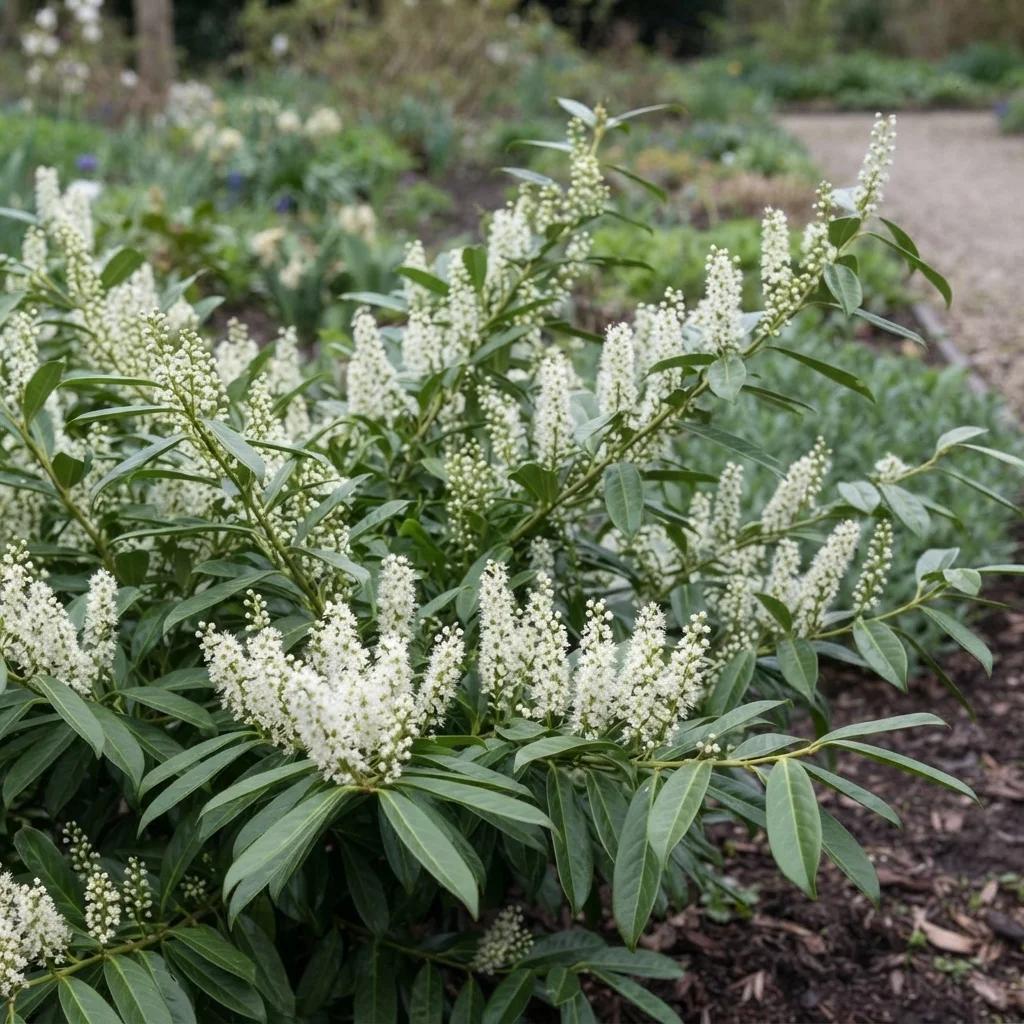 ‘Zabeliana’Zabel's Cherry Laurel
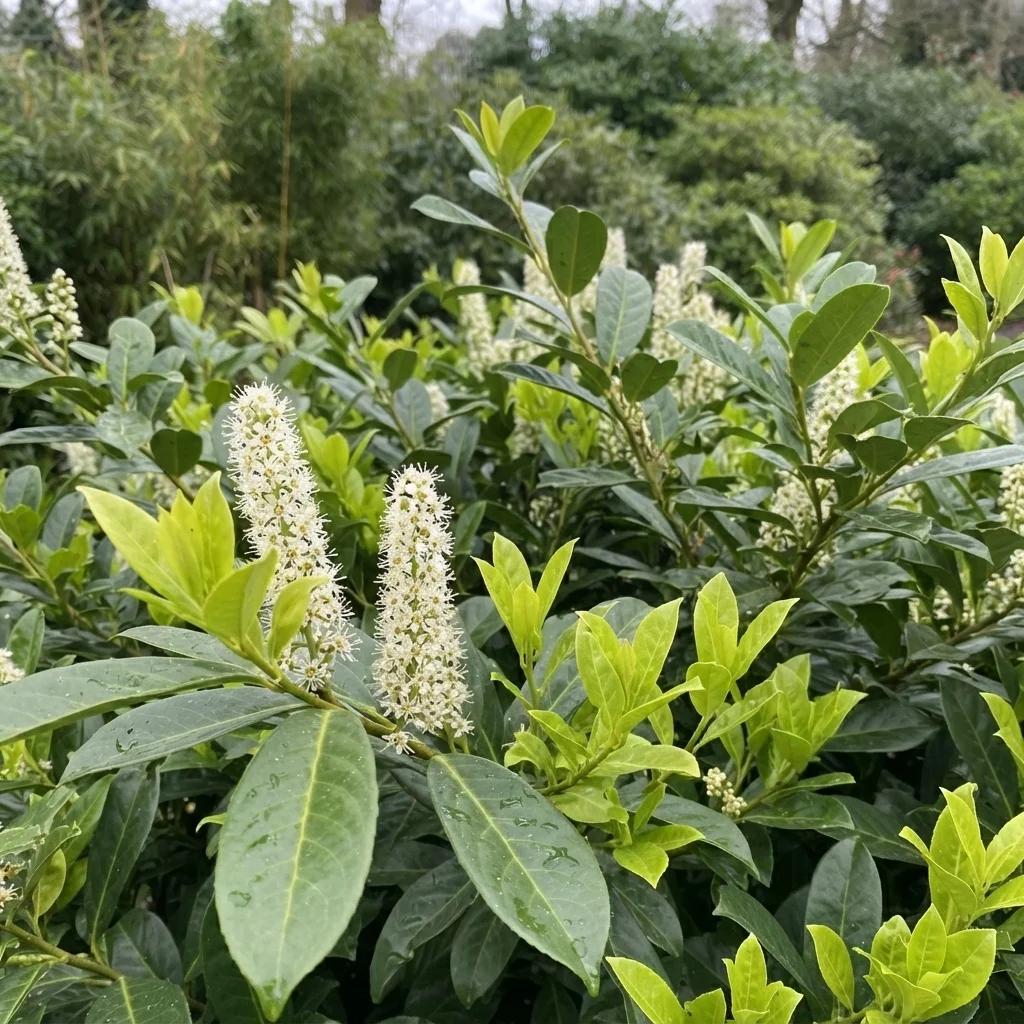 ‘Supreme’Cherry Laurel
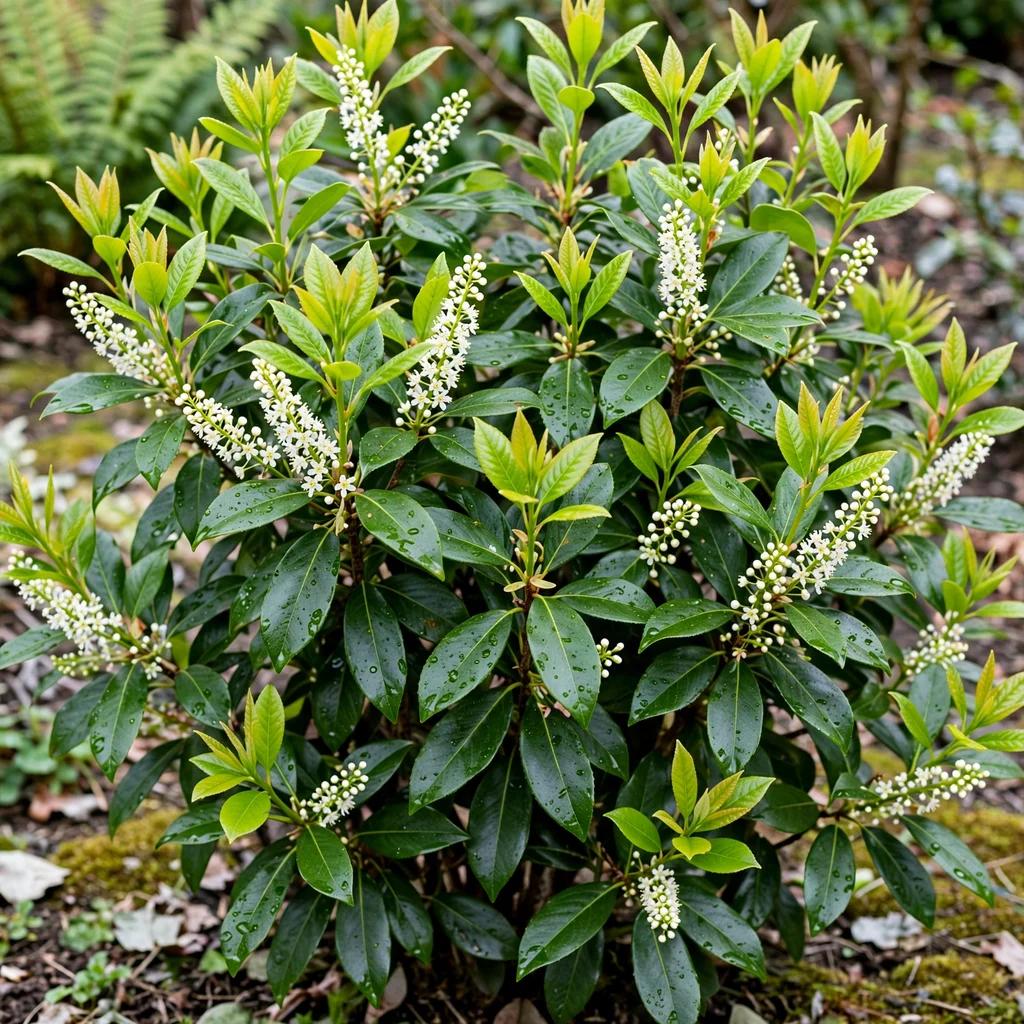 ‘Novita’Cherry Laurel
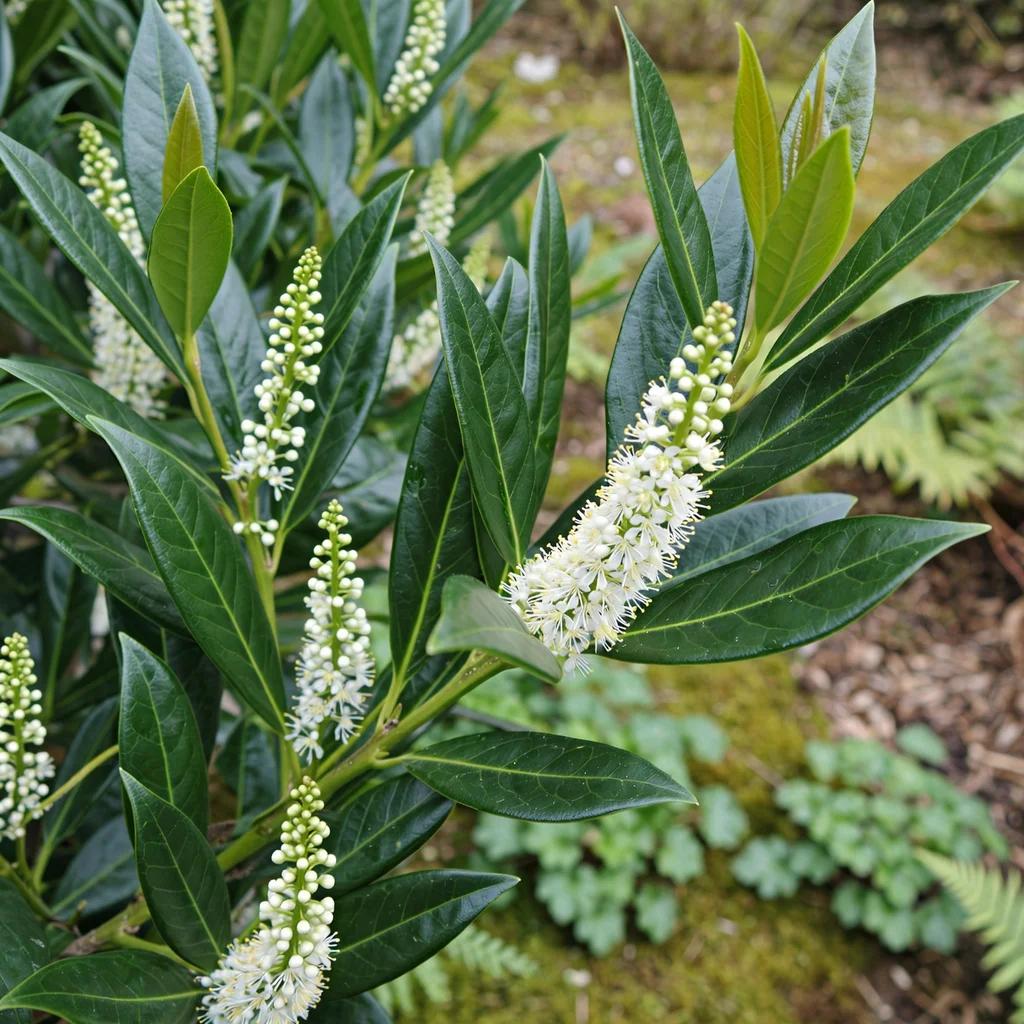 ‘Otto Luyken’Cherry Laurel
The Story
Plant Bio
Prunus laurocerasus, the English laurel, is a dense broadleaf evergreen shrub native to southeastern Europe and southwestern Asia. The species produces glossy, dark green leaves and upright racemes of fragrant white flowers in spring, followed by small black drupes.
'West Coast Skip' is a compact, upright selection widely utilized in North American nurseries for its narrow, vase-shaped growth habit. It matures to a height of ten to fifteen feet with a spread of five to eight feet, making it highly effective for tight privacy screens and hedges.
Uses & Benefits:
Essentials
At a Glance
Plant Type
Shrub
Height
180"
Width
96"
Light
Full Sun, Partial Sun, Shade
Zones
5, 6, 7, 8, 9
Water
Moderate
Humidity
Tolerates urban pollution and moderate coastal salt
Lifespan
Perennial
Native To
Southeastern Europe, southwestern Asia
Toxicity
Highly toxic to humans and animals if ingested
Bloom period
Spring – Late spring
In flower about 3 months of the year
Planting
How to Grow
- Select a planting site with well-drained soil in full sun to partial shade.
- Dig a hole twice as wide as the root ball and of equal depth.
- Set the plant in the hole, ensuring the soil line matches the container level, and backfill with native soil.
- Water thoroughly and apply a 2-inch layer of organic mulch around the base, keeping it clear of the main stems.
Pro Tip
Prune immediately after the spring bloom to shape hedges; cutting back severely into old, leafless interior wood results in slow and patchy regrowth.
Keep It Thriving
Care Guide
Do
- Water deeply but infrequently once established to encourage deep root growth.
- Prune immediately after flowering to maintain a clean, dense hedge shape.
- Clear away fallen leaf debris to minimize the spread of fungal spores.
Don't
- Do not allow the soil to remain waterlogged, as poor drainage causes root rot.
- Avoid overhead watering, which creates humid conditions favorable to foliage diseases.
- Do not apply heavy nitrogen fertilizers, which stimulate soft growth vulnerable to pests.
Seasonal Care Calendar
| Task | Jan | Feb | Mar | Apr | May | Jun | Jul | Aug | Sep | Oct | Nov | Dec |
|---|---|---|---|---|---|---|---|---|---|---|---|---|
| Fertilize | ||||||||||||
| Pest Check | ||||||||||||
| Prune | ||||||||||||
| Winter Prep |
Watch Out For
Pests & Diseases
Common Pests
Common Diseases
In the Garden
Landscape Uses & Companions
Landscape Uses
Companion Plants
Multiply
Propagation Methods
Good to Know
Common Questions
Skip Laurel questions
What zones can Skip Laurel grow in?
Skip Laurel is hardy in USDA Zones 5–9. Inside that range it survives winter in the ground; outside it, grow it as an annual or a container plant you protect.
When does Skip Laurel bloom?
Skip Laurel typically blooms in spring through late spring. Exact timing shifts a week or two with your zone — Sow's bloom calendar maps it to your garden.
Does Skip Laurel need full sun?
Skip Laurel does best in full sun to part shade. In hot climates, afternoon shade keeps blooms fresher longer.
Is Skip Laurel drought tolerant?
Yes — once established (usually after the first full season), Skip Laurel handles dry spells with minimal watering. Water deeply its first year to build the root system that makes that possible.
More Prunus to compare
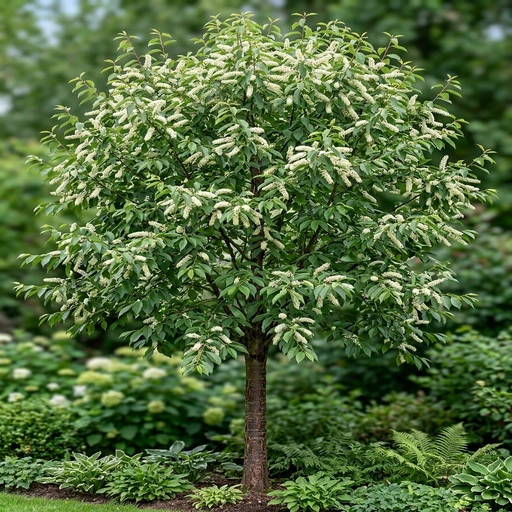
Black Cherry
Prunus serotina
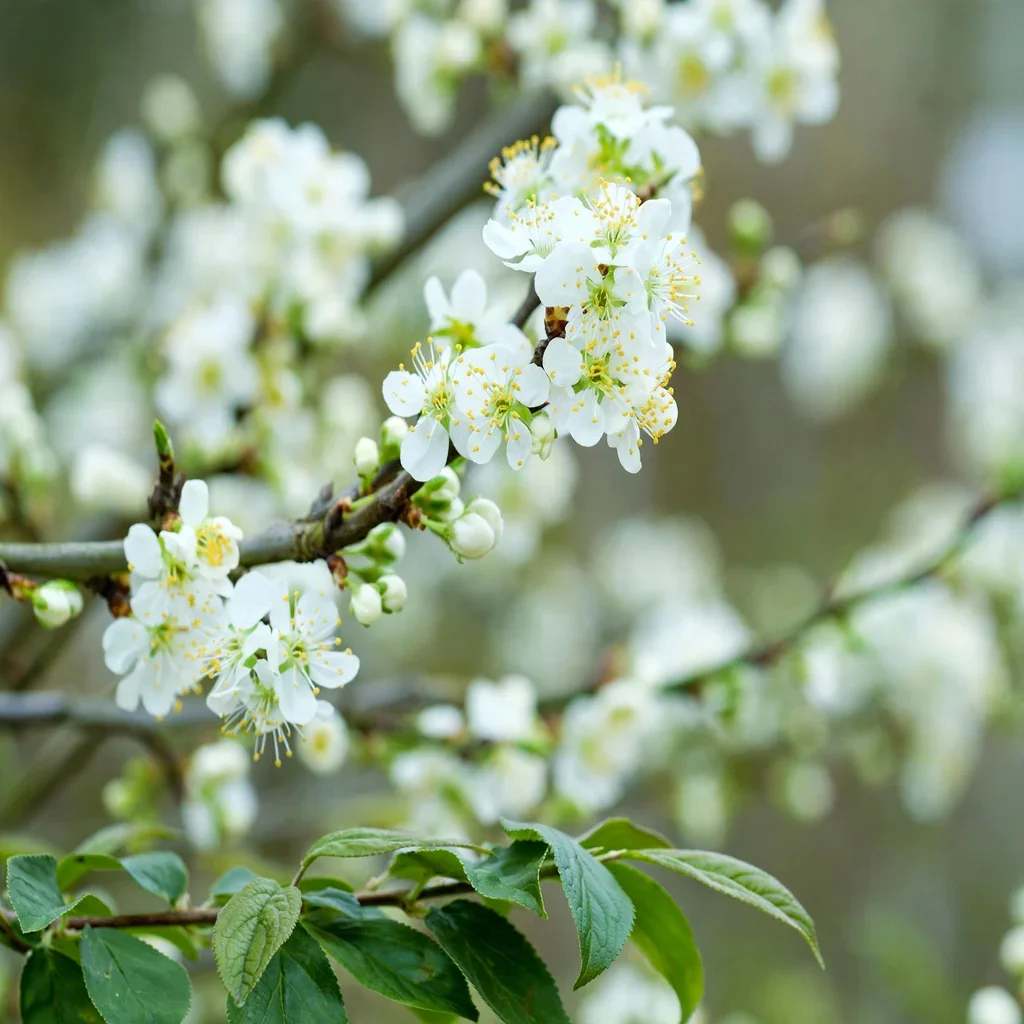
Sugar Plum
Prunus domestica 'Sugar Plum'
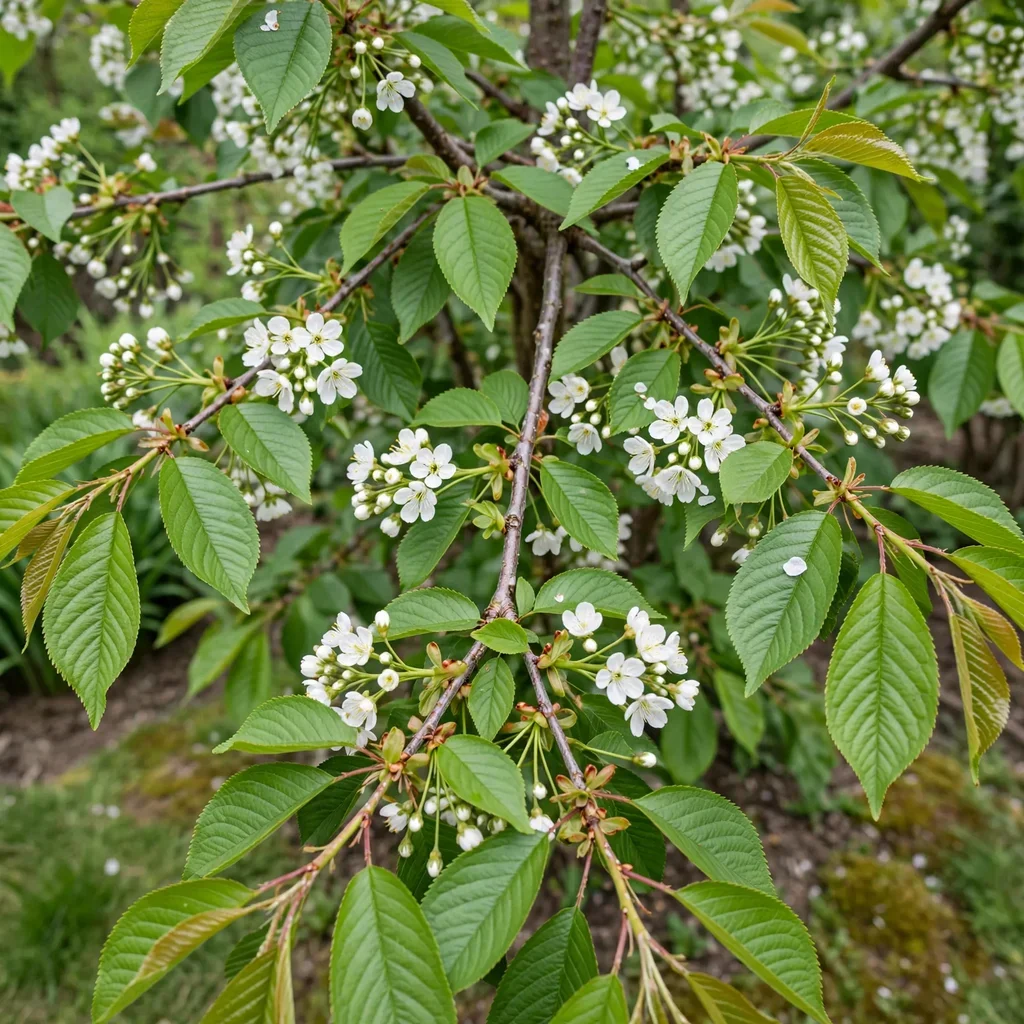
Sweet Cherry
Prunus avium 'Mix'
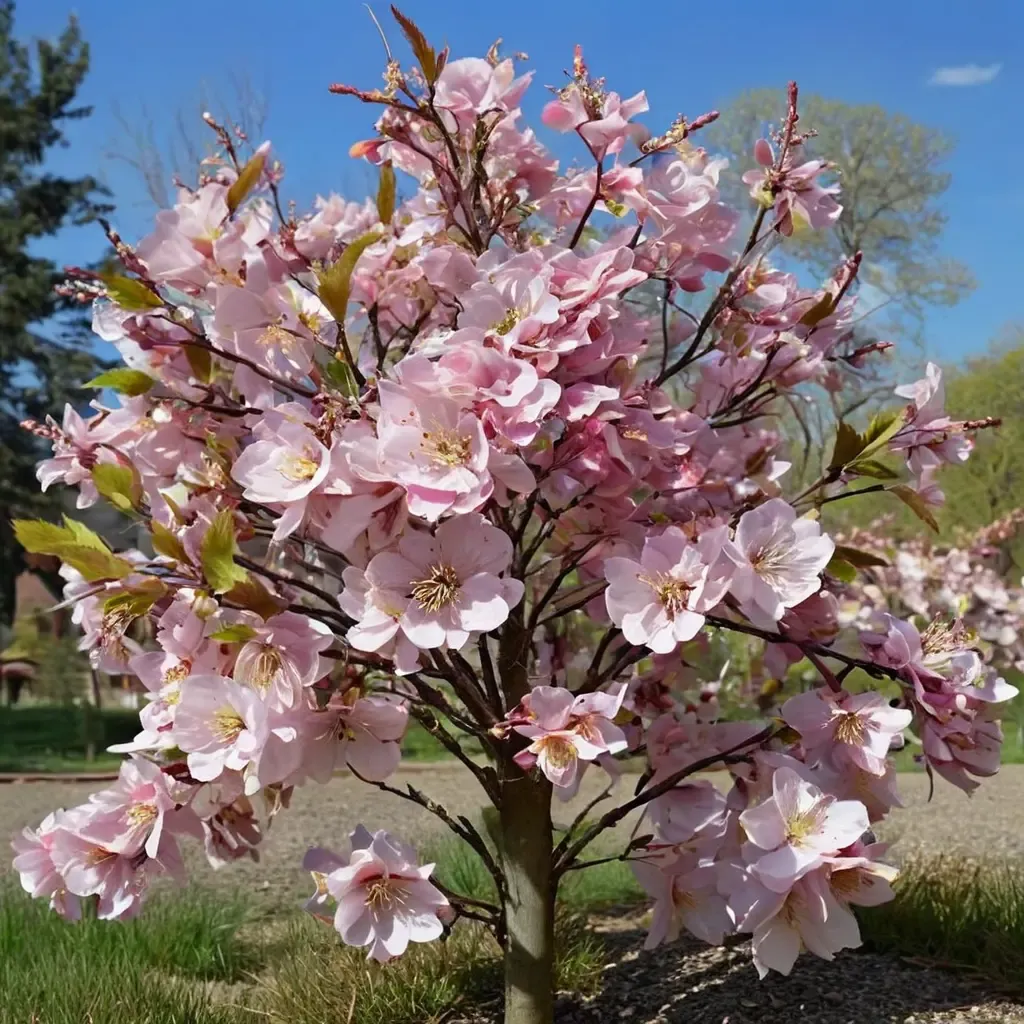
Japanese Flowering Cherry
Prunus serrulata
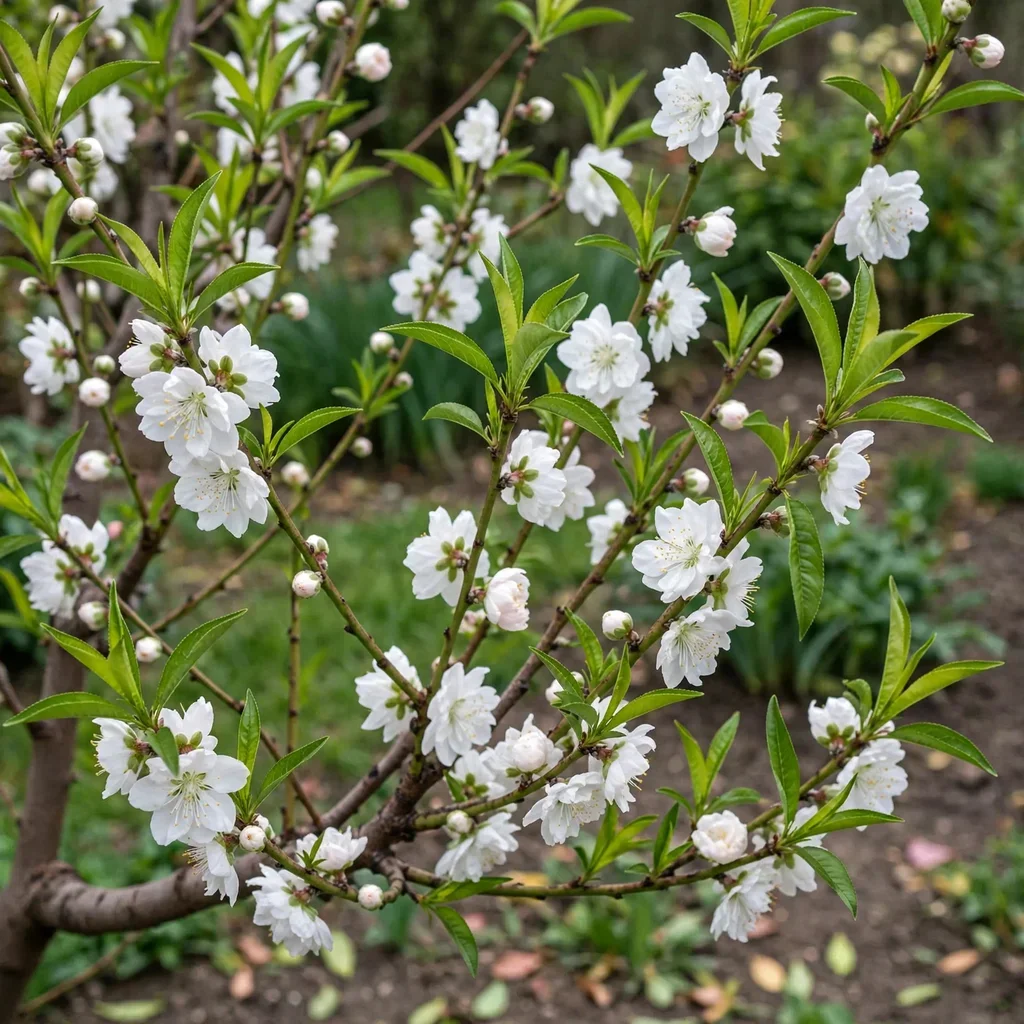
Feiching Tao White Peach
Prunus persica 'Feiching Tao White'
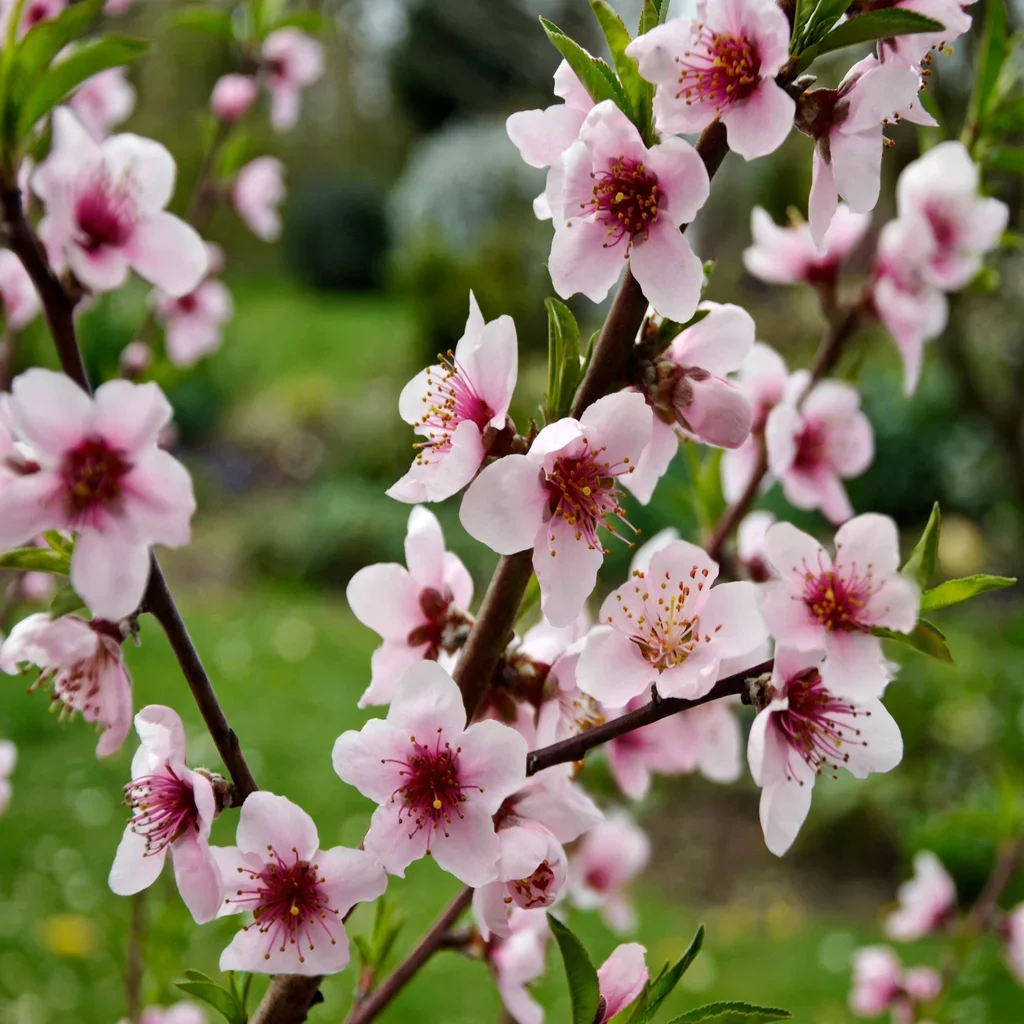
Hale Haven Peach
Prunus persica 'Hale Haven'
Keep exploring
Explore the genus
Hardy in your zone?
Grow Skip Laurel with confidence
See it in a design of your actual yard, get zone-matched care reminders, and track it season by season in your garden journal.