
The Story
Plant Bio
Salix species are fast-growing, moisture-loving woody plants known for their vigorous root systems and high adaptability to wet soils. These deciduous trees and shrubs often colonize riparian zones, producing slender, flexible branches and narrow, alternate leaves.
'Erythroflexuosa' is distinguished by its heavily contorted, spiraling branches and young shoots that display a striking yellow-orange to reddish-orange color. The narrow, light green leaves often carry a gentle twist, turning yellow in the fall before dropping to reveal the sculptural winter silhouette.
Uses & Benefits:
Essentials
At a Glance
Plant Type
Tree
Height
354"
Width
354"
Light
Full Sun, Partial Sun
Zones
5, 6, 7, 8
Water
High
Humidity
High
Lifespan
Short-lived
Native To
Asia (hybrid origin)
Toxicity
Non-toxic
Bloom period
Spring
In flower about 3 months of the year
Planting
How to Grow
- Select a planting site in full sun to partial shade with moist, fertile soil, ensuring it is far from underground pipes and foundations.
- Dig a hole twice as wide as the root ball and of equal depth, then place the plant so the soil flare is level with the ground.
- Backfill with native soil, tamp down gently to remove air pockets, and water thoroughly to settle the roots.
- Apply a 3-inch layer of organic mulch around the base to retain moisture, keeping the mulch a few inches away from the trunk.
Pro Tip
Plant this willow at least 50 feet away from sewer lines, septic fields, and foundations to prevent its aggressive, water-seeking root system from causing structural damage.
Keep It Thriving
Care Guide
Do
- Water regularly during dry spells to maintain consistently moist soil conditions.
- Prune in late winter or early spring to remove dead, diseased, or crossing branches.
- Use the colorful, contorted stems in floral arrangements and crafts.
Don't
- Do not plant near sewer lines, water pipes, septic systems, or home foundations.
- Do not prune heavily into thick, old wood, as this ruins the contorted branching aesthetic.
- Do not allow the soil to dry out completely, especially during the first few growing seasons.
Seasonal Care Calendar
| Task | Jan | Feb | Mar | Apr | May | Jun | Jul | Aug | Sep | Oct | Nov | Dec |
|---|---|---|---|---|---|---|---|---|---|---|---|---|
| Mulch | ||||||||||||
| Pest Check | ||||||||||||
| Propagate | ||||||||||||
| Prune | ||||||||||||
| Spring Cleanup |
Watch Out For
Pests & Diseases
Common Pests
Common Diseases
In the Garden
Landscape Uses & Companions
Landscape Uses
Companion Plants
Multiply
Propagation Methods
Good to Know
Common Questions
Red Twisted Willow questions
What zones can Red Twisted Willow grow in?
Red Twisted Willow is hardy in USDA Zones 5–8. Inside that range it survives winter in the ground; outside it, grow it as an annual or a container plant you protect.
Is Red Twisted Willow deer resistant?
Yes — Red Twisted Willow is rated deer-resistant. Deer typically pass it over, though extreme hunger can override any plant's defenses.
When does Red Twisted Willow bloom?
Red Twisted Willow typically blooms in spring through spring. Exact timing shifts a week or two with your zone — Sow's bloom calendar maps it to your garden.
Does Red Twisted Willow need full sun?
Red Twisted Willow does best in full sun to part shade. In hot climates, afternoon shade keeps blooms fresher longer.
More Salix to compare
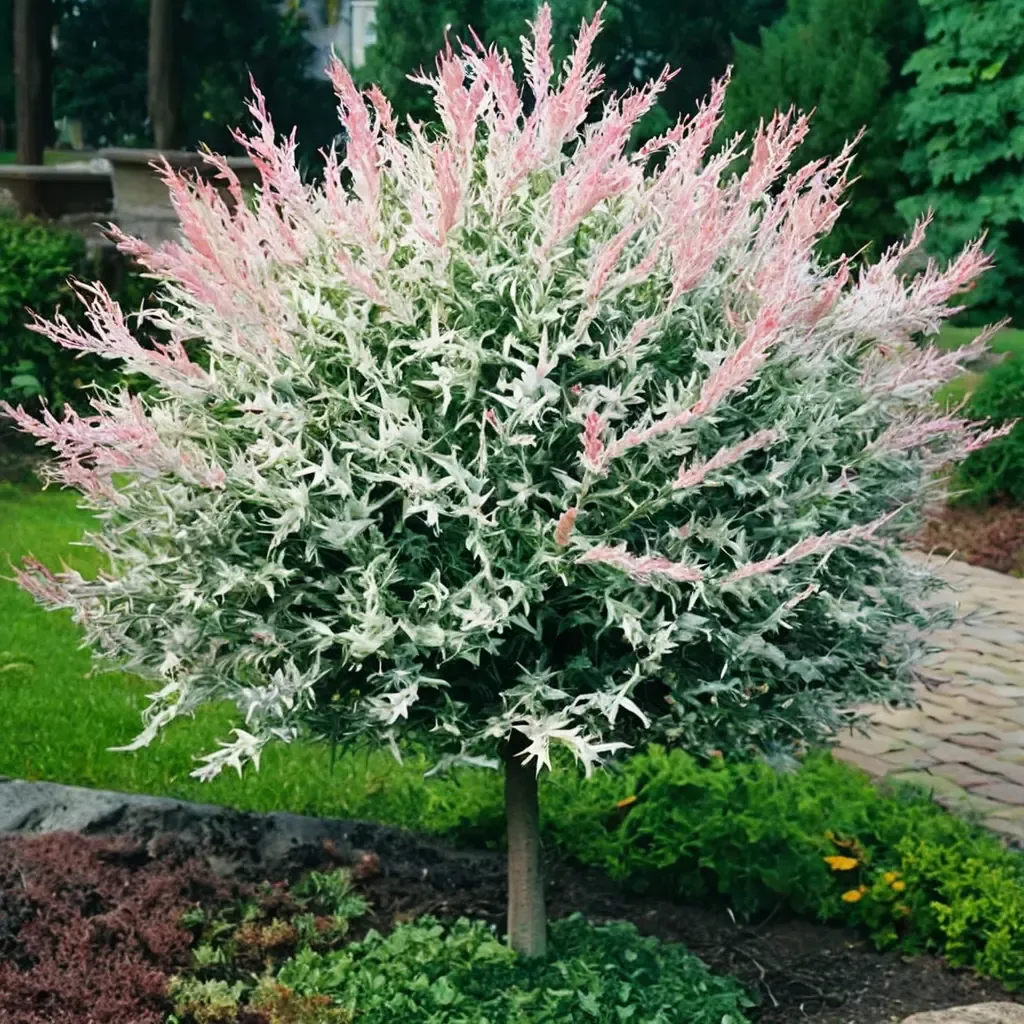
Dappled Willow
Salix integra 'Hakuro-nishiki'
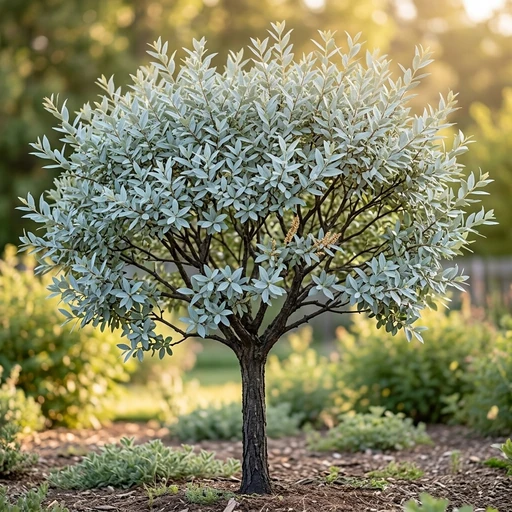
Black Willow
Salix nigra
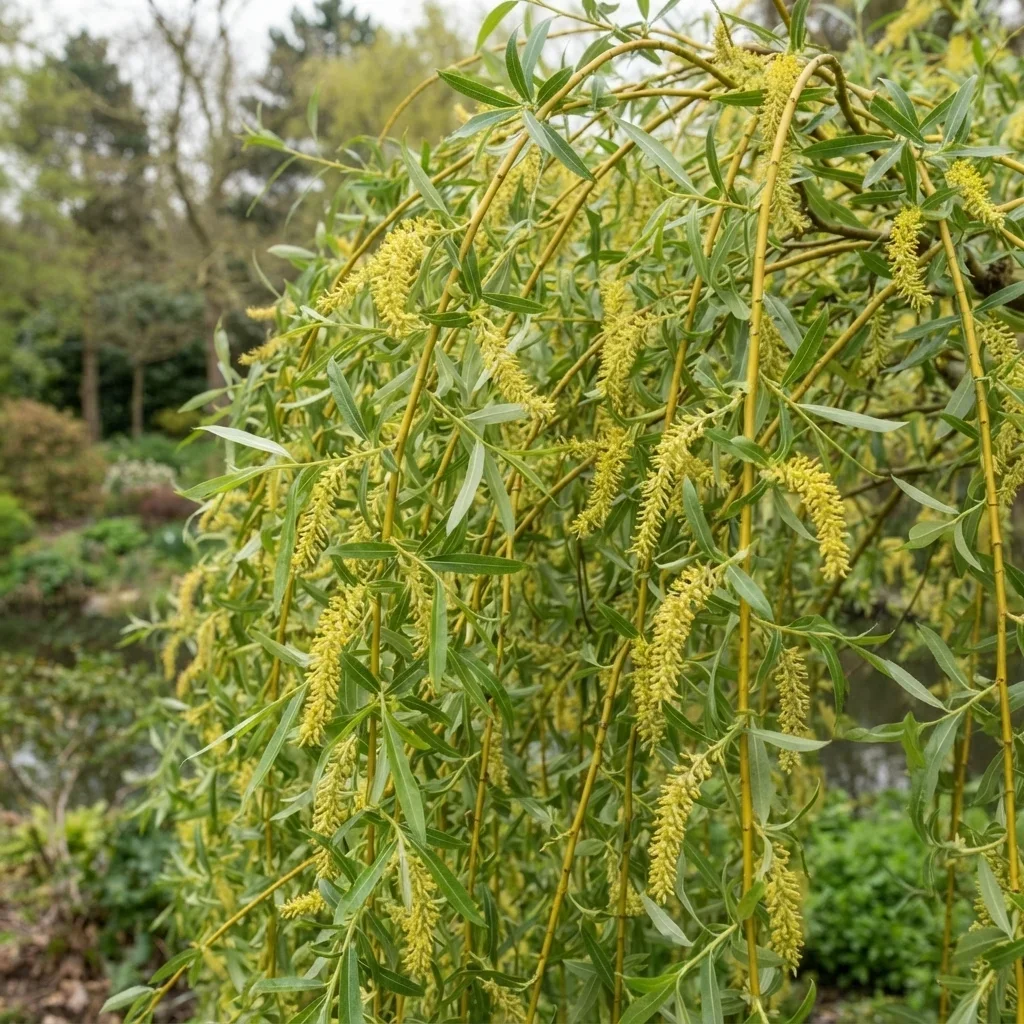
Weeping Willow
Salix x sepulcralis 'Mix'
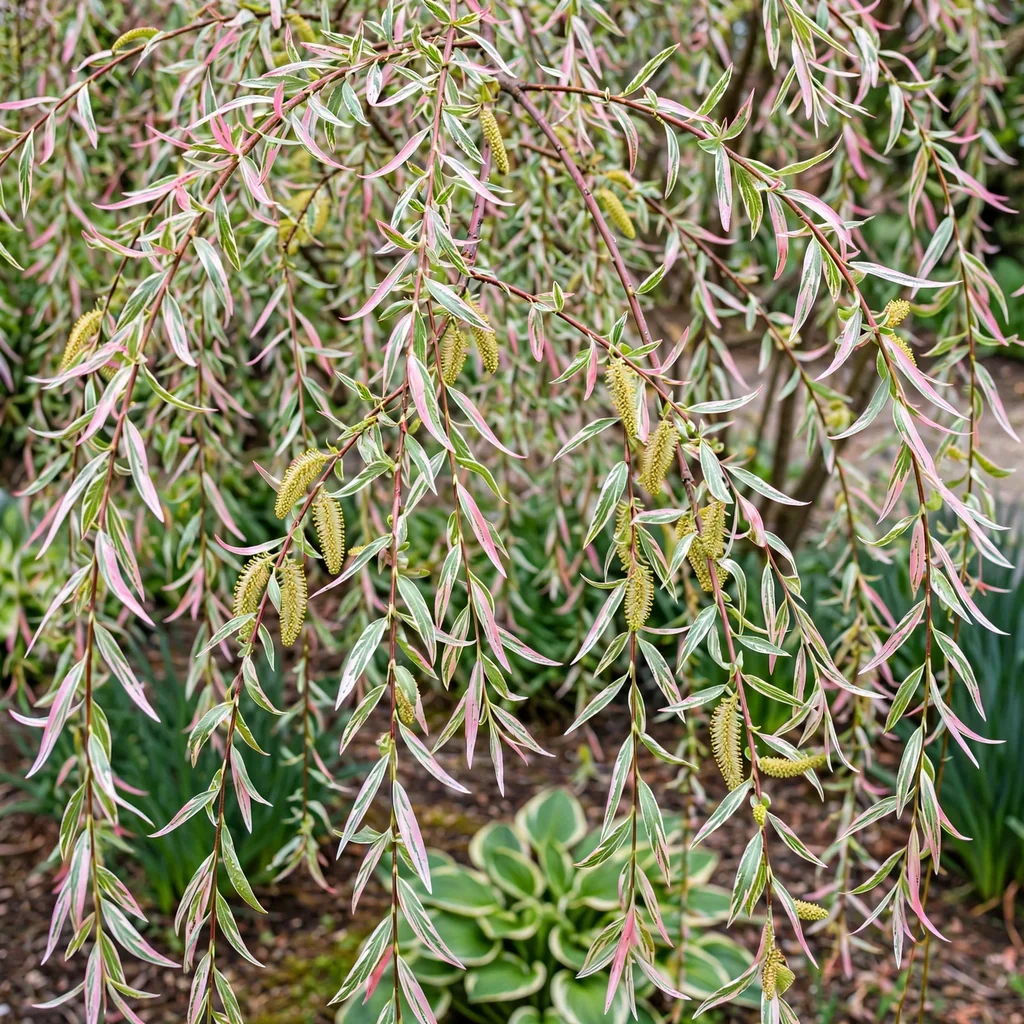
Flamingo Dappled Willow
Salix integra 'Flamingo'
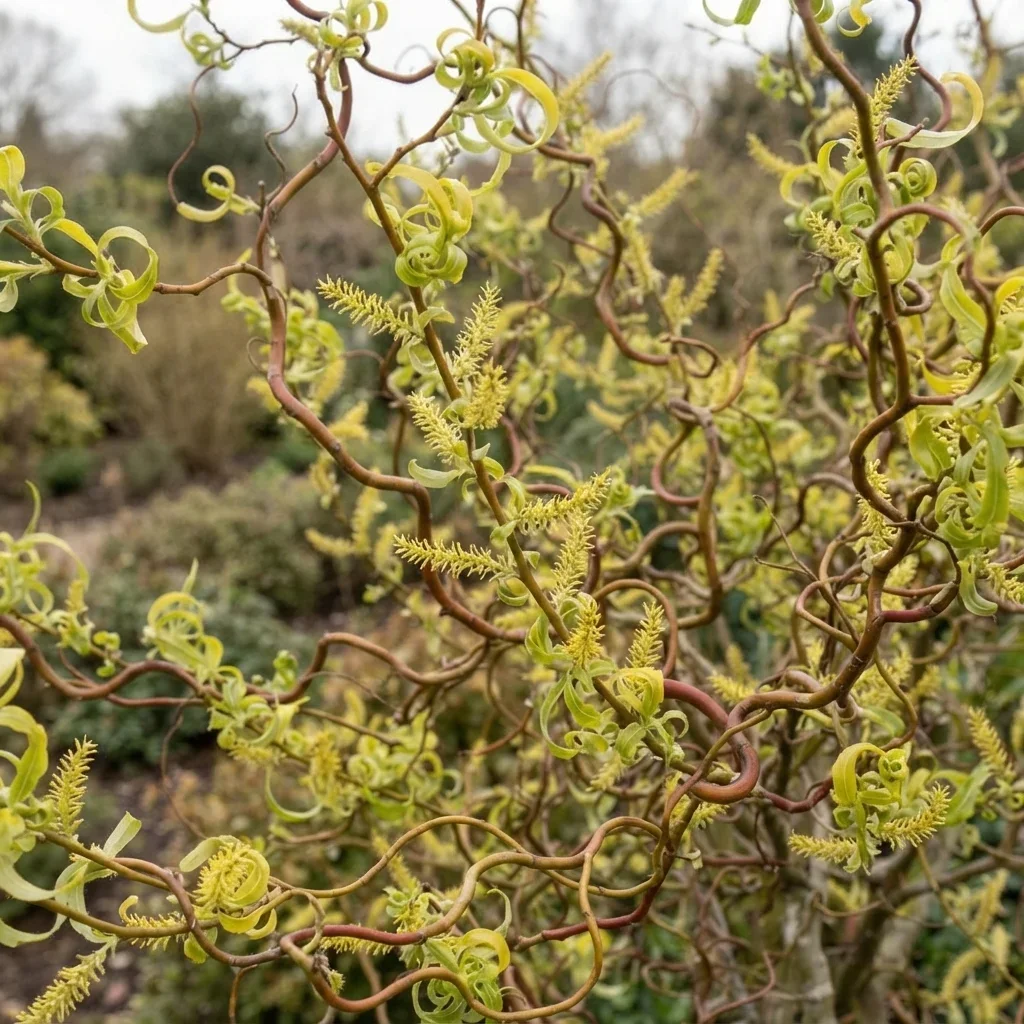
Corkscrew Willow
Salix babylonica 'Tortuosa'
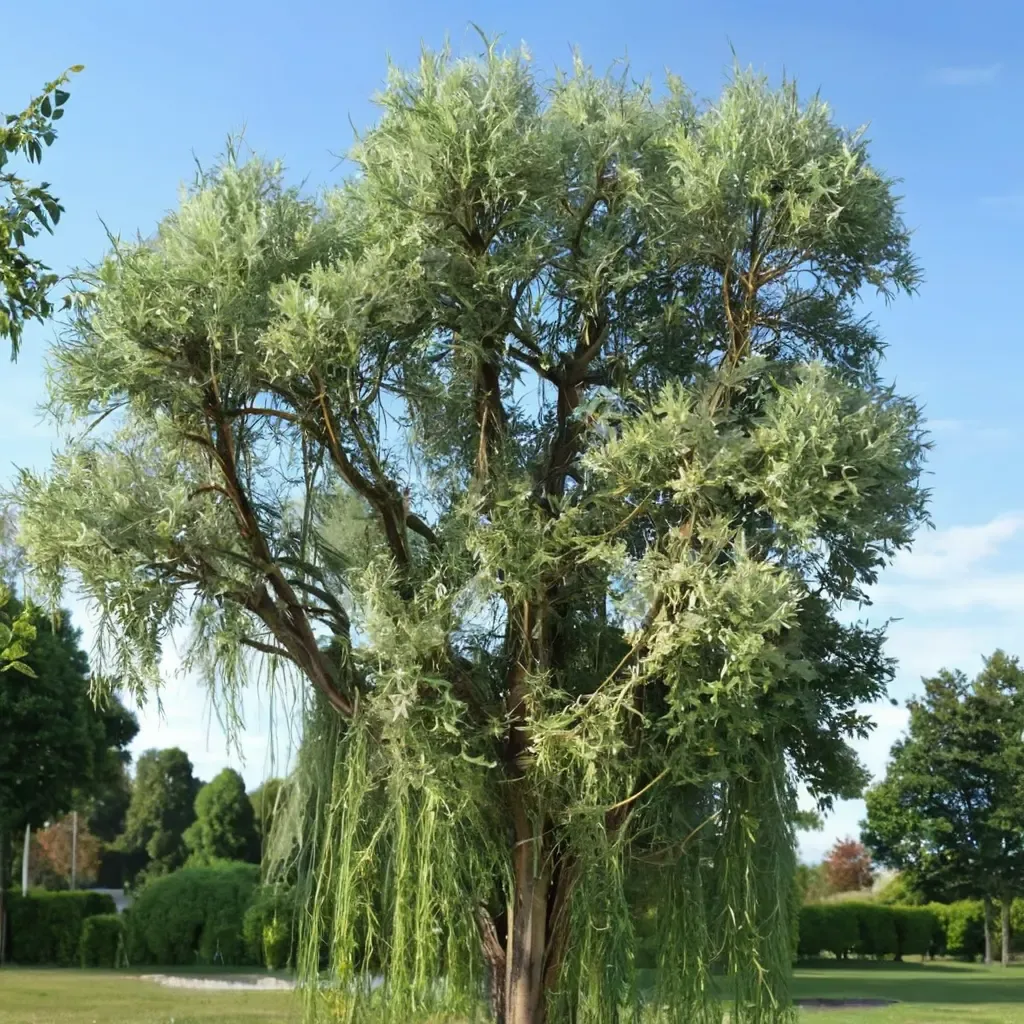
White Willow
Salix alba
Keep exploring
Explore the genus
Hardy in your zone?
Grow Red Twisted Willow with confidence
See it in a design of your actual yard, get zone-matched care reminders, and track it season by season in your garden journal.