The Story
Plant Bio
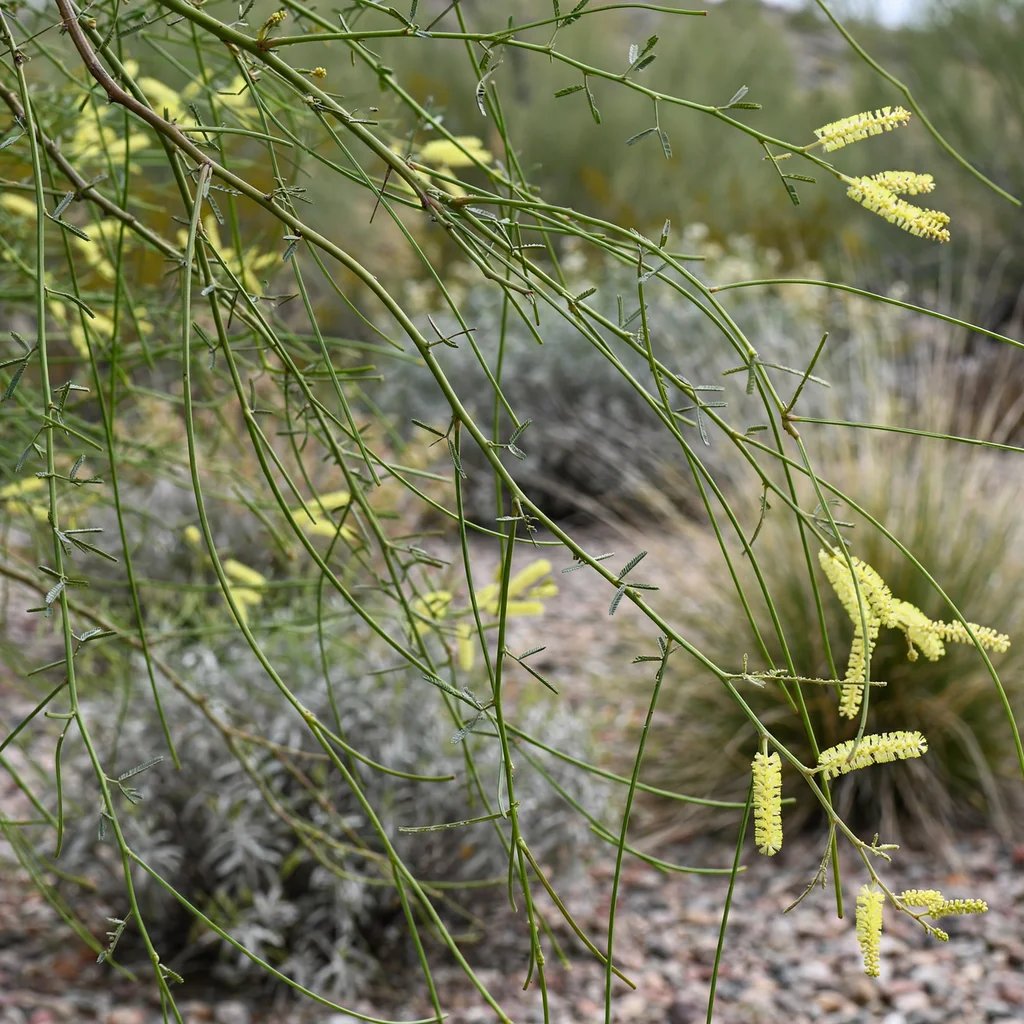
Acacia willardiana is a slender, open Sonoran tree with sparse bipinnate leaves and long green petioles that carry much of the photosynthesis. In spring it bears cream catkin-like spikes that mature into papery light-brown to dark-brown pods.
Its signature is smooth white to yellowish bark that peels in papery sheets on narrow upright, often multi-trunk stems. Unlike many acacias it is reported thornless, spindly when young and becoming graceful and weeping after ten to fifteen years.
Uses & Benefits:
Essentials
At a Glance
Plant Type
Tree
Height
300"
Width
180"
Light
Full Sun, Partial Sun
Zones
9, 10
Water
Low
Humidity
Low
Lifespan
Long-lived tree
Native To
Sonora, Mexico
Toxicity
Non-toxic
Bloom period
Spring
In flower about 3 months of the year
Planting
How to Grow
- Set potted stock in full sun after last frost, in rocky or sandy soil with sharp drainage.
- Dig a hole no deeper than the root ball and twice as wide, then backfill with native soil.
- Water moderately to establish through the first season, then taper to deep water every 2 to 4 weeks.
- Stake only if needed and train young trees for trunk character, removing basal suckers.
- Keep out of lawns and irrigated beds; give reflected heat and frost protection in zone 9.
Pro Tip
Train a single leader or open multi-trunk form when young and remove basal suckers; limit pruning to light shaping after frost because cuts into old bare wood often fail to resprout.
Keep It Thriving
Care Guide
Do
- Plant in full sun with fast drainage and room for a narrow 10- to 15-foot canopy.
- Water to establish, then keep on lowest water once rooted.
- Prune lightly in early spring after frost to shape and remove suckers.
Don't
- Do not plant in lawns or heavy clay that stays wet.
- Do not fertilize; it fixes nitrogen and needs no feeding.
- Do not make heavy cuts into old leafless wood.
Seasonal Care Calendar
| Task | Jan | Feb | Mar | Apr | May | Jun | Jul | Aug | Sep | Oct | Nov | Dec |
|---|---|---|---|---|---|---|---|---|---|---|---|---|
| Pest Check | ||||||||||||
| Plant | ||||||||||||
| Prune | ||||||||||||
| Winter Prep |
Watch Out For
Pests & Diseases
Common Pests
Common Diseases
In the Garden
Landscape Uses & Companions
Landscape Uses
Multiply
Propagation Methods
Good to Know
Common Questions
Palo Blanco questions
What zones can Palo Blanco grow in?
Palo Blanco is hardy in USDA Zones 9–10: in that range it survives winter in the ground. Colder than Zone 9, winters are too cold for it to survive outdoors.
When does Palo Blanco bloom?
Palo Blanco typically blooms in spring. Exact timing shifts a week or two with your zone — Sow's bloom calendar maps it to your garden.
Does Palo Blanco need full sun?
Palo Blanco does best in full sun to part shade. In hot climates, afternoon shade keeps blooms fresher longer.
Is Palo Blanco drought tolerant?
Yes — once established (usually after the first full season), Palo Blanco handles dry spells with minimal watering. Water deeply its first year to build the root system that makes that possible.
More Acacia to compare
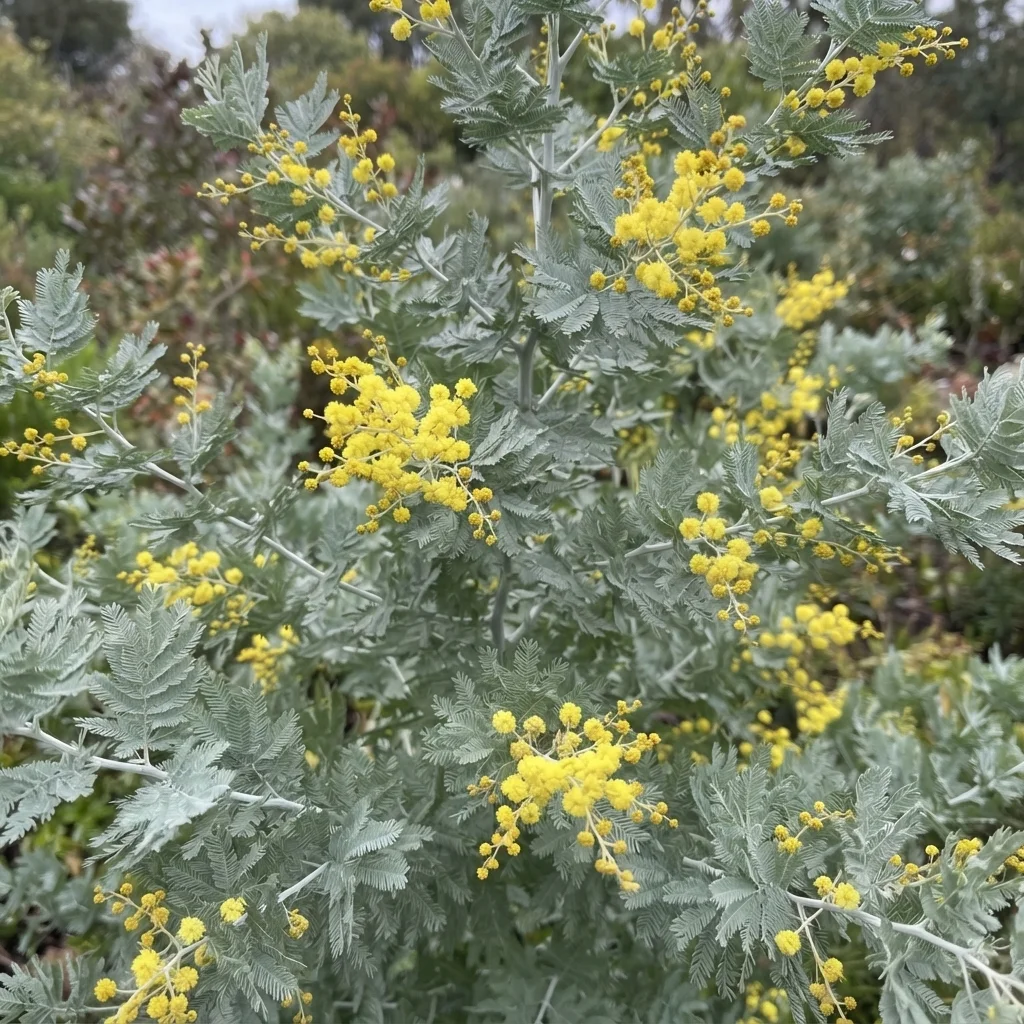
Silver wattle
Acacia dealbata
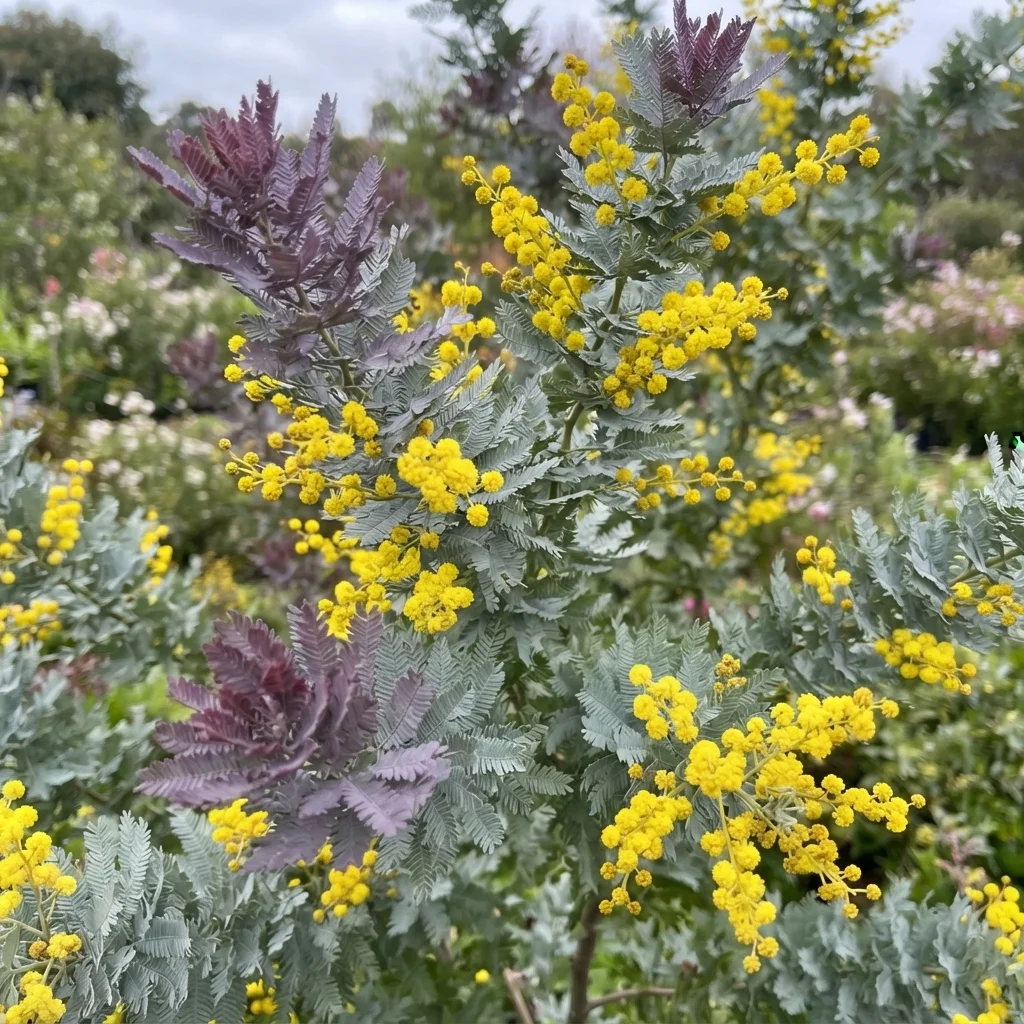
Cootamundra Wattle 'Purpurea'
Acacia baileyana 'Purpurea'
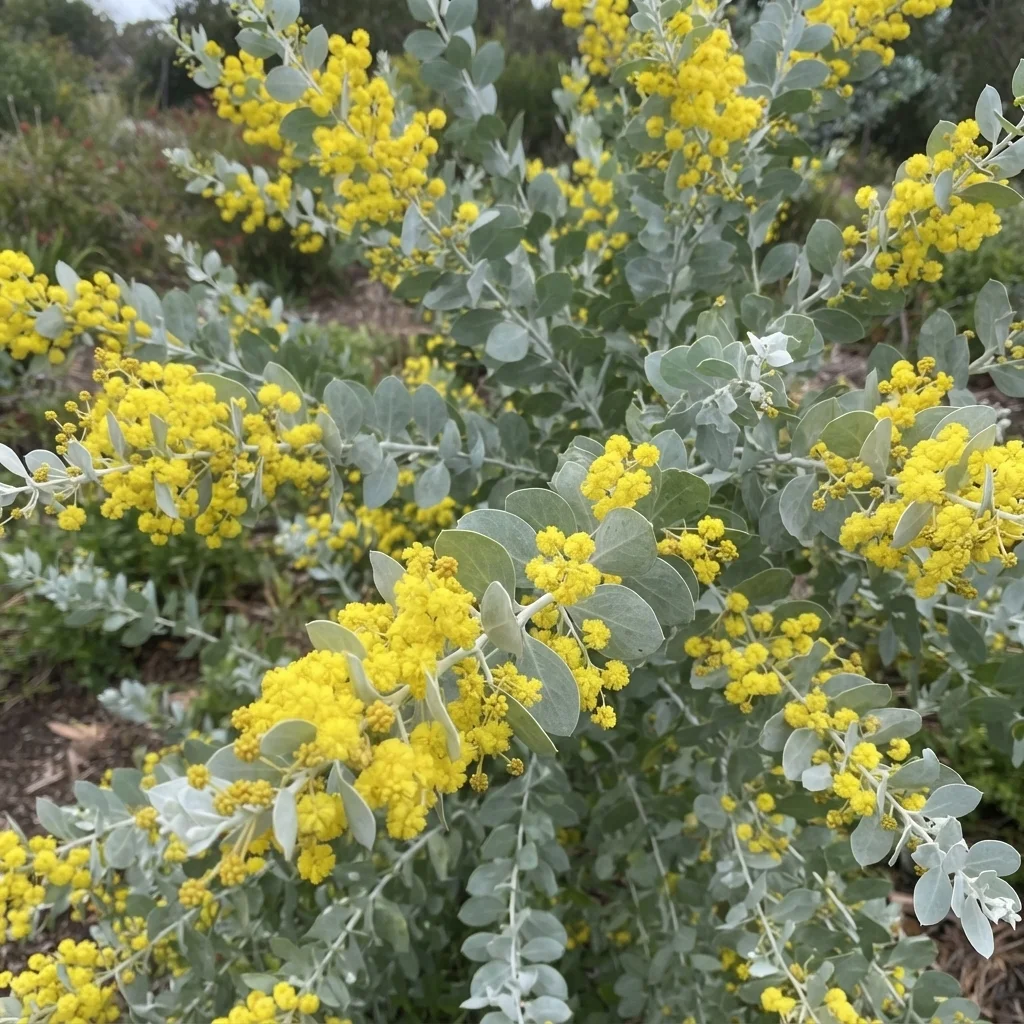
Pearl Acacia
Acacia podalyriifolia
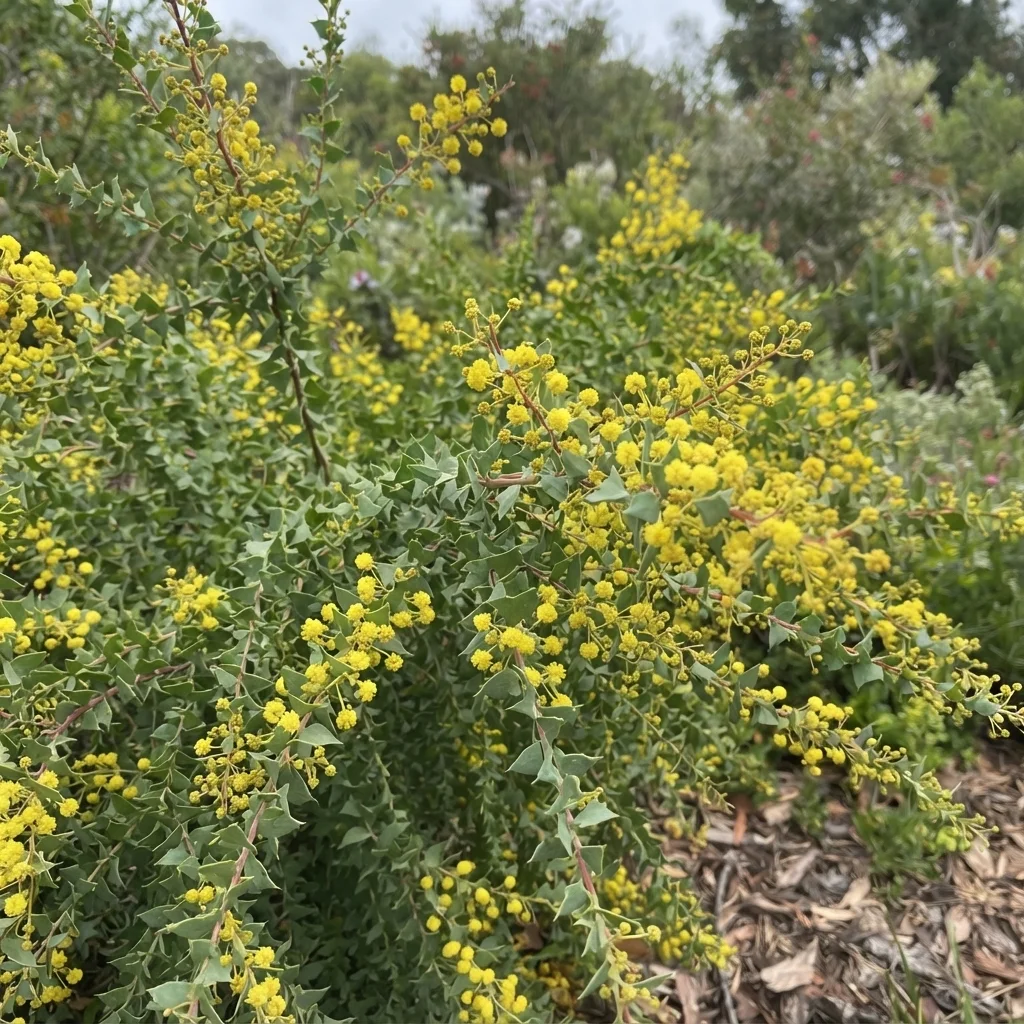
Ovens Wattle
Acacia pravissima
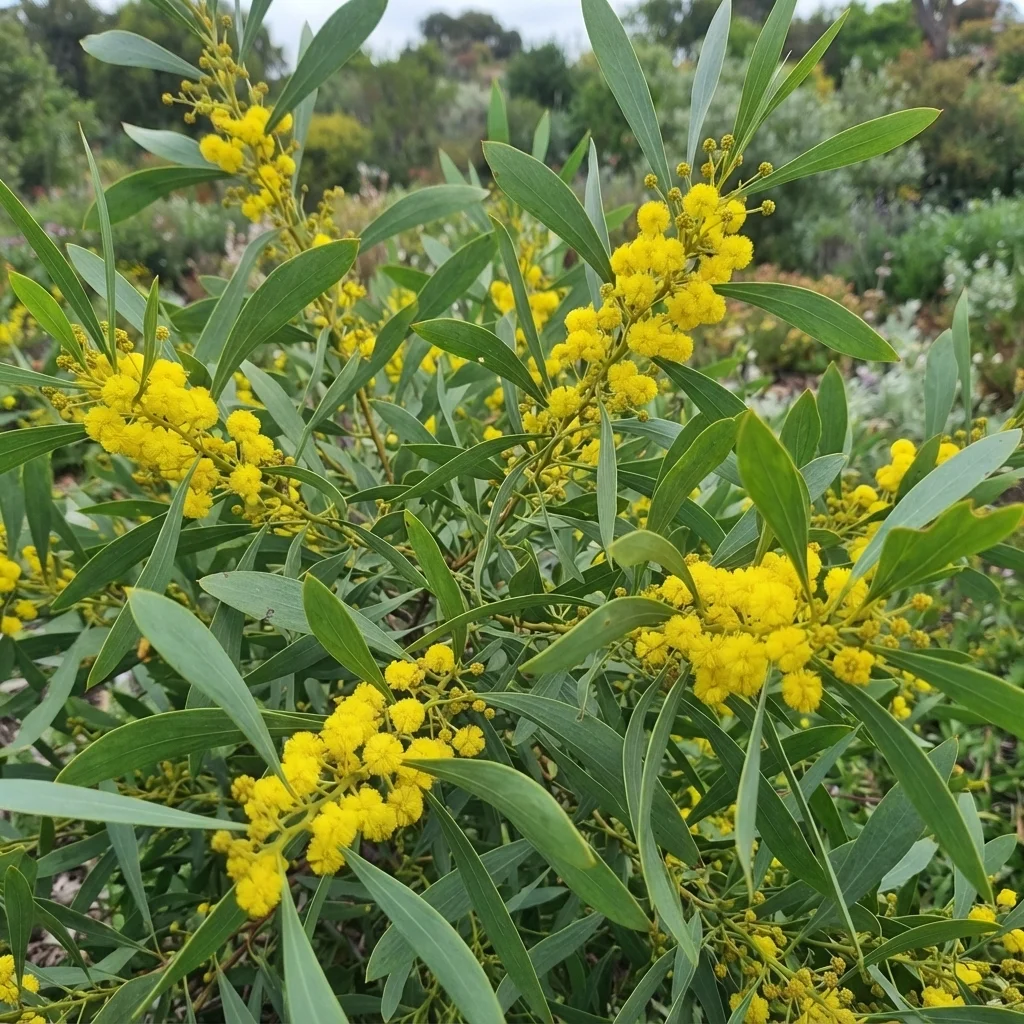
Golden Wreath Wattle
Acacia saligna
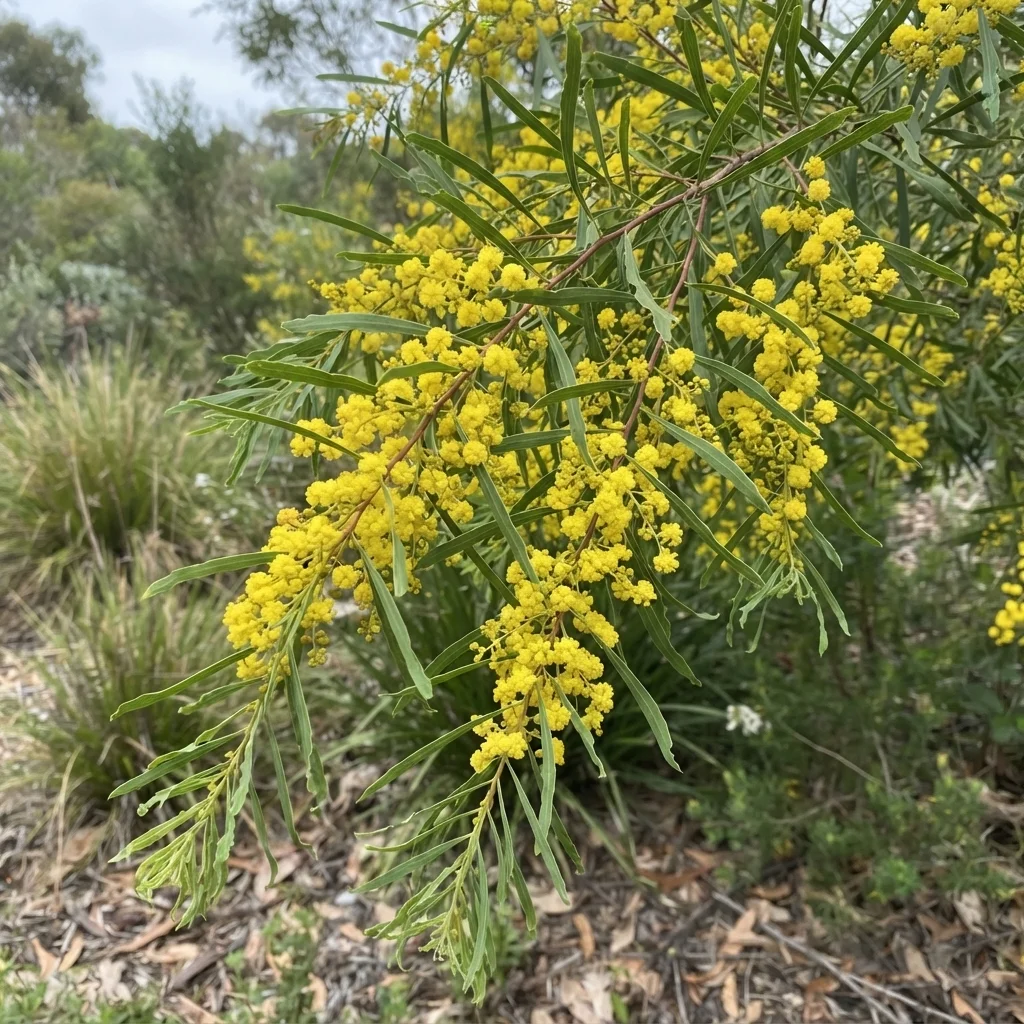
Fringed Wattle
Acacia fimbriata
Keep exploring
Explore the genus
Hardy in your zone?
Grow Palo Blanco with confidence
See it in a design of your actual yard, get zone-matched care reminders, and track it season by season in your garden journal.