The Story
Plant Bio
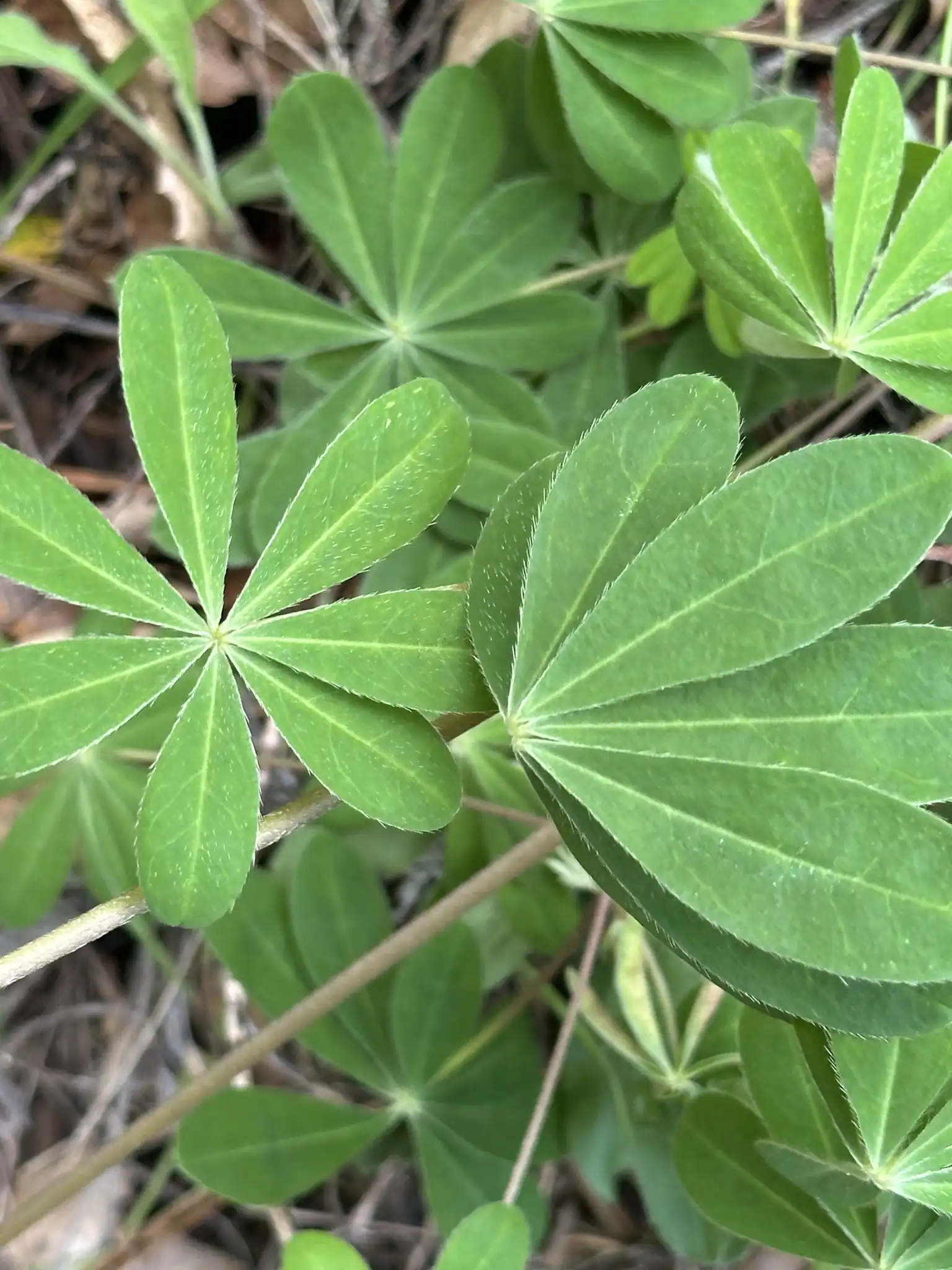
Lupinus latifolius, commonly known as broadleaf lupine, is an erect, woody-based perennial native to western North America, forming dense rounded clumps of strong branching stems up to five feet tall. It features palmately compound gray-green leaves composed of seven to eleven leaflets and terminal racemes of purple, blue, or pinkish-blue flowers with pale central spots.
The species forms symbiotic root nodules with nitrogen-fixing bacteria, enabling vigorous growth in nutrient-deficient soils. Its long floral spikes produce abundant nectar that fuels native bumblebees and serves as a vital larval host for western blue and sulphur butterflies.
Uses & Benefits:
Essentials
At a Glance
Plant Type
Perennial
Height
60"
Width
48"
Light
Full Sun, Partial Sun
Zones
4, 5, 6, 7, 8, 9
Water
Moderate
Humidity
Low to Moderate
Lifespan
Short-lived Perennial (2-5 years)
Native To
Western North America
Toxicity
Toxic if ingested; causes skin irritation
Bloom period
Late spring – Mid summer
In flower about 3 months of the year
Planting
How to Grow
- Select a site in full sun with light afternoon shade in hot inland locations.
- Prepare sandy or loamy soil with excellent drainage, avoiding rich soils or added nitrogen.
- Plant container stock or bare-root crowns without disturbing the fragile taproot.
- Water thoroughly at planting and supply light irrigation during active spring growth.
- Cut spent flower spikes back to the base after blooming to conserve root reserves.
Pro Tip
Inoculate seeds or roots with a legume-specific rhizobial inoculant at planting time to establish the nitrogen-fixing relationship essential for vigorous growth.
Keep It Thriving
Care Guide
Do
- Plant in sharply draining acidic to neutral soil to prevent root rot.
- Provide light afternoon shade in hot interior summer climates.
- Allow flower stalks to set seed if naturalized self-seeding is desired.
Don't
- Do not apply high-nitrogen fertilizers, which suppress blooms and cause weak stem growth.
- Do not disturb or prune heavily into old, leafless woody stems at the base.
- Do not allow soil to become waterlogged or suffer from poor drainage.
Seasonal Care Calendar
| Task | Jan | Feb | Mar | Apr | May | Jun | Jul | Aug | Sep | Oct | Nov | Dec |
|---|---|---|---|---|---|---|---|---|---|---|---|---|
| Deadhead | ||||||||||||
| Pest Check | ||||||||||||
| Plant | ||||||||||||
| Prune | ||||||||||||
| Spring Cleanup |
Watch Out For
Pests & Diseases
Common Pests
Common Diseases
In the Garden
Landscape Uses & Companions
Landscape Uses
Multiply
Propagation Methods
Good to Know
Common Questions
Broadleaf lupine questions
What zones can Broadleaf lupine grow in?
Broadleaf lupine is hardy in USDA Zones 4–9: in that range it survives winter in the ground. Warmer than Zone 9, winter isn't the problem: it prefers colder winters, and summer heat can shorten its life.
Is Broadleaf lupine deer resistant?
Not reliably. Deer may browse Broadleaf lupine, especially tender spring growth — plan on repellents or fencing where pressure is high.
When does Broadleaf lupine bloom?
Broadleaf lupine typically blooms from late spring to mid-summer. Exact timing shifts a week or two with your zone — Sow's bloom calendar maps it to your garden.
Does Broadleaf lupine need full sun?
Broadleaf lupine does best in full sun to part shade. In hot climates, afternoon shade keeps blooms fresher longer.
Is Broadleaf lupine drought tolerant?
Yes — once established (usually after the first full season), Broadleaf lupine handles dry spells with minimal watering. Water deeply its first year to build the root system that makes that possible.
More Lupinus to compare
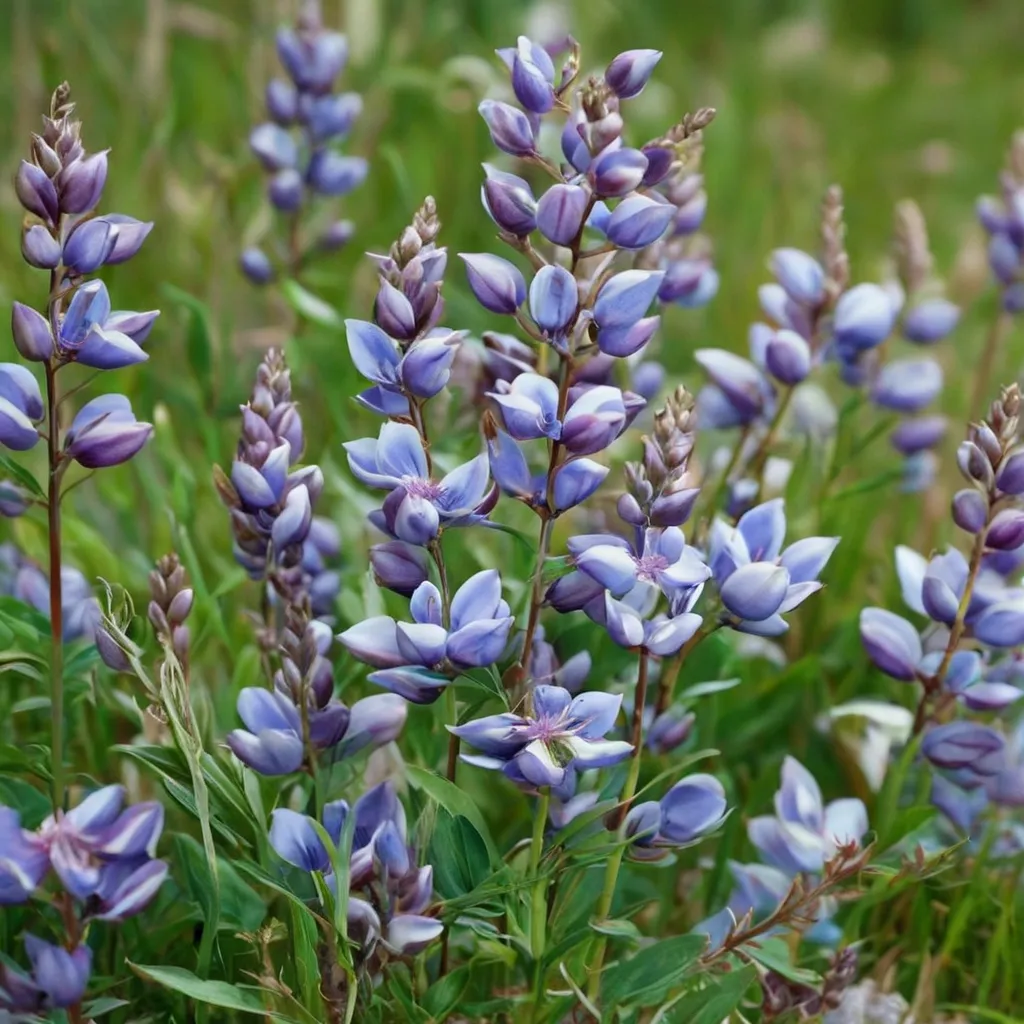
Wild Lupine
Lupinus perennis
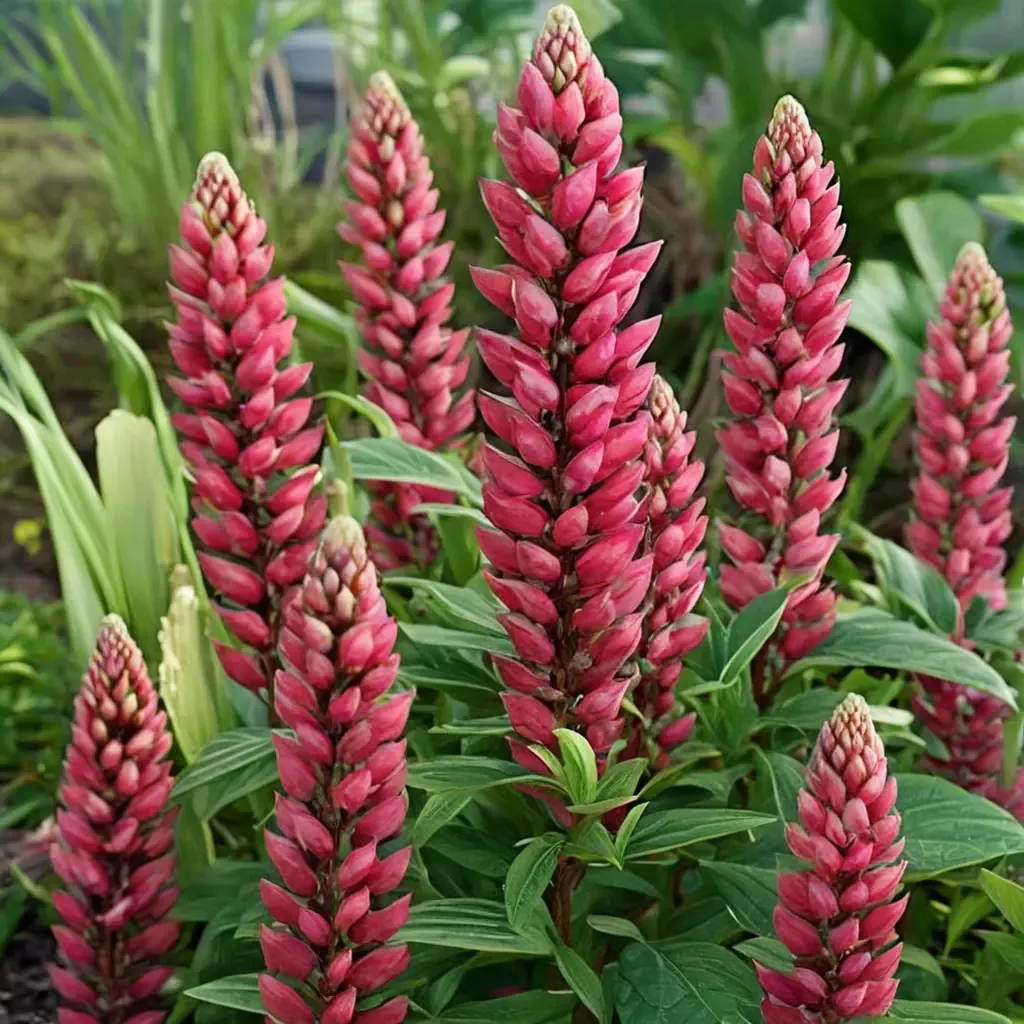
Red Popsicle Lupine
Lupinus polyphyllus 'Red Popsicle'
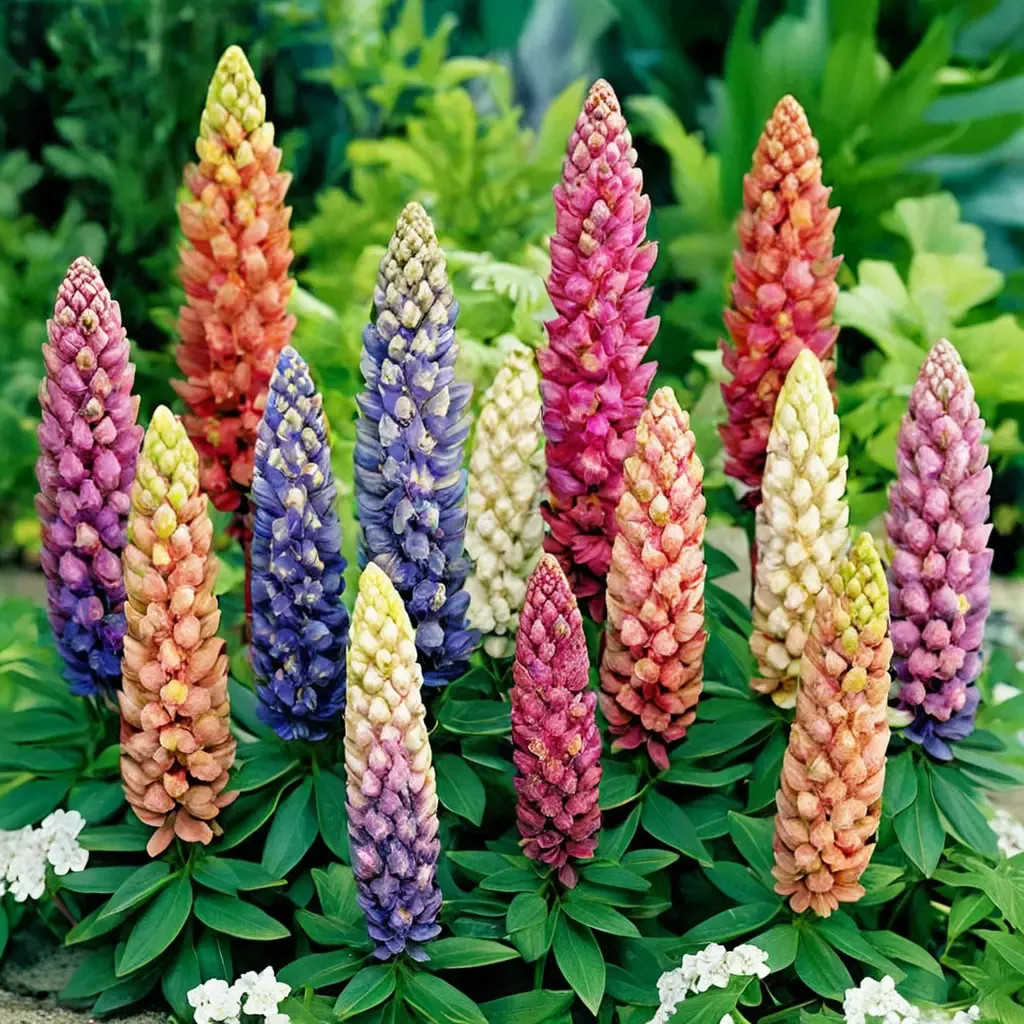
Dwarf Mix Lupine
Lupinus polyphyllus 'Dwarf Mix'
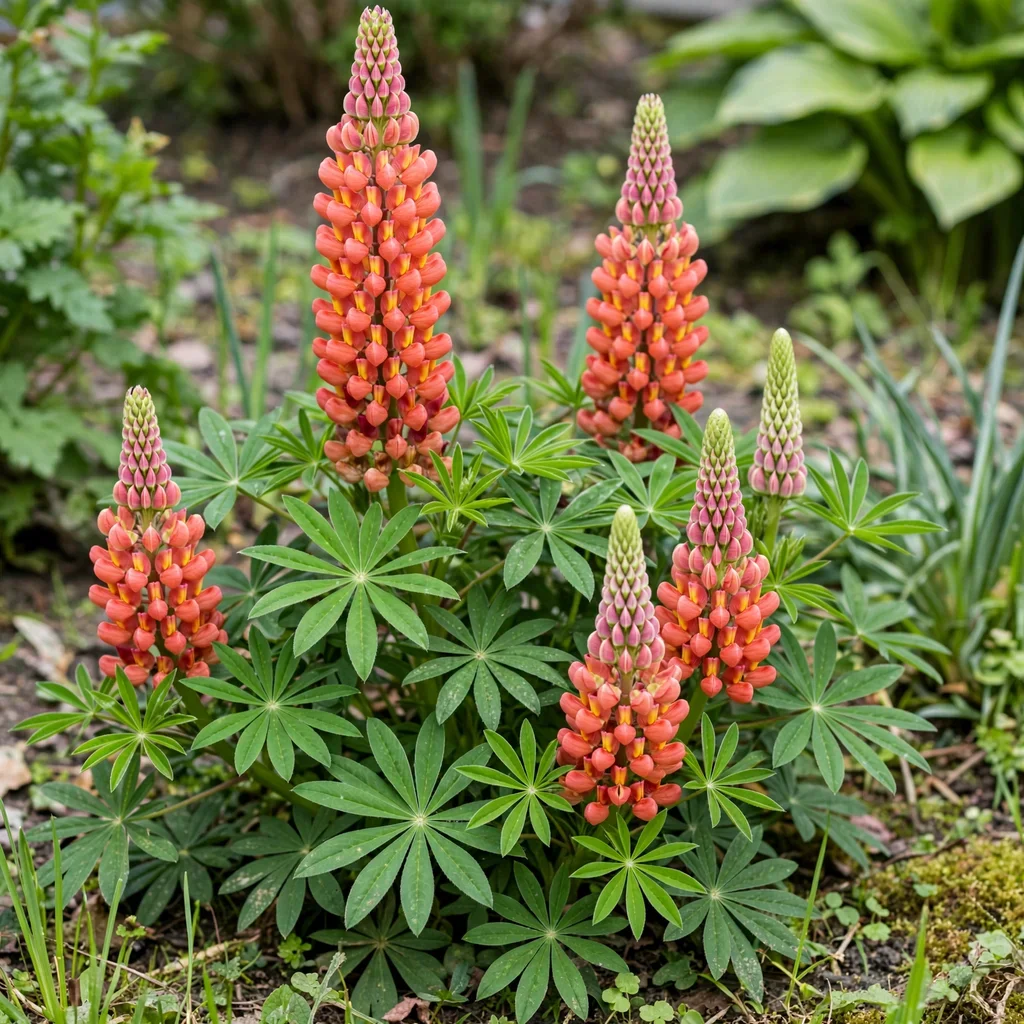
Garden Lupine
Lupinus polyphyllus 'Towering Inferno'
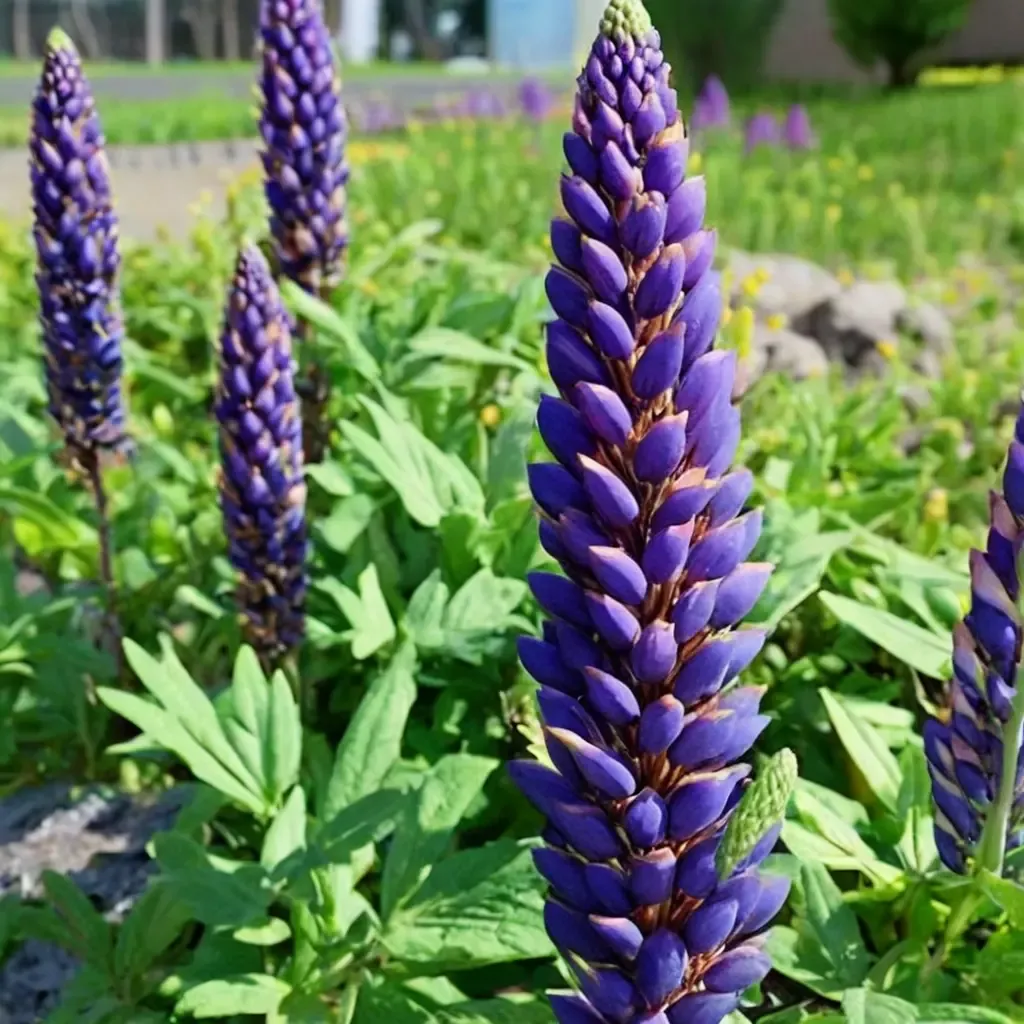
Magic Lantern lupine
Lupinus polyphyllus 'Magic Lantern'
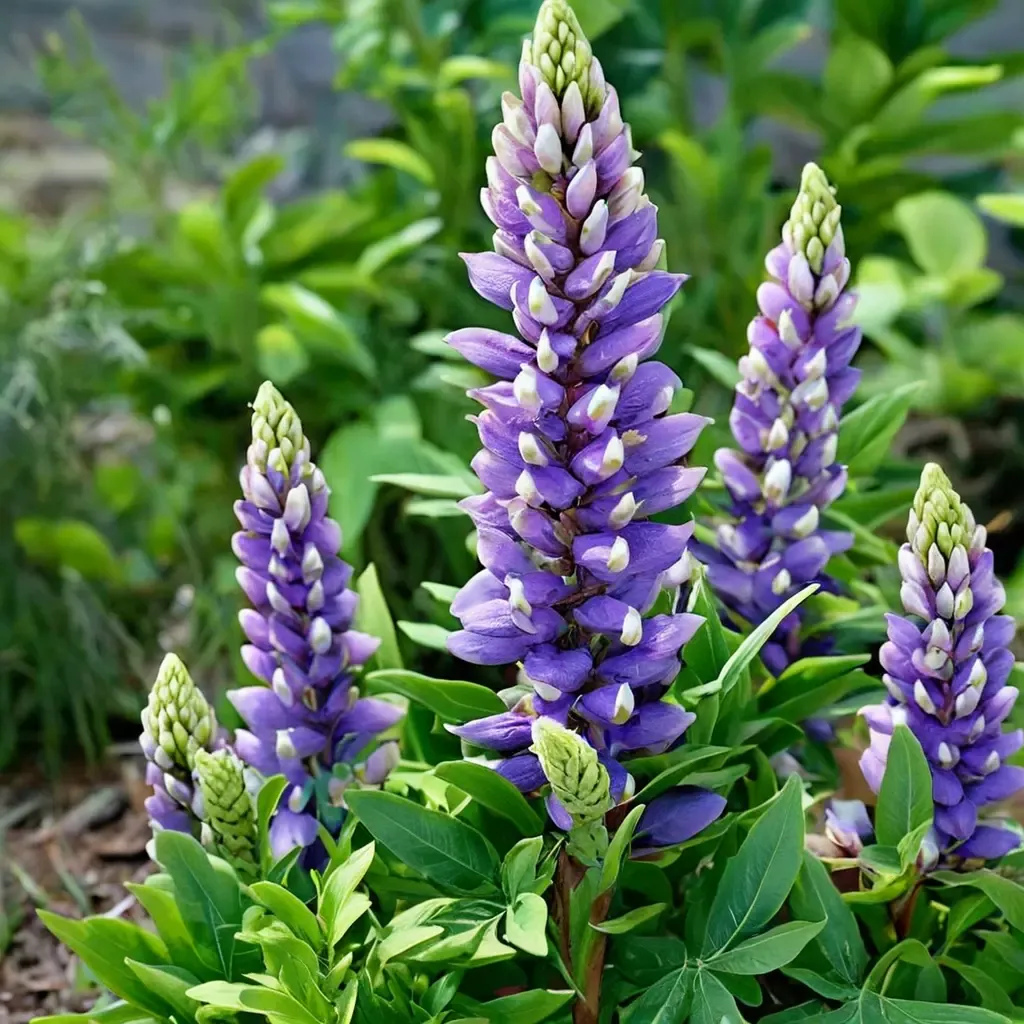
Gallery Blue Lupine
Lupinus polyphyllus 'Gallery Blue'
Keep exploring
Explore the genus
Grow Broadleaf lupine with confidence
See it in a design of your actual yard, get zone-matched care reminders, and track it season by season in your garden journal.