The Story
Plant Bio
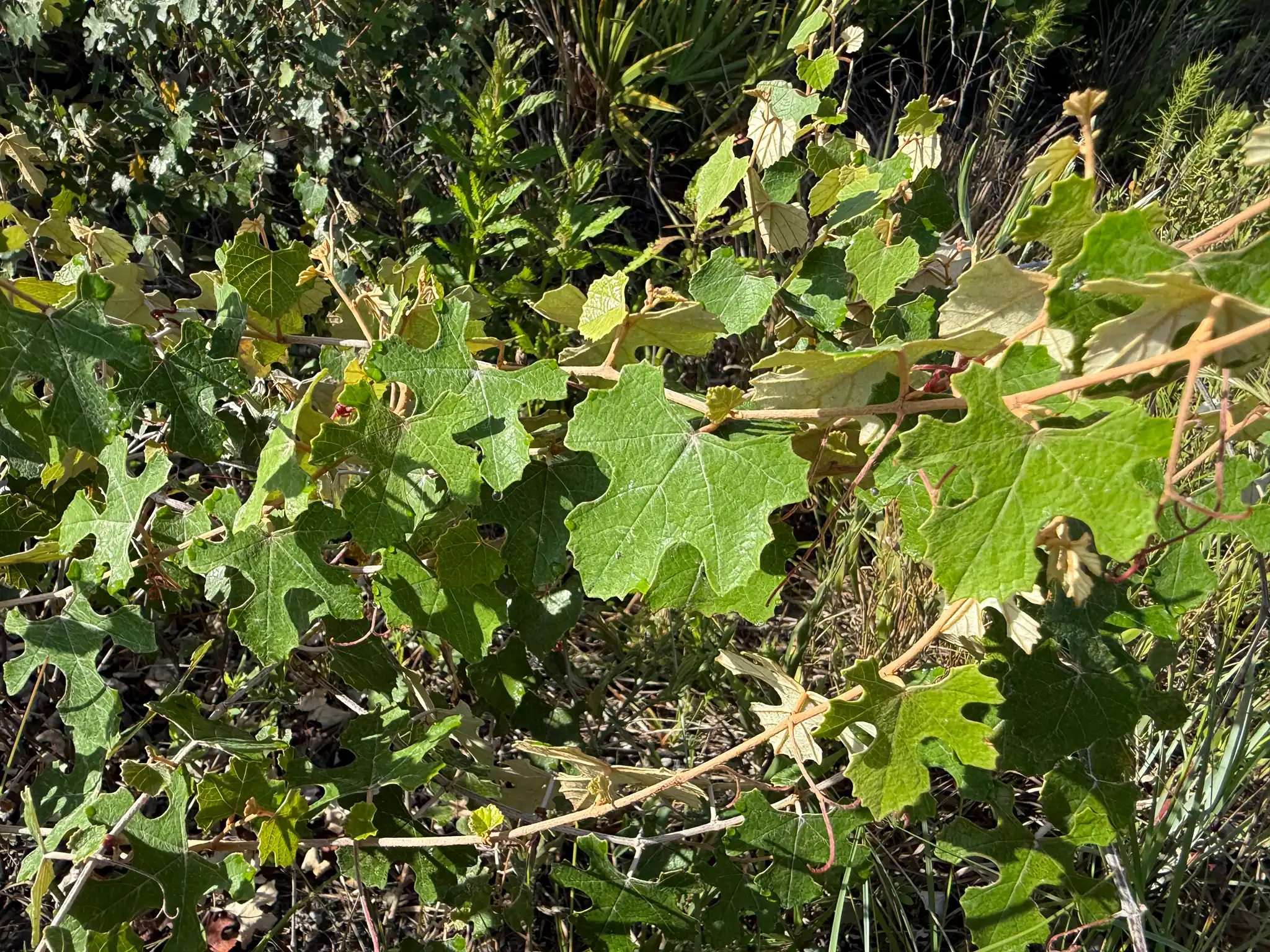
Vitis shuttleworthii is a deciduous woody vine from peninsular Florida that climbs by branched tendrils and develops exfoliating bark on older stems. The leaves are broadly heart-shaped to kidney-shaped, 4 to 12 cm across, green and soon smooth above and densely white to rusty felted beneath.
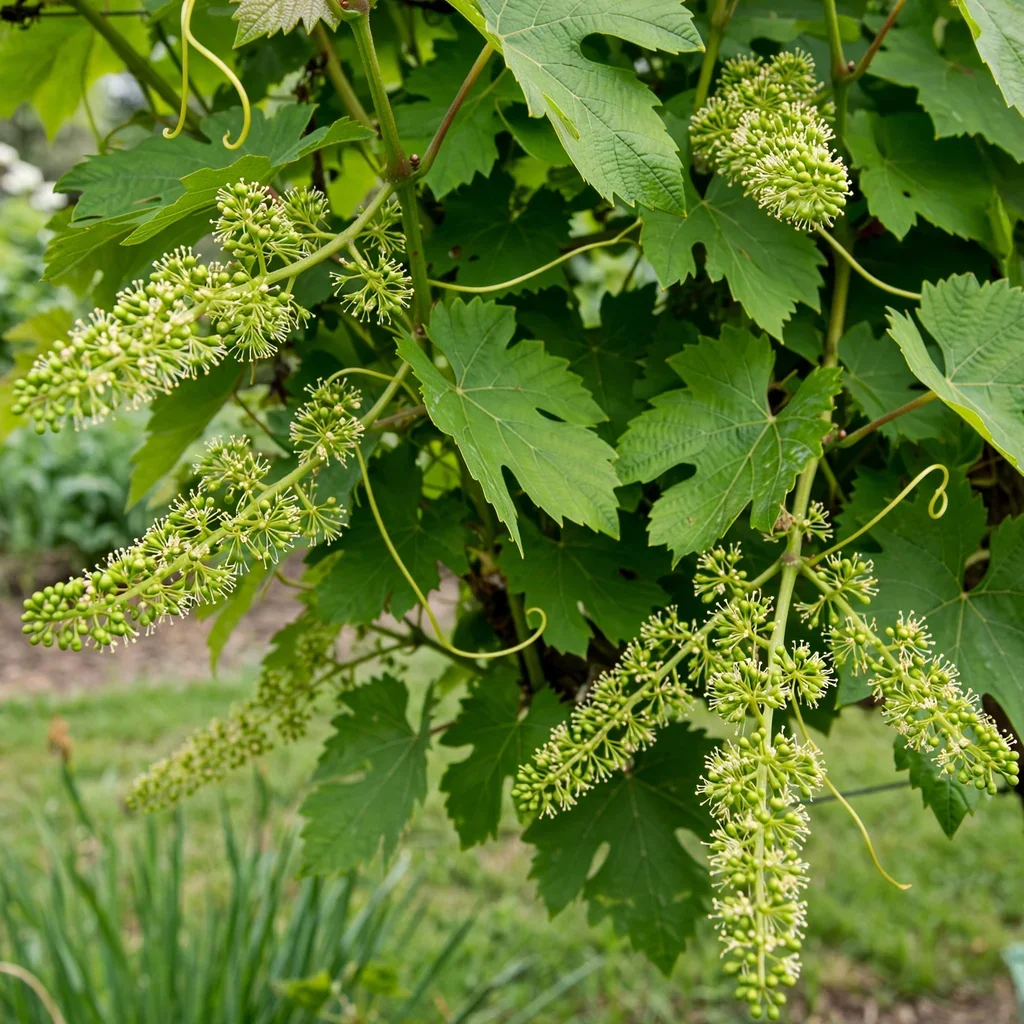
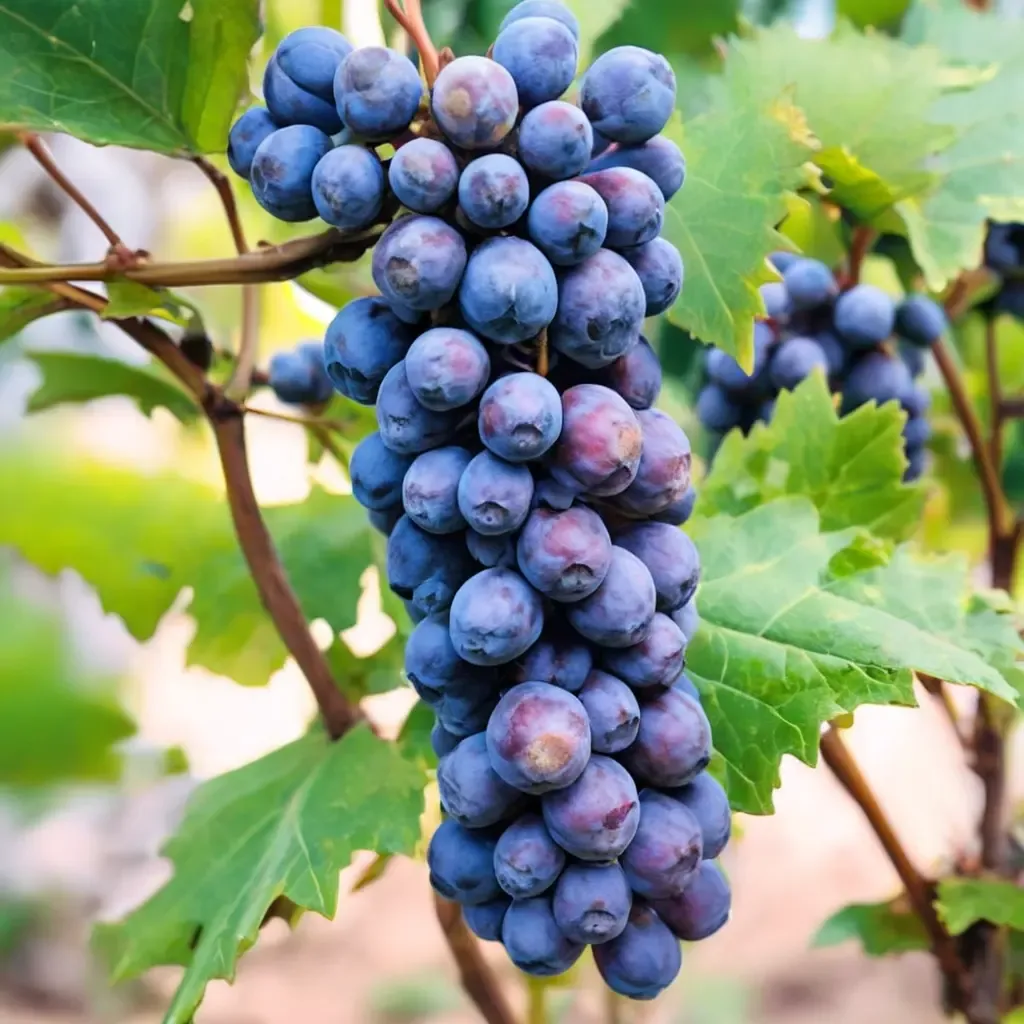
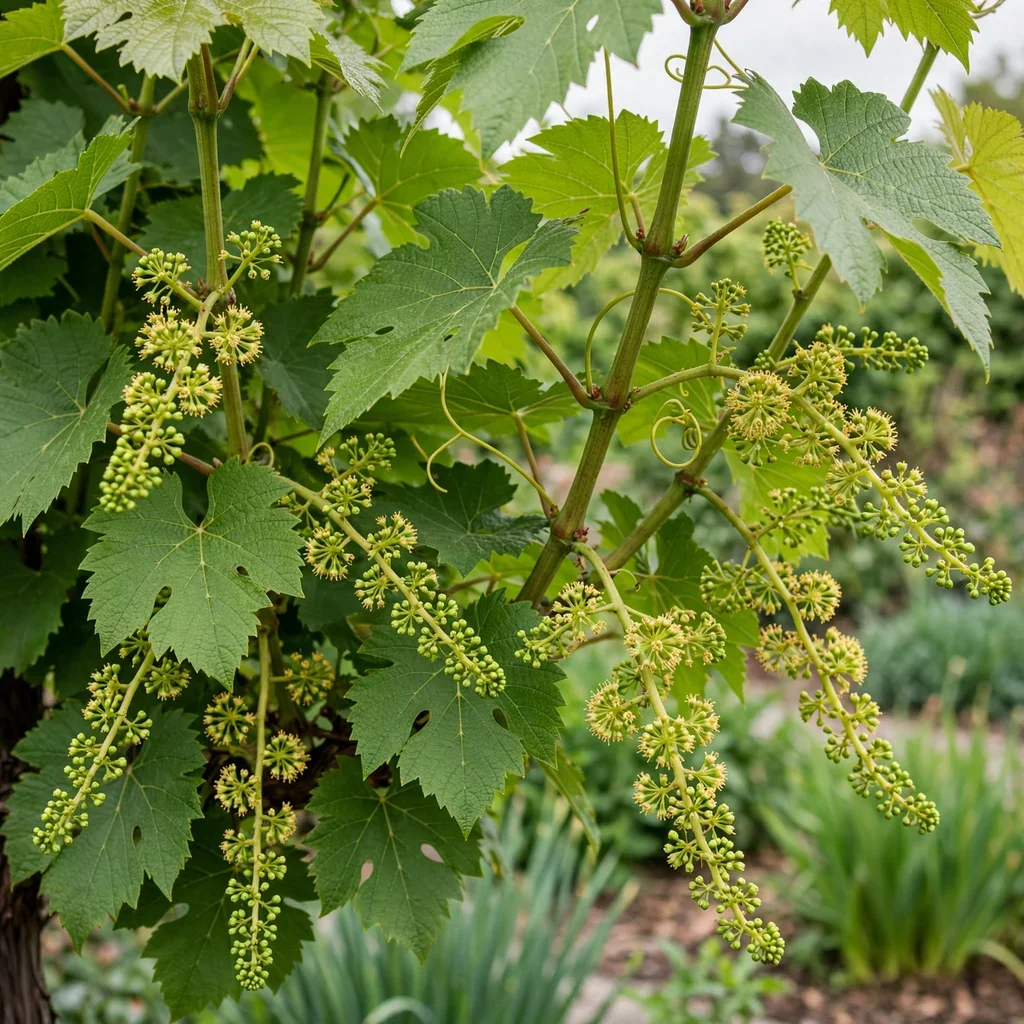
Flower clusters and tendrils occur at only two consecutive nodes, with 4 to 10 cm clusters of small yellow-green unisexual flowers in spring. Summer berries are 12 mm or larger, dark red to purple-black with skin that separates from the sweet pulp, eaten and spread by birds and mammals.
Uses & Benefits:
Essentials
At a Glance
Plant Type
Vine
Height
360"
Width
180"
Light
Full Sun, Partial Sun
Zones
8, 9, 10
Water
Average, well-drained
Humidity
Tolerant of humid subtropical heat
Lifespan
Woody perennial vine
Native To
Peninsular Florida, USA
Toxicity
Unknown; fruit described as edible sweet
Bloom period
Spring – Late spring
In flower about 3 months of the year
Planting
How to Grow
- Plant in spring in average well-drained soil in USDA 8B-11, at the base of a trellis or fence.
- Train young stems to the support and tie loosely until tendrils take hold.
- Water to establish, then allow the top few inches to dry between waterings; avoid wet feet.
- Pick ripe dark berries in summer for fresh use, leaving some for birds.
Pro Tip
Set a stout trellis or fence at planting and train the main stems to it; a vine left without support sprawls and fruits poorly.
Keep It Thriving
Care Guide
Do
- Give full sun to partial shade with air movement around the vine.
- Keep soil well-drained and mulch lightly to hold even moisture.
- Leave ripe fruit for birds and mammals if harvest is not wanted.
Don't
- Do not plant in soggy or compacted ground that stays wet.
- Do not grow without a trellis or fence for the tendrils to grip.
- Do not confuse it with Shuttleworth ginger or with Texas grapes sold under the wrong name.
Seasonal Care Calendar
| Task | Jan | Feb | Mar | Apr | May | Jun | Jul | Aug | Sep | Oct | Nov | Dec |
|---|---|---|---|---|---|---|---|---|---|---|---|---|
| Harvest | ||||||||||||
| Mulch | ||||||||||||
| Spring Cleanup | ||||||||||||
| Stake | ||||||||||||
| Winter Prep |
Watch Out For
Pests & Diseases
Common Pests
Common Diseases
In the Garden
Landscape Uses & Companions
Landscape Uses
Multiply
Propagation Methods
Good to Know
Common Questions
Calloose Grape questions
What zones can Calloose Grape grow in?
Calloose Grape is hardy in USDA Zones 8–10: in that range it survives winter in the ground. Colder than Zone 8, grow it in a container you can move to shelter for the winter, or as an annual.
When does Calloose Grape bloom?
Calloose Grape typically blooms in spring. Exact timing shifts a week or two with your zone — Sow's bloom calendar maps it to your garden.
Does Calloose Grape need full sun?
Calloose Grape does best in full sun to part shade. In hot climates, afternoon shade keeps blooms fresher longer.
More Vitis to compare
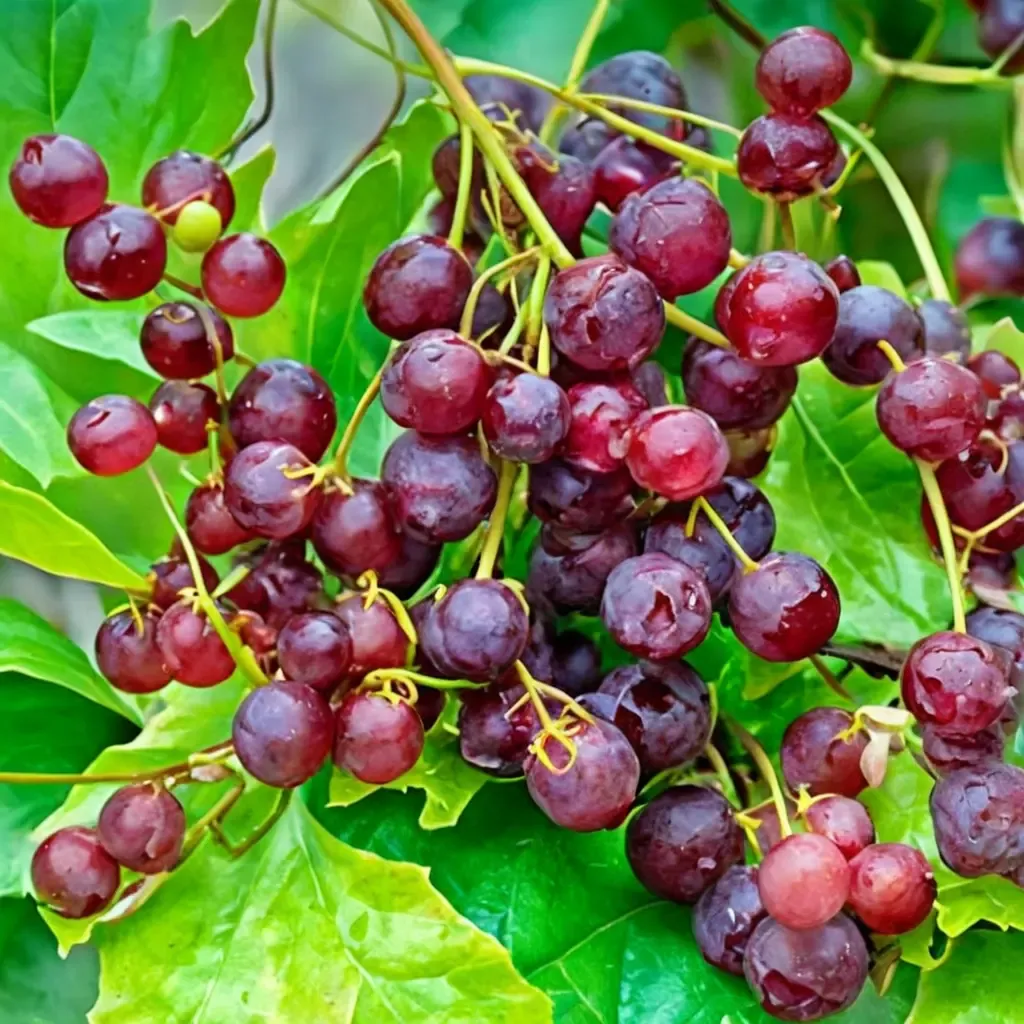
RazzMatazz Grape
Vitis vinifera 'RazzMatazz'
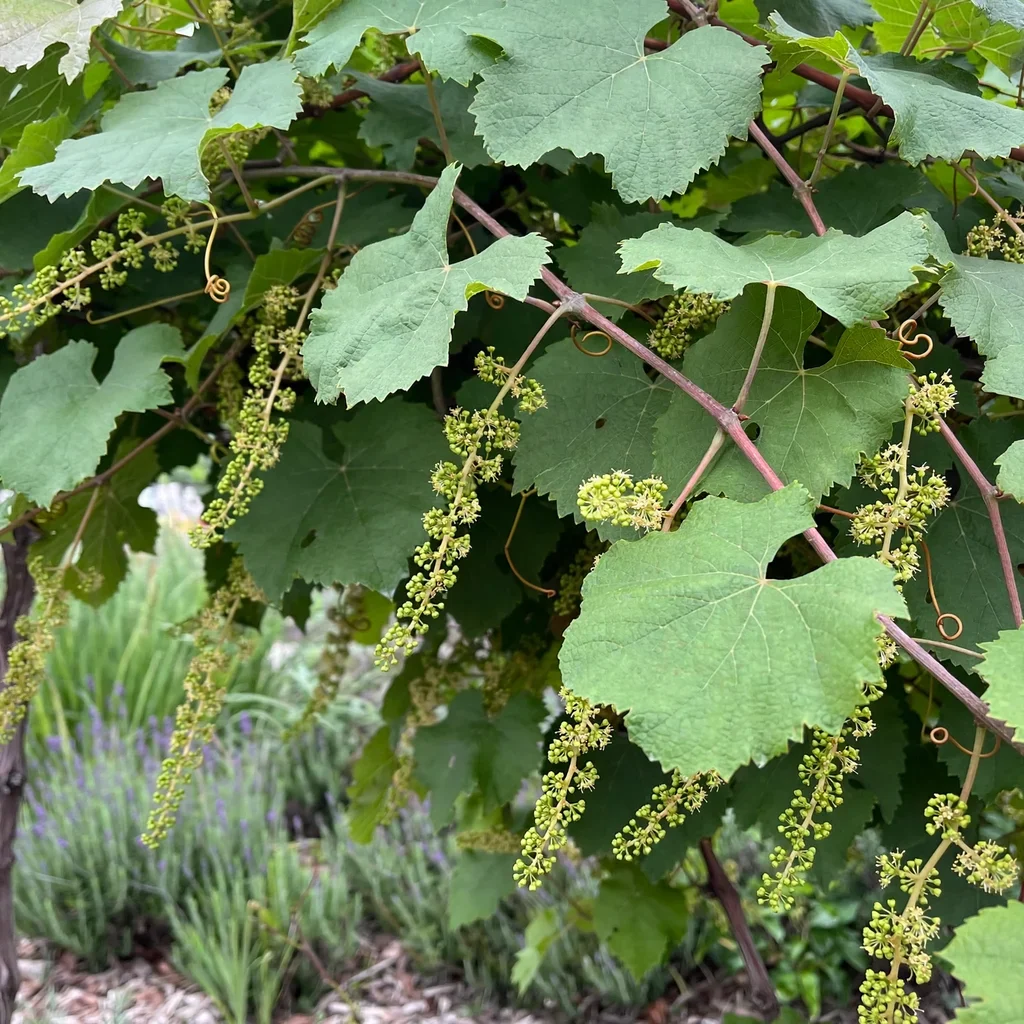
Roger's Red Grape
Vitis x californica 'Roger's Red'
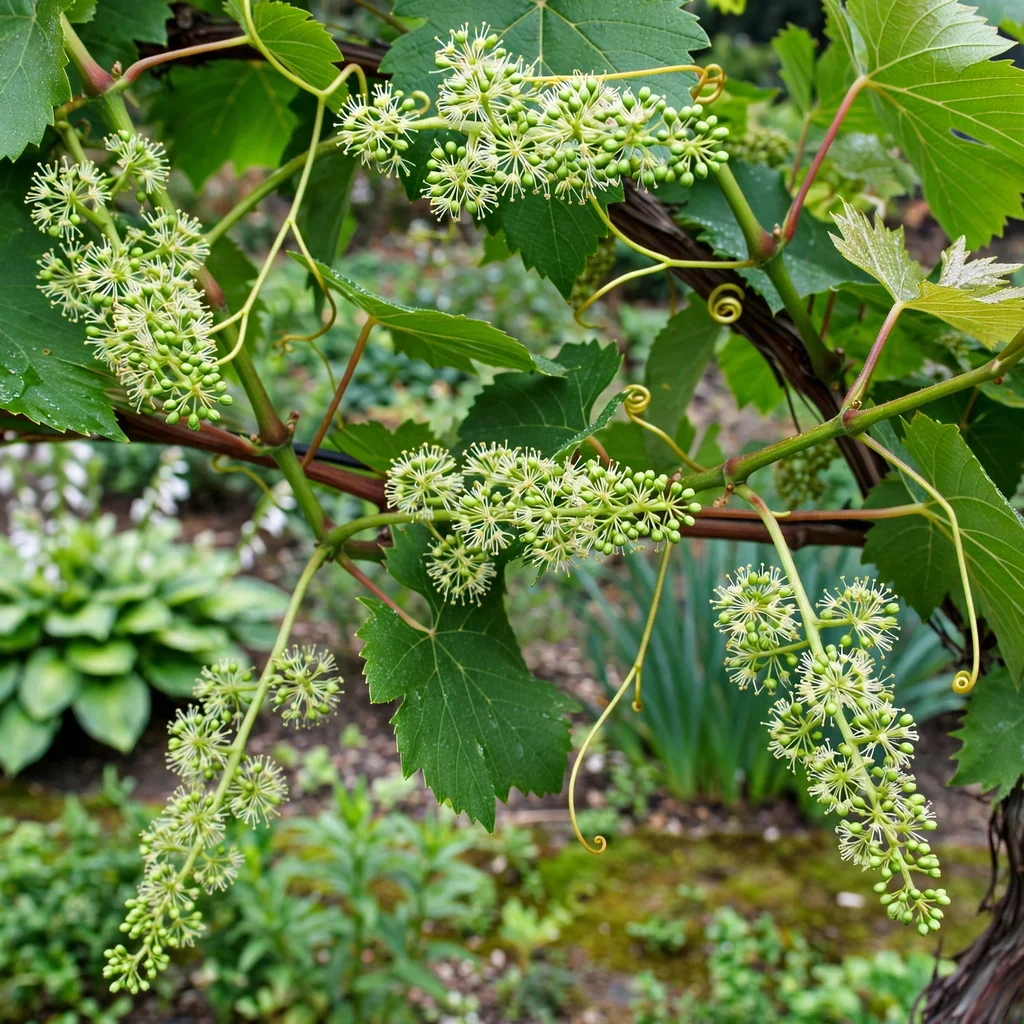
Cabernet Sauvignon Grape
Vitis vinifera 'Cabernet Sauvignon Tulip Blend'
Thompson Seedless Grape
Vitis vinifera 'Thompson Seedless'
Blue Concord Seedless Grape
Vitis vinifera 'Blue Concord Seedless'
Emeryville Pink Grape
Vitis vinifera 'Emeryville Pink'
Keep exploring
Explore the genus
Hardy in your zone?
Grow Calloose Grape with confidence
See it in a design of your actual yard, get zone-matched care reminders, and track it season by season in your garden journal.