The Story
Plant Bio
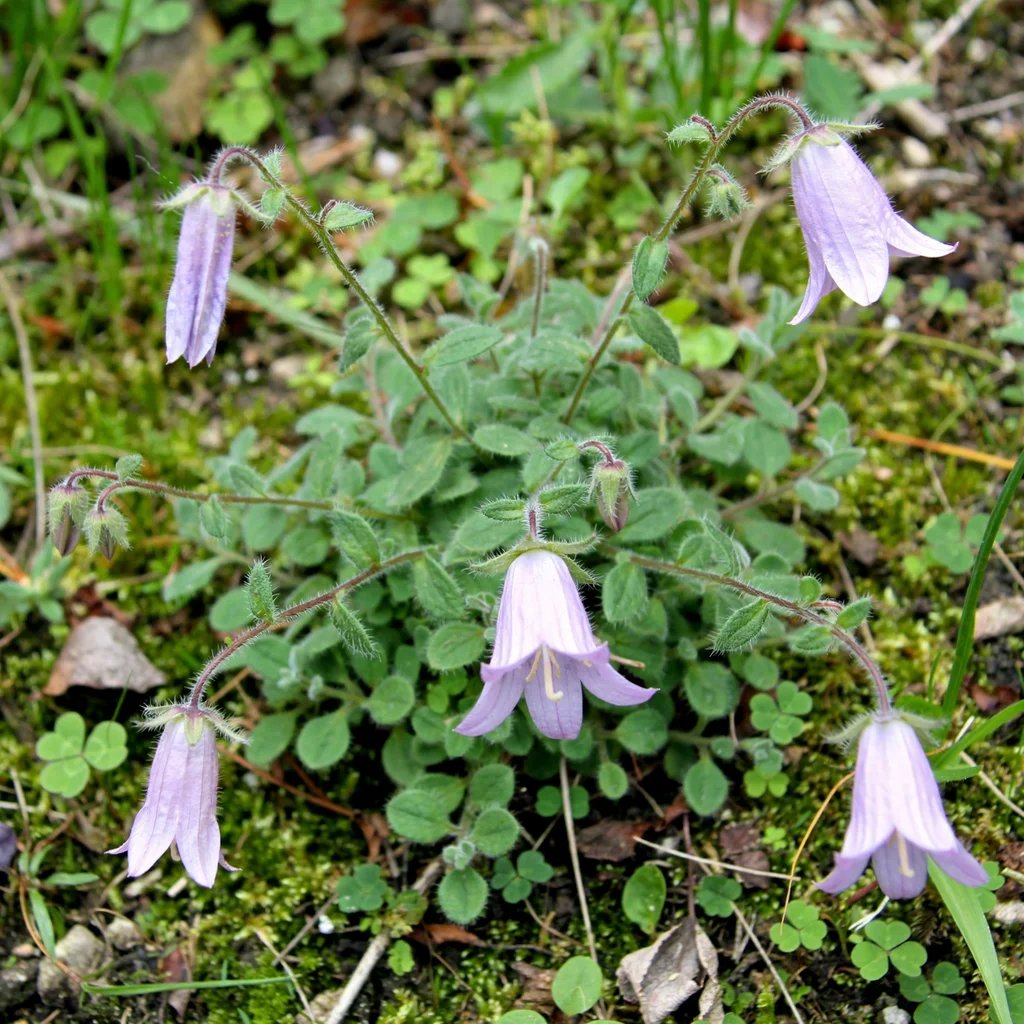
Campanula cashmeriana is a dwarf tufted perennial from Himalayan cliffs, reaching 4 to 12 inches tall with an 8-inch spreading mat of brittle, softly hairy stems. Small delicate leaves clothe semi-pendent shoots, and solitary nodding bells in light blue to lavender-blue open through summer into early fall.
Unlike border bellflowers, it stays prostrate and spills over rock, with white-hoary stems that snap rather than flop. Each stem carries single large pendent bells that hang down from the mat instead of rising in clustered spikes.
Uses & Benefits:
Essentials
At a Glance
Plant Type
Perennial
Height
12"
Width
8"
Light
Full Sun, Partial Sun
Zones
4, 5, 6, 7, 8, 9
Water
Medium
Humidity
Unknown
Lifespan
Perennial
Native To
Afghanistan to Nepal and Central Asia
Toxicity
Non-toxic
Bloom period
Summer – Early fall
In flower about 4 months of the year
Planting
How to Grow
- Choose full sun with afternoon shade in hot areas and cool nights where possible.
- Dig grit into humus-rich soil so water drains fast from sand to clay-loam.
- Set the crown level with the surface in a rock crevice or raised pocket.
- Water to establish, then keep evenly moist but never soggy.
- Top with stone grit to keep stems dry and the crown open.
Pro Tip
Plant it high in grit, not rich soil; winter wet kills it faster than cold.
Keep It Thriving
Care Guide
Do
- Give sharp drainage in a rock crevice or trough
- Provide afternoon shade where summers are hot
- Leave cool air movement around the mat
Don't
- Do not plant in rich wet soil that holds winter water
- Do not bury the crown under mulch
- Do not let pots sit in saucers
Seasonal Care Calendar
| Task | Jan | Feb | Mar | Apr | May | Jun | Jul | Aug | Sep | Oct | Nov | Dec |
|---|---|---|---|---|---|---|---|---|---|---|---|---|
| Deadhead | ||||||||||||
| Pest Check | ||||||||||||
| Plant | ||||||||||||
| Spring Cleanup | ||||||||||||
| Winter Prep |
Watch Out For
Pests & Diseases
Common Pests
Common Diseases
In the Garden
Landscape Uses & Companions
Landscape Uses
Multiply
Propagation Methods
Good to Know
Common Questions
Kashmir Bellflower questions
What zones can Kashmir Bellflower grow in?
Kashmir Bellflower is hardy in USDA Zones 4–9: in that range it survives winter in the ground. Warmer than Zone 9, winter isn't the problem: it prefers colder winters, and summer heat can shorten its life.
When does Kashmir Bellflower bloom?
Kashmir Bellflower typically blooms from early summer to early fall. Exact timing shifts a week or two with your zone — Sow's bloom calendar maps it to your garden.
Does Kashmir Bellflower need full sun?
Kashmir Bellflower does best in full sun to part shade. In hot climates, afternoon shade keeps blooms fresher longer.
More Campanula to compare
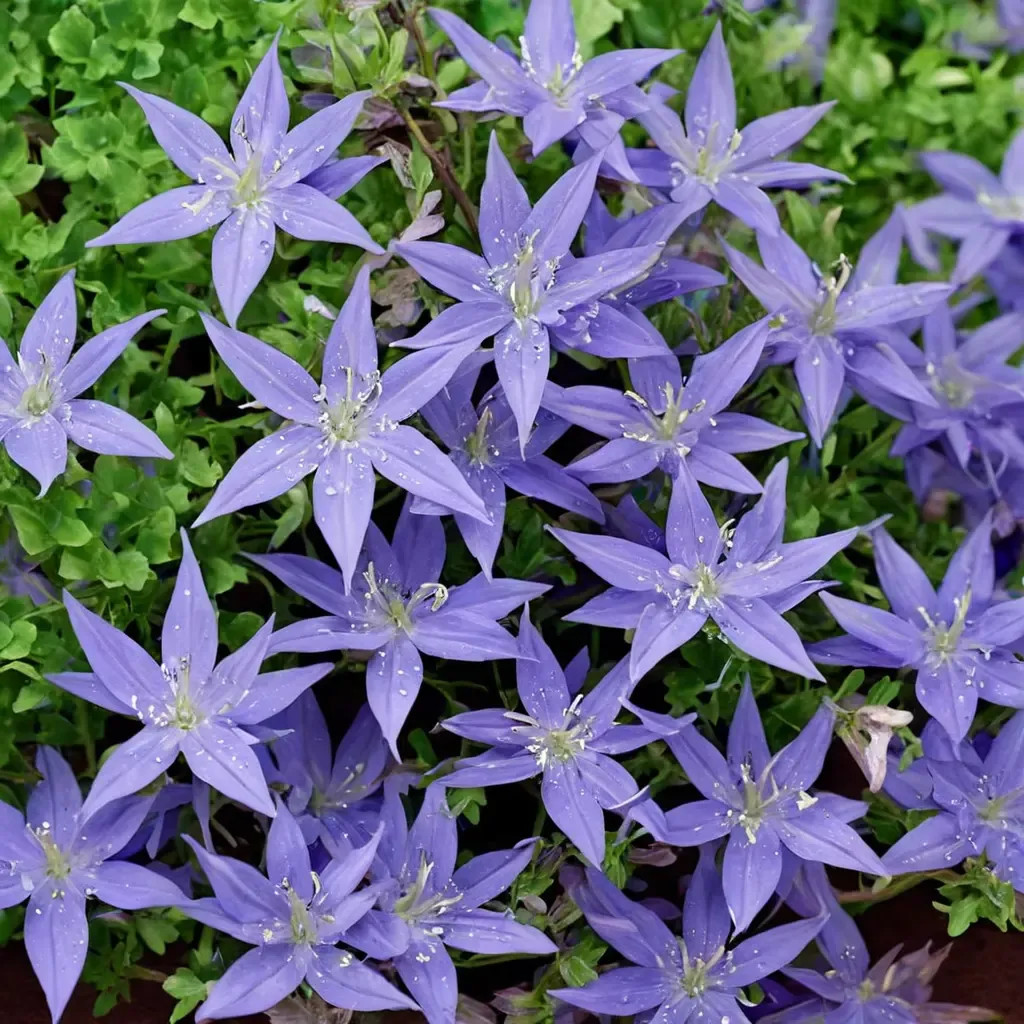
Blue Waterfall Bellflower
Campanula poscharskyana 'Blue Waterfall'
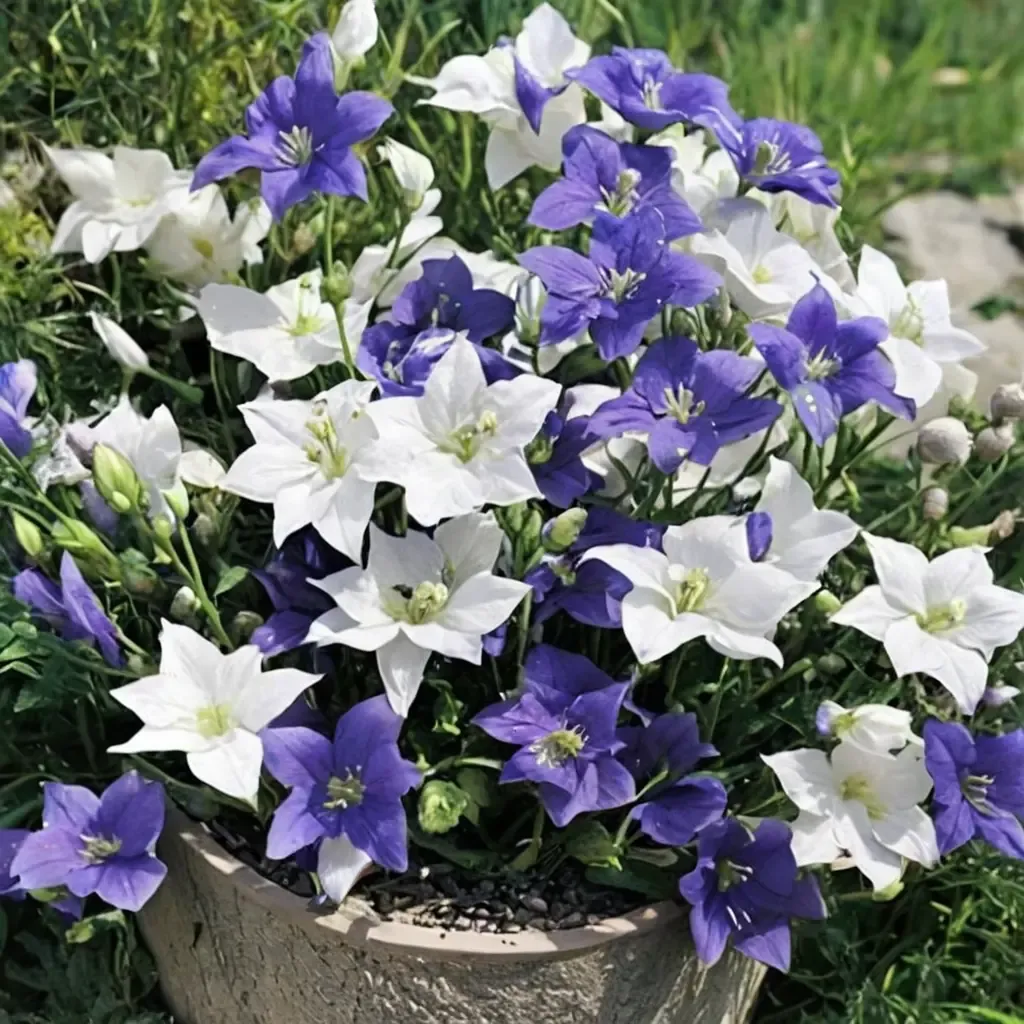
Carpathian Bellflower Mix
Campanula carpatica 'Mix'
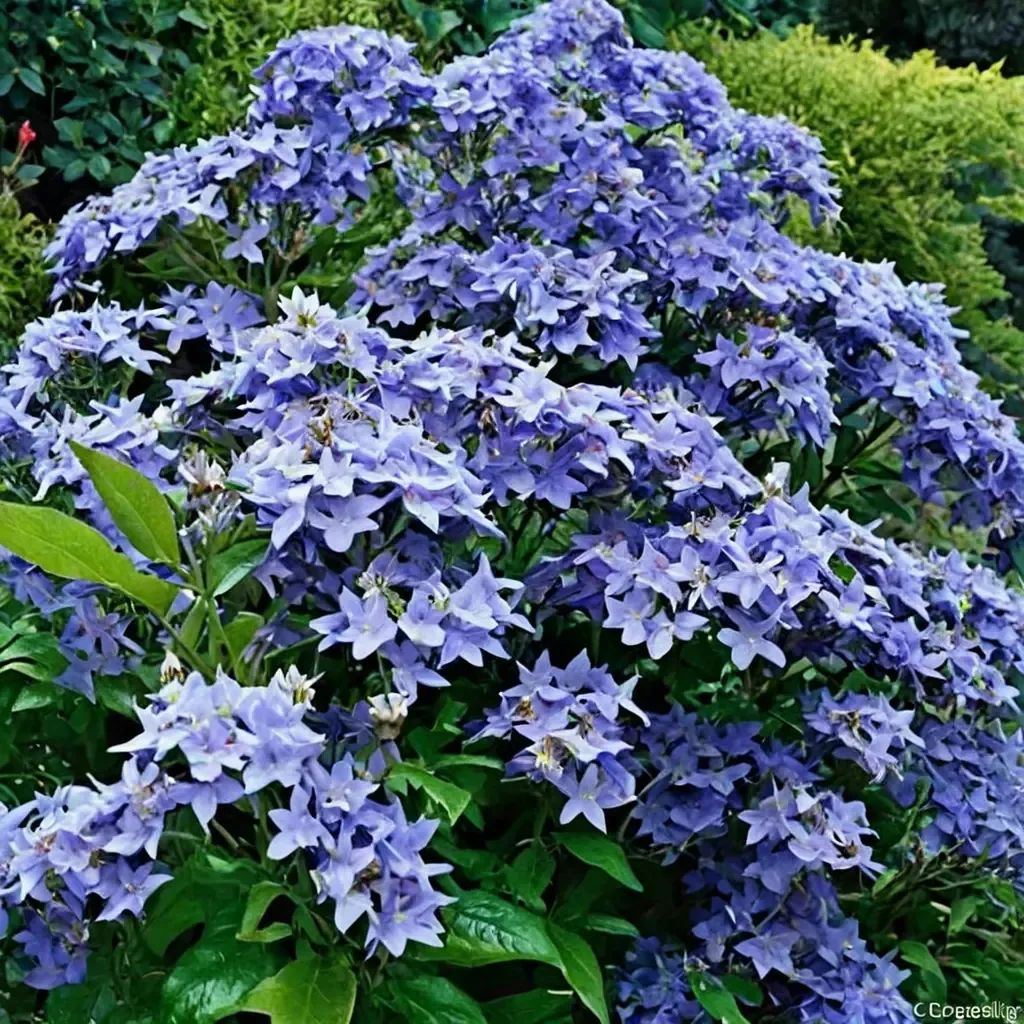
Prichard Milky Bellflower
Campanula lactiflora 'Prichard'
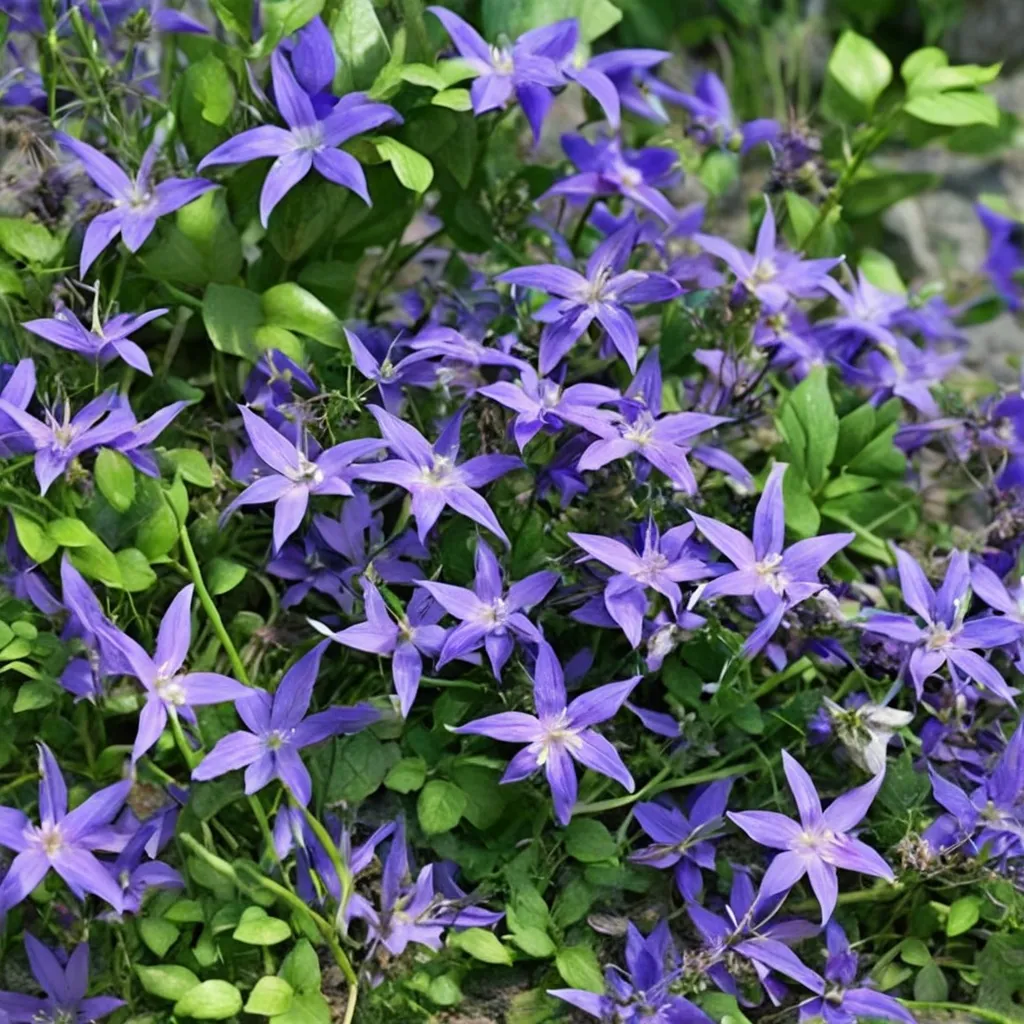
Serrated Bellflower
Campanula poscharskyana 'Stella'
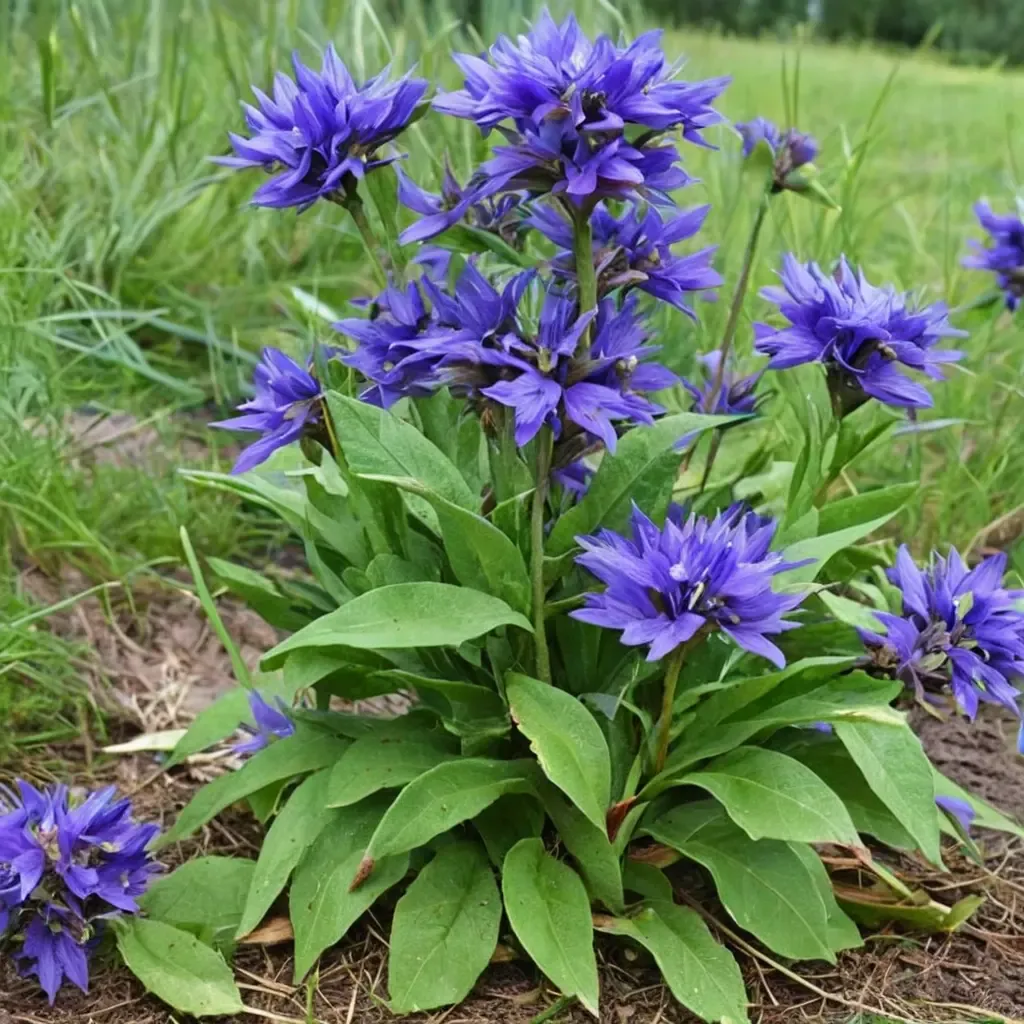
Clustered Bellflower
Campanula glomerata
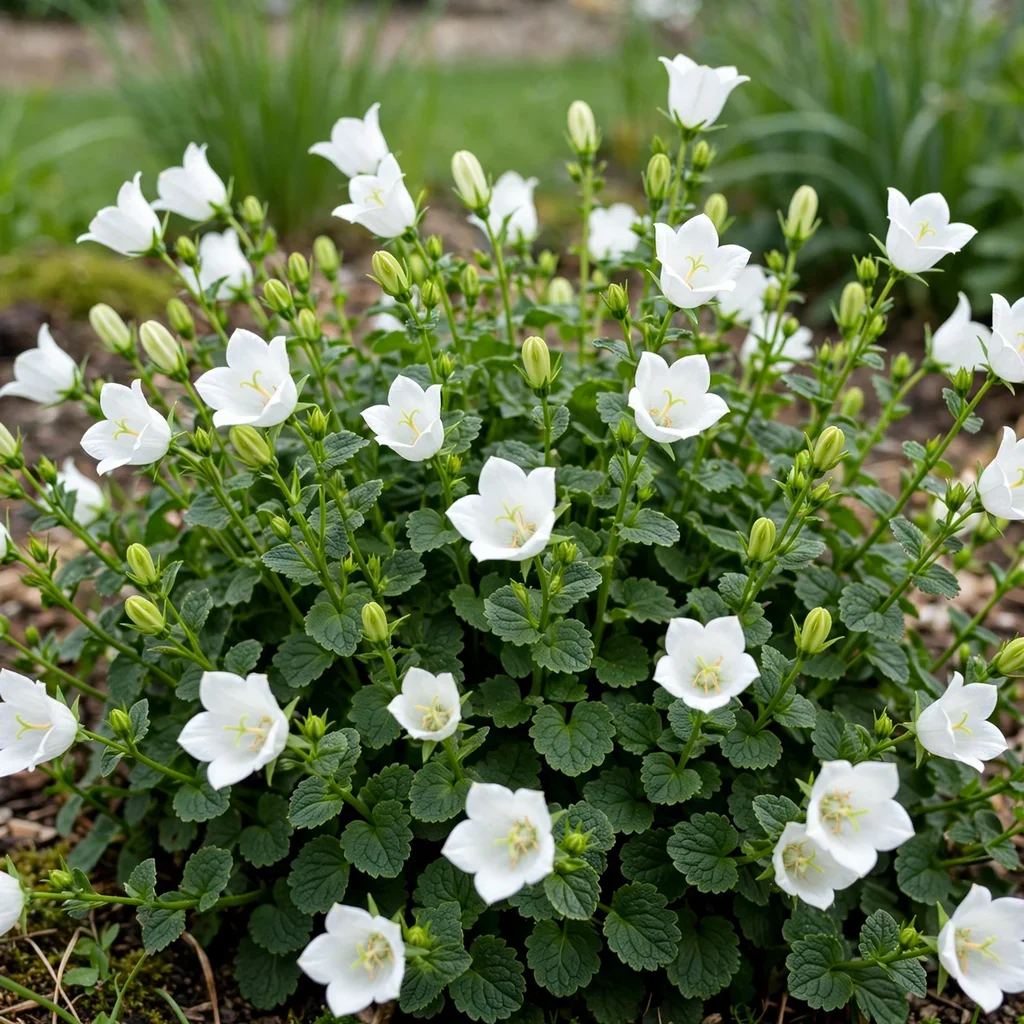
Rapido White Carpathian Bellflower
Campanula rapunculoides 'Rapido White'
Keep exploring
Explore the genus
Grow Kashmir Bellflower with confidence
See it in a design of your actual yard, get zone-matched care reminders, and track it season by season in your garden journal.