The Story
Plant Bio
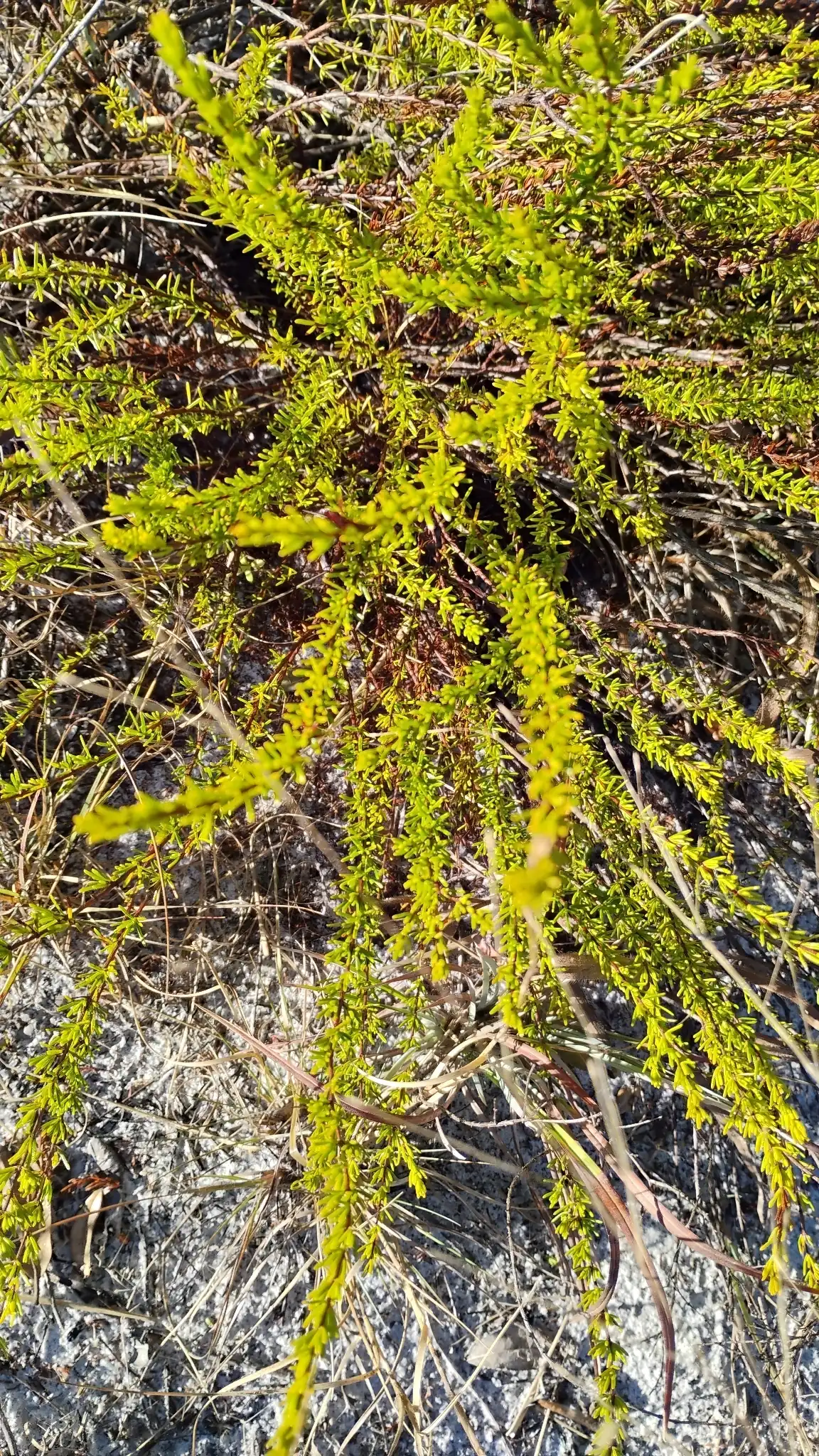
Hypericum tenuifolium is a low evergreen subshrub from the southeastern coastal plain, forming a spreading mat 12 to 24 inches tall with fine needle-like deep-green leaves. In spring into summer it carries masses of small golden-yellow flowers with five petals around a boss of prominent stamens.
Unlike the tall border St. John's-worts, this species stays low and decumbent, with foliage as fine as rosemary needles that stays glossy through winter in mild climates. It thrives in deep sand, dunes and pine flatwoods where drought and salt air prune out less adapted shrubs.
Uses & Benefits:
Essentials
At a Glance
Plant Type
Shrub
Height
24"
Width
24"
Light
Full Sun, Partial Sun
Zones
7, 8, 9, 10
Water
Moderate to low once established
Humidity
Tolerates heat and humidity
Lifespan
Woody subshrub
Native To
Southeastern USA coastal plain
Toxicity
Mildly toxic to pets; skin irritant
Bloom period
Spring – Summer
In flower about 6 months of the year
Planting
How to Grow
- Set in full sun in deep sandy well-drained soil in spring after frost.
- Dig to the root-ball depth and space 18 to 24 inches for a continuous mat.
- Water deeply at planting and through the first summer, then taper off.
- Cut back lightly after the main bloom to keep stems dense and low.
- Renew pine-straw mulch each spring and avoid rich soil and heavy fertilizer.
Pro Tip
Plant in deep sand in full sun and withhold summer water once rooted; wet winter soil kills more plants than cold.
Keep It Thriving
Care Guide
Do
- Plant in full sun for heaviest bloom
- Provide sharp drainage in sand or sandy loam
- Water to establish, then allow drying between waterings
Don't
- Do not plant in heavy clay or soggy ground
- Do not use leaves for tea or medicine; this is not H. perforatum
- Do not overwater once established
Seasonal Care Calendar
| Task | Jan | Feb | Mar | Apr | May | Jun | Jul | Aug | Sep | Oct | Nov | Dec |
|---|---|---|---|---|---|---|---|---|---|---|---|---|
| Mulch | ||||||||||||
| Pest Check | ||||||||||||
| Plant | ||||||||||||
| Prune |
Watch Out For
Pests & Diseases
Common Pests
Common Diseases
In the Garden
Landscape Uses & Companions
Landscape Uses
Companion Plants
Multiply
Propagation Methods
Good to Know
Common Questions
Atlantic St. John's Wort questions
What zones can Atlantic St. John's Wort grow in?
Atlantic St. John's Wort is hardy in USDA Zones 7–10: in that range it survives winter in the ground. Colder than Zone 7, grow it in a container you can move to shelter for the winter.
When does Atlantic St. John's Wort bloom?
Atlantic St. John's Wort typically blooms from spring to summer. Exact timing shifts a week or two with your zone — Sow's bloom calendar maps it to your garden.
Does Atlantic St. John's Wort need full sun?
Atlantic St. John's Wort does best in full sun to part shade. In hot climates, afternoon shade keeps blooms fresher longer.
Is Atlantic St. John's Wort drought tolerant?
Yes — once established (usually after the first full season), Atlantic St. John's Wort handles dry spells with minimal watering. Water deeply its first year to build the root system that makes that possible.
More Hypericum to compare
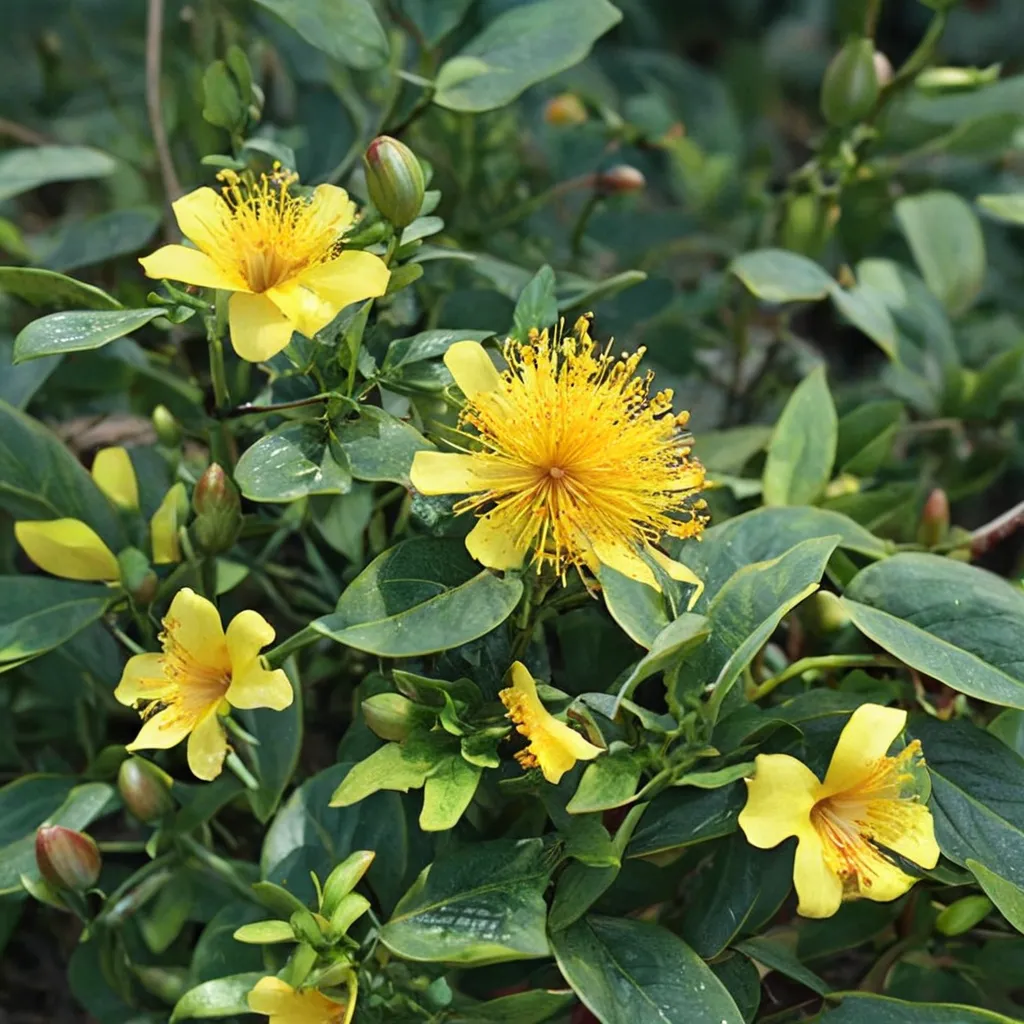
Hypericum frondosum Goldmound
Hypericum frondosum
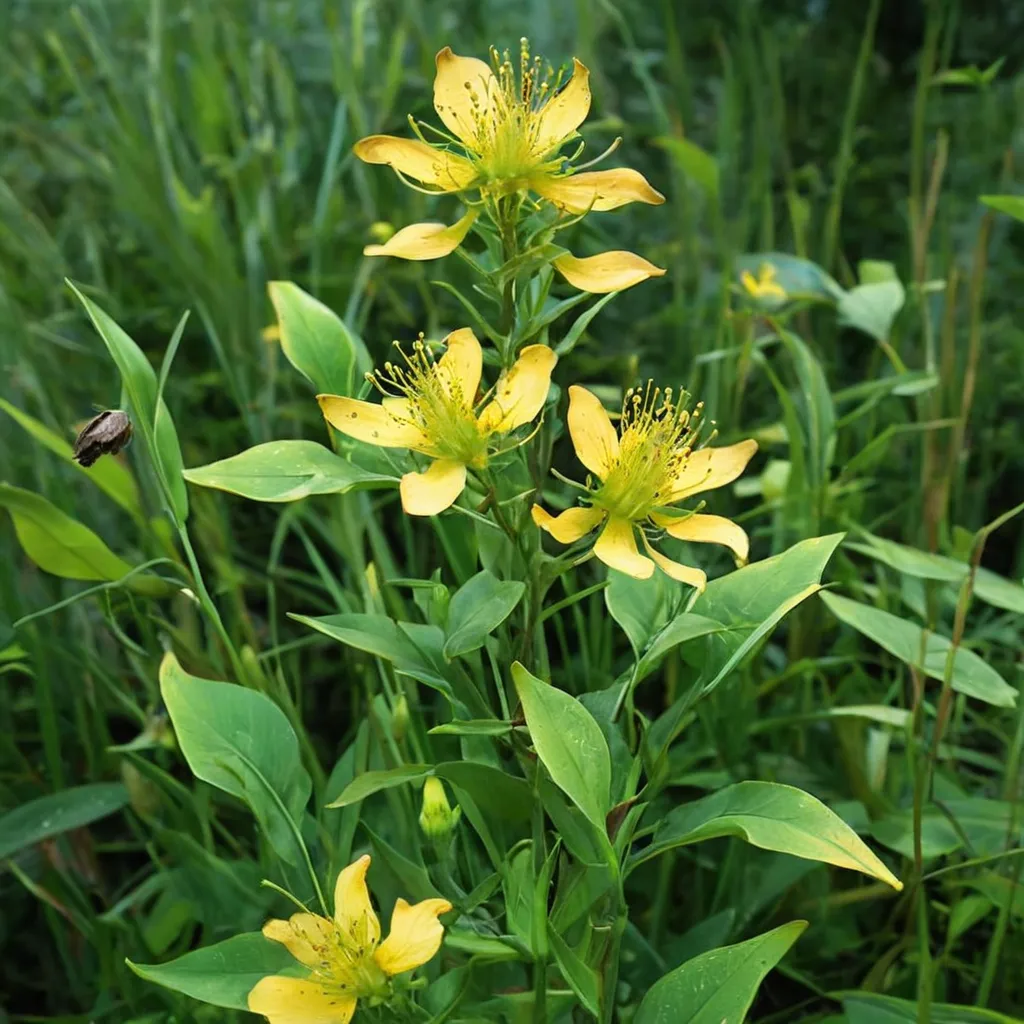
Great St. John's Wort
Hypericum ascyron
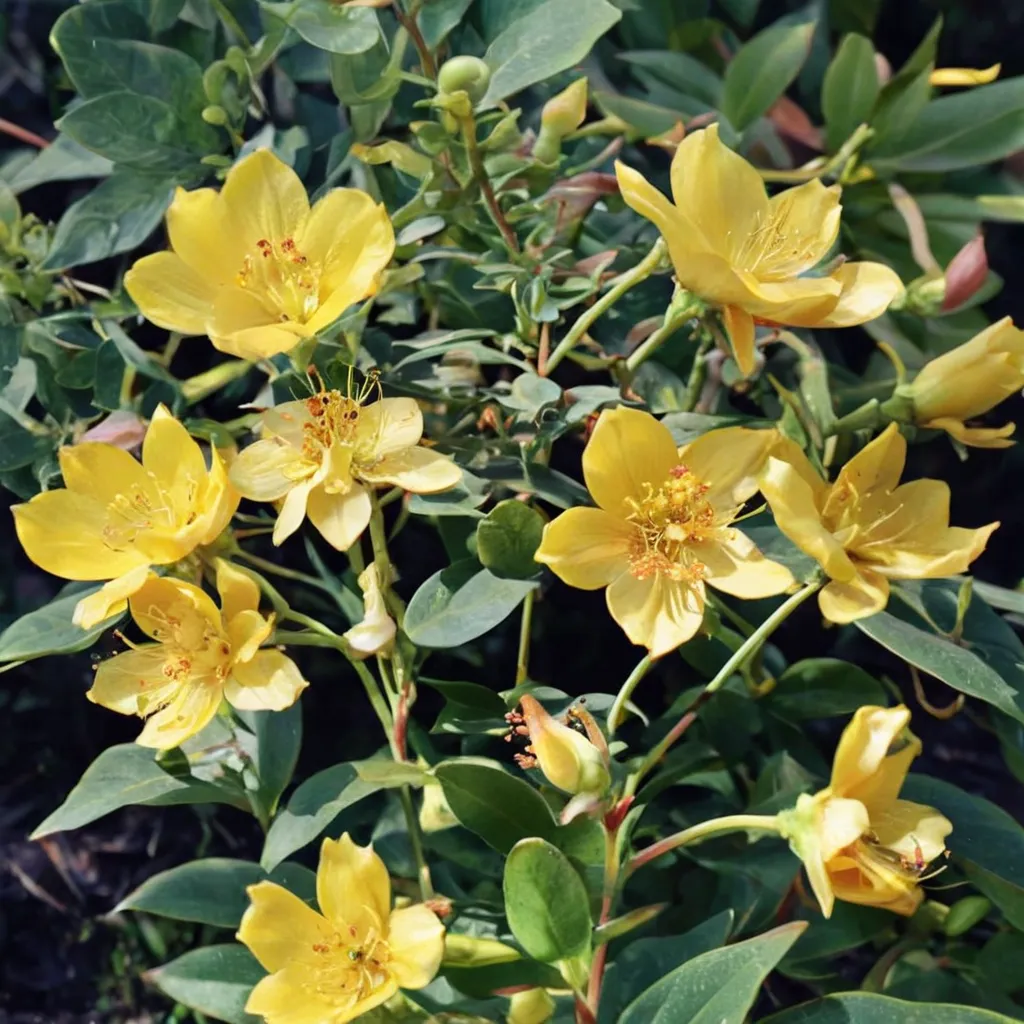
Variegated Hypericum
Hypericum patulum 'Hidcote Variegated'
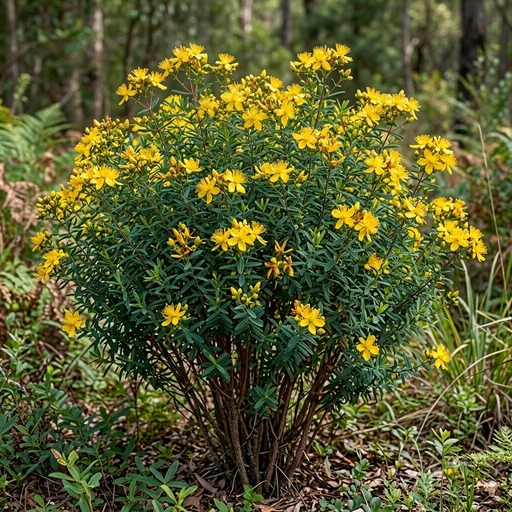
Shrubby St. Johnswort
Hypericum prolificum
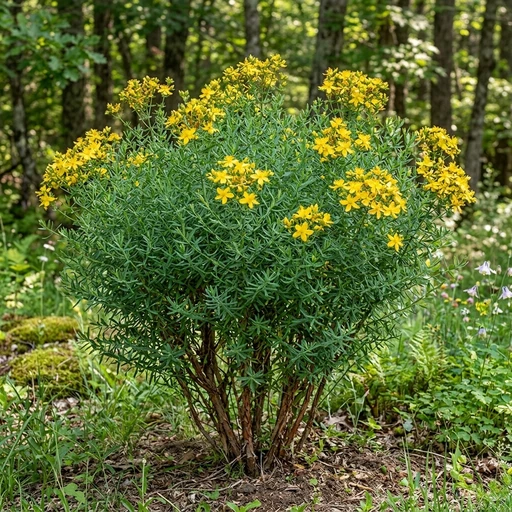
Gemo St. Johnswort
Hypericum kalmianum 'Gemo'
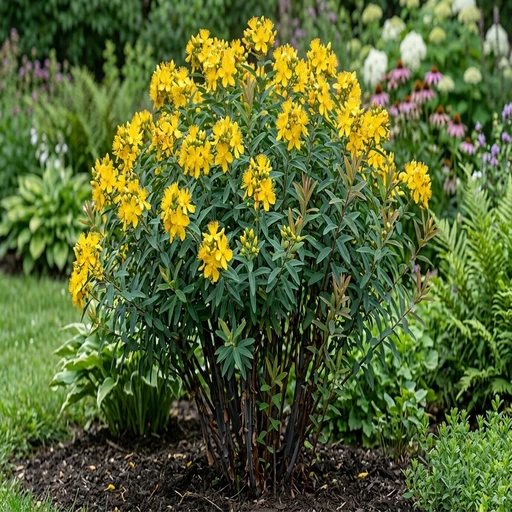
Kalm's St. John's Wort
Hypericum kalmianum
Keep exploring
Explore the genus
Hardy in your zone?
Grow Atlantic St. John's Wort with confidence
See it in a design of your actual yard, get zone-matched care reminders, and track it season by season in your garden journal.